
Originally posted in The Lime Times
Cities are embracing a new era of sustainable transportation across the U.S. Lime is proud to release the second annual mobility report with the League of American Bicyclists, analyzing more than 5 million trips across Baltimore, Nashville and Phoenix. This expanded report offers a deeper look at how people move through cities and how shared micromobility data can help create safer, more connected streets. The findings further support what we’ve seen globally: when communities build dedicated bike lanes and thoughtful, safe infrastructure, people choose micromobility.
Our three big takeaways
1. Riders prefer dedicated bike lanes
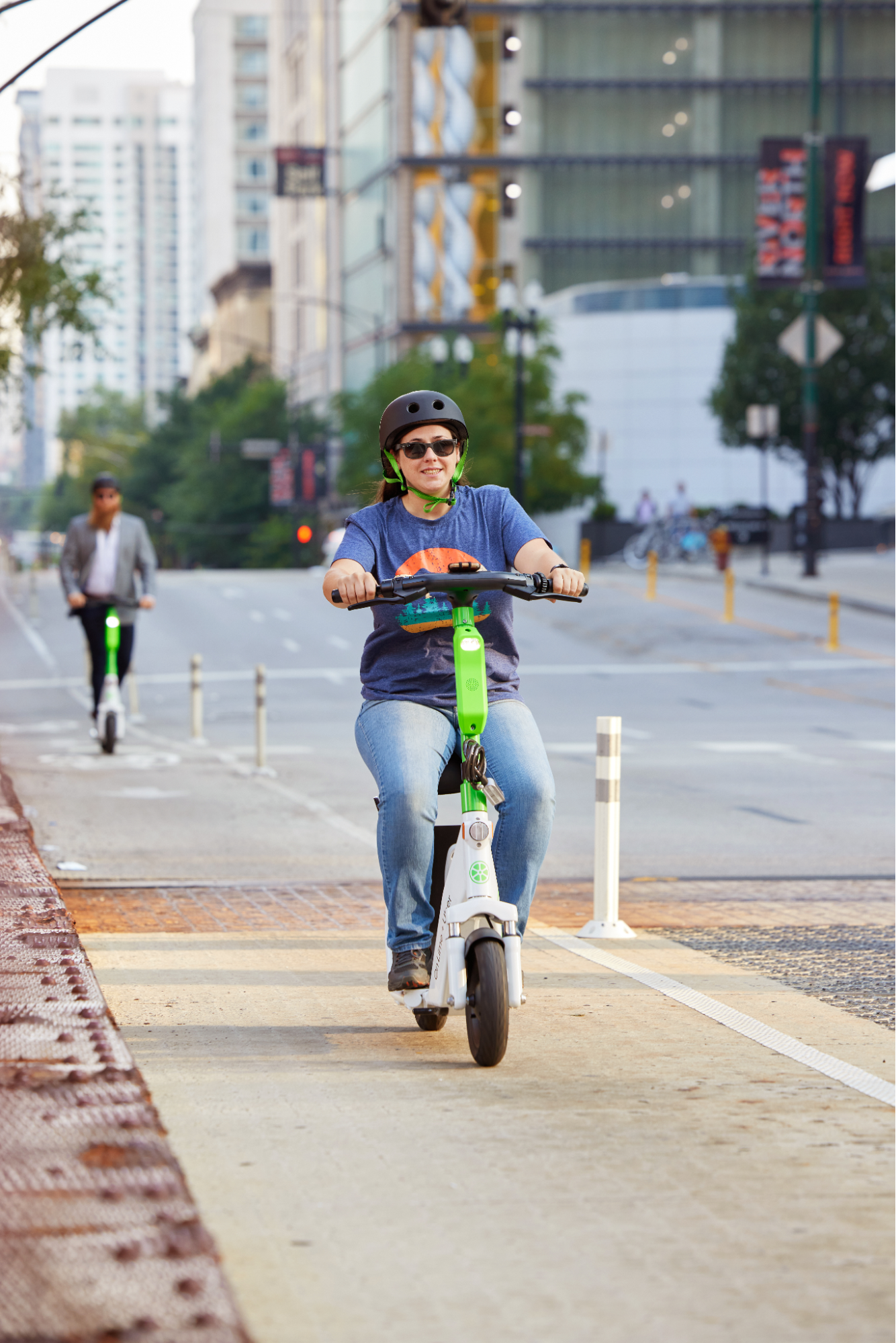
- In Baltimore, newly installed bike lanes were associated with a 207% increase in Lime trips on those streets compared to streets without dedicated bike infrastructure.
- In Nashville, streets with new bike lanes saw trips grow 39% faster than comparable streets without bike infrastructure.
- In Phoenix, ridership on protected lanes rose by 35% compared with baseline streets without dedicated infrastructure.
2. Infrastructure drives safety
Across all three cities, streets with dedicated bike infrastructure consistently had lower incident rates than those without. That underscores what many urban planners and riders already know: safer riding environments lead to safer riding.
3. Micromobility expands access to transit and connectivity
Lime effectively doubles the transit walkshed from 0.5 miles by walking alone to 1.1–1.3 miles using Lime. This significantly expands access to high-quality transit and provides connections for riders’ daily commutes.
“Like last year’s findings, the insights in this report help to demonstrate exactly why communities must continue to make these investments: we can see very clearly that building better infrastructure, and establishing policies to support that infrastructure, has real-world results in helping more people to safely make trips on two wheels.” – Bill Nesper, Executive Director of the League of American Bicyclists

What this means for cities
For cities across the U.S. looking to reduce congestion, improve safety and expand equitable transportation options, the data from Baltimore, Nashville and Phoenix offer a compelling story:
- Invest in dedicated bike lanes: Ridership gains are substantial, and riders respond fast.
- Prioritize safety: Dedicated space for bikes and micromobility reduces incident rates and builds confidence.
- Boost transit access: Micromobility fills crucial “first mile/last mile” gaps, helping people move more freely.
- Use data to guide investment: Lime’s global experience and analytics help cities pinpoint where new lanes and parking solutions deliver the greatest impact.
Transportation analytics leaders have also pointed out that micromobility and bike infrastructure can dramatically cut traffic volumes and reduce the time and economic value lost to congestion.
“Lime’s data provides cities with a powerful tool to strengthen transportation planning and Vision Zero efforts beyond what is possible using traditional bicycle trip counts. Our partnership with the League of American Bicyclists shows that when cities build dedicated bike lanes, ridership grows, safety improves, and riders from across the city benefit. We’re happy to collaborate with the cities we serve, sharing detailed, standardized data and planning support to help build safer, more connected streets for everyone.” — Brandon Haydu, Senior Program Manager, Transportation Policy & Analytics at Lime
How cities can lead the way
We’re sharing this report with transportation leaders, urban planners, policymakers and local advocates—anyone working to make cities safer, greener and more accessible. For those shaping city plans, preparing grant applications or exploring new infrastructure investments, the full report offers data that can help guide decisions.
We hope that the insights from Baltimore, Nashville and Phoenix inspire more cities to build on this momentum. When streets feel safe and welcoming, people choose to ride.