
For the third year running, the 2026 Vintage Mountain Bike Show, hosted by BoneshakerMTB and Gremlins Bicycle Emporium, brought vintage mountain bike culture back to life in Toronto with a weekend-long gathering celebrating the bikes, builders, and stories that shaped the early days of mountain biking…
What began as a small experiment has quickly grown into a tradition.
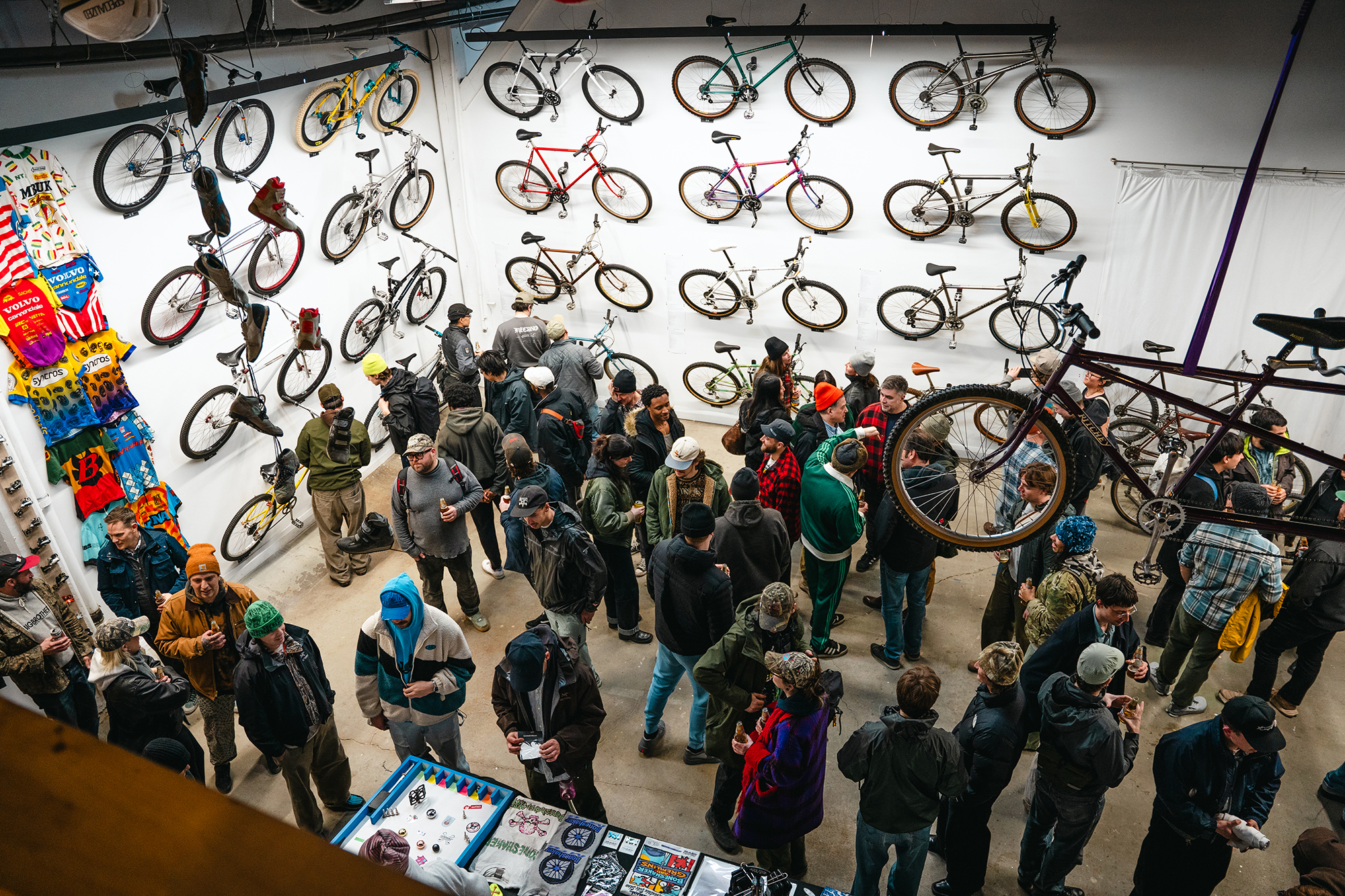
The show once again transformed a Toronto gallery space into what could only be described as a museum of mountain bike history, a collection of rare and beautifully preserved bikes spanning the late 1970s through the early 2000s. One of the most exciting parts of the show is seeing how far people are willing to travel for it.
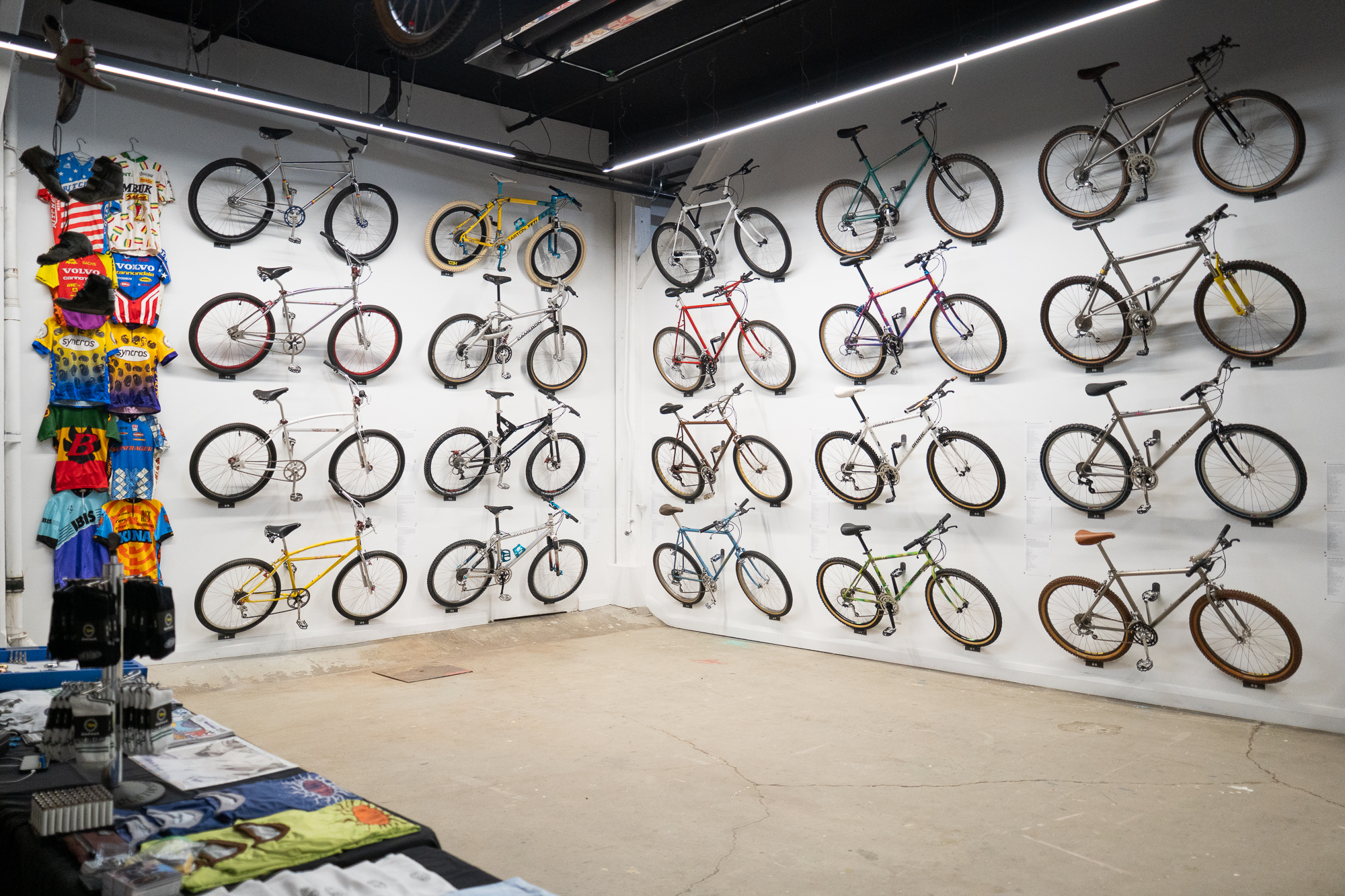
Collectors, riders, builders and bike nerds made the trip from across Canada and the U.S., bringing stories, knowledge, and deep appreciation for the machines that helped define the sport. Over the course of the weekend, the space filled with conversations about geometry, early suspension experiments, obscure parts, and the builders who pushed mountain bikes forward.
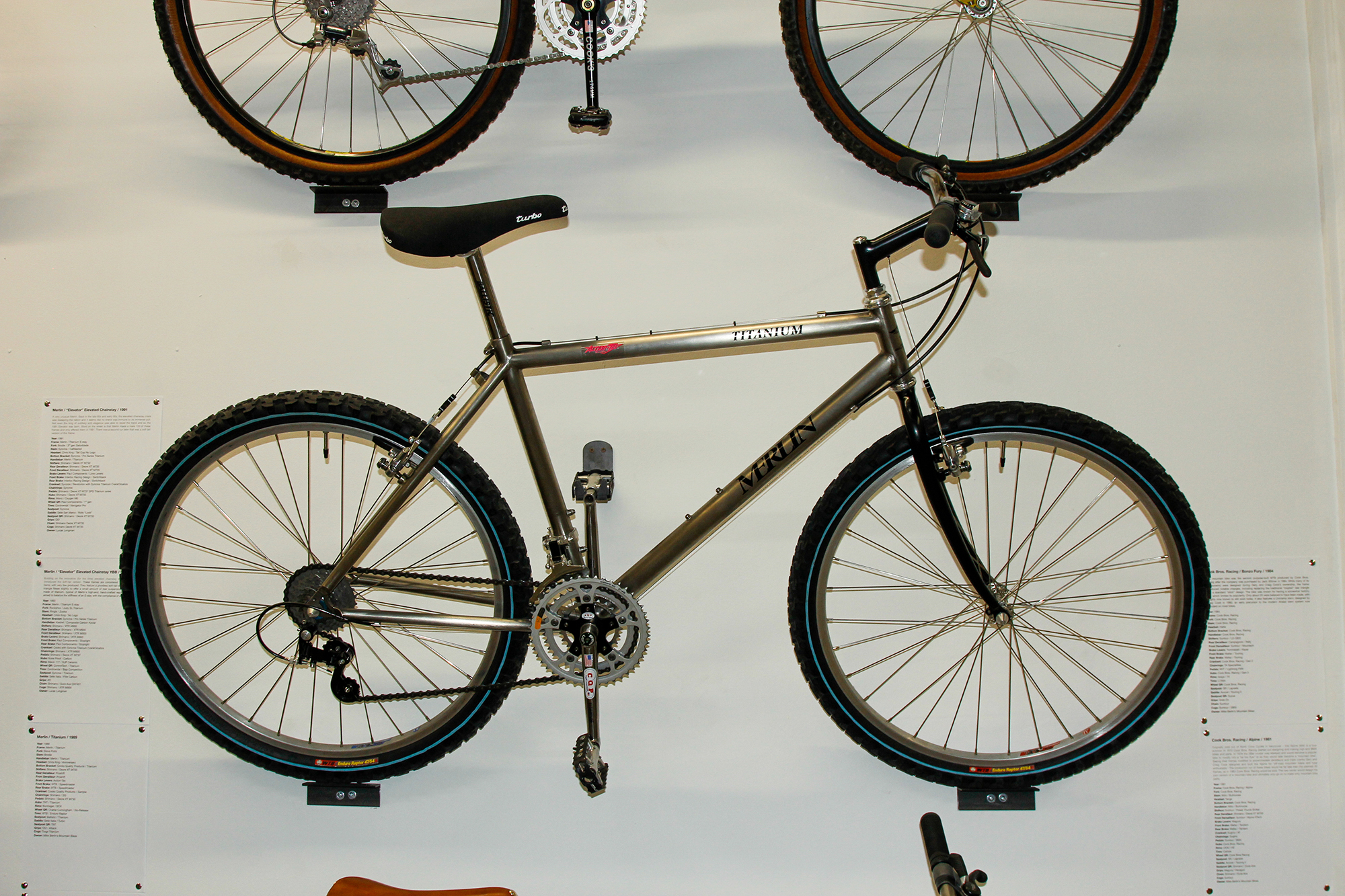
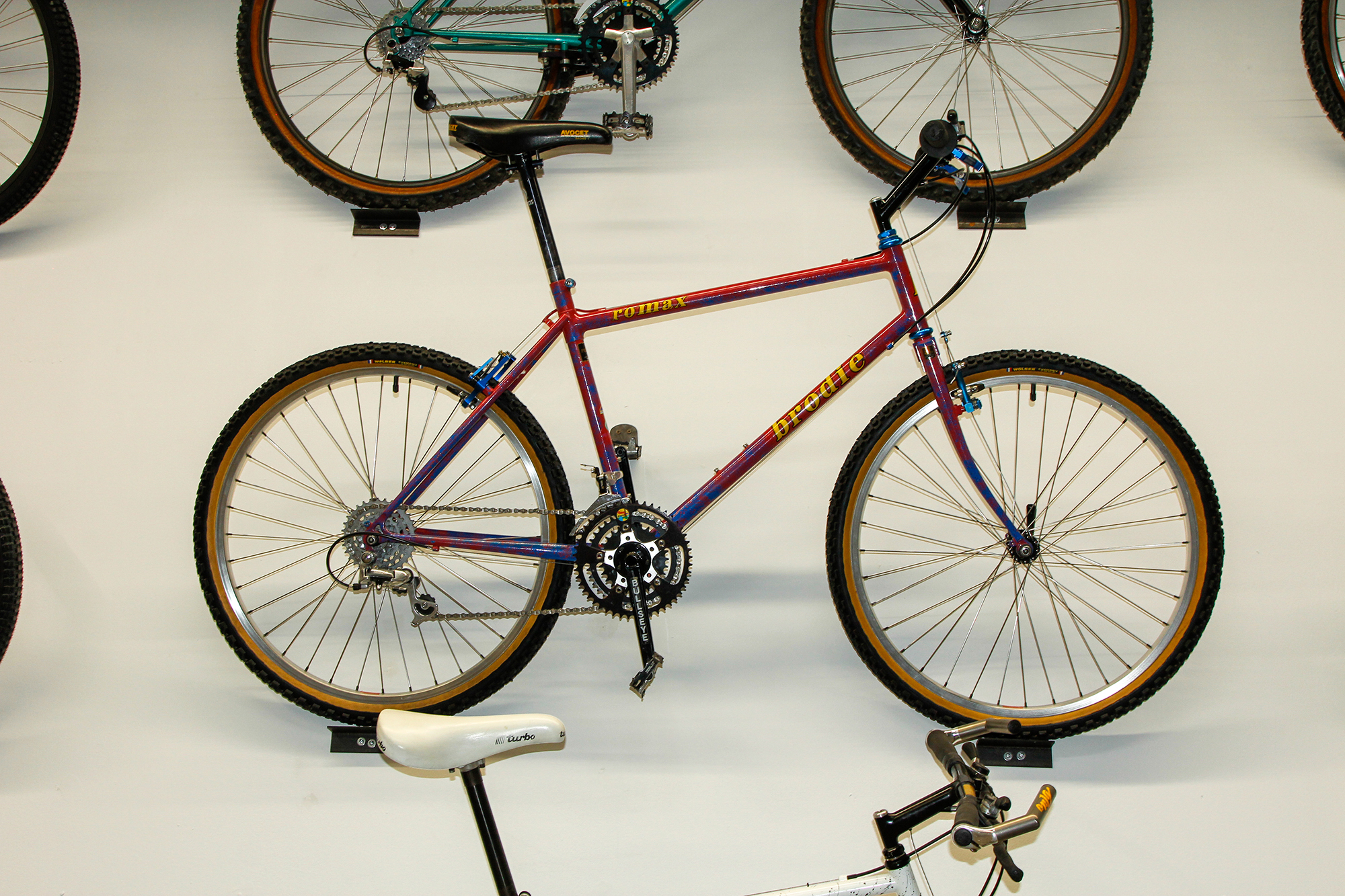
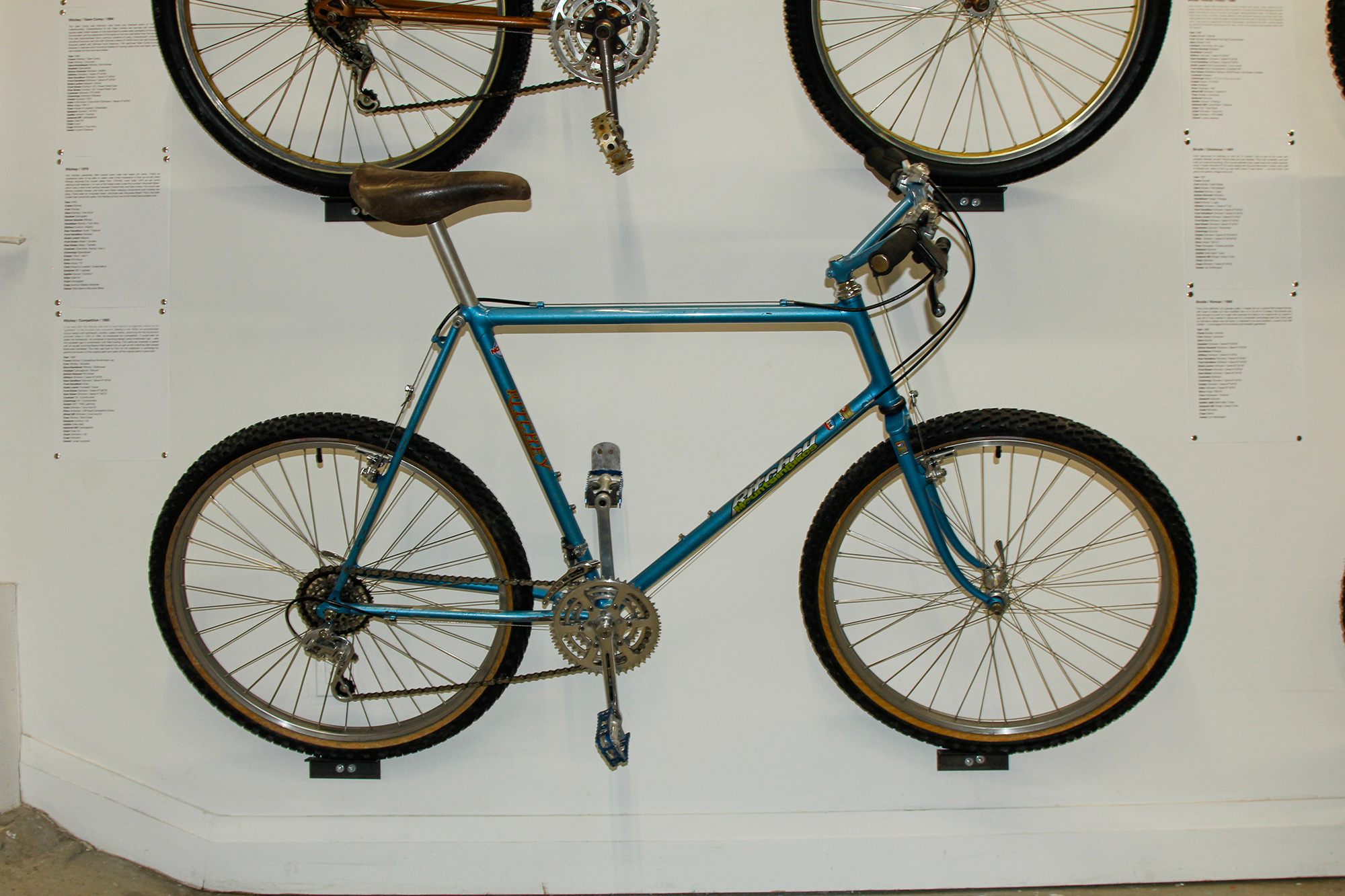
While modern mountain biking often focuses on the latest technology, the Vintage MTB Show offers something different: perspective. These bikes represent the experimentation and craftsmanship that laid the foundation for everything we ride today. This year’s show featured roughly 35 vintage mountain bikes, each carefully selected to represent a different moment in mountain bike evolution.
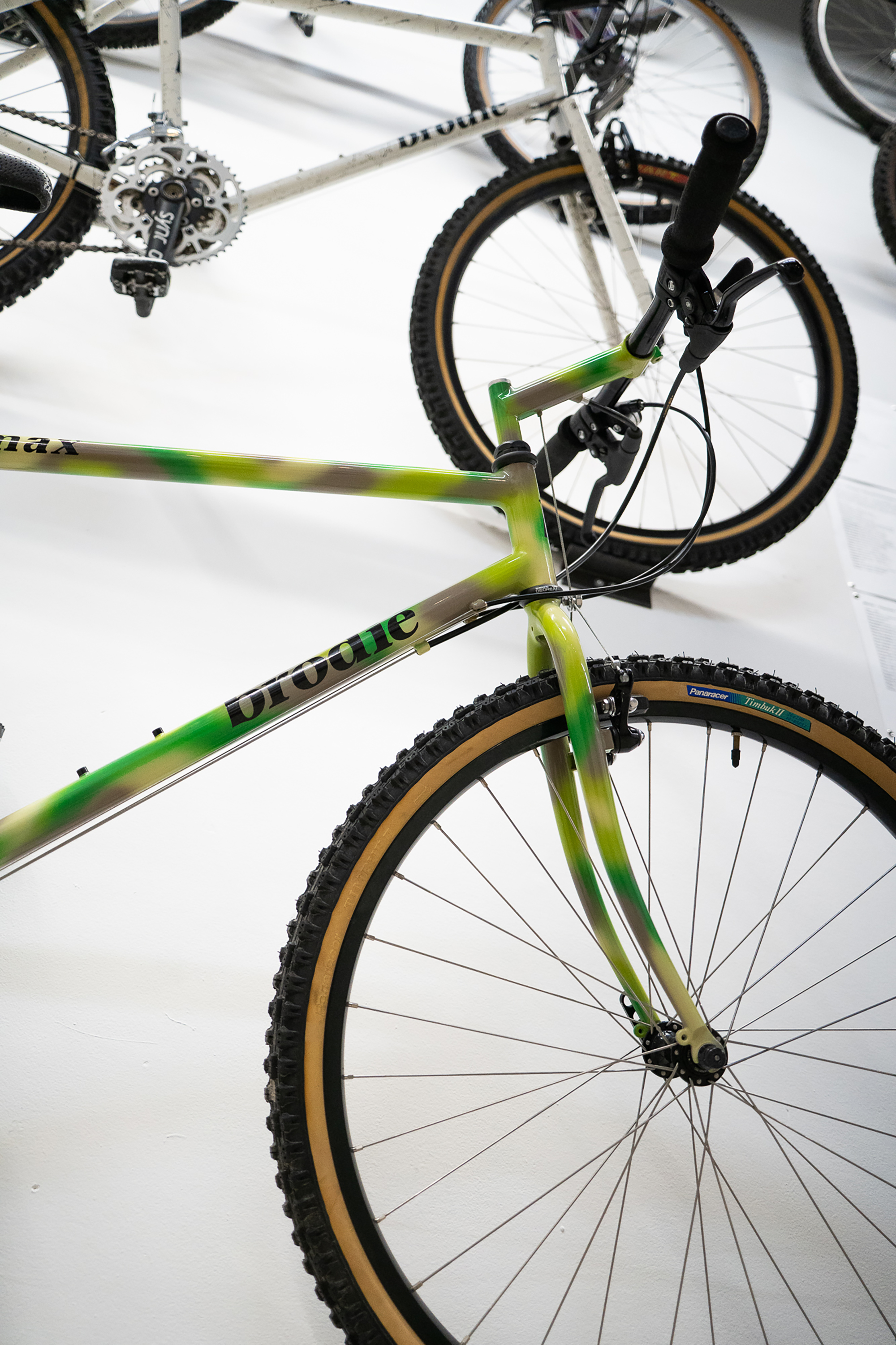
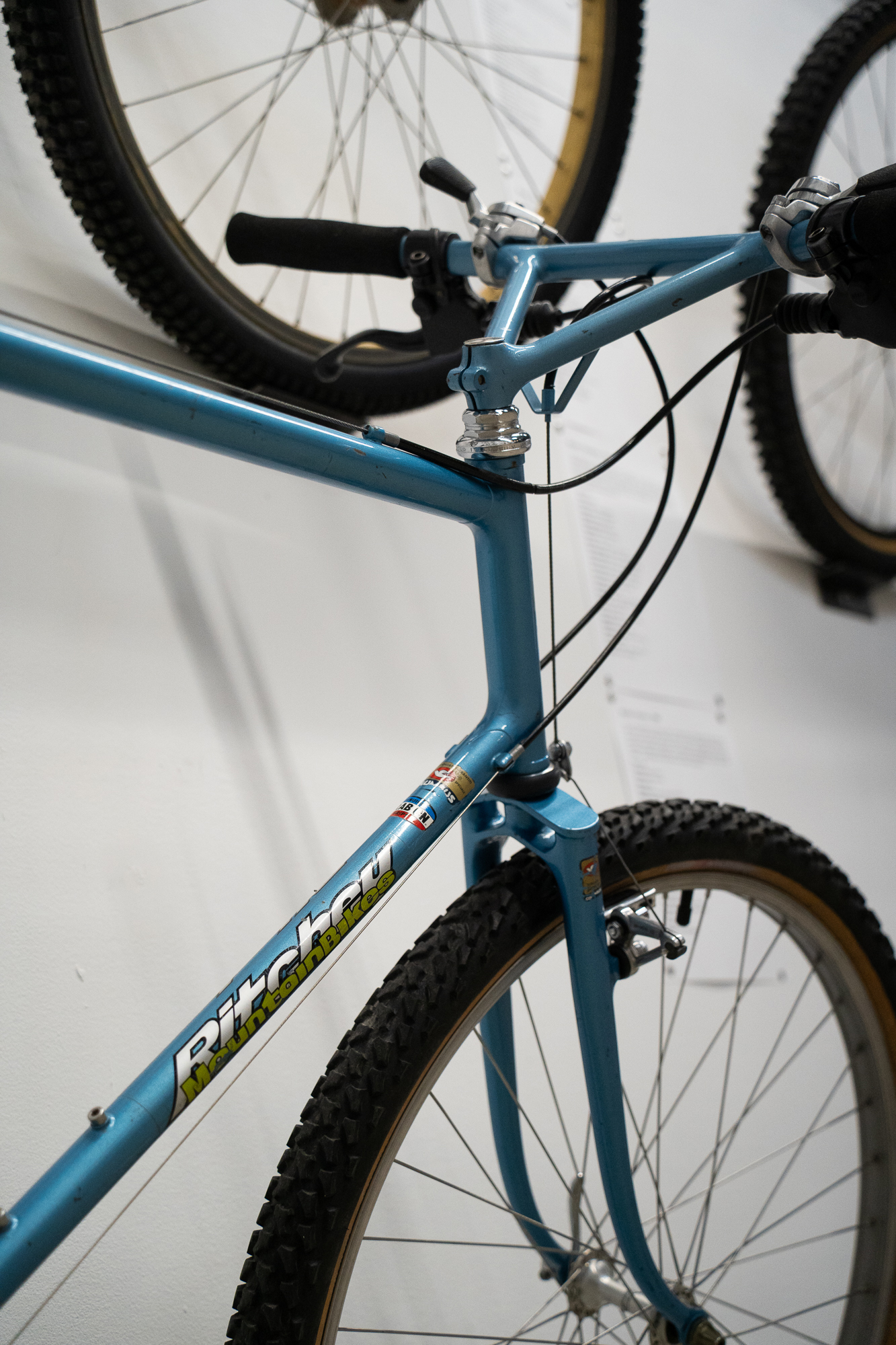
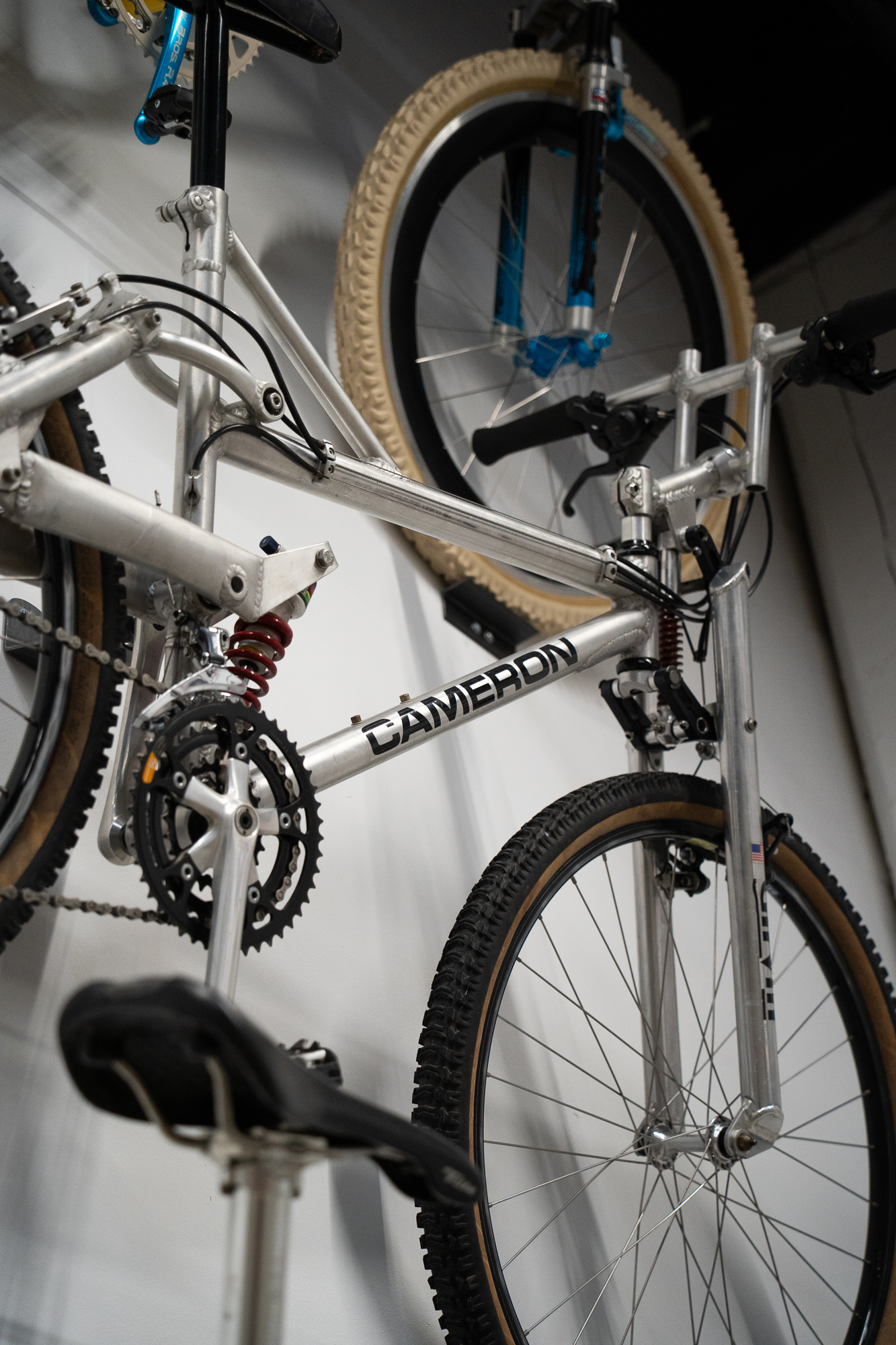
From early production models and handbuilt steel frames to radical suspension experiments from the 1990s, the bikes on display told the story of a sport that was still figuring itself out. Highlights included early production mountain bikes, rare full-suspension designs that were decades ahead of their time, and beautifully preserved examples of Canadian craftsmanship from legendary builders such as Harvey Cameron, Paul Brodie and Hugh Black of True North.
Seeing them all in one room made it clear just how creative and experimental the early years of mountain biking really were.
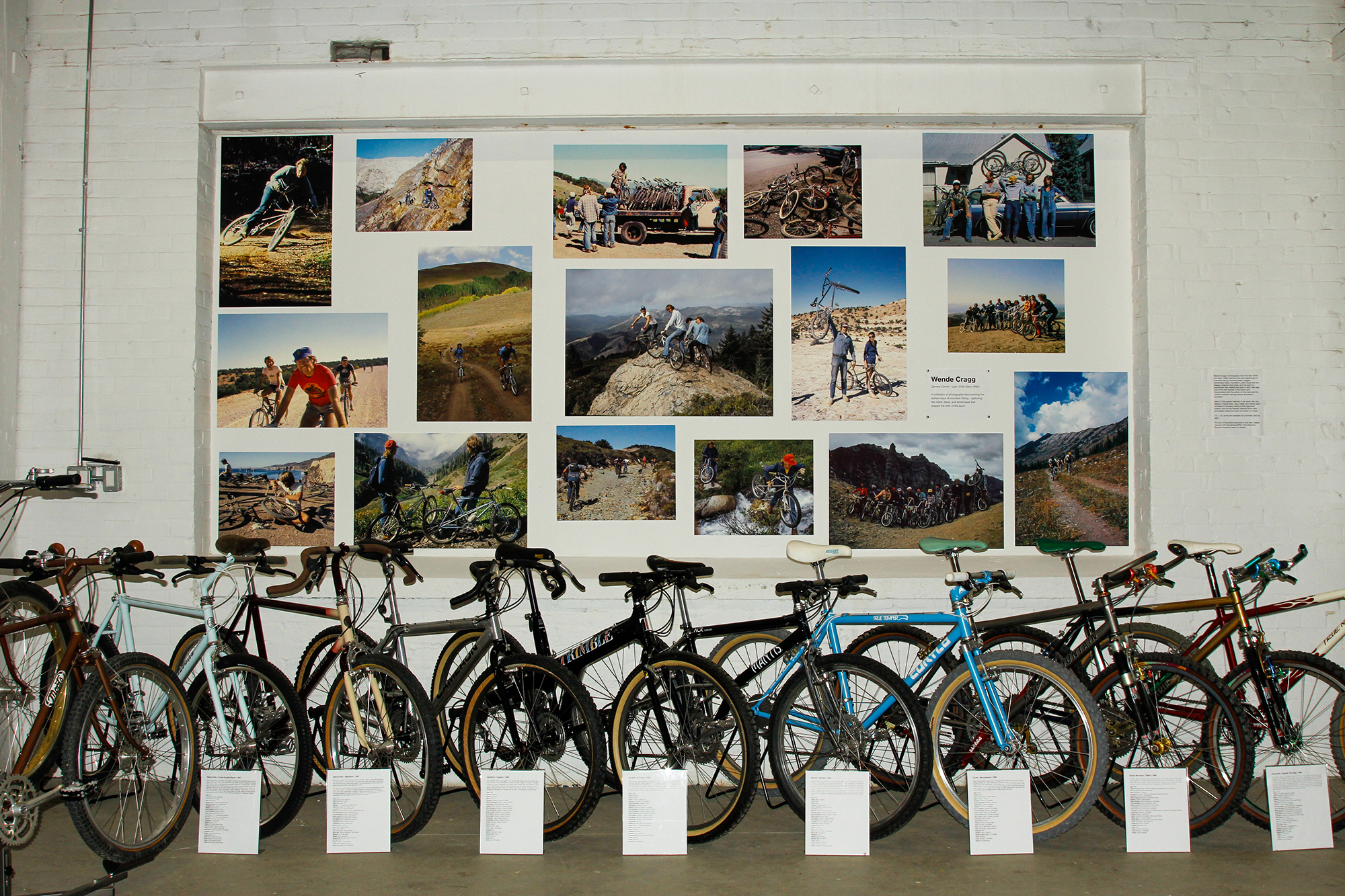
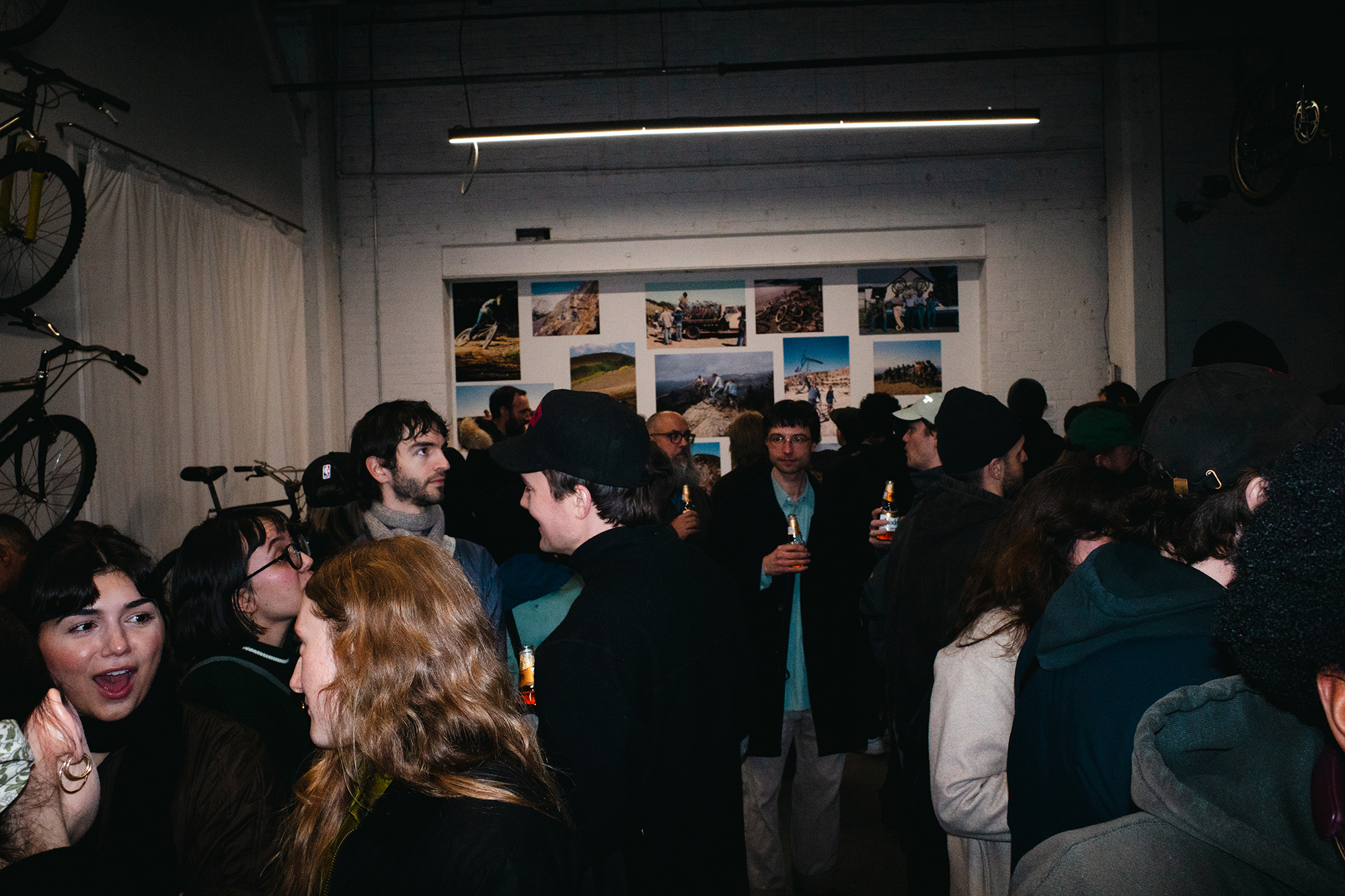
New to this year’s show was a photo exhibit featuring the work of legendary mountain bike photographer Wende Cragg. Cragg’s images helped define the visual identity of mountain biking during the sport’s formative years. Her photographs captured the energy, freedom, and rebellious spirit of early riders long before mountain biking became the global industry it is today.
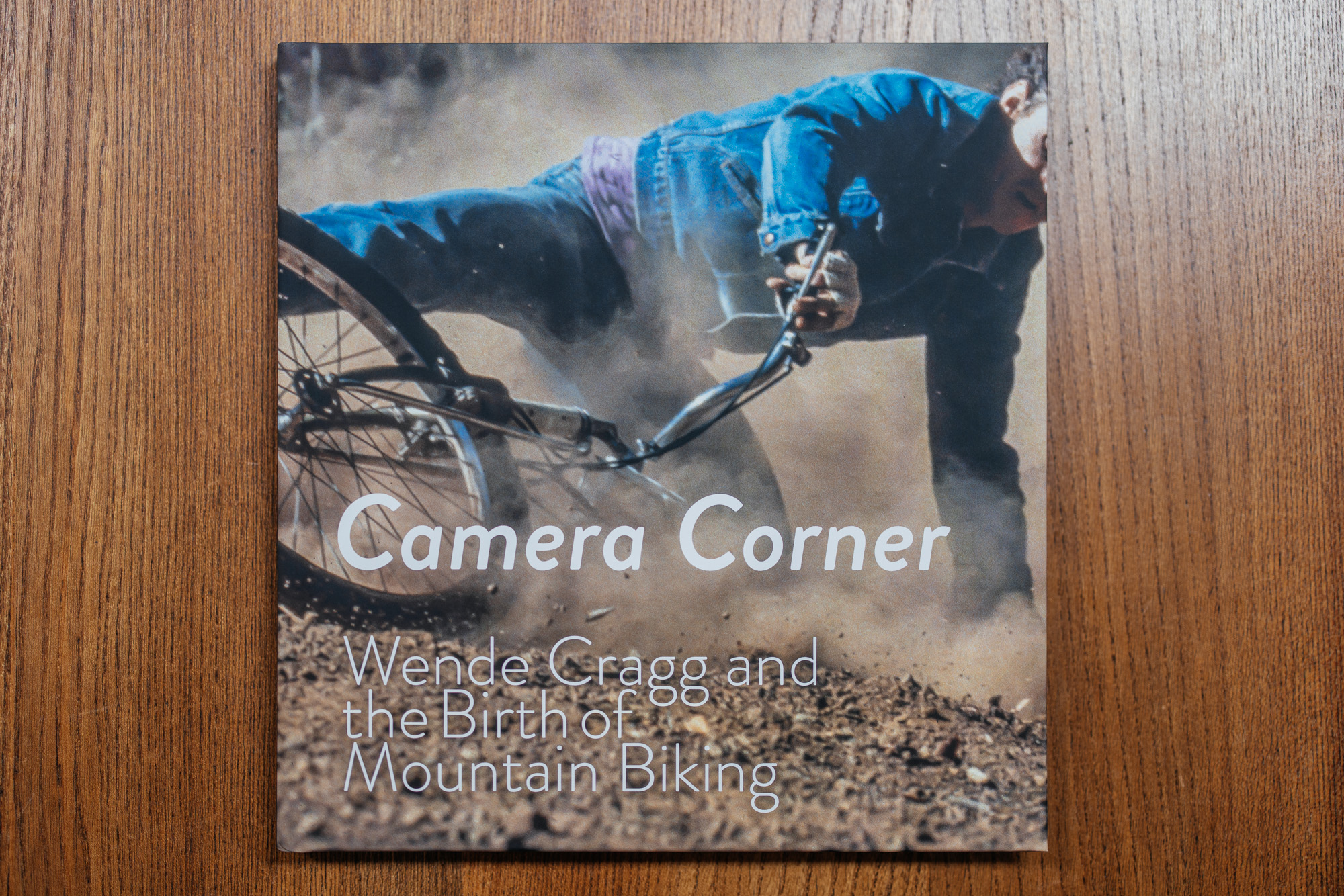
You can see more of Wende’s work in our book, Camera Corner
Displaying her work alongside the bikes themselves created a deeper context for the show. The frames and components told one part of the story—but Cragg’s photographs brought the people, landscapes, and culture surrounding those bikes to life. A selection of Wende Cragg prints from the exhibit is now available online through Gremlins Bicycle Emporium for anyone who wants to bring a piece of mountain bike history home.
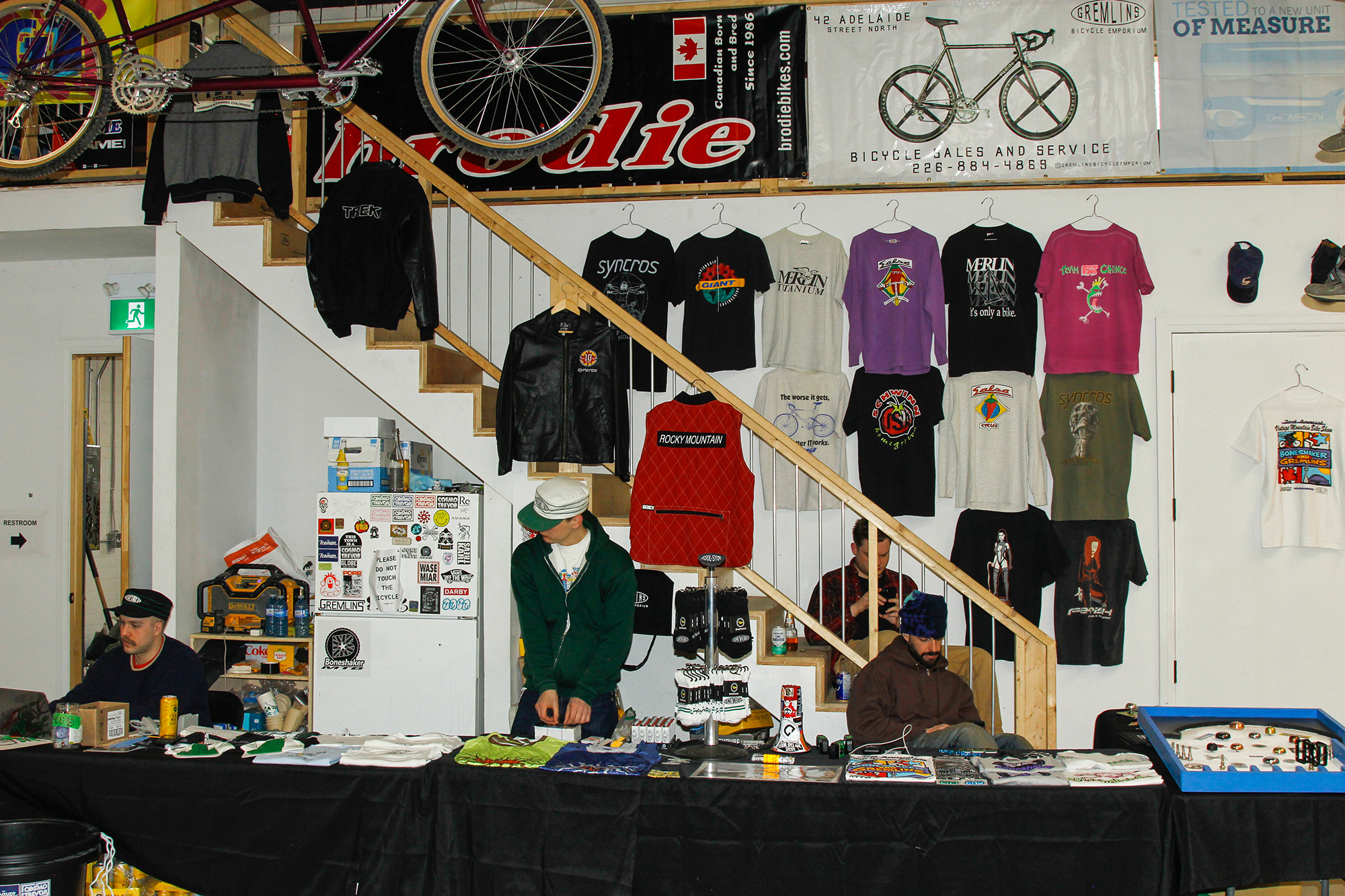
Beyond the bikes themselves, the weekend was designed as a celebration of community.
Opening night brought a packed crowd eager to kick off the event with drinks, conversations, and plenty of close-up inspection of the bikes. Throughout the weekend, visitors returned multiple times to take in details they missed the first time around.
There were raffles, giveaways, and games throughout the show, along with exclusive merchandise created specifically for the event. But more than anything, the show became a place where people could connect, whether they were longtime collectors, shop owners, lifetime mechanics, new riders discovering the history of the sport, or simply curious visitors drawn in by the bikes themselves.
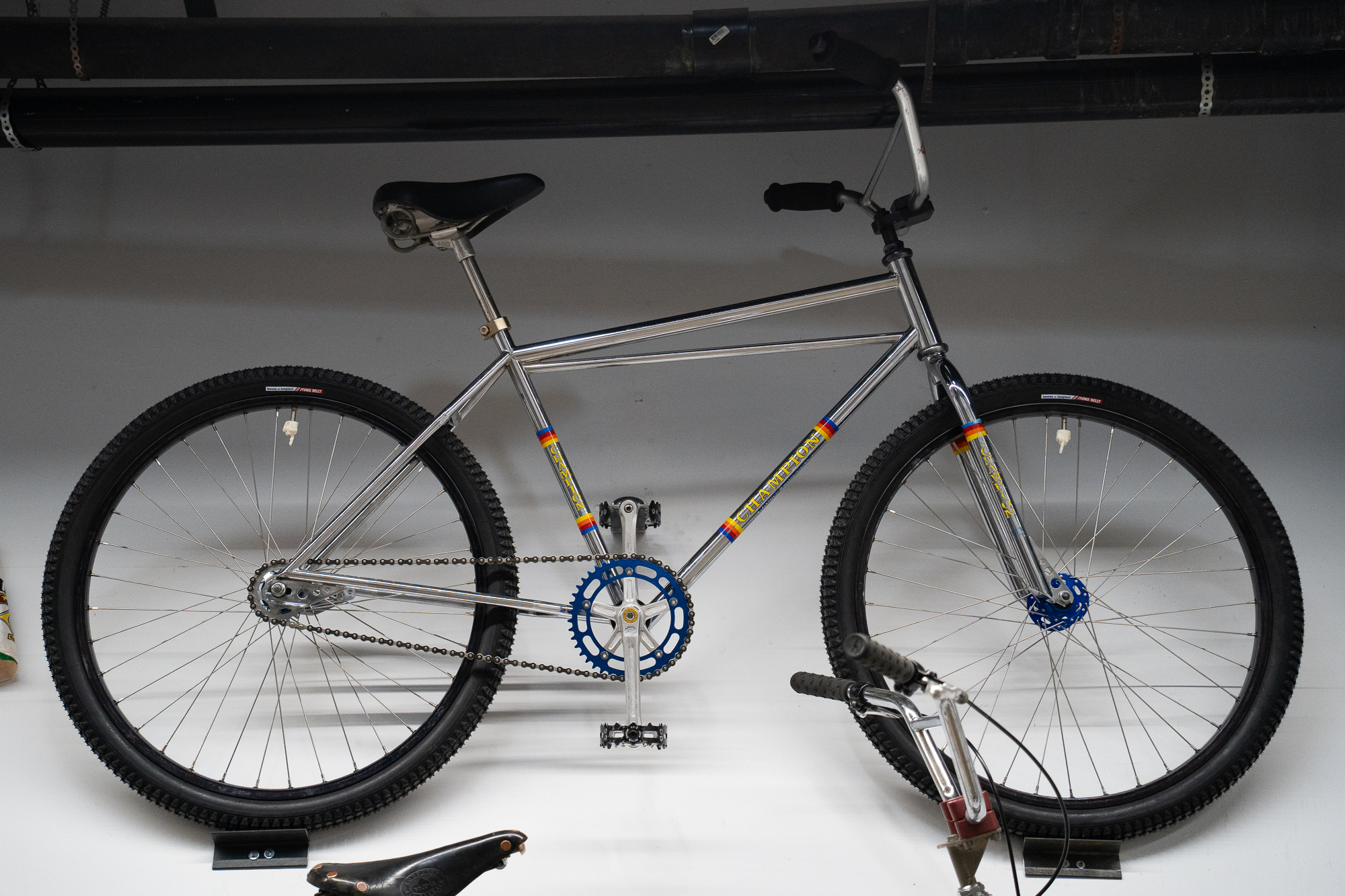
Mountain biking is a sport that moves fast. Every year brings new frame designs, new suspension technology, and new trends. But looking at these bikes reminds us that everything we ride today is built on decades of experimentation and creativity. The Vintage Mountain Bike Show is a way to slow down and appreciate that history, to celebrate the builders, riders, and innovators who shaped the sport.
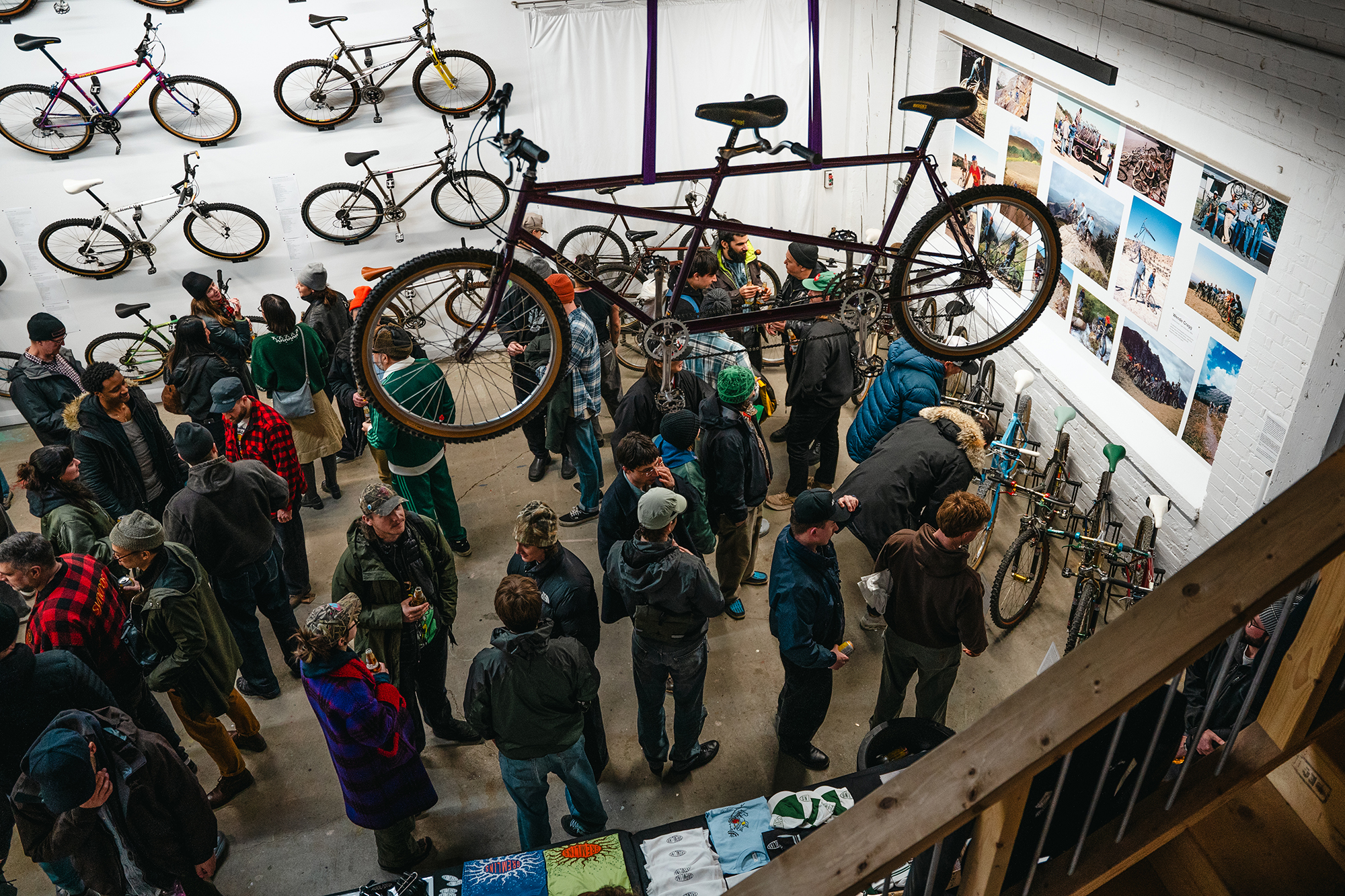
And judging by the turnout and enthusiasm this year, it’s clear that the appetite for that history is only growing. We’re already looking forward to doing it all again next year.
Words by Jake London & Carson Lessif
Photos by Royce Flores & Mason Lover