
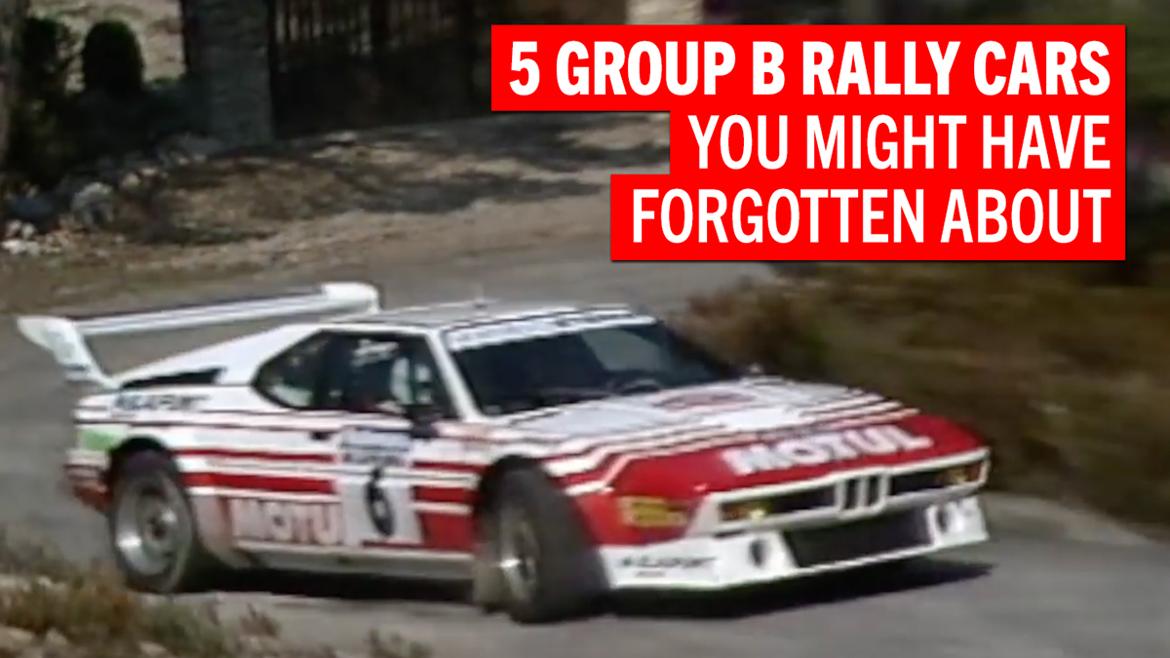
Audi Sport quattro. Ford RS200. Lancia Delta S4. All regarded as some of the most legendary (and lethal) rally cars ever made thanks to WRC’s short-lived Group B class.
But those icons weren’t the only cars tearing up the dirt back then, as manufacturers like Toyota, Nissan, Opel and even Lada had their own entries.
Citroën BX 4TC
Photograph courtesy RM Sotheby’s
Perhaps if Group B had continued past 1986, the BX 4TC could have eventually become competitive.
Instead, the Citroën was overweight and underpowered out of the gate and enjoyed little success during its short WRC career.
As for the production version, fewer than 90 of the total 200 made survive today, as the BX 4TC proved unpopular to many buyers–likely due to the car’s poor rally performance–resulting in several getting destroyed by Citroën.
That said, the sharp, boxy shape of the BX 4TC stands apart from most cars on the road. (And with so few survivors left, values aren’t likely to go down any time soon.)
Lada 2105 VFTS
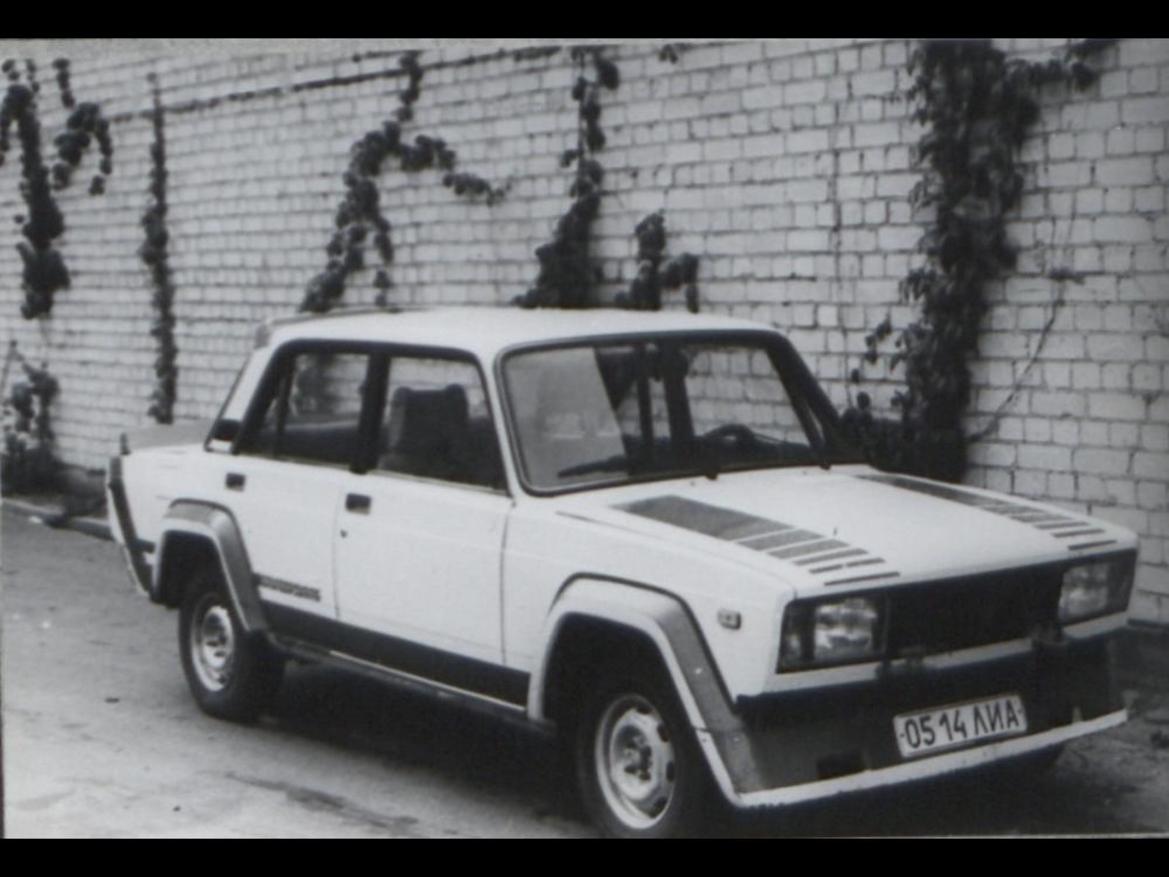
Photograph courtesy FIA
While “high performance” isn’t usually what comes first in your mind when you think of Ladas, consider this one the exception to the rule.
The Vilniusskaja Fabrika Transportnych Sredstv (Vilnius Factory of Vehicles) in Vilnius, Lithuania–then part of the Soviet Union–made a name for itself by making Ladas faster.
By the mid 1980s, VFTS had been given the go-ahead with help from Soviet racer Stasys Brundza to produce a car capable of competing in Group B. The result? The 2105 VFTS.
While the car never achieved any remarkable wins during its time in Group B, it does feature some unique engineering quirks.
Take, for example, the transmission. In trying to keep costs low, engineers rearranged the production shift pattern to make their own dog-leg gearbox: First gear is up and to the right, second up and to the left.
Mitsubishi Lancer 2000 Turbo
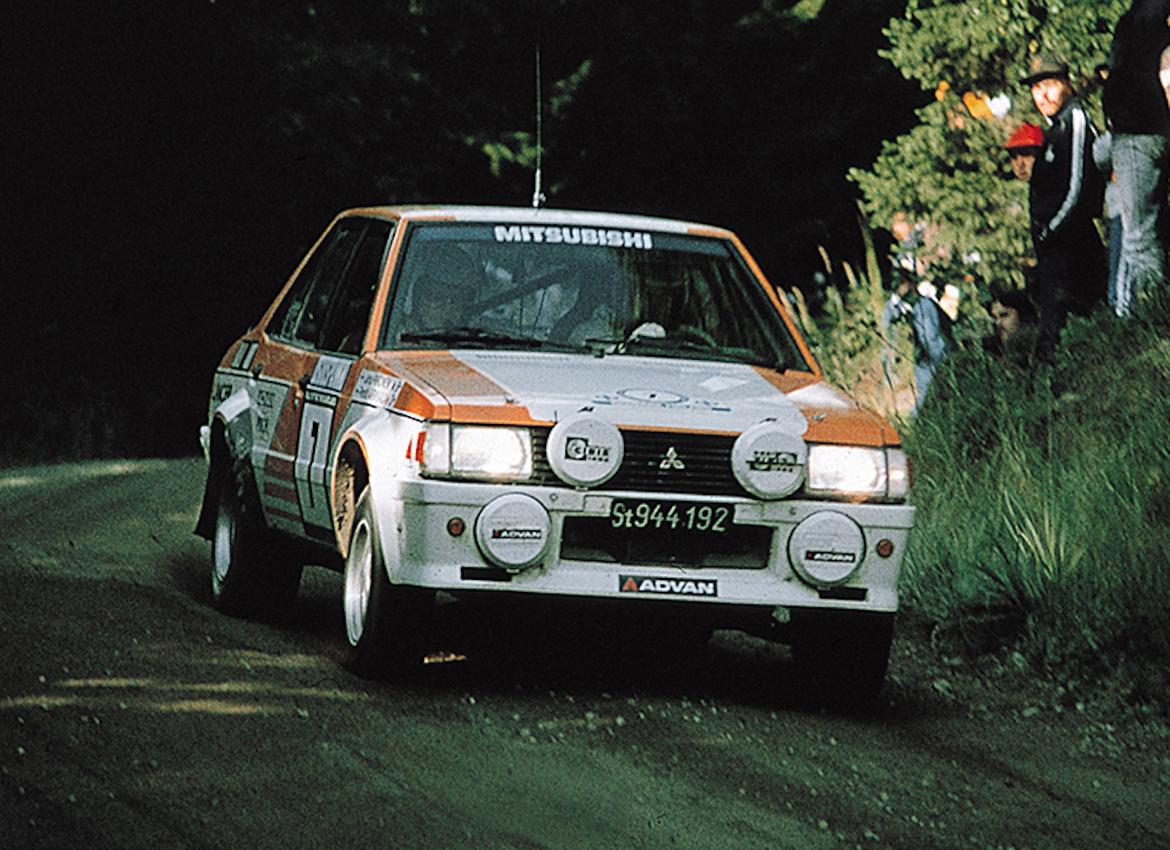
Photograph courtesy Mitsubishi
While the Lancer Evolutions stand as Mitsubishi’s most well-known rally machines, they weren’t the first, as evidenced by this car, the Lancer 2000 Turbo.
The Group B version of the turbo Lancer was developed with help from Scottish rally driver Andrew Cowan. (Cowan not only helped found Ralliart as we know it today, but he also served as its senior director for several years.)
Like so many other rear-wheel-drive cars competing in Group B at the time, though, it just couldn’t compete with the likes of the all-wheel-drive Sport quattros and was later replaced with an all-wheel-drive version of the Starion.
On the other hand, Mitsubishi did produce over 1200 examples of the road-going 2000 Turbo, though they were only sold in Europe due in part to more stringent emissions regulations in the U.S. and Japan.
BMW M1 Procar
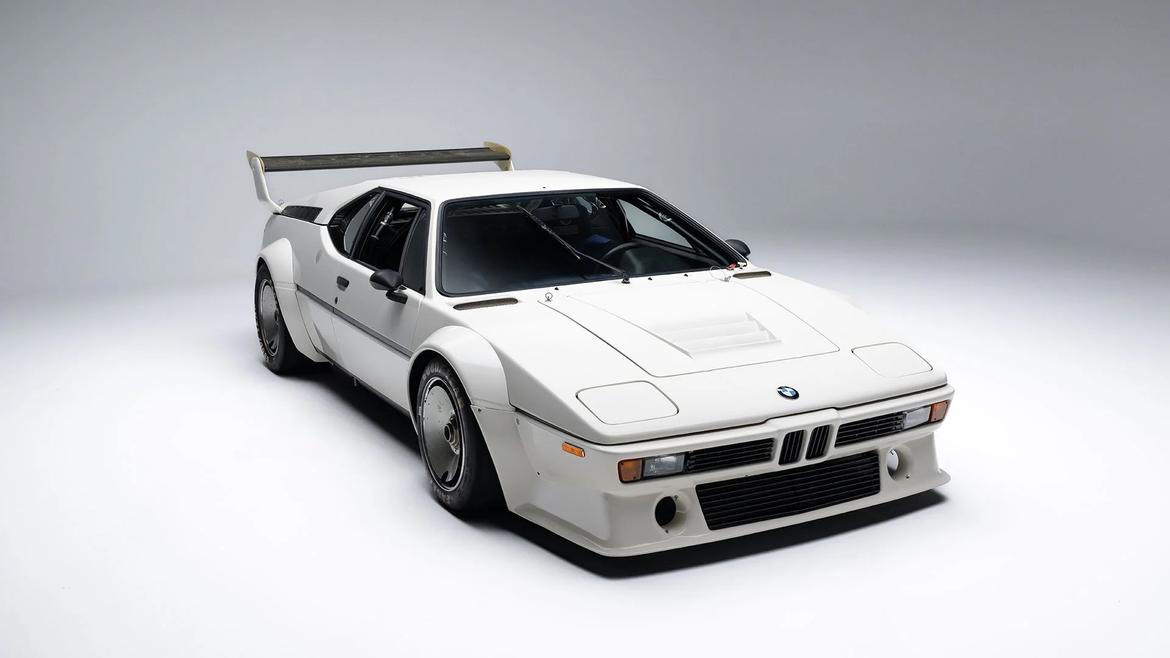
Photograph courtesy Broad Arrow Auctions
“Pro Car or no car” also applies to the WRC, apparently.
An M1 Pro Car originally converted to Group B specs by BMW of France competed in the 1983 and 1984 WRC seasons.
One of the more successful entries on this list, the M1 went on to secure a handful of podium finishes, but not without its share of problems.
The car was frequently plagued by reliability issues, and its size proved to be a notable disadvantage on multiple occasions.
Citroën Visa Mille Pistes
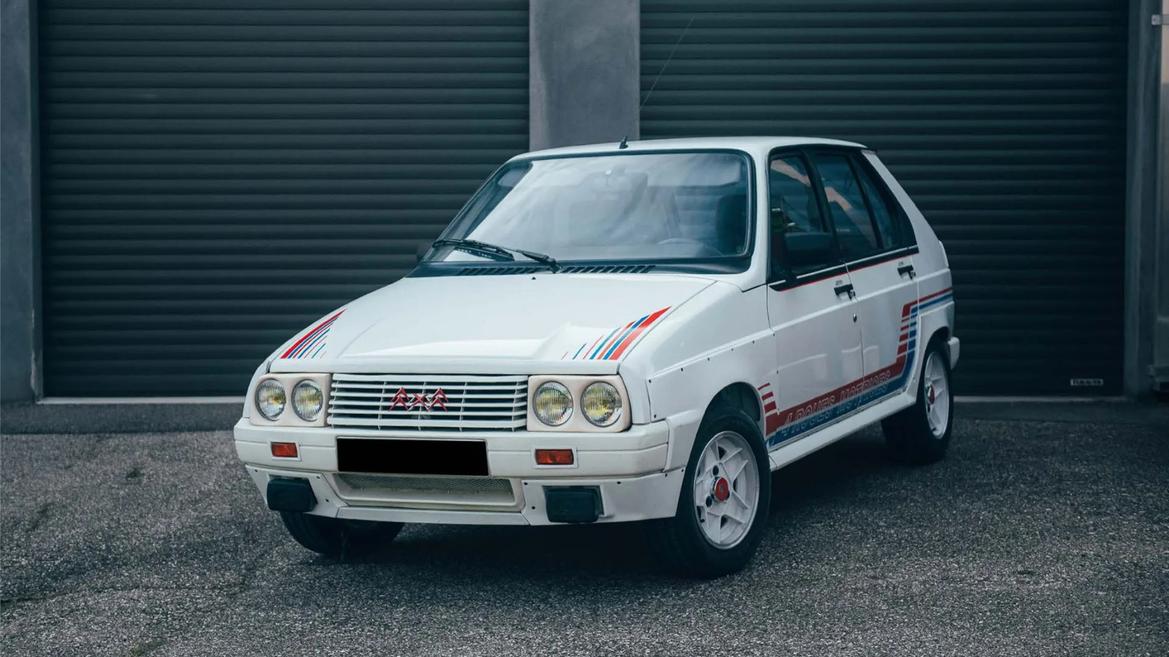
Photograph courtesy Aguettes
While Group B might be best remembered for the snarling, lightning-fast machines at the pointy end of the field, there were also cars like the Citroën Visa Mille Pistes that, while not as competitive, offered a more accessible entry into the category.
The Mille Pistes (named after the rally of the same name) was one of the more potent versions of the Citroën Visa to compete, featuring four-wheel drive and a power output upward of 145 horsepower.
Although the Mille Pistes wasn’t running up at the front of the pack, it did find some success in the midfield. And if you look hard enough, road-going versions of the Mille Pistes do appear on the market on occasion.