

Published December 23, 2025 01:22PM
The more things change, the more they stay the same seems to be the theme for my collection this year. As I look back on what I highlighted in 2024 most of what’s here is quite similar. It feels like as I’m getting older I’m getting a little more stuck in my ways.
Last year I talked about video production and how excited I was to start creating videos at Velo. That hasn’t changed at all. In 2025 I really started to feel good about the videos I am able to produce, and the speed I can produce them, but I am still so excited to be working on that aspect of what we do. My favorite is always evolving but How Strava Traded User Goodwill for Nothing seemed to resonate with viewers and it was the first video I’d ever done without having a product to rely on.
Speaking of which, Velo has comments now. That’s one of the reasons I know people enjoyed the Strava video but let me know if there’s a different video you like or want to see me cover something I haven’t. I read every comment and respond to most. You can also just find me directly, not through an article, via my Outside Activity Feed profile. Feel free to tag me in messages if you have questions.
The other thing I talked about in 2025 was distance riding. I put it out there that I’d be riding 500km in one shot. Now that it’s the end of 2025, I didn’t get it done. I did cover 600km in a weekend (on a Colnago Y1RS) but that’s not quite the same. I also promised my wife I was done thinking about that distance then immediately started thinking about it again. Don’t tell her.
Also, if you have a good 500km scenario let me know in the comments so I can plan for it. I’ll make a video of it too.
So that’s the theme but not everything is a direct lift and there’s nuance to all of it. Diving in, here’s what really stood out to me in 2025.
Google Pixel 4 Watch
For years I’ve tried the latest Google Pixel watches and I’ve seen them steadily improve. Each generation is better than the last and with the Google Pixel Watch 4 the battery life is at a point where it makes sense to wear all the time without much compromise. The challenge for my own training is that I need a bit more of a fitness ecosystem than Google can provide. I’m looking at not just watch data but also power data through my bike computer and I want that all as one unified data stream.
Not everyone has that same need though and I recognize that. The Google Pixel watch can offer a lot of utility depending on your needs. To try and capture that experience I hand it to my wife and constantly interview her about it. I’m always looking for a way to write about the Pixel watch with framing that makes sense and it matches the needs of my wife.
At one point my wife was a cyclist. She commuted 20 miles twice a day and rode on the weekends. She had a nice Trek Madone with Ultegra. Unfortunately those days are behind her as she now lives with Lupus and performance has taken a back seat to making it through the days.
She doesn’t need an ecosystem, she just needs some health data and a bridge to her phone. The Pixel watch is perfect for her and I’ll write about that at some point but this year the Pixel watch created an unexpected way for us to connect. My chosen platform has been Garmin for a number of years, precisely because of the larger ecosystem, and the Garmin Venu X1 (plus the Forerunner I was using before) has a training readiness score.
I look at training readiness a lot and this year we realized that the Pixel Watch has something similar. As I explored the use of training readiness, so did my wife. As we’ve learned how to better use it, it’s become a shared language for us. For me training readiness might inform a zone 1 vs zone 4 workout and for my wife it might mean a trip to the farmers market vs staying in. That’s obviously different but it’s a way for us to understand each other and it helps me empathize when her number is really low. I might not ever know what she is feeling but I understand a low readiness score.
If this was a product review article I’d say if you are in the Google ecosystem there’s a lot to love about the latest Pixel 4. If you care about fitness from a watch it offers a lot of what you can get from Garmin with a little different focus. It’s also a convenient way to talk to Gemini although my wife doesn’t use that feature.
For my best things of 2025 my focus is a little different. This is really about finding a connection through data. A way for me to understand another person’s experience is always worth celebration. It’s also been a lifeline for my wife as she deals with a chronic condition and I’m grateful for that as well.
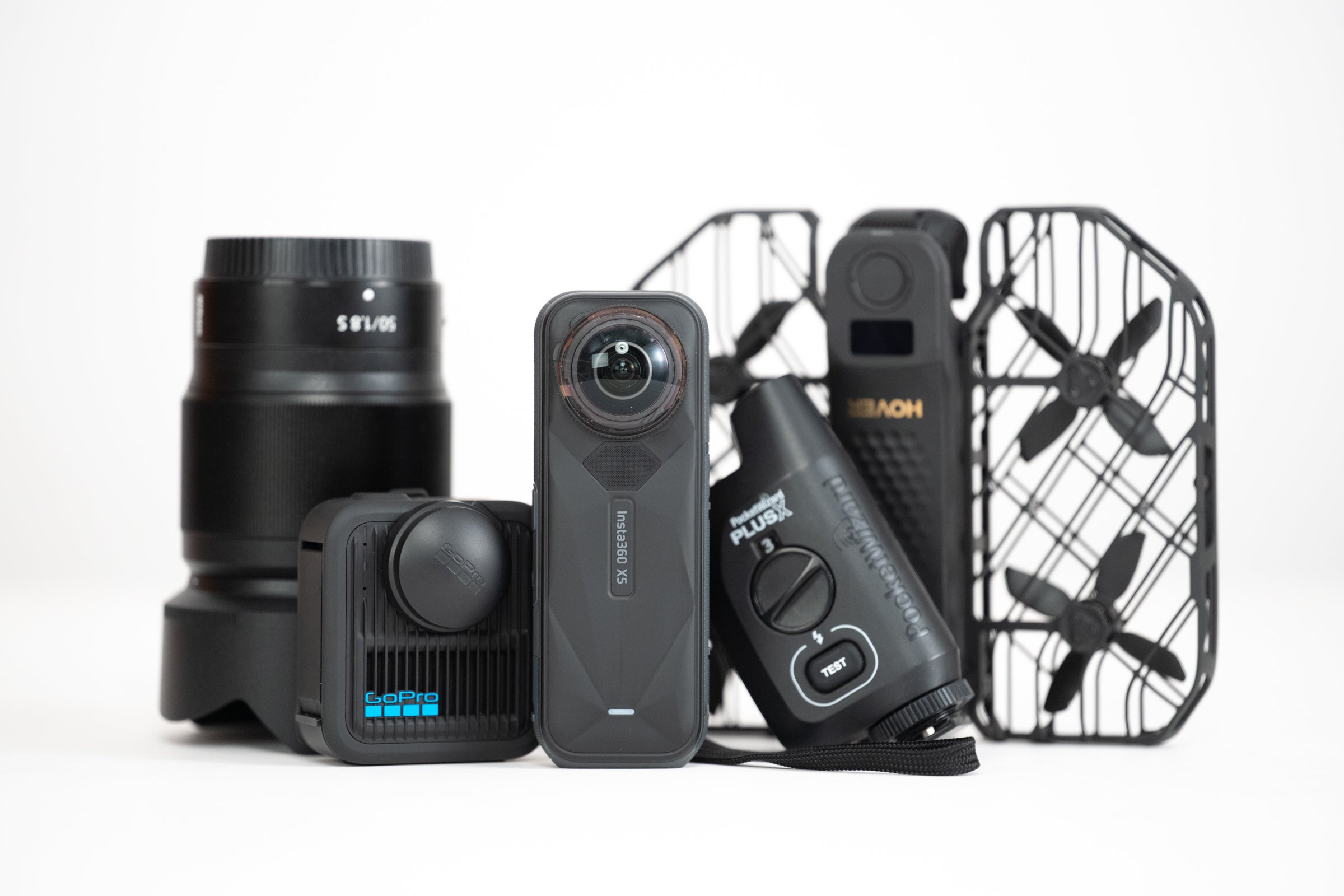
Video and still photography gear
That got a little deep, let’s go light (photo pun) next. Remember how I talked about my joy at the opportunity to produce video? Well still photography goes hand in hand with that. I tend to talk about it a little less at this point because I’ve been so comfortable with it for so long. The two are intertwined though and I’m really grateful for a few pieces of gear that allow me to create work in both mediums I’m very proud of.
Last year I talked about my Nikon camera but this year it got upleveled to the Nikon Z6 III. It is glorious but not because it changes my talking head footage or still photography. I use the Nikon Z 105 macro lens and the Nikon Z 50mm for stills and video respectively and none of that has changed. What’s changed with the Z6III is that I no longer have to carry a second camera. The same camera that captures my still shots also captures the footage you see as background when I talk about details in a review. That footage is 4k at 120FPS and there’s not many supposed hybrid cameras that will actually capture that footage. The Z6III lets me keep the full frame goodness of the Z6 but my whole workflow is orders of magnitude easier. I am incredibly grateful for that.
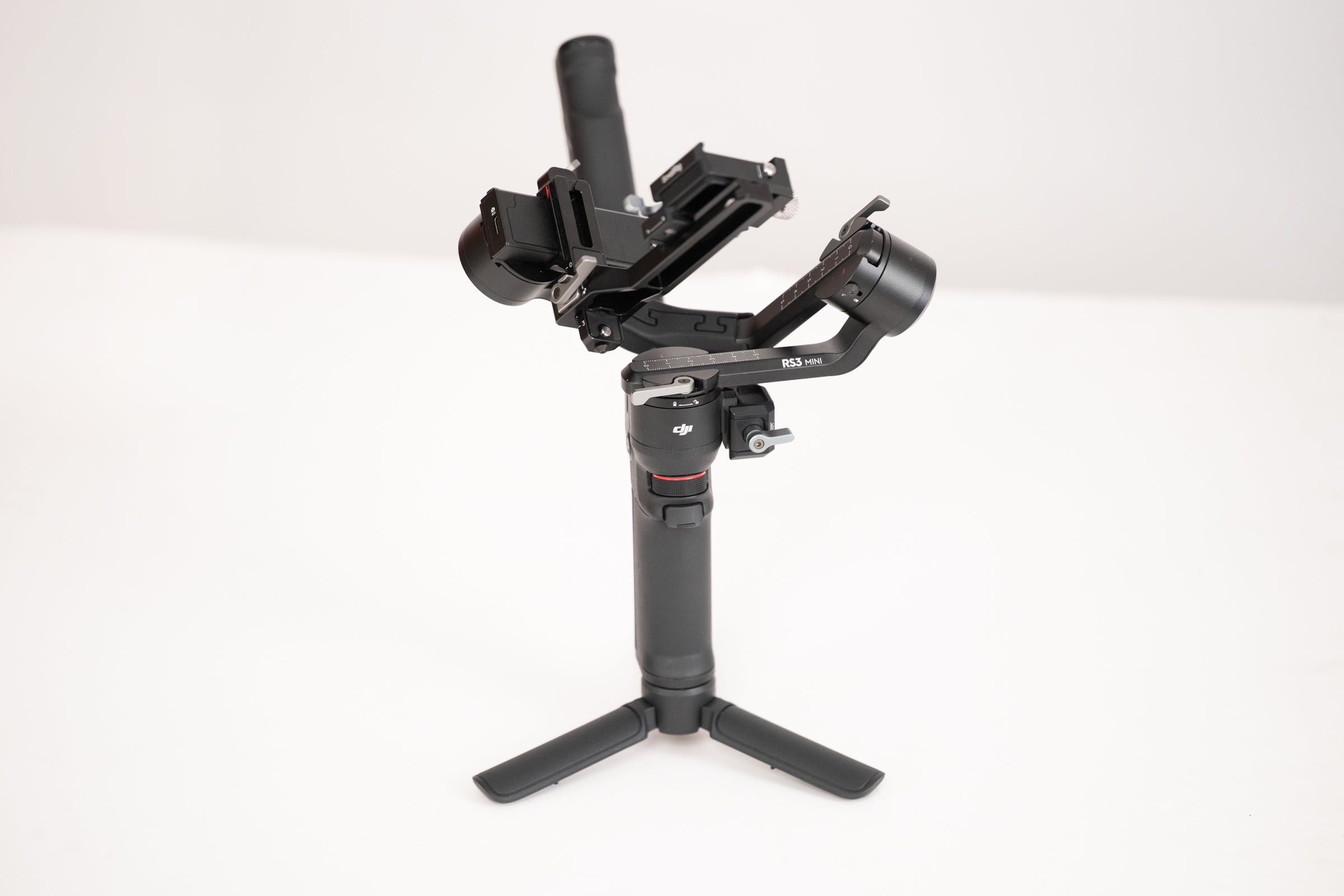
To actually gather that b-roll footage though, I use a gimbal. I bought the DJI RS 3 Mini which has since been replaced with the DJI RS4 Mini and not a single shoot goes by that I don’t thank myself for this decision. High quality b-roll looks smooth and I don’t have a lifetime of practice tucking my elbows to get that. I want my shots looking silky smooth and that means stabilization. I couldn’t make the videos I do without it.
Then, if I continue on the video thread, there’s the action camera parts of my review videos. This is always in flux but I’ve started to settle into a level of comfort with a few tools. The first is the Insta360 X5. For actually talking to the camera while riding, the Insta360 X5 is orders of magnitude better than anything else on the market. A 360 camera in general is significantly better for dealing with framing while you ride and the shape of the x5 makes it so much easier to hold than the competition. The real star of that camera is the audio though. I can ride along and talk to it while sounding clear. If you want to read more on that check out my Insta360 X5 review.
The only problem with that camera is it’s a little harder to mount on a chest harness. I can do it, and it works well enough, but I’ve found the GoPro Max 2 works better. A 360 camera is even more important for a chest shot since you move up and down so much. Then from there, the GoPro has arguably better video output in full sun but mostly it’s smaller and square with easier controls. I don’t have to hunt for a button because it’s easy to find and when I do find it there’s a super loud beep to tell me the camera is recording. The final win is the square shape that means the recording is centered on the bars. I don’t have a review of this yet but if you aren’t talking to the camera then I’d consider the GoPro vs the Insta360.
I’ve also added the HoverAir X1 Pro Max to my arsenal this year. I still sometimes make videos without it (mostly because of rain or travel) but it really takes things up a notch when I can use it. It just adds a little sprinkle of something different to talk about and it’s a unique point of view. If making content on a bike is your thing it’s worth adding this tool.
There are also a couple of pieces of gear I use for still shots. The two most important in this category are stabilization. I use a Manfrotto tripod with a geared head to stabilize my camera. The legs themselves are at least 10-years old but the modern equivalent is the Manfrotto MT055XPRO3 and just like mine it’s not too expensive, rock solid, and the center column is able to go horizontal.
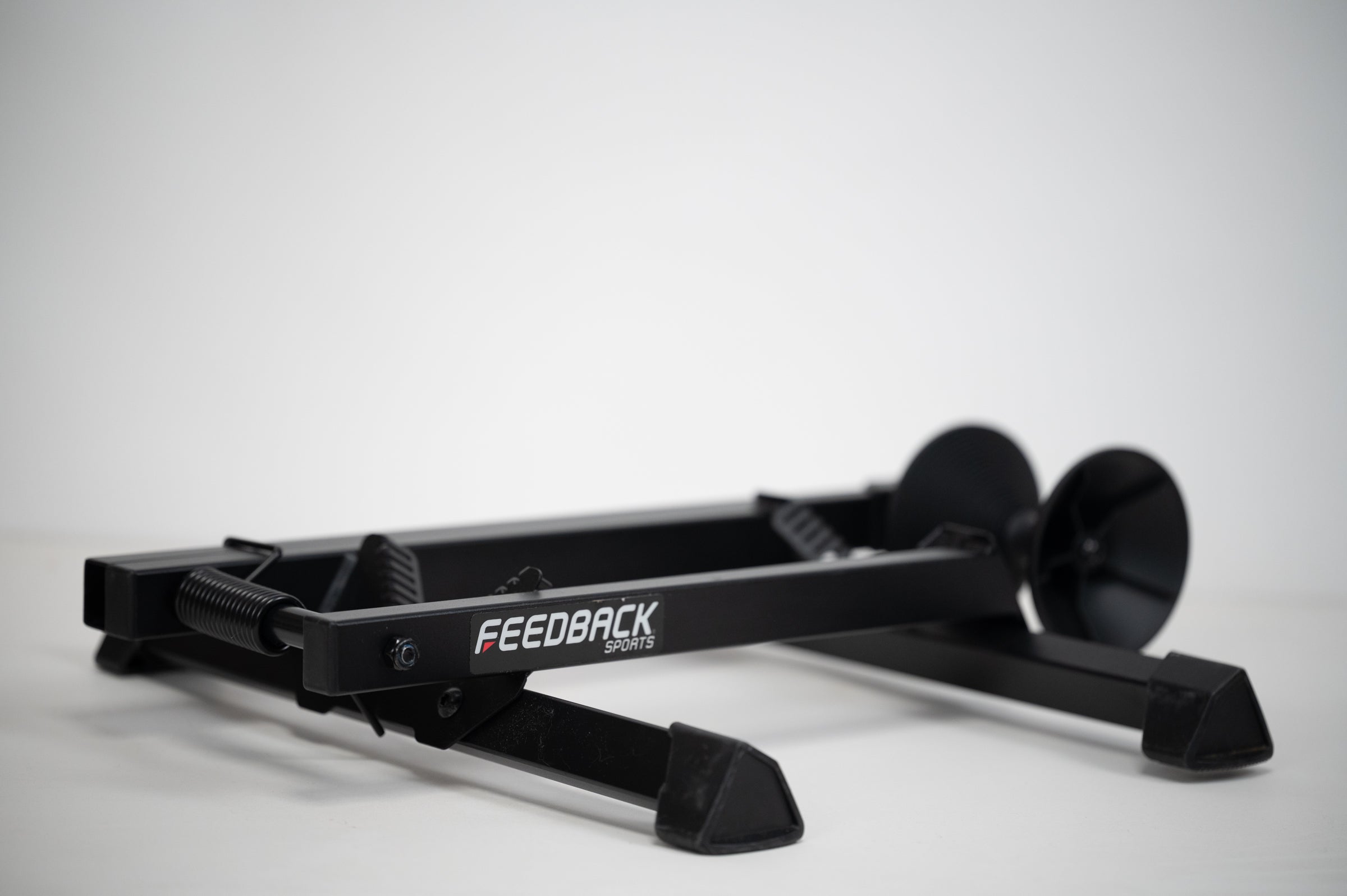
Then I also stabilize the bikes I take pictures of and for that I use Feedback Sports Rakk 2.0 stand. This is incredibly important because I use that geared head to shoot (typically) 9-shots to make a final hero image. I need everything stable for that to work perfectly but I also need to take my time and don’t want to see any of the expensive bikes I spend time with hit the ground. There’s a bunch of minimal stands out there and none of them stand up to wind like the Feedback sports does. It’s also great in my living room for whatever bike is being ridden the next day. I talked about it when I covered how I store my bikes if you are looking for a bit more info.
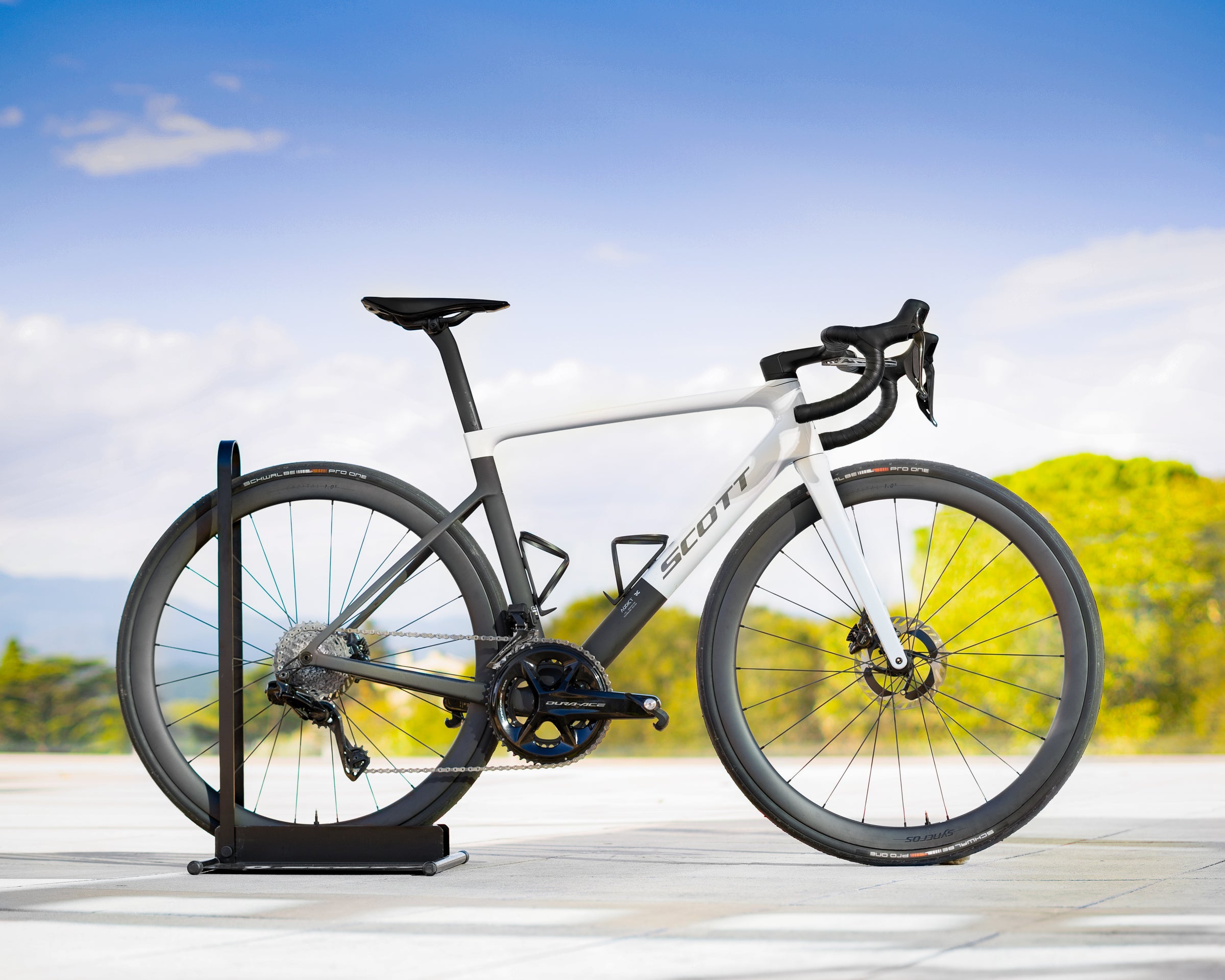
Scott Addict RC
This is a bike magazine, perhaps I should talk about bikes? The reason for the departure is that I talk about bikes all year long. Still, I have my favorites. You can find our group favorites in the Road Bike of The Year article but if I was the only one voting, with the same basic structure of looking at 2025 bikes, I’d vote for the Scott Addict RC. I just love riding this bike.
It’s a surprising choice if you listen to the Velo podcast much. I’m the aero guy. I love talking about aerodynamics on a bike and despite reviewing the Colnago Y1RS and the Cervelo S5, it’s the Scott Addict I’m picking as a favorite.
The reason for Scott Addict RC love is a combination of storytelling and ride feel. The first of those is likely the most controversial. Sometimes people think that everything should be about hard numbers and performance. This feature means this and that makes it better than bike x, y, and z. Except how many people actually buy bikes with only that information?
Bikes are expensive and at least part of the equation is the emotional piece. You want to feel connection to a bike as well as have it perform in specific ways. When it comes to the Scott, the team told me an amazing story about every aspect of the bike and the development process. As part of that they even included the graphic design team and at that point I was hooked. I know it’s marketing but you can get me every time if you tell me that you only chose visually lightweight colors that also have physically low weight penalties for your lightweight bike. Come on, that is a glorious coffee stop discussion.
As I said though, a bike also has to perform. Having ridden a number of lightweight bikes since the Addict, I’ve come to love the fact that it’s a WorldTour race bike. It’s stiff and aggressive but never punishing. The geometry is long and low and it feels amazing to push the bike hard. It makes me feel like a hero even if I’m not a WorldTour racer.

Campagnolo Super Record 13
You know what else I love about the Scott Addict RC? I’ve swapped it to Campagnolo Super Record 13 since it came out and that groupset is my favorite . This is despite common accusations that I’m a SRAM fanboy in most situations. The truth is I don’t normally come out and say I love something more than another. I am neutral in reviews and I let the positives and negatives tell the story. This is my space to do something different though. I love SRAM for a lot of reasons but the latest Campy has one key advantage.
There’s an extra gear and that means better gearing. Shimano, Campy, and SRAM are all incredibly capable when you are talking about the top level products. I’m not about to tell you that there’s a serious performance difference between any of them. What I love about the latest Super Record 13 is that it provides a clear benefit to the consumer with no downside.
It doesn’t take anything away to add an extra gear and it’s the same price as RED or Dura Ace. Super Record 13 just takes the standard race gearing of a mid compact (take your pick of Shimano or SRAM for an example of that) then tacks an extra gear at the top so I still have 1:1 gearing.
Maybe that doesn’t matter to you and you think I just need to get stronger. Cool but as I see the sun rising after riding all night I want all the gears for the next hill. Frankly I feel the same way near the end of my weekly 100-ish mile ride too but I’m making a point here.
Normally I have to compromise and pick smaller gearing all the time to get a 1:1. With Campagnolo I don’t have to compromise.
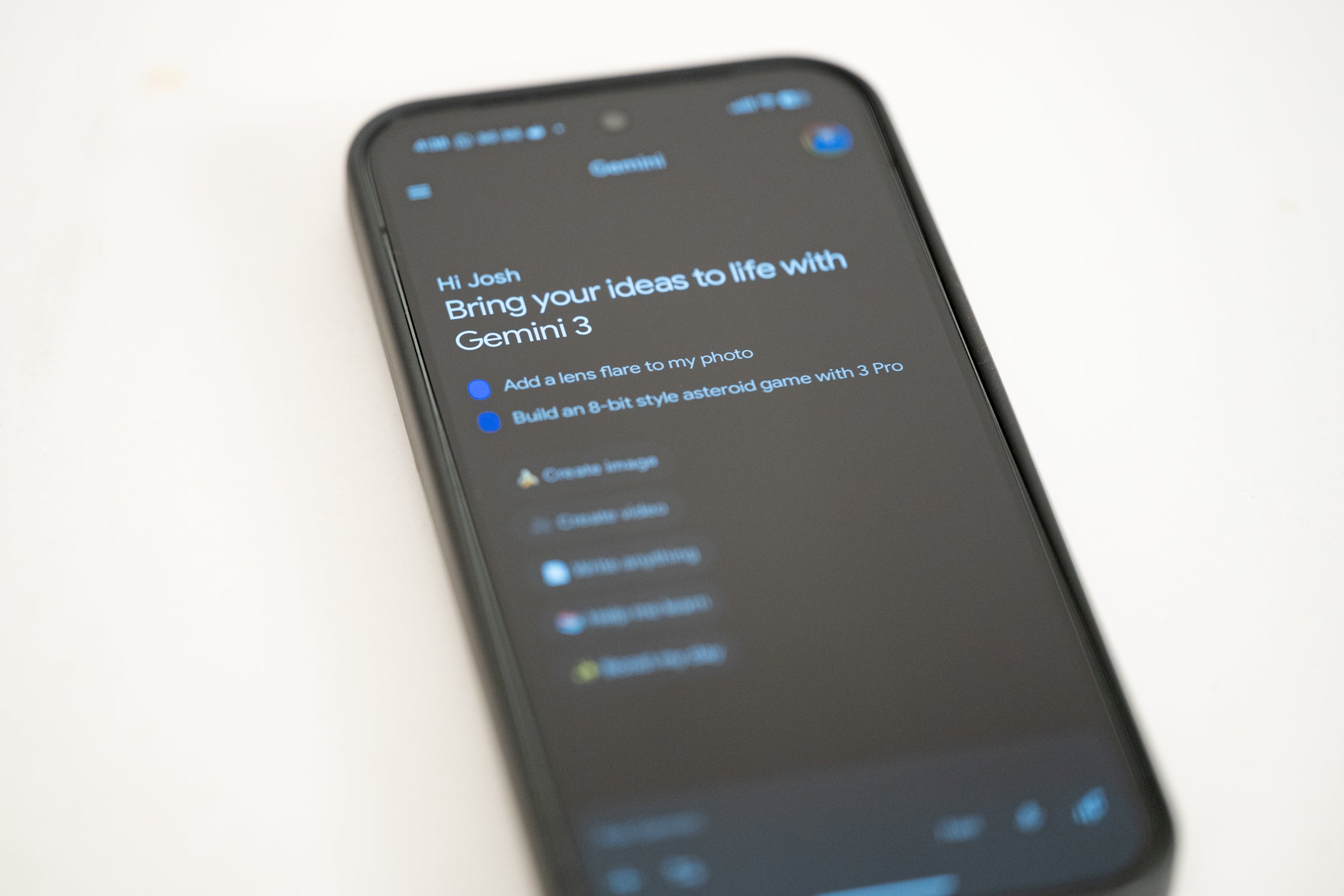
Google Gemini
I’m a bit of an optimist when it comes to technology but when it comes to AI, I have not been all in on it. It never did anything useful to me and for a long time it was so dumb it actually made things worse. When Google first switched Google Assistant to Google Gemini it broke everything that made the assistant useful. Something I’d used for years was suddenly broken with no apparent advantage.
Then Google Gemini 3.0 came to market. This latest version isn’t perfect but it is so incredibly useful that I can’t wait to see what’s next. Already it feels like it’s augmenting what I can do. It lets me take my expertise and experience and uplevel it with instant access to incredible knowledge. I still rely on my own knowledge but now I can see the connections and double check myself in ways I’ve never been able to before.
I’ll start with an off the bike example I’ve been sharing. This one is about a video game called Destiny 2 that I love to play. At the core of that game, the way you setup your character is a puzzle that changes every few months. I was able to use Gemini to essentially search the database that is the weapons and armor to help me figure out my latest loadout. I was able to do it myself before but this was like having a really knowledgeable friend to talk it through with. It’s an ongoing thread in my Gemini discussions.
Then, for bike things, I recently used it to solve the misery I experience when I move from outdoor riding to indoor riding in the fall. Every year I feel awful when that switchover happens and I could never quite pinpoint why. This year I was planning to head to the doctor to get bloodwork and I asked Gemini some questions about that. Gemini instead asked if I was sure about my hypothesis then asked me to share screenshots of my Garmin data. It showed me a very clear and obvious, once I knew to look, trend of overtraining and under-fueling. For me the missing piece was that I do well avoiding that in the summer but I wasn’t accounting for the change of focus when I moved indoors. I went from six hours or more of zone 2 to suddenly doing three hours of zone 4 and figured that should be easy enough I didn’t need to think about changing anything. Obviously that makes no sense but we all have blind spots sometimes. I still find options like TrainerRoad, or a coach, a better solution for the actual training part but Gemini is enhancing that and filling in the fuelling side. Once again it’s like having a really knowledgeable friend I can always bug.
Hey Gemini, this is the ride I have in mind. How much Tailwind Endurance Fuel do I want for that?
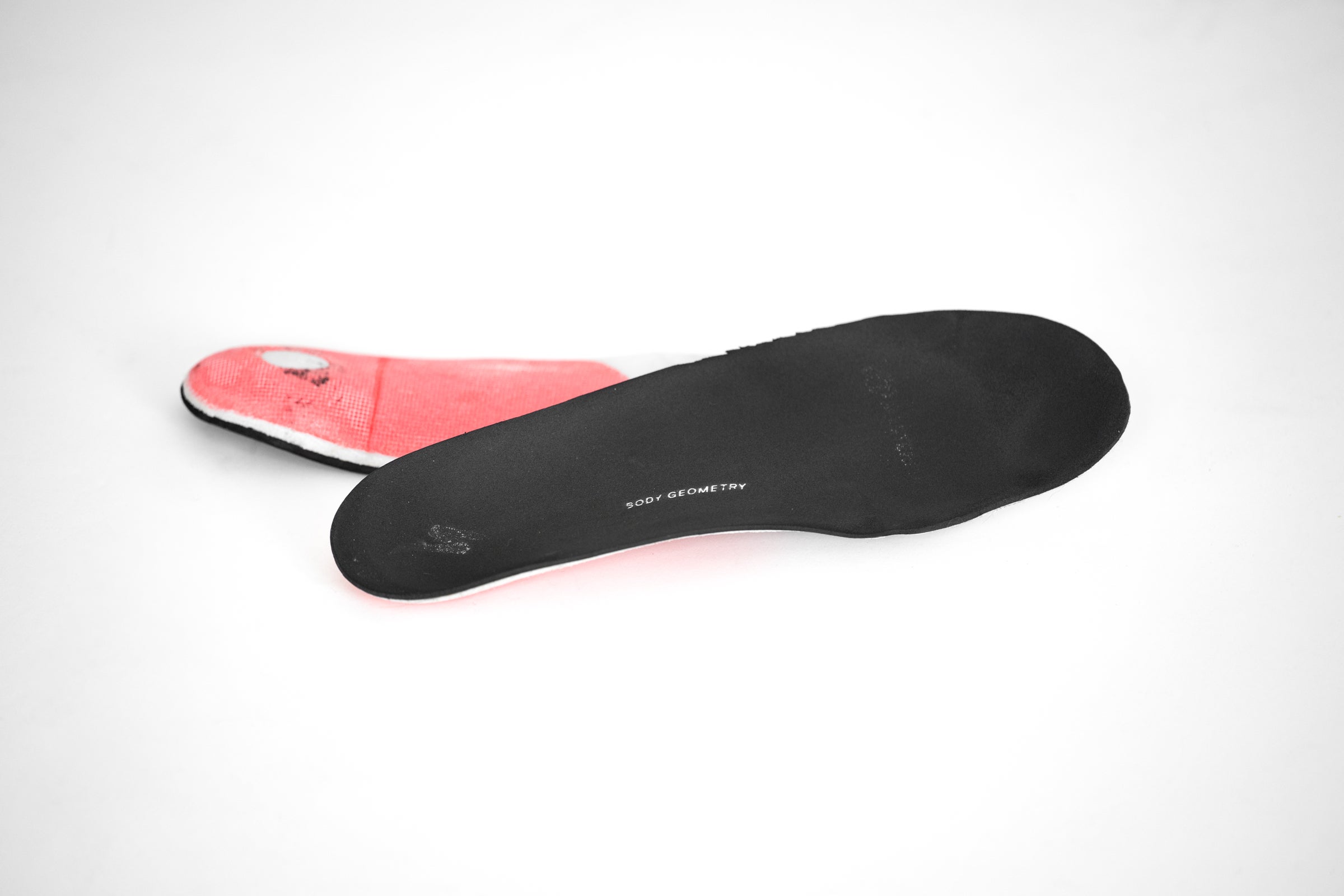
Custom Specialized Insoles
If there’s one thing I love it’s solving a problem in a way that makes sense. For years I’ve had pain and/or numbness in my outer toes. It’s better or worse depending on the shoes and as I’ve written various renditions of the best cycling shoes buyers guide I include details about that because I’m not all that unique. If a shoe is painful to me, it’s likely painful for others.
The first time I really started to see a noticeable change was using the blue Specialized Body Geometry SL Footbeds. Those insoles became a product I moved around from shoe to shoe but I also shifted to using Specialized shoes more in general. Then the S-Works Torch Remco dropped onto the market and those insoles weren’t really working. Now I’m not looking for sympathy that $700 shoes didn’t feel amazing but it did point out something.
The Remco shoes are uber light because they have very little structure. The blue insoles largely fixed my foot pain because they provide more structure. Turns out it wasn’t enough for certain shoes.
A few months ago I headed to Joe Holcomb at JoeRETULFITPDX to try out a set of custom insoles. Now one of the reasons I haven’t written a longer article about this is because I can’t link to anything more location agnostic. This is a product available through select retailers so you’ll have to search in your area. If you’re in Portland, Holcomb was the key to a real shift for me.
Holcomb is a bike fitter so it’s not just the insoles that are the key here. The insoles are important though. For $150 (including the actual insole) I walked into his studio and had a custom insole made that took what the blue stock version offered and extended those benefits a bit farther. There’s just a bit more structure to the custom insole but Holcomb also listened to the issue and made a very simple suggestion.
What Holcomb suggested is actually free and has great usability for anyone experiencing a similar issue. Move your cleat. I asked him to let me know specifically how to phrase it and what he said was “the outside (lateral direction) of your foot was painful. So we increased arch support (improved stability) and moved the cleat in the direction of the discomfort (laterally) which moved your foot inside (medially) to redistribute the pressure more evenly and reduce the irritation.”
Problem solved for the Remco shoes and so far others I’ve tested as well. If you are having issues with foot pain I’d say think about your cleats and consider custom insoles because it made a huge difference to me.
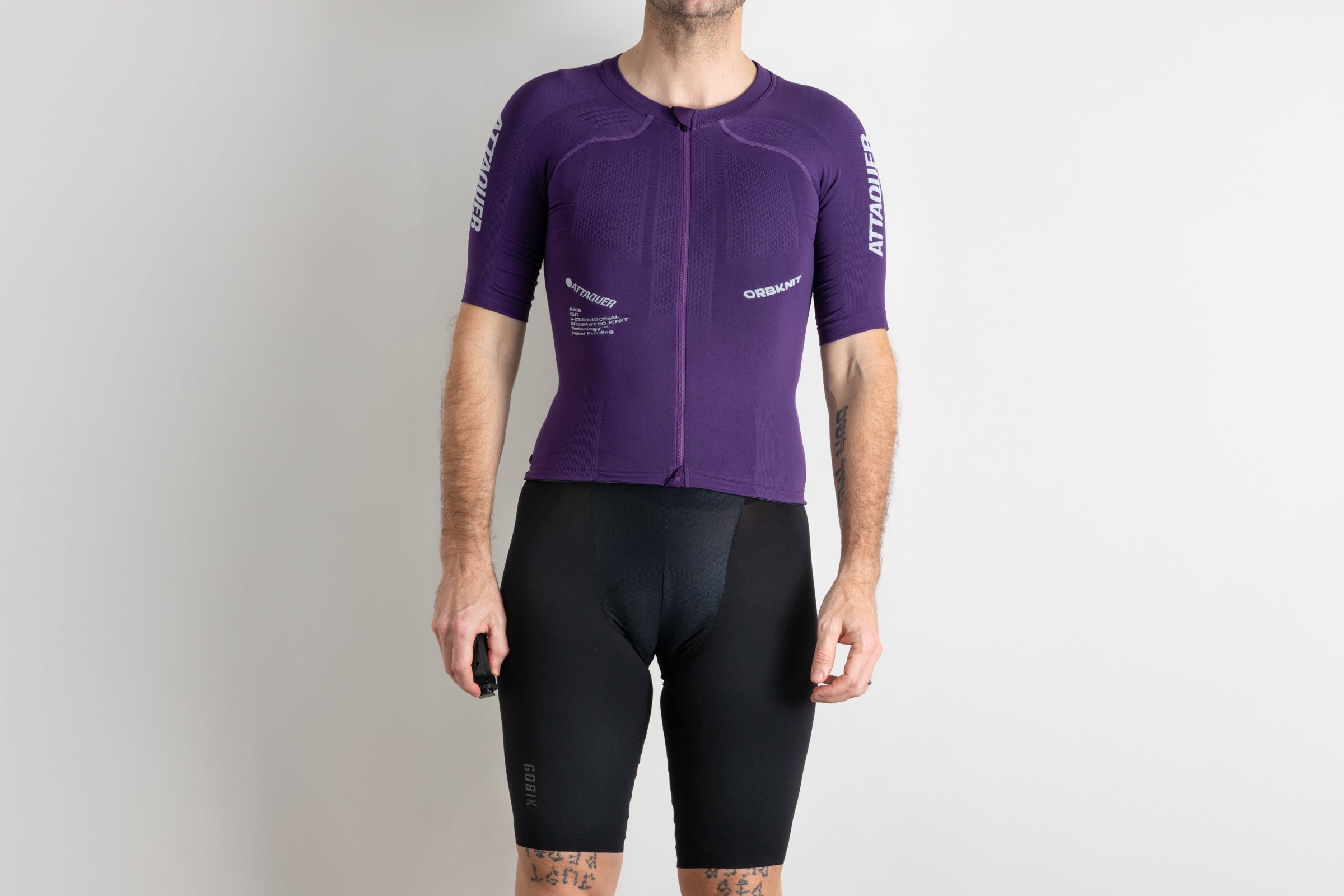
My favorite summer cycling kits
I have obviously been quite wordy with these favorites but this time I’m going to try and pair it down and let some pictures do the talking. Unlike many of the cyclists who also live in the Pacific Northwest I would much rather ride on a hot summer day than an overcast fall day. Part of that is I love a great summer kit. Each year I like to highlight a few pieces that I’ve worn more than anything else. I also have the best bib shorts buyer’s guide but the two things don’t necessarily align. The guide is all about serving the most people with particular categories that make sense. This is just what I personally have enjoyed wearing this summer and I’ve picked two combinations. I like the way this stuff looks and I like the way that it performs.
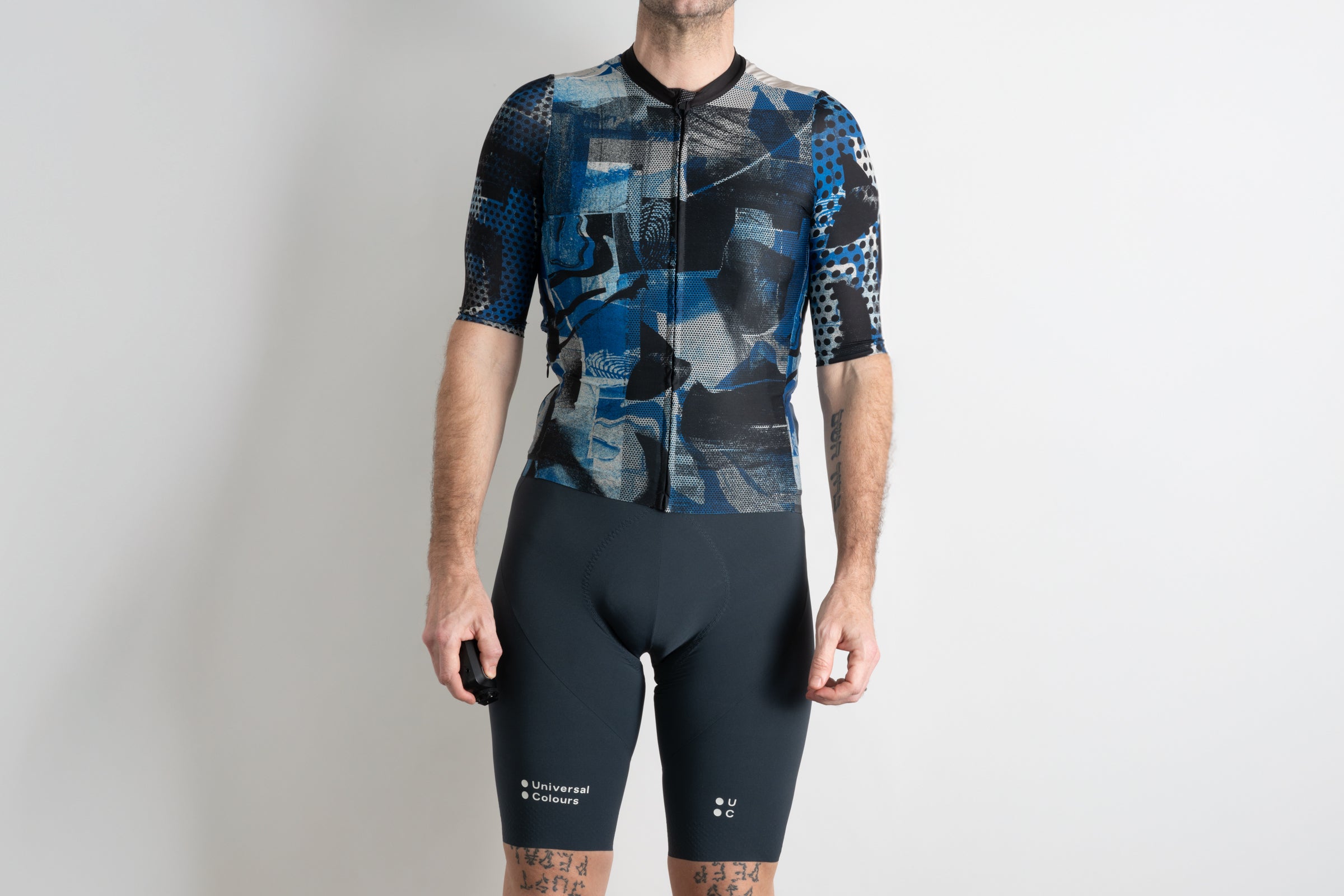
The first combination is the Universal Colours Chroma bib shorts with the Ornot Park jersey. I would also choose the Universal Colours jersey, as it’s great, but the Clement Key colorway for the Ornot jersey is just my favorite.
The second combination I’ve been wearing a ton is the Gobik Lancer bib shorts and although for much of the year I paired that with the same Ornot jersey I’ve recently gotten the Attaquer OrbKnit jersey and I’ve spent a ton of time in it.
Zwift
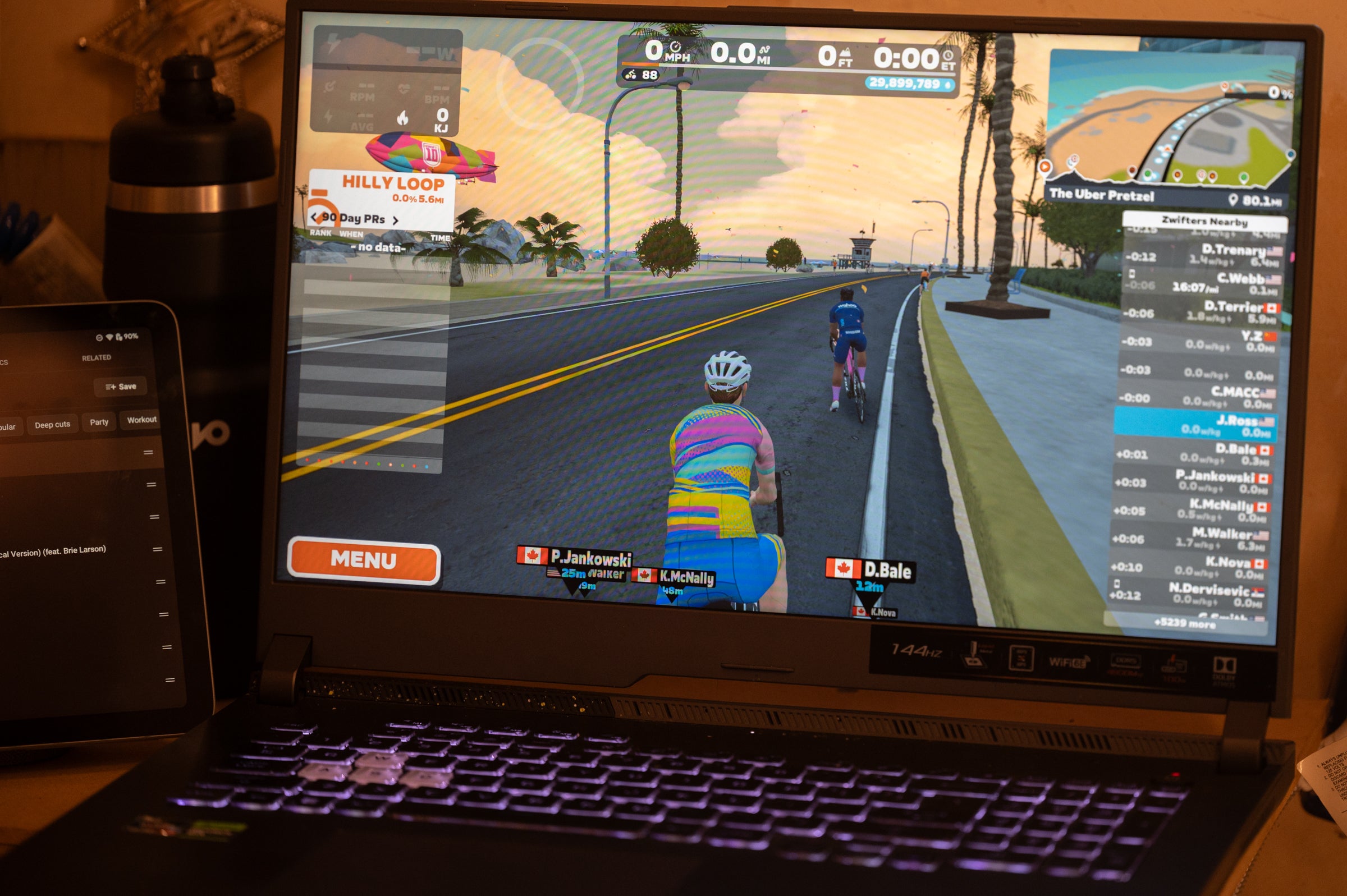
I read a missive somewhere recently about how Zwift is killing outside riding connections. That is not my experience at all. Instead I’ve found Zwift to be an incredible connector while also making indoor riding more than it once was.
I think most people will understand the point about Zwift transforming the indoor ride experience. I spent years doing intervals staring at whatever I could make work. I remember a lot of time with things that looked about like Trainerroad looks today but there were also just cycling videos of one kind or another with a clock. Then Zwift became a thing and suddenly I could do actual rides instead of just intervals. I could also race and it really transformed what winter riding was. At this point that effect is o profound that clothing brands tell me it’s even shifted the clothes people need for winter riding.
The other aspect might be less well known. Not everyone does but you can ride with people on Zwift. That brings the same social aspect as outdoor riding and I love it. There’s a local group that rides and chats on Discord. I also mentioned racing and I’ve found myself recognizing names in a starting grid as well as doing team time trials with a regular group. It was all a ton of fun. More recently I’ve been doing a Sunday ride where we talk on Zoom. It’s changed my whole winter training and I’m just so thankful for it.
Oakley Meta Vanguard glasses
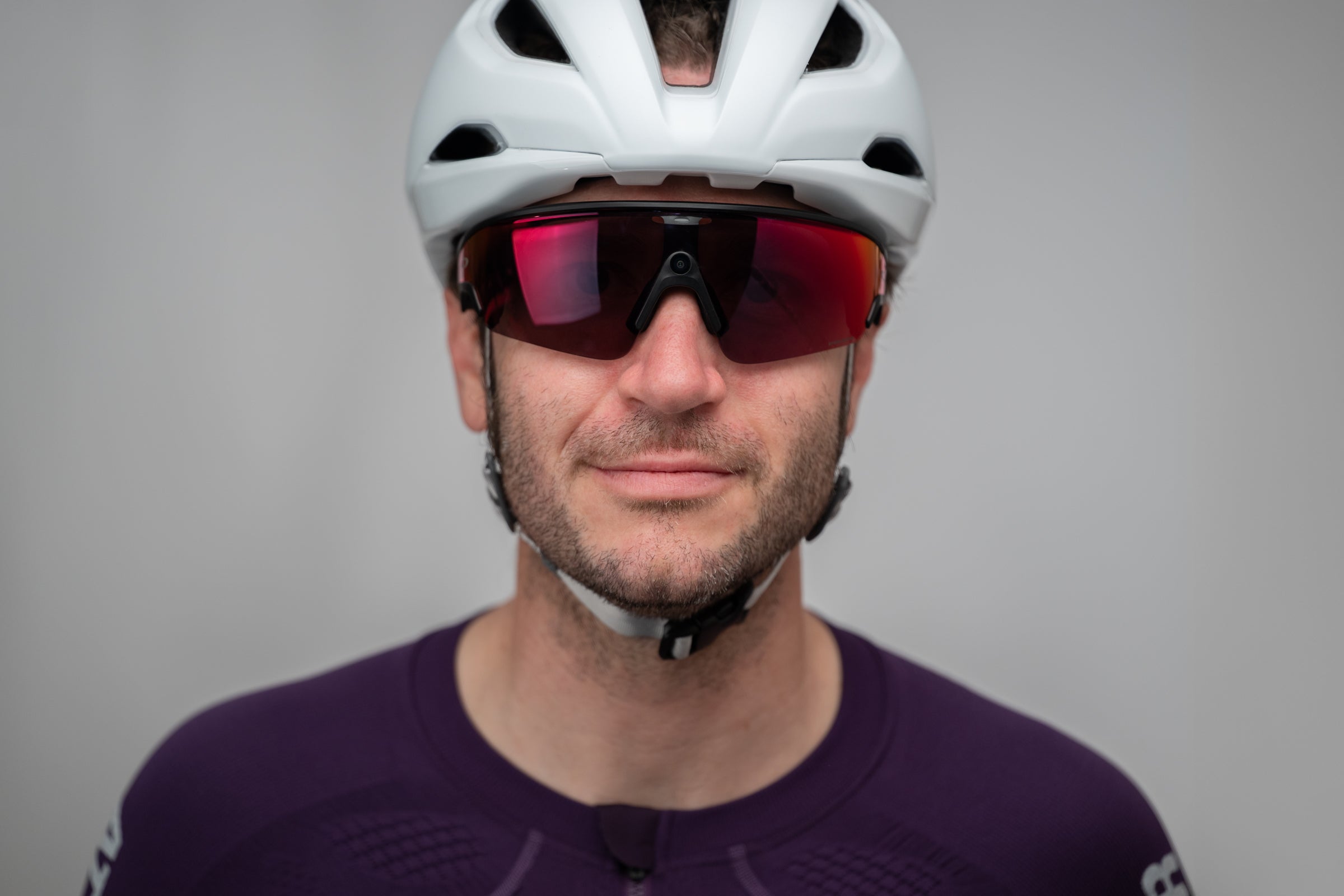
I had specifically decided I wasn’t going to feature these. I did a full Oakley Meta Vanguard review and I was a huge fan. I also continue to use them even going so far as to use them on Zwift (without the lowlight lenses because they aren’t out yet) because there’s no better microphone. At the same time as I get deeper integrated into Google Gemini AI I find it more of an issue that I can only use a small list of approved apps with the hardware.
Then, after I made the decision, we had a rare moment of winter weather that wasn’t rainy and dark. I had a chance to test a new helmet so I grabbed the Oakleys and they didn’t fit. My first reaction was a bit of panic as I realized I had to choose between a helmet brand I loved or the new glasses that I also love. Then I got rational and went out without the glasses. I mean come on, I’ve ridden my whole life without fancy AI glasses, I’ll be fine.
What happened next was a ride through my not so nice neighborhood and realized I felt completely naked not having the Oakleys. In a short time period I’ve already come to rely on the feeling of security that comes with having a camera right there and always accessible. I don’t live in a great neighborhood so I appreciate it for that but I also do things like start recording video if I’m feeling a bit unsure of a car.
That feeling of missing something when riding without these made me think I should include them here. They aren’t perfect, although they are continuing to improve but the Oakley Meta Vanguard glasses are definitely something I’ve come to love in 2025.