
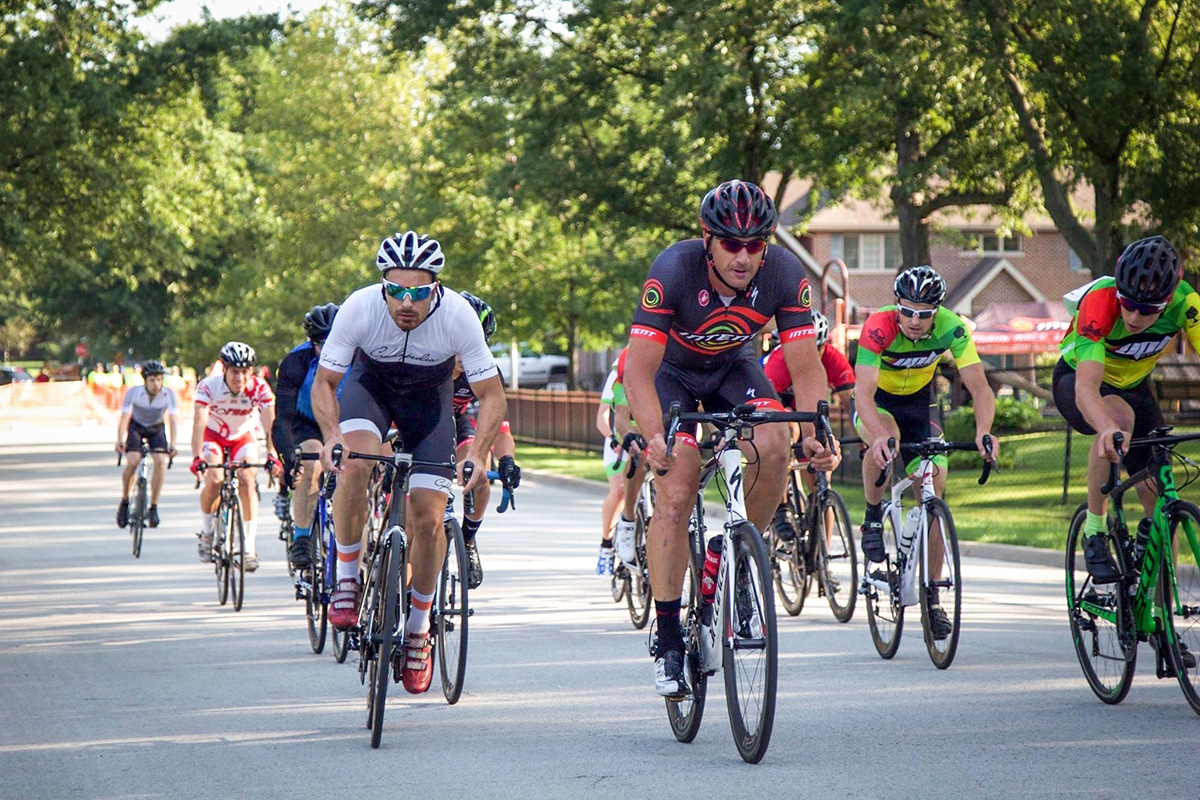
Competition day:
This most important day should be kept to the limit. Everyone remembers their first start over a longer distance and the circumstances that accompanied it. These estimated plans, which were changing anyway under the influence of the moment, had to be modified. “I’ll get up at 5 a.m. After 30 minutes I’ll have breakfast – soya milk cereal and fruit.”
You should sleep 7-8 hours on competition day. When you wake up, you will have a carbohydrate-rich breakfast. The level of carbohydrates in breakfast should be around 1 – 4g of carbohydrates per kg of body weight, depending on how much time you have to start the competition.
If it is an hour before the start, it should be 1g per kg of body weight, and if 4 hours is 4g per kg of body weight.
Protein in a meal should be quickly assimilated e.g. protein feed, eggs, milk (depending on the tolerance) and there was about 20-30g.
The shorter the time to start the fat should be as little as possible. However, if you decide to add fats to your meal, let it be of vegetable origin, e.g. avocado or nuts.
A sample meal:
Protein cakes with fresh fruit and maple syrup,
Protein-based cocktail with fruit and honey,
Fruit salad,
Milk with flakes and protein conditioner.
After breakfast you should be interested in the subject of caffeine can do it this way:
After breakfast you drink espresso (60-100mg of caffeine) + 10-15 minutes before the start you drink a shot of caffeine (~200mg), after 1 hour of takeoff, caffeine is added (powder or a ready-made beverage containing caffeine) to the drink and sipped with small teaspoons (~100mg).
30 minutes before the start, you should still consume the supplements you have been taking for the last 4 weeks, i.e. beta alanine and beet juice (here also a concentrated shot is better than a bottle of juice).
10-15 minutes before the start you should consume caffeine – as above.
You took off.
During the race you should pay special attention to hydration. The key here will be to take care of the availability of fluids. Dehydration during the race over a longer distance is inevitable, so the purpose of consuming fluids on the route is to postpone it as late as possible. During the preparations our competitor should develop a habit of frequently reaching for fluids and consuming them in small sips. One-time consumption of fluids should not exceed 300-400ml, this may manifest itself as a violent ailment of the digestive system. The longer the competition lasts, the more you should consume fluids enriched not only with carbohydrates but also with minerals such as sodium (which you lose with sweat) and ergogenic substances such as caffeine.
The goal of yours is to have constant access to fluids and if you take care of it he should concentrate on drinking every 10 minutes. In amateur competitions there is often a problem with this, so you should focus on consuming about 0.4 – 0.7l per hour of the competition.
Liquids should not be too cold to cause stomach cramps. It is also important that you take fluids in your favorite taste, which will provide mental comfort.
High temperature will require you to take more fluids due to increased sweating. Then the fluids consumed should be even about 1.0l per hour of competition.
After each hour of the competition you should start consuming carbohydrates. For efforts lasting more than 2.5 hours, the recommendation for you is about 60-90g carbohydrates, and it should be 60g glucose or a mixture of 60g glucose and 30g fructose. Consumption of more than 60g of glucose causes gastrointestinal complaints.
Eating on the road should take into account the carbohydrate content of drinks! Do not allow too much strain on the stomach.
Consuming 60g of carbohydrates per hour gives us about 360g of carbohydrates in 6 hours.
Meals should be planned and have more prepared than planned due to the possibility of unforeseen situations – losing the bag, etc.
The food on the route should be as easy to transport as possible and be dense in calories.
You should base your nutrition on carbohydrate supplements, isotonic drinks, protein supplements, energy gels, dried fruits, e.g. dates, chocolate, bananas, previously prepared rice balls with honey or oat biscuits based on protein supplements, honey or syrups.
You should stick to the relation according to which the food consumed should be in the middle and final phase more solid than at the beginning of the race.
Apart from consuming fluids and food you should not forget about supplementation. Caffeine taken before the start will not work forever and its half-life depending on the person is estimated at 3.5 hours. Therefore the addition of caffeine to fluids or energy gels will allow you to continue to feel the benefits of this substance. In the last miles you can take beta alanine, either in the form of a gel or a fluid additive, which will help you in the final stage of the fight for a higher place. It is also extremely important to ensure the supply of electrolytes, which is recommended to be implemented after 2 hours of the competition and supplemented, if possible, with suction tablets and isotonic drinks.
When you take care of all these recommendations, leaving the bike at the finish line will not be so exhausting ☺.