
A simple digital content & communication plan for your club
Most grassroots clubs are great at communicating when they need to. A match is called off, subs are due, or a fundraiser is launching. But outside of those moments, updates can be sporadic. Weeks go by without a post, an email, or a website update.
That’s completely understandable. Clubs are run by volunteers, time is limited, and content can feel like “another job”.
The good news? You don’t need more content. You just need a simple, repeatable plan that keeps members engaged without adding pressure.
This guide outlines a realistic digital content and communication plan that works for busy clubs, and actually makes life easier.
Start with the right mindset: consistency beats volume
One of the biggest misconceptions is that clubs need to post a lot to stay relevant. In reality, consistency matters far more than frequency.
Members don’t expect daily updates. They just want to know:
- What’s happening
- When it’s happening
- Where to find the latest information
A light plan helps you:
- Avoid last-minute rushes
- Set expectations with members
- Share responsibility between volunteers
Think habits, not campaigns.
Your website: the club’s single source of truth
Your club website should be the home for everything important. Once information is published there, it can be shared everywhere else, saving time and avoiding confusion.
A simple website rhythm could look like this:
Weekly
Match previews or results
Any changes to fixtures or training
Monthly
A short club update from the committee
Key dates coming up (events, deadlines, socials)
Seasonal
Registrations and renewals
Trials or open days
AGMs, awards nights, end-of-season summaries
When members know the website is always up to date, they stop asking the same questions, and volunteers spend less time repeating themselves.
Email and notifications: fewer messages, better timing
Many clubs avoid sending emails or notifications because they worry about overwhelming members. The result is often the opposite: silence, followed by urgent last-minute messages.
A simple approach works best:
- One regular update (weekly or fortnightly
- Urgent messages only when genuinely needed
- Clear subject lines and short, focused content
When members know roughly when updates arrive, they’re more likely to read them. And volunteers don’t feel awkward about sending messages, because there’s a clear structure.
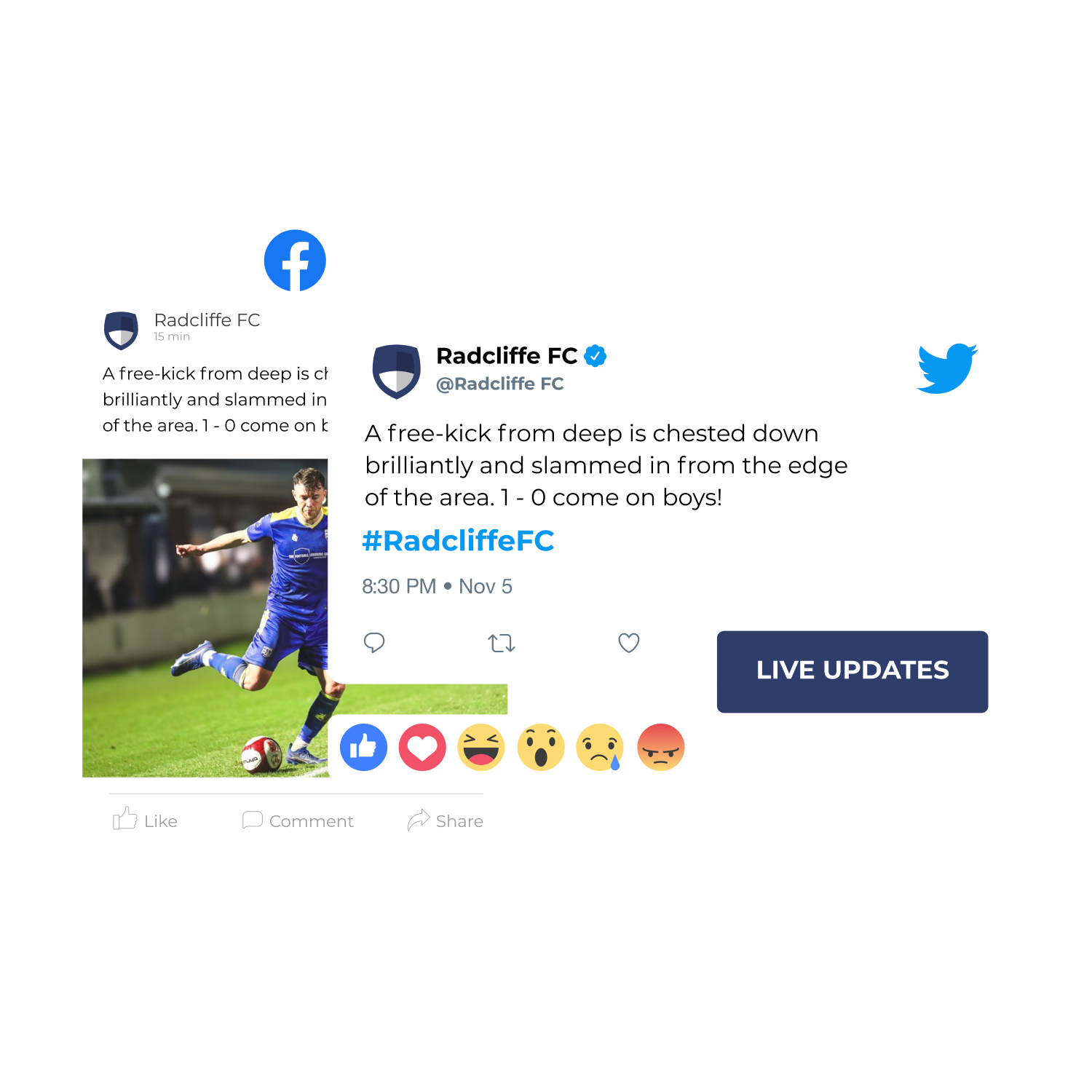
Social media: small posts, often
Social media doesn’t need to be polished or perfect. In fact, simple and authentic posts usually perform better for community clubs.
Easy, repeatable post ideas include:
- Fixture reminders
- Final scores
- Training photos
- Match action
- Volunteer or player shout-outs
The key is removing the pressure to “announce something big”. A photo and one sentence is often enough.
If someone is already updating the website, social posts can simply point back to it. Again, no duplication of effort.
Share the load across the club
A content plan doesn’t have to sit with one person.
You can:
- Ask team managers for one photo per week
- Rotate responsibility for short updates
- Encourage age-group leads to submit results
When expectations are clear, helping out feels manageable and no one burns out trying to do everything.
Why this helps clubs grow
Consistent communication isn’t just about keeping people informed. It has real knock-on benefits:
- Members feel more connected to the club
- Attendance at events improves
- Parents and players stay engaged
- Sponsors see more visibility and value
- New players and volunteers are more likely to get involved
Clubs that communicate well tend to feel more organised, even if they’re run by the same number of volunteers.
Keep it simple, keep it sustainable
The most important thing is that your plan fits your club, not someone else’s idea of perfection.
A realistic content plan:
- Uses tools you already have
- Takes minutes, not hours
- Works even when volunteers change
If your website, emails, and updates all live in one place, managing this becomes far easier, especially during busy periods of the season.
Start small, stay consistent, and build from there. That’s how clubs maintain engagement without adding pressure, and create the foundations for long-term growth.