
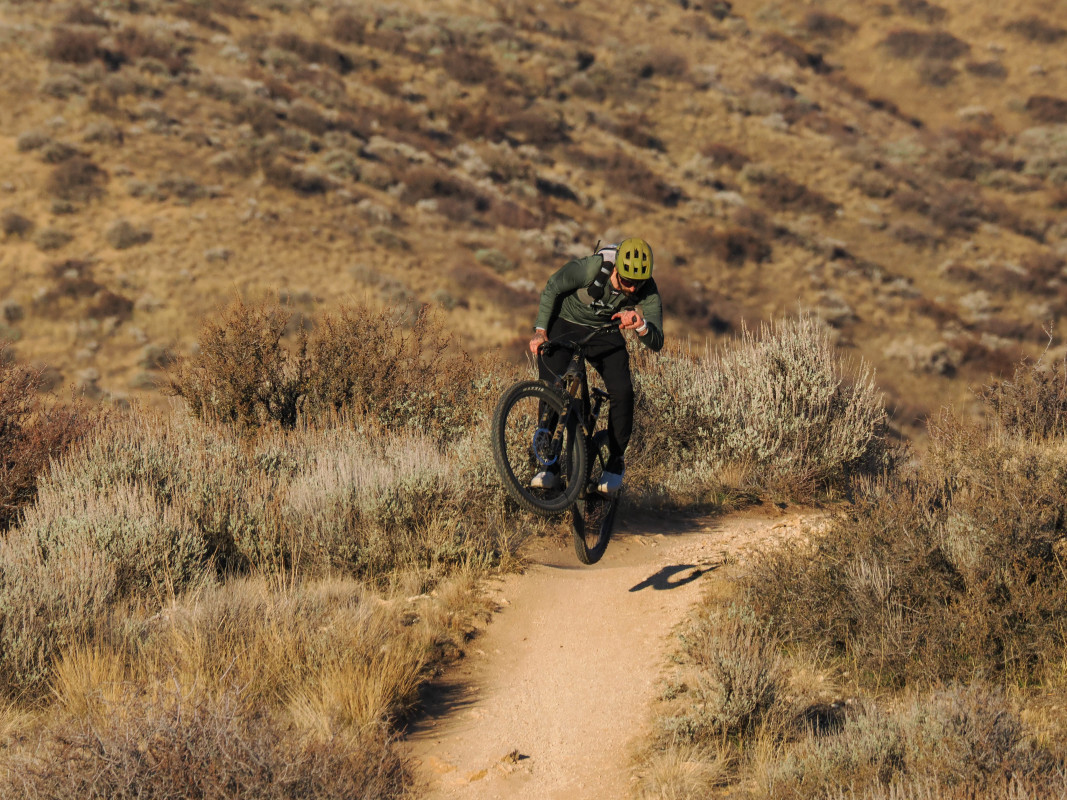
After four months of testing the Amflow PL Carbon Pro eMTB, this full-suspension electric mountain bike delivers surprising performance beyond its Avinox motor. While component choices raise questions and minor motor quirks emerged during testing, the PL Carbon Pro challenges assumptions about what makes an eMTB worth riding. Here’s my honest review covering real-world durability, handling characteristics, and whether DJI’s first mountain bike justifies its premium price.
We’ve all seen the buzz surrounding the Amflow PL Pro and the Avinox motors, and it’s all justified – but after a lot of time spent on the Amflow, I have some thoughts and feelings about the longevity of such a powerful eMTB. It’s not all sunshine and rainbows, and having such absurd amounts of power comes with a few drawbacks.
Amflow PL Carbon Overview
At $10,199 USD, this bike isn’t cheap, but it’s pretty competitive for what you’re getting, and at the time of writing, the Amflow PL Carbon Pro is 16% off ($8,599 USD), making it an even more enticing option. The lower-tier Amflow PL Carbon build retails for $7,499 (on sale now for $6,499 USD), and that might even be the better deal here, since you get the same frame, motor, and battery but with a slightly less bougie build kit, and you can upgrade it as you see fit.
The most noticeable issue across the ecosystem has been ease of use. It’s dangerously addictive to hop on and ride, and I find myself picking this bike over all the other options I have at my disposal. With that comes pretty accelerated wear of drivetrain and suspension components, and considering how much the drivetrain is dealing with, it won’t be surprising to hear that I’ve already chewed through one cassette, 4 chains, and a handful of tires in the six months I’ve been wrangling the Amflow.
My feelings about the Amflow aren’t just influenced by the power delivery. Don’t get me wrong, it’s intoxicating. But it’s the way that it is delivered that really stands out. I rarely ride it at full power and instead use lower assist settings for climbs or keep it off completely when descending. The power delivery feels really organic in the lower assist modes, and the jerky feeling you often get when hitting the speed limit governor on other eMTB systems is barely noticeable on the Avinox system.
David Bontrager
David Bontrager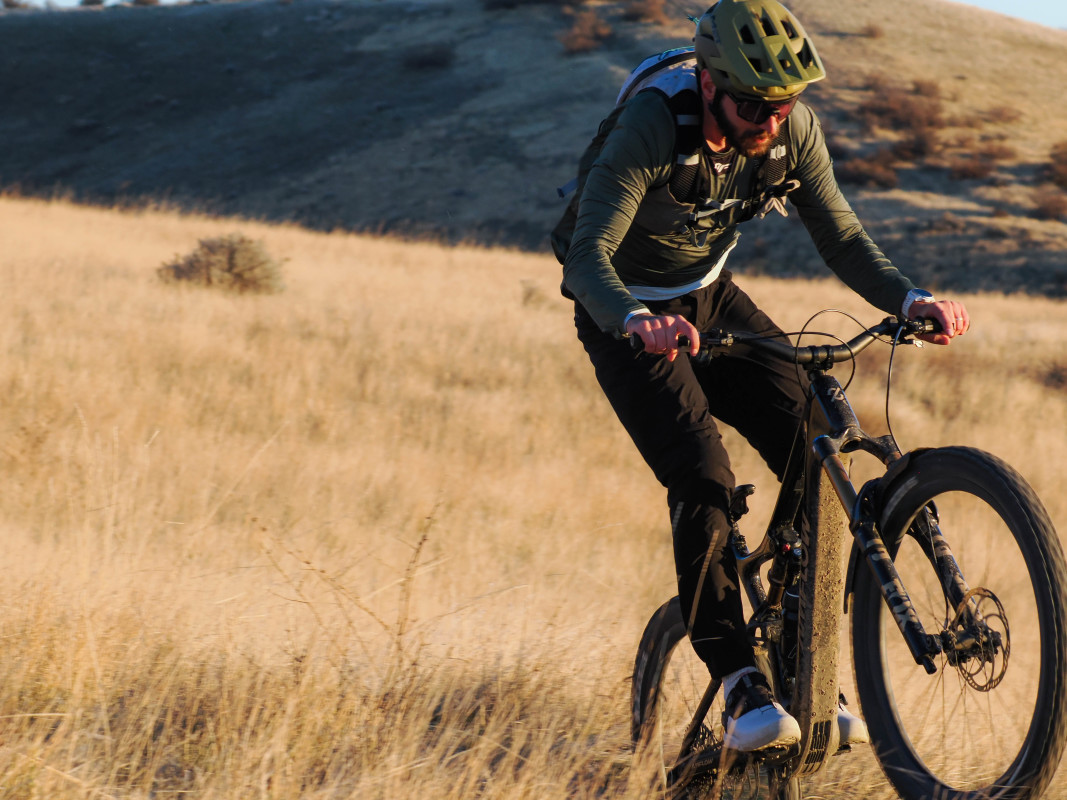
Amflow PL Carbon Pro First Ride Video
This video was shot shortly after building up the Amflow PL Carbon Pro, and you can tell I was pretty impressed with the bike from the get-go. For the initial review, you can head over to the article linked below, which addresses some of my thoughts and worries.
Geometry and Ride Feel
The Amflow had one major issue I needed to address out of the box: the low stack height. The 641mm stack on the XL frame with 25mm rise bars was not cutting it, even with the stem as high as it could go on the steer tube. Swapping to some MUCH taller, Race Face ERA 55mm rise bars solved the issue pretty quickly, and the rest of the bike’s geometry started to really fall into place. The bottom bracket is 345.5mm off the ground, and the 445mm chainstays are paired with a 1289mm (size XL) wheelbase make for a pretty balanced rider position as soon as those bars are in the right place.
Deven McCoy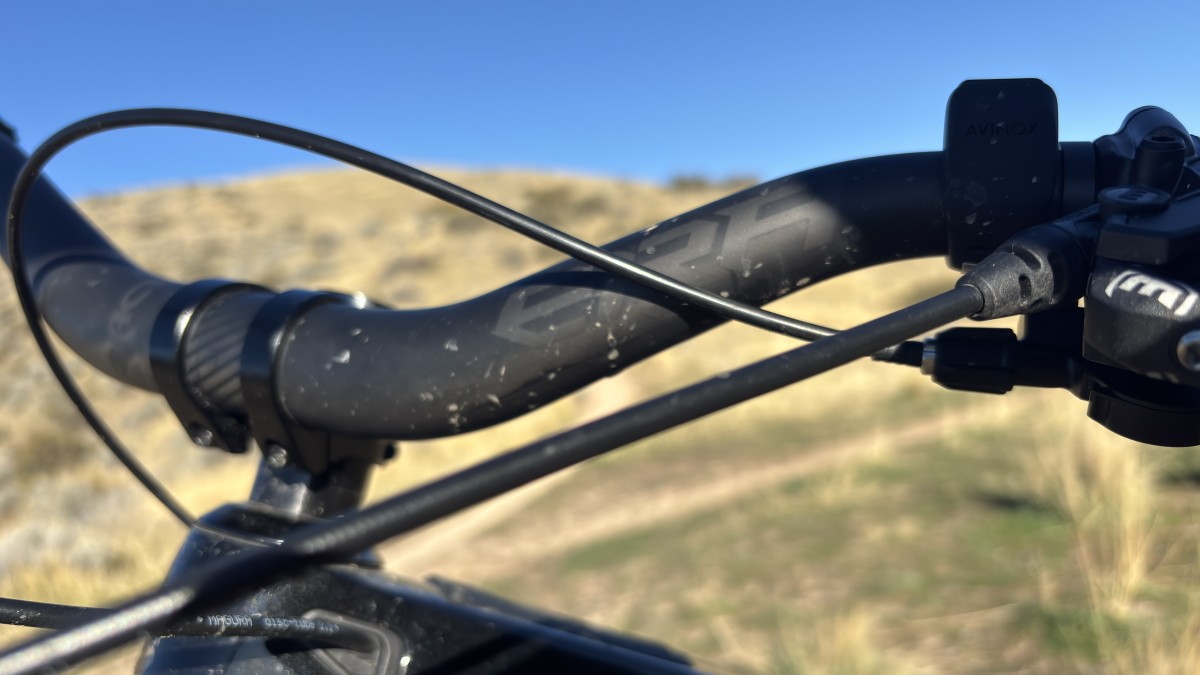
The 64.5-degree head tube angle and 500mm reach (XL) are pretty happy together, but the taller bars, of course, reduce that reach number just a bit, making for a comfortable cockpit that feels pretty responsive through steep trail sections, but still gives me enough room to move around on tighter sections of trail where pumping the bike is key.
Amflow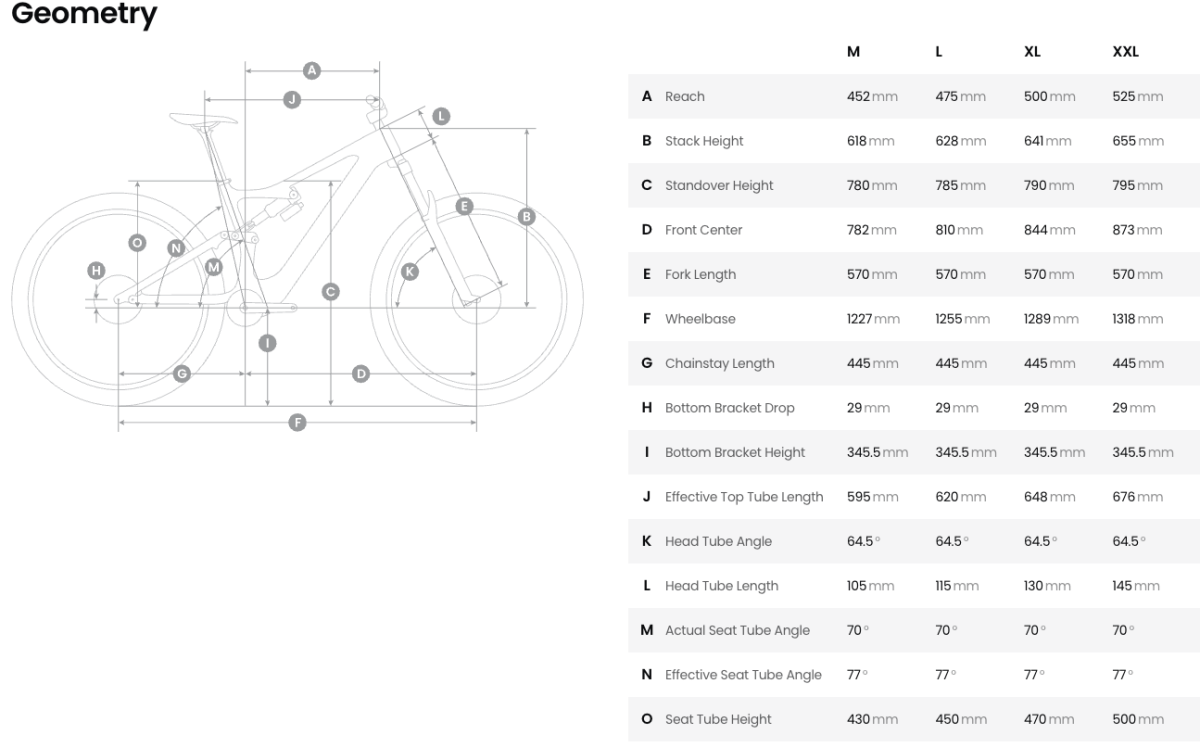
David Bontrager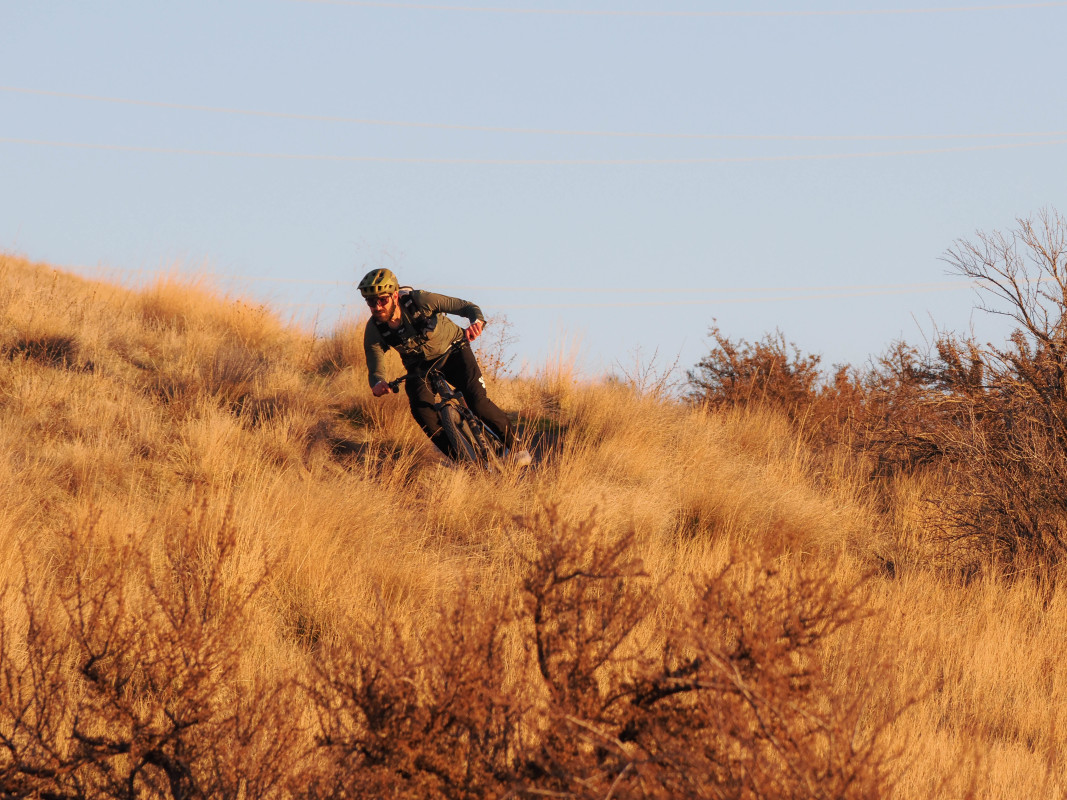
In terms of geometry, the Amflow PL Pro feels an awful lot like a Specialized Stumpjumper 15 Evo, with slightly worse suspension performance, and a few other tweaks here and there, and that’s pretty high praise, but not shocking. Just looking at the bikes next to each other, you can see the visual similarities, and Amflow obviously did their homework when designing the 4-bar suspension on the PL Carbon.
Deven McCoy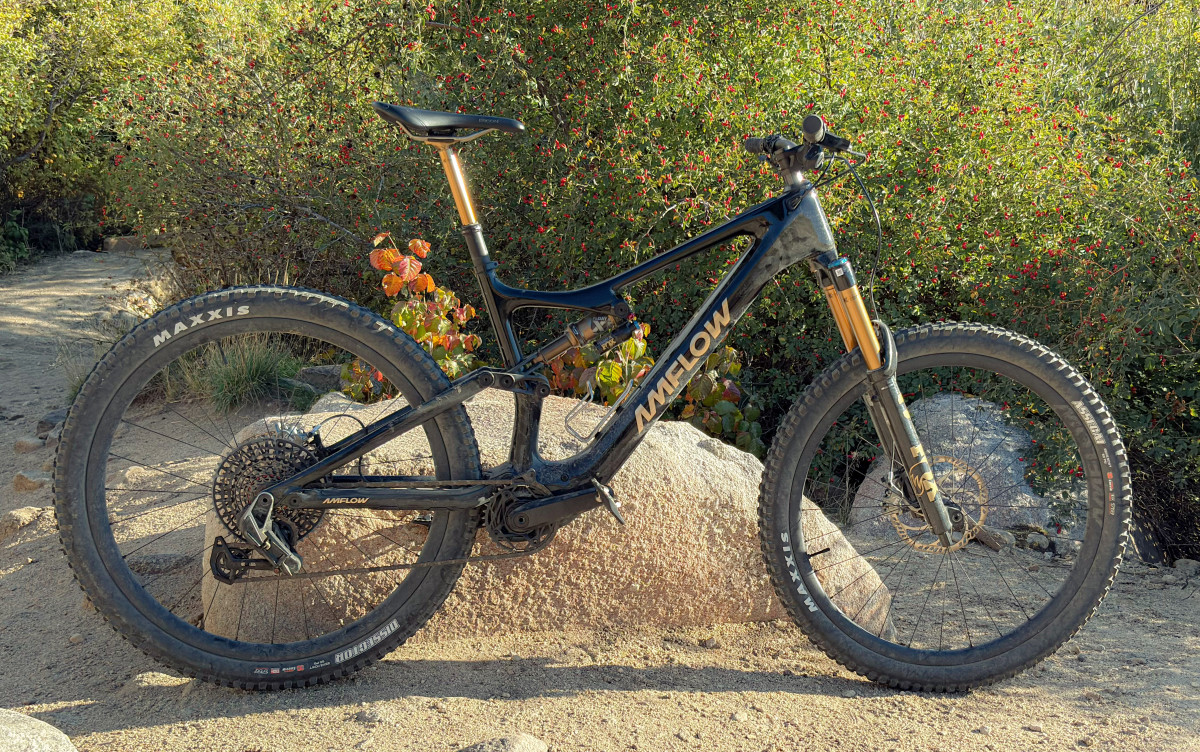
150mm of rear wheel travel and 160mm of fork travel is a fairly common pairing on bikes of this category, but given the nature of the beast, I often found myself wanting a touch more from the bike. The out-of-the-box travel is great, but a 170mm fork and 160mm of rear wheel travel would really wake things up and make this a serious weapon on gnarlier trails. Thankfully, Cascade Components saw this potential and whipped up a beautifully CNC’d link that lets the Amflow stretch its legs a little bit. More on that to come after I get some more time on the new setup.
David Bontrager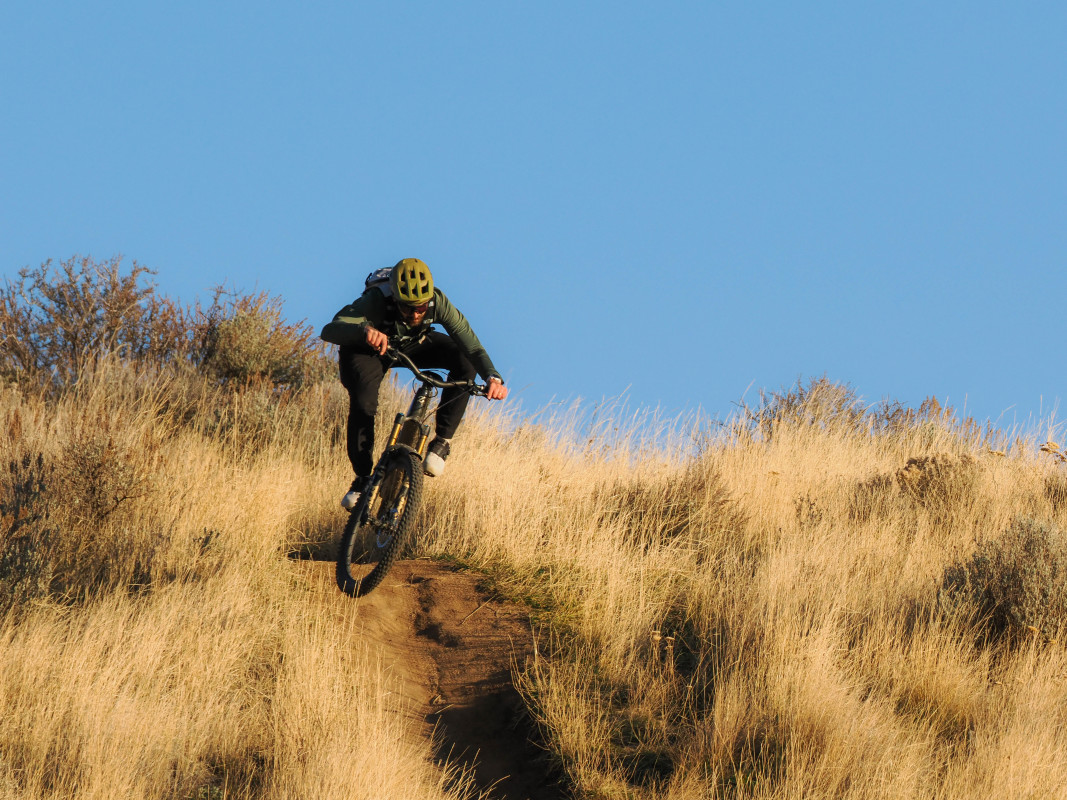
The Controversial Take
I’ll get some hate for this, and I certainly don’t suggest other riders take this approach on public trails. I like the class 3 setting, but not for the reasons you might think. It’s not uncommon to reach 30-ish miles per hour while going downhill, and I can most certainly pedal a bike faster than the governed speed limit of the motor that is found on most eMTBs. Most of us probably can. On a lot of eMTB motors, when you hit that 20 mph ceiling on a descent, there is often a noticeable jerk or a persistent amount of drag from the system that is frustratingly hard to ignore, and it’s honestly a little dangerous when the motor is kicking on and off throughout a section of trail.
Deven McCoy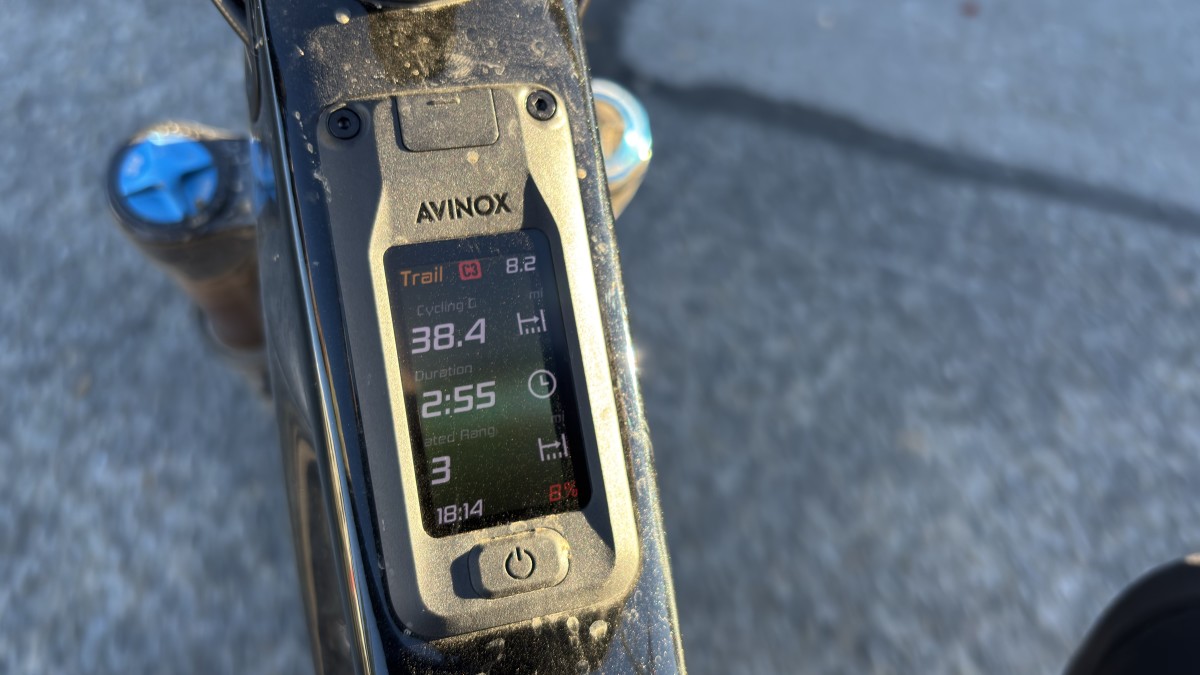
For that reason, I typically turn the motor off on the vast majority of descents to keep the wheels moving predictably, but this results in pedaling through the mechanical drag of the motor. In class 3 mode, you can pretty easily remedy this feeling on a descent by switching to the easiest assist setting and keeping the governed speed limit to the maximum allowed.
While the class 3 mode is polarizing, and in my opinion, far too easy to unlock. But it is a useful trick in the Amflow/Avinox bag that I use when available. I still have issues with this mode because it is and will be abused by many riders, and when in the wrong hands or with an inexperienced rider who is not comfortable handling a bike at higher speeds, it can be a recipe for danger. I do wish the system hid this feature a little deeper in the UI or required a few more steps to unlock it, and realistically, it would make more sense for it not to be available at all.
David Bontrager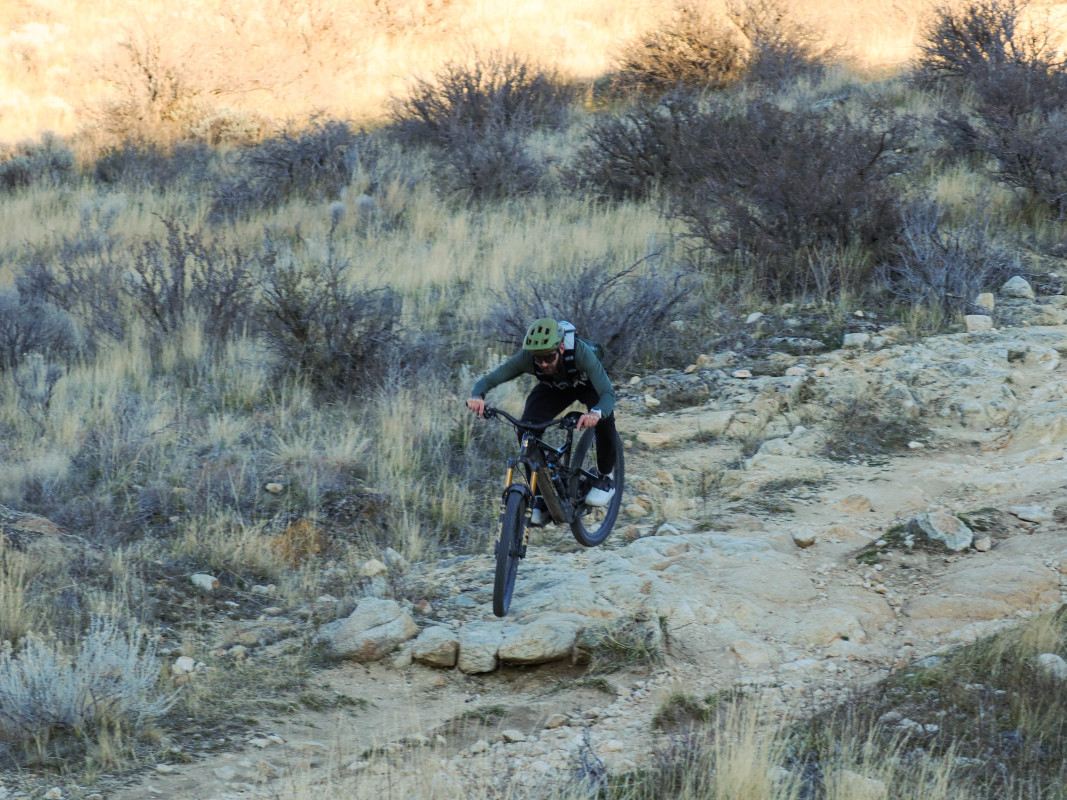
Built Kit, Longevity, and Long-Term Reliability
First off, the build kit on the Amflow PL Pro Carbon is top-notch, and, as I said before, there was only one aspect I felt NEEDED to be changed out of the box. The bike comes with Amflow’s own carbon bars, a familiar-looking stem, and its own carbon wheels and hubs. The brakes are the ever-spectacular Magura MT7s with 203mm rotors front and rear. The suspension is from Fox, and the 36 Factory Grip X2 fork and Float X are superb, but a fork with thicker stanchions wouldn’t hurt a bike of this weight and travel range.
A Few Pain Points
- Tires: Please give us thicker casing tires for eMTBs.
- Bars: With such a short stack, taller bars are essential.
- Dropper: 180mm isn’t enough if you’ve got long legs. The saddle is in the way on descents, or it’s not long enough on the climbs.
David Bontrager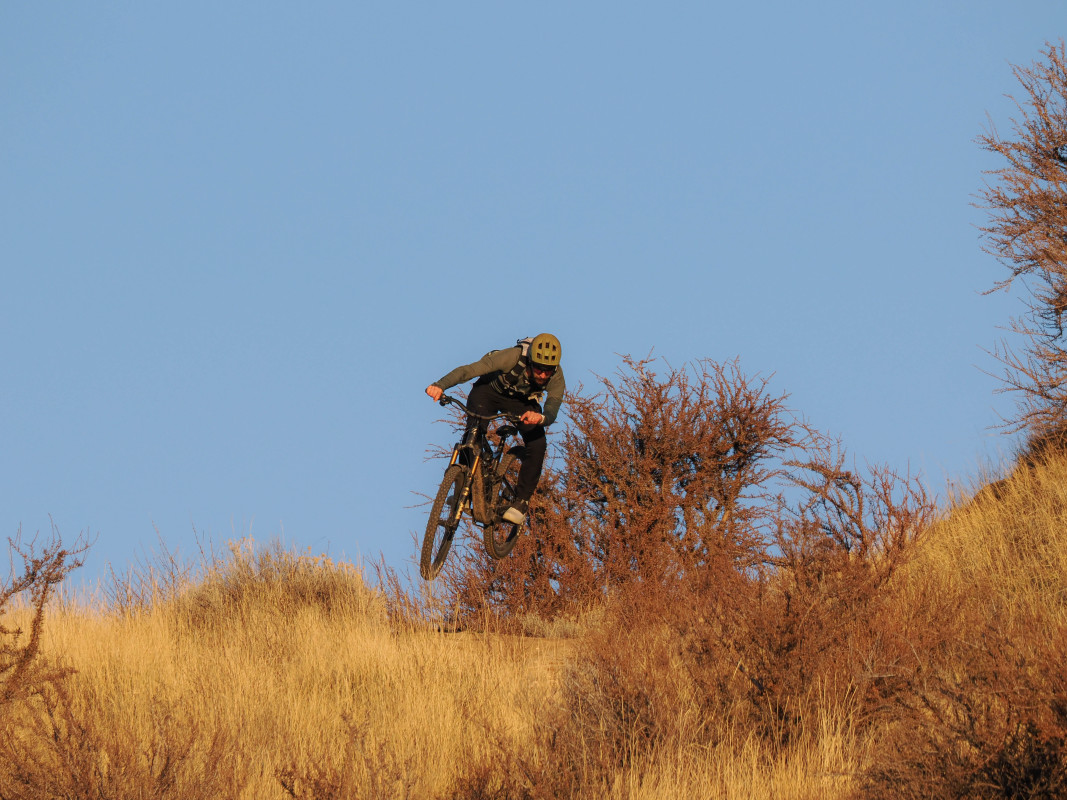
The Fox Transfer Factory dropper post is no doubt a top-tier pick, but the 180mm option that came on my XL frame was just too short, and when slammed and lowered in the seat tube, it left my pedaling looking a little wonky, and when raised up enough to get full leg extension, the saddle was in the way on the descents. This was easily solved with a 240mm OneUp Components V2 dropper that I had sitting around in 31.8 diameter. Unfortunately, this tall post doesn’t drop all the way into the frame, but it still gets my saddle height where it needs to be on climbs and descents.
The groupset is from SRAM and consists of a hotshoe-mounted XO derailleur, XO cassette, and a shift pod, all of which have been mostly impervious to my abuse, but thanks to the power of the drivetrain, they have been subject to some accelerated wear, which is something to keep in mind if you’re eyeing an Amflow. The cranks are the other Amflow-branded component that rounds out the drivetrain, and these innocuous little planks of alloy are nothing to write home about, but they’ve stood up to plenty of rock strikes and haven’t been an issue in my testing. Pedals thread into them, they feel pretty stiff, and they spin around – what else can you really ask for?
Deven McCoy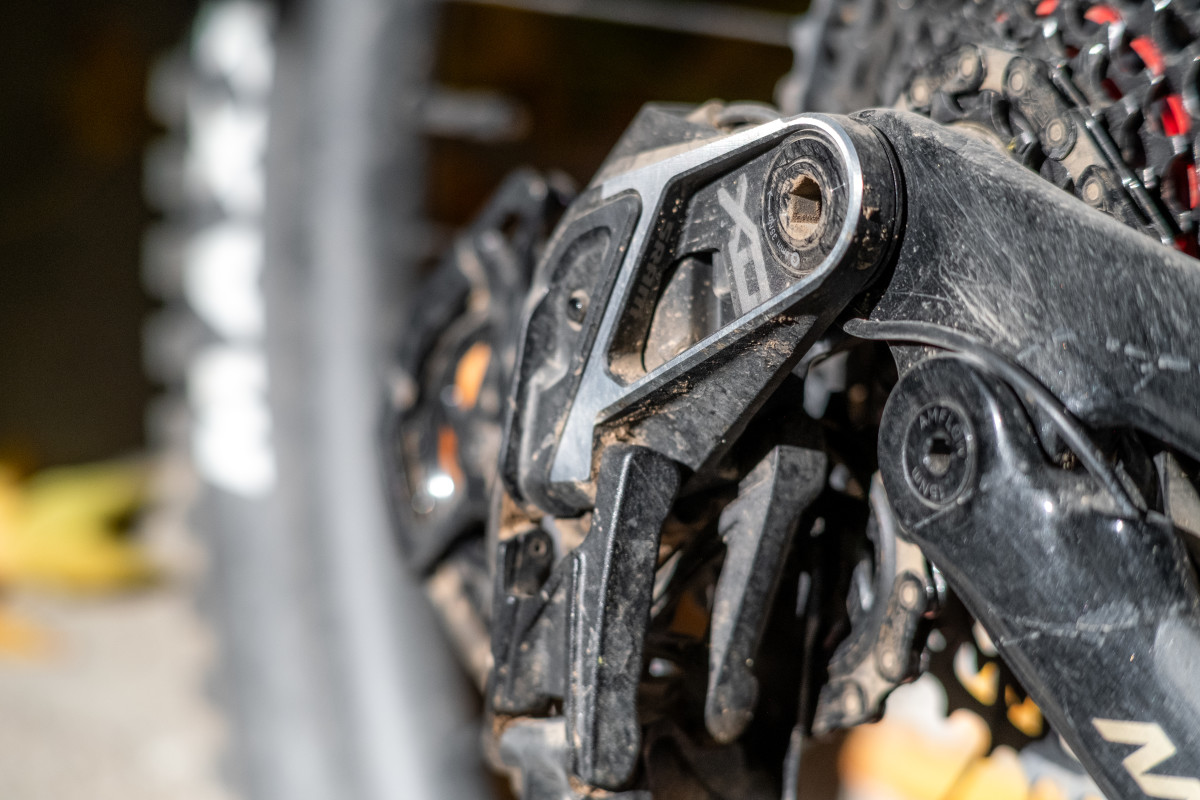
Deven McCoy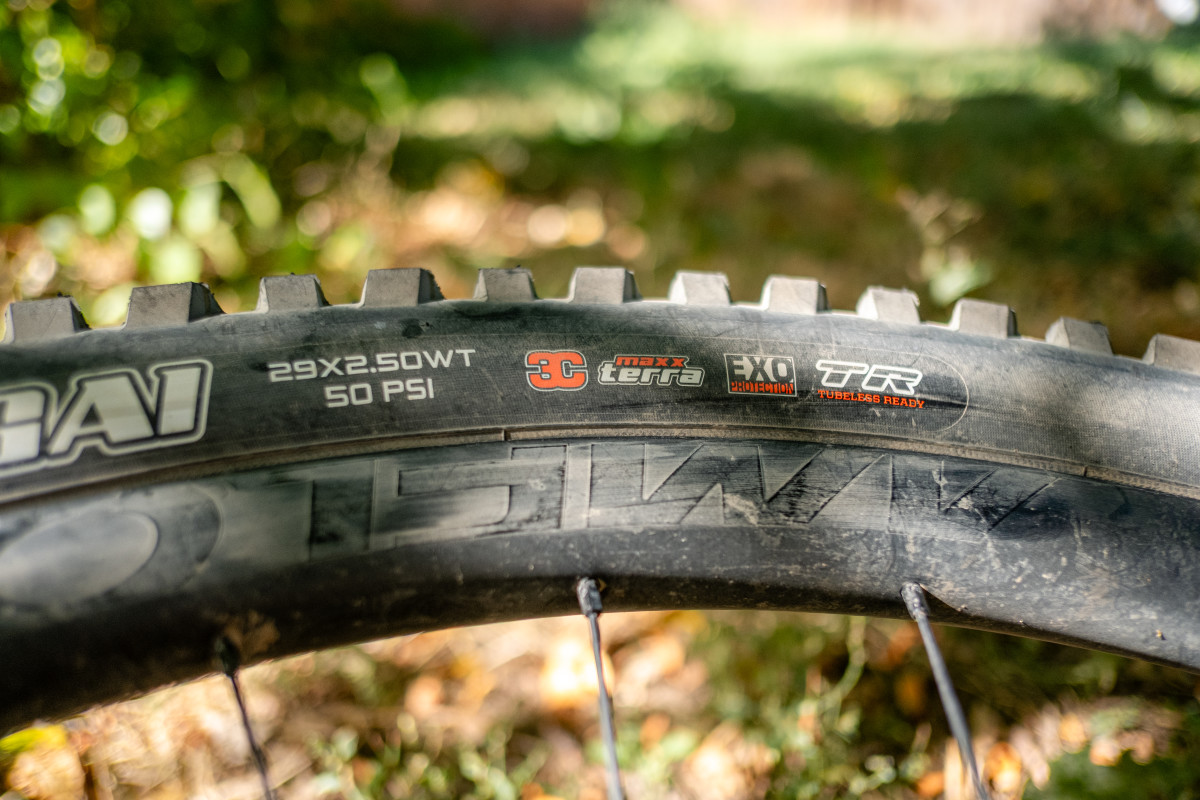
The Amflow HMC-30 wheels have been pretty ordinary for carbon wheels. They have a 30mm internal width, 28-hole hubs, and straight-pull spokes, and the rear hub houses internals with a 78-tooth ratchet. But despite being wrapped in less-than-ideal trail casing tires and having no inserts, they’ve felt responsive and haven’t yet thrown in the towel just yet. The trail casing tires are another pain point, and I will never understand why bike brands don’t spec a heavier casing tire on all eMTBs.
David Bontrager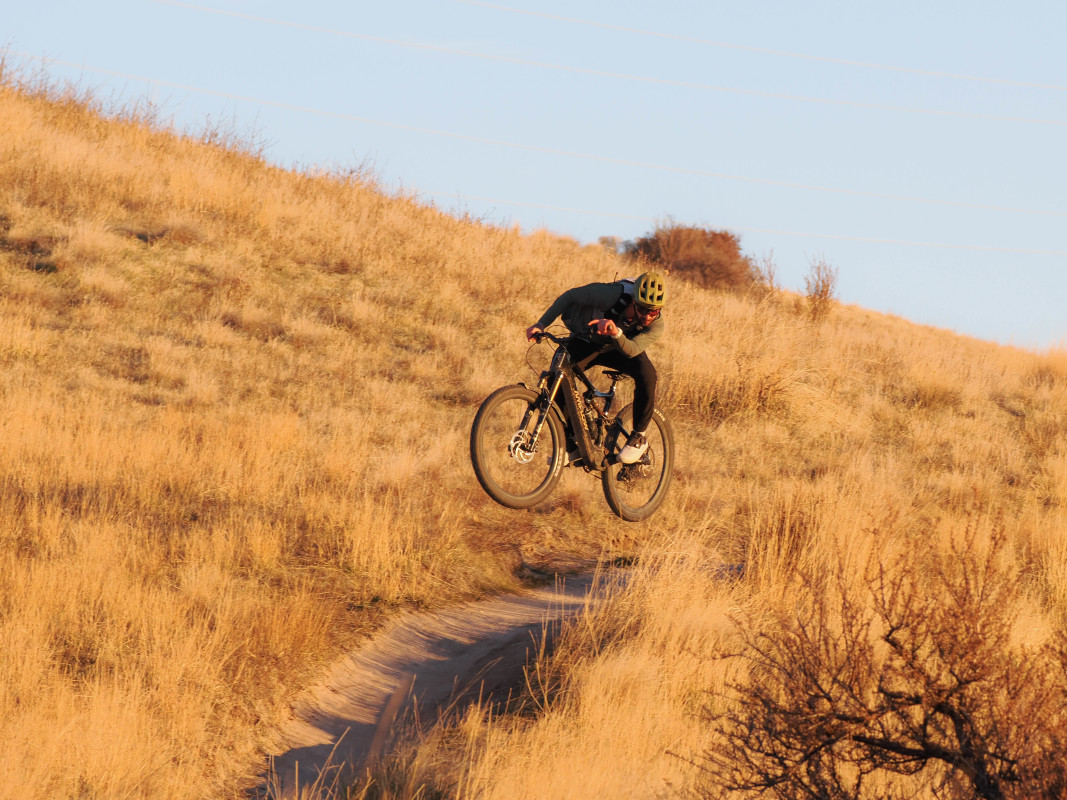
I’ve been curious how the Avinox motor would hold up to long-term testing and daily abuse. It’s a new motor that puts out a ton of power and torque, so, rightfully, I’ve been waiting for something to go wrong. And I’m happy to report that so far, it’s been mostly problem-free. It hasn’t been totally smooth sailing, though.
Mystery Problem
There’s been one issue that I ran into during my months on the Amflow – and I still don’t really know what happened. I had the motor seize up on a ride one day, with the internal system showing no error codes or indicating any issue. I power-cycled the unit a dozen times and tried what I could to diagnose the issue, but nothing resolved the problem. This came after a not-insignificant impact to the motor housing on a rock roll, followed by a very harsh bottom-out on a corner that seemed to twist the rear triangle in a way that the bike didn’t like.
Deven McCoy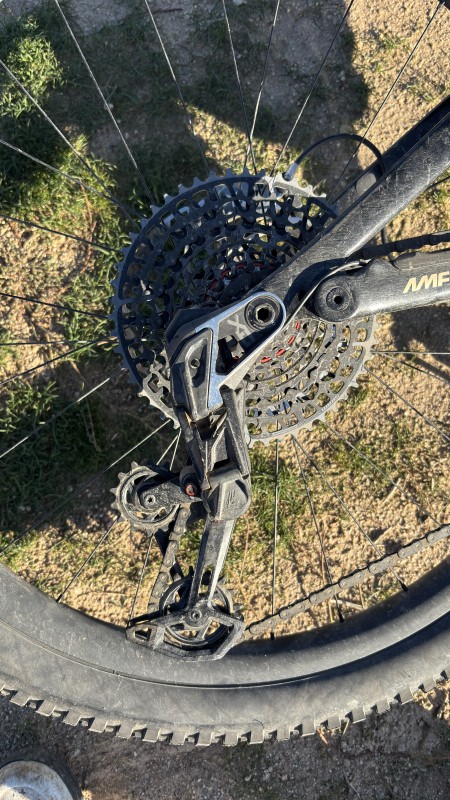
View the 2 images of this gallery on the
original article
I pulled things apart to check the links and bearing, and upon removing the rear wheel, noticed that the cassette had somehow begun to work its way off the freehub body. I don’t know if this is from the incident, from the motor’s excessive torque and power, or from my neglect of the bike. The latter doesn’t make sense to me, since I have never removed the cassette from the freehub, and when I built the bike, I made sure to torque all components to the proper spec.
Although the cassette seemed to be the issue, the motor was also seized, and I was unable to backpedal without significant resistance. Which I assume was due to the motor being overworked by the added drag, but I didn’t see any error code or anything to determine why the motor was fighting me.
You can see in the video below that the Avinox motor and cassette are not happy about the situation.
But here I was, staring at the cassette filed down against the UDH, which was causing the motor to do quite a bit of extra lifting as it dealt with the added drag of the cassette against the dropouts. Thankfully, I was able to get into the cassette splines with a chisel and re-torque the cassette onto the freehub. I’m still not sure whether this issue was due to the bike’s mileage or to something with the motor and drivetrain interface, but the problem has been resolved and hasn’t resurfaced since then.
Deven McCoy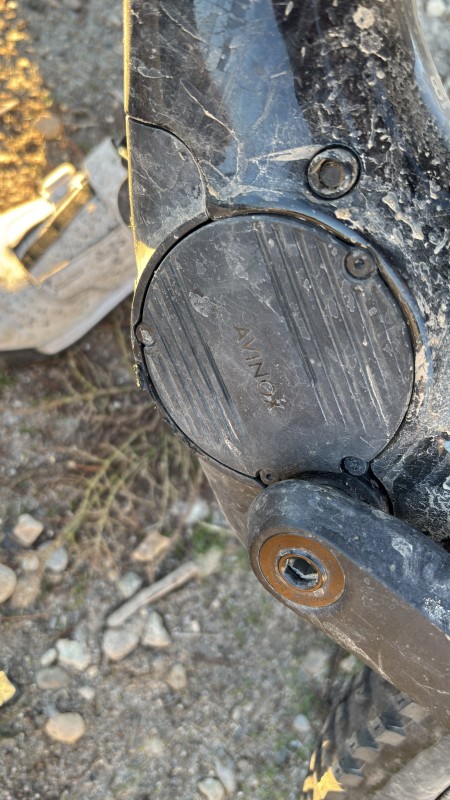
View the 2 images of this gallery on the
original article
In Summary
The Amflow PL Carbon is an exceptional eMTB that really changed the industry. It’s unlocked the pursuit of greater power, torque, and lighter weights thanks to the slim and efficient 800Wh battery. It’s not just these factors that make an eMTB great, though, and a huge part of the equation is how that power is delivered, and the Avinox system with the Amflow platform delivers the power in a usable and composed way.
David Bontrager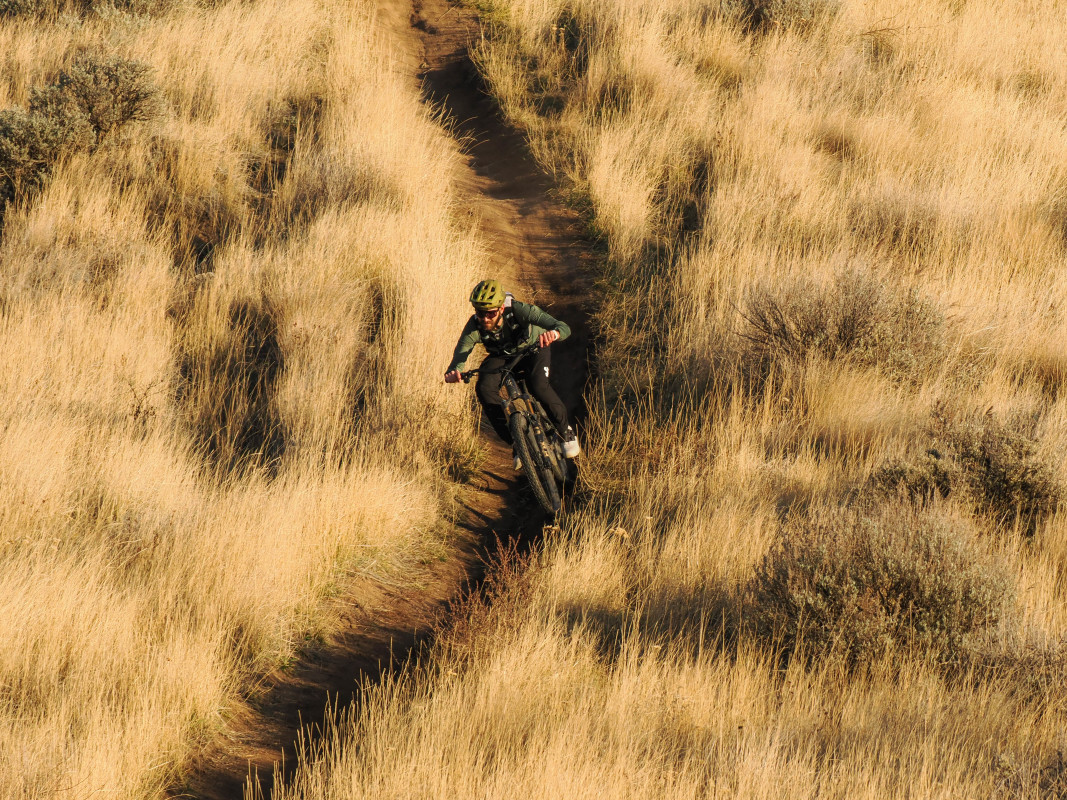
There’s a lot of customization with the motor, and riders can tune it in the app to get the bike to ride exactly as they want, or they can run the factory settings and still have a ton of fun. Sure, I had my reservations about the durability and long-term success of this new player in the game, but after a lot of time on the bike, subjecting it to all kinds of conditions, I can’t really fault the package that Amflow has created.
As I said in my initial review of the Amflow PL Carbon, this is an impressive first swing at an eMTB, and it’s not just in the power of the motor. The bike is good. Mountain bike geometry is at a plateau right now. Honestly, it’s hard to make a bad bike these days if you just follow the trends, and that’s what Amflow did with the PL Carbon. While it hasn’t been without its problems, and I have my gripes with some of the components, there isn’t much I can say to paint this bike in a negative light.
Why the Most Powerful eMTB Isn’t Always the Best eMTB
David Bontrager
While riding this bike and getting a feel for the Avinox motor, I’ve realized that it’s not all about the power, because, at the end of the day, the rider’s interaction with the bike is the major factor, and I found myself becoming fatigued with the power and resulting disconnection from riding. Having too much power distracts from riding and can cause you to shut down your brain. I like climbing. I like exercising. I like the mental and physical engagement of riding a mountain bike, and when there’s too much assistance, you lose that a bit.
David Bontrager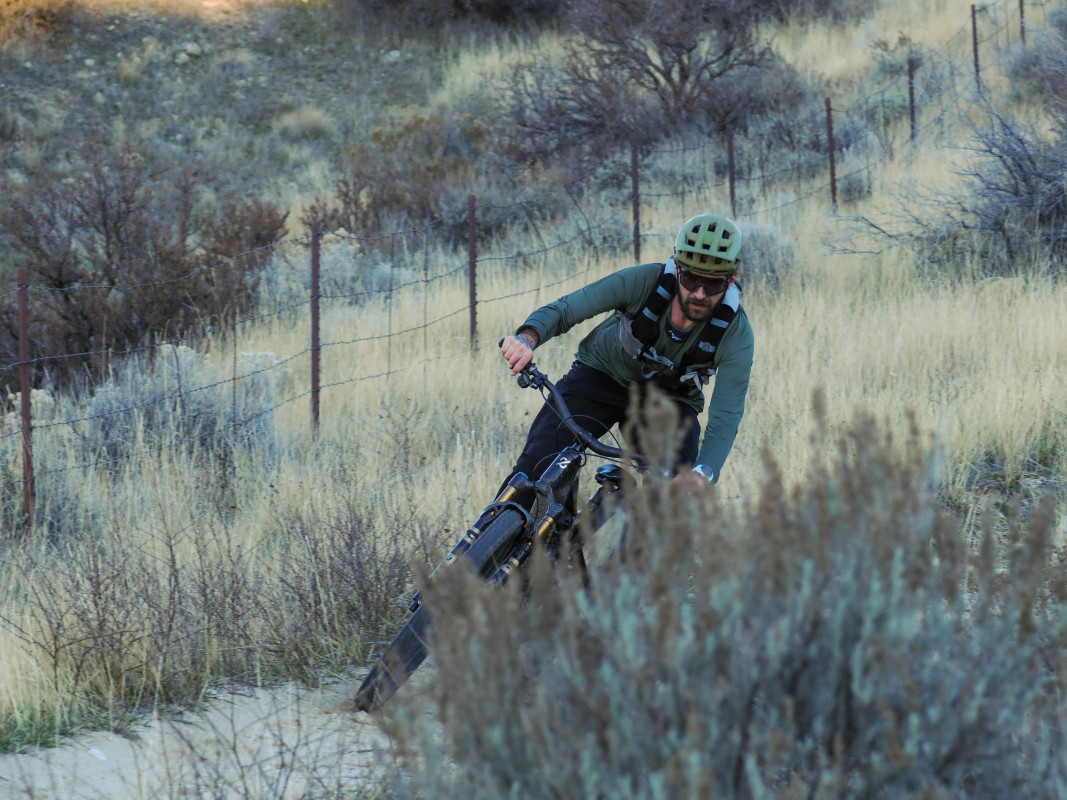
To that end, I found that the majority of my recent rides on the Amflow PL Pro were done in the lighter assist modes, sometimes even off, just to give myself a challenge. The display on the top tube shows rider power, and I’ve really enjoyed seeing just how much extra work I need to put in in order to haul this bike up the hill.
I do love riding eMTBs, and I think they are a valuable tool for many riders. The extra weight they provide is a great way to hone skills on descents, and when you switch back to the human-powered platform, you really gain a perspective on how absurdly fun and rewarding it is to push a normal bike around.