
In the shifting landscape of urban recreation, some of the most consequential battles for mountain biking are not fought on mountaintops or remote trail networks. They happen at a much smaller scale, inside town hall meetings and city council chambers, where decisions about public space quietly shape the future of our sport.
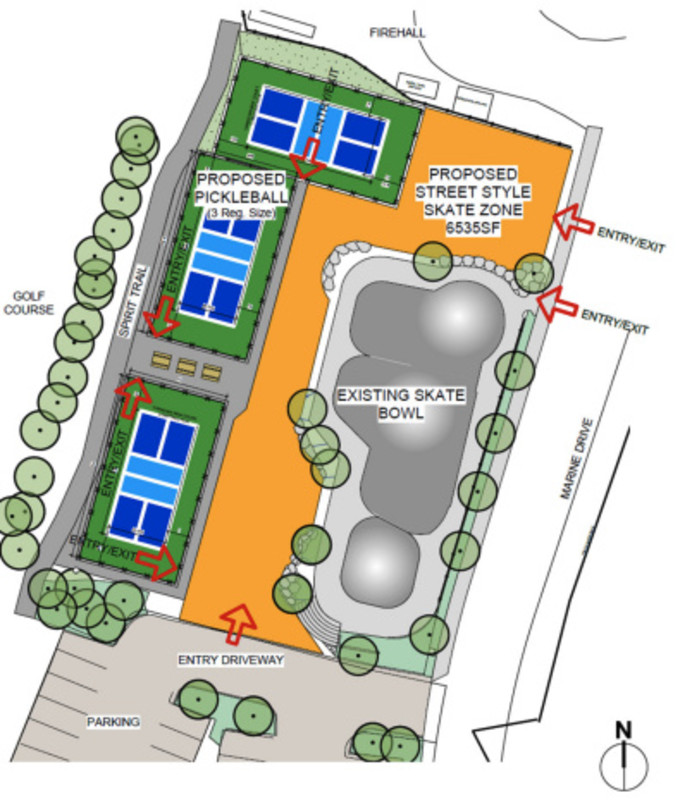
In February 2026, the West Vancouver District Council approved a redevelopment plan that will remove one of the region’s few public dirt jump spots. The dirt jumps and skill features at Gleneagles Adventure Park will be replaced with three regulation pickleball courts and an expanded street-style skate plaza. A paved, all-abilities pump track is being explored separately, but is not part of the approved park redesign..
For riders, parents, and advocates, the decision reflects a broader trend. Accessible bike spaces are increasingly being reshaped or removed in favor of facilities that are easier to justify through participation numbers, maintenance budgets, and broad definitions of inclusivity, while the long-term health of grassroots riding spaces grows increasingly uncertain.
A Beloved Venue, Reimagined
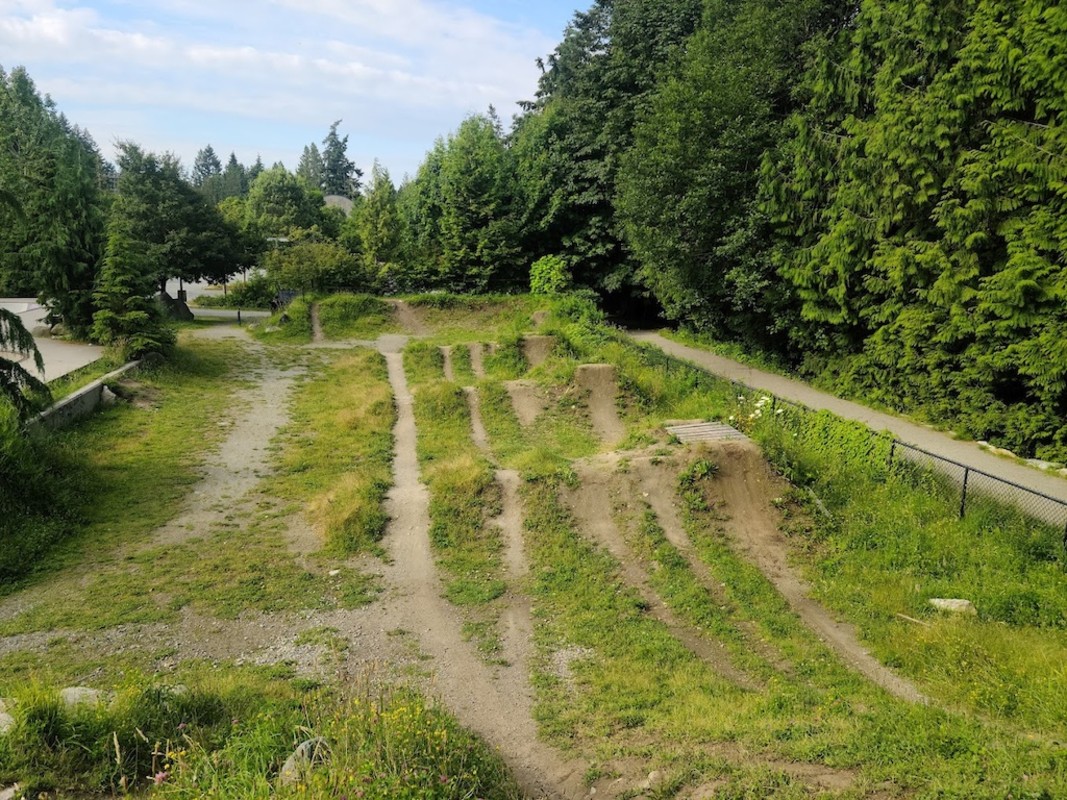
Located in West Vancouver’s Horseshoe Bay neighbourhood, Gleneagles has long been more than a collection of dirt mounds. Built in 2005 alongside a skate bowl and community centre, it became a formative space for local riders and a place where many riders first established the foundational skills that shaped them into lifelong mountain bikers.
But in recent years the bike features have deteriorated, and the spot has lost some of its importance in the community. Lack of consistent maintenance and limited official stewardship meant sections of the jumps fell into disrepair, leading some segments to be removed without replacement. The result: underused terrain that was easier to justify tearing down than renewing.
Municipal staff cited this perceived lack of sustained usage, along with growing demand for pickleball facilities, as primary reasons for the redesign. The updated plan aims to transform Gleneagles into a multigenerational recreation hub anchored by pickleball courts, a refurbished skate bowl, an expanded street skate area, and a paved pump track designed for bikes, scooters, and skateboards.
While this vision retains elements of the original wheeled recreation space, it also marks the end of a dedicated dirt-based progression space for mountain biking. A type of terrain that offers value beyond what can easily be measured by headcounts or surface durability numbers.
Why This Still Matters to Riders
At a glance, trading dirt jumps for pickleball might appear to be a simple allocation of resources. But rider-centric communities, especially in urban and suburban settings, understand that this equation isn’t just about amenities. It’s about:
Accessible Progression
Dedicated bike parks and jump spots serve a unique purpose: they provide safe, free progression terrain where kids can learn bike control, build confidence, and push skills outside organized leagues or expensive destinations. When these spaces disappear, the path to progression becomes steeper and more exclusive.
Less visible, informal, and sometimes illegal rider spaces have historically been the lifeblood of our sport. They are the critical hubs where the next generation of riders is born.
Cultural and Community Identity
Bike parks aren’t just features on a map. They are cultural hubs. They bring families together, offer intergenerational play, and help knit a social fabric around wheels and movement amongst friends. Removing them doesn’t just demolish dirt: it dissolves community and stifles the next generation before they have even truly begun.
The Signal It Sends
Gleneagles is not an isolated case. Across British Columbia and beyond, riding facilities are facing increasing pressure from competing recreational trends and limited land-use priorities. Even when bikes remain part of the conversation, the shift away from dirt-based progression toward generalized hard-surface solutions sends a clear signal about what kinds of riding are easiest to defend and which are most vulnerable.

Not Just Pickleball
Pickleball’s growth is not inherently antagonistic. The sport has expanded quickly for good reasons, including a low barrier to entry, social play, and broad demographic appeal. Municipalities tasked with serving the widest possible audience are naturally drawn to infrastructure that meets those criteria.
But in places with limited public space, prioritization matters.
West Vancouver already offers multiple indoor and outdoor pickleball courts, and the sport continues to expand. Meanwhile, Horseshoe Bay, once home to a rare public dirt jump spot, will soon have no dedicated mountain bike jump terrain despite continued interest from local riders and a strong mountain biking scene.
Community engagement did occur through open houses and surveys, yet many riders felt their priorities arrived late in the process or carried less weight than usage statistics and maintenance considerations. The tension is all too familiar. Institutional definitions of use often fail to capture the cultural value riders assign to place.
Keeping Wheels Turning Forward
The loss of a jump park like Gleneagles is not just a local news item. It is a case study in the challenges facing mountain biking at the community level. Trails and parks require ongoing investment, thoughtful planning, and advocates who show up not just for competition peaks, but for everyday riding spaces.
Supporting these places means more than building and maintaining public-facing infrastructure. It also means showing up for the unglamorous work, including city council meetings, public consultations, and local advocacy, where the future of these spaces is often decided.
If mountain biking is going to grow sustainably, not just in numbers but deepen its roots, it will require accessible progression terrain and long-term trail vision backed by the people who have the most at stake: the riders themselves. That kind of intention and care is what keeps places like Gleneagles relevant, and ensures the next generation isn’t left at the end of the line.