
As Ryan Wilson continues his trip across Asia, he traverses a mountain trail through the lands of the Yagnobi people, deep in the Zarafshan range of Tajikistan. Read on as he makes his way across the country to the border of Afghanistan…
When you look at a map, from the northern mountains of Tajikistan, there is really only one route south toward Dushanbe. All roads lead to the Varzob river and the busy highway that twists and turns beside it. I spent hours scanning satellite maps looking for alternatives, but consistently ran into dead ends blocked by steep mountain peaks. That is, until I started looking deeper into a place called the Yagnob valley, and some of the tracks that shepherds use throughout the mountains in the area.
While I found a series of trails and dirt roads that would theoretically connect me to Dushanbe without taking the main highway, the mountains in Tajikistan are no joke. Trails here can be treacherously steep and rocky, and the route I mapped out had around 50 kilometers (31 miles) of walking trail, so I had no idea how passable it would be with a fully loaded bike. A bit of googling led me to reach out to Alovaddin from Paramount Journey and Jan from Pamir Trail, who were able to help me dial in the specific trails I should take, and mostly get me feeling like this might be doable.
The Last Valley of the Yagnobi People
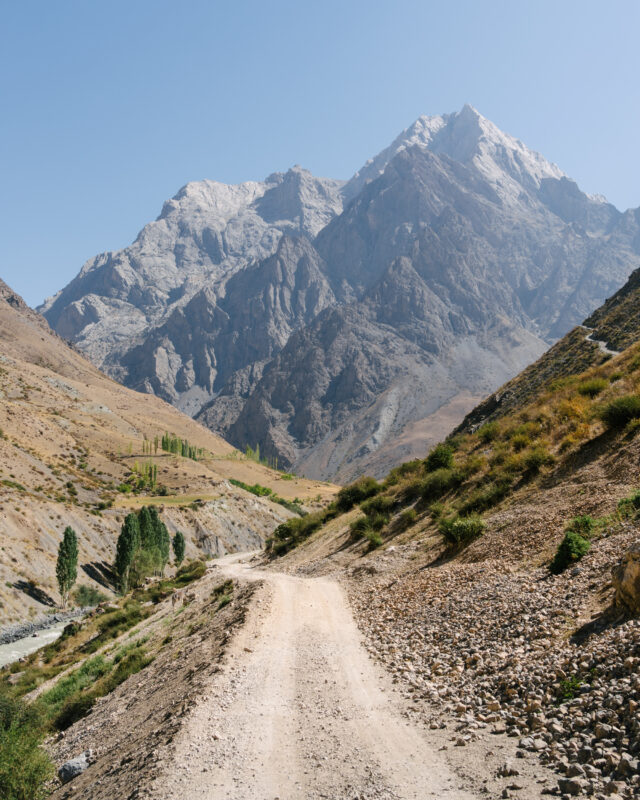
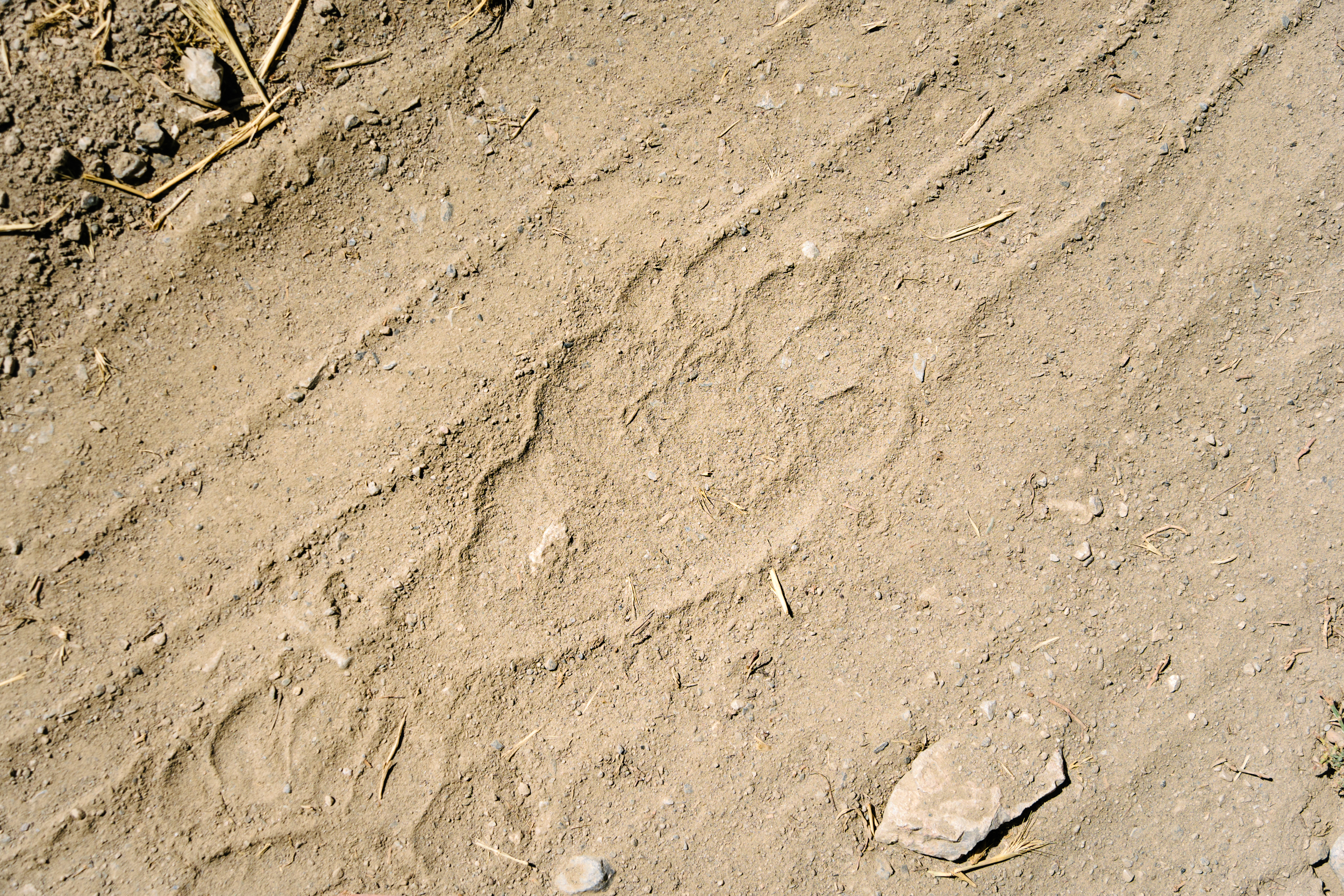
From the village of Anzob, I passed by the road that Chrissa and I came down back in 2019 and started heading up the gradual dirt road to Piskon. I crossed my first set of bear tracks between tiny settlements— it was a reminder that this is one of the more densely populated brown bear areas in all of Central Asia.
Passing by Murghab, I noticed the power lines that paralleled the road disappeared, as did any semblance of local traffic. For the rest of the day, I only saw one truck on the road.
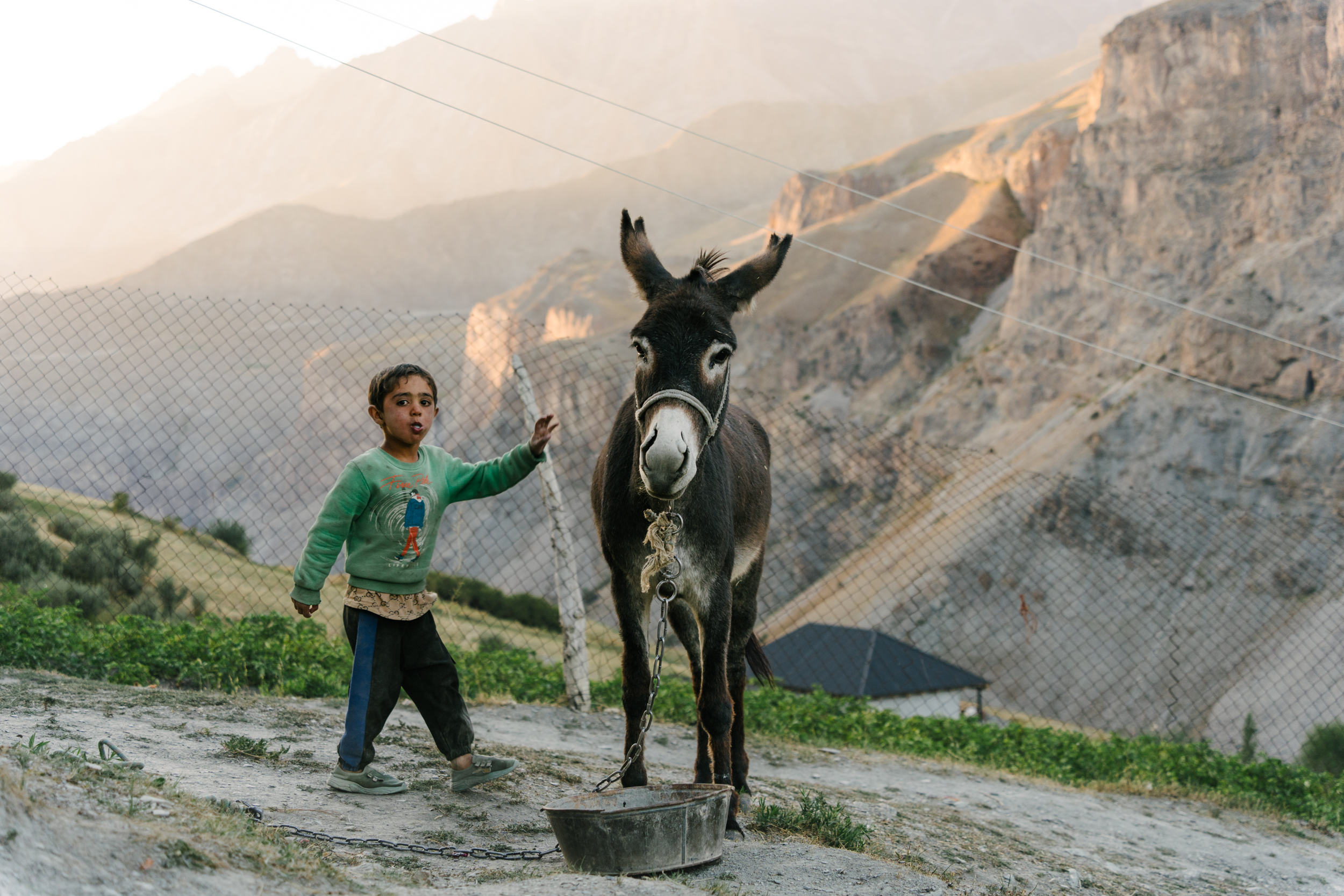
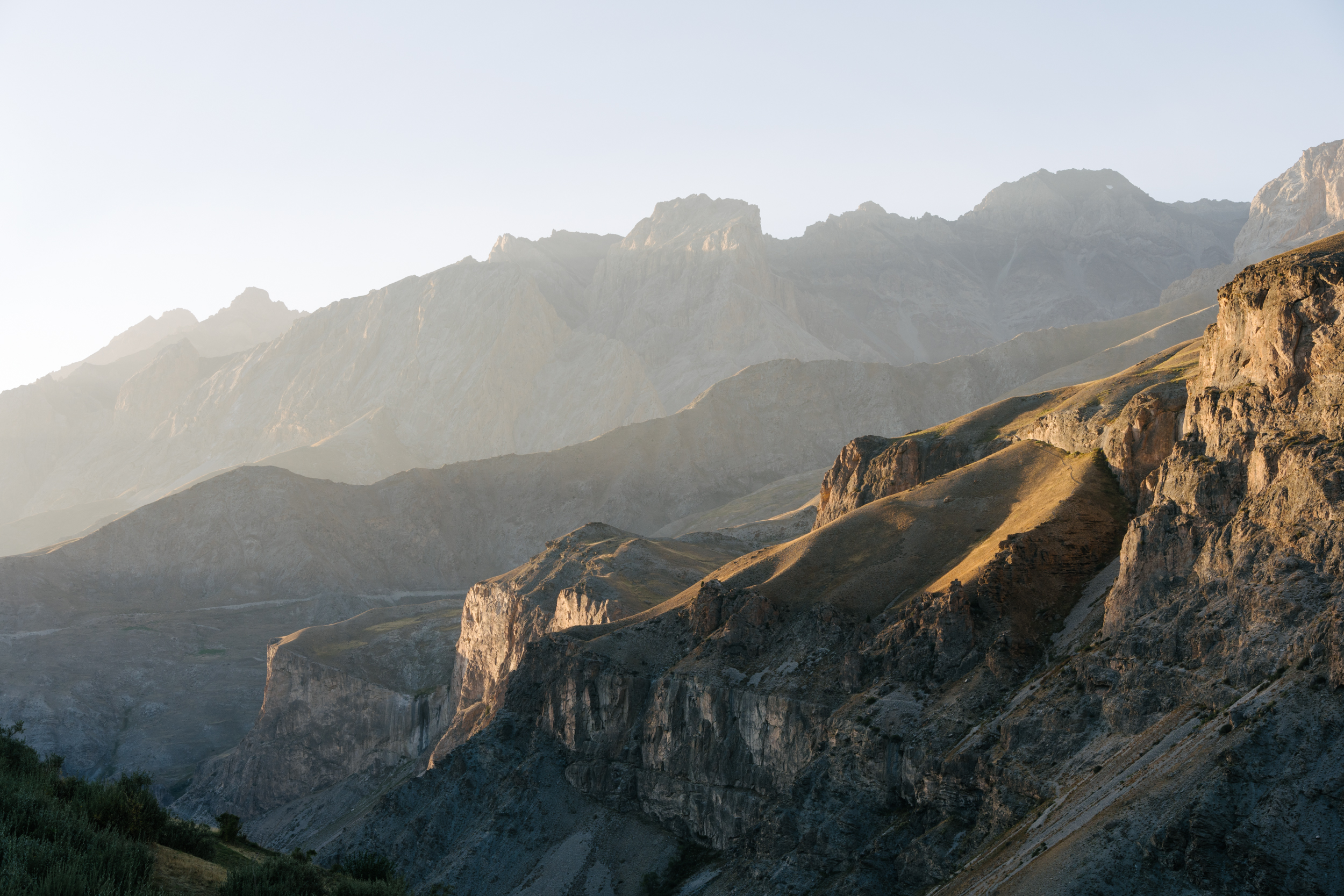
As evening fell, I reached Piskon. This place is one of the last remaining villages of the Yagnobi people in their historic land. The people here are descendants of the Sogdians. They speak a language that is unique to them, and it is believed that only 12,500 Yagnobi speakers remain today.
Back in the Soviet days, the government forcibly removed the local people from this area, citing avalanche risk. They demolished the village and brought the Yagnobis to the lower plains to the north, which I rode through on my last trip report. But, in the 1980’s, some of those same people returned to the Yagnob valley to rebuild their homes. Many of those people ended up in this small village of Piskon and the surrounding areas.
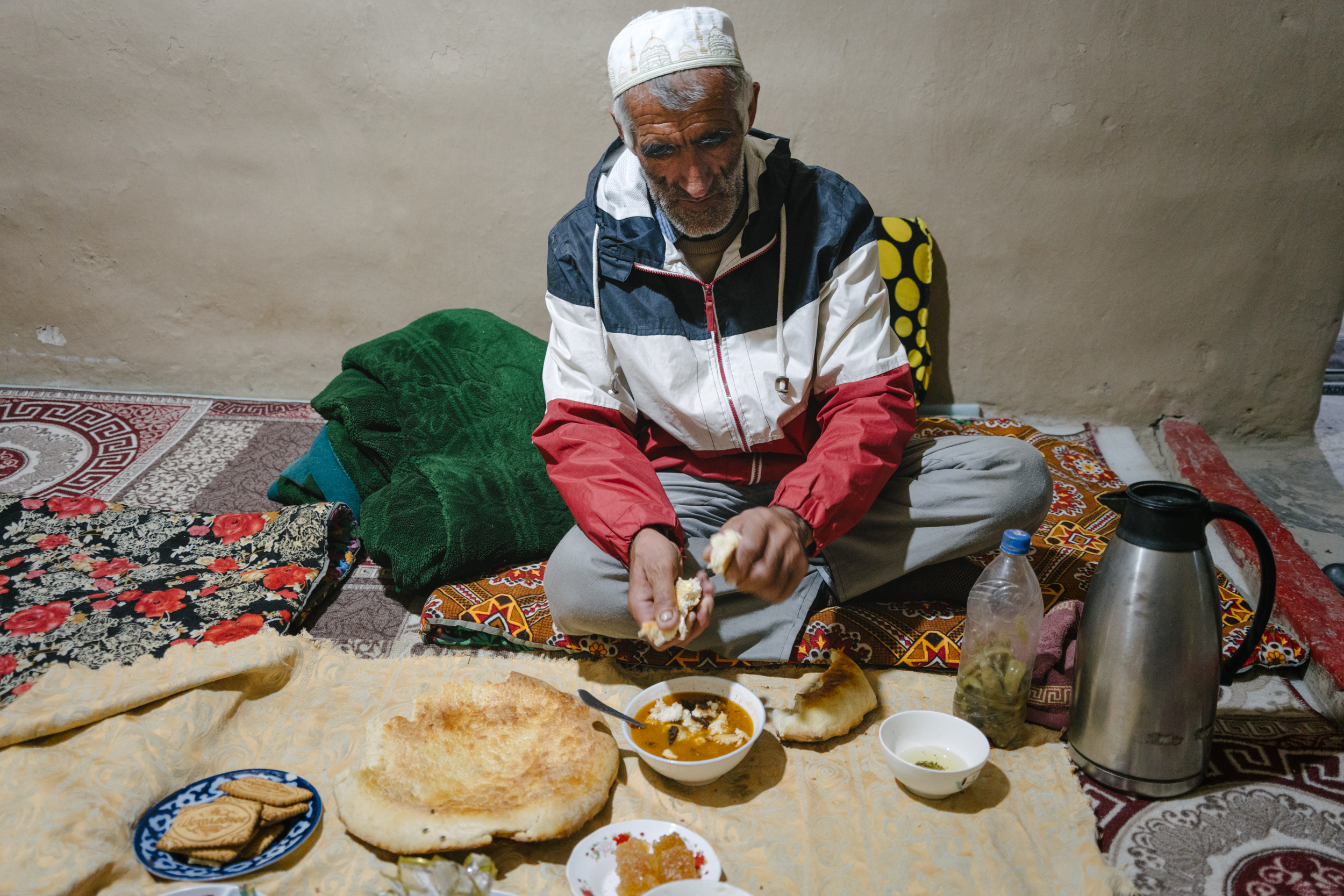
When I entered the village, I was greeted by kids on the road who spent a good while squeezing the tires on my bike before inviting me to their grandfather’s house for chai. Some foreigners come here to hike, but they certainly don’t see many cyclists, given that the road ends at this village. The chai invite turned to offering me food, and then the Yagnobi family asked if I wanted to sleep in their guest room, which I couldn’t refuse!
Communication was a little bit lacking, given the language barrier, but it was fascinating to see how the people here go about their daily lives, which largely revolve around maintaining their crops and livestock.
The End of The Road
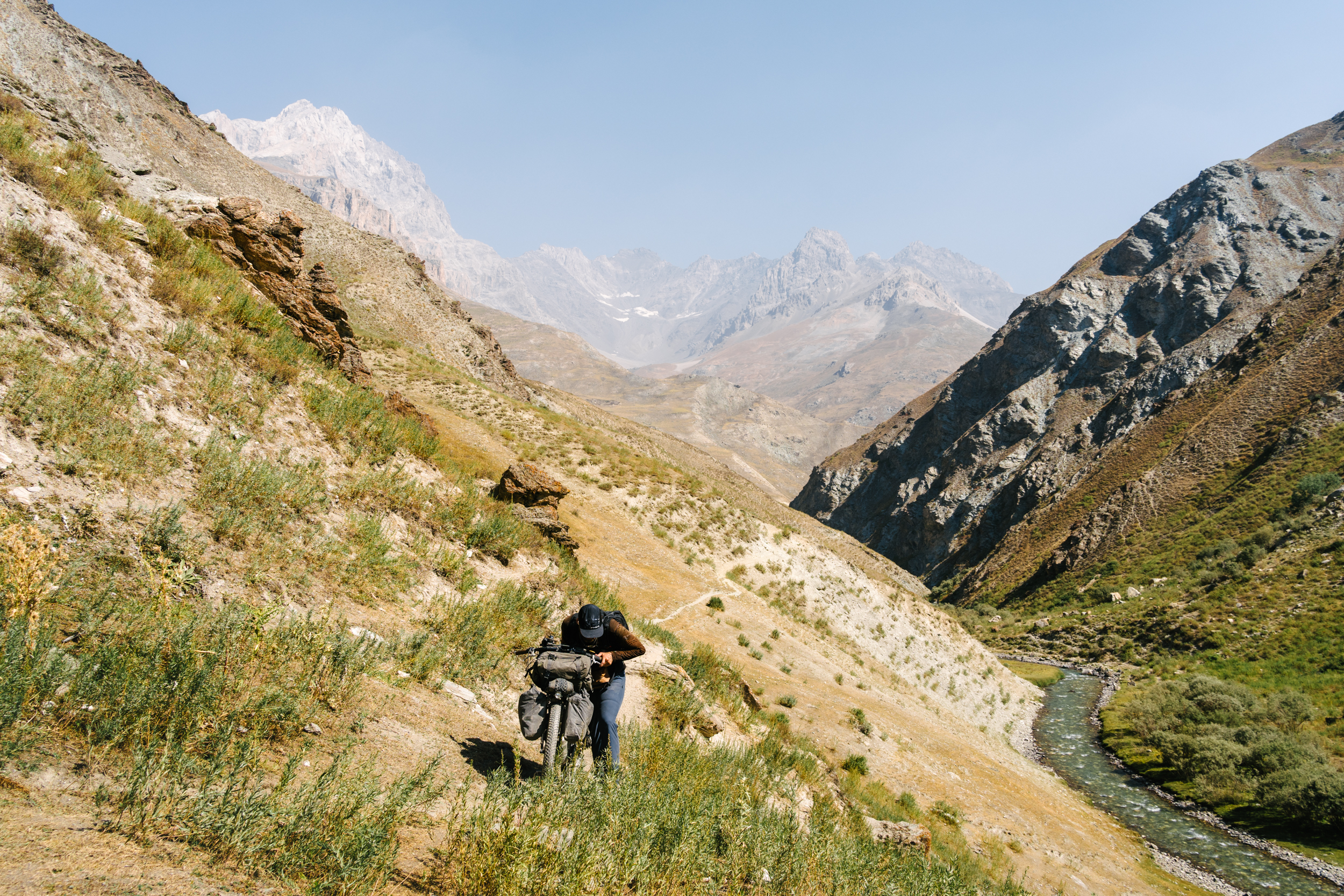
Shortly after leaving Piskon in the morning, I reached a dead end in the road at the Yagnobi settlement of Padipast. A local man watched me from above as I tried to find the correct path before pointing me in the right direction. He was speaking in Russian, explaining which trails to take on the way out of his village, but I’d be lying if I said I understood even 25% of it. I tried to interpret his hand gestures, but I was left to just hope that I didn’t just miss a bunch of crucial information that I would need for the next couple of days on the trail.
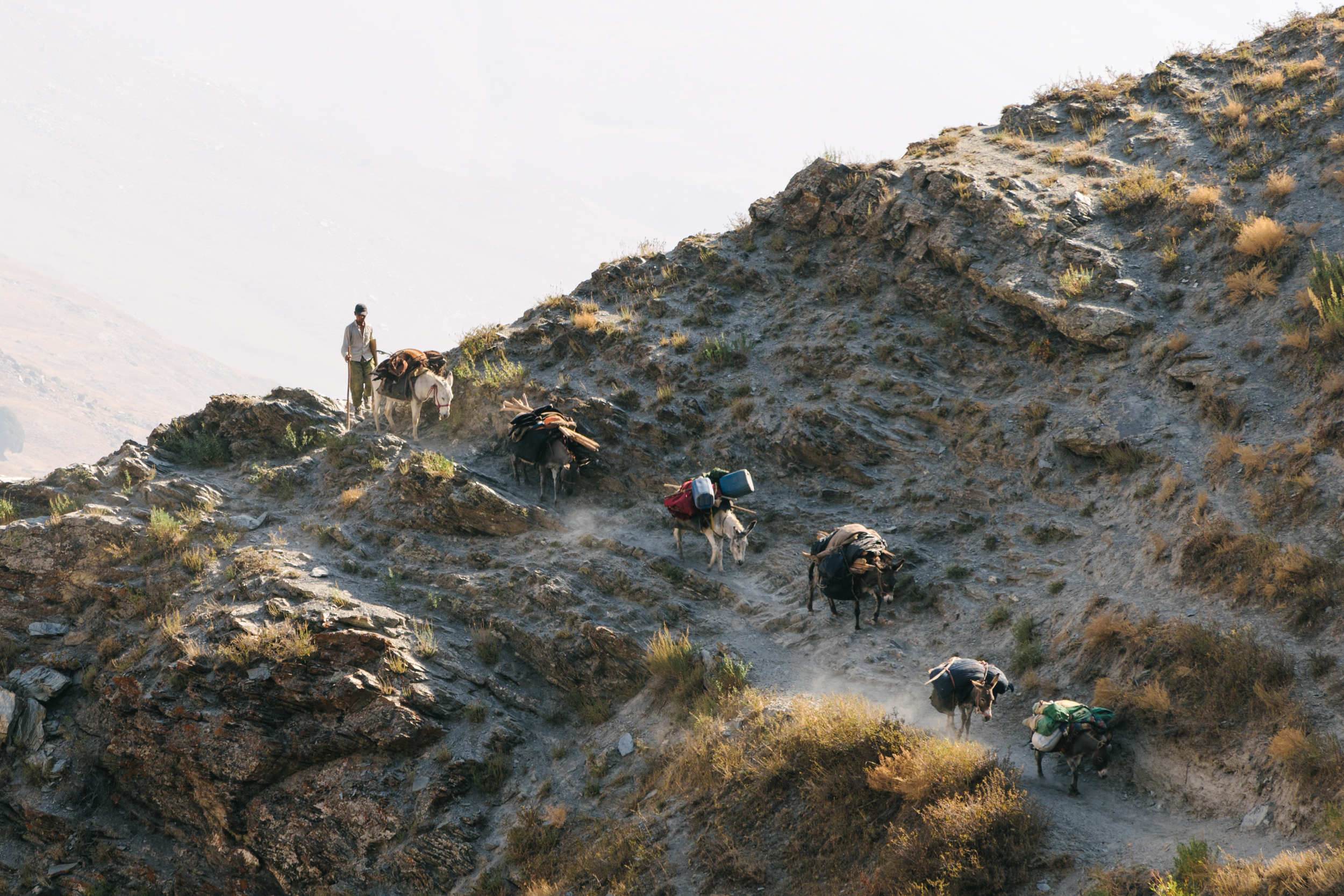
Old village ruins were scattered around the area, and a few mule caravans were hauling shepherd’s supplies up and down the mountain. Some of the shepherds paused for a minute and gave me and my bike a confused look and a laugh like “where the hell are you going with that thing?” as I clung to the side of the mountain to let them squeeze by.
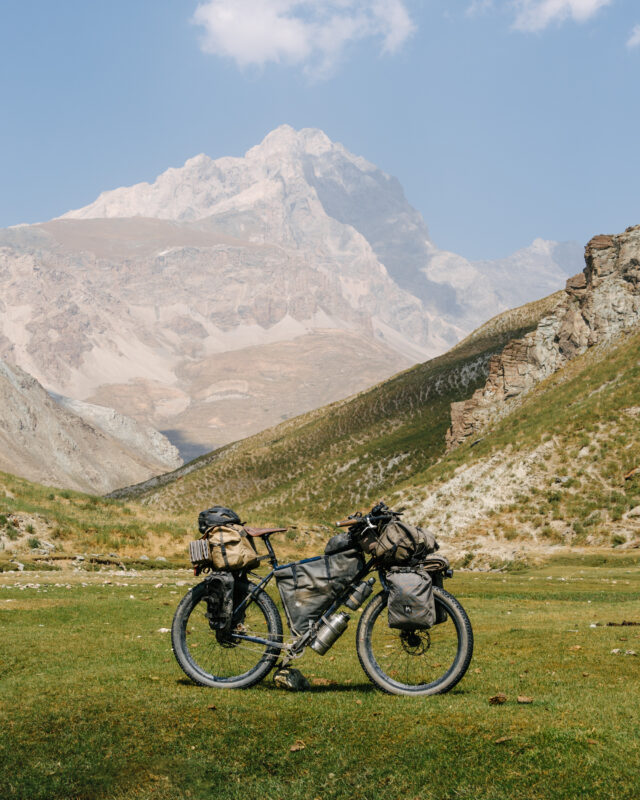
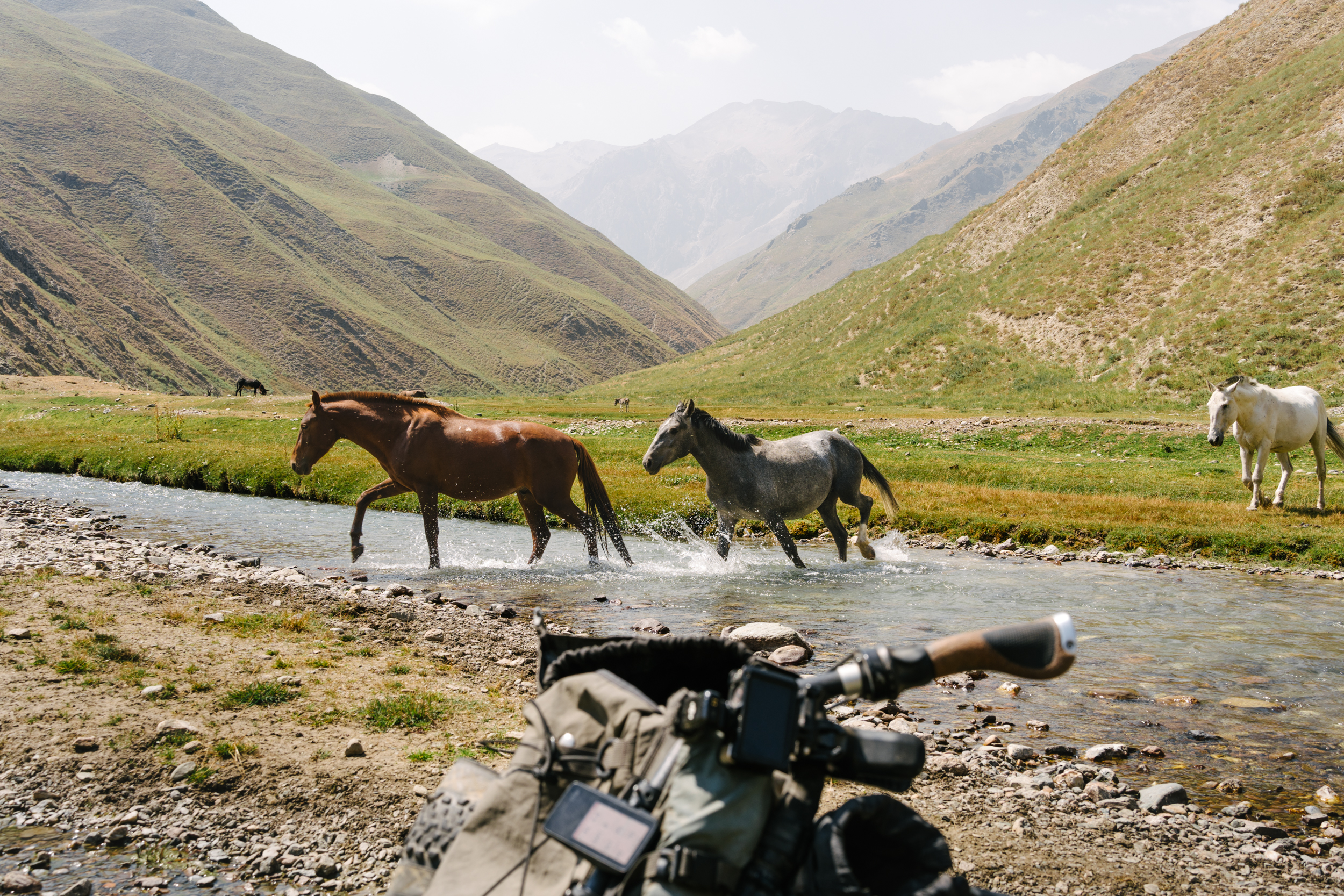
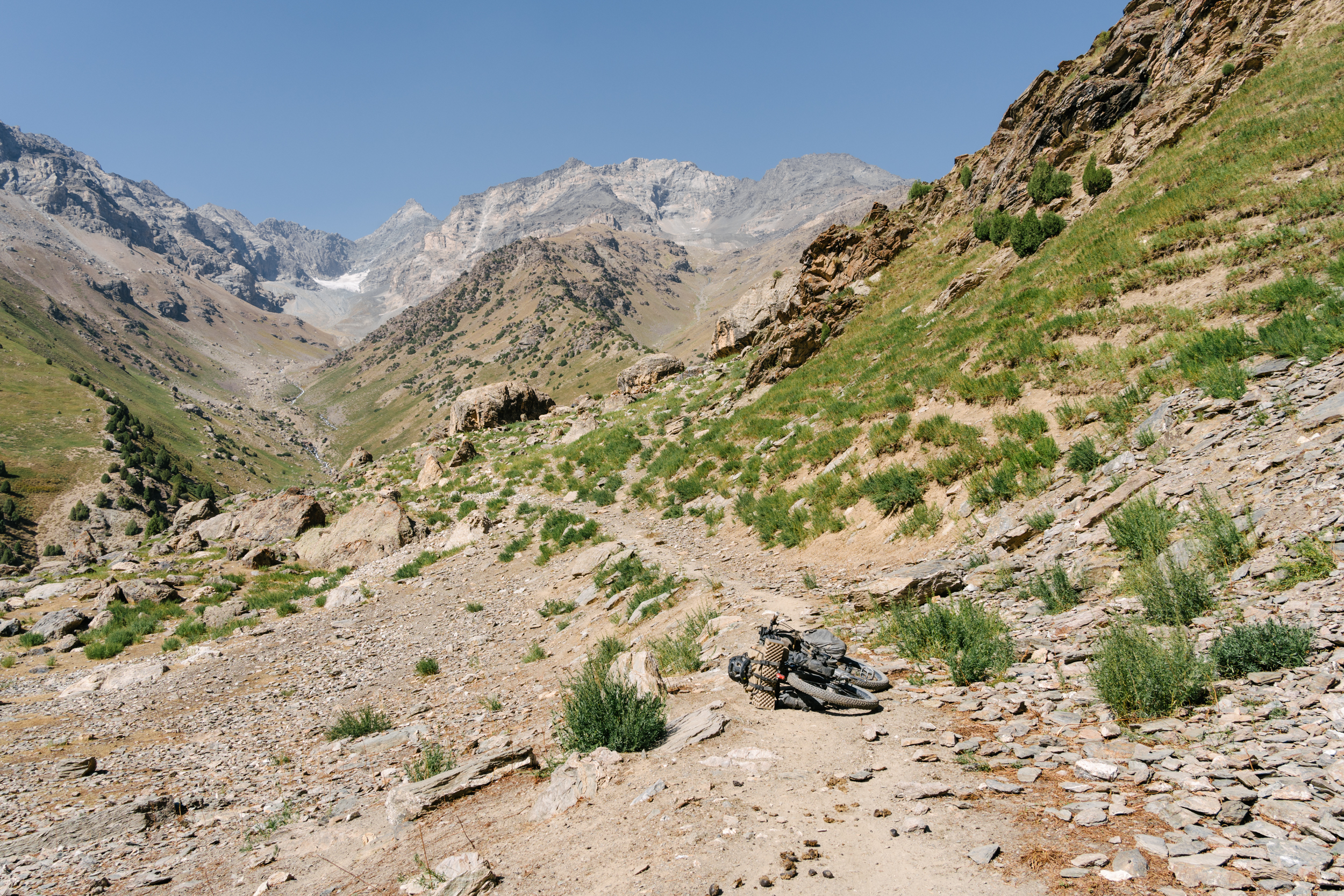
I slowly pushed my way to the first small high point of the route, before a rocky path plunged back down toward the river. I stopped for lunch with the horses roaming around, but there were no people in sight.
Just beyond that, I met up with a stretch that looked to be on an old, Soviet-era road out in the middle of nowhere. Unfortunately, the road condition was somehow worse than the rocky trail, as it was mostly overgrown and covered with large, loose rocks. I had hoped this was a section I could ride a bit, but the climb was still all pushing.
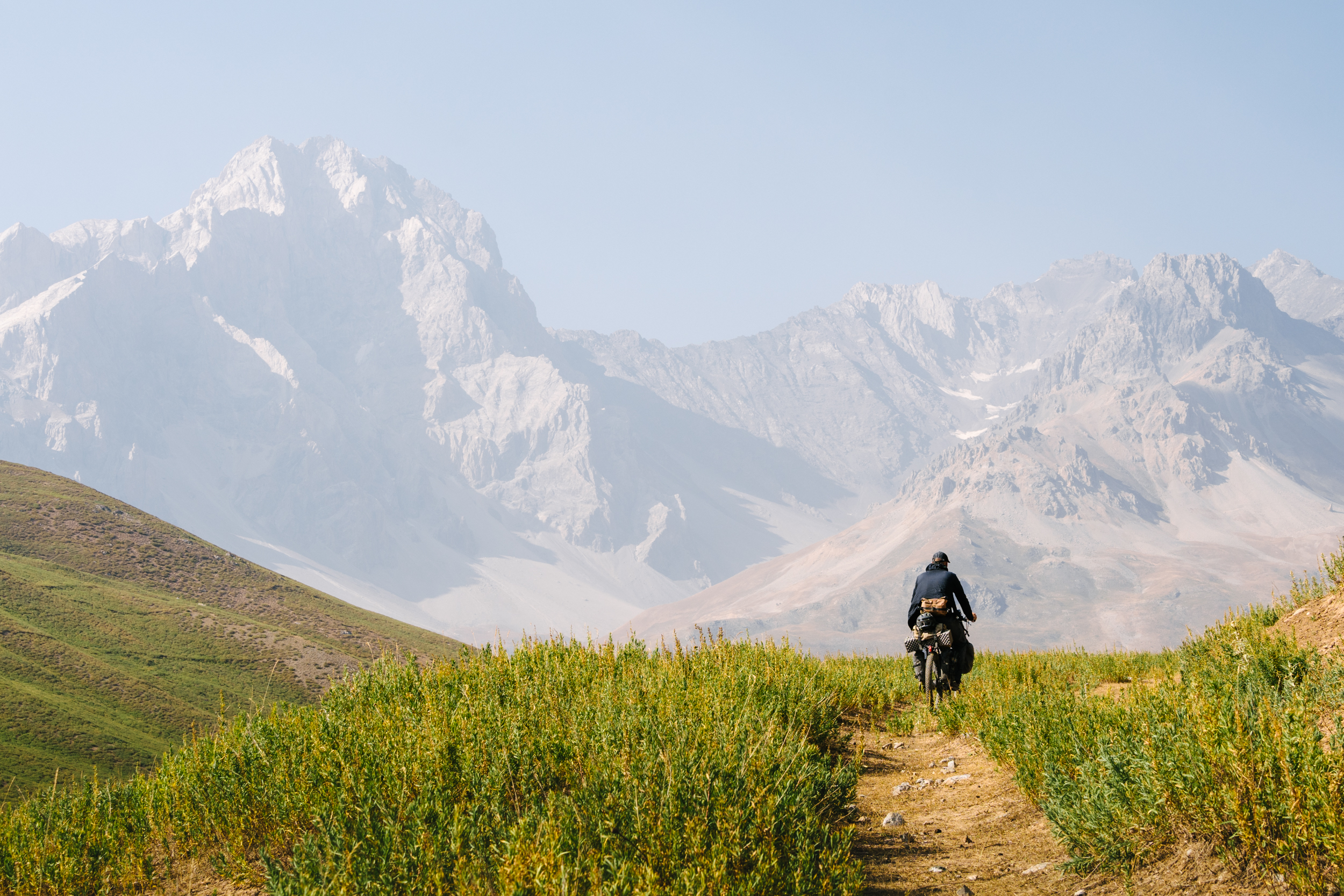
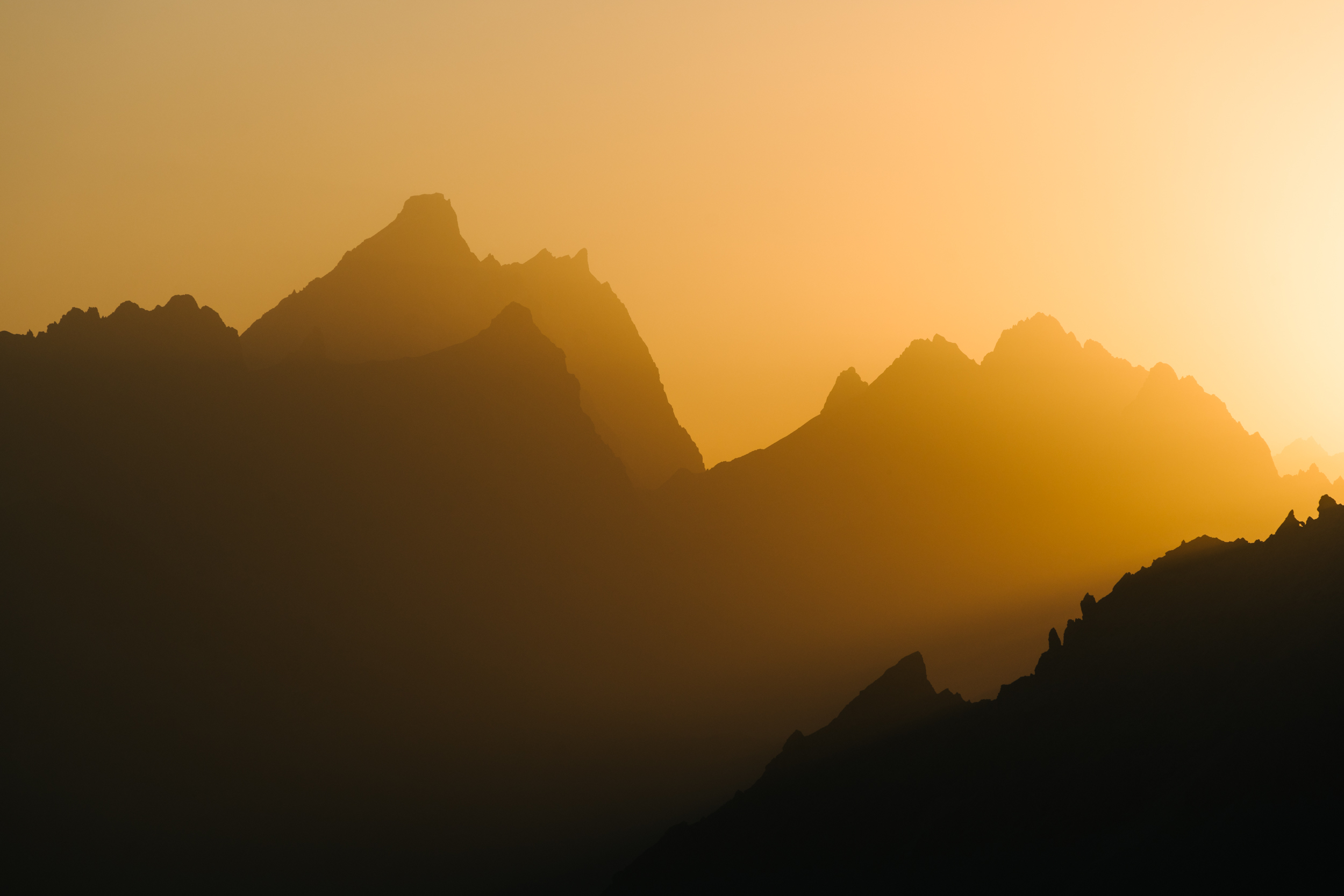
Eventually, I reached a small plateau where I was lucky enough to get a couple of kilometers of glorious riding in. Towering Zarafshan peaks rose up from across the valley and provided quite a backdrop, but the riding was short-lived as I had to navigate a few large landslide areas just as I was getting used to pedaling again.
Tajik Shepherd Camp
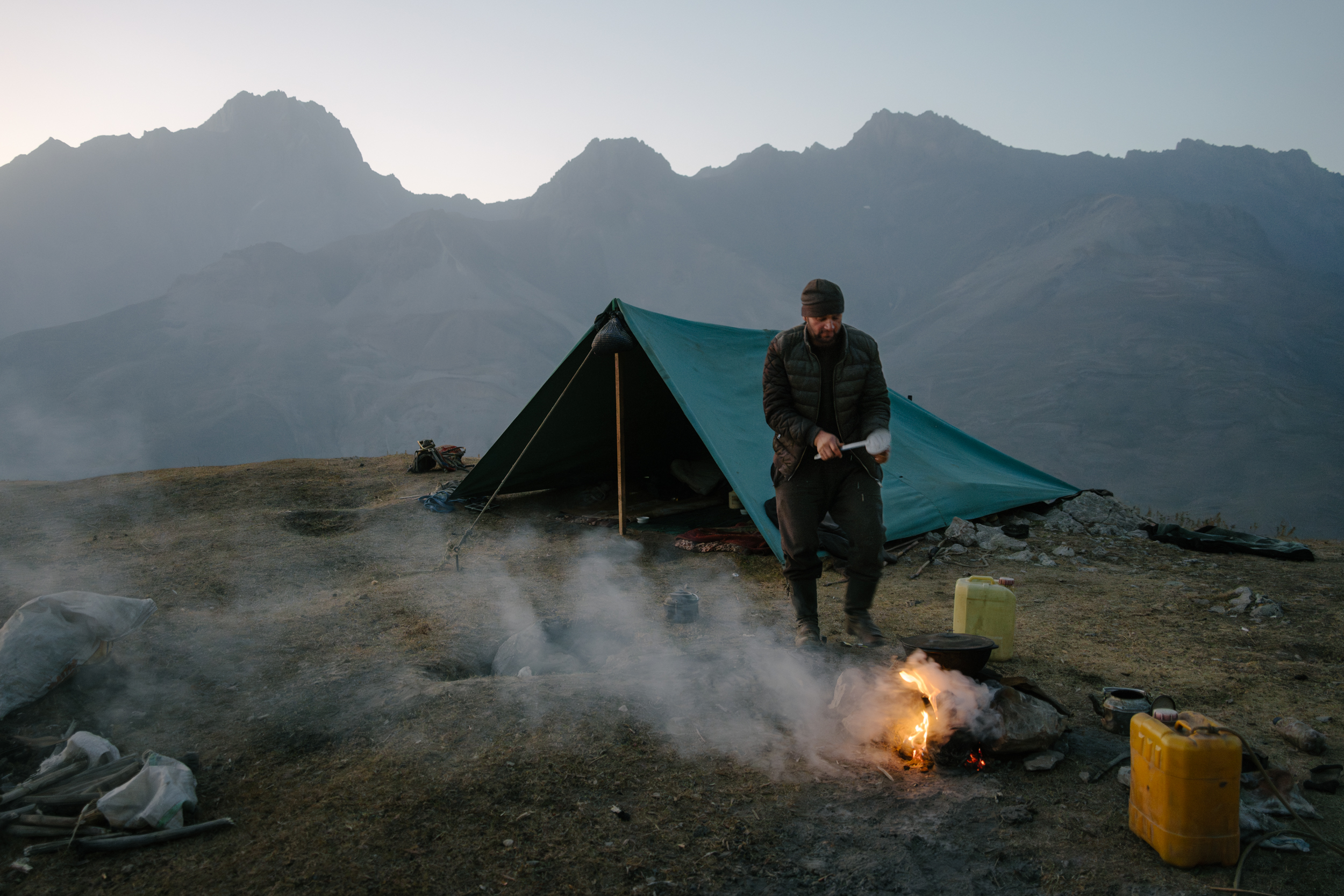
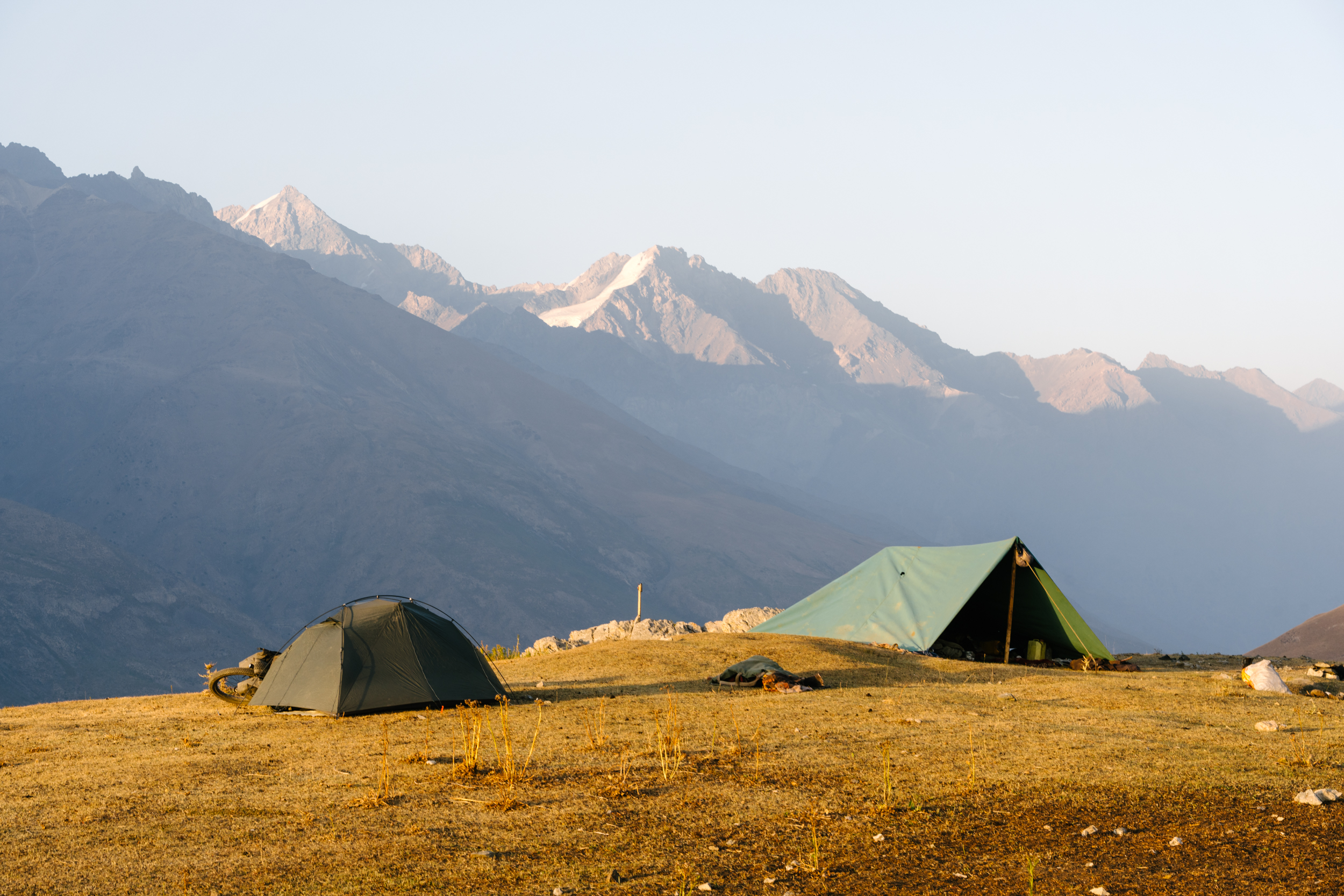
After wondering if I was on the right path for the previous few hours, with no signs of people or even animal tracks around, I suddenly stumbled onto a shepherd’s camp perched high in the mountains on a flat spot that I had previously flagged as a potential campsite. The lone shepherd who was watching over their campsite started waving his arms as I approached and immediately invited me for chai. Soon, his three other campmates came back with their sheep, and they suggested that I set up my tent nearby and have dinner with them.
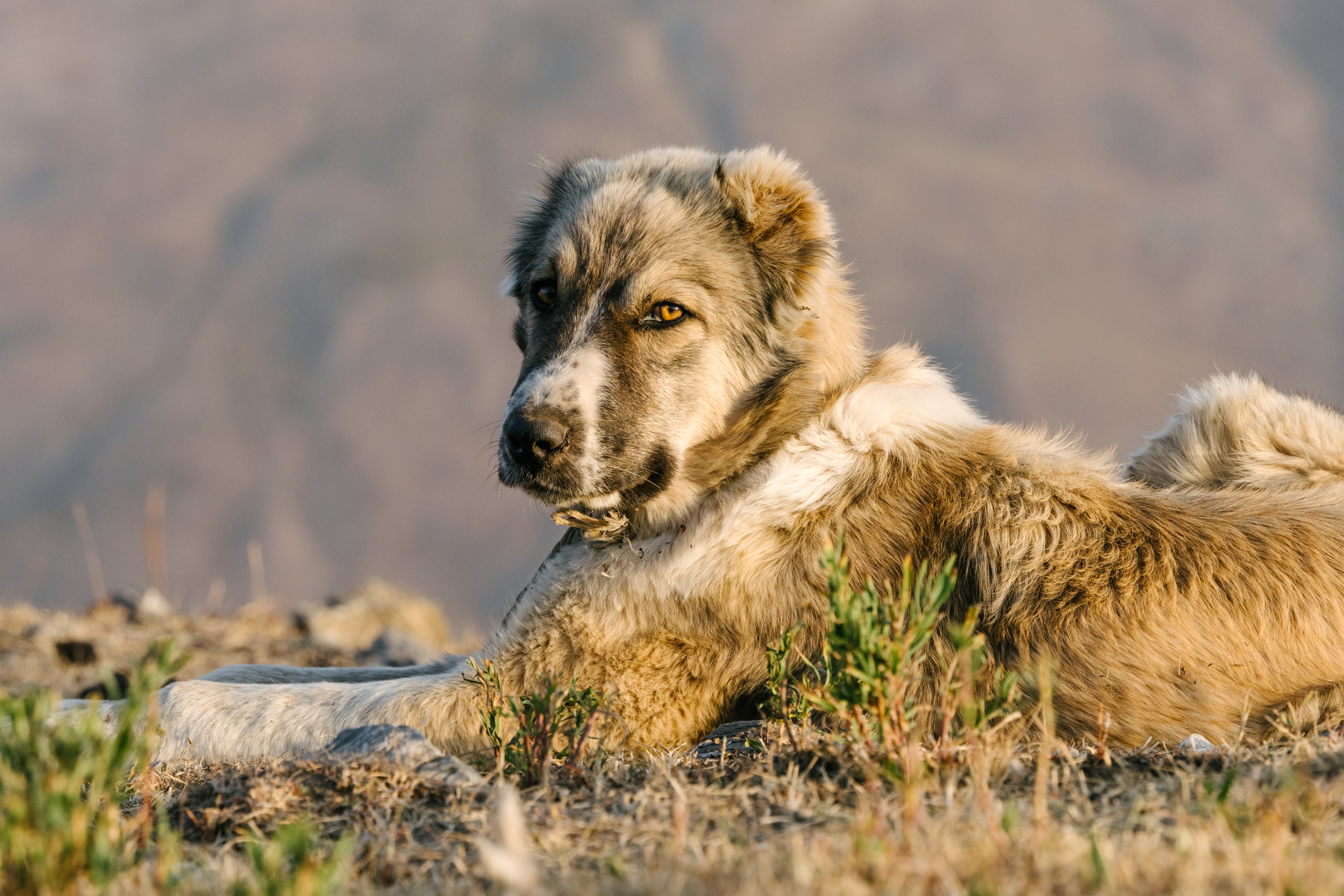
They explained that they live up here for basically the entire summer and part of autumn, living with 3-4 people under this small tarp. It was easily one of the most stunning campsites I’ve had in all of Central Asia, with incredible views in all directions. That helped to make up for their dogs waking me up all night with their constant barking.
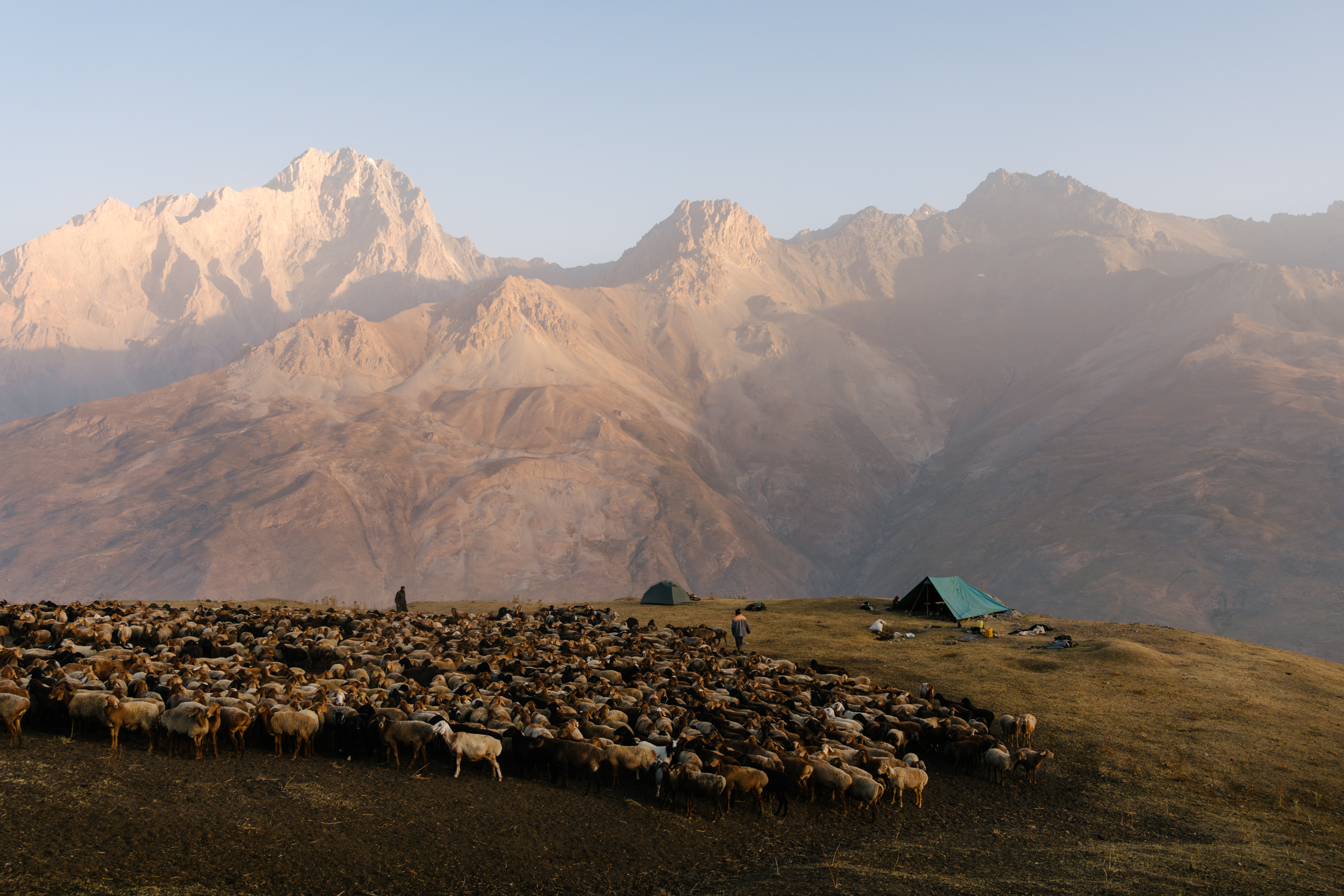
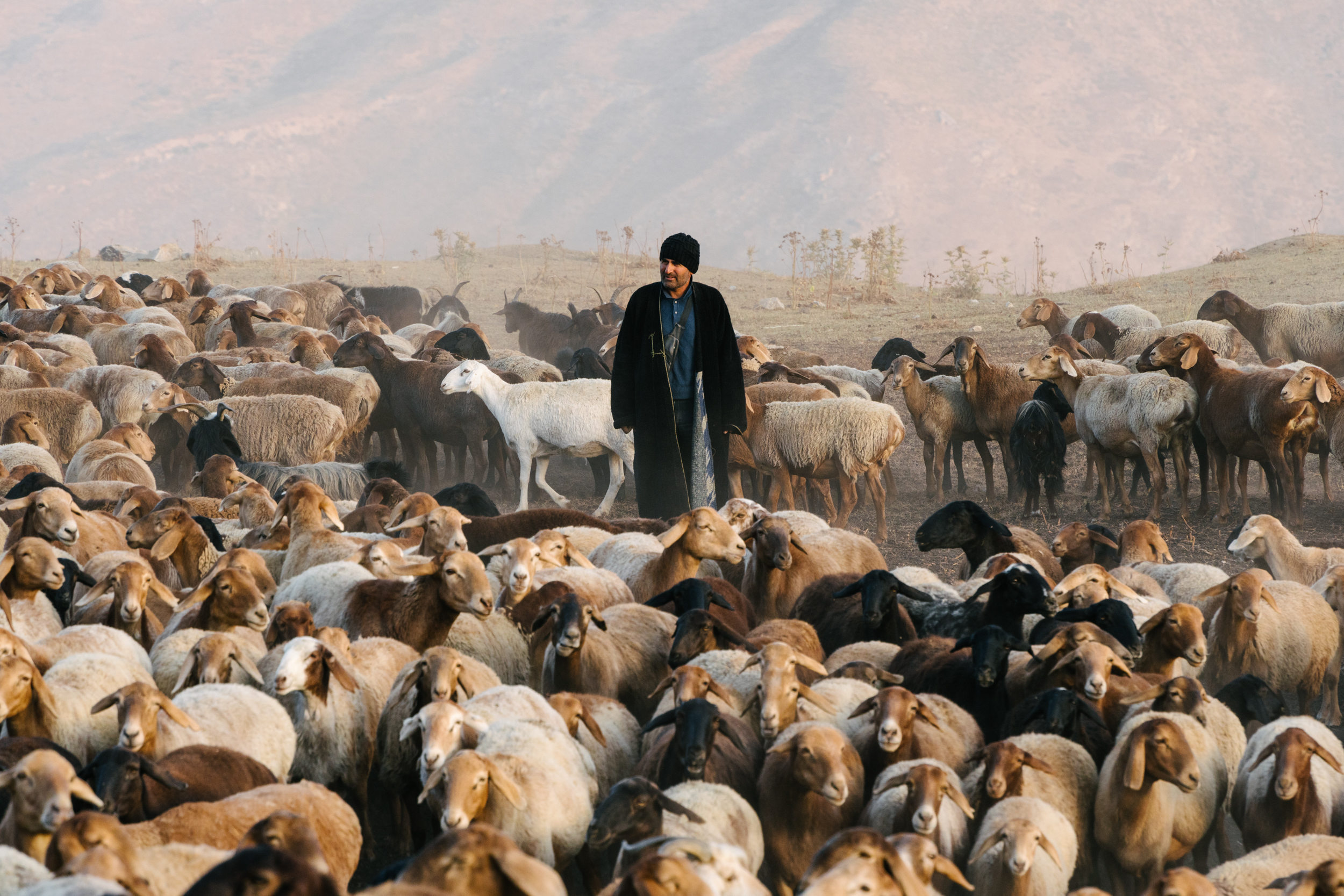
At sunrise, the shepherd gathered their animals and prepared for another day on the mountain. They veered off to bring their animals to fresh pastures, and I descended one more time to the Yagnob River.
Trails and Tribulations
If you followed along on my last entry, you know I’m riding on a tire with a big slash in it, which I’ve tubed, booted, and sewn to try to limp through this section of the “ride”. Unfortunately, at this point, I could see that the cut was growing quite rapidly, so I had to be extra cautious on such a chunky trail. With that, I decided I’d really only try to ride sections that were reasonably smooth. For the sharp, rocky stuff, I would walk, to try to keep that tire rideable until Dushanbe.
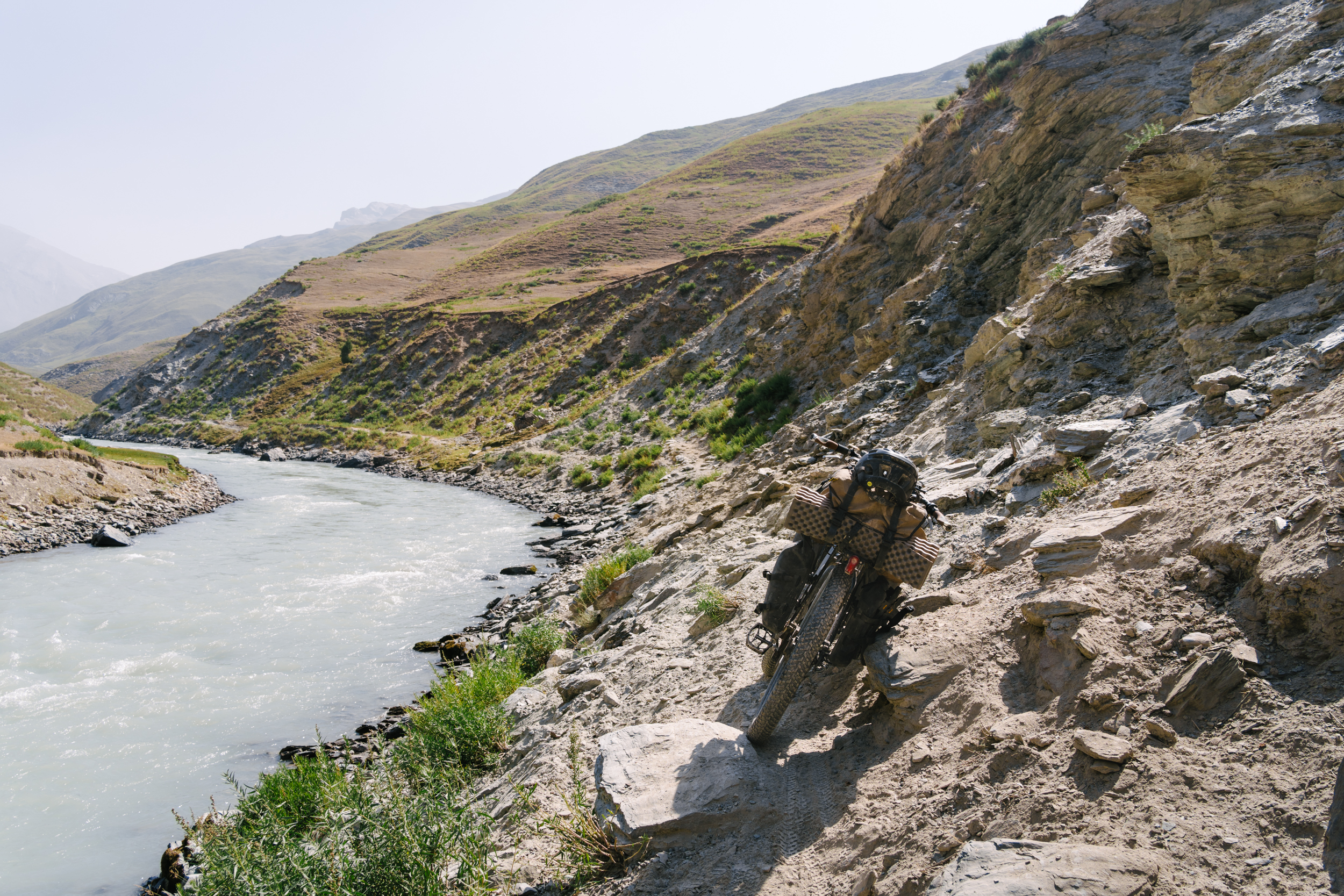
As luck would have it, the vast majority of the next few kilometers were not only unridable, but also quite a pain in the ass just to walk. On the map, it looks relatively flat, but in reality, the loose trail hugs a steep and often crumbling hillside on the edge of the river. Locals warned me about this section being miserable, and they were spot on.
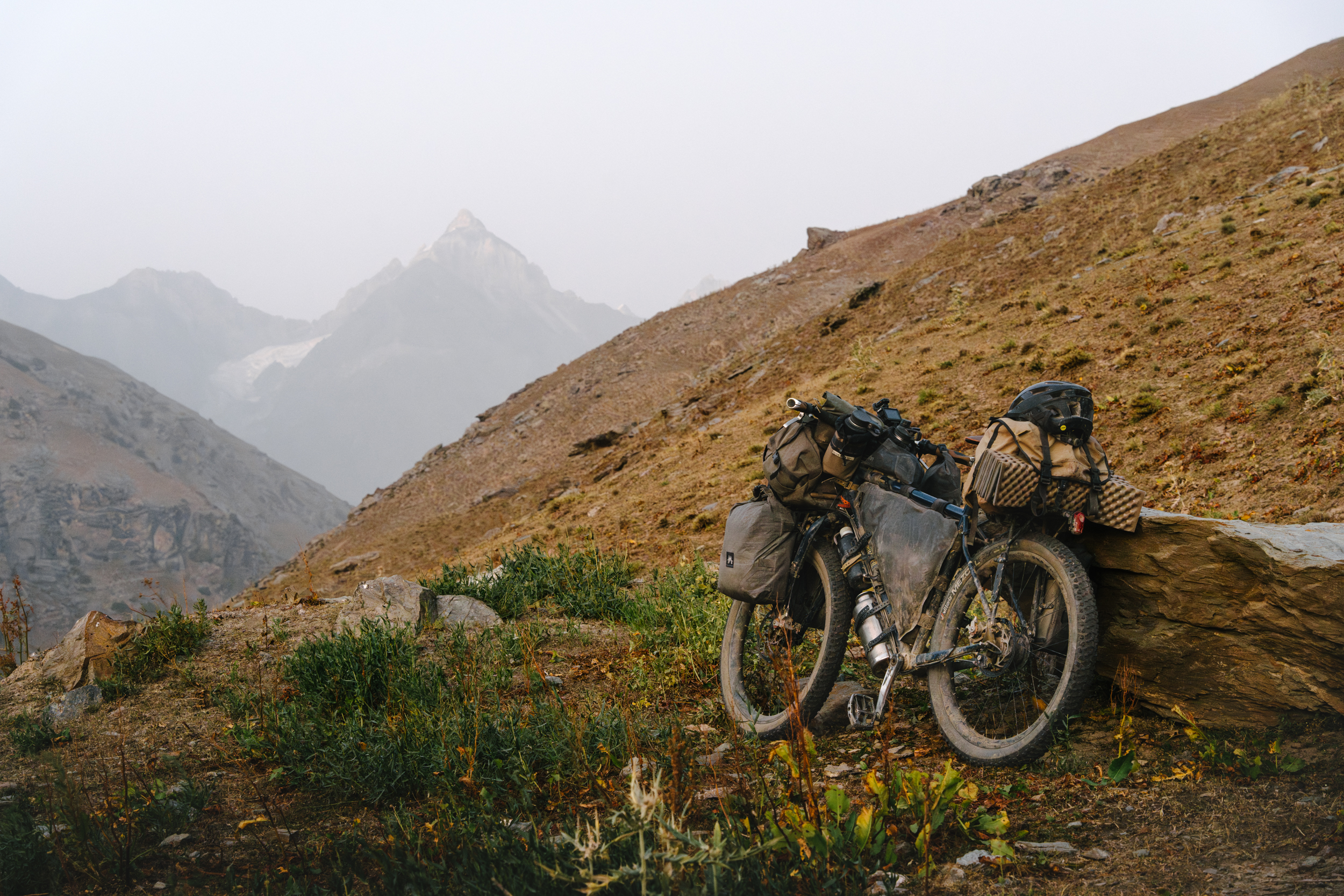
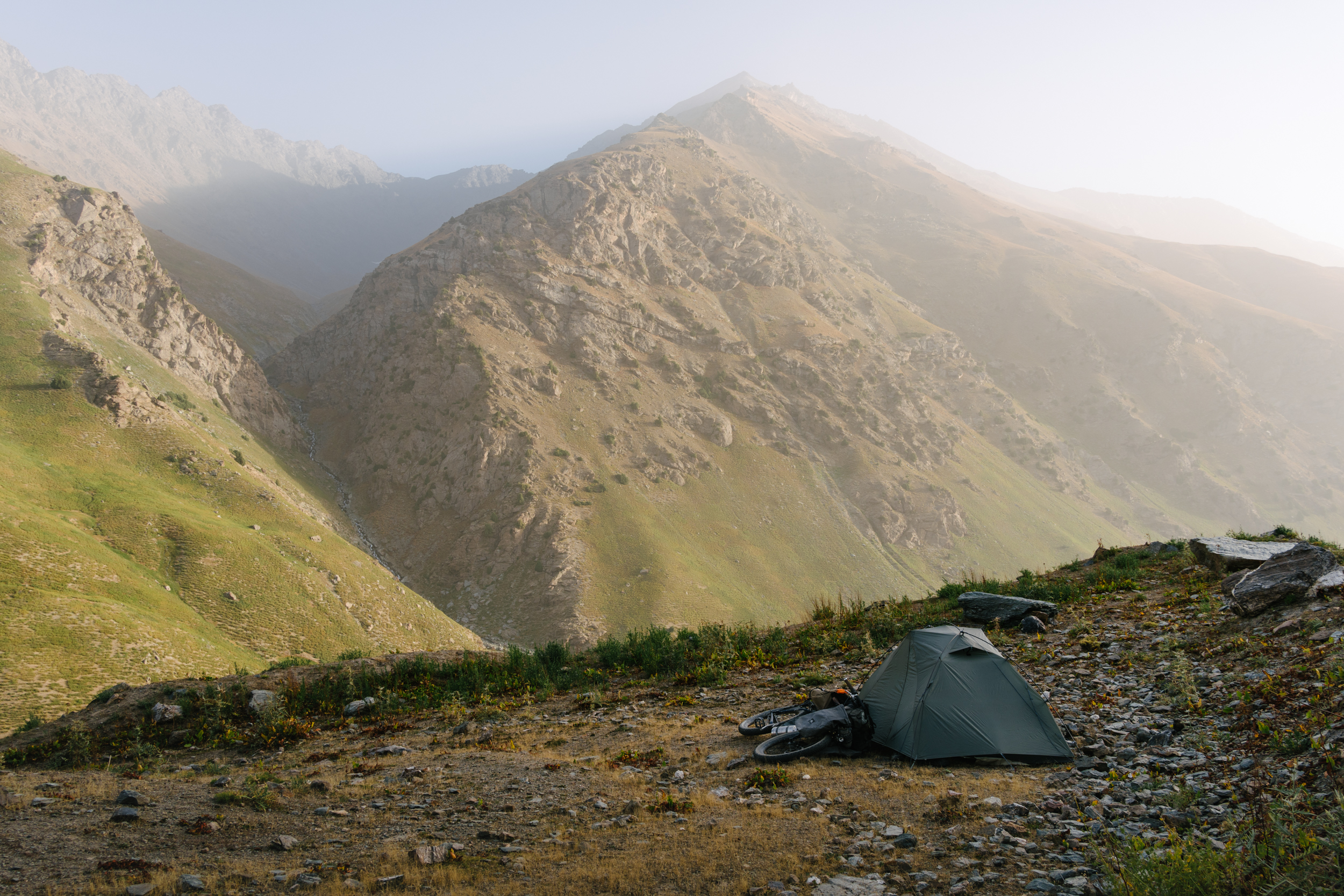
A couple of hours of cursing later, I managed to meet a wider section of the trail, and I set up camp in the middle of a big switchback near the bottom of the final climb. I spotted a few more bear prints as I trekked around the mountain trying to find water, but I tried not to think about those when I dozed off for the night. Thankfully, being absolutely cooked helps you sleep right through those worries.
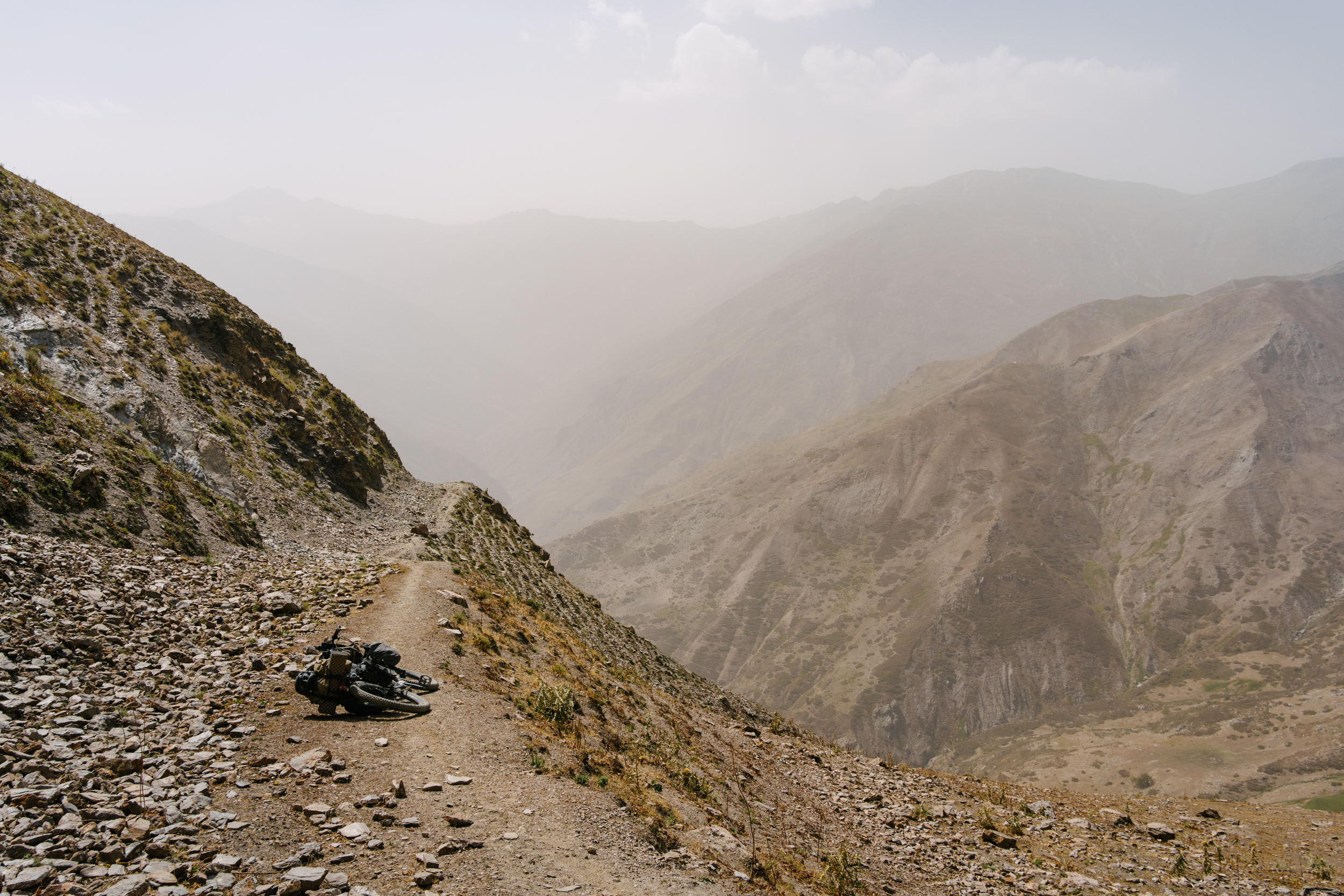
Rufigar Pass
The final push to the pass looks like the toughest part of the trail on the map, but in reality, it was the most straightforward part of the whole thing. A windy day at the top led me down a very long descent toward the village of Rufigar, and I was thrilled to be back in civilization. From here, it wouldn’t be catastrophic if my tire exploded to shreds because I could simply jump in a truck.
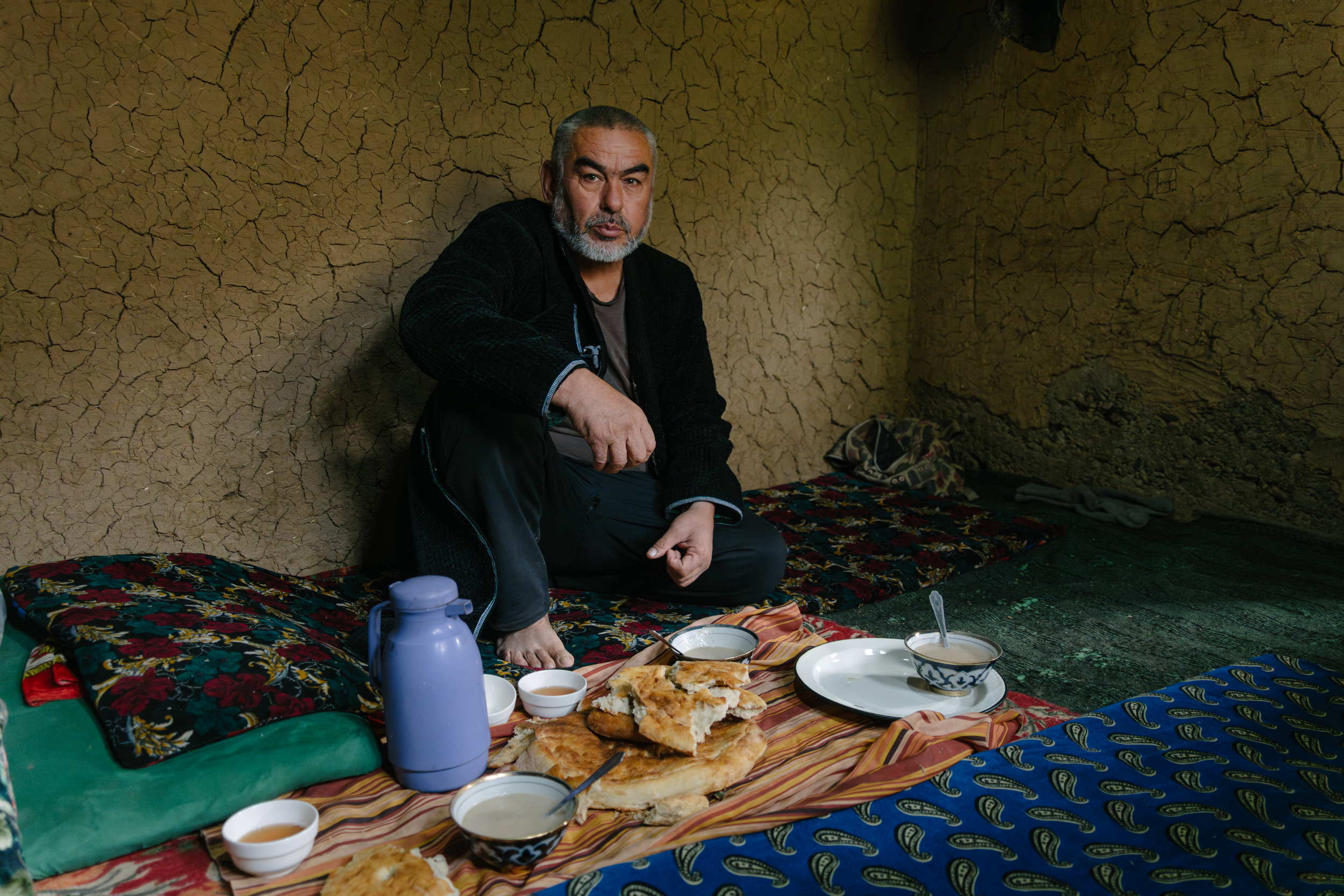
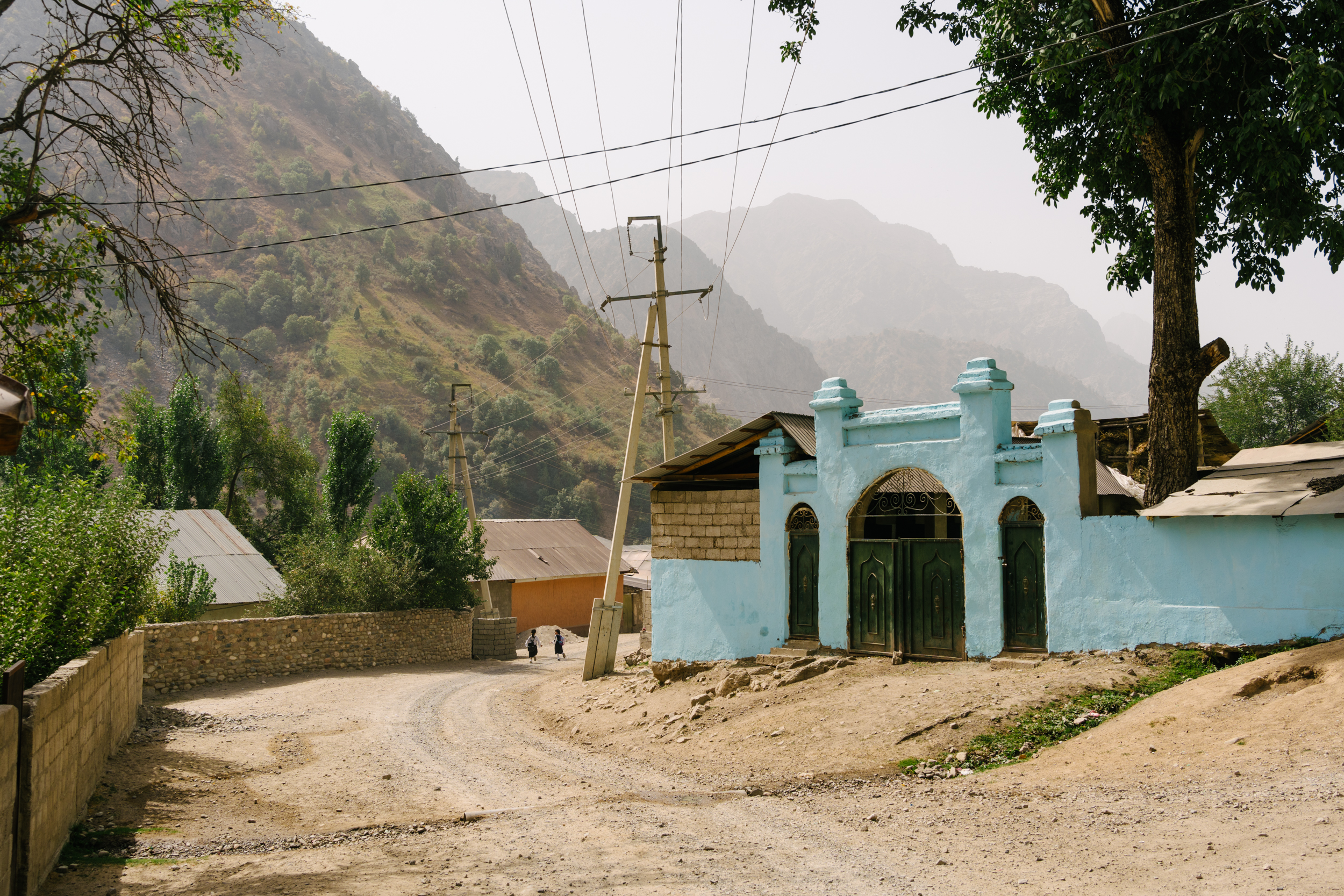
In classic Tajikistan fashion, the very first house I saw had two men outside who immediately invited me in for chai and food. They also invited me to stay and even prepared a warm shower. Around here, that means heating up a huge bucket of water and combining it with cold water to find your happy medium and dumping it over your head with a smaller bucket. It was one of the best showers I’ve ever had.
I crashed in the spare room at the house and then made my way down the valley, inching closer and closer to the Capital city.
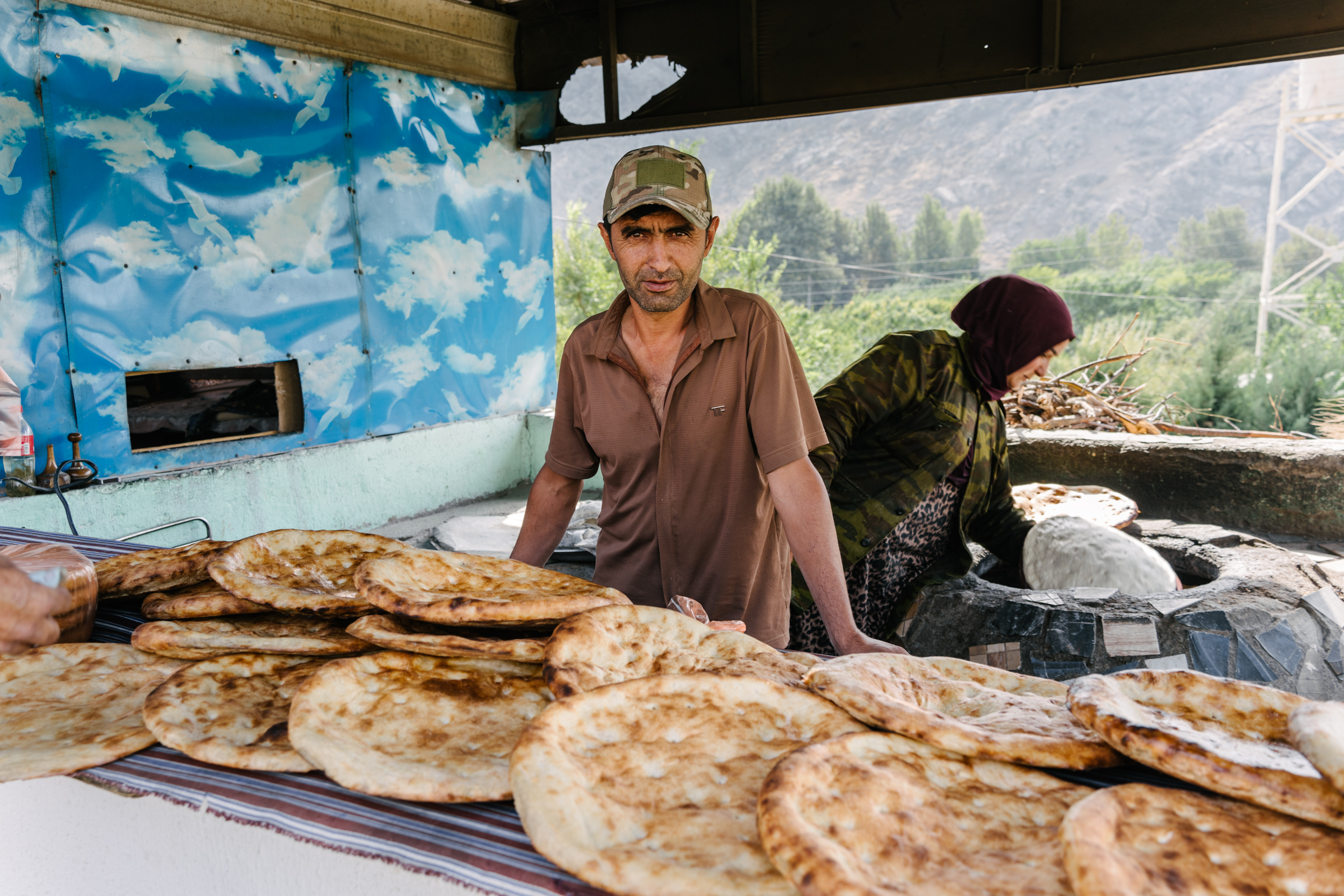
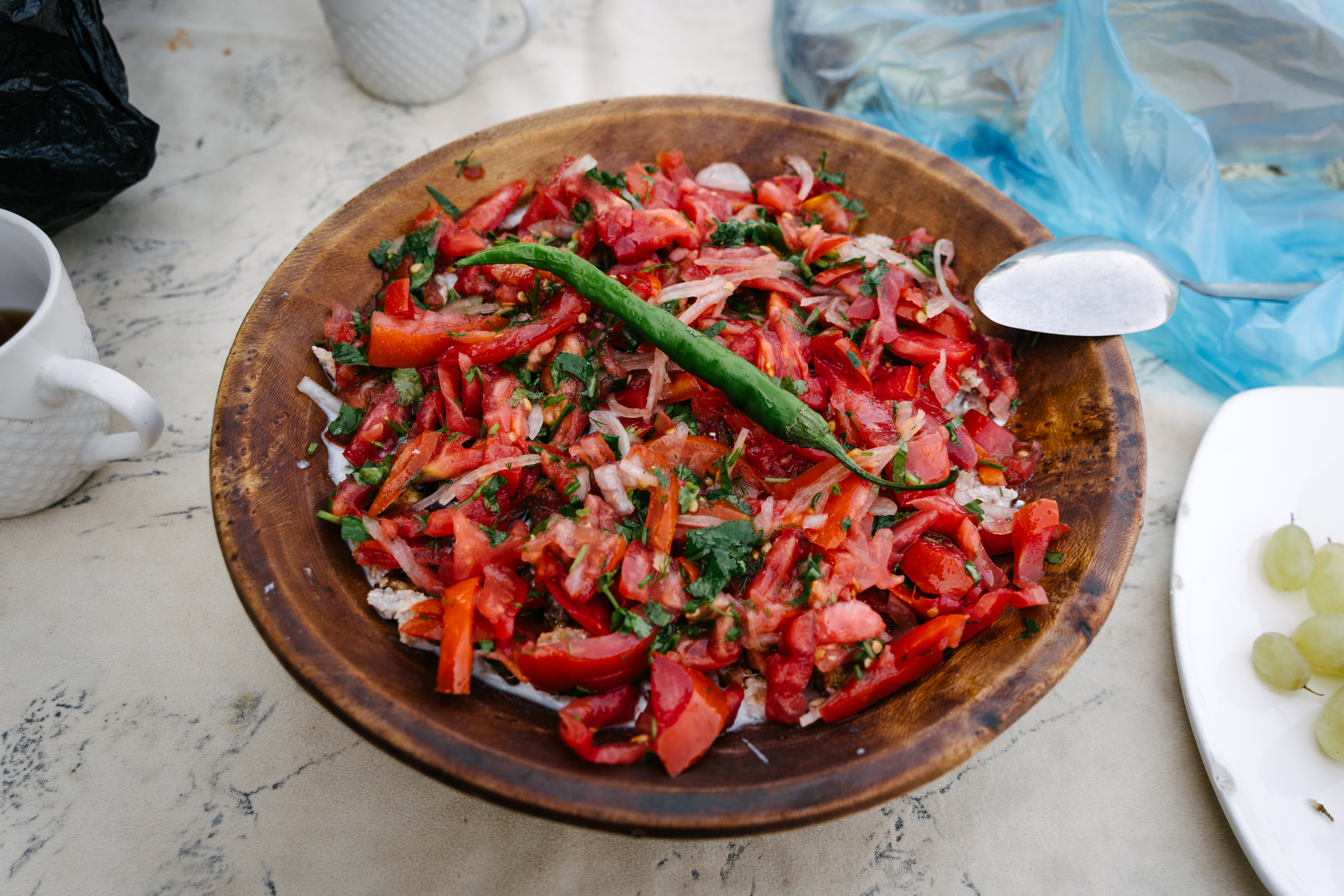
On the road, a local family was selling fresh bread out of the tandoor oven, so I stopped to buy one, and they insisted that I try some Qurutob, which they prepared fresh on-the-spot. Qurutob is the national dish of Tajikistan, which is made with flatbread and a sort of dairy-based sauce made from rehydrated qurut and is topped with a fresh vegetable salad. I’ve spent quite a while in Tajikistan, but somehow this was my first time having it! They weren’t trying to upsell me; in fact, they wouldn’t let me pay for anything. They just wanted to share a piece of their culture.
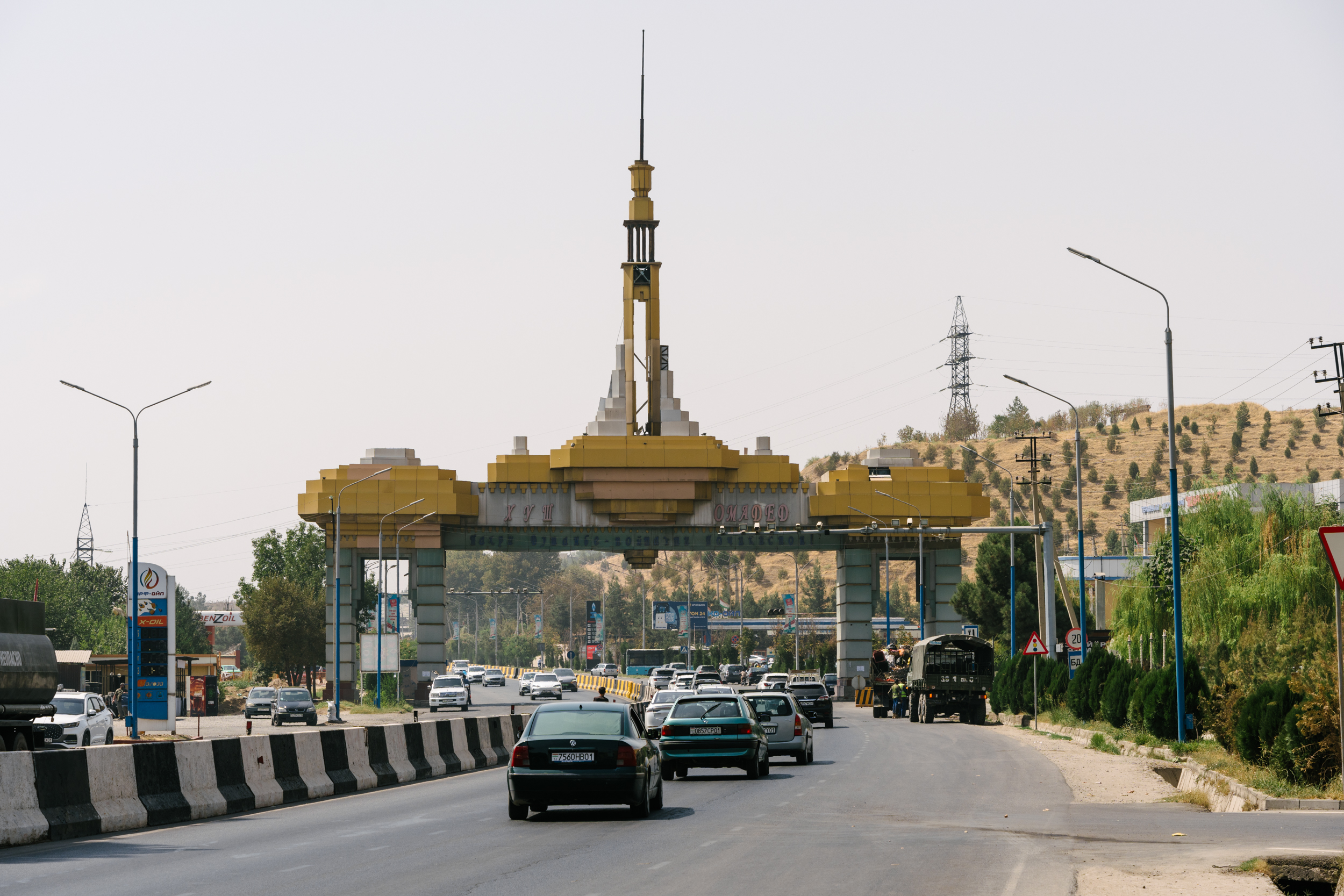
The Big City and the Road South
In Dushanbe, I faced the grim reality of the options I’d have for replacing my tire. Cycling isn’t much of a thing here, so there are only a couple of small bike shops in a city of over a million people. I tracked down one 27.5×2.8” tire that cost about $12 and had the brand scuffed off of the sidewall. I was highly skeptical of riding on this thing, considering where I was going, but I was also out of options and low on time, so I mounted it and started the ride toward the Afghanistan border.
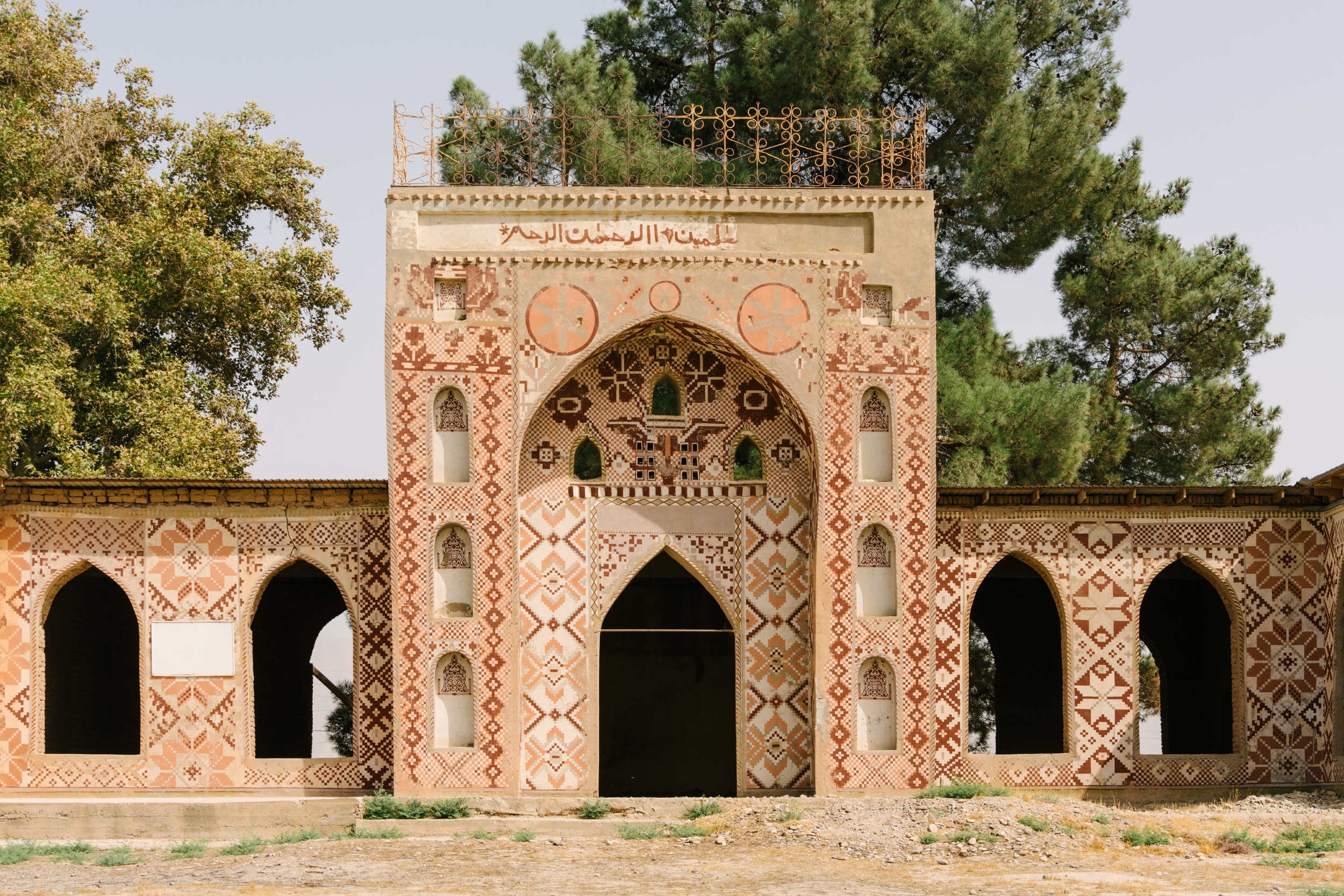
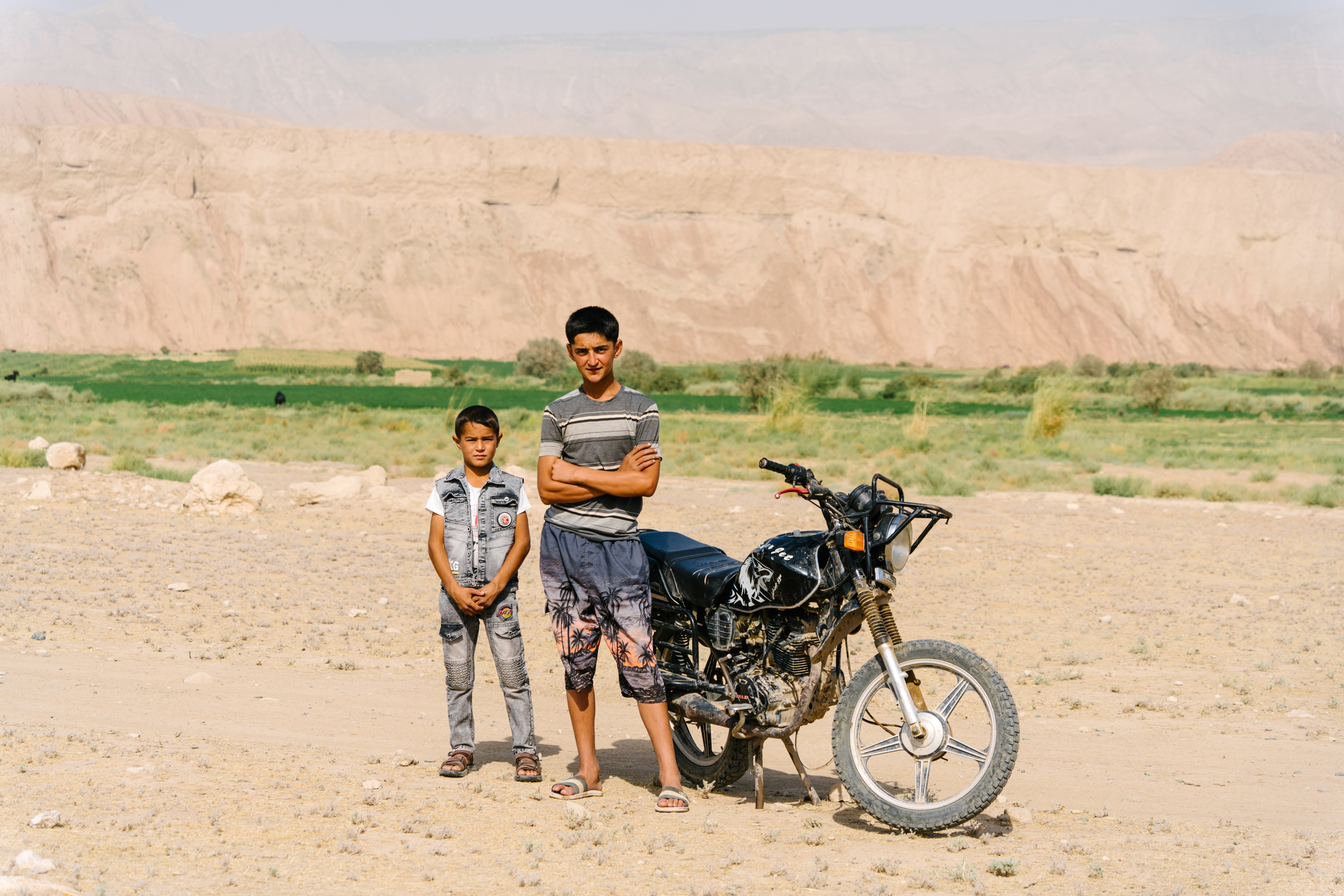
Along the way, I met a bunch of lovely Uzbek people living in Tajikistan. I was getting invited for watermelon a handful of times per day. By my estimation, I was working on a 1.5 full watermelons per day diet, easy. Which was nice, because it was ridiculously hot out once again.
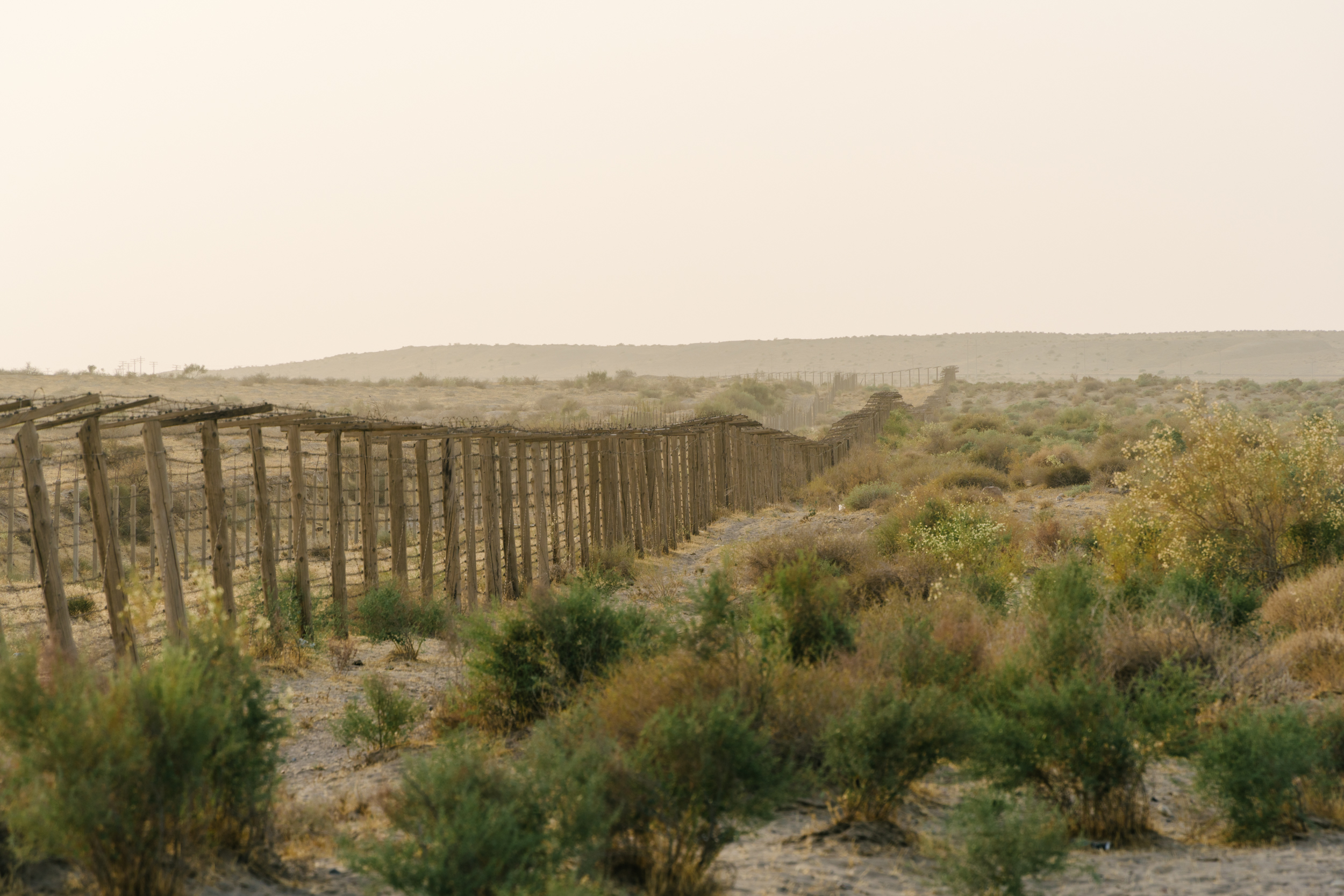
Slowly, the terrain became more and more arid. The sides of the road were being overtaken by sand, and I found myself looking across the Amu Darya river delta toward Afghanistan. I’d been thinking about this moment for months, wondering what the feeling would be to look across toward Afghanistan and think about going in, and that time was finally here…
Stay tuned in here for the next installment, as I ride into Taliban controlled Afghanistan.

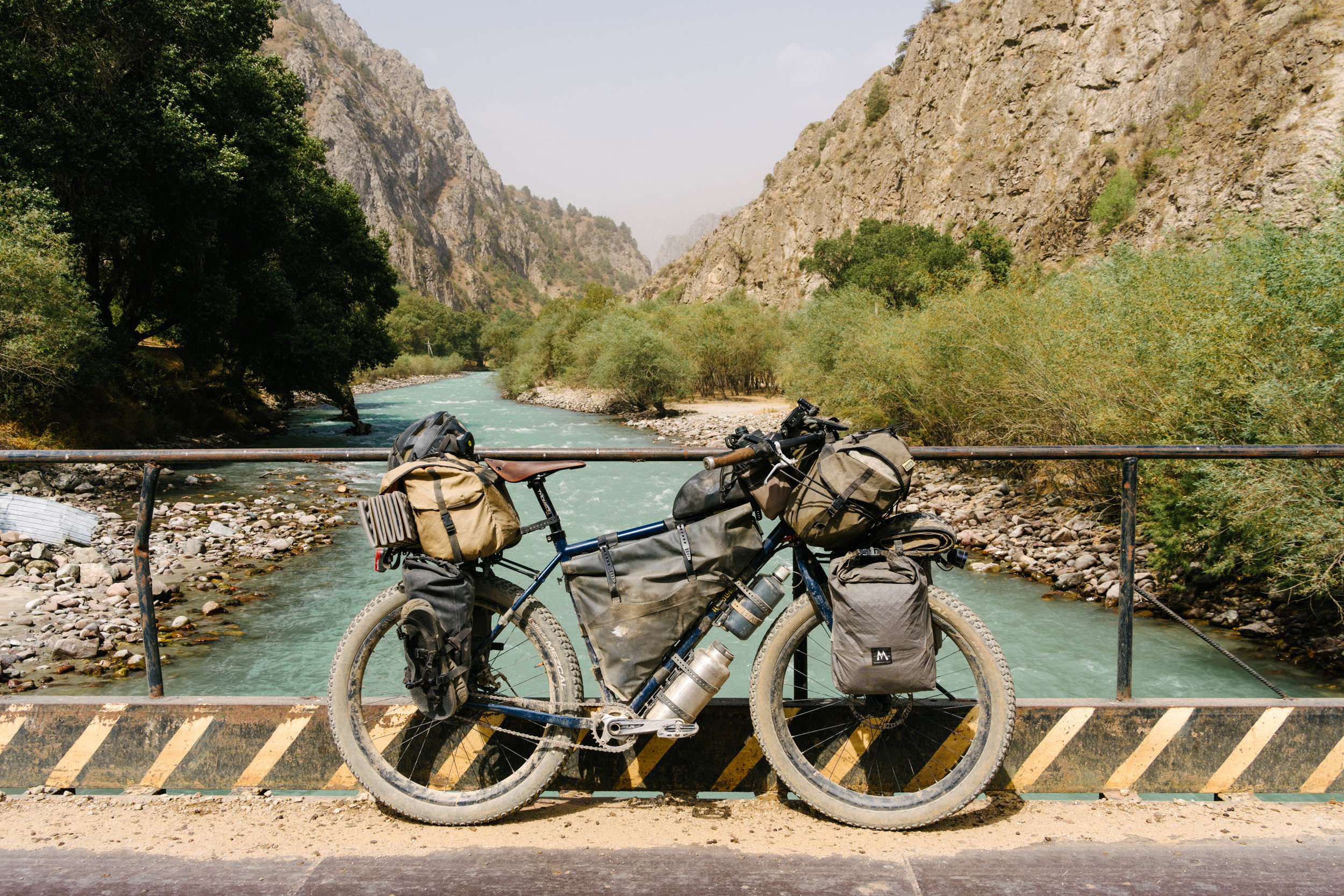
See the Prospector frame he’s touring on and more at Tumbleweed Bikes.