

The story is all too familiar: you have a week of riding bikes and camping under the stars, with limited responsibilities and everyday problems, but once the trip is over, returning to a regular routine is difficult. To help dissect what’s commonly called the “post-trip blues,” Miles reflects on his experience and speaks with several professionals and fellow bikepackers to gather their perspectives…
The concept of feeling unfulfilled after something as privileged as a bikepacking trip is something I’ve struggled with for the past decade. I’m fortunate to be in the position I am, but when I think back to all my most memorable experiences, which are mainly bikepacking trips, they are almost always followed by periods with symptoms resembling depression and anxiety. Privileged as it may be, it doesn’t make these feelings any less valid. Others in our circle of contributors have tried to write this very same reflection piece, only to abandon it because it sounds inherently whiny. It’s easy to think, this isn’t a big deal compared to what many other people are dealing with, which is true, but that doesn’t make it any less real. Despite feeling low on the list of things to ponder, “post-trip blues” is, in fact, a real neurological phenomenon, and it should be acknowledged, no matter the length of the trip or how confusing these emotions might feel.

Diving into my research on the subject, I initially thought I would bring a unique perspective given the nature of my job, but it turns out most of us are wired the same way. What’s happening from a neurological standpoint for someone who gets out for a couple of overnighters every year and those who bikepack more regularly is all very much the same. There are so many wonderful things that make us different, but far more make us the same, one being experiencing post-trip blues. We’re all susceptible.
It felt especially fitting to share this now, as I’ve officially been contributing to this website for a decade, marking an important milestone that gives me lots to reflect on. I can’t count the number of times I’ve returned from a picture-perfect bikepacking trip, only to feel disinterested and unmotivated. Shouldn’t I be stoked that I had the chance to go bikepacking to begin with? What the heck is going on?!

To get to the bottom of this, I reached out to several key people to hear about their experiences with post-trip blues, as well as to experts in the field, including a therapist, a psychotherapist, and a mental performance consultant. First, let’s start with my all-too-common story.
Why We Get the Post-Trip Blues
My first notable experience with post-trip blues was after riding the BC Epic 1000 in 2017. I was planning to tour the 1,000-kilometer route over 10 days, but I got caught up in the race and arrived at the finish in half the time. During those five days, I felt locked in to the experience. I woke up early, I pedaled for far too long, and went to bed late. Unlike most of my bikepacking trips, I didn’t capture many photos, and I wasn’t really testing gear at this time, so the whole thing felt very immersive.
Coming back home and returning to work was a struggle. I went from riding hundreds of kilometers every day to getting back into a regular routine in a couple of days. I was grumpy, unmotivated to ride my bike, and couldn’t get excited about anything. A decade later, and I still experience these same feelings after most of my bikepacking trips, big or small. It’s frustrating to return from such an experience and not feel like yourself. The transition can be awful.
It turns out this is a common story, and the people I spoke to for this article echoed similar findings. It’s confusing and difficult to manage. So, what’s actually going on when we experience post-trip blues? A lot, it turns out. Bikepacking is inherently simple, which is probably why most of us enjoy it so much. We ride, we eat, we get tired, and we sleep. Normal life, on the other hand, is complex. At home, we’re managing relationships, creating excitement, building social connections, seeking exercise and time outdoors, running errands, working, potentially raising children or caring for family members… the list goes on. The difference between life on the bike and life at home is the root cause of post-trip blues.
I met Tory Smith during her solo ride of the Fool’s Loop in Arizona a few years ago, and expected she’d have some useful insight as a clinical social worker and therapist. Tory has done a lot of solo bikepacking over the years and weighed in on where relationships fit into the story. She explained how humans, even from the very beginning, have been about connectedness and relationships: “Evolutionarily speaking, the rogue/lone caveman had a lesser chance of survival than those living communally. Neurobiologically, this still rings true in 2025, but what’s different is that our society doesn’t seem to get this, and remains content with pushing things that encourage disconnection (social media, virtual relationships, etc.).”

Tory explained that, while bikepacking, all the extra nonsense is stripped away, leaving us with an authentic connection through experience, the landscape, and whatever else we’re interacting with. This isn’t exclusive to bikepacking in a group; however, this sense of connection can also exist during a solo bikepacking trip. As Tory said: “I’ve spent some time solo bikepacking, and those have been among the most profound experiences of my life. I’ve met amazing, like-minded people, but I’ve also come to know myself and the natural world more deeply. I often feel most like myself and at home in my body, on an adventure. Is it really any wonder return can feel like such a drag?”
I agree that I feel most like myself while bikepacking. There’s a sense of confidence I gain while pedaling a loaded bike that I don’t feel at home. I feel truly badass rolling into a gas station or restaurant to grab food, eagerly awaiting random interactions with strangers. At home, Emily and I work really hard to fit everything in. On a bike, the social interactions, exercise, excitement, meals, and sleep all come naturally. Bikepacking can be challenging, but feeling fulfilled while bikepacking has never been difficult for me.
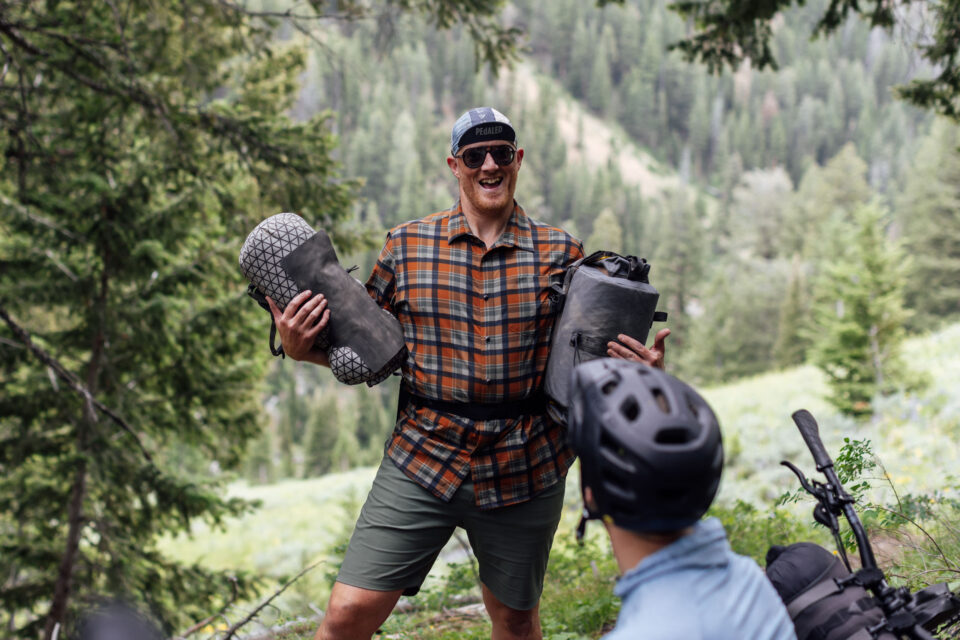
Louis-Philippe Landry, a fellow bikepacker and cyclist, as well as a psychotherapist, explained how the difference between trip and work plays a role in this: “Even meaningful work can be fragmented and abstract. Bikepacking strips life down to a few essential concerns and pulls attention back into the body. On a trip, your days are structured around clear effort and immediate feedback, and your identity is simple and embodied. Coming home means that role drops away all at once.”
Sharleen Hoar, a certified mental performance consultant and high-performance sport scientist with 25 years of experience working with athletes, including the Canadian Olympic team, echoed Louis-Philippe’s findings. Sharleen expanded on this, citing how bikepacking is particularly complex because it often involves encountering new cultures and environments. Living on your bike, whether for a night or a month, essentially “jacks up” your nervous system and taps into your core motivations, like autonomy, competency, and self-sufficiency.

From a neurological perspective, bikepacking is a “stress event” that increases neurochemicals such as dopamine, serotonin, and adrenaline. The experience of bikepacking encourages the brain to develop more neurotransmitter receptors to handle this heightened state. When the trip ends, the neurochemicals stop being produced, but the nervous system continues to crave them. This is post-trip blues.
Managing our Cravings
Both Sharleen and Louis-Philippe described the time after the excitement ends as a “recalibration period.” It’s a natural, physiological process, but the challenge lies in either reducing or alleviating the craving to avoid sadness or malaise. I like how Louis-Philippe summed it up here: “The fog isn’t a problem to fix; it’s a signal that integration takes time, one that is asking for a slower re-entry into work, home life, and a rhythm that tends to go fast.”

The takeaway here is that something physical is happening in our bodies and brains when we make these transitions, and just powering through is not enough. Unfortunately, the most effective way to manage this transition or recalibration period is to slow down, which isn’t usually available to the average person who is expected to be back at work on Monday. Sharleen said there is, effectively, a 72-hour post-trip period during which no major life decisions should be made. Instead, we should prioritize basic mental health strategies: sleep, nutrition, and gentle movement. I don’t think I’ve ever had a 72-hour cool-down period after a bikepacking trip, but there are other ways to lessen the blow.
Sharleen suggested mentally integrating the experience into daily life by asking what was learned, how it has shaped you, and what is now known that wasn’t before. Tory’s tactic is to stay connected to the trip for as long as possible, which can look like sharing photos and stories with friends, taking a walk in the woods to reflect, and, perhaps most importantly, holding herself accountable to continue adventuring. I really like Louis-Philippe’s suggestion of keeping one simple trail rhythm for a week, including quieter mornings, fewer inputs, and jotting down notes in a journal. “I also make an intentional touch base with someone interested in our bikepacking journey, such as friends and loved ones. Re-entry is harder in isolation,” he added.
Stories of Post-Trip Blues
I asked a number of people about their experiences with post-trip blues and what they’ve put into practice to address it. I tried to reach out to a variety of people with different experiences and perspectives, but most came back with similar findings. Meet them and read what they had to say below.
Chris Burkard
Chris Burkard, a professional photographer and filmmaker, has spent years travelling for work. He has tackled serious bikepacking expeditions and, more recently, ultra-endurance races. I figured he’d have some thoughts on this as someone who seems to spend just as much time at home as he does away. His first real example of post-trip blues was in 2020. At the time, he was deeply engrossed in training for an east-to-west bikepacking expedition across the interior of Iceland. Every bit of his attention and energy went into preparing for the trip, both physically and logistically.

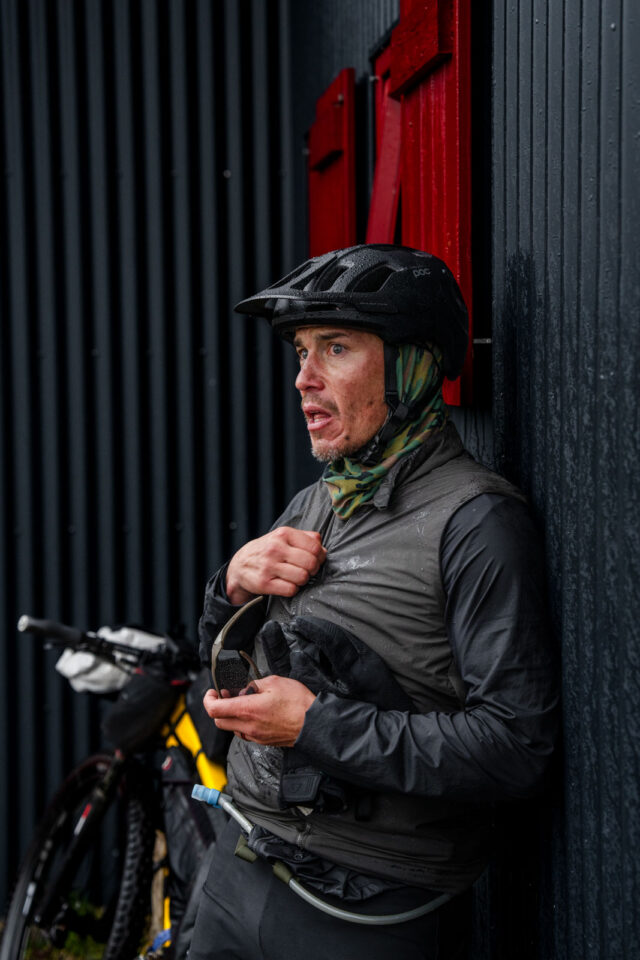
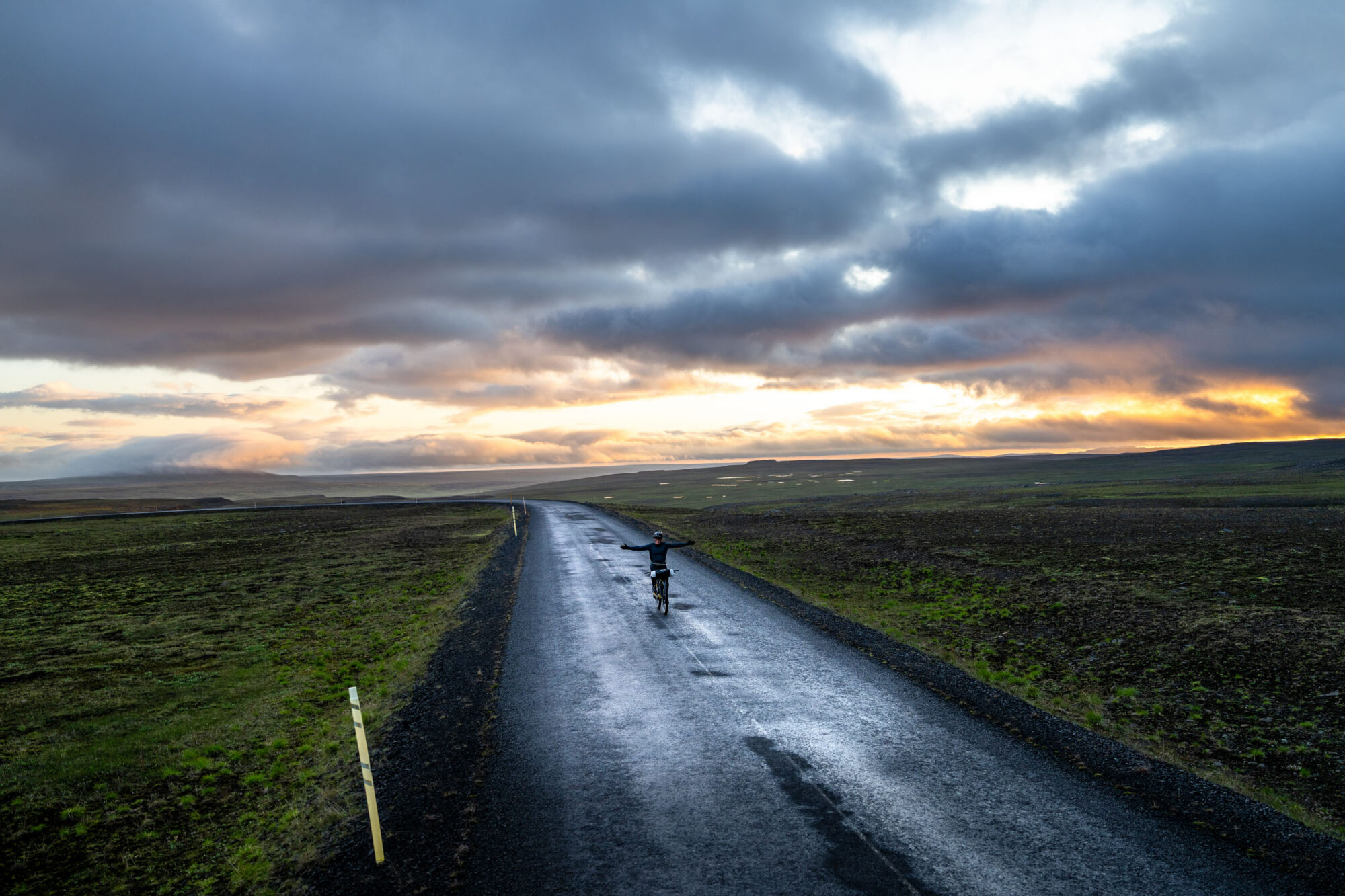
When it was over, there was a void that he wasn’t expecting; the clarity was gone. For Chris, he’s come to realize that the “more time you pour into something, the more months, years, the idea, the longer it stews, the bigger the void is.” Previously, he addressed the void by filling his schedule to keep those neurotransmitters firing, but he’s started journaling to reflect and slow down, helping him process the experience. Questions he thinks about include: what was the experience, what did it teach him, and what did he learn from it. Now he sees these voids coming, so he can properly prepare.
Franzi Wernsing
Franzi Wernsing is a writer and photographer who has spent a lot of time roaming around the world on two wheels. Returning home after traveling for nearly five years, she thought she couldn’t handle the complexities of normal life—social obligations, deadlines, and expectations to live up to. “All I wanted was to go back to sleeping in my tent, waking up to a hot bowl of oatmeal, and slowly planning my route for the day.”
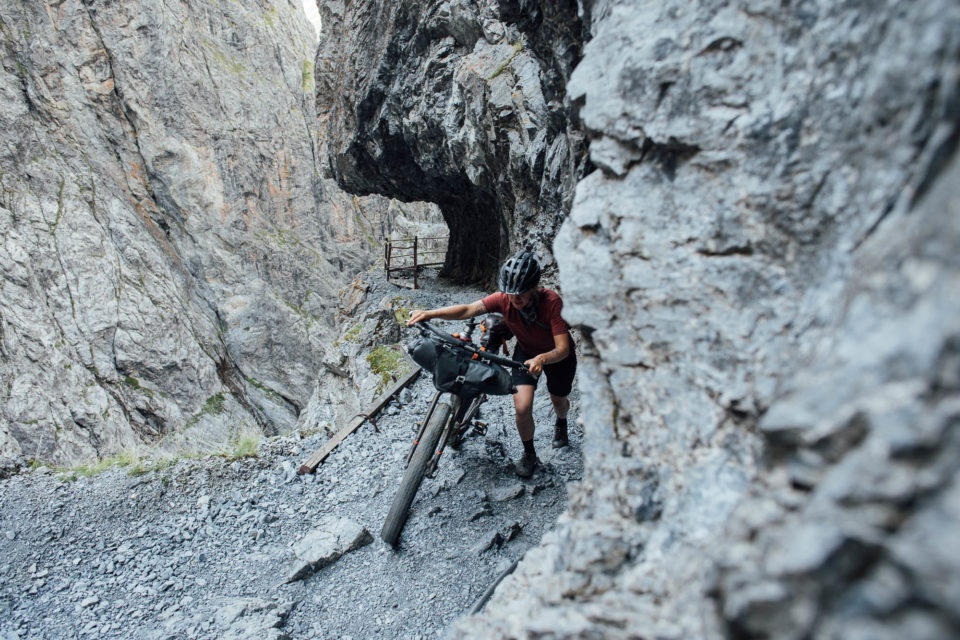

For Franzi, the difference between bikepacking and regular life is how it unfolds. Bikepacking is full of unplanned experiences. The people you meet aren’t planned; most moments are unforeseeable, and it can take the pressure off your shoulders to create them. At home, we have to put in the effort to make life feel exciting. You have to plan things, create moments, and go out of your way to meet new people or experience new things. At times, it feels like travel is held up on a pedestal where we live life at its fullest, but Franzi doesn’t agree with this anymore.
“Meeting new people is exciting, and forming new connections can feel intense and meaningful. But being there for my friends over a long period of time means a lot to me. Knowing that they have my back makes me feel secure and loved. Deep friendships are hard to maintain when you’re constantly on the move. You might talk on the phone or write emails, but for me, friendship is more than that. It’s about sharing everyday life and creating memories together,” she said.
There was a time when Franzi couldn’t handle the complexity of everyday life, but now she loves it. “I’ve learned that life doesn’t always have to be extraordinary to be meaningful. And when it all becomes too much, I take my bike for a ride, camp in the woods, and let life unfold for a couple of days.”
RJ Sauer
I reached out to my good friend RJ Sauer, someone I’ve bikepacked with and who has experienced bikepacking pre- and post-fatherhood. He described getting away on a trip as a “hallucinatory experience” and the return to normal life as a form of withdrawal. To keep the excitement alive, RJ dives back into a pool of contours and waypoints and cartography the moment he returns from a trip and immediately maps out “what’s next.”
Since becoming a parent, everything has changed. He finds himself experiencing pre-departure blues, which have impacted his commitment to solo races and multi-day activities. “Leaving my family and experiencing rides without them has made solo adventures difficult or unfulfilled, and so I have focused on creating more shared trips as family and or shared experiences offer a deeper, lasting impression that resonates further. This balanced experiential diet protects against the sugary cortisol crash,” he added.
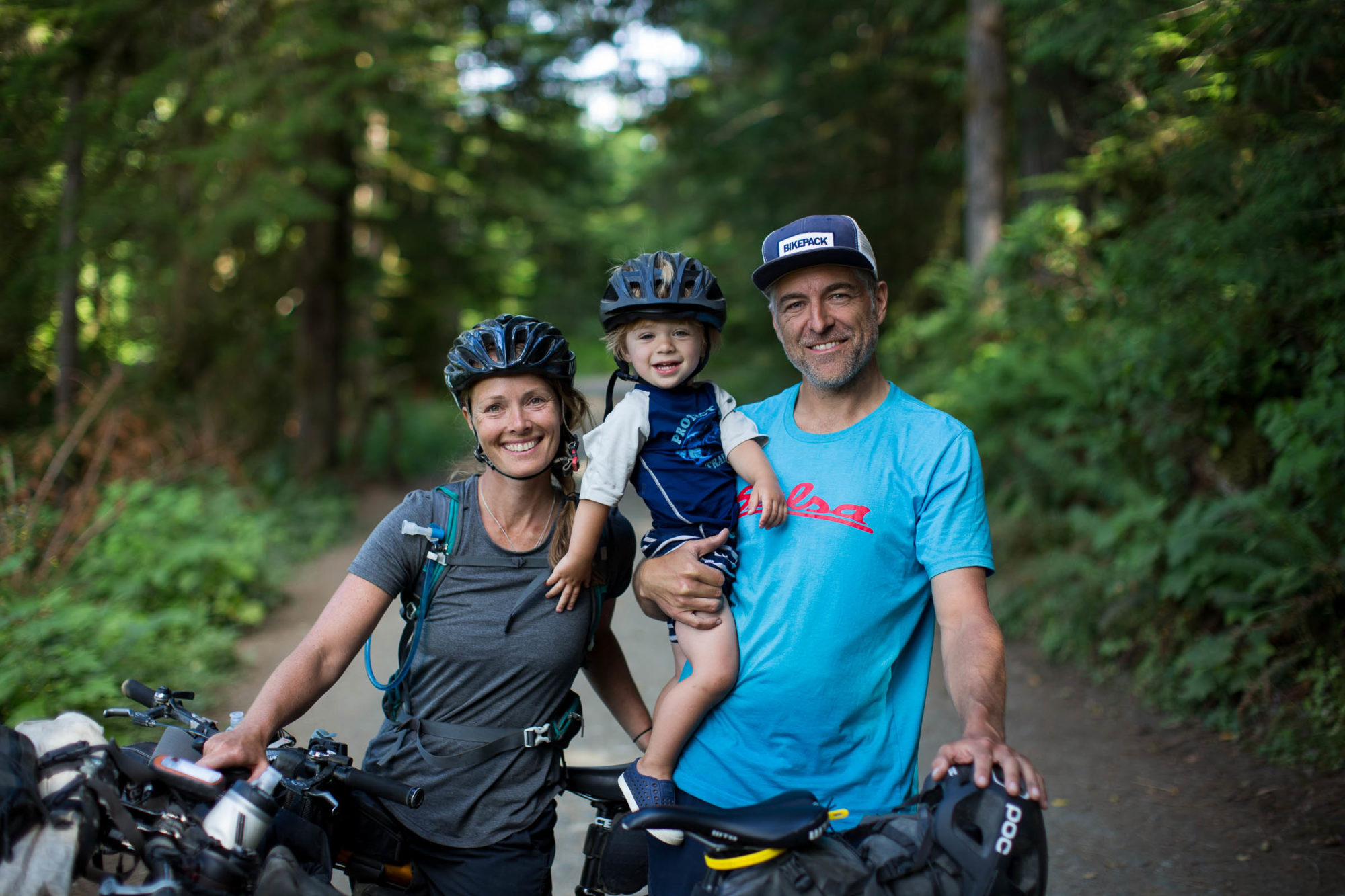
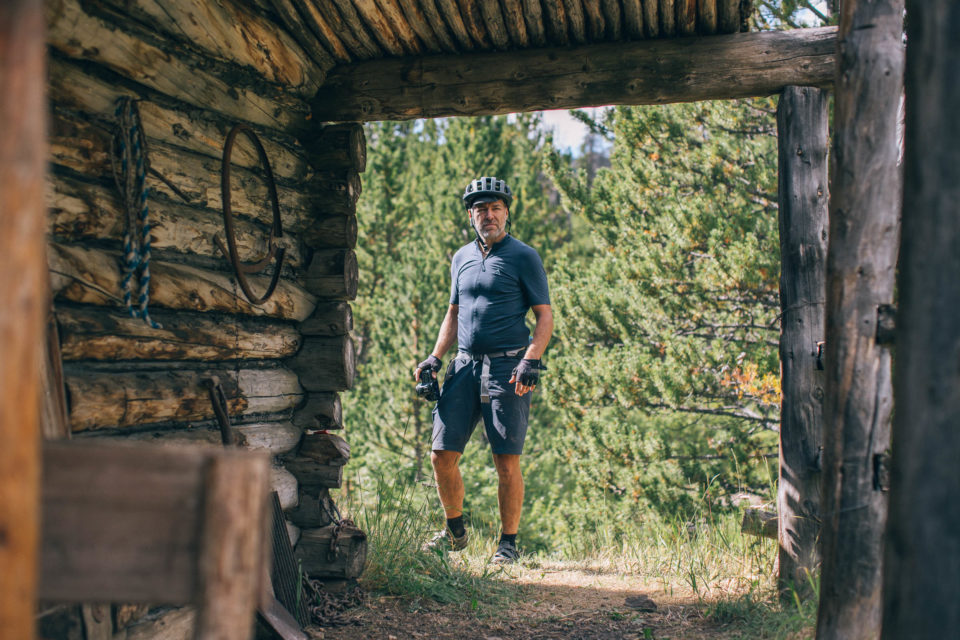
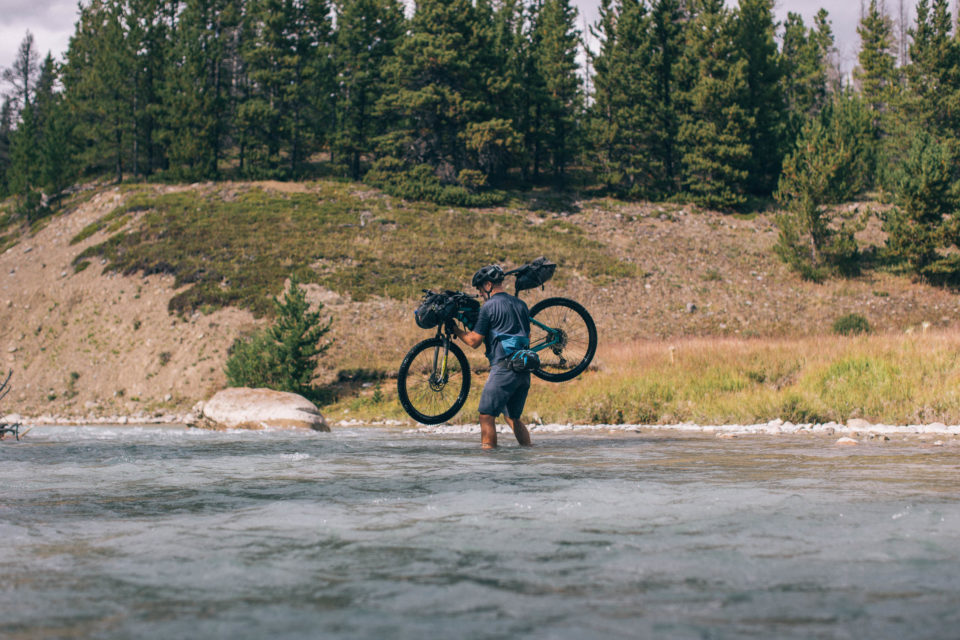
One of his biggest strategies, and one of the reasons he got into bikepacking to begin with, is the post-trip blues salve of writing and photography. They provide essential post-adventure therapy and an opportunity to reflect and share stories with others. For RJ, that’s what makes storytelling so powerful and important.
James Mark Hayden
I was curious about the racer’s experience compared to that of riders who ride more leisurely, so I reached out to James Mark Hayden, an experienced ultra-endurance racer and coach, to get his thoughts. Unsurprisingly, the deep-rooted causes of these feelings are the same, but it sounds like professional athletes face unique challenges that make it even harder to recalibrate.


James tries to focus on intrinsic, not external, goals, such as “do my best,” because more external outcomes, like “end up on the podium,” are impossible to control. Creating a narrative around the journey as a whole has been important to James when things go awry. However, even when things go well, he’s seen athletes experience post-race blues when the win’s high wears off, and there’s no goal to aim for. “The problem is, most people don’t slow down enough to take time for mental reflections and development; they’re too busy being distracted by the ‘modern’ world.”
Savannah Stenberg
My friend Savannah is new to bikepacking but has joined for the last two Slow Coast events that Emily and I organize. I was curious to hear whether newer bikepackers riding shorter routes experience similar feelings. It turns out that they do. Savannah described an adventure away from home as “stimulating, with the days filled with new sights and sounds.” She tries to book the following day off work to reset, but those days always feel lonely and overwhelming.

As she explained, “Due to the time of year, the Slow Coast weekend felt like a goodbye to casual summertime friendship hangs, where the reality of work obligations and seasons turning were waiting on the other side. It’s a good reminder to make time for play during the blue seasons, too!”
Final Thoughts
I always thought my Crohn’s Disease symptoms were worse during times of stress, and that my symptoms seemed to lessen while bikepacking because it’s less stressful. Taking what I’ve learned, I now think it’s more of a neurological reaction to my brain firing and the chemicals released while riding my bike. Then I started thinking about the addictive nature of activities like bikepacking, because of what they do to our bodies. I ran this by Sharleen, and she said that’s a whole other ball game that has to meet specific criteria to be labeled as an “addiction.” So I’ll leave that discussion for another time.
Post-trip blues, post “stress event” blues, and recalibration periods are all real. It’s not just you feeling grumpy because work isn’t as fun as bikepacking; it’s your body telling you to slow down and give yourself a moment to breathe and reflect. Like most people, I’m guilty of ignoring these signs and powering through, only to delay recovery.
I’m eager to put some of this new knowledge into practice, and hopefully avoid the dreaded “blahs” I’m all too familiar with after returning home from a bike trip. I hope the big takeaway here is that we’re all the same, and anyone, no matter how big or short a trip, can experience post-trip feelings. Next time, instead of rallying out to chase that heightened state, try taking a pause, a nap, or writing down some thoughts on paper.
Have you ever experienced post-trip blues? What was it like? Have you put practices into place that help you recalibrate after a bikepacking trip? Share your experience in the conversation below.
Additional Reading: For those who’d like a complementary scientific paper, it’s worth reading “Post-race reactions: The emotional paradox of high performance and anxiety – a conventional content analysis (August 2024) BMC Sports Sci Med Rehabil.” Shared with me by Sharleen Hoar, the study focuses on people who had completed endurance races and reported much of what I’ve shared here, including feeling “high on life” during the activity, and “loss of energy, ambivalence, and melancholy” afterwards.
Please keep the conversation civil, constructive, and inclusive, or your comment will be removed.