
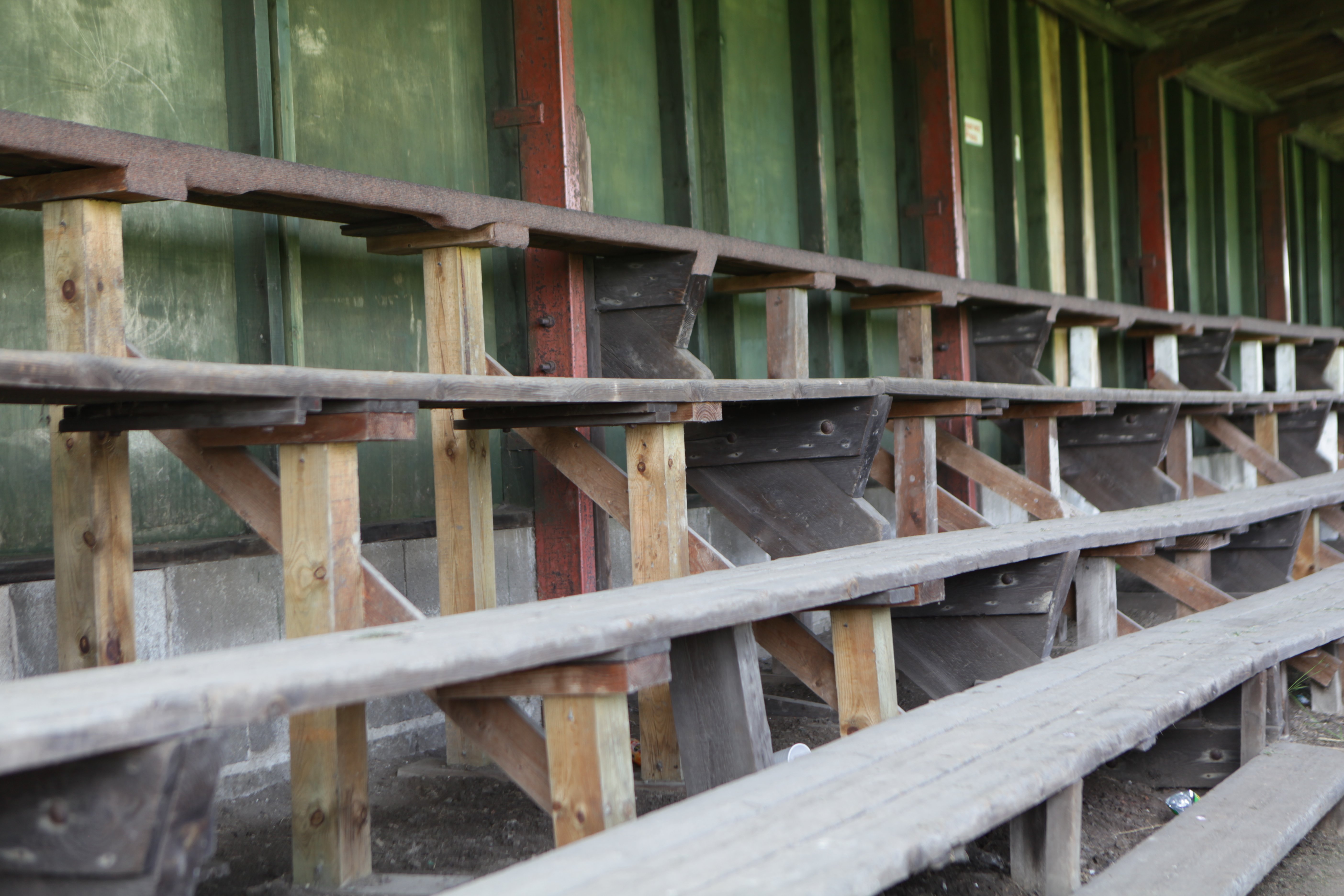
The biggest focus: improving facilities
The most common trend is straightforward: clubs are putting grants into facilities and infrastructure.
That could mean:
- Pitch improvements, resurfacing, drainage, or helping fund an entirely new pitch
- Clubhouse or pavilion upgrades to create better social and community spaces
- Changing room repairs, refurbishment, or accessibility improvements
Facilities are expensive, and for many clubs, they’re also the difference between growing and simply getting by. When a pitch floods easily, when the clubhouse is ageing, or when changing rooms need repairs, costs add up fast.
Monthly grants give clubs a reliable way to plan improvements without relying solely on one-off fundraising drives.
Supporting the next generation: youth and junior development
A close second theme is youth participation. Many clubs are using their grants to support junior sections and help more children play sport locally, whether that’s expanding teams, creating new sessions, or improving the overall experience for young players and families.
For grassroots clubs, investing in juniors isn’t just about performance. It’s about:
- Keeping sessions affordable
- Making sport accessible to more families
- Building a club’s future for the long term
When clubs can put money into equipment, coaching, and facilities for juniors, it strengthens the whole community around them.
Equipment, kit, and the essentials that keep sessions running
The third major theme is equipment and kit, the items that players and volunteers rely on every week.
That includes:
- Training equipment and matchday essentials
- Replacement kit and teamwear
- General club resources that often get overlooked until they’re urgently needed
For many clubs, grants help cover those “unseen” costs that can otherwise come out of volunteers’ pockets or force difficult choices about what the club can provide.
More than bricks and balls: helping clubs stay sustainable
Alongside facilities and equipment, many clubs talk about using grants to manage running costs and maintain long-term sustainability, especially as prices rise.
These grants can make a real difference in helping clubs:
- Keep membership fees down
- Avoid passing increases onto families
- Budget with more confidence across the season
And because most grassroots clubs are volunteer-run, having predictable income can reduce pressure on the people doing the organising, fundraising, and admin behind the scenes.
A real example: Portsmouth Force Basketball Club
One of the best things about monthly grants is what happens when clubs can save them up towards a meaningful purchase, something that improves matchday experience and professionalism straight away.
Portsmouth Force Basketball Club did exactly that.
Portsmouth Force Basketball Club used saved grants to purchase a new scoreboard.
Tom Milner from Portsmouth Force Basketball Club said:
“Thank you for the opportunity to join the lottery. We’ve managed to save up our monthly grants and today took delivery of a new scoreboard! Looking forward to more purchases to help our club in the coming months and years.”
It’s a perfect example of how consistent, grant-based fundraising turns into practical improvements. The kind that players notice immediately, supporters enjoy, and volunteers feel proud of.
Why these projects matter
Across all the important club causes, one message keeps coming through: clubs aren’t fundraising for luxuries. They’re fundraising for the things that make grassroots sport possible, safe, and welcoming.
Whether it’s upgrading facilities, backing youth development, buying essential equipment, or keeping sport affordable, grants are helping clubs take steady steps forward, not just for this season, but for the next generation too.
If you’re part of a grassroots club, these are exactly the kinds of projects that monthly grants can unlock: clear priorities, real impact, and improvements your whole community can get behind.