
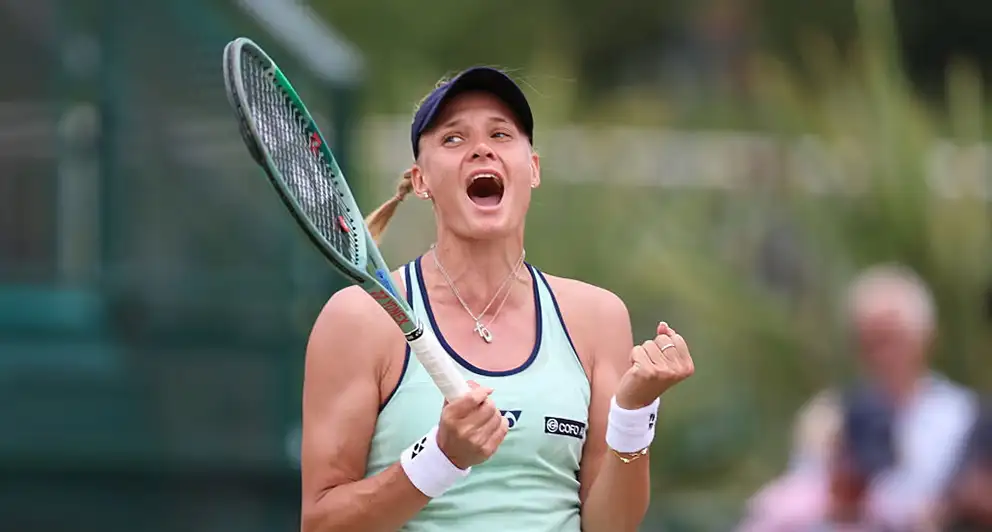
I often get asked about racquet recommendations specifically for women, and honestly, it’s a question that requires a bit of nuance. Here’s the thing: tennis racquets aren’t gendered. The same racquet that works for Paula Badosa can work equally well for a male club player with a similar game style. However, there are clear trends among women players, and understanding them can help you make a better choice.
Women on the WTA tour and at club level tend to prefer racquets that offer a balance of power and control, often with manageable weight and good maneuverability. But that’s a generalization. Madison Keys hits an absolute bomb with the Yonex Ezone 98, while Emma Navarro relies on precision with the Yonex VCORE. The lesson? Your playing style matters far more than your gender.
So let’s break down the best frames for women across different skill levels and playing styles. These are the frames that have impressed us in testing and that we’ve seen work brilliantly for female players at all levels.
So what are the best racquets for women?
For Beginners: Easy Power and Forgiveness
When you’re starting out, you want a racquet that makes tennis fun, not frustrating. That means a bigger head size for a generous sweet spot, enough power so you’re not muscling every shot, and light enough to swing comfortably for a full session.
Wilson Clash 108
The Clash 108 is probably the most recommended beginner racquet for a reason. The 108 square inch head gives you a huge sweet spot, and Wilson’s flex technology means this racquet is incredibly comfortable on your arm. At around 10.4 ounces strung, it’s light enough to handle but substantial enough that you’re not just waving a stick around.
The low stiffness rating (54) makes this one of the most arm-friendly racquets you can buy. If you’ve heard horror stories about tennis elbow, this is the racquet that helps prevent it. The downside? Advanced players might find it a bit too soft, but for beginners, it’s perfect.
Check out our recommended comfort racquets for more options.
Babolat Boost Drive
If you’re on a tighter budget, the Boost Drive is hard to beat. It comes pre-strung (one less thing to worry about), has a forgiving 105 square inch head, and delivers easy power. At under $100, it’s an excellent entry point to the game without compromising on quality.
Babolat makes reliable gear, and while the Boost Drive won’t have all the tech of their flagship Pure Drive, it has the essentials: power, forgiveness, and durability.
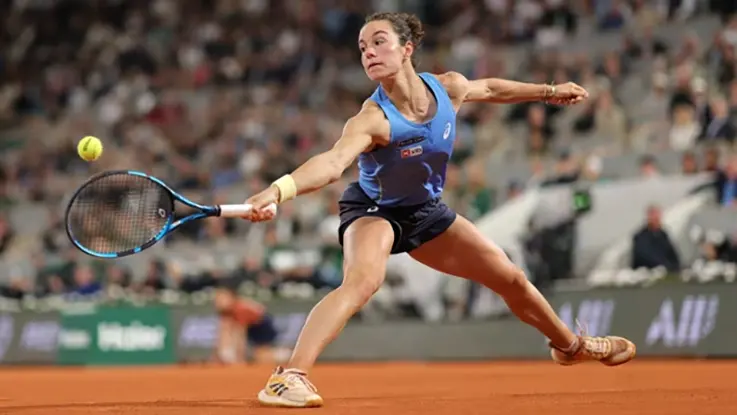
HEAD Ti.S6
This is a classic for a reason. The oversized 115 square inch head means you almost can’t miss the ball, and it’s incredibly lightweight at around 8.9 ounces. If you’re completely new or haven’t played in years, this gives you the confidence to just swing and connect.
The titanium construction keeps costs down while maintaining decent quality. It’s not what you’ll use in five years when you’re playing competitive leagues, but it’s perfect for getting started.
Once you’ve got the basics down and you’re playing regularly, it’s time to get more specific about what you need. Here’s where playing style really matters.
If You Like to Attack and Hit Spin: Babolat Pure Aero 2026
The new Pure Aero 2026 is maybe the best version Babolat has ever made. We tested it extensively and were impressed by the improved comfort compared to previous generations, while maintaining its signature explosive spin potential.
This racquet has a bit of a higher launch angle, which helps with net clearance and makes it easier to hit aggressive topspin shots. At 11.3 ounces and 100 square inches, it’s maneuverable enough for quick reactions but substantial enough to handle pace. The 16/19 string pattern gives you good bite on the ball.
Players like Fabian Marosczan and Botic van de Zandschulp use variations of this frame, and it’s wildly popular on the WTA tour with various players using painted versions. It works equally well on clay and hard courts.
Read our full Pure Aero 2026 review for more details.
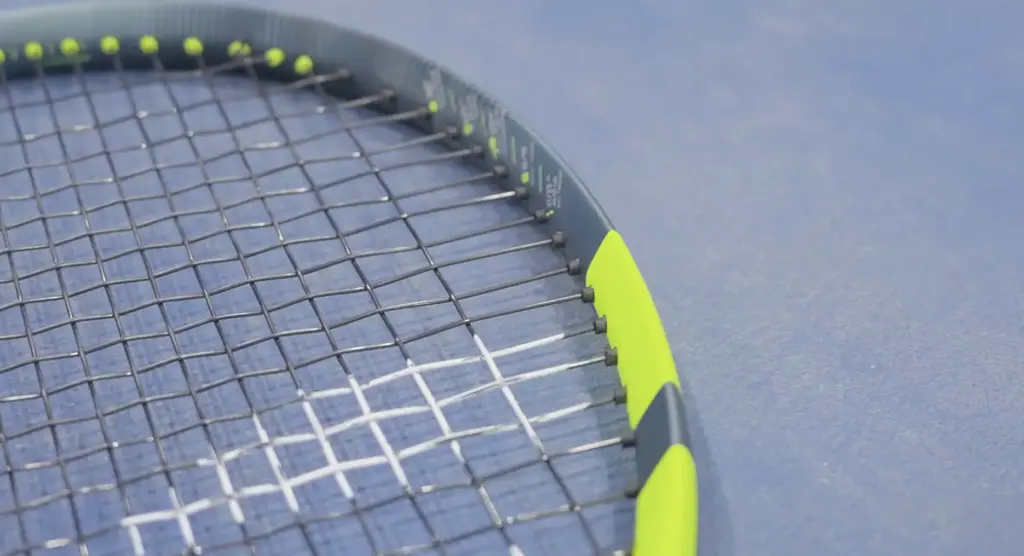
If You Want Precision and Control: Wilson Blade
The Blade is an icon for a reason. Aryna Sabalenka wants the precision of the Blade 98 18/20, but she brings the power. The Blade 98 16/19 is the choice for countless club players. But we think the Blade 100 is overlooked and offers more control than the Aero, but is more forgiving than the 98.
If you go for the 98, the 16/19 string pattern gives you a slightly friendlier feel than the ultra-dense 18/20 version, with enough spin potential to stay in control.
This racquet doesn’t give you tons of free power, so you need to bring your own. But if you’re tired of overhitting or want more precision on your placement, the Blade is brilliant.
Check our full Blade 98 V9 review.
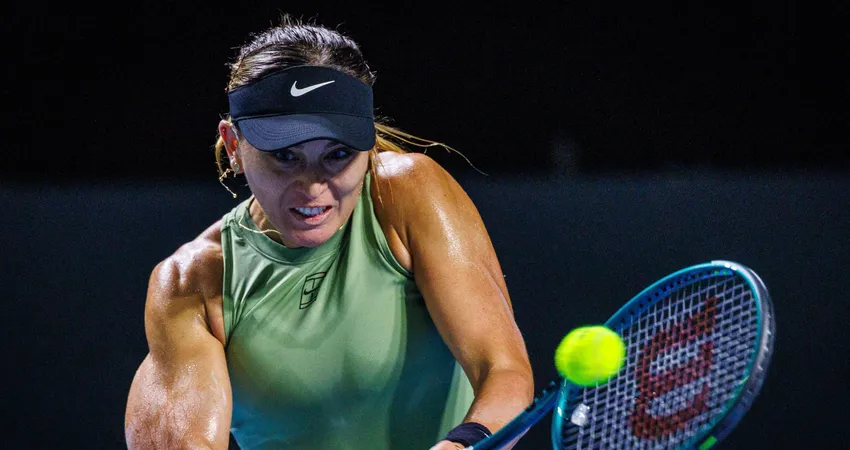
If You Want Balance: HEAD Speed MP
The HEAD Speed line is becoming increasingly popular on both the ATP and the WTA Tour. Karolina Muchova just won a title with it (Qatar 2026), for example. Ugo Humbert, a long-time Blade user, is now playing the HEAD Speed MP. Is it the Jannik Sinner effect? Novak Djokovic is obviously the first guy to help build up the Speed line, even if he played something different.
The Speed 2026 is out now and offers a bit more power than before, thanks to the Hy-Bor tech. There is also a new HEAD Speed Tour racquet for advanced players.
The most popular and forgiving model is the HEAD Speed MP, though. It offers a nice balance between power, spin and control. And you can choose between the traditional white and black cosmetic, or go for the classy black Legend design.
If You Want Easy Power: Yonex Ezone 100
Madison Keys won the Australian Open with the Yonex Ezone 98, and the 100 square inch version offers similar power in a more forgiving package. This racquet is addictive to hit with – the power comes so easily that you need to recalibrate your swing a bit to avoid overhitting.
The 2025 generation has improved comfort over previous versions while delivering explosive levels of power. It’s slightly stiffer than a Blade or VCORE, but that stiffness translates to stability and depth on your shots.
If you struggle to get depth or find yourself muscling the ball, the Ezone 100 might be exactly what you need. Just be aware that it has more pop than most, so you’ll need to dial in your control.
Read our Yonex Ezone 100 review.
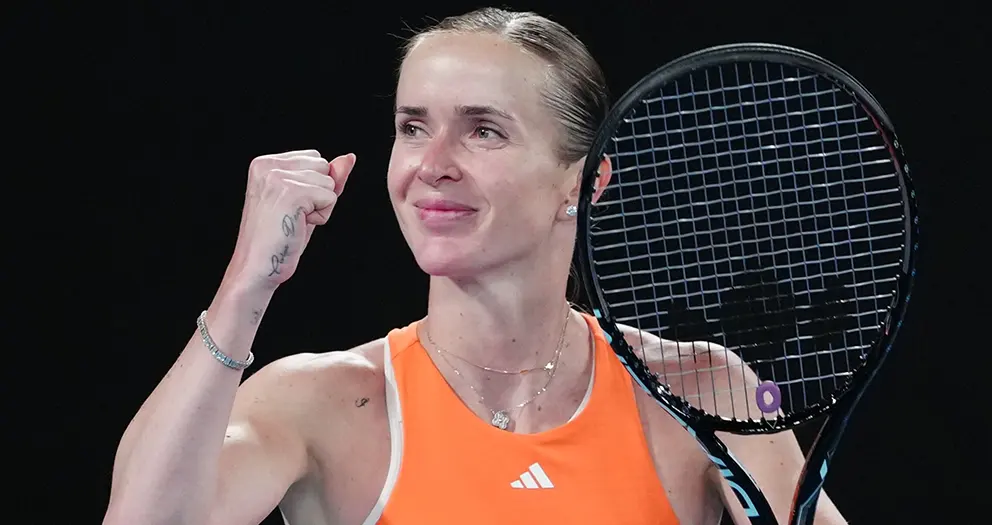
If you’re playing competitive tennis – leagues, tournaments, or high-level club matches – you need a racquet that rewards good technique and gives you the precision to execute your shots.
If You Want Spin with Control: Babolat Pure Aero 98
This is what Carlos Alcaraz and Felix Auger-Aliassime use (in their customized versions), and it’s a favorite among advanced female players like Leylah Fernandez as well. The 98 square inch head gives you more control than the standard Aero, while maintaining that explosive spin potential.
You need to swing fast to control this racquet, but if you do, you’re rewarded with shots that dip and kick. The new 2026 version has better comfort and stability than the incredibly popular 2023 edition.
This isn’t a racquet for everyone. It demands good technique and fast swing speeds. But if you’ve got the game for it, the Pure Aero 98 is brilliant.
Check out our Pure Aero 2026 review.
If You Want Traditional Feel: Wilson Blade 98 18/20
The dense 18/20 string pattern on this version of the Blade gives you maximum precision. It’s what many tour players actually use in their frames, and it’s perfect if you’re the type who wants to paint lines like Sabalenka.
This racquet is more demanding than the 16/19 version – you really need to hit the sweet spot consistently. But advanced players with good technique will appreciate the surgical precision this frame offers.
If You Want Versatility: Yonex VCORE 98
The VCORE 98 is popular among WTA players for good reason. It offers a nice balance between spin, power, and control. The 2026 version is more solid than its predecessor, though some might find it slightly less lively.
At 305 grams unstrung (around 11.2 oz strung), it’s manageable for most players but still has enough weight to handle incoming pace. The 16/19 pattern gives you good spin potential without sacrificing too much control.
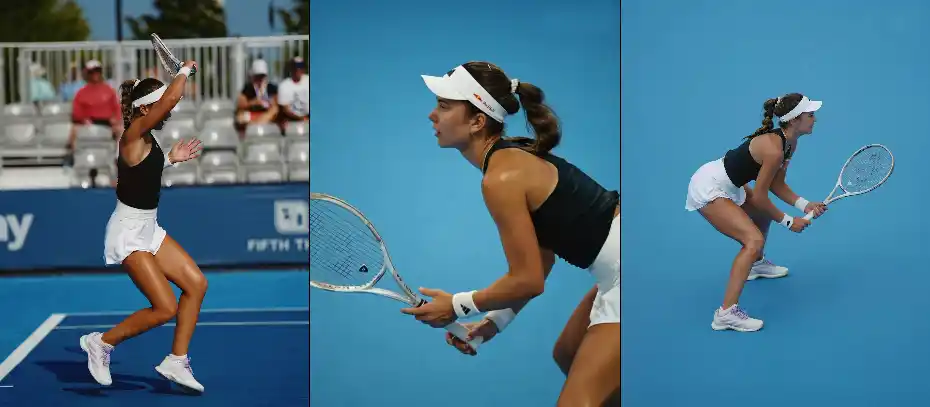
If You Want Pure Power with Control: Yonex Ezone 98
The 98 square inch version gives you more control than the 100, while still delivering impressive power. Yonex made it softer in the 2025 edition but retained the iconic pop when attacking.
This is perfect for players with aggressive games who want depth and penetration on their shots but need more control than a typical power racquet provides.
What About Head Size?
One question I get all the time: should women play with bigger head sizes?
Here’s my take: head size should be based on your skill level and playing style, not your gender. That said, many women do gravitate toward 100 square inch racquets because they offer a nice balance of power and control with a forgiving sweet spot.
If you’re generating your own power and want maximum precision, a 98 square inch frame can work brilliantly. If you need more help with depth and power, 100-105 square inches gives you more margin for error.
Beginners of any gender should definitely consider larger head sizes (105-110 sq in) for the confidence boost of that bigger sweet spot.
What About Weight?
Weight is where individual preference really matters. Most racquets marketed to women are in the 10-11.5 ounce range (strung), which is comfortable for extended play.
However, don’t automatically assume lighter is better. A bit more weight (11-11.5 oz strung) can actually help with stability, especially when facing harder-hitting opponents. The racquet won’t get pushed around as easily.
If you’re trying to decide between two weights, here’s a rule of thumb: if you can swing the heavier one comfortably for an entire match, go with that. If you find yourself getting tired and your technique breaking down, the lighter option is probably better.
My Top Picks by Category – Best women’s tennis racquets
If I had to narrow it down to one racquet per category:
Best for Beginners: Wilson Clash 108 – forgiving, comfortable, and makes tennis fun from day one. Find it available from Wilson website.
Best All-Around Intermediate: HEAD Speed MP – does everything well without any major weaknesses.
Best for Spin: Babolat Pure Aero 2026 (100 or 98 depending on level) – explosive topspin with improved comfort.
Best for Control: Wilson Blade 98 16/19 – precision and feel for players who want to place the ball exactly.
Best for Power: Yonex Ezone 100 – addictive levels of easy depth.
Best for Advanced Players: Babolat Pure Aero 98 – if you’ve got the swing speed, this racquet rewards you with incredible spin and control.
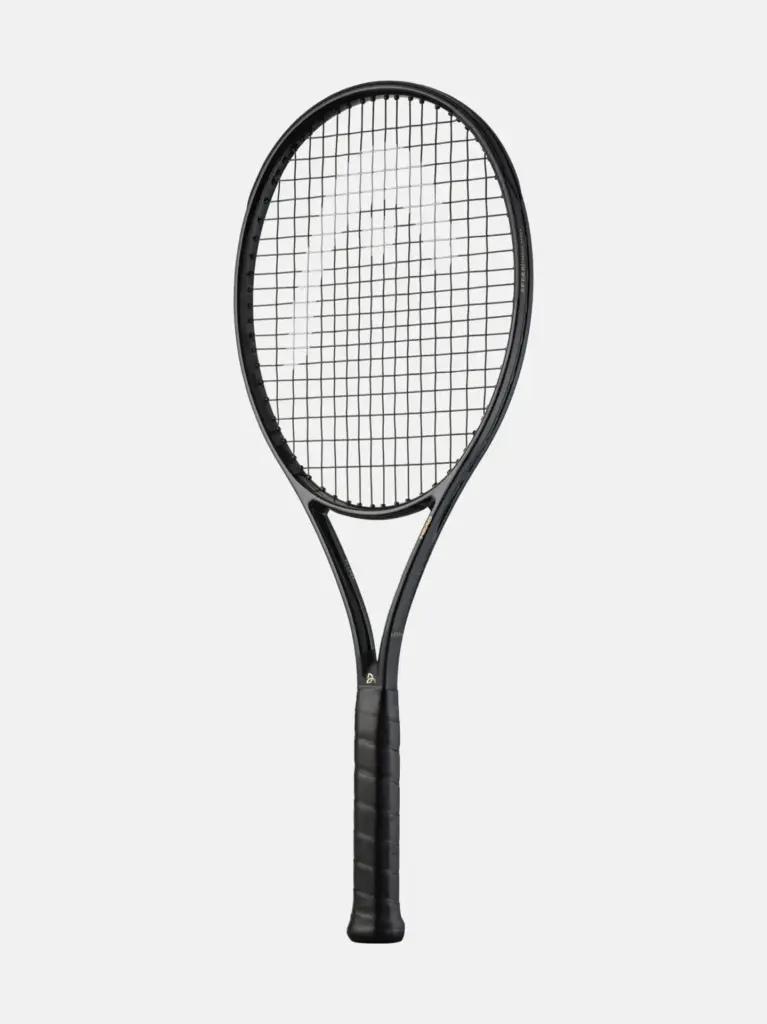
Find most of these frames available at our partners below:
String Considerations
Remember, the racquet is only half the equation. String choice and tension matter just as much. We generally recommend:
- Beginners: multifilament or synthetic gut at mid-range tensions (52-56 lbs)
- Intermediate spin players: polyester in the mains with multifilament crosses (hybrid) at 50-54 lbs
- Advanced players: depends entirely on your preference, but most use full poly or poly hybrids
Check out our Recommended Strings page for specific suggestions or read our strings reviews where we play test most of the popular brands.
Final Thoughts on top women’s racquets
The “best” racquet for women is really the best racquet for your game. Don’t let marketing influence you too much – a racquet doesn’t know or care about the gender of the person swinging it.
That said, the racquets I’ve listed above have all worked brilliantly for female players at various levels. We’ve tested them all, and they represent different playing styles and needs.
If you’re still unsure, consider getting a Tennisnerd racquet consultation where we can dive deeper into your specific game and needs.
And remember: demo, demo, demo. Most shops offer demo programs, and it’s worth hitting with a racquet for a few sessions before committing. What feels perfect in the store might play differently on court, and vice versa.
Let me know in the comments what racquet you’re currently using and whether you’re happy with it!