

Boxing demands an extraordinary combination of explosive power, sustained endurance, mental sharpness, and rapid recovery. Every round requires repeated high-intensity bursts of devastating punches, quick defensive movements, and constant footwork, all while maintaining focus under pressure. For boxers looking to optimize their performance, creatine monohydrate has emerged as one of the most researched and effective supplements available.
While creatine is often associated with bodybuilding and strength sports, its benefits align perfectly with the unique demands of boxing. Here’s why boxers at all levels, from amateurs to professionals, should consider adding creatine monohydrate to their training regimen.
Explosive Power for Devastating Punches
Boxing is a power sport disguised as an endurance activity. While fights can last multiple rounds, each exchange requires maximum explosive force. Whether it’s a knockout hook or a rapid combination, punch power often determines outcomes.
Creatine monohydrate works by increasing phosphocreatine stores in muscles, which helps regenerate ATP, the primary energy currency for explosive movements. This means boxers can maintain punch power throughout training sessions and fights, rather than experiencing the gradual decline in force production that occurs as rounds progress.
Many boxers report that after several weeks of creatine supplementation, their punches feel sharper and more powerful, particularly in later rounds when fatigue typically sets in. This isn’t just subjective—numerous studies have demonstrated creatine’s ability to enhance power output during repeated high-intensity efforts, which perfectly describes the demands of boxing.
Improved Recovery Between Rounds and Sessions
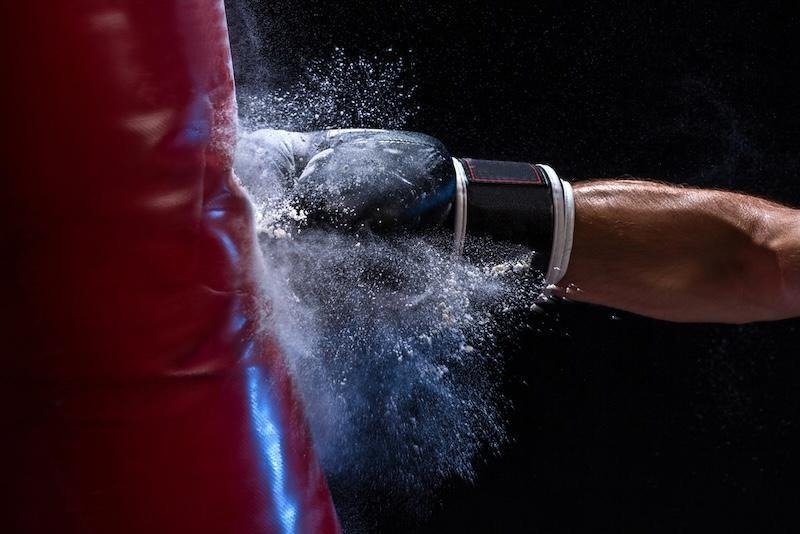
One of the most valuable but often overlooked benefits of creatine for boxers is enhanced recovery. Boxing training is grueling; sparring sessions, pad work, heavy bag rounds, and conditioning can leave fighters physically depleted.
A comprehensive review published in Nutrients examined creatine supplementation and recovery from exercise. The research analyzed multiple studies and found that creatine supplementation significantly reduced markers of muscle damage and inflammation following intense exercise, while also improving recovery of muscle function and performance (Fernandes et al., 2024). The authors noted that creatine’s recovery benefits appear to work through multiple mechanisms, including reduced oxidative stress and enhanced cellular energy availability.
For boxers, this translates to better recovery between rounds during fights, faster bounce-back between training sessions, and potentially reduced injury risk from the accumulated stress of high-volume training camps.
Many boxers who supplement with creatine report feeling fresher during later rounds and experiencing less severe muscle soreness in the days following intense sparring or conditioning work. This improved recovery can allow for higher training frequency and volume, critical factors for skill development and fight preparation.
Enhanced Repeated Sprint Performance
Boxing isn’t about one explosive moment; it’s about sustaining explosive efforts repeatedly over multiple rounds. A three-minute round might contain dozens of bursts: punch combinations, explosive defensive movements, rapid position changes, and constant footwork adjustments.
A systematic review published in the Journal of the International Society of Sports Nutrition examined creatine’s effects on high-intensity intermittent exercise and recovery. The meta-analysis found that creatine supplementation significantly improved performance during repeated sprint efforts and enhanced recovery between high-intensity bouts (Harmon et al., 2021). This effect was particularly pronounced in activities requiring multiple bursts of maximum effort with short recovery periods, essentially a perfect description of boxing.
The researchers suggested that creatine’s ability to rapidly replenish phosphocreatine stores between efforts allows athletes to maintain performance quality during repeated explosive actions, rather than experiencing the typical performance decline that occurs during sustained high-intensity activity.
For boxers, this means maintaining hand speed, punch power, and explosive movement capabilities throughout an entire fight, not just in the early rounds.
Mental Sharpness and Cognitive Function

Boxing is often called “the sweet science” because success requires not just physical prowess but also mental acuity. Split-second decision making, pattern recognition, tactical adjustments, and sustained concentration are all critical, especially when fatigued.
Emerging research suggests creatine may benefit cognitive function, particularly under conditions of stress or sleep deprivation, both common during intense training camps. Some studies have shown that creatine supplementation can improve working memory, reaction time, and mental fatigue resistance.
Many boxers report improved mental clarity and focus during training and competition after supplementing with creatine. While more research is needed, specifically in combat sports, the existing evidence suggests creatine’s benefits extend beyond purely physical performance.
Lean Mass Maintenance During Weight Cuts
Weight management is a reality for competitive boxers. The challenge is making weight while maintaining muscle mass, strength, and performance. Severe caloric restriction can lead to muscle loss alongside fat loss, compromising punch power and overall performance.
Research has shown that creatine supplementation during periods of caloric restriction may help preserve lean muscle mass. The mechanism appears related to creatine’s ability to maintain training intensity despite reduced calorie intake, allowing boxers to continue high-quality workouts that signal the body to preserve muscle tissue.
Many boxers incorporating creatine during fight camps report maintaining strength and power better than in previous camps, even while dropping weight. The slight water retention from creatine (typically 2-4 pounds) should be factored into weight management strategies, but many find the performance benefits worth the minor adjustment.
Safe, Well-Researched, and Cost-Effective
Unlike many supplements with questionable evidence or concerning side effects, creatine monohydrate has decades of research supporting both its safety and effectiveness. It’s one of the most studied sports supplements in existence, with hundreds of peer-reviewed studies confirming its benefits.
Creatine monohydrate is also remarkably affordable compared to other supplements, making it accessible to boxers at all levels. There’s no need for expensive proprietary blends or exotic forms; basic creatine monohydrate has the most research supporting it and works exceptionally well.
Practical Considerations for Boxers

Dosing: Many boxers use a simple approach of 3-5 grams daily. Some prefer a loading phase (20 grams daily for 5-7 days) to saturate muscles faster, then maintain with 3-5 grams daily.
Timing: The timing of creatine intake appears less important than consistency. Many boxers take it post-workout with a meal, but taking it at the same time daily, whenever that may be, is most important.
Hydration: Creatine draws water into muscle cells, so maintaining proper hydration is important. This is particularly crucial during intense training and weight management phases.
Weight Considerations: The 2-4 pounds of water weight gain from creatine should be factored into fight camp planning. Starting creatine well before a camp allows you to establish your new baseline weight.
Quality Matters: Choose creatine monohydrate from reputable brands. Look for products tested for purity and banned substance contamination if you compete under anti-doping regulations.
The Bottom Line
Creatine monohydrate offers boxers a rare combination of benefits: enhanced explosive power, improved recovery, sustained performance during repeated high-intensity efforts, and potential cognitive benefits, all backed by extensive research and an excellent safety profile.
The studies show measurable improvements in exactly the types of physical demands boxing requires: explosive efforts, rapid recovery, and sustained high-intensity performance. Many boxers who have incorporated creatine into their training report noticeable improvements in punch power, work capacity, and recovery.
For a supplement that costs pennies per day and has decades of safety data, creatine monohydrate represents one of the smartest investments a boxer can make in their performance and training quality.