
Buy The Art of Batting here:
August 2017, the West Indies were expected to lose.
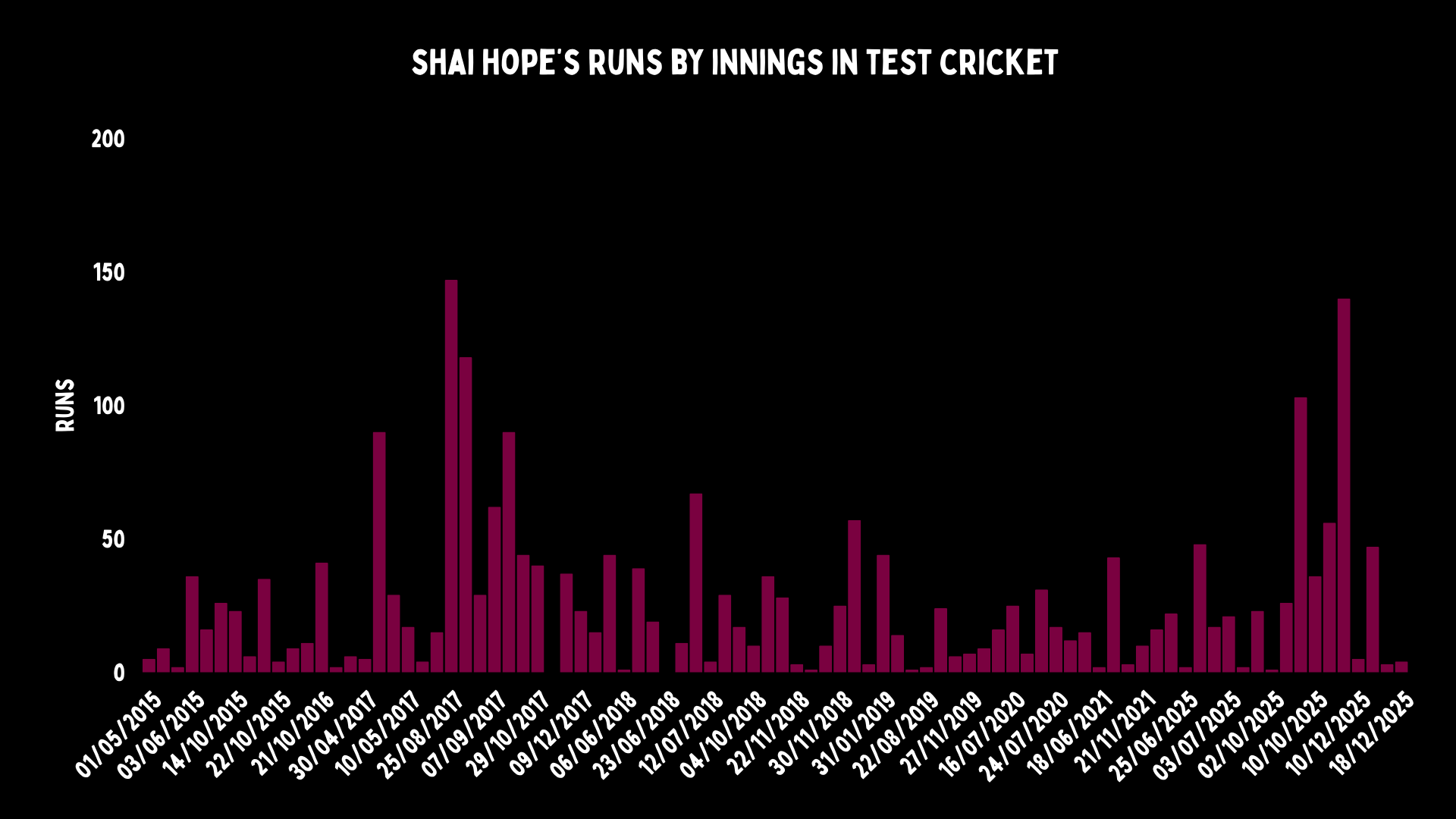
After bowling England out for 258 in the first innings at Headingley, West Indies are reeling at 35/3 when Shai Hope’s elder brother, Kyle, is dismissed. That is when the 23-year-old Shai walks out to bat against an attack of Jimmy Anderson, Stuart Broad, Chris Woakes and Ben Stokes.
At that point in his career, the Bajan right-hander averaged less than 19 in Tests and had a solitary fifty in 21 attempts. He was undoubtedly talented; he debuted in first-class cricket before turning 20, and he got his Test cap after just 14 games. But he had not yet been able to live up to it in international cricket. Even though he averaged 42 in 16 ODI innings, it was at a very 1980s strike rate of 67.
West Indies were expected to collapse, instead Hope bats for more than five hours, cover driving his way to 147. He has a huge partnership with Kraigg Brathwaite that sets up the innings, but his job isn’t over yet. England step up with the bat in the third innings, setting a target of 322 for the visitors. And again, Shai Hope was in after his brother was run out.
West Indies were expected to collapse. Again.
Hope and Brathwaite have another century stand, but this one was even more incredible, because they chase more than 300 away from home to beat England.
Shai Hope hits the winning runs at Headingley.
And with that, Shai Hope was expected to be good.
That Test is easily the highlight of Shai Hope’s 253-match international career. Yet, in the next four years, he averages below 23. That includes a streak of 11 Tests without a single half-century, after which he is out of the team for almost as long as his lean patch.
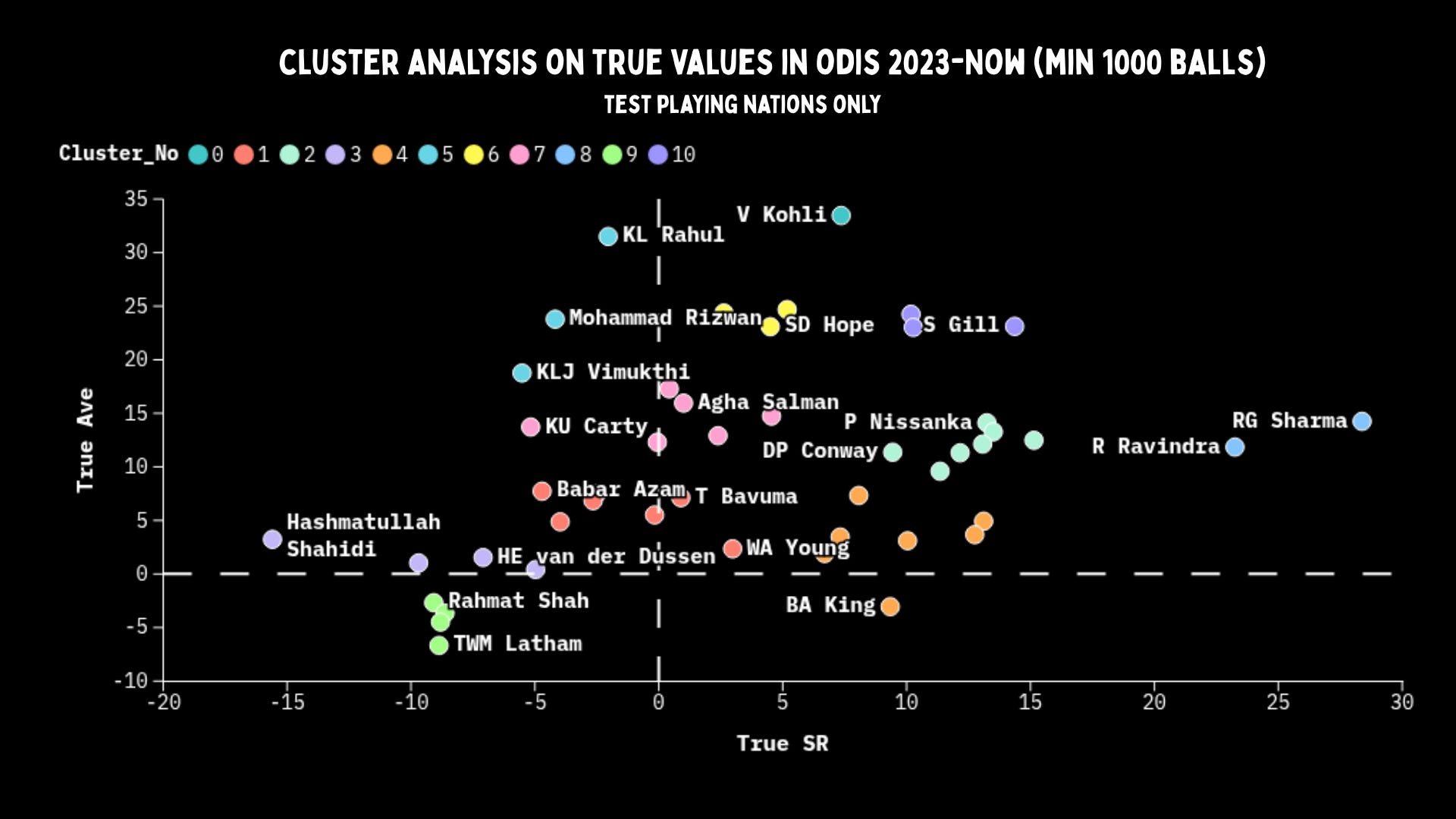
Hope really only remained as an ODI batter. The least important format was where he shone. And no one could get him out. For a seven-year period, he had a very impressive true average but at a negative true strike rate. The raw numbers probably look worse, but the West Indies ODI wickets are not always great, and you can see him in a cluster with Steve Smith, Kane Williamson and Joe Root – pretty decent company.
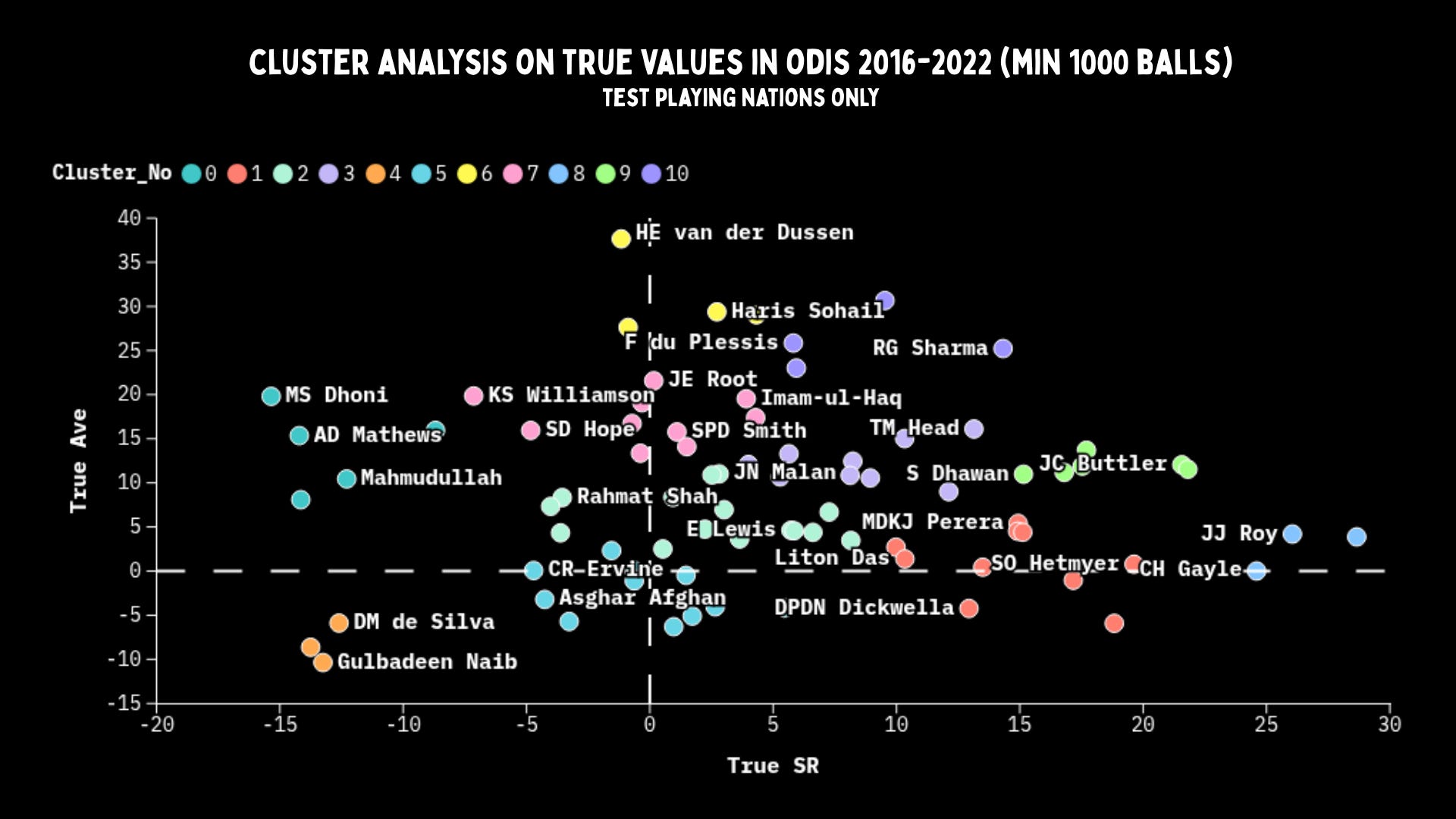
The big difference is support; West Indies batters were often not available for the national side. And Hope was on his own, holding together shaky lineups.
So Hope was remembered for that one Test, and the ODIs.
No one had many opinions on him as a T20 player.
Hope wasn’t even a regular in the CPL for a long time. And unlike most West Indians, he never really played franchise leagues either. He just wasn’t a T20 player.
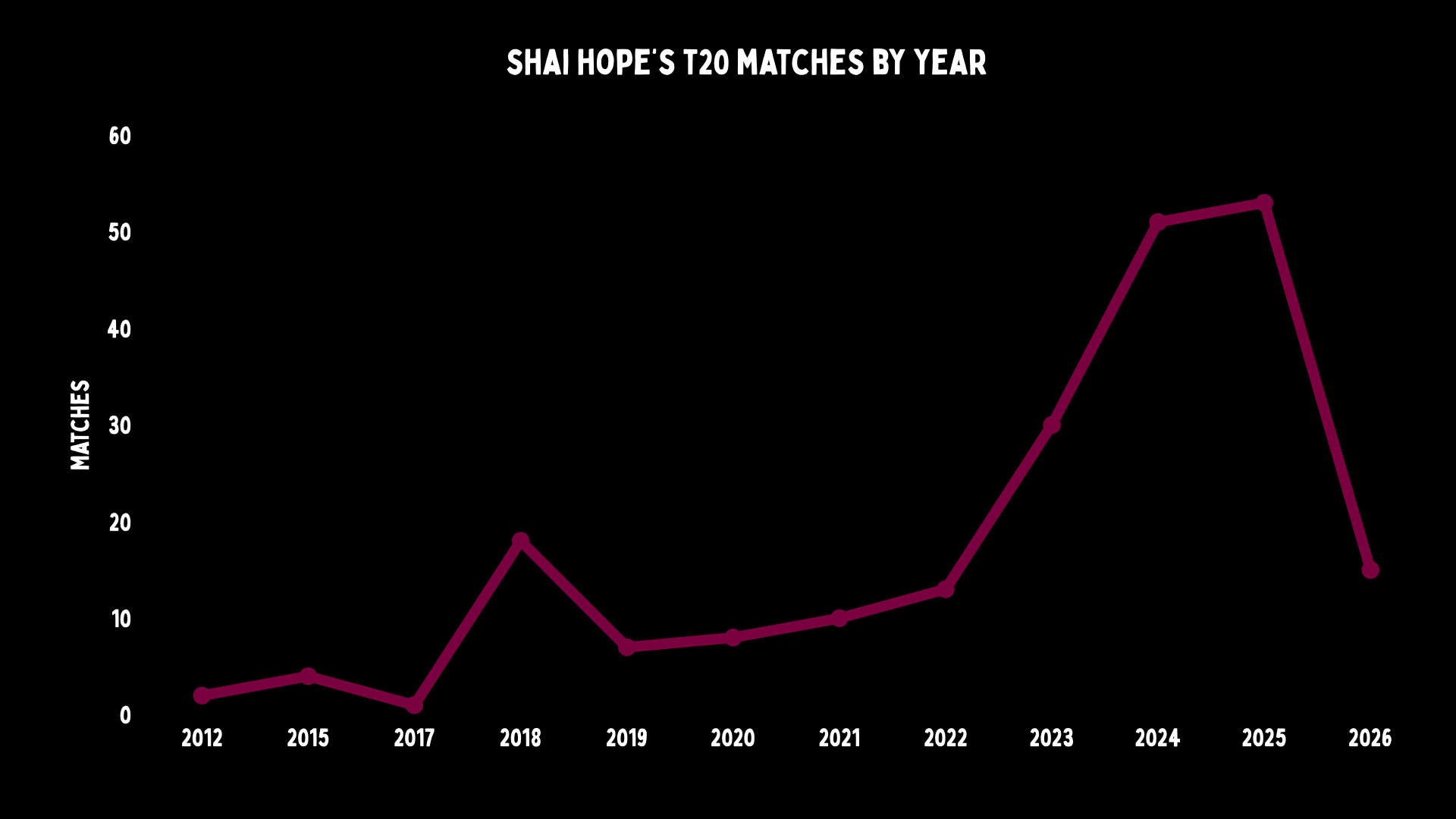
When he did play, it didn’t go great. The West Indies did try him, and it didn’t work either. Outside of a series against Bangladesh in 2018 (where he went nuts) and a couple of CPLs, he had just not scored enough runs, even though he batted in the top-order.
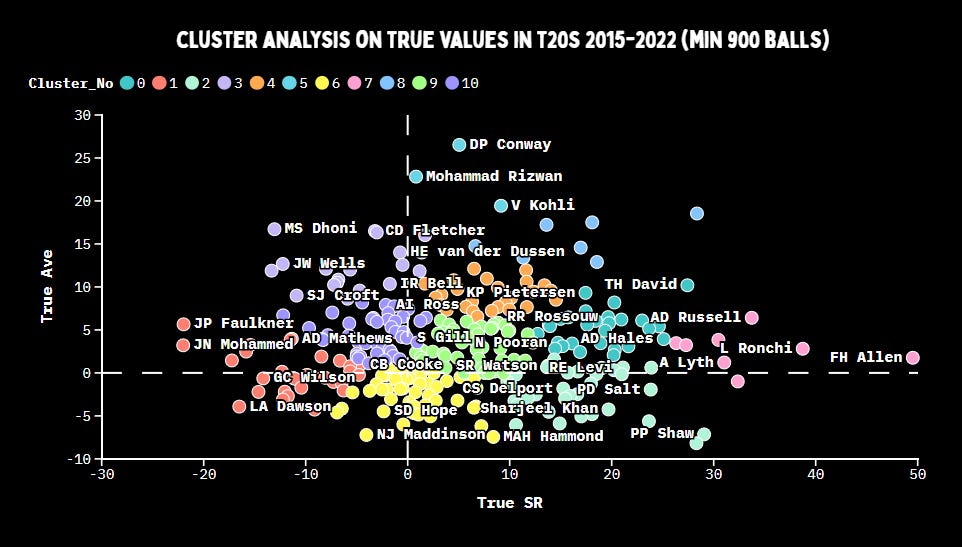
Up until 2022, he was a terrible T20 player.
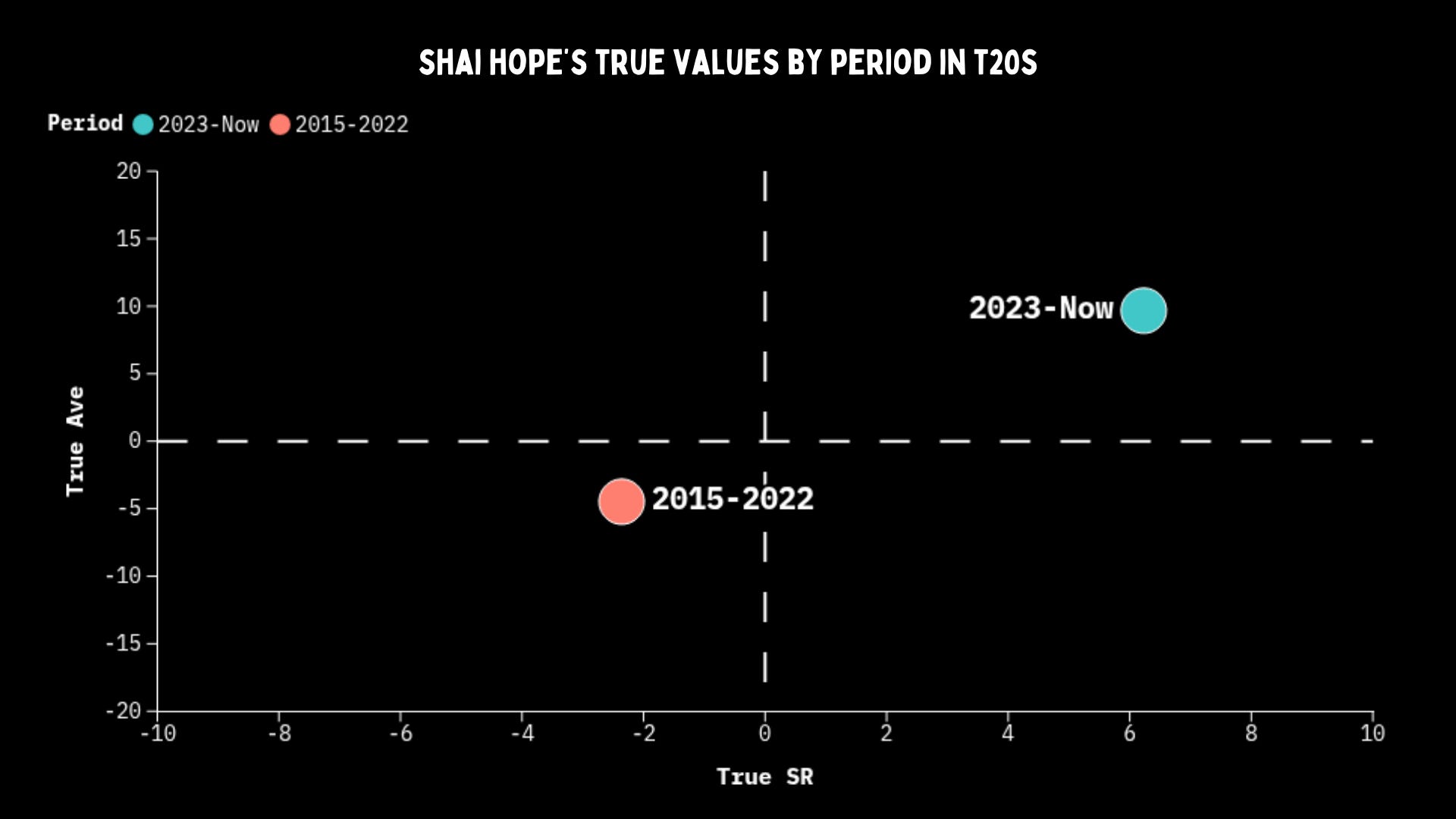
And since then, it’s been one of the wildest reinventions in T20 cricket. He made runs in the CPL, for the West Indies, and started collecting franchise gigs like crazy. IPL, BPL, SA20, PSL and the ILT20. The man was collecting acronyms like a madman.
No one is talking about that Test much anymore, because Shai Hope is the West Indies captain for this World Cup.
T20 comes at you fast. But for Shai Hope, it was a very slow burn.
***
Matt Renshaw was a naturally talented defensive player. Like David Warner, he was also picked to play Test cricket after limited experience at the domestic level. But he and Warner were poles apart when it came to their play styles. In 11 Tests, he struck at just 42, and even in first-class cricket he scores at less than three runs per over.
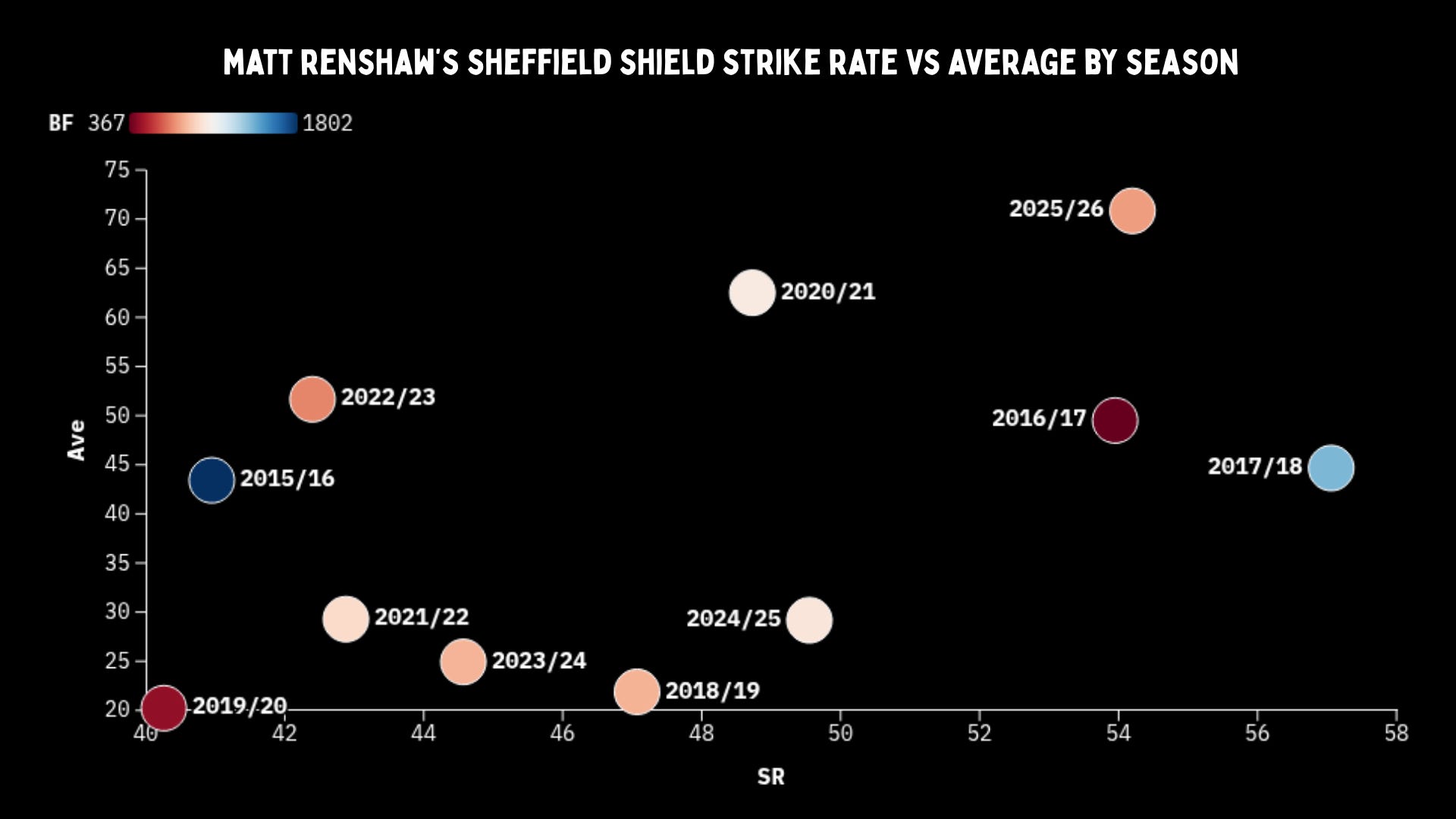
Renshaw seemed to barely have shots to play.
Renshaw was also an ok BBL player for a long time – six seasons of making some runs, but having little impact. He was clearly good enough to play, but too limited to star.
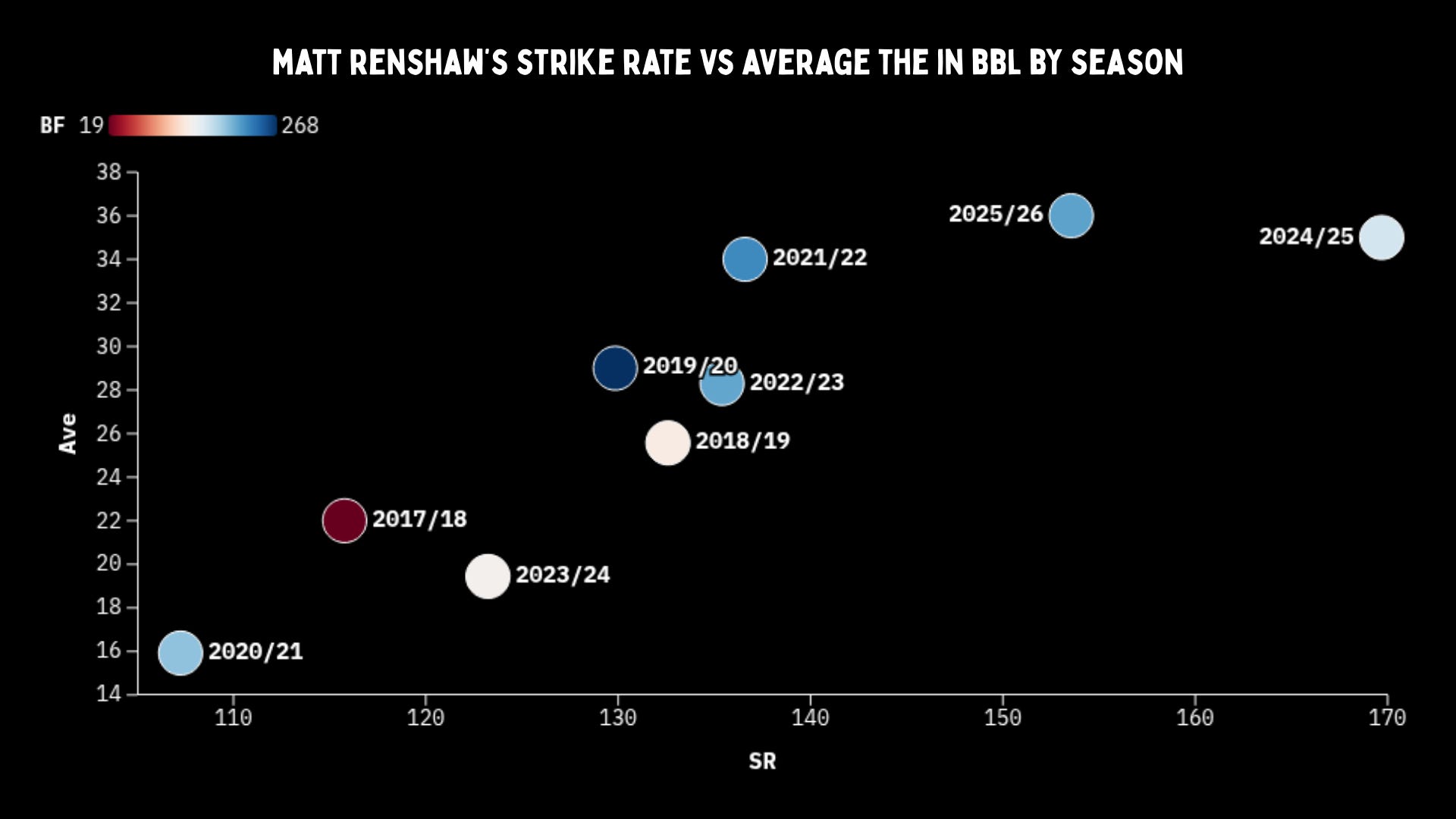
But in the last two seasons, he started hitting the ball everywhere. Australia, who never thought of him as a T20 guy, suddenly gave him a debut. He even plays in this T20 World Cup, and is the best batter against Zimbabwe. If you saw him at the start of his career to now, you’d know this was a whole new dude.
Renshaw is 29, which is generally in the range for peak batting years. But as a player outside of the Test team, what other choice did he have but to make some money in T20?
Shai Hope has a few things in common with him. He was also picked early for Tests, and he has been scoring faster across formats at a similar age curve, too. But the big difference is that if Renshaw didn’t make runs, Australia always had others to replace him with.
Hope kept playing Tests, even when it didn’t work. Plus, he was in the ODI team. Would he have had the same motivation to upskill as Renshaw, probably not. But clearly, something changed.
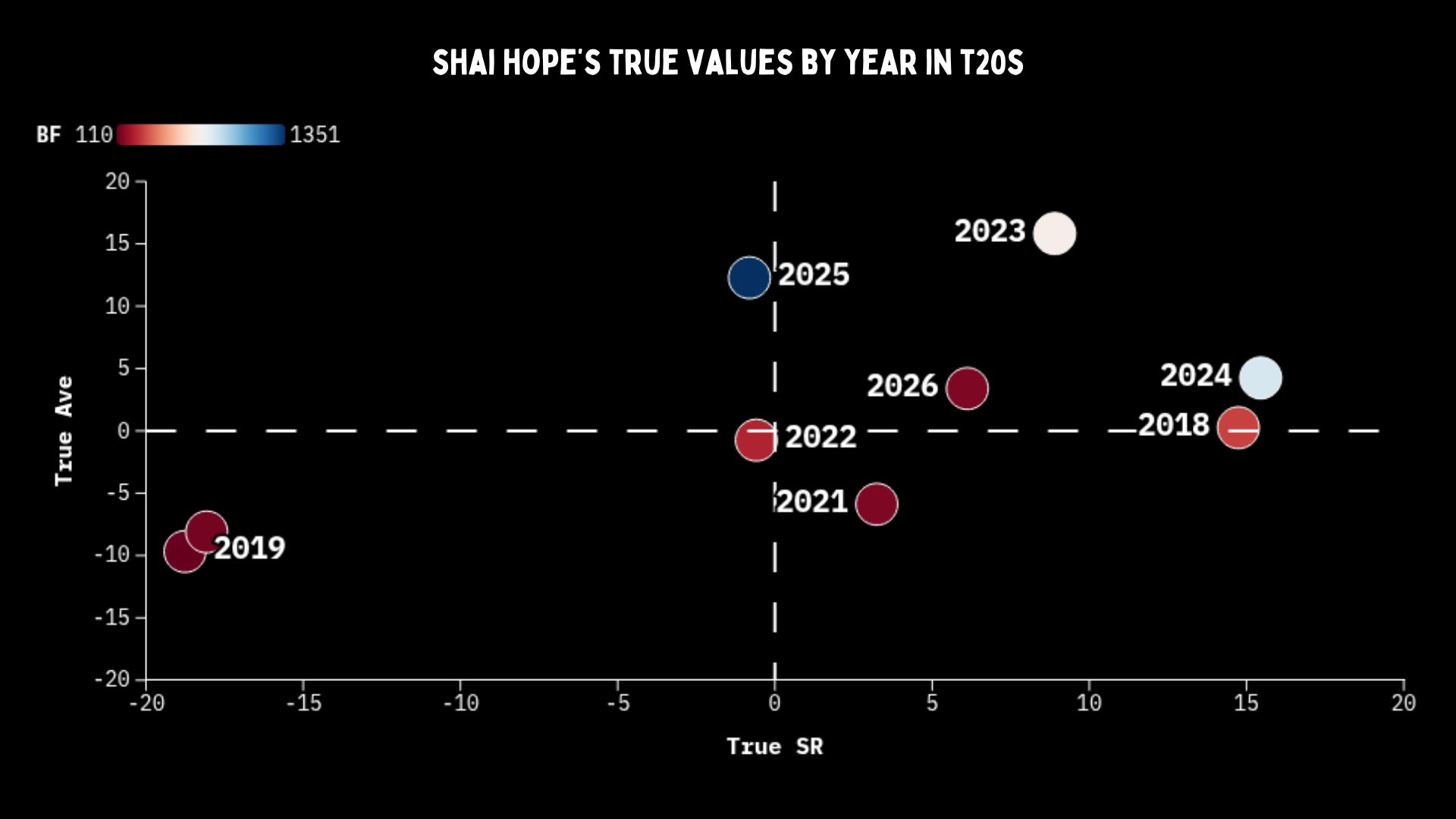
Because Shai Hope is nothing like before. 2023 was his breakout year. And it was a bit odd.
When the Khulna Tigers picked him in the Bangladesh Premier League, there wasn’t a lot of evidence to suggest that he was a great choice. He was basically neutral on both true average and strike rate in 2022, and 2021 wasn’t amazing either. As a group, we put our heads together to work out how this happened.
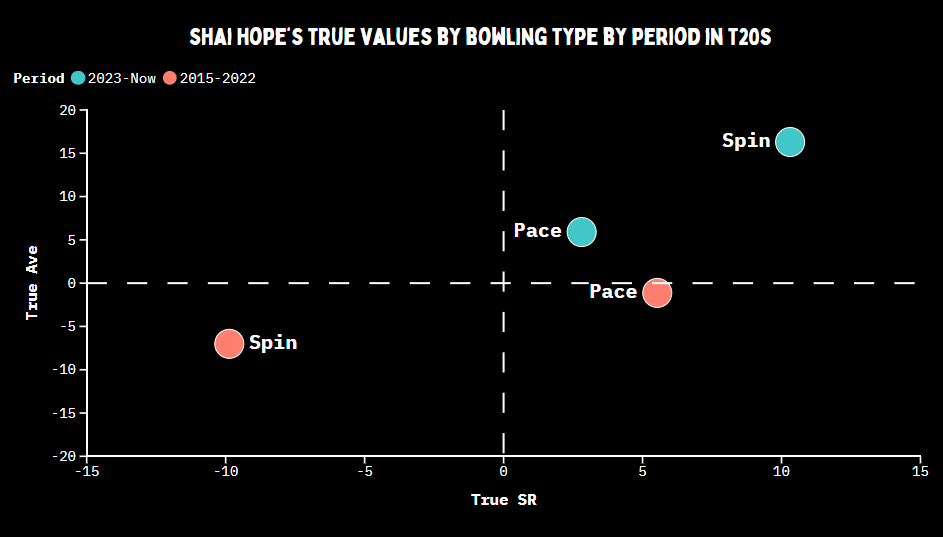
We thought one of the reasons could be because of his ability to play spin. But while he was great at accumulating slowly versus them in ODIs, his T20 numbers were far worse against it compared to pace. Maybe him having his best year at the CPL since 2018 helped his cause. And of course, he gives you flexibility because he can keep.
Trying to analyse the BPL of this period is tough, as not every team was picking players to win. Fixing was rife. Random players would turn up there and no one could work out why.
But let’s say the keeping played a part. Well, Hope didn’t start with the gloves.
Pakistan’s Azam Khan took the gloves. Hope played his first game of the season after the Tigers had two wins in five matches. But after three straight losses, Hope was made the captain, even though current skipper Yasir Ali was still in the playing XI. And a game after his captaincy debut, the West Indian also became the wicketkeeper as Azam Khan was dropped.
So Hope shouldn’t have been playing, was second-choice keeper and not even on the radar as a captain, and somehow he took over the gloves and tossed the coin.
It seems impossible this was the plan, it was more likely a weird and hilarious mess. A series of mistakes that worked. (Or didn’t work, I suppose).
But what stood out in Hope’s batting was his terrific scoring rate against spin. He struck at 161 against it, compared to 121 versus pace. He was also able to stay in for a lot longer against the slower bowlers; only Shakib Al Hasan outperformed him.
Clearly, people noticed.
Hope also got a PSL contract with the Lahore Qalandars after that BPL. Although he only played three matches, he kept wickets in all three. He also returned to the T20I side in the series against India in August, where he played a couple of quick innings. But CPL 2023 is when he really arrives, averaging more than 50 at a strike rate of 140. Those are elite numbers for an anchor-type batter, especially because it’s a much slower-scoring league than most.
And from there, Shai Hope is in the IPL.
A phrase I never thought would or could be uttered.
We can’t work out why he was in the BPL in 2023, and a year later he’s in the IPL.
It was like the cricket world was told Shai Hope was good on the sly, and they all believed it.
His first IPL season was when he played for the Delhi Capitals. It wasn’t a great tournament for him, but he went really full on with the sixes. He hit 5 boundaries off 17 balls against Mumbai Indians, all of which were sixes. Beforehand, he played cricket like he was allergic to the number six. .
But while it makes no sense that he was chosen in the BPL, clearly that was the year this changed. He had a true average of 15 and he struck at almost 9 runs quicker than expected. 2024 was even quicker, but it came at the cost of some consistency. 2025 was another solid year, albeit slightly on the slower side.
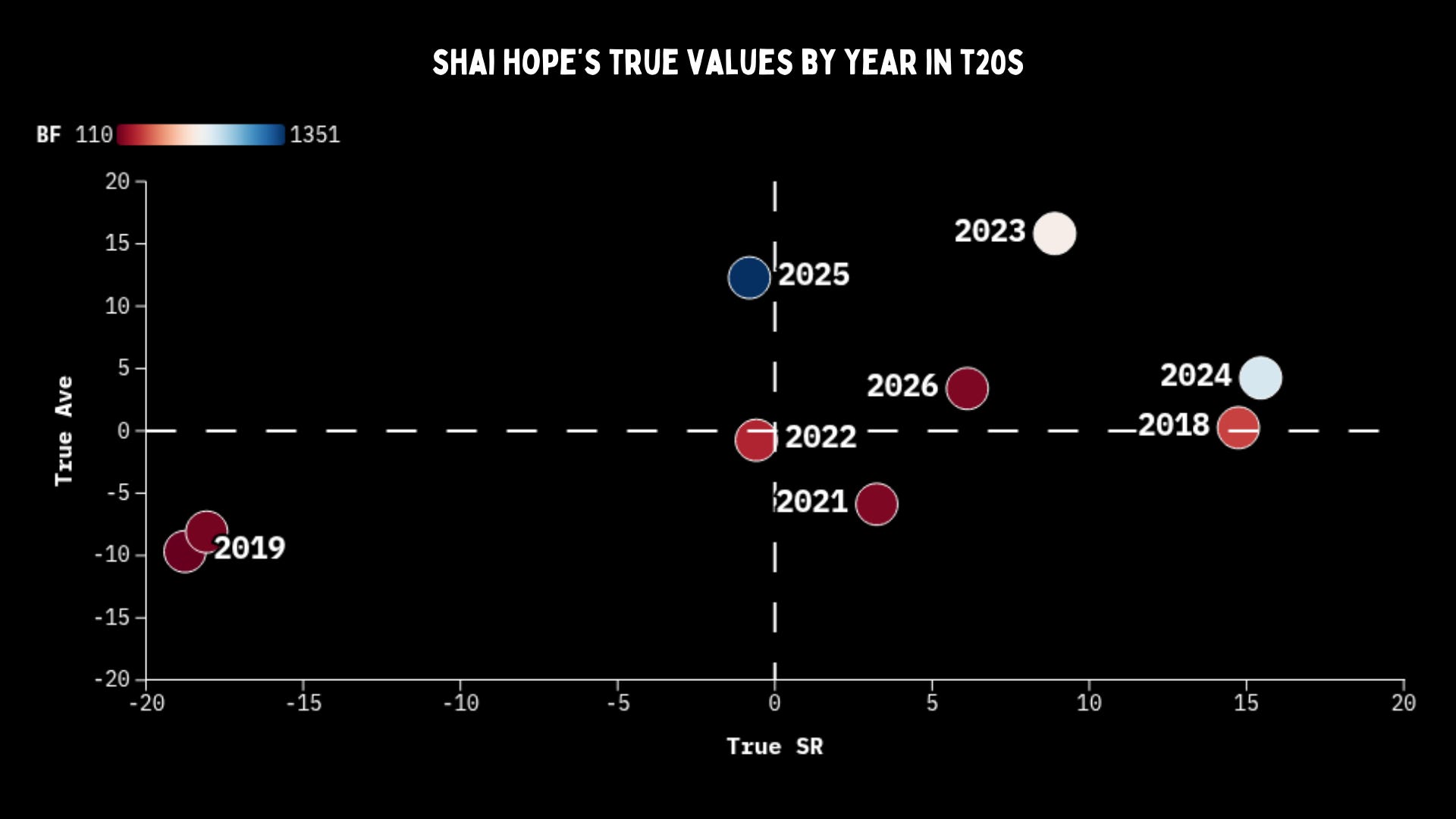
The proof of why he was picked almost came after the decisions. But the thing that really elevated him was his play of spin.
Till 2022, he was good at avoiding dot balls and taking singles, but boundaries weren’t his thing. He was 22% worse than expected at hitting fours. The upgraded version is just better at everything apart from 2s and 3s, though the real game-changer, of course, is his ability to clear the ropes at will. He’s still a bit under-par when it comes to fours, but the sixes make up for it.
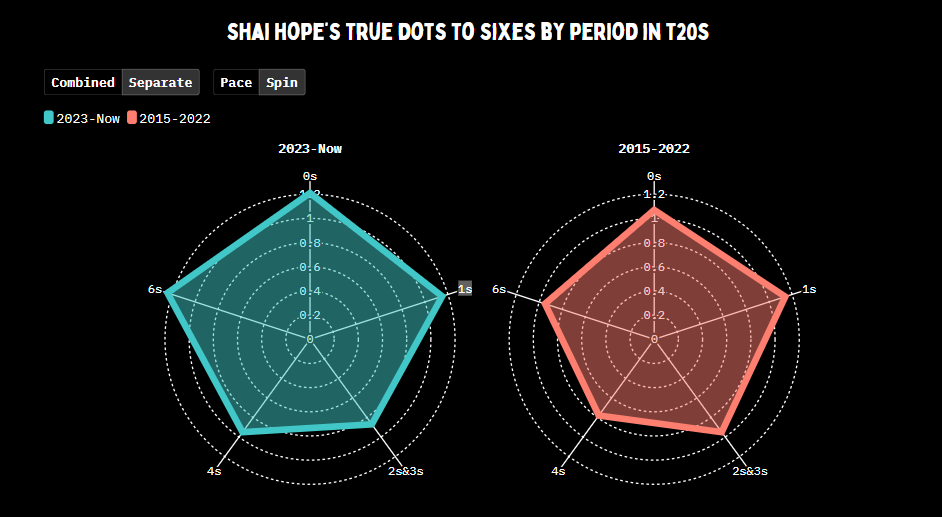
He’s slowed down against quicks, but keeps himself in for the spin. Versus the quicks, he’s become a much better strike rotator and plays even fewer dots than he used to. Before he hit the rope, now he clears it.
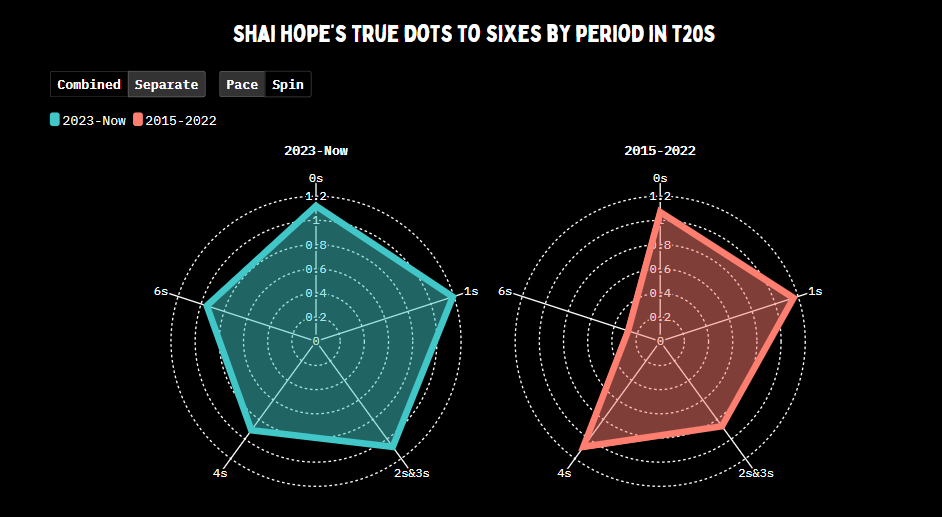
He’s simply faster now in every part of the game before the death overs.
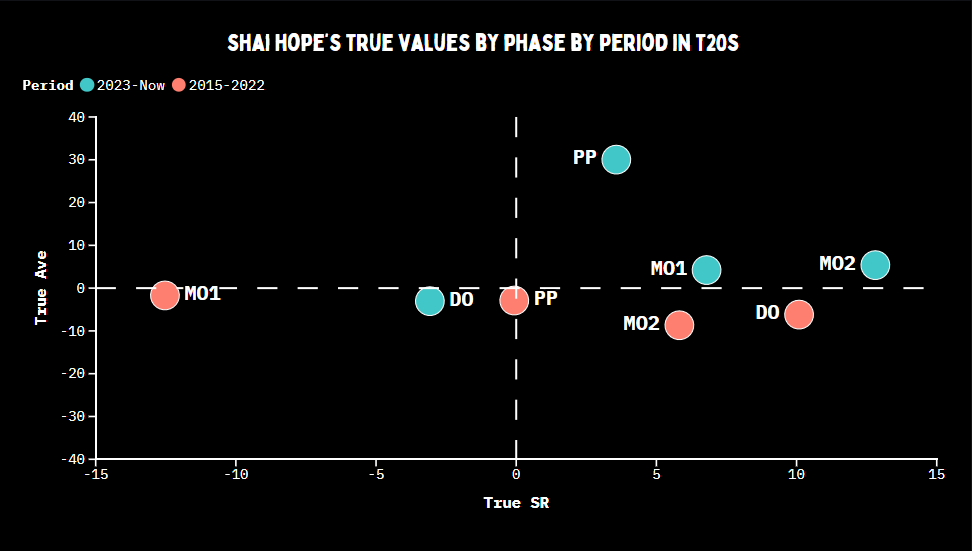
It’s still the template of an anchor, but because he’s more comfortable against spin, his innings progression is different from a traditional version that slows down after the powerplay. Hope keeps getting faster.
Perhaps even before he was picked in the BPL, it was that ability to keep going against spin that people saw. But we doubt that, we think it was just dumb luck he was chosen, and now he is playing the way he always should have.
But it is hard to analyse all this. It was like someone stumbled onto the crease by mistake, only to hit the winning runs.
***
December 2025. West Indies are chasing 531 in the fourth innings. The win is obviously out of the question, but will they be able to bat time in a world where Bazball is in vogue? Shai Hope again comes in when it’s a bit tricky at 25/2. By tea on the penultimate day, they’re four down.
The match will be remembered for Justin Greaves’ double and Kemar Roach’s lower-order vigil. But that was built on the back of Hope’s 140 off 234 deliveries. Interestingly, it’s not even his only epic Test effort since his comeback. Even in India, Hope and John Campbell make 100s after the follow-on was enforced, making the hosts bat again.
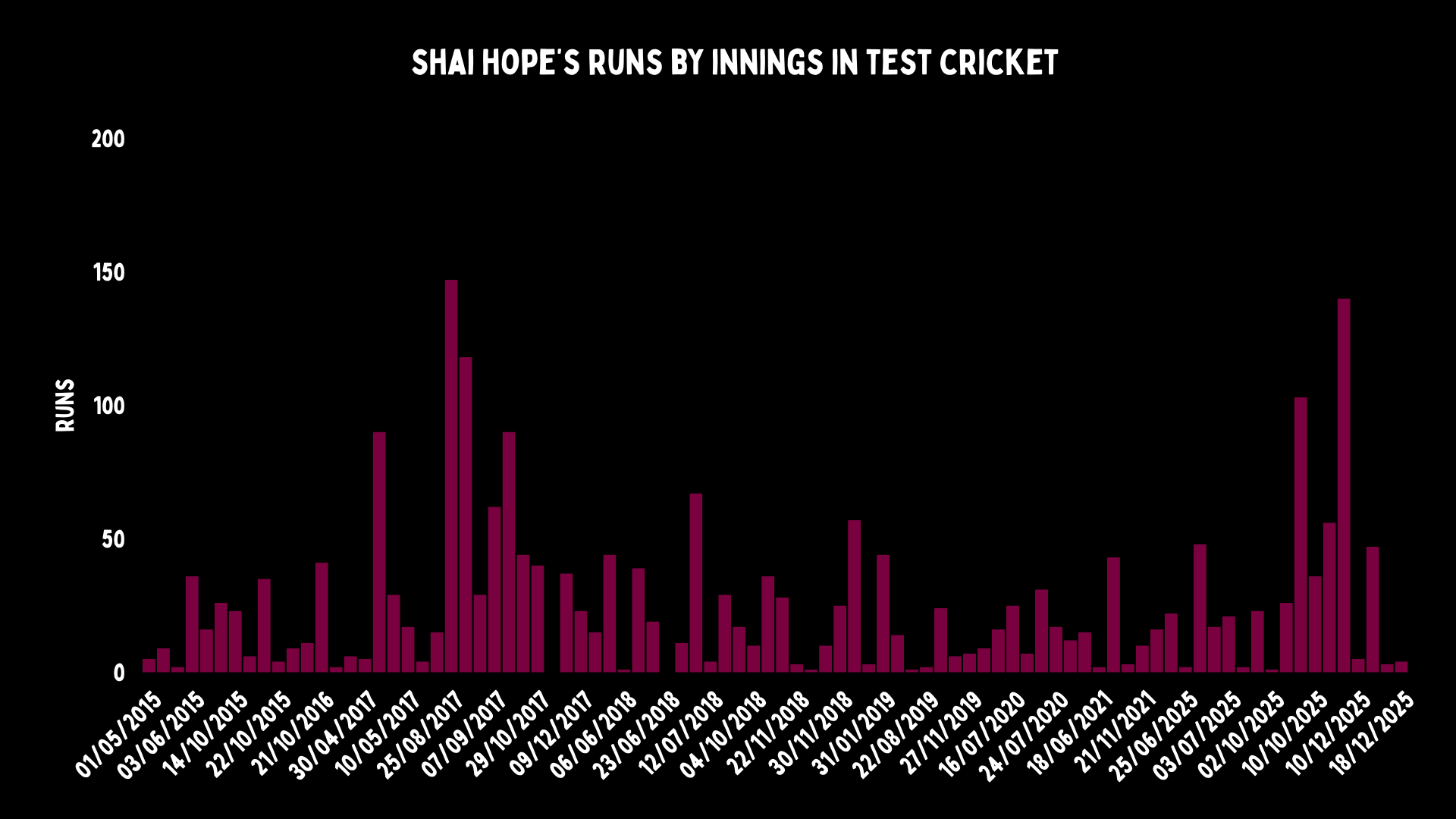
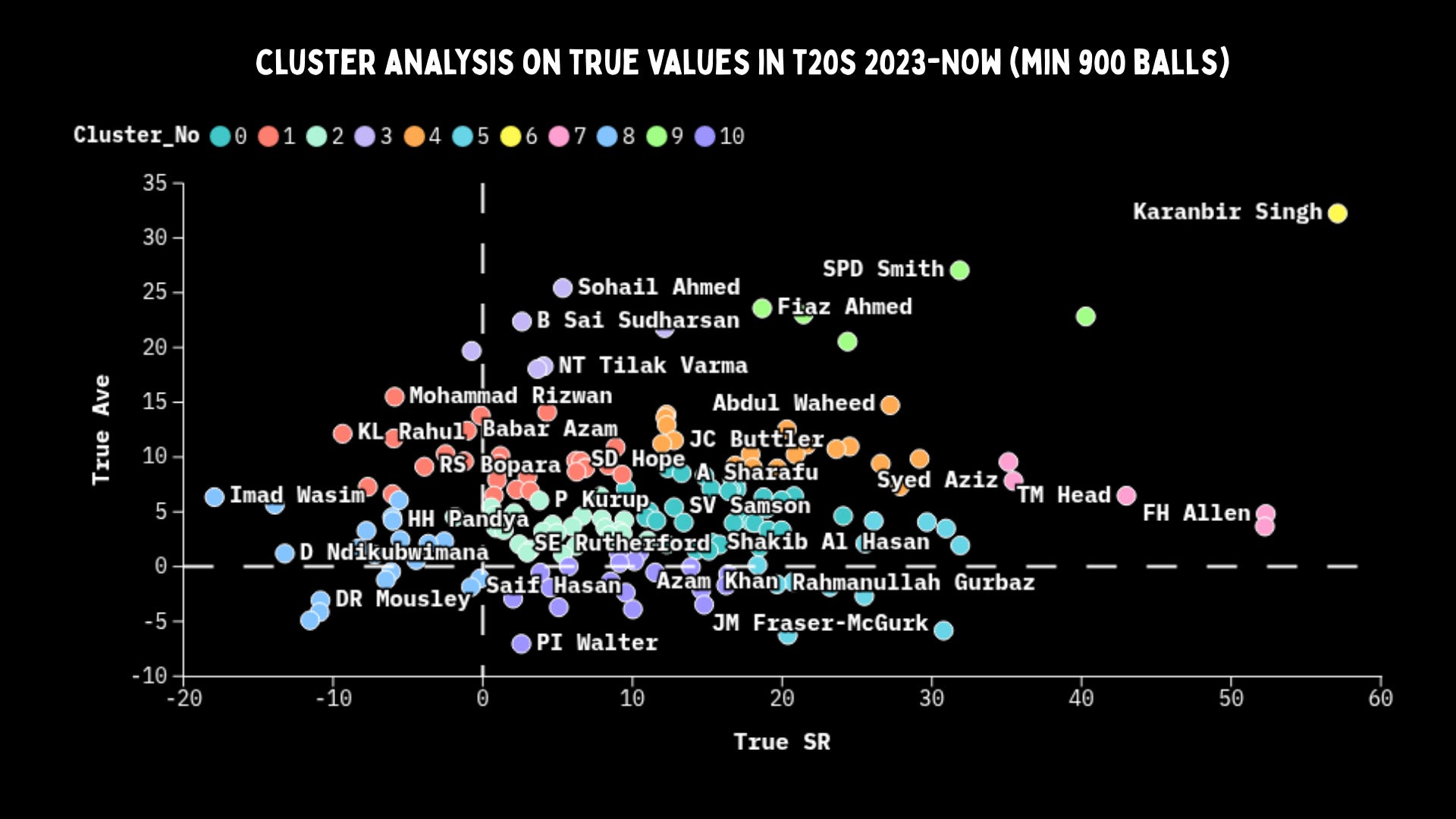
In all three formats, he is better now.
We’ve talked at length about the rise in his T20 game, and we can see David Warner next to him. Yes, it’s the late-career version, but would we have ever guessed they’d be mentioned in the same line?
It also coincides with his evolution as an ODI batter. His nearest neighbours now are Daryl Mitchell and Kane Williamson, and this time he’s even more consistent despite scoring faster. But he’s been around the ODI team for a long time now. It’s worth looking at where he sits in the conversation for the greatest West Indian batters in this format.
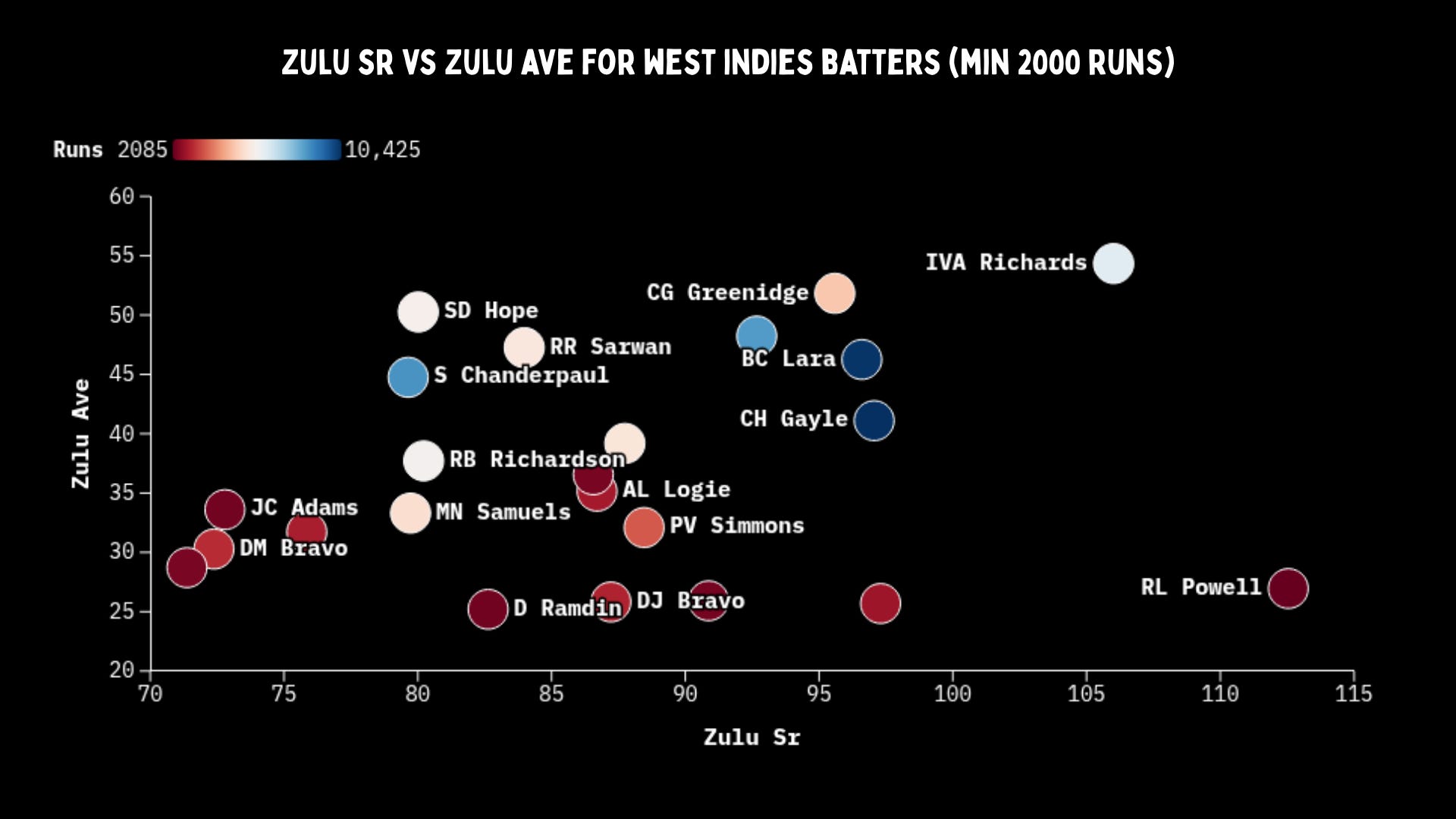
The only batters who average more than him on the Zulu numbers are Viv Richards and Gordon Greenidge. But his strike rate is a step back from the likes of Brian Lara, Chris Gayle and Desmond Haynes. He’s more in the Chanderpaul, Sarwan territory when it comes to speed. But he’s not done yet.
And maybe he isn’t in T20 either.
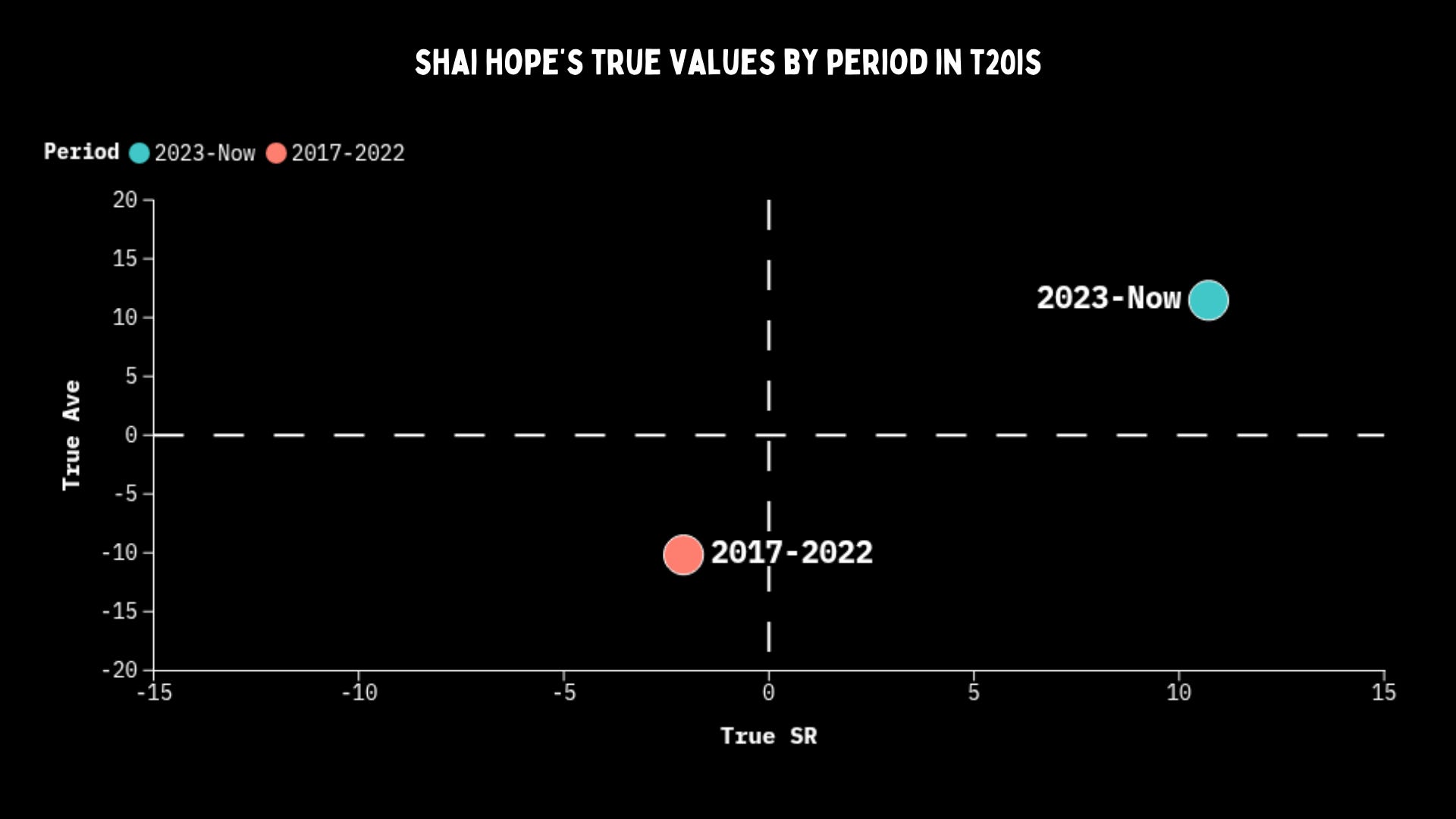
Once upon a time, he was not good enough to play in the CPL. Now, he’s the West Indies captain – scoring quick and often, and hitting sixes.
Despite going undefeated in the group stage, West Indies are not expected to win this T20 World Cup. But they are led by a man who was never expected to be a T20 player.
And look where Shai Hope is now.