
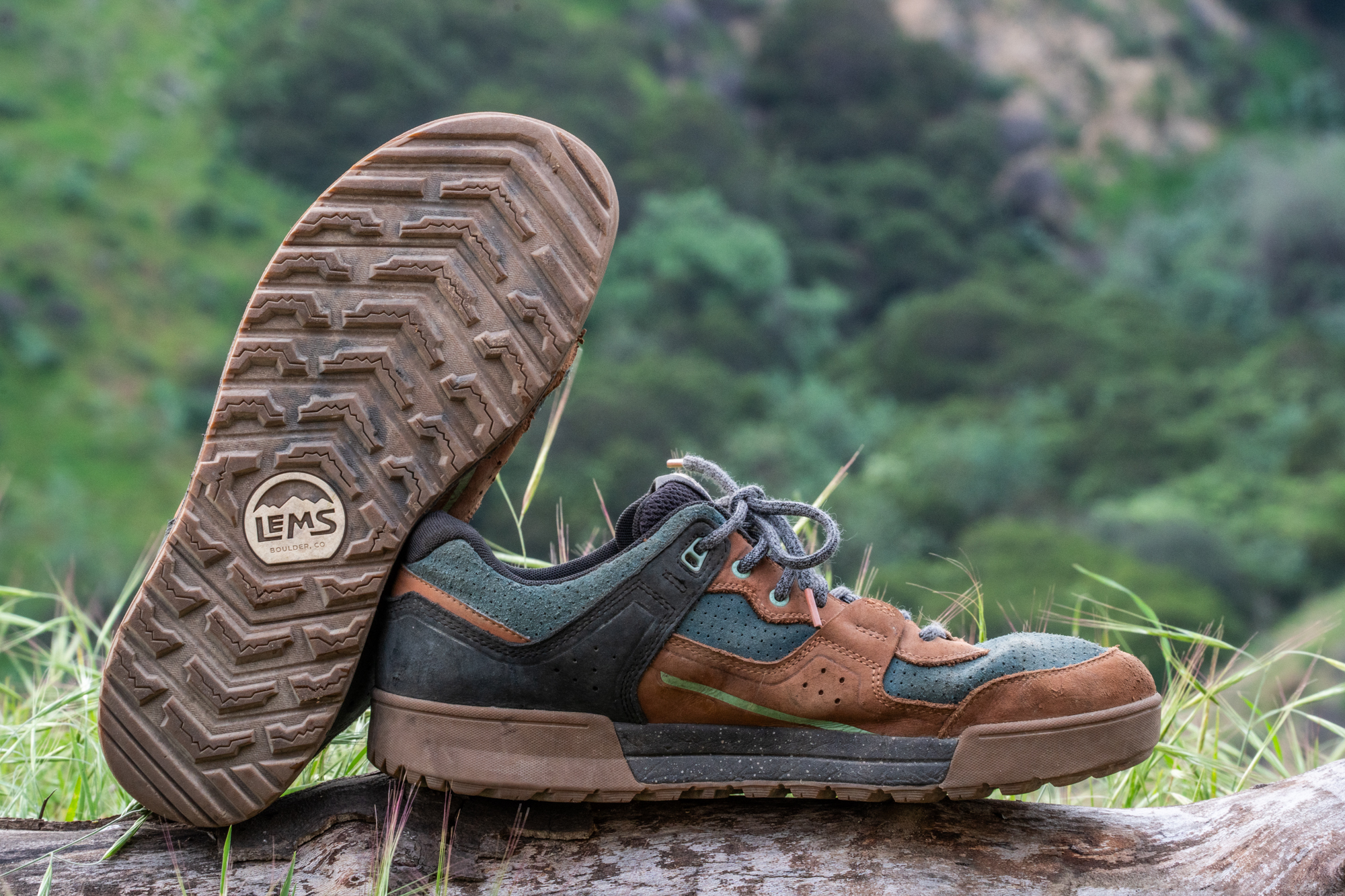
Wide-toebox hiking shoes are relatively new. Wide-toebox cycling shoes are even newer. And wide-toebox flat-pedal shoes may not have existed before the Lems Trail Thrasher. Despite some nitpicks, Travis now finds it hard to wear anything else.
I have a shoe problem. My career in bike media gives me access to an essentially unlimited supply of new and diverse footwear. And each one has its own pros and cons depending on what kind of ride I have planned. That makes it hard to get rid of any of them. In fact, even if I wanted to, it’d still be hard. Plenty of my friends would love a pair of gently used kicks, but none of them wear a size 48 (aka 13-ish). That’s my other shoe problem. Very few brands make half sizes for people like me. I’ve spent much of my life in ill-fitting shoes. So, when something works for me, it’s very special. And the Lems Trail Thrasher works for me … mostly.
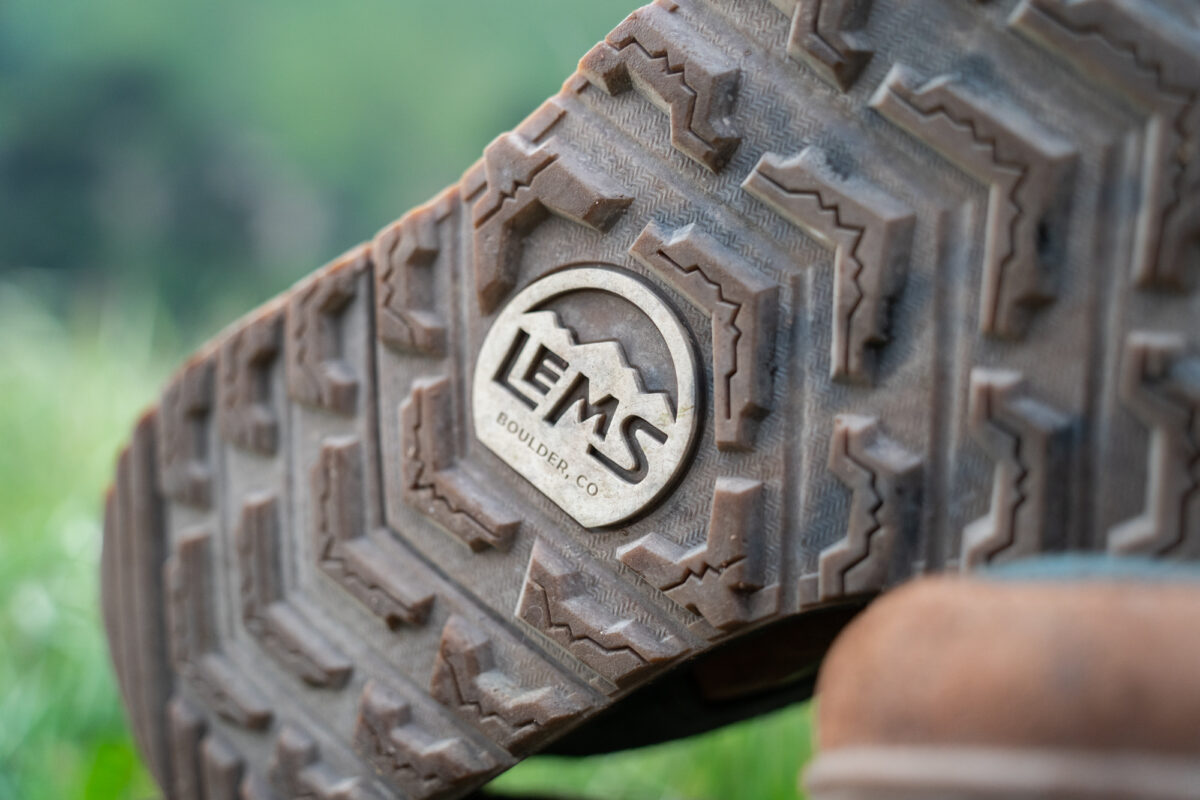
I hadn’t heard of Lems until Hailey Moore forwarded me their offer to send a new pair of flat-pedal shoes for review. Based in Boulder, Colorado, Lems has a broad portfolio of outdoor-oriented footwear. They make sandals, trail-running sneakers, waterproof boots, plus a number of casual models. But they launched in 2011 with the minimalist “Primal,” which was an evolution of the barefoot shoe concept. These have flexible, thin, and flat (“zero-drop”) soles. The idea is that the human foot is already pretty good for walking. You don’t need to do all that much to help it. And more importantly, you shouldn’t do anything to hurt it.
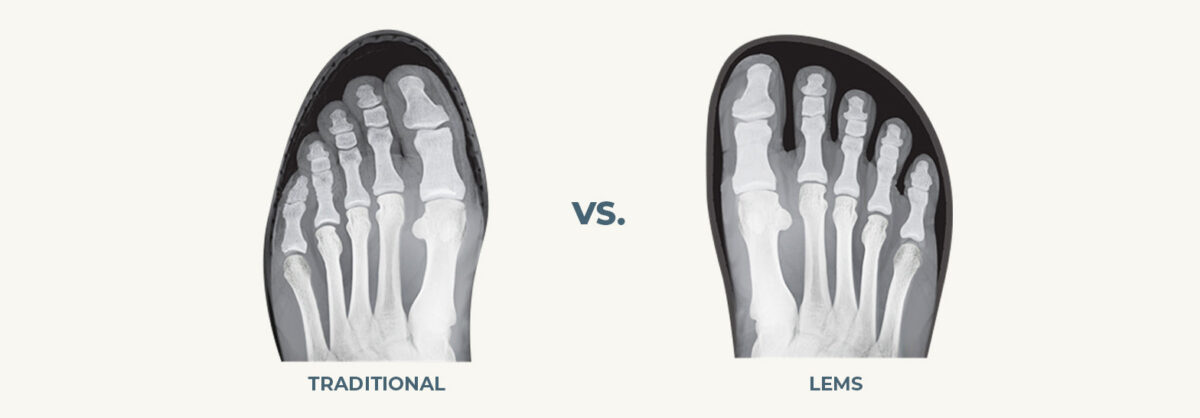
Another tenet of the barefoot concept is the wide toebox. For whatever reason, traditional shoes tend to squeeze our toes together. That effect is most drastic when weight on the forefoot would otherwise spread our toes out. Cycling shoes are especially guilty of this, even most flat-pedal ones. Maybe it’s a vestige of the sleek clip-ins that still dominate the racing scene, maybe it’s a fear of widening our q-factors. But arguably, this makes even less sense for cyclists than for runners, because we concentrate all our weight on the forefoot. So, I made room in my crowded shoe collection for a pair of Trail Thrashers.
Lems Trail Thrasher Quick Hits
- Wide toebox design
- Flat, zero-drop sole
- 16mm stack height
- 4mm lugs
- Nubuck suede uppers with polyester lining
- EVA midsole
- Women’s available in 6 – 12 (including half sizes)
- Men’s available in 4.5 – 13 (including half sizes), and 13 – 15 (whole sizes only)
- Size 13 tested – fits true to size
- Claimed weight for size 10: 13.4 oz
- Confirmed weight for size 13: 16.6 oz
- Waterproof / Vibram-rubber version available for $175.00
- Standard version (tested): $155.00
Lems Trail Thrasher Design
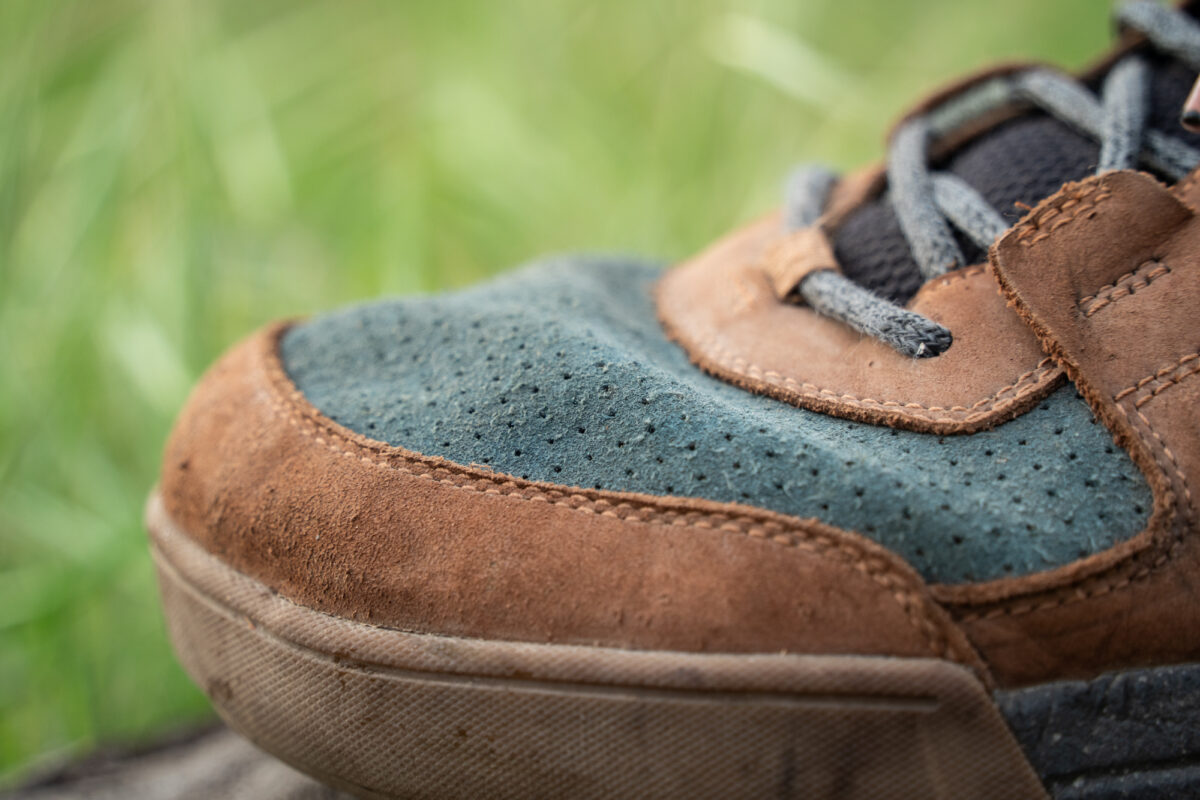
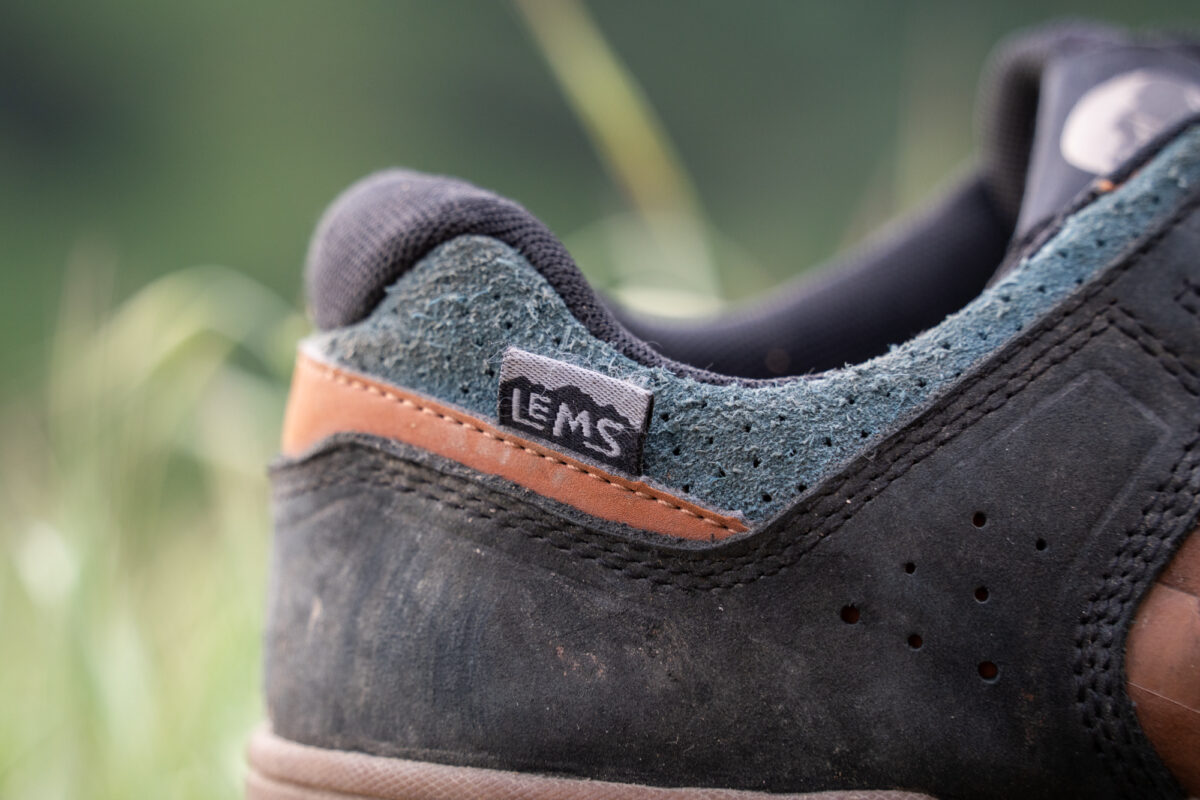
The uppers’ construction is what you might expect from a hiking brand. It’s mostly nubuck leather, a slightly more durable suede. And the build feels similar to that of a rugged but mid-weight running shoe. The panel over the toes is supple and perforated, there is no ankle protection, and only minimal toe protection. The Trail Thrasher is not loaded with cycling-specific features. And there’s a reason. It wasn’t conceived as a cycling-specific shoe, evidenced by the outsole’s deep lugs.
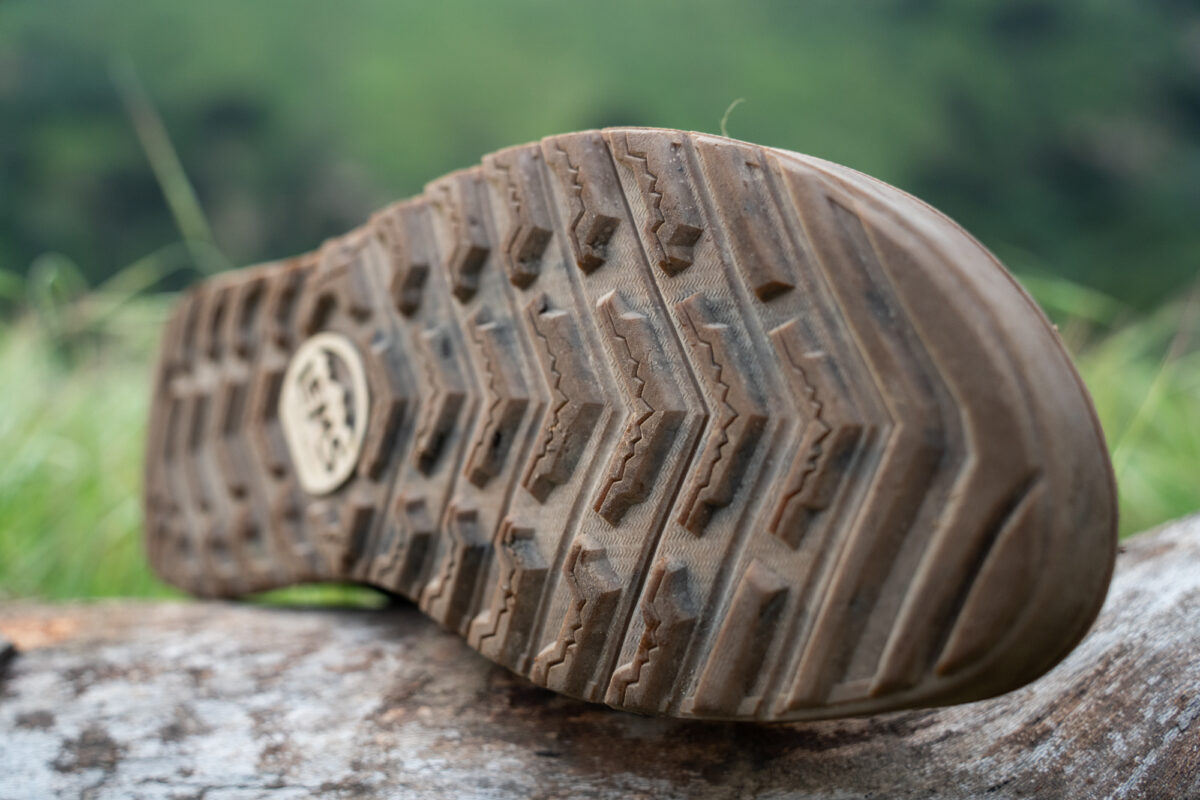
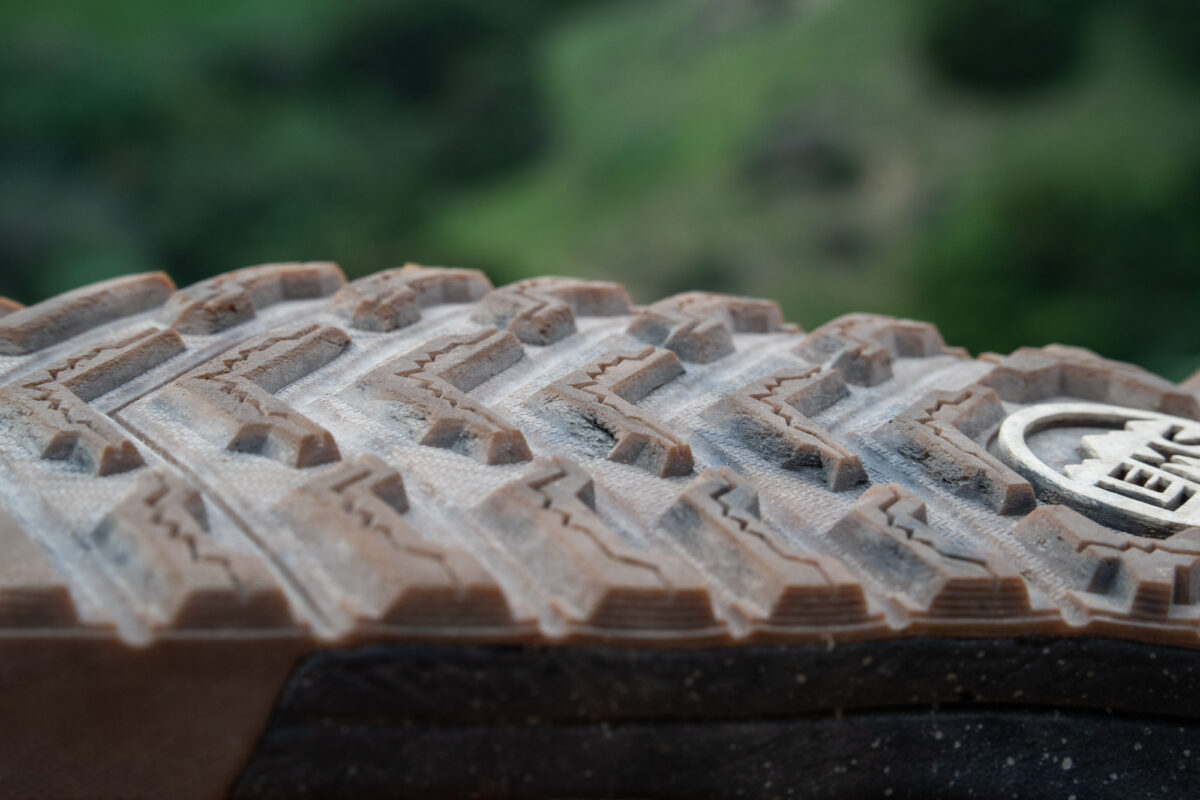
The original intention was to offer Lems’s wide-toebox and zero-drop design concepts, but with a blend of hiking, casual, and skate aesthetics. A few similarities to flat-pedal shoes started to emerge in the process, so Lems kinda retconned the Trail Thrasher’s messaging towards being a hybrid hiking / biking shoe. But the tread pattern was still firmly planted in hiking. In fact, it’s the same design used on a handful of other Lems shoes with zero mountain-bike verbiage in their marketing language. The lugs are 4 mm tall and 12 mm apart. Compare that to the ubiquitous Five Ten round lugs, which are 2mm tall and 5mm apart. Shimano and Ride Concepts pack their hexagonal lugs even tighter together. You don’t need me to explain why pedal pins will grip this kind of surface better than they would a surface designed for sinking into loose dirt. But a wide-toebox flat-pedal shoe has so much potential, I had to try them. And they are heaven to wear.
Lems Trail Thrasher Fit
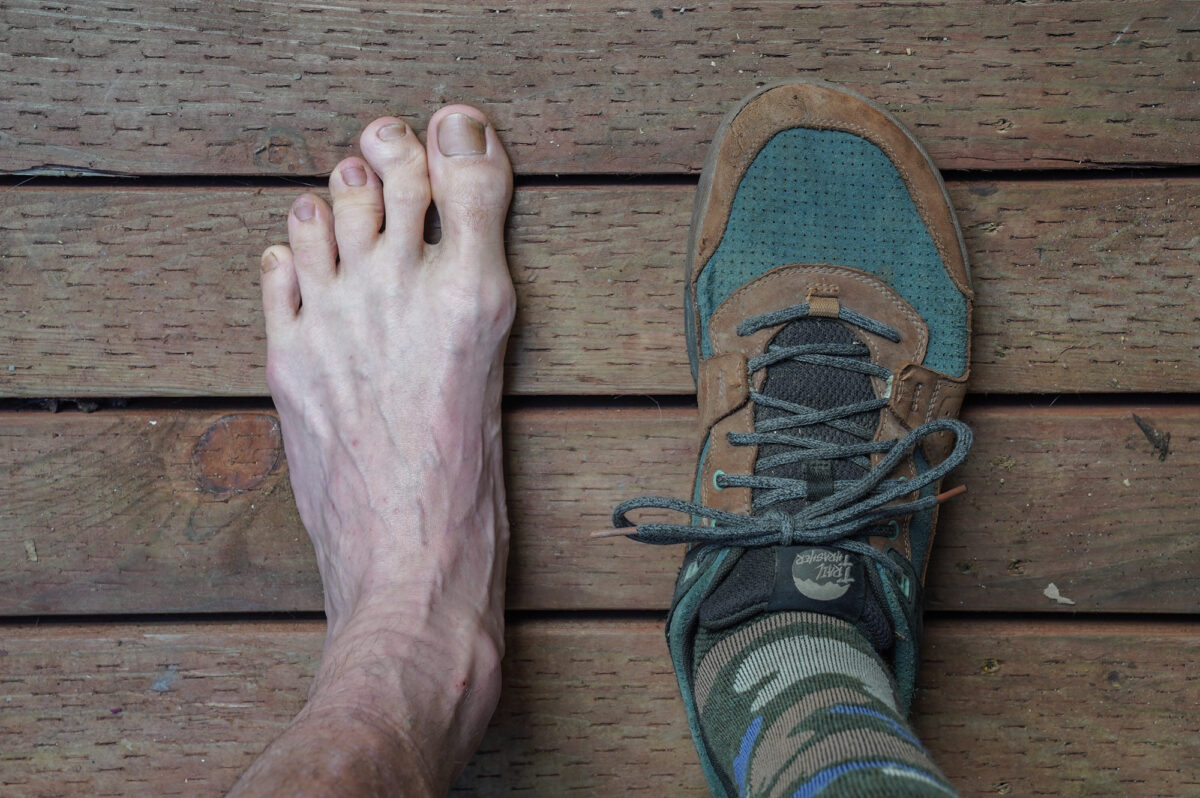
I spend most of my day in Vans slip-ons. I’m actually wearing them as I write this. But if I think about it, I can feel the flesh between my toes being gently compressed. It’s not painful. It’s just something most of us just get used to. I was wearing these Vans when the Trail Thrashers arrived. The moment I swapped them out, I knew there was something to this. That gentle compression was gone. My toes were still touching, but I swear I could sense that the gaps at the bases were open, and breathing. My toes filled the tip of the shoe naturally. They spanned from edge to edge, but based on their own shape, not the shoe’s shape. And yet, the shoe still fit securely. I’ve tried a few “wide” sizing variations when brands offer them, but I don’t have a disproportionately wide foot. So, the front ball of my foot could shift. That’s not so with the Trail Thrasher. Everything is just nestled in there. Organically.
And there were performance benefits when walking, if you can consider walking a “performance.” The micro-motions required for keeping balance or changing direction didn’t force my toes tighter against one another. A testament to the barefoot movement that begat the wide-toebox concept, these shoes felt like they were working with my body, not against it. They quickly became my go-to for my morning stair walks or my trips to the grocery store. But it was over a week before I took them on a proper ride. It had just rained, and conditions were premium. I worried the unorthodox outsole would cause frustration on an otherwise perfect day. Yet when I finally took the leap, they actually were not bad.
Lems Trail Thrasher Ride Impressions
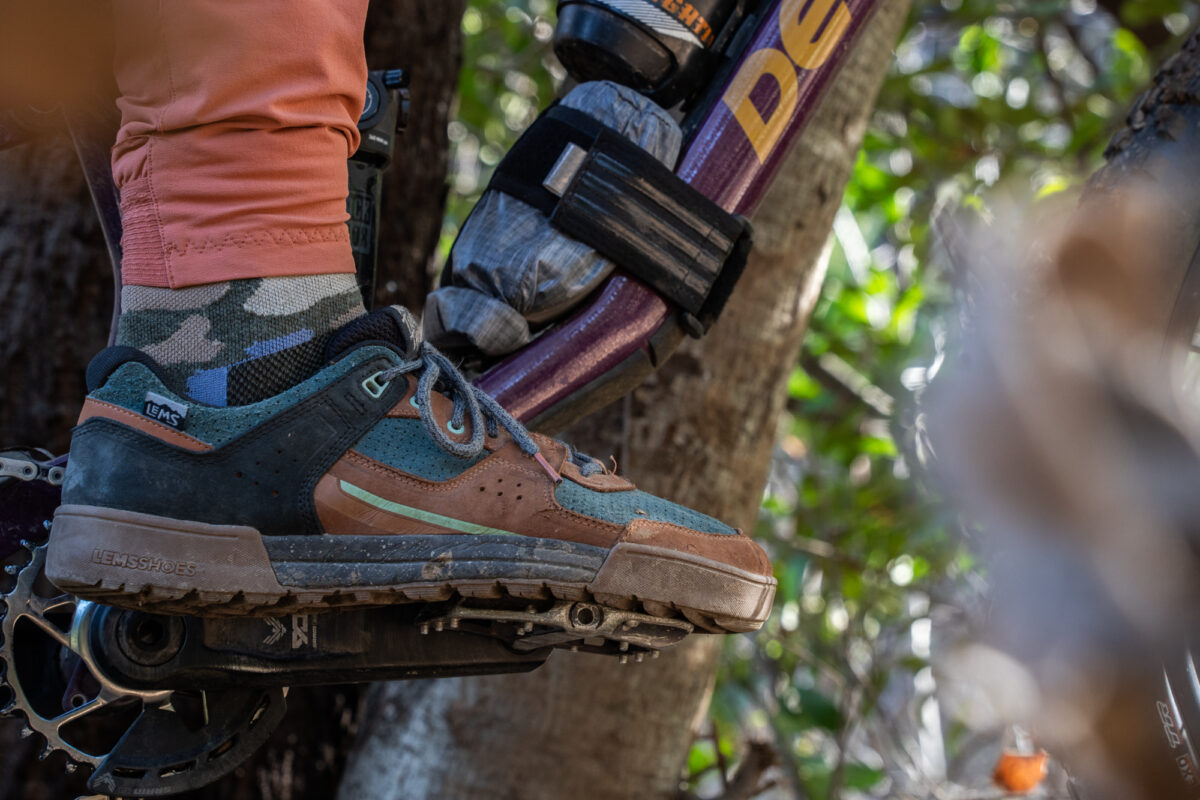
“Not bad” isn’t a glowing endorsement. What might be a glowing endorsement is that these shoes offer enough perks that I will continue to regularly wear them long after this review is written. That’s not true of half the shoes I covered in my BOA flat-pedal-shoe round-up. All the benefits I described above apply nicely to cycling, often more so. But I’ll get my complaints out of the way first. Primarily, this tread pattern makes it hard to find a “home” when first stepping on the pedals. They’re quite floaty while pedaling uphill. The moment the weight shifted off them during the crank’s upstroke, my foot would sometimes move slightly. And it took a conscious response to get it back in place in time for the downstroke. I eventually stopped stressing about it, realizing that the subtle shifts actually had minimal impact on my body’s overall ergonomics. And I definitely never came close to slipping off, even on manic, technical climbs. It was not ideal, but it was manageable. It’s a lot like any other compromise you’d make when choosing gear. That outsole left me a bit unmoored when climbing in the pedals, but did have its benefits when climbing on the ground.
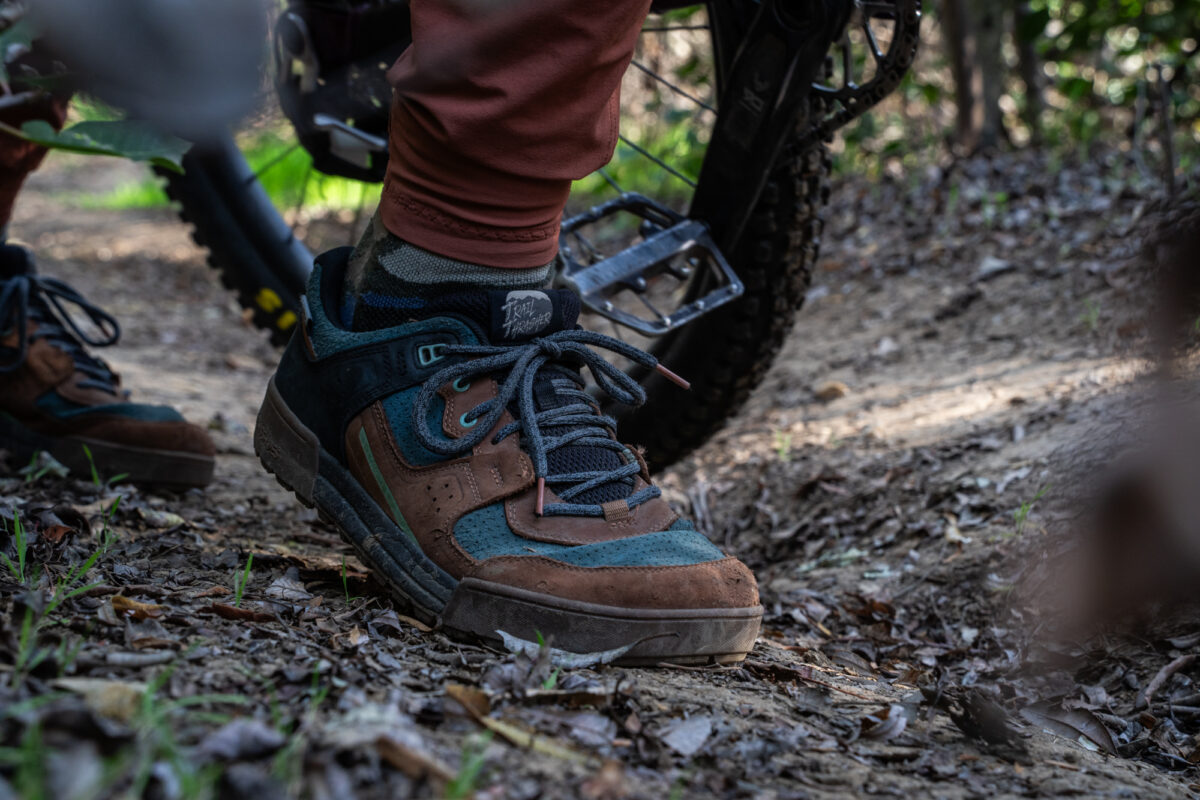
I do a fair bit of hike-a-biking. It’s often the most efficient way to get from trail A to trail B. It also takes me places most mountain bikers don’t see. But it puts me on uneven, unpredictable earth. I’m usually on the shallow, dense lugs that I missed so much when pedaling in the Trail Thrashers. But I did not miss them when trudging through Bear Canyon, Dark Canyon, or Grizzly Flats. In the same way you don’t need me to tell you why smooth tread is better for pedals, I don’t need to tell you why the Trail Thrasher’s tread is better for dirt, rocks, and roots. I could scramble up steeps more easily, and I could maintain more momentum because I didn’t have to be so careful where I stepped. Unless I stepped in water, that is. As someone used to light, thin, synthetic uppers, I found the Trail Thrasher’s natural leather didn’t like to get rid of water. Other shoes would at worst leave me feeling like I’m just extra sweaty a half hour after being submerged. But the Trail Thrashers remained audibly squishy until the ride was over.
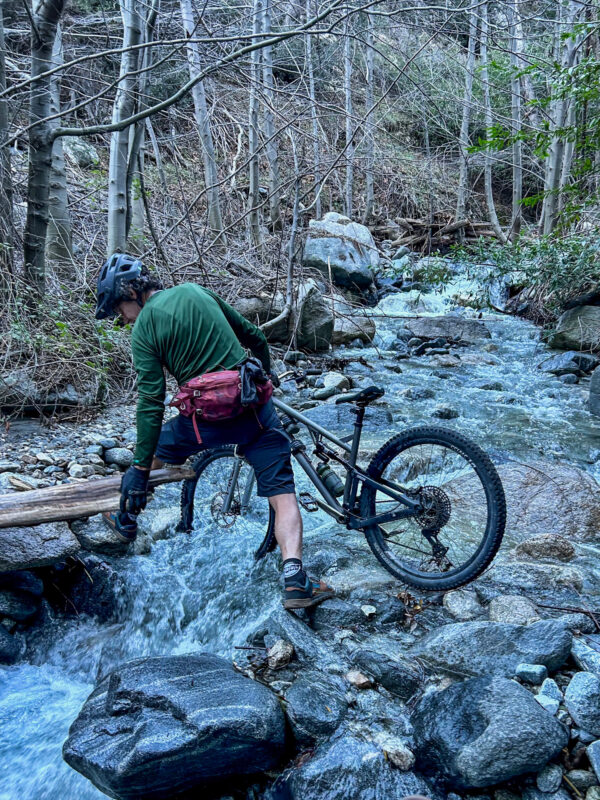
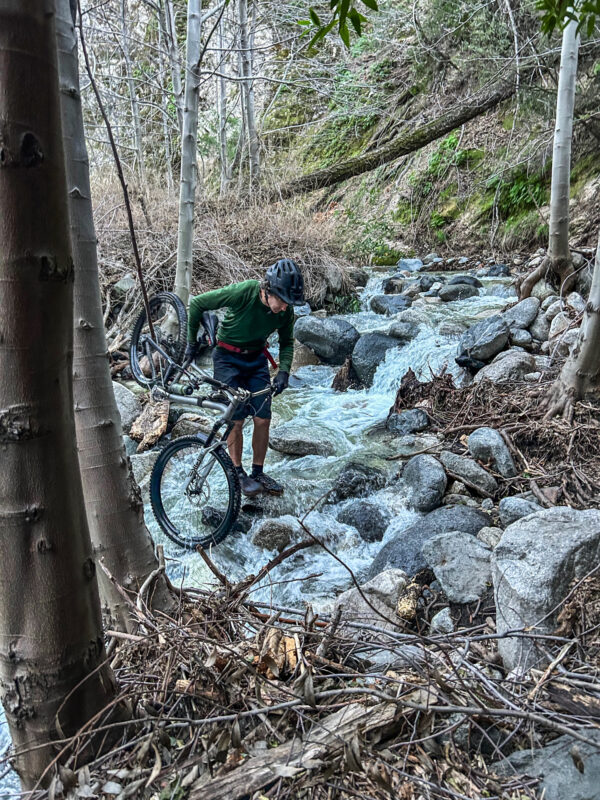
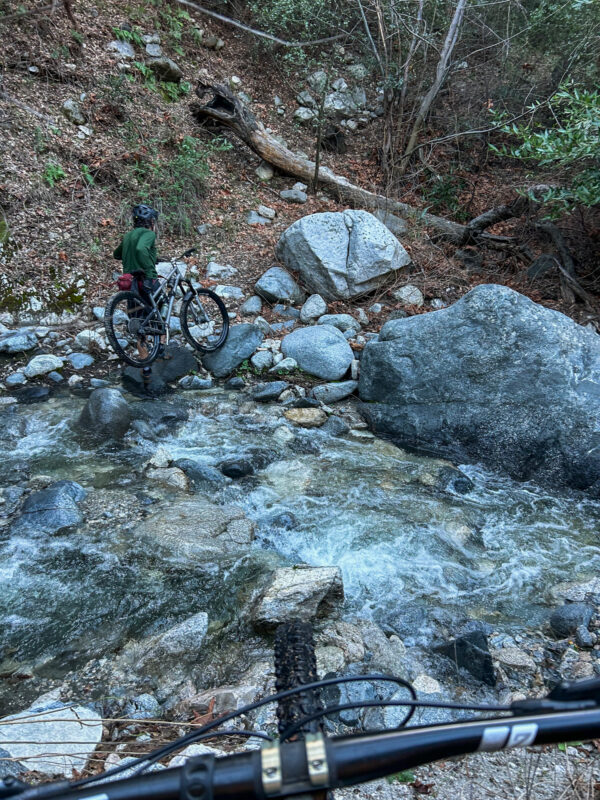
Despite my acrobatic prowess, full-foot soaks have been uncharacteristically common so far this season. Normally, I can make it to my favorite descents perfectly dry, but 2025 came to a wet conclusion. And it was on those descents that the Trail Thrasher surprised me. Once I had my weight planted evenly on both feet, I had almost none of the unmoored sensation that bugged me on the climbs. The lugs flattened out enough on the pedal body to let the pins find some purchase. I even found at times that I could make micro-repositions more easily than on traditional tread designs. And most importantly, I rarely had to make any mega-repositions. I didn’t often get bounced out of place like I would on, for example, the Pearl Izumis that finished last-place in my BOA round-up.
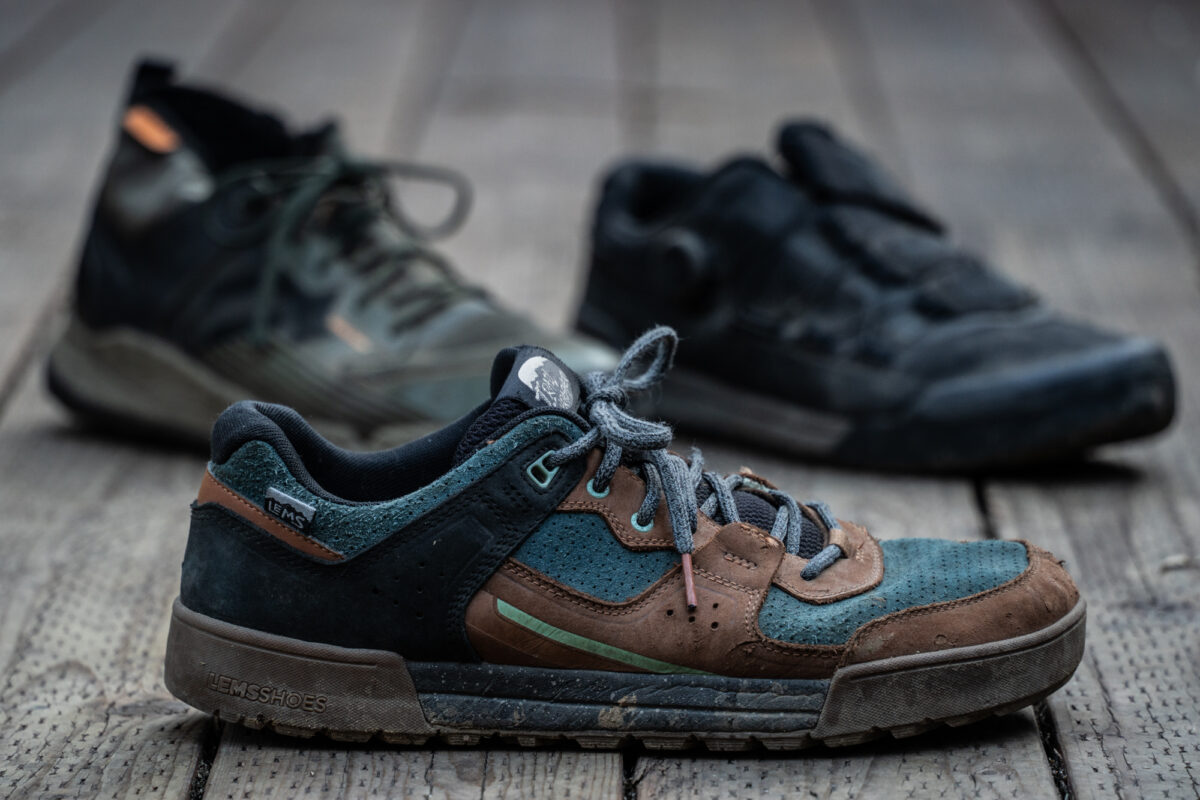
The ride isn’t as calm, muted, and secure as my Ride Concepts Tallac or a Five Ten Freerider. Those are some relatively stiff shoes that let the outsole rubber compound and midsole damping do much of the work. In contrast, the Trail Thrasher is uniquely flexible. It’s far more easy to fold in half than the relatively thin-soled Five Ten Trailcross. And that means you can feel the pedal under them. For my moderately chunky trails, I kinda like that. But these aren’t going to be my go-tos on my (increasingly rare) bike-park days. And they wouldn’t be my go-to if my trails were primarily boulder shelves and root drops. Which is fine. They are what they are, at least for now.
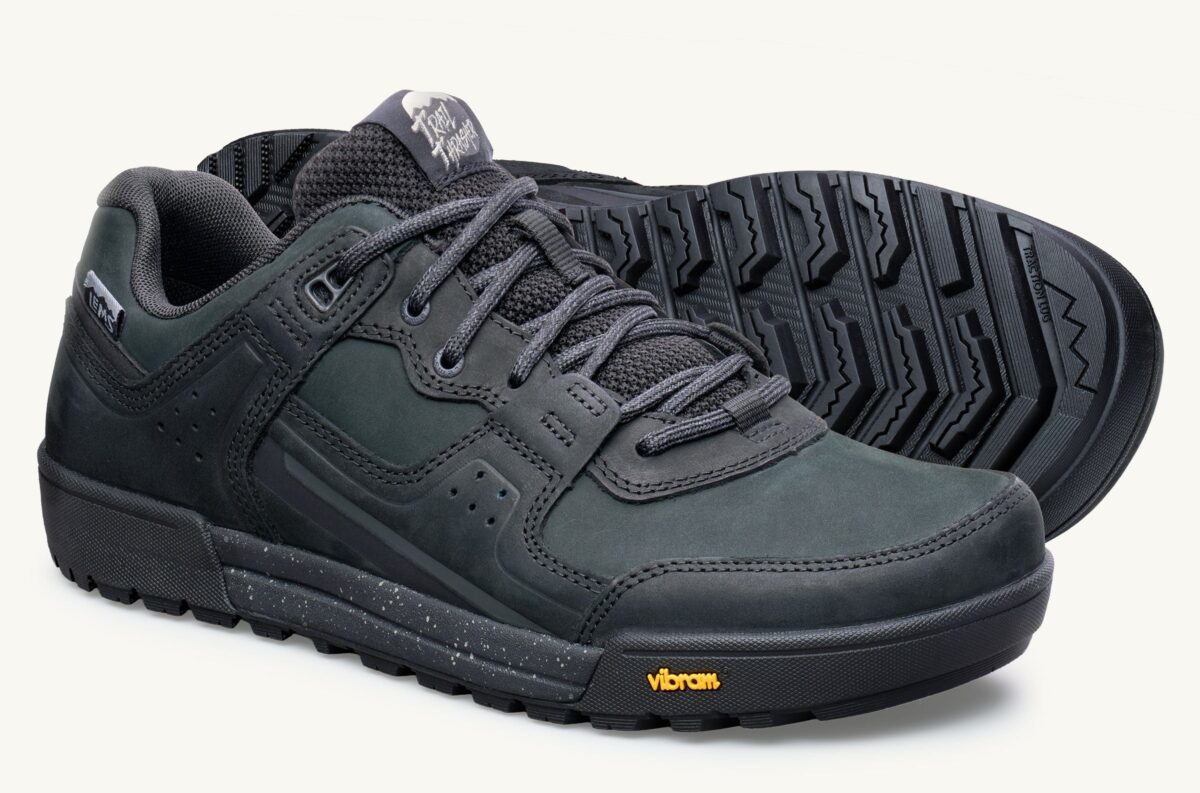
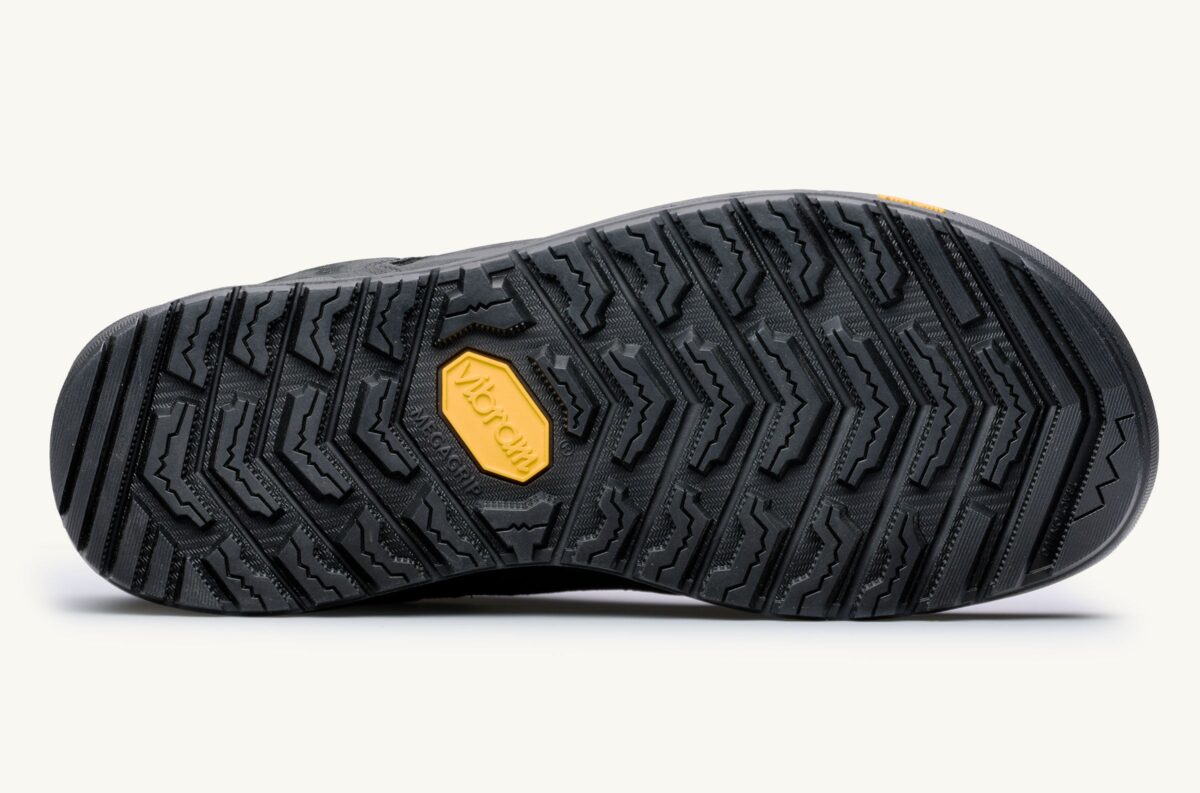
Lems has already released another, more robust version of the Trail Thrasher, the Pro Waterproof. It’s still got the same tread design, but it uses more durable, vibration-damping Vibram rubber. And the uppers are waterproof. Lems is ready to evolve wide-toebox flat-pedal shoes as time goes on. And they deserve a place in the mountain-bike market. Comfort goes a long way on long rides. The first thing many of us do when we get to camp or get to the car is take off our shoes and put on our flip-flops. And it makes sense. Feet don’t have it easy. But during my time in the Trail Thrashers, I realized we could be treating them better. I can’t wait to see where this concept goes next.
Pros:
- Very comfortable, off and on the bike
- Better hiking performance than traditional flat-pedal-specific shoes
- Better grip when descending than you’d think
- Flexible outsole that still offers moderate damping
- Secure, “one-with-the-shoe” fit, despite roomy feel
- Waterproof, Vibram-rubber version available
Cons:
- Floaty, disconnected feel when pedaling
- Lacks some MTB-focused features
- Slow-drying
See more at Lems