
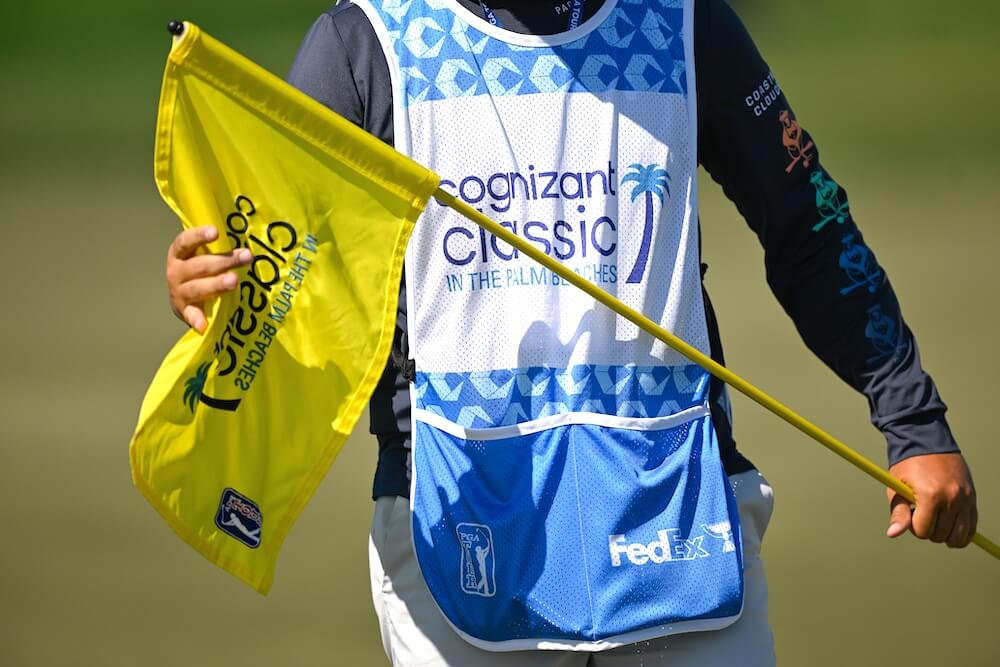
It wasn’t terribly long ago that what is now called the Cognizant Classic – it was the Honda Classic for close to four decades – felt like an A-lister on the PGA Tour schedule.
Starting in 2012, the list of winners included Rory McIlroy, Russell Henley, Pádraig Harrington, Adam Scott, Rickie Fowler and Justin Thomas, with the lesser-known Michael Thompson’s victory thrown in during a seven-year run.
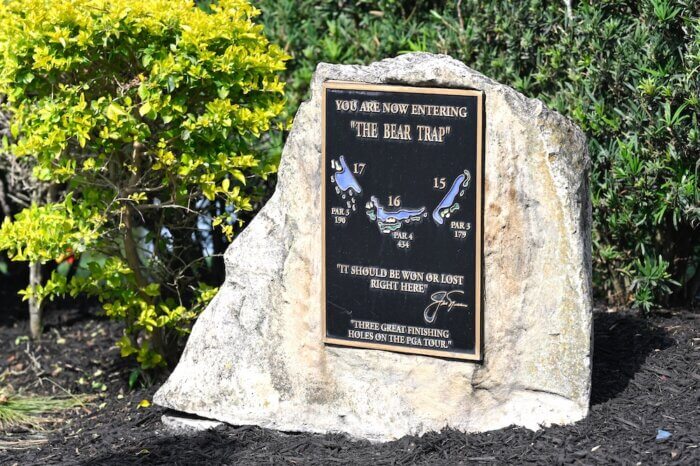
PGA National, freckled with water hazards and its menacing Bear Trap finish, drew many of the best players on tour, a number of whom lived in the same general neighborhood.
It’s not like that anymore.

As the Cognizant Classic begins today in Palm Beach Gardens, Florida, the highest-ranked player in the field is No. 26 Ryan Gerard. Ben Griffin, ranked 11th, was an early commitment but was a late withdrawal as were Scott and rising star Jacob Bridgeman, further diluting a watered-down field.
The Cognizant Classic’s dilemma is illustrative of the tour’s new model, structured around signature events and the major championships.
Wedged into the schedule between consecutive signature events at Pebble Beach and Riviera and immediately before another signature event – the Arnold Palmer Invitational – and the Players Championship, it’s a logical week off for top players, though several did play TGL matches nearby on Monday and Tuesday.
“We’ve always had this issue. A decade ago this event was unbelievable with the field, but where it fell in the schedule was really good for a lot of the guys that lived here.” – Billy Horschel
“We had this issue before the signature events were around. We’ve always had this issue. A decade ago this event was unbelievable with the field, but where it fell in the schedule was really good for a lot of the guys that lived here,” said eight-time PGA Tour winner Billy Horschel, who is in the field this week.
“This field has sort of been up and down the last couple years. When you’ve got so many events on the PGA Tour schedule and you’ve got guys trying to figure out where they’re going to fit, it’s tough to fill a field.
“I think the world of this golf course. I think it’s a great tournament. Obviously I’m a Floridian native, born and raised here, so I’m always going to support my Florida events. It’s just tough. It’s just not Cognizant; there’s a whole bunch of other tournaments that are struggling.”
The tour is entering into the meatiest part of its schedule. After the Players Championship, there is a three-week run of so-called “regular” tour events – the Valspar Championship, the Texas Children’s Houston Open and the Valero Texas Open – during which many of the top stars may play once before rolling into the Masters.
After Augusta, there are three signature events in four weeks – the RBC Heritage, Cadillac Championship and Truist Championship – followed by the PGA Championship. A few players will skip a signature event (they are not required as they were when they debuted) but there aren’t many obvious off weeks.
That kind of compressed, high-value tournament schedule is why the Cognizant Classic finds itself where it does.
“It’s a bummer. It’s one of those events that … has fallen at an unfortunate time in the schedule. I think it’s both a great thing and a bad thing [about] our schedule, how great it is and the amount of great golf courses that we go to,” said Justin Thomas, who plans to return from November back surgery next week at Bay Hill.
“It kills me that I can’t play Torrey Pines every year. Like Torrey Pines South to me is such a great golf course. It fits my eye so well. I like the North Course, but I can’t play in it every year. Or Colonial is an event in the past where – I love Colonial. I think that golf course is incredible, but I can’t play four or five in a row.
“It’s unfortunate. It’s a great, great problem to have, but it’s just one of those things the way that guys need to play certain events or feel like they give themselves the best opportunity to win and make the most points as possible. It’s just kind of where it falls kind of thing.”
With only 100 tour cards available, it’s a chance for players on the outside of the signature event cutoff or chasing a guaranteed job next year to take a big step in those directions.
What the Cognizant Classic may lack in star power it provides in opportunity for other players. Austin Eckroat and Joe Highsmith redefined their career paths with victories at PGA National the past two years.
With only 100 tour cards available each year, it’s a chance for players on the outside of the signature event cutoff or chasing a guaranteed job next year to take a big step in those directions.
One other significant change: The decision to fully overseed PGA National, which began last year, alters the course dynamic. Typically one of the most difficult courses on the tour – Sungjae Im won at 6-under par in 2020 and Sepp Straka’s winning score was 10-under par in 2022 – PGA National saw lower scores last year, when Highsmith shot 19-under par and Jake Knapp shot 59 in the first round.
The tradeoff is a lush, green layout that takes a bit of the fire out of what was typically a firm, fast course when the Bermuda was not overseeded.
“It’s the best I’ve seen this course in probably my 15 years, 20 years down here,” said Brooks Koepka, who is making his third start since rejoining the PGA Tour from LIV Golf earlier this year.
© 2026 Global Golf Post LLC