
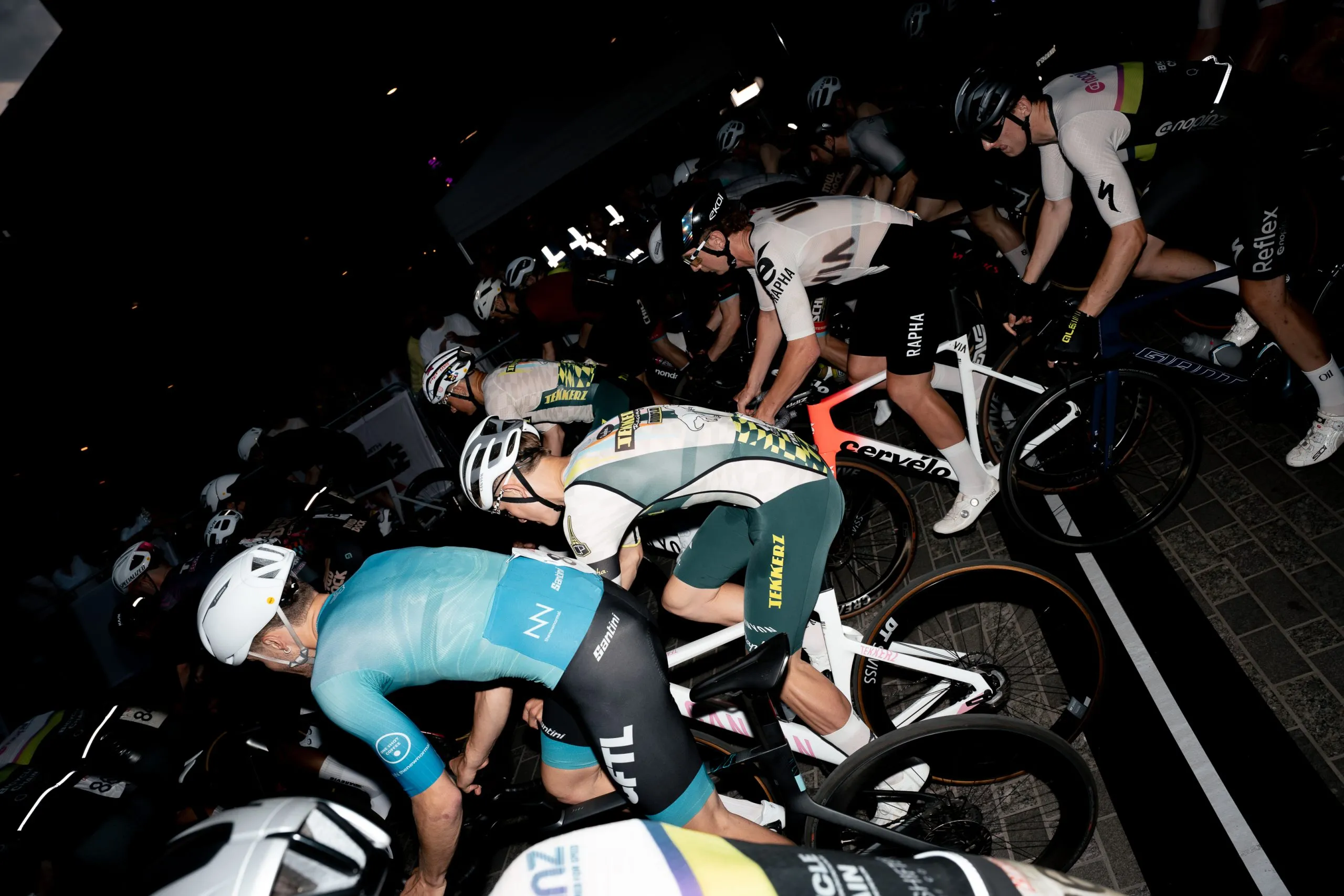
After its launch last spring, further details of the 2026 Rapha Super-League have been revealed.
The series, inspired by the European racing of the 1990s, enjoyed a strong debut season in 2025, with Matt Bostock dominant in victory in the men’s season-long classification. The women’s series was a closer-fought affair, with Robyn Clay crowned the winner after defending her lead at the final round in Yorkshire last August.
Now in its sophomore year, the series will shrink in length, from 16 races down to nine. The legendary Rutland CiCLE Classic has been added to the mix and will open the 2026 Super-League this spring. The City of London Nocturne will make an appearance after its near-decade-long hiatus too, while the Cambridge Criterium takes on the mantle as the series closer in late August.
Super-League 2026 calendar
The 2026 Super-League will kick off later this month with the women’s CiCLE Classic on Sunday 22nd March. The series will then dart around the country over the course of five months until its conclusion in late August at the Cambridge Criterium.
The programme is two months longer than its debut season in 2025, but the schedule has been slimmed down in comparison. The total number of races has been halved from 16 to nine, and the reshuffled programme now includes a clean split of race formats, with four road races and four criteriums up for grabs for the men and women.
‘With the league spread over a longer period of time and with fewer races, this offers more time for storytelling between each race and a simpler narrative throughout the season,’ Rapha’s UK marketing manager and Super-League creator Jess Morgan tells Cyclist. ‘This will make it easier to follow and there will be more time to get into the detail of what makes each of these nine races special and who the main characters angling for the win are.’
Six of the events are also signed up to British Cycling’s National Series, with London Nocturne and Cambridge Criterium given exclusive membership of Rapha Super-League. Unlike last year, the National Championships won’t be featured. However, due to the shrinkage in series length, there are no races in the series outside of England.
Races in the Rapha Super-League 2026
- Women’s CiCLE Classic: Sunday 22nd March
- Rutland International CiCLE Classic: Sunday 26th April
- Lincoln Grand Prix: Sunday 10th May
- City of London Nocturne: Saturday 13th June
- Otley Cycle Races: Wednesday 1st July
- Dawlish Grand Prix: Friday 17th July
- Curlew Cup & Beaumont Trophy: Saturday 9th August
- North Yorkshire Grand Prix: Saturday 16th August
- Cambridge Criterium: Saturday 23rd August
The CiCLE Classic joins the Super-League

There are two new additions to the series’ race roster: the CiCLE Classic and the City of London Nocturne. The CiCLE Classic will have the honour of opening the Super-League later this month, when the women tackle the one-day race on the 22nd March. The men will follow a month later on Sunday 26th April.
The race, which takes place in the East Midlands, has become an important pillar for the UK racing scene since it became the country’s only international one-day race. The course is modelled on Flemish Classics, but instead tackles muddy and gravelly tracks rather than cobblestones. The Classic has been run for 20 years now, and its list of winners includes WorldTour riders such as EF Education-EasyPost’s Luke Lamperti and Picnic-PostNL’s Josie Nelson.
‘For me, the CiCLE Classic is the Paris-Roubaix of British racing and deserves more of a spotlight on it, particularly as the Rutland International CiCLE Classic is one of the few UCI races happening in this country,’ Morgan says. ‘It attracts WorldTour professionals who race side by side with the best homegrown talent on muddy farm tracks, it’s a true spectacle. I’m very proud to have got both CiCLE Classics on board as we can now say with confidence that the Rapha Super-League showcases the best races in the country.’
The return of the London Nocturne
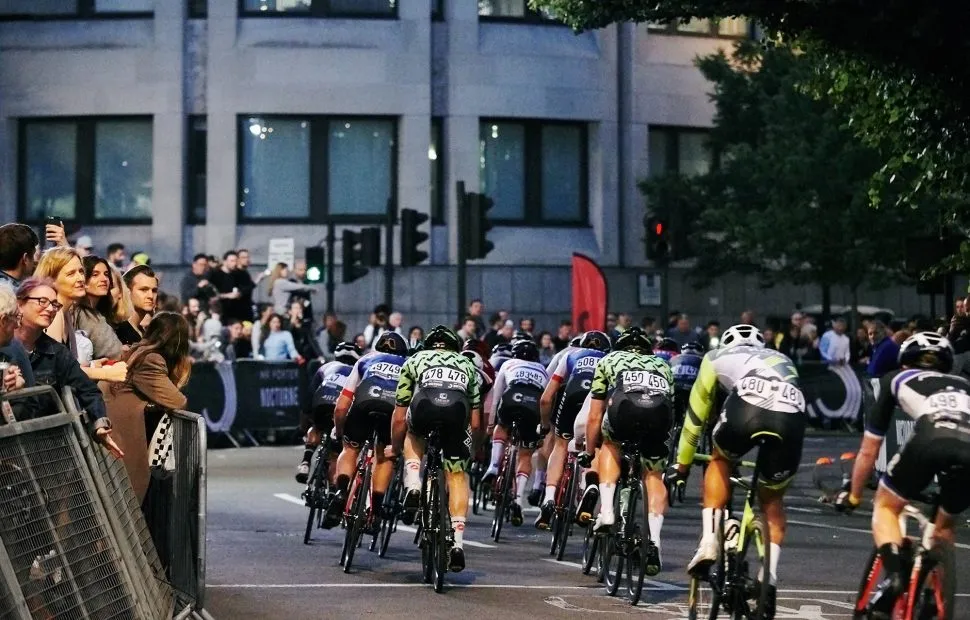
While London’s VIA Criterium gets the chop from the series line-up, the resurrected City of London Nocturne has found itself on the roster for the 2026 Super-League.
The event, founded in 2007, went on hiatus in 2018 despite an illustrious list of previous participants, including Geraint Thomas and Mark Cavendish. The nighttime criterium was well-loved during its heyday in the 2010s, credited to a schedule filled with novelty races and fan events ahead of the pro events in the darkness of the capital. In its comeback year, the event’s organisers have already hinted that some WorldTour names will be in consideration for the event, which takes place on Saturday 13th June.
‘The organisers have plenty of innovations in the works and we can’t wait to be part of it’s revival,’ Morgan says. ‘The Nocturne was always a highly anticipated cornerstone of the London calendar, and for many the Nocturne was their first exposure to racing, so it has the potential to bring a whole new generation of fans into the sport. More will be revealed soon.’
Overhauled points system
The scoring system has been completely overhauled for 2026. The points accumulated in this year’s Super-League will differ on a race-by-race basis. Each event will be granted a weighting based on a blended score of prestige, grit, atmosphere and innovation. The combined score across those four categories will determine the number of points on offer for the top 20 finishers in the general classification.
‘Prestige means a race with a lot of history and reverence amongst the racing community,’ Morgan explains. ‘A race that ambitious riders long to win, for instance, would score highly. Grit is how tough the race is, in terms of the parcours, conditions and how it’s typically raced – the more attritional the race, the higher the grit score. Atmosphere is all about the experience for spectators rather than racers. Innovation is about how the event goes beyond the traditional mould and is taking steps to reach new audiences, whether that’s with new formats, activations, social media or by running a race in areas that have not hosted an elite race for some time.’
The verdict will be made by a panel at Rapha and The British Continental. The individual category scores for each race will not be shared, only the final classification.
‘We hope the points system will do two things: first, respect the sport’s tradition and honour the races that have earned their prestige over decades,’ Morgan says. ‘The second goal is to champion races outside the regular racing calendar that innovate and deliver exciting spectator experiences. By linking the two, we hope top riders will be more likely to attend races outside the regular circuit, raising the bar and making the racing more competitive and unpredictable throughout.’
What to expect from the 2026 Super-League?
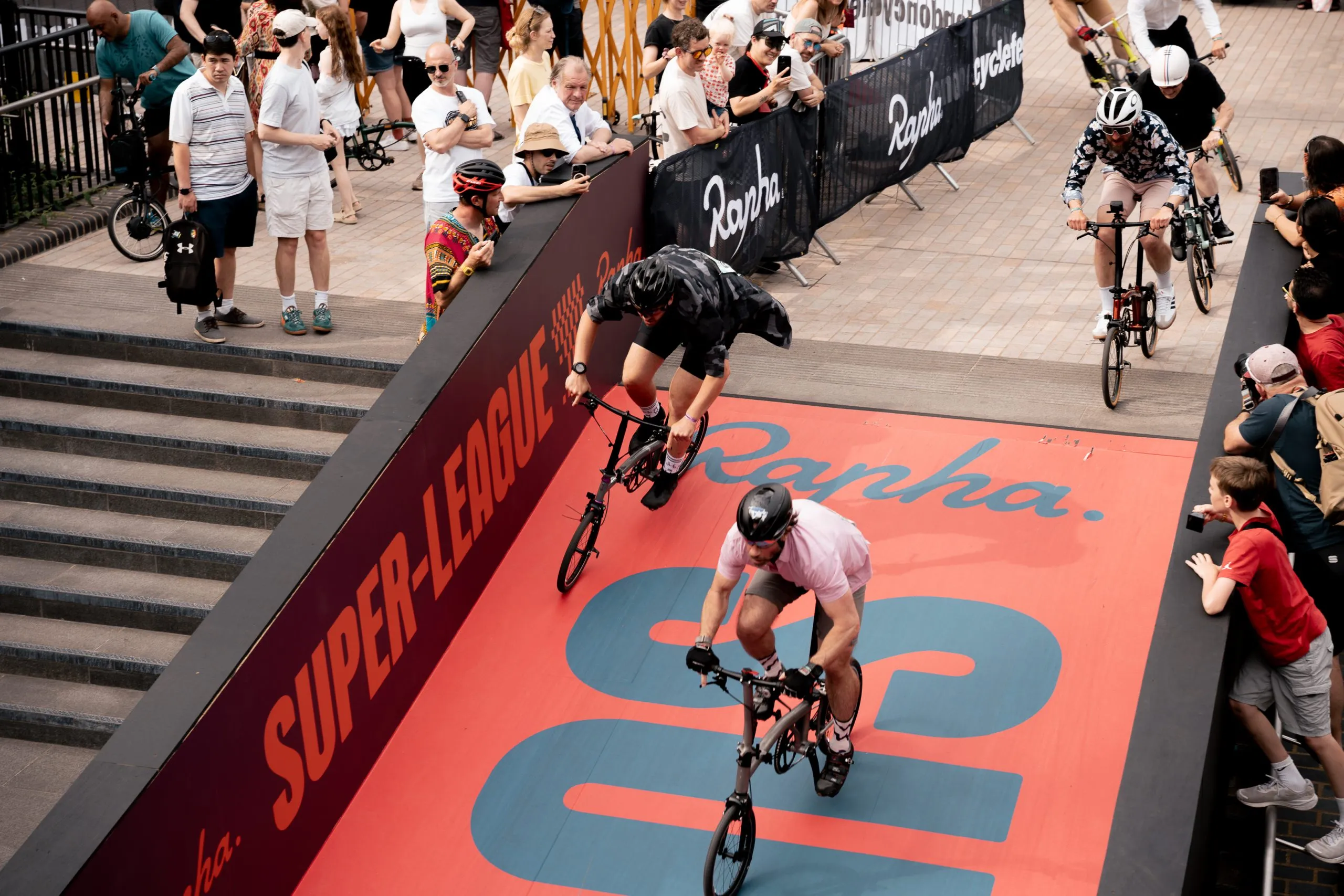
In the face of some turbulent times for British racing during the early 2020s, the Rapha Super-League hopes to continue the sport’s revival in the UK, especially with the Tour de France Grand Départ just around the corner in 2027.
‘This year, I’d love to see domestic cycling get more coverage on social media and in the mainstream cycling media,’ Morgan says, ‘specifically with positive news and inspiring stories, not just when races get cancelled or teams fold, because that just reinforces a feeling of decline. There are a lot of green shoots and reasons to be cheerful. I hope projects like the Rapha Super-League can help shine a light on some of those positive stories.’
The series will be streamed to MonumentCycling except for the CiCLE Classic. For closer reporting of the series, The British Continental and Rapha’s UK socials (@rapha_uk) will be covering the league rounds throughout the season.