
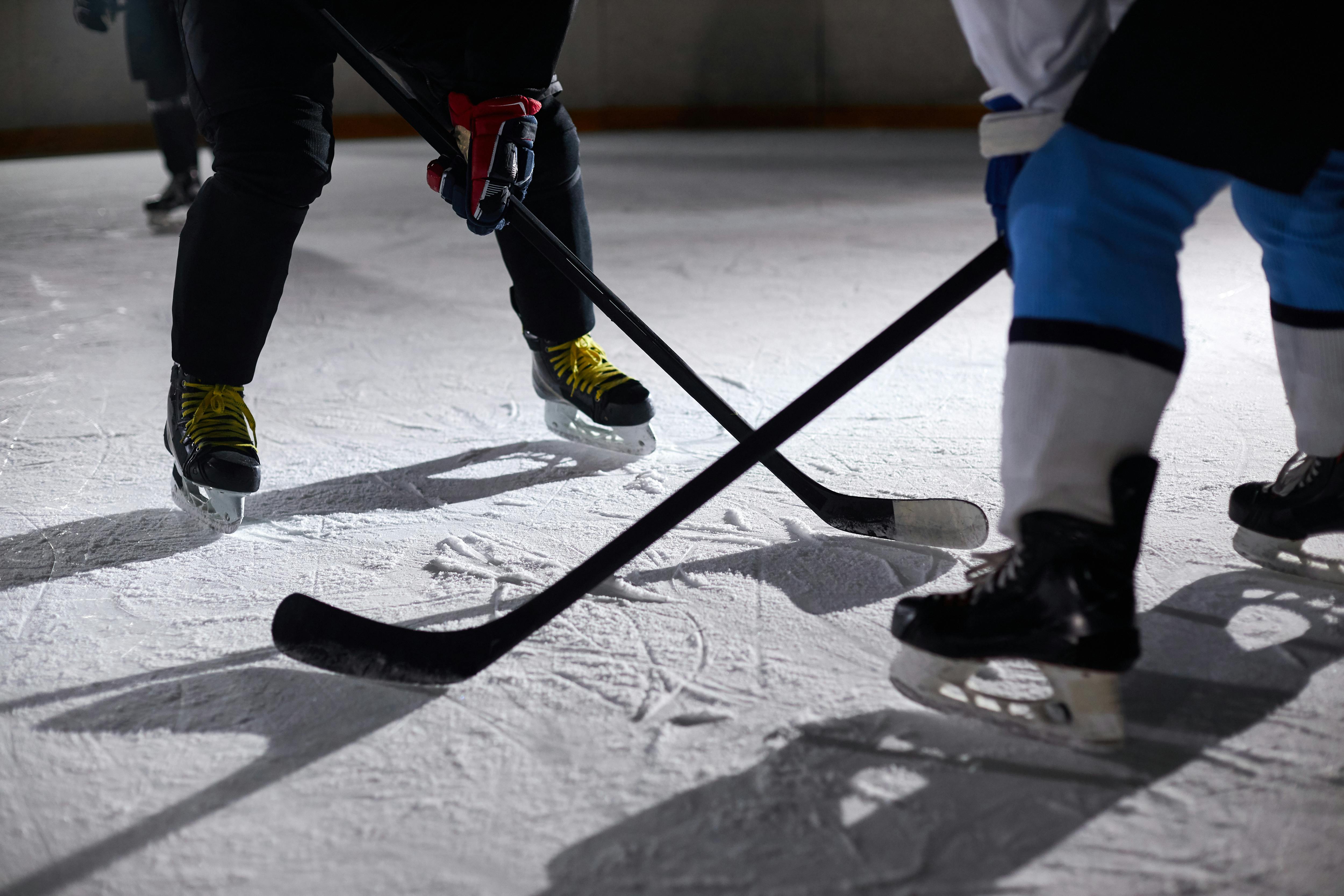
Hockey has a funny problem. Plenty of people respect the speed and toughness, but then they watch one period and feel lost. The puck disappears, line changes happen mid-play, and the rules sound simple until a whistle stops a clean-looking rush.
A sweepstakes-style contest can solve that. It gives new viewers a reason to track shifts, notice matchups, and care about details that seasoned fans already watch. The goal stays the same: help friends feel the game, follow the story, and leave the night wanting another one.
Trust First: High-Quality Platforms Set the Tone
A viewing party that includes any sweepstakes element needs strong guardrails. That starts with using legitimate platforms that communicate rules clearly, verify eligibility, and handle payouts in a transparent way. A clean setup reduces confusion during the game and keeps the focus on hockey.
High-quality platforms also help with something experienced fans often underestimate: group trust. Newcomers will judge the whole experience by the first friction point. If sign-up feels sketchy, if rules read like a puzzle, or if customer support looks absent, attention drifts away from the ice.
At the platform selection stage, the practical move is to compare offers, terms, and user experience in one place instead of hopping between promotions. Those looking for SugarSweeps alternatives often go to BonusFinder to find similar offers, with useful comparisons that keep the decision grounded and help hosts choose an option that fits the group’s comfort level.

A simple hosting rule works well here: pick one platform, set it up before guests arrive, then keep the mechanics consistent all night. Consistency makes the contest feel like part of the viewing format instead of a distraction.
Build a Sweepstakes-Style Hockey Draft That Teaches the Game
The fastest way to get new fans engaged is to connect their choices to game moments. A “micro draft” does that better than a full roster fantasy build because it stays light and it maps directly to what shows up on screen.
Instead of drafting only scorers, draft hockey events. That pulls attention toward forechecks, special teams, and goalie sequences. It also invites experienced fans to explain why an event matters without turning the night into a lecture.
A simple draft board can include categories like these:
- First team to score on the power play
- Goalie with the biggest “moment,” defined by a clear momentum save
- Best defensive sequence, based on a clean exit under pressure
- Most noticeable line, judged by sustained zone time
Each category teaches a lens. Power plays introduce structure. Momentum saves the game flow. Zone exits show why defense drives offense. Sustained zone time makes the puck easier to track because the play stays in one place longer.
Keep the scoring simple. Assign points per category, then add a small bonus for correct picks in back-to-back periods. That bonus pushes newcomers to keep watching even if the first period feels chaotic.
Turn the Game into a Guided “Tasting Menu” of Hockey Moments
Most new viewers struggle because they try to watch everything at once. A better approach is to give the group one focus at a time. That creates a rhythm, and it sharpens what people notice.
A host can set “watch cues” that change by segment. For example, during the first few minutes, focus on line changes and the idea of fresh legs. During the next stretch, focus on the blue lines and what triggers an offside. Later, focus on net front traffic and why rebounds create chaos.
This pairs naturally with sweepstakes prompts. If the contest includes “best defensive sequence,” the host can say, “Watch the next shift for how the winger supports the breakout.” Then the group has a reason to look for that pattern. The explanation lands because it connects to a real decision guests already made.
This format also supports experienced viewers. Advanced fans get to talk about matchups, bench management, and pressure systems in short bursts. That keeps the tone practical and keeps attention on the game.
Keep It Social: Pacing, Roles, and House Rules
A sweepstakes contest works best when it supports the party instead of taking it over. That means controlling pacing. Too many check-ins turn the game into paperwork. Too few check-ins make the contest feel random.
Assign light roles so everything runs smoothly. Roles also give newcomers a way to participate without needing deep hockey knowledge right away.
- The Rules Ref, handles quick clarifications on icing, offside, and penalties
- The Shift Spotter, calls out line changes and matchup patterns
- The Highlight Caller, marks key moments that connect to contest categories
- The Tie-Break Keeper, tracks any close calls with a simple note
Keep the house rules written on one card or one screen. Define how ties resolve, define what counts as a “momentum save,” and define what happens if someone joins late. Clear definitions prevent arguments, and they keep the vibe relaxed.
Also set a comfort boundary. Some guests will want to participate with zero spend and zero pressure. Make that easy. A parallel “free entry” version of the contest, with the same categories and bragging rights, keeps the group together.