
The trade deadline in Calgary has historically been a time of cautious optimism or, at the very least, a period of “wait and see.” But as we approach March 6, 2026, the atmosphere around the Scotiabank Saddledome has shifted from uncertainty to a cold, calculated clarity. Following the departure of Rasmus Andersson to the Vegas Golden Knights earlier this season, general manager Craig Conroy hasn’t just opened the door to a rebuild; he’s taken it off the hinges.
For a fan base that has spent years watching this roster hover in the purgatory of the middle standings, the current “selling” phase is both jarring and necessary. The Flames have officially transitioned into the “main character” role of the NHL trade market. With several core veterans now on the block, the next few days could dictate the franchise’s trajectory for the next decade.
The Kadri Conundrum: A Reunion in the Works?
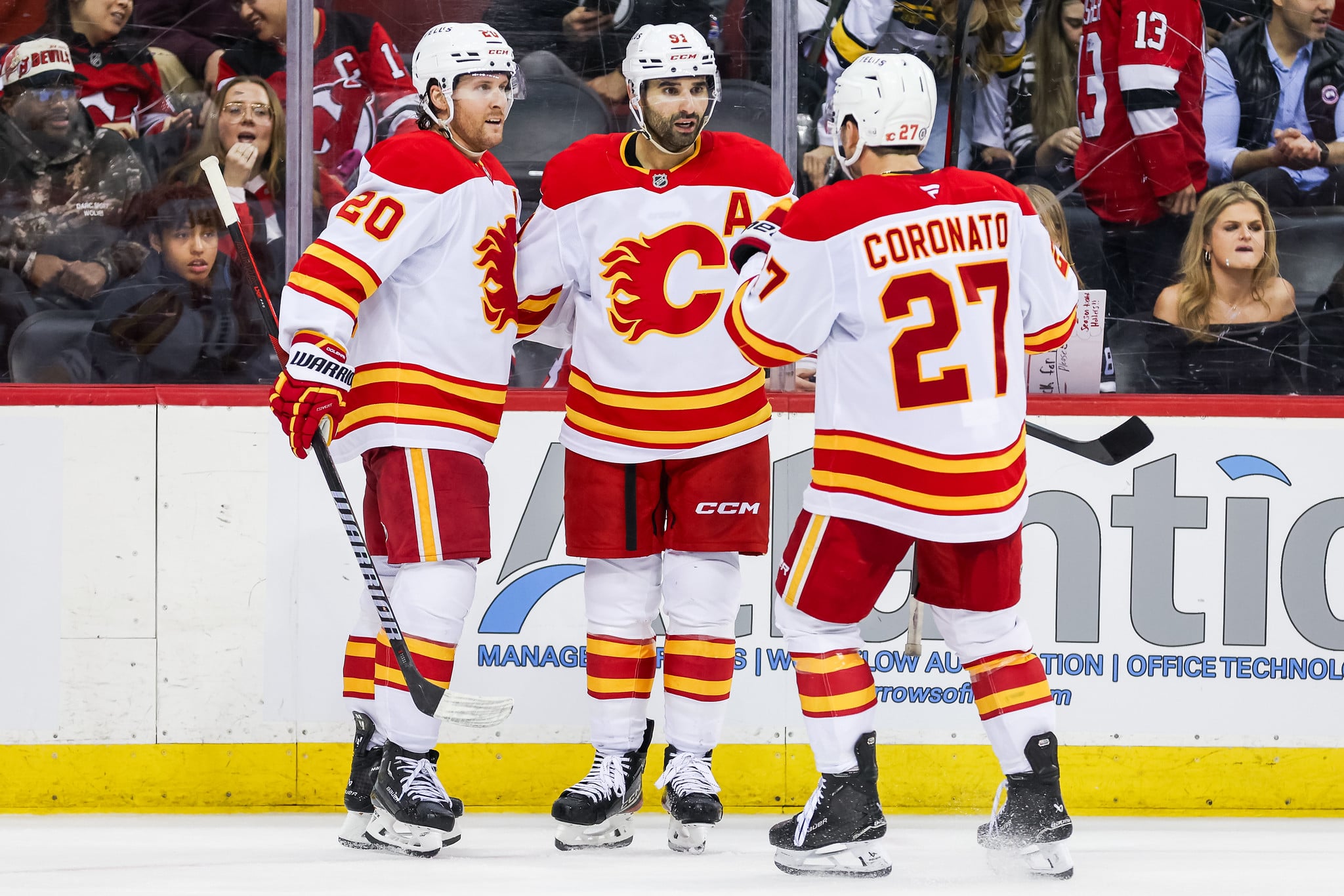
Perhaps the most significant development over the last few weeks is the reported shift in Nazem Kadri’s stance. While the veteran center was previously seen as a mentor for the youth movement, reports from insiders like Darren Dreger suggest Kadri has moved from being open to a change of scenery to actively desiring a move to a contender.
At 35, Kadri remains the Flames’ most productive offensive catalyst, leading the team in both scoring and shots on goal. For a team like the Colorado Avalanche — who have already cleared financial flexibility by moving Sam Girard to the Pittsburgh Penguins — the fit is almost too perfect. A reunion with the 2022 Cup champion would provide Colorado with a battle-tested second-line center for another deep run.
Related – Kadri Wanting to Be Traded is Great News for the Calgary Flames
The cost for Calgary, however, is not insignificant. To facilitate a deal, Conroy will likely have to retain 50% of Kadri’s salary for the remaining three years of his deal. While eating $3.5 million in “dead money” isn’t ideal, the return — projected to be a 2026 first-round pick and a high-end prospect — is the exact type of capital required to fuel a long-term fix. This move aligns perfectly with the “Mission: McKenna” strategy, clearing a top-six roster spot for incoming draft picks and ensuring the team’s lottery odds remain favourable.
The Weegar Premium: Selling High on a Culture-Setter
If Kadri is the most likely offensive piece to move, MacKenzie Weegar is the most valuable asset on the entire roster. Unlike a typical deadline rental, Weegar is under contract until 2031, which grants Calgary immense leverage in negotiations. However, Weegar has a full no-move clause, and will have total say over if and where he goes.
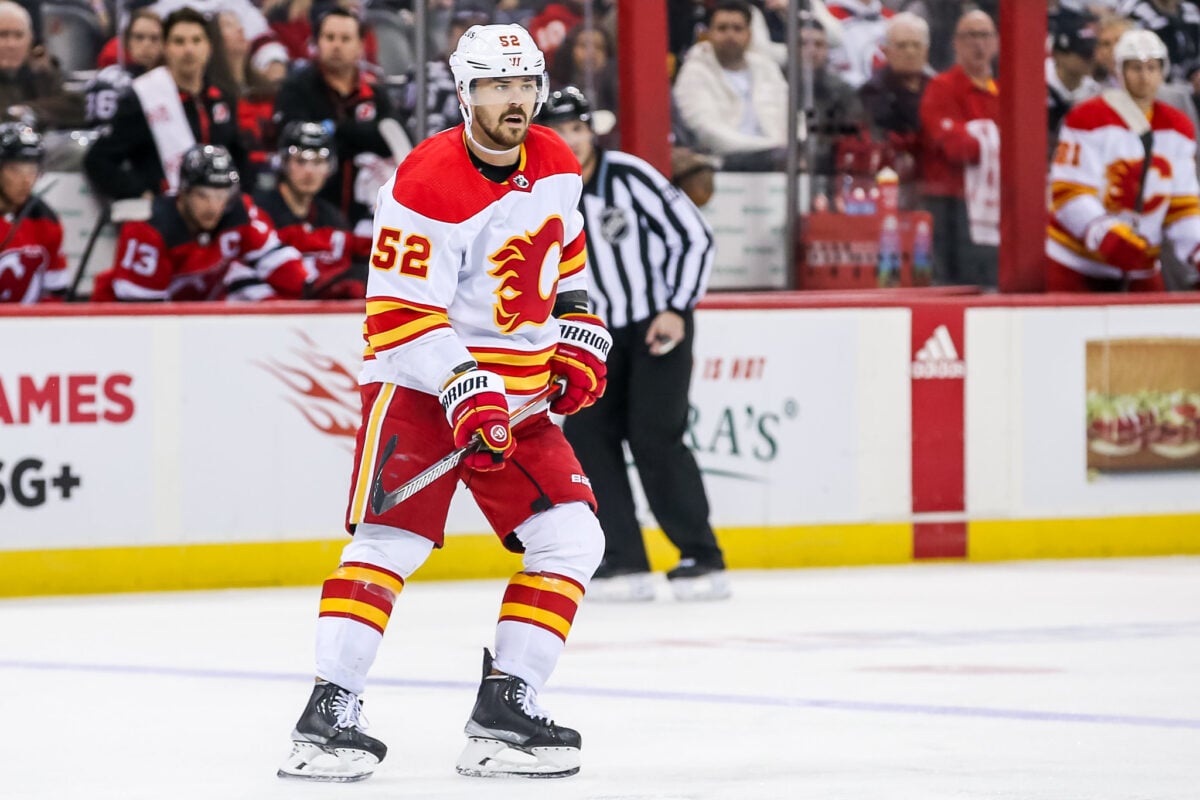
The rumour mill, fueled by reports from The Athletic and Daily Faceoff, suggests that the Ottawa Senators and Dallas Stars are the primary suitors. Ottawa, in particular, is desperate for a right-shot defender who can stabilize their young, high-octane core. Because Weegar plays over 23 minutes a night and serves as a vocal leader, Conroy is reportedly demanding a “Hall of Fame” package including a first-round pick, a top-tier defensive prospect and a young, NHL-ready roster player.
Related – 2026 NHL Trade Deadline Tracker
Losing Weegar would be a massive blow to the team’s current defensive structure, but it represents a “long-term reset.” Moving him now allows the Flames to align their defensive timeline with the emergence of Zayne Parekh, effectively rejuvenating the blue line by half a decade.
The Coleman Factor: Trading the Heartbeat
While Weegar and Kadri represent the big swings, Blake Coleman is the player most likely to be wearing a different jersey by Friday night. Coleman has long been the “identity player” in Calgary — a two-time Stanley Cup champion whose work ethic and penalty-killing prowess are highly coveted by GMs looking for “playoff grit.”
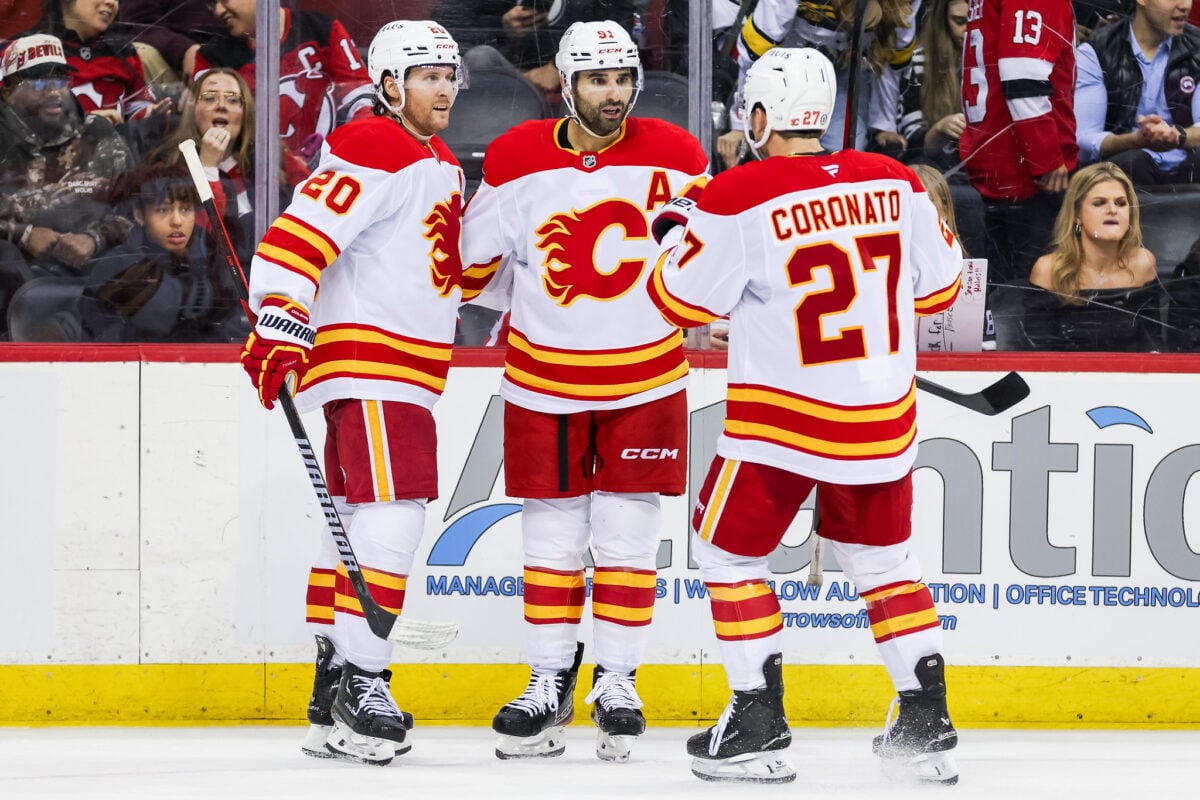
With Tyler Seguin sidelined in Dallas, the Stars have emerged as a frontrunner for Coleman’s services. Tampa Bay and Montreal are also rumoured to be interested in a reunion to bolster their bottom-six depth. At 34 years old, Coleman’s trade value is currently peaking; he’s maintained a positive plus/minus despite the team’s struggles and remains one of the league’s most consistent middle-six wingers.
Moving Coleman is a classic “sell high” maneuver. While it hurts the team’s culture in the short term, securing a 2026 second-round pick and a mid-level prospect for a player entering his mid-30s is the kind of disciplined asset management that successful rebuilds are built upon.
The Macro View: Rebuilding the Foundation
This isn’t just about moving aging players; it’s about a fundamental shift in philosophy. By offloading these three veterans, the Flames would accomplish three specific goals:
- Draft Capital: Accumulating multiple picks in the 2026 Draft to maximize their chances of landing a franchise-altering talent like Tynan Lawrence.
- Financial Flexibility: Clearing long-term salary commitments to allow for opportunistic moves in the future.
- Roster Opportunity: Opening up high-leverage minutes for the next wave of Flames prospects to sink or swim.
The days of “re-tooling” on the fly appear to be over. If Conroy pulls the trigger on these deals, the Flames will have officially embraced the burn. It’s a painful process for a fan base to endure, but as any seasoned observer of the game knows, you can’t build a championship contender on a foundation of “good enough.”
The next few days will determine if the Flames are simply moving players, or if they are finally moving forward.
AI tools were used to support the creation or distribution of this content, however, it has been carefully edited and fact-checked by a member of The Hockey Writers editorial team. For more information on our use of AI, please visit our Editorial Standards page.
