
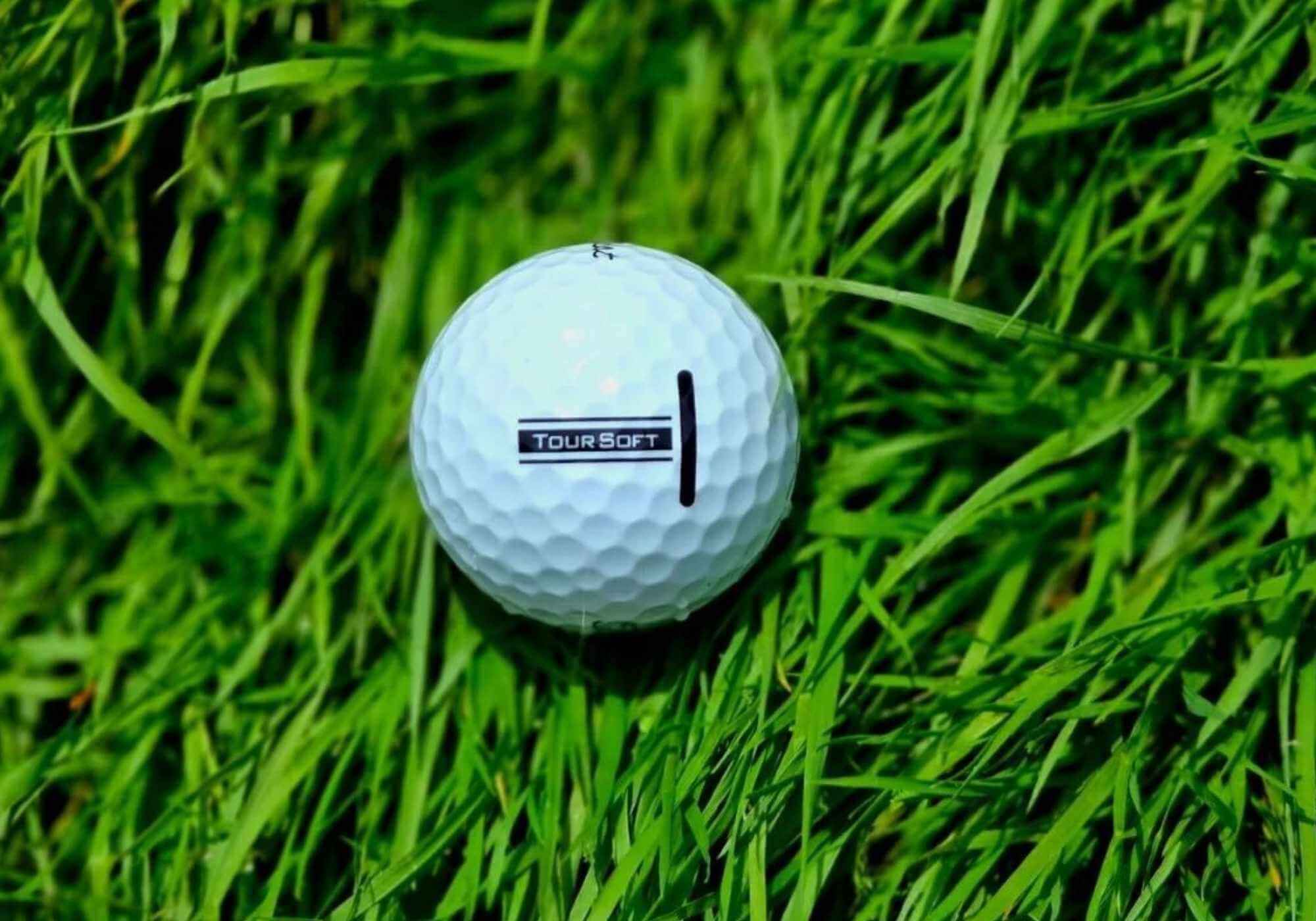
Listen up! If you swing your driver around 85 mph, this applies to you.
In our 2025 golf ball test, slow swing speed conditions are set at 86 mph with the driver and 65 mph with a mid iron. That represents a large portion of everyday golfers.
Every year, we see some of the same patterns. Golfers sort ball test results by distance and look for the longest number instead of something that’s a better fit for their game.
But after years of testing, the data continues to show that ball fitting for slower swing speeds is more nuanced than simply finding the longest ball. Here are three mistakes to be aware of.
Mistake No. 1: Chasing low spin for more distance
Lower spin sounds like a solution.
Less spin should mean less drag and more rollout. For a player fighting to reach more total yards, that feels logical.
In the slow swing speed driver test, some of the lowest-spinning balls include Callaway Supersoft, TaylorMade Tour Response and Srixon SOFT FEEL. Those designs can reduce driver spin and increase rollout.
But driver ball speed is essentially flat across the board. The slow swing speed average sits at 123.46 mph and most balls cluster tightly around that number.
Distance differences come from spin and how that spin shapes the flight window.
When spin drops too low, carry can become less efficient. Slower swingers often need help keeping the ball in the air long enough to maximize carry. If lowering spin flattens the trajectory, you may gain rollout but lose efficiency.
The goal for slower swingers is not minimum spin. It is efficient spin.
Mistake No. 2: Confusing height with control
Slower swing speed golfers are often told they need more height to control their shots into the green. While that is somewhat true, height alone does not guarantee control.
In our slow swing speed iron test (65 mph), ball speed differences are minimal. Most balls sit within single mph of each other. The separation happens in how the ball lands.
Here’s a real example:
| Ball | Spin (rpm) | Descent Angle | Carry (yds) | Total (yds) |
|---|---|---|---|---|
| Titleist Pro V1x | 5,338 | 40.66° | 112.61 | 122.17 |
| TaylorMade Tour Response | 4,260 | 40.73° | 116.03 | 129.64 |
| PXG Xtreme Tour | 4,589 | 42.84° | 117.04 | 130.36 |
Pro V1x spins significantly more than PXG Xtreme Tour but lands more than two degrees flatter.
A ball landing at 42 degrees is coming in noticeably steeper than one at 40 and that difference isn’t about compression or just spin. It’s about how the entire flight window works together.
If you look only at peak height or total distance, you miss what actually influences how the ball behaves after landing. When choosing the right golf ball for your game, descent angle matters more than simply “hitting it higher.”
Mistake No. 3: Judging distance by total instead of carry
Carry distance is what matters.
Under slow swing speed iron conditions, the average total distance is 130.11 yards. But total includes rollout. Carry is what clears hazards and lands on greens.
| Ball | Carry (yds) | Total (yds) | Descent Angle |
|---|---|---|---|
| Callaway ERC Soft | 119.11 | 134.83 | 39.70° |
| PXG Xtreme Tour | 117.04 | 130.36 | 42.84° |
ERC Soft shows more total yards but it also lands flatter. That extra distance is rollout.
For slower swingers, carry distance determines whether you clear trouble and hit consistent yardages. If you sort by total alone, you may choose a ball that looks longer but doesn’t actually improve carry efficiency.
Final thoughts
For a complete look at how every golf ball performed under slow swing speed conditions, including spin, launch and descent angle, explore the full MyGolfSpy ball test results for slower swing speeds. (2025 Golf Ball Test Results– Slow Swing Speeds)
The post 3 Mistakes Slow Swing Speed Golfers Make When Choosing A Golf Ball appeared first on MyGolfSpy.