

Neil’s latest video, “Why I Quit Racing,” explores his relationship with a high-performance lifestyle, the sacrifices it demanded, and why he ultimately decided to take a step back and pedal at a slower pace. Find the 12-minute video, a gallery of photos from throughout the years, and a written version of his story here…
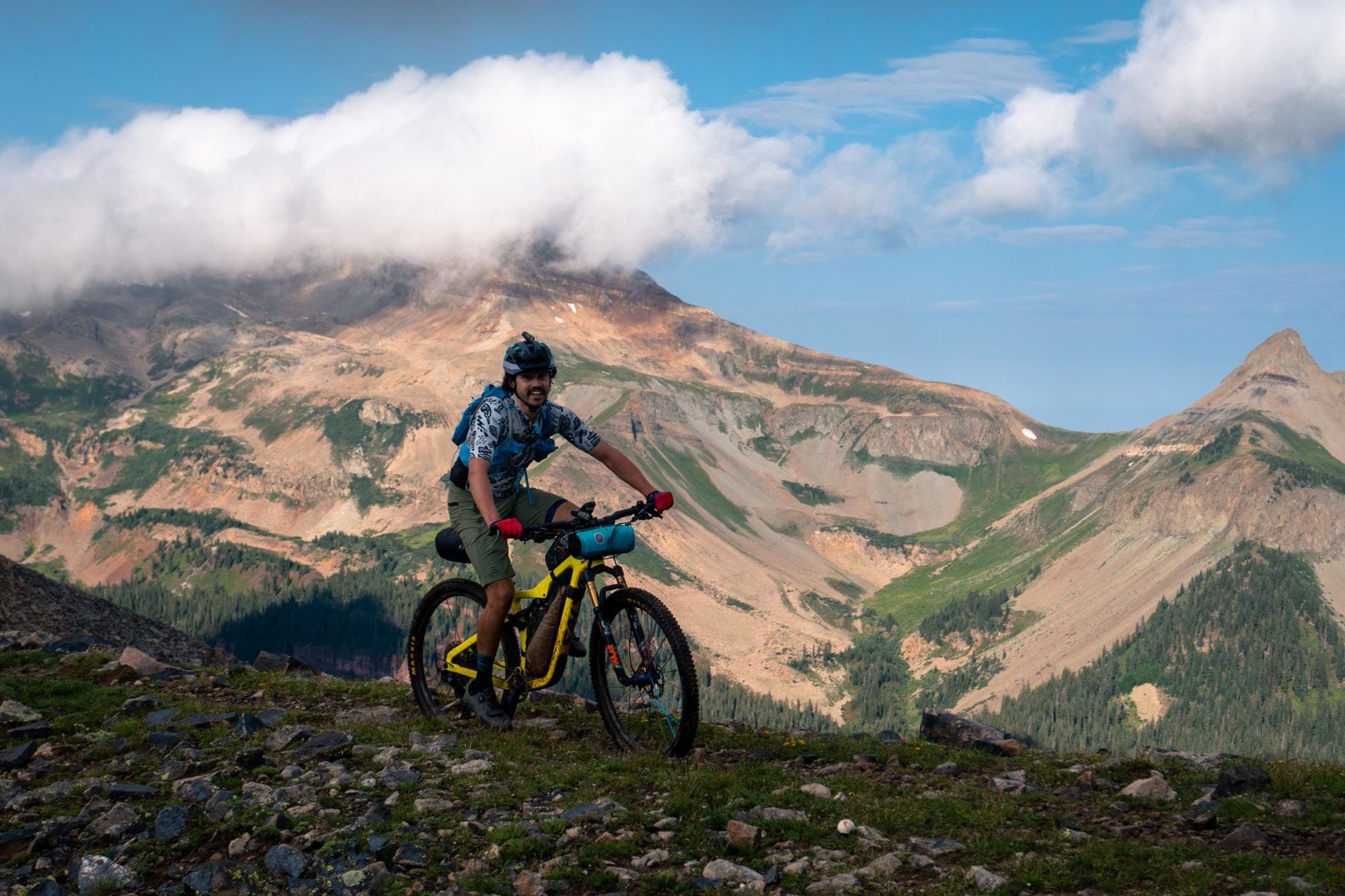
Main photo by Trevor Oxborrow
These days, I’ve fallen into this lifestyle of “relax.” When, in actuality, it’s not really relaxing. It’s just less stressful. Less about performance. More about wanting to ride. For nearly 10 years, I raced as hard as I could, and it burned me out. I don’t have any regrets, but after talking with a friend the other day, I started thinking about why I quit racing. I want to explain why and how it’s going for me now. Check out the full video below, as well as a transcript of my thoughts.
After my first bike race in 2011, the 100-mile Crested Butte Classic, I realized I had a gift. It was only two years after I was reintroduced to the bicycle, and it was my first true foray into mountain biking. What I realized pretty quickly was that you don’t need to be the most skilled rider to be successful. Having good fitness, being young, and being a little dumb go a long way. I also realized I really enjoyed long days on the bike. With that knowledge, I knew I could do some of the longest bike races out there, and I set my sights on all of them.


Photo credit: (bottom) Mitchell Clinton
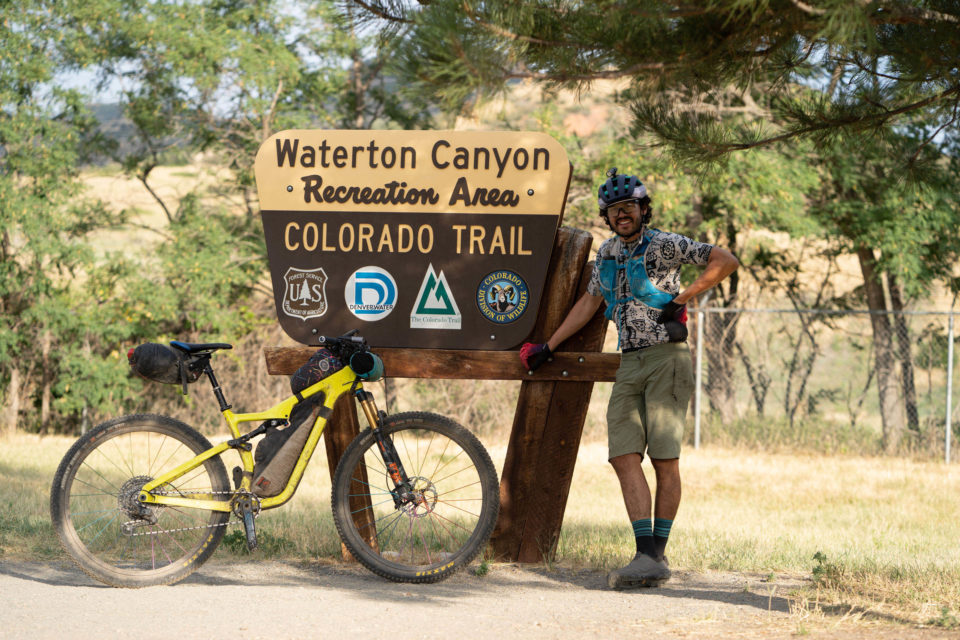
I don’t remember what place I got in that first race, but I do know that from that moment on, I became obsessed with bikes. It became a love, a passion, a hobby. It’s what I did in my free time. At first, it was balanced. I was young. I had just graduated from Western Colorado University. I lived in Crested Butte. I just wanted to live. To walk outside and be immersed in nature. To hike or ride all summer. To ski nearly every day in the winter. My only real obligation was to make ends meet and prioritize time outside. It was a fairy tale. But as humans tend to do, I felt like I needed to find my calling. I needed to push myself. So, in early 2012, I did just that. I took on my first bikepacking trip, the Colorado Trail. Not exactly a wise first bikepacking trip, but I wasn’t really known for good decisions back then. Maybe that’s a story for another day, or perhaps a book.
After that, instead of immediately jumping into something like the Tour Divide, I took it step by step. The following year, I tackled the Arizona Trail 300. To this day, I still believe it’s one of the best 300-mile stretches you can pedal. From Parker Canyon Lake to Picketpost Trailhead, climbing Mt. Lemmon, and walking the notorious Oracle Ridge. It was unlike anything I had done. I had never ridden in Arizona before, let alone taken on the sharp, overgrown Arizona Trail as it was back in 2013. But this is what I call “fun!”

Photo credits: (top) Andrew Opila, (left) Nico Barraza
I dealt with adversity, including swapping out a broken fork in Tucson, but I finished. And finishing fueled the next move. That year, I raced a lot. Local, shorter races, as well as big challenges like the Kokopelli and Vapor Trail. But the big one was the Colorado Trail Race, where I took fourth in 4 days and 21 hours. The next year, I came back stronger. I got third at the Arizona Trail 300 with a finish just over two days, followed by my first win at the Colorado Trail Race in 4 days and 10 hours.
That’s where things changed. And maybe not for the better.
Up to that point, I had just been riding a lot. I had jobs. I had a life. I rode hard, mostly alone. What really set me up for success was my physiology. I was built for endurance. The shorter races helped bridge the gap to my weakness, short, punchy efforts. But then it shifted. I started training for real. I hired coaches. I used heart rate monitors and power meters. I did intervals like it was my job. Actually, that’s the thing. It became a job. A second job.
None of my jobs were careers. I worked nighttime security at Crested Butte Mountain Resort so I could ride during the day. I worked for a limo company. I worked for a guiding company scheduling trips. But I also trained. Ten to 20-plus hours a week of saddle time and body work on top of that. Between work and training, there wasn’t much room left to live a fulfilling life. I’m frankly still shocked my partner stayed with me. I put so much stress on her and didn’t even realize it at the time.


Eventually, I worked less so I could train more. My race calendar was filled with spring, summer, fall, and winter ultras. There was barely any off-season. A few weeks off the bike, then right back into it, stressing about the next all-consuming event.
I told myself the goal was just to finish. But there was a voice in the back of my head that kept getting louder. “If you don’t win, you’re a failure. If you’re not first, you’re last.” So when I got second or third, I made sure it wouldn’t happen again. It turned into an obsession with how far I could go without sleep, the most efficient riding style, the fastest bike, and the lightest gear.
I ended up having a successful career as an ultra bikepack racer. I set records. I won races. I became one of the fastest in the world at the time. And in those moments, I was happy. I gained sponsors. I got bikes and parts. I built strong partnerships. I worked hard to be professional. I wrote articles, took photos, highlighted brands, and sent quarterly reports. I tried to bring more to the table than just results. But every tax season told a different story. Free gear is great, but it doesn’t pay the rent. So I started asking for cash. Some brands stepped up. Others didn’t.

Then 2019 happened. I was training for the Tour Divide after taking third in 2015, just 40 minutes off the win. I had put everything into preparing for a winning run. Then the world shut down. The border closed. Even if it had been possible to race that year, it wouldn’t have been right to do so during a pandemic; it would have been selfish.
Something shifted in me.
I raced a few more times in the years after, and tried my best for sponsors. But between burnout, financial pressure, chasing results, and the next Instagram post, something had to give. In 2021, without realizing it, I raced my last race as a sponsored athlete, the Colorado Trail. Later that year, I became a dad—the best gift of all.
That transition was harder than any training block. I tried to keep racing. Tried to be a good husband. A good father. Have a job. But the pressure I put on myself was too much to bear. I could have kept racing. But the problem was the voice in the back of my head. I had to be great to justify racing. Letting go of that identity was hard. Racing at the highest level shaped who I was for a decade. From 2012 to 2022, it defined me. When 2023 and 2024 rolled around, part of me still thought, I’ll come back. I’ll be stronger than ever. But life has a way of shifting priorities.
I realized I had spent years riding and training alone. Riding for the singular purpose of being stronger and faster. Somewhere along the way, that shifted back into riding for fun. Riding for mental health. Bikepacking with friends. Sometimes fast, sure. But also enjoying the conversations, sleeping under the stars, and making memories.


Photo credit: (top left) Rob Meendering
I won’t say I fully quit racing. I still enjoy riding hard for a few hours. I love the local races here in Gunnison, where I can wake up, pin on a number, ride hard, and not care about my place. High fives at the finish. That’s enough. Maybe one day I’ll bring that same attitude back to a multi-day event. But for now, I’m happy slowing down, smelling the flowers, looking around, and not taking it all so seriously. Ultimately, I think a lot of it comes down to being older, a bit less naive, and maybe a little wiser.
Our bikepacking industry is small. Tight-knit. I know others have walked similar paths. Some are stronger-willed than I am. Some who might think these thoughts are silly. But there is no right or wrong way to do this. I’m still amazed at what I accomplished in racing. And I’m equally amazed at the growth and viewership the YouTube channel has seen.
I guess what I’m trying to say is: Things happen for a reason. Ride the wave. Embrace the suck. Love one another. As always, thanks for reading.
Further Reading
Make sure to dig into these related articles for more info…
Please keep the conversation civil, constructive, and inclusive, or your comment will be removed.