
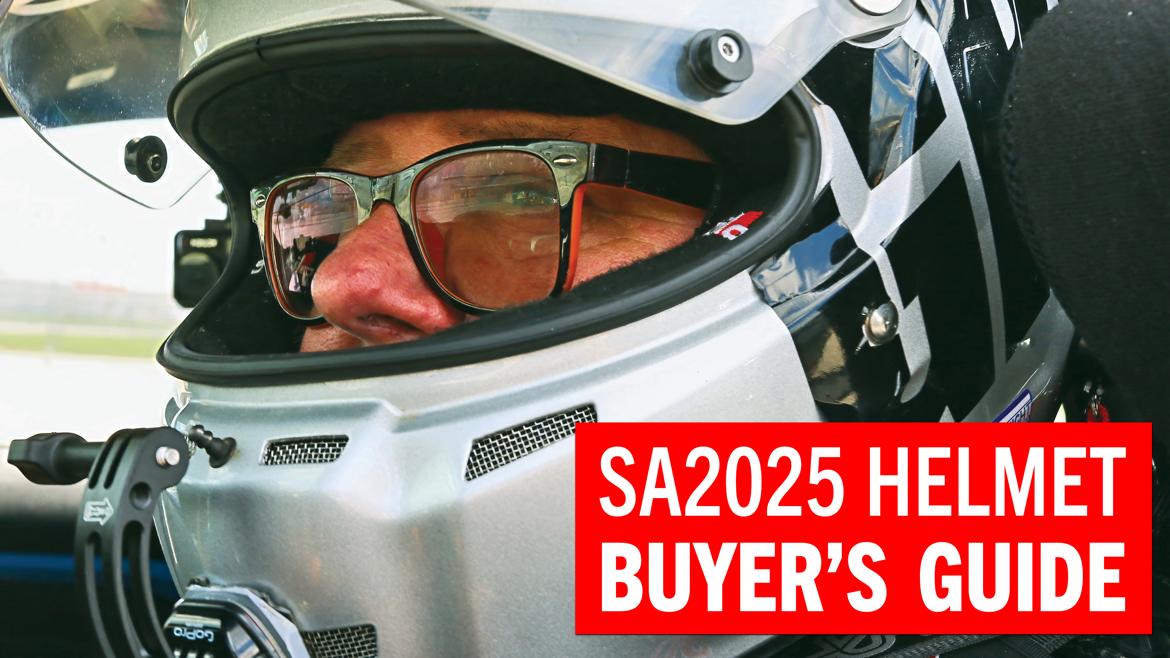
It happens every five years. El Niño? No, updated Snell helmet standards.
The Snell standards came about after William “Pete” Snell’s death during an SCCA event back in 1956: He crashed, and his helmet didn’t provide enough protection. The Snell Foundation was formed the following year.
Fast-forward to today, and the Snell Foundation certifies helmets for auto racing plus other activities: cycling, kart racing, horseback riding, motorcycling and more.
The SA-rated helmets–with the SA standing for Special Applications–are intended for auto racing, meaning additional standards regarding fire resistance, roll bar impact and head-and-neck attachment points. The four digits after the SA denote the year of the spec, with SA2025 being the latest one.
The Snell Foundation updates its SA standards every five years, with that SA2025 certification going live this past October 1. What’s new? The amount of peak g transmitted through the helmet.
Depending on the size of the helmet, the outgoing Snell SA2020 standard limited the peak G delivered to the wearer to 300g (most helmet sizes) or 280g (the two largest sizes tested). The new SA2025 standard lowers that limit to 275g across the board no matter the size.
“Don’t throw away your 2020 helmets,” Hong Zhang, Snell Foundation, Inc., director of education, said during a web conference announcing the new standards. But if shopping for a new one, she added, now would be a good time to take advantage of the updated specs.
1. An updated Snell standard means an updated helmet from Schuberth, with its latest SP1 Carbon Evo featuring options regarding ventilation, communication electronics and the Eject System.
$2399+
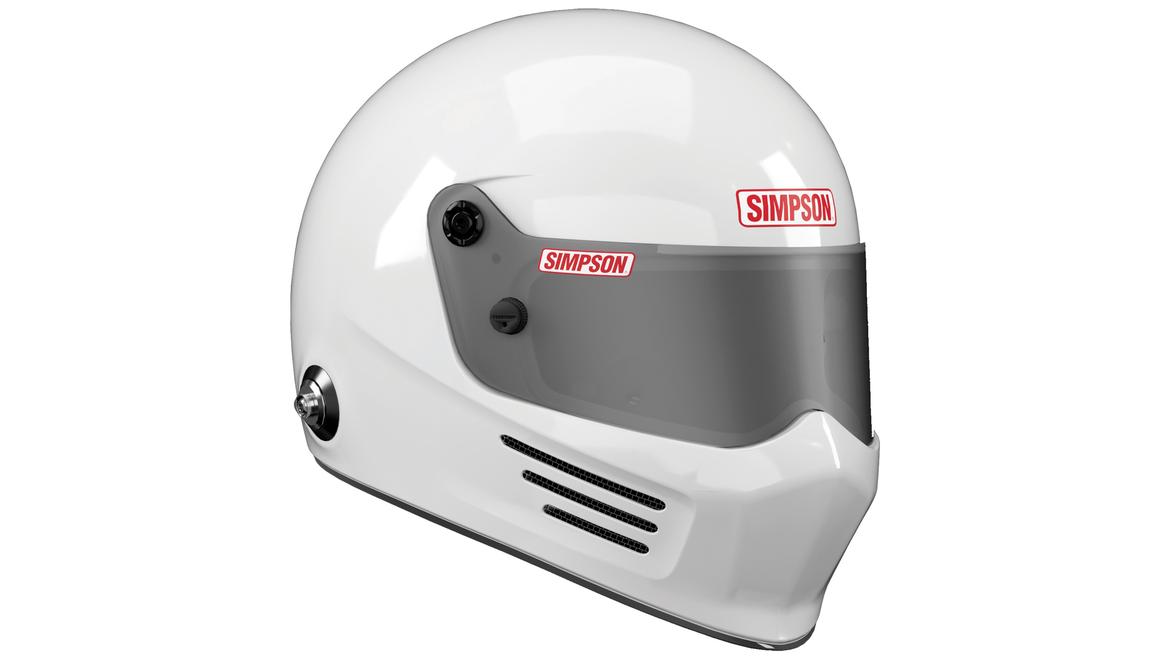
2. The ever-popular Simpson Bandit continues into the current Snell era with a refined, more aerodynamic profile. Available in carbon, too.
$564.95+
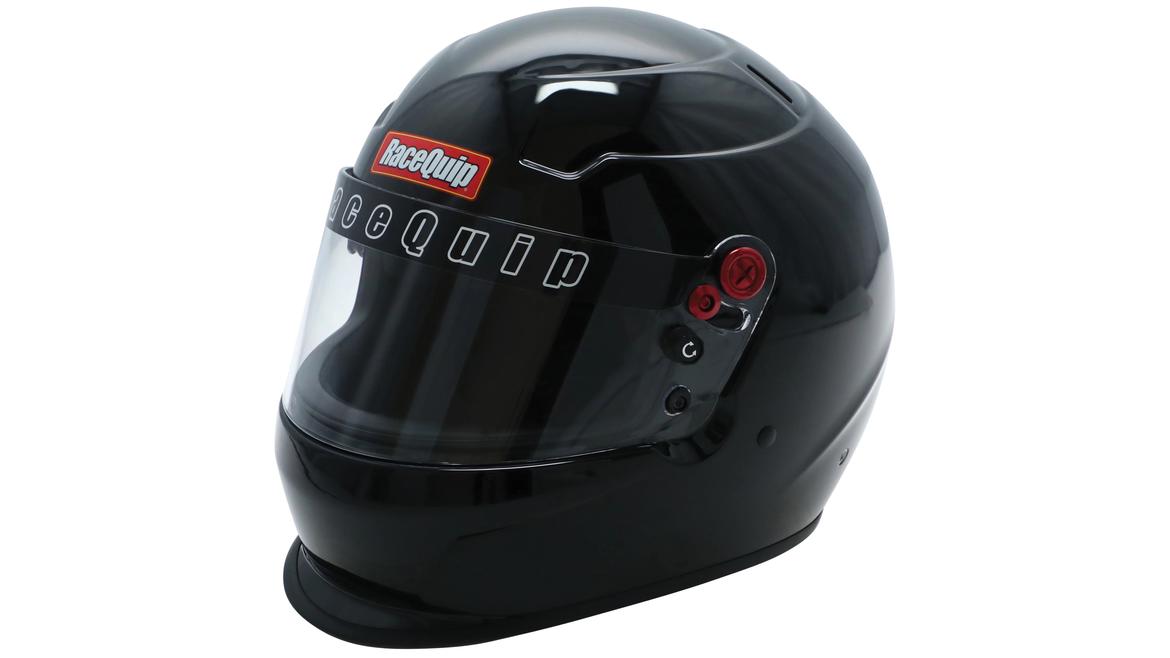
3. Calling those who wear glasses: RaceQuip’s PRO25 features a wider-than-usual eyeport. And despite the lower price point, this one still features tear-off posts plus top and rear exhaust vents.
$339.95+
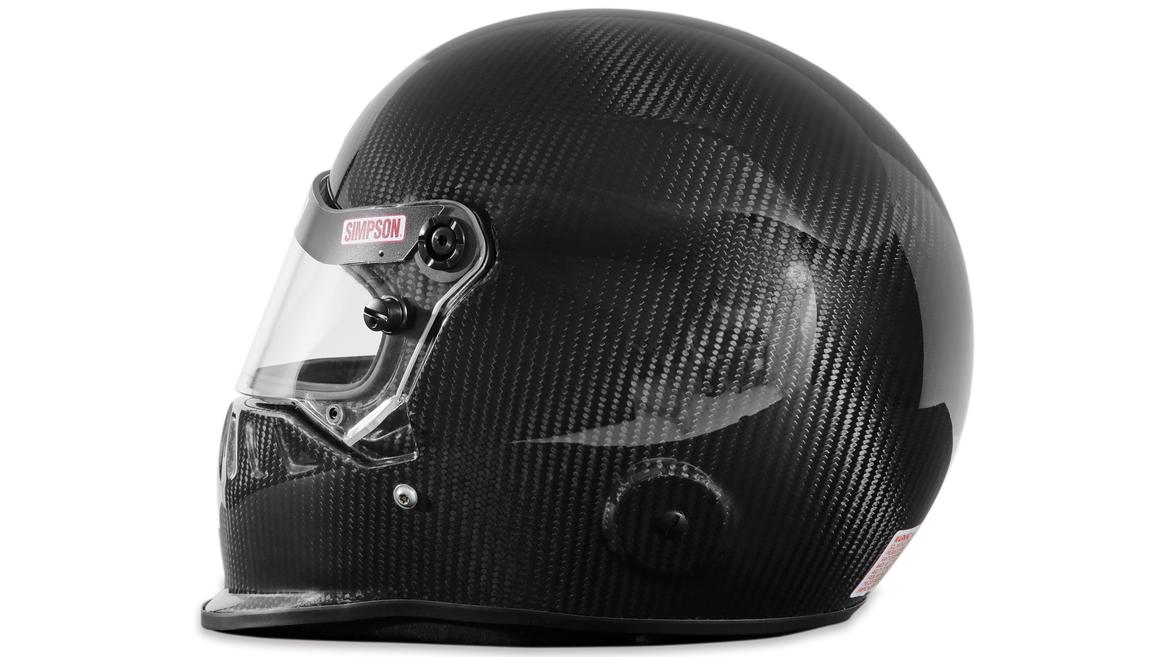
4. Clean, lightweight and designed for open-cockpit cars, with a lower front chin spoiler and optional one for the rear. The Simpson Carbon Vudo is designed and built in Texas, too.
$1279.95
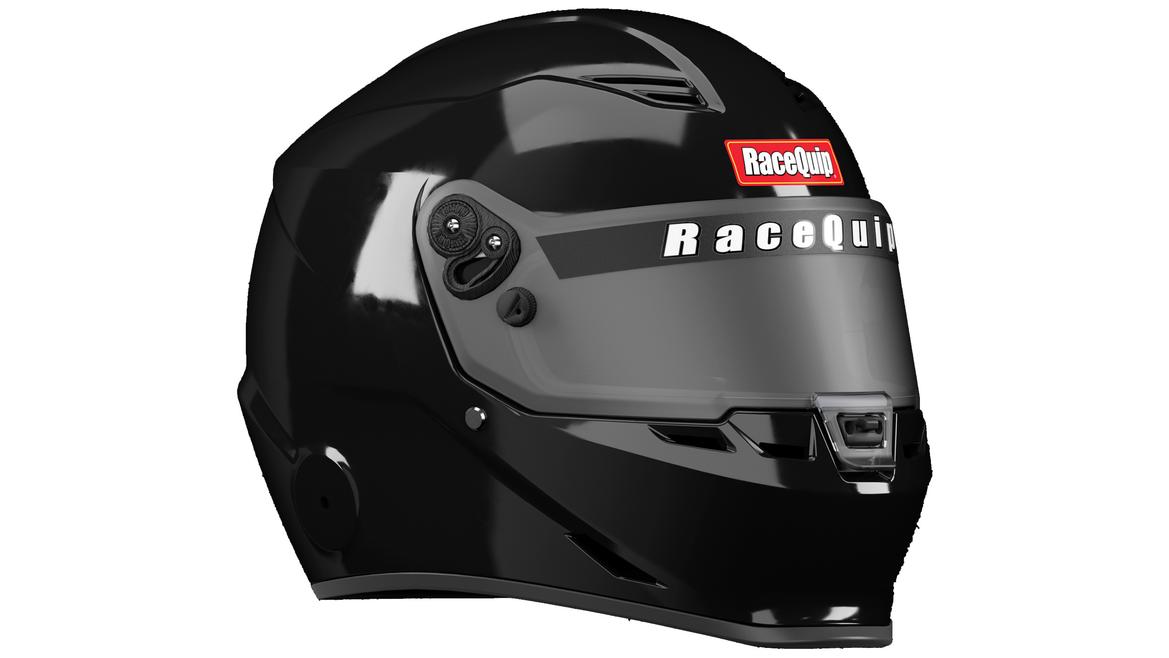
5. What makes RaceQuip’s NX25 so special? Aggressive looks and a wide eyeport plus channels for forced air, hydration and communication setups.
$499.95+
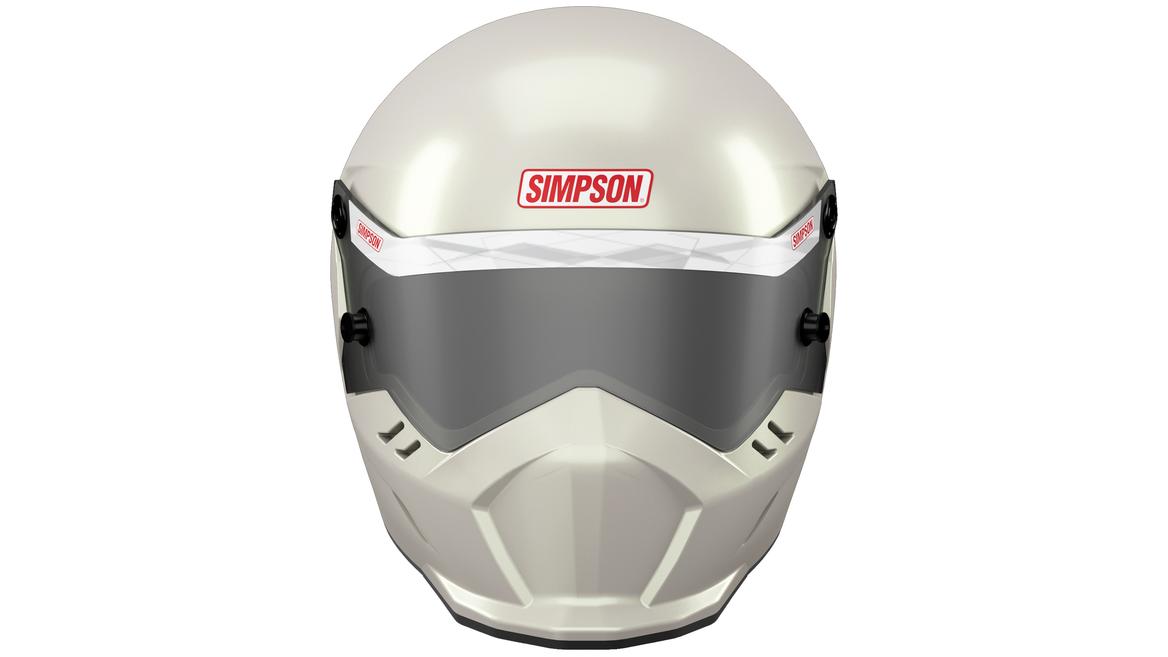
6. The Simpson Kingsnake marries a bold design, wide eyeport, and optional interior pads and ear cups. Built in Texas and also available in carbon.
$974.95+
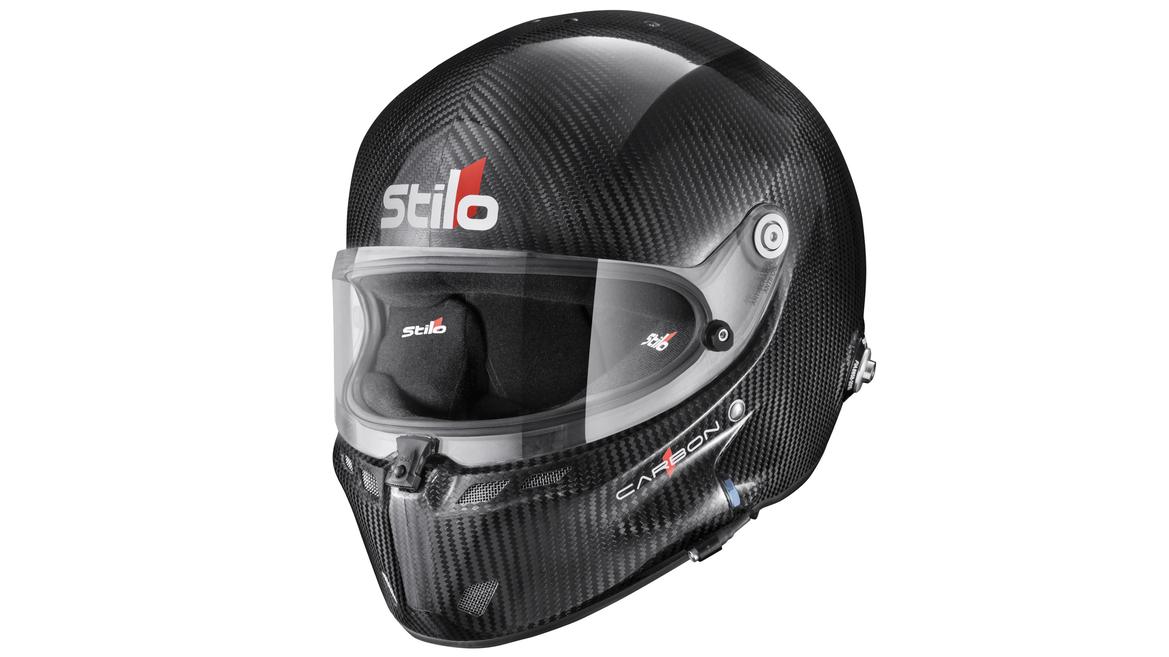
7. To help shed weight, the Stilo ST6 GT Carbon features limited fillers, clear coats or lacquers. Options include spoilers, visors, skirts, flaps, hydration kit, air ducts and the Eject System.
$2153+
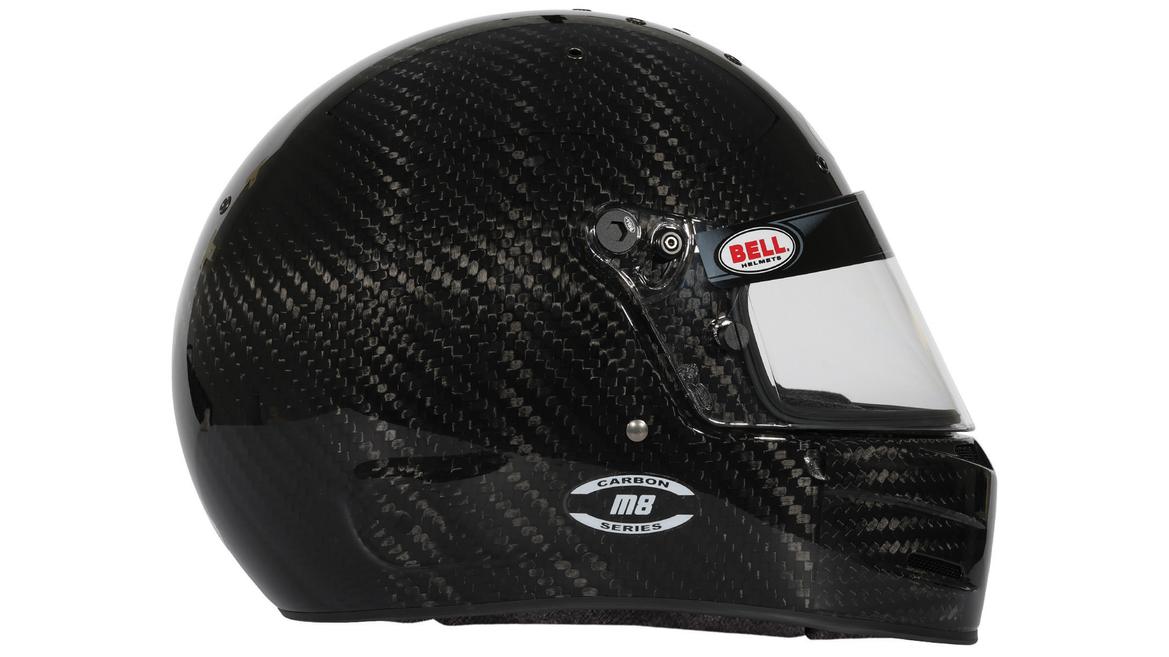
8. Bell’s M8 Ultra adds a lightweight carbon shell to the brand’s popular M series lineup. The big eyeport remains.
$1199.95
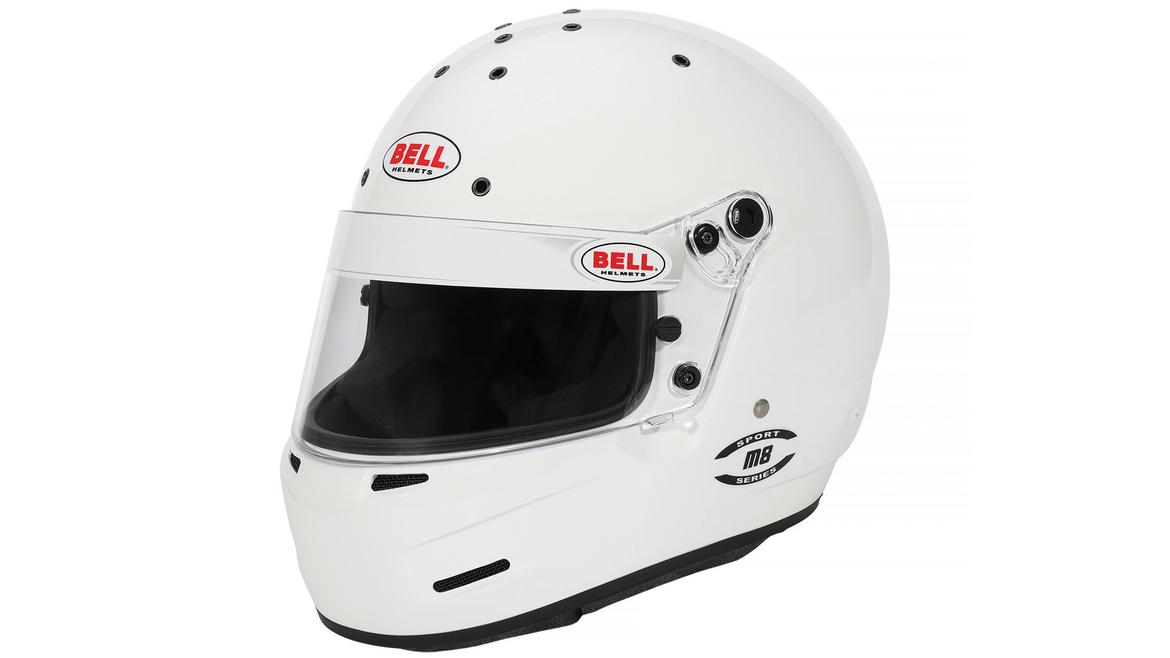
9. Bell continues to offer its M series, with the latest M8 Sport still featuring a large eyeport and integrated channels.
$499.95
Comments

I wish you could find published results of those helmet tests. It would be interesting to a) look them up with snell to validate the rating and b) compare helmets on more than price. Maybe one model does better in your size. Or the cheaper helmet actually had a better result.

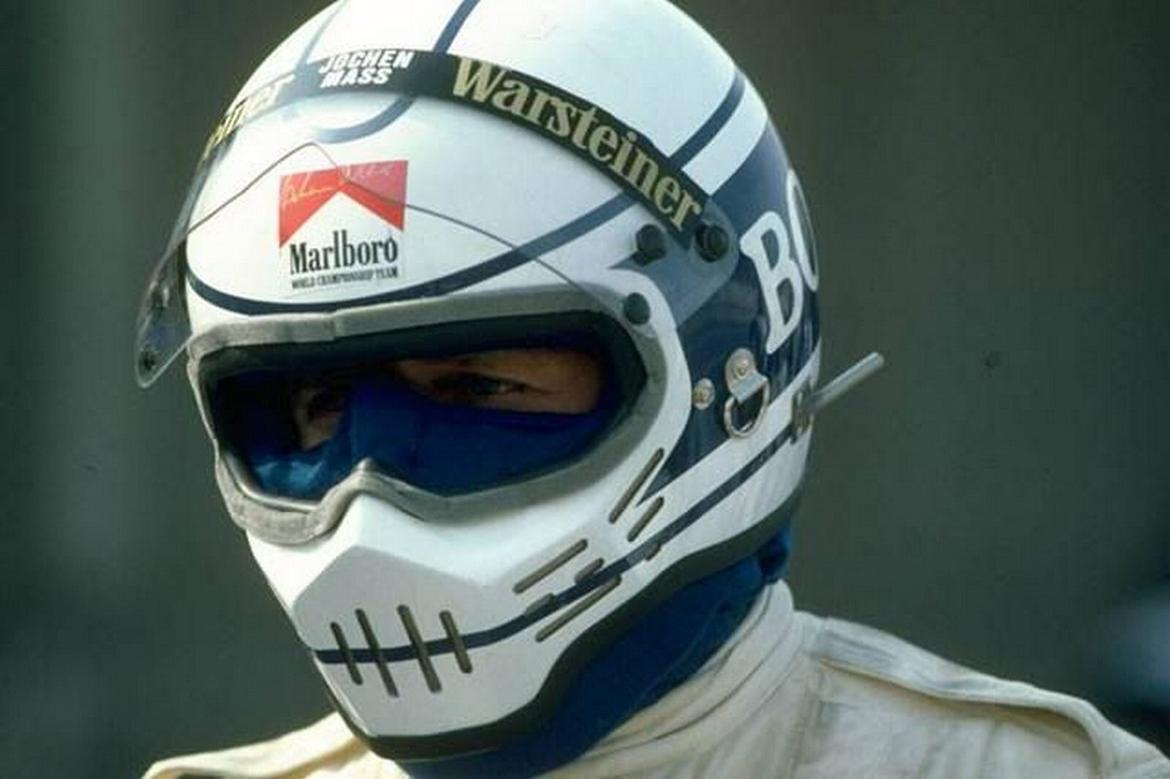
I’ve always thought the Simpson Bandit was cool because of Jochen Mass:

Tom1200
UltimaDork
3/4/26 11:12 a.m.

In reply to Tom1200 :
I don’t believe Arai lists a helmet meeting the latest Snell or FIA specs.
Colin Wood said:
I’ve always thought the Simpson Bandit was cool because of Jochen Mass:
And, yes, 100%.

Where can you go to try on helmets? Or do you have to order online and hope you can return if it doesn’t fit?

In reply to maschinenbau :
There are racing stores scattered around- we made a field trip to OG Racing to try out some seats and helmets last time we were looking, which is how I ended up with my current Stilo and how Sara ended up with a Sabelt seat.
Tom1200
UltimaDork
3/4/26 1:22 p.m.
David S. Wallens said:
In reply to Tom1200 :
I don’t believe Arai lists a helmet meeting the latest Snell or FIA specs.
Wow, I am surprised by that.
Regardless I will by buying an SA2020 when the 25s go on sale as there is always a huge discount.

cyow5
HalfDork
3/4/26 1:28 p.m.
theruleslawyer said:
I wish you could find published results of those helmet tests. It would be interesting to a) look them up with snell to validate the rating and b) compare helmets on more than price. Maybe one model does better in your size. Or the cheaper helmet actually had a better result.
One thing I’d love to have data on is if a newer spec helmet is actually any safer than an older spec helmet. Looking at the requirements for the latest Snell, it is probable that older helmets could’ve also passed if the old helmet passed the old test with a bit of margin. Problem is most of the tests don’t lend themselves to providing more data than a simple pass/fail. It’s hard to tell by how much it passed or failed or at what level that would’ve changed. I doubt they test enough helmets at enough differing loads to know what the actual max loads are. At the protype/subsystem level, they probably have that data to inform things like thicknesses, but I doubt even the big makers do that sort of test matrix at the production helmet level. If they did though, it would be super interesting.
Just because I could pass a 1st grade math test right now doesn’t mean my math skills are limited to 1st grade.
cyow5 said:
One thing I’d love to have data on is if a newer spec helmet is actually any safer than an older spec helmet. Looking at the requirements for the latest Snell, it is probable that older helmets could’ve also passed if the old helmet passed the old test with a bit of margin. Problem is most of the tests don’t lend themselves to providing more data than a simple pass/fail. It’s hard to tell by how much it passed or failed or at what level that would’ve changed. I doubt they test enough helmets at enough differing loads to know what the actual max loads are. At the protype/subsystem level, they probably have that data to inform things like thicknesses, but I doubt even the big makers do that sort of test matrix at the production helmet level. If they did though, it would be super interesting.
Just because I could pass a 1st grade math test right now doesn’t mean my math skills are limited to 1st grade.
Given how close the specs are I’m sure some of the helmets are just a new sticker. In any case I thought they were just dropping an anvil on the helmet and recording the G transfer. In theory they should have the actual G load transferred. I don’t think the test itself is binary, just the certification.
Displaying 1-10 of 18 commentsView all comments on the GRM forums
You’ll need to log in to post.