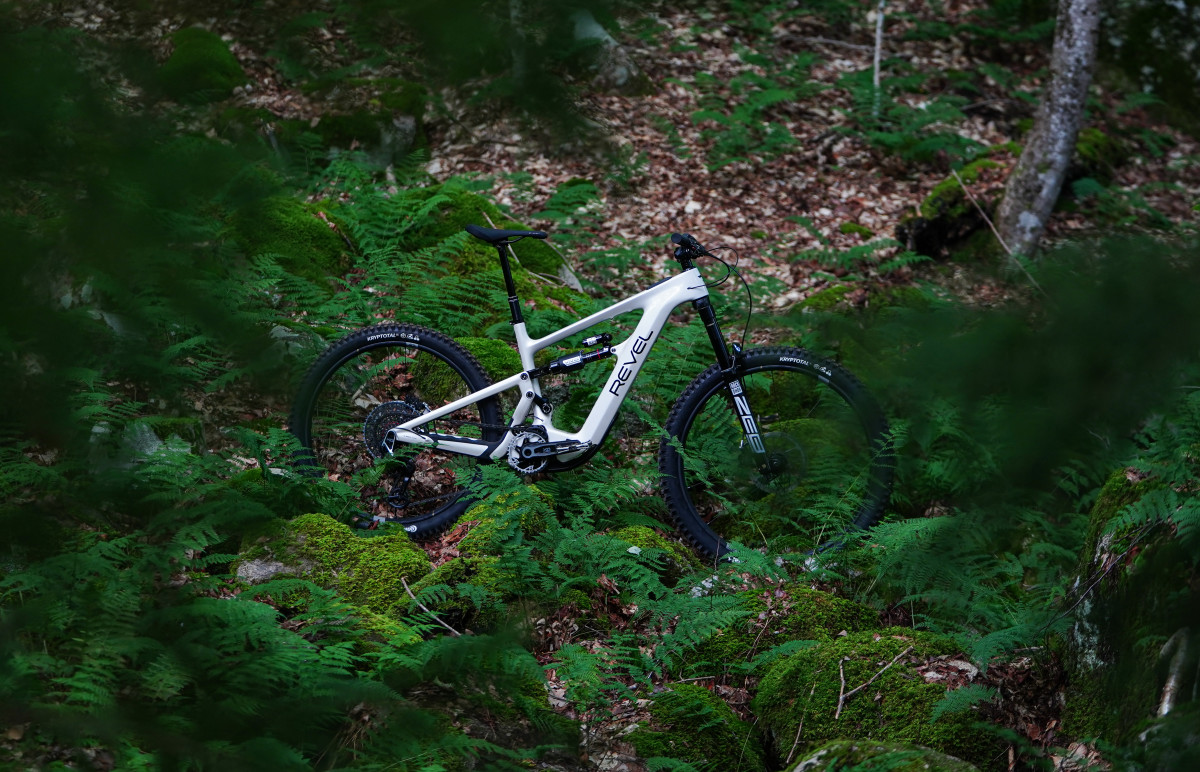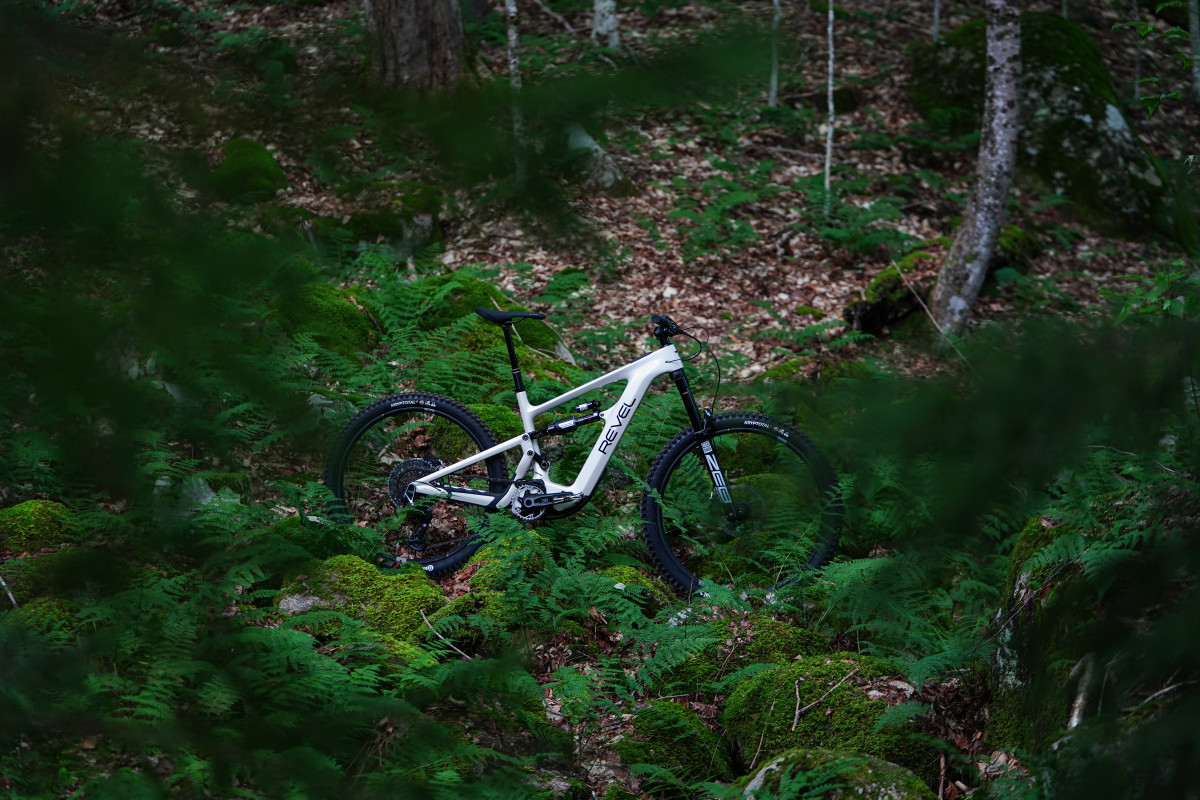
In just a few short years, Revel Bikes has gone from relative obscurity to building bikes that consistently punch above their weight. With the ReRun, Revel claims they set out to electrify an enduro bike, meaning their first-ever E-MTB stays closer to the spirit of mountain biking than cassette-busting torque figures and huge battery capacities. There’s a motor onboard, certainly, but it’s clear the designers prioritized rider input over motor output.
Photo: Beny Huckaby
Over the past few months, I’ve ridden the ReRun across a wide range of terrain. From loamy trail systems in Vermont and the Adirondacks to dedicated e-bike zones Ride Kanuga, bike park terrain from Killington to Windrock, and back to the dust and chunk of Southern California, the bike saw no shortage of variety. I’d never ridden a Revel prior to the ReRun, but I had heard plenty of praise — including from our own 2019 Bible of Bike Tests — and I was curious how that suspension pedigree would translate to the E-MTB category.
For more on how the Revel CBF Suspension works on a non-electric bike, read our review of the Revel Rascal SL below.
The Lightweight Question
With the price of E-MTBs, here’s where the real question lies: how often do you find yourself fantasizing about your playful, dialed analog bike? That’s been my experience in the past. I’ve spent time on everything from 800Wh, full-power bikes with 85 to 120Nm motors, to lighter systems like the Moterra SL. Every time, I enjoyed the speed. And every time, I eventually found myself wanting my trail bike back, feeling that familiar itch to return to something lighter and more playful. That’s where ReRun has started to change things for me.
After nearly six months on a lightweight platform, I’m becoming a believer in the category. Not because it dominates on paper, but because it simply fits more of the rides I actually do. It doesn’t try to remove effort entirely. It just smooths the edges. You can still throw the bike around and generate speed, but you still get enough motor to stretch your rides out and double your lap count. For me, that balance is what makes a lightweight E-MTB feel like a realistic quiver killer. Not because it fully replaces a trail bike, but because it stops that itch from creeping back in.
Photo: Beny Huckaby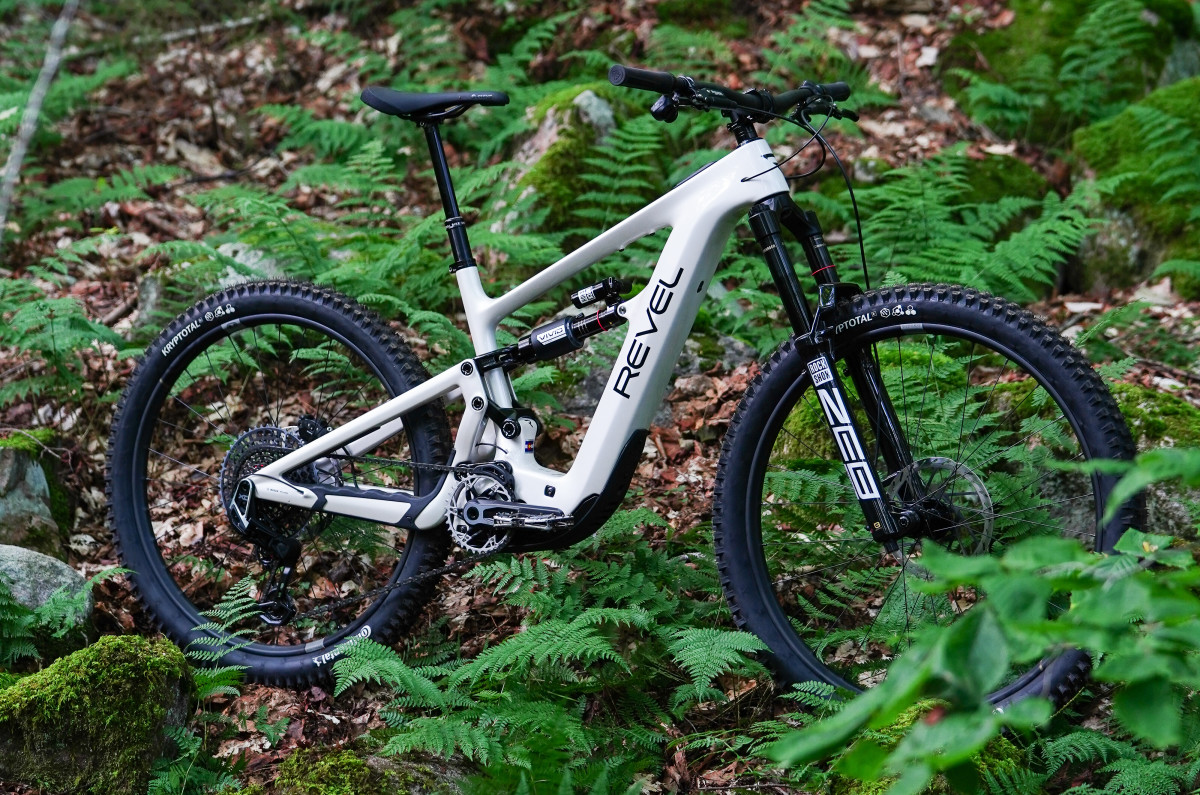
The Gold-E-locks Bike?
I’ve typically only owned one E-MTB at a time, and I’ve always kept a trusted analog trail bike alongside it. While there are still analog-only trail systems and rides that call for a pedal bike, having the ReRun practically erased my urge to swap back and forth.
Take a typical group ride with friends on full-power bikes pushing 110Nm. If you don’t want to bail early, you’re going to put down more of your own watts than they will on the day. While the ReRun’s 60Nm peak output is still enough to keep you in the mix over the steepest, raunchiest bits of singletrack, you’ll have to hope your buddies don’t crank full Turbo mode on the fire roads. So while I might have to work a little harder, I’m not necessarily left wishing for more when riding with full-power friends. In fact, I think they’re often left wishing for less after the climbing is done.
Photo: Beny Huckaby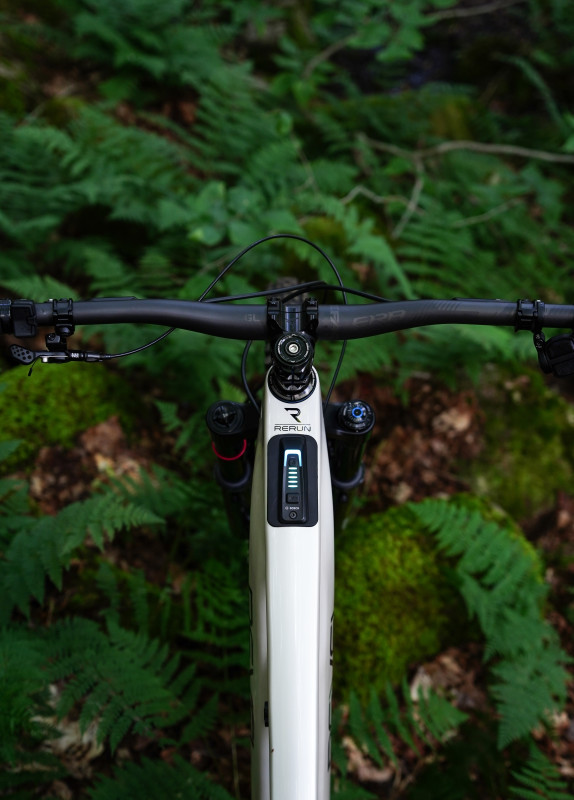
Where the ReRun really separates itself is when the dropper post goes down. When the trail offers up doubles or triples to pull for, steeper lips, or tighter features, the bike doesn’t have the anchor feeling that heavier full-power bikes sometimes do. I never found myself hesitating to throw a whip or table, and for my smaller mini-golf type lippy backyard trails, where I exclusively ride my trail bike, I kept grabbing the ReRun instead.
That’s what makes it feel like the Goldilocks option for me. It’s not underpowered, and not overbuilt with excess range or weight. It expanded my riding without muting the body language and personality that make mountain biking fun (for me) in the first place.
Details
Photo: Beny Huckaby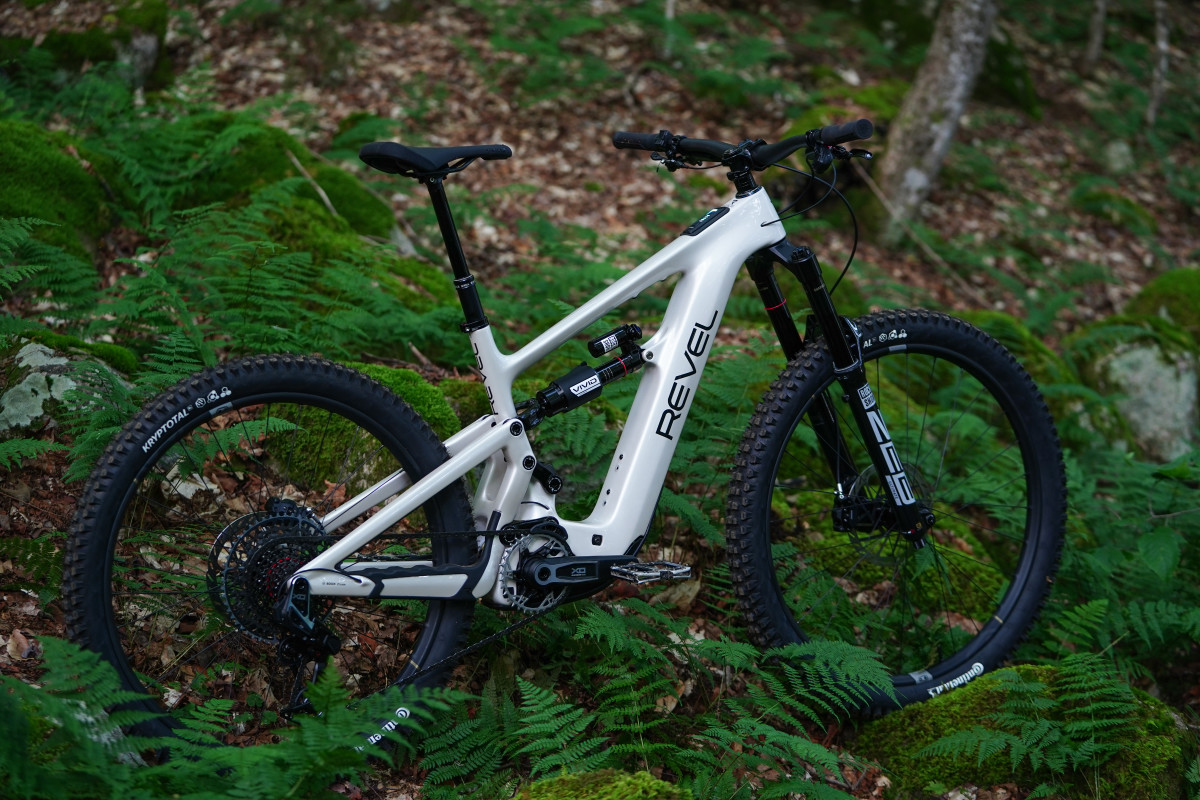
- Motor: Bosch Performance Line SX 55NM
- Battery: Bosch Compact Power Tube 400Wh
- 4 frame sizes (MD tested)
- 64-degree head tube angle
- 76.5-degree seat tube
- Size-specific chainstays
- 44 lbs
- 2 build kit options
Pricing
- SRAM X0 Transmission: $7,649.00 USD
- SRAM Eagle 90: $5,599.00 USD
Geometry
Nothing crazy with the geo. The size MD comes in with a 455mm reach, 441mm chainstays, and a 628mm stack. The bike isn’t overly slack at a 64-degree head angle, paired with a 76.5-degree effective seat tube angle. At 5 feet and 9.88 inches (who’s counting), I chose to replace the stock 20mm rise bar with a 38mm rise to bring the front end up a bit. Being on the upper end of the Medium size range, that small change helped dial in my fit.
Revel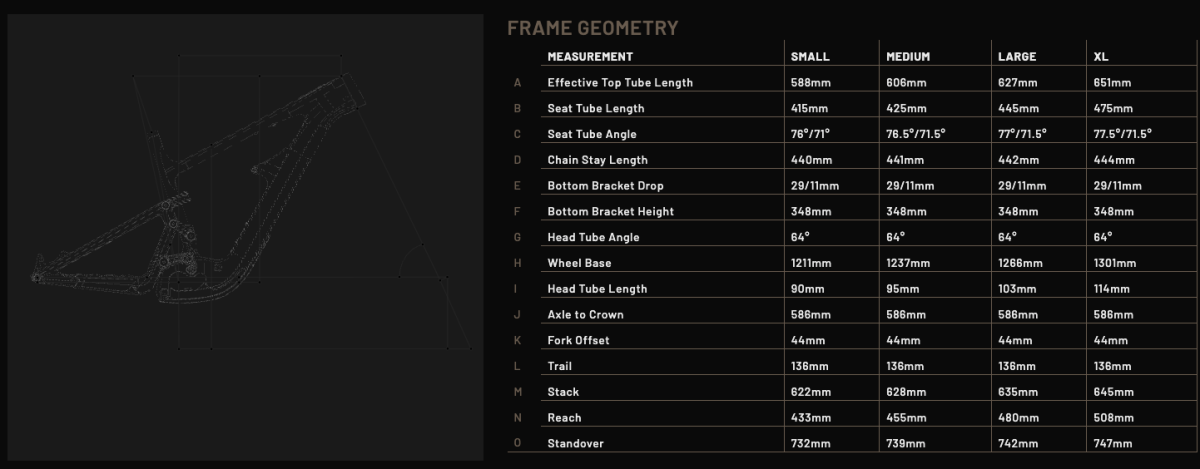
The 160mm cranks specc’d on this bike help when running the ReRun a little lower, deeper in its sag than normal. Aside from a slightly low front end, there’s nothing weird or extreme about the geometry of the ReRun, which lines up well with how the bike feels on trail.
Ride Impressions
This bike quickly jumped out at me as easy to get along with, honestly, so much so that it had me wondering if I had simply gotten lucky with my initial setup before I even began tinkering. The tuned CBF suspension and Vivid Air/Lyrik combo on my build felt predictable right off the bat, which made for a short break-in and adjustment period. The small-bump sensitivity provided plenty of traction, while the platform still felt supportive enough to encourage pulling for gaps and absorbing bigger compressions.
In stock form, the bike encouraged a more aggressive riding position. I liked that on flatter trails, but I swapped in a riser bar to neutralize my body position a bit. Once I got comfortable with the setup, I’d often forget I was on an e-bike while descending. The added inertia from the weight didn’t register the way it does on a full-power E-MTB.
Photo: Beny Huckaby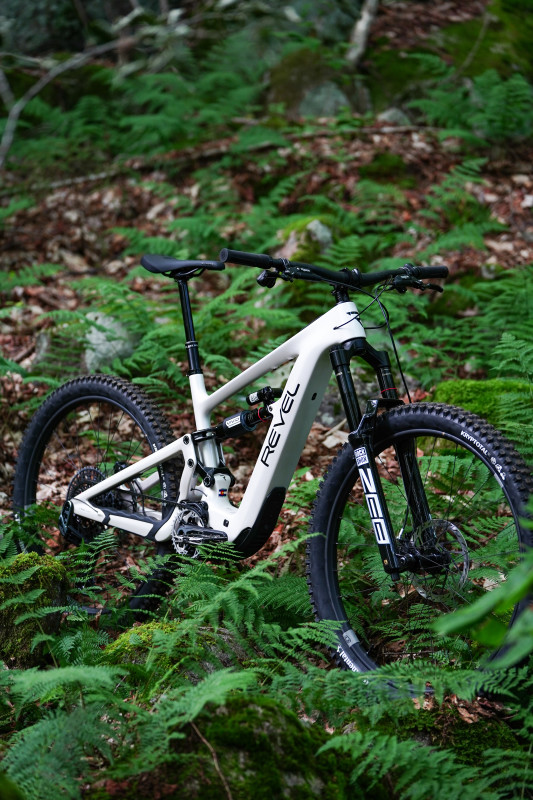
On the climbs, the bike moved efficiently and remained relatively comfortable thanks to the support from the CBF platform and the seat tube angle. I had a blast picking through techy climbs, where I found myself actively managing weight over the rear wheel, and occasionally the front. That was likely due to the lower bar height and seat tube angle, or simply my own incompetence (oop).
After experimenting with different setups and sag measurements, I came to appreciate how good the bike feels across a range of settings. Around Lake Placid’s lower-speed jank, I ran about 34 percent sag in the rear. I know that’s soft, but when lower-speed jank enters the chat, I’m not as concerned about deep-stroke impacts. Down at Ride Kanuga, I preferred 25 to 28 percent for added support through high-speed corners and impacts. Many bikes require very specific setups to handle well, but the ReRun seemed to cope just fine regardless of how it was set up. I attribute that adjustability to the CBF platform and the predictability it provides throughout the stroke.
Beny Huckaby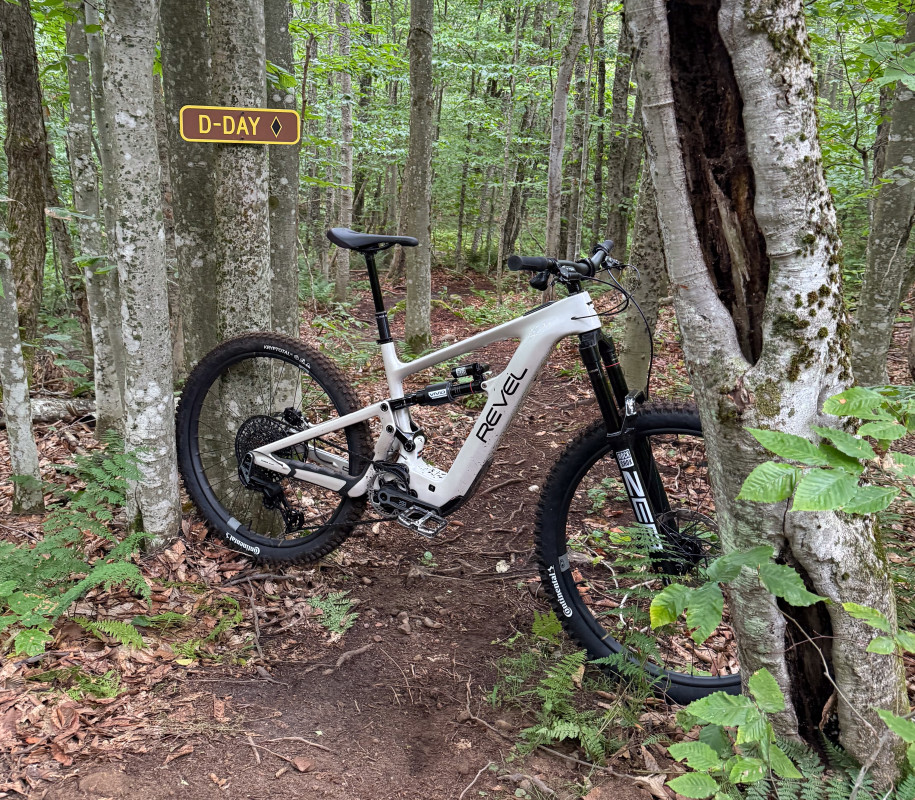
Attention To Detail
The details became one of the parts of this bike that I appreciated most. Thoughtful and precise design and manufacturing might seem unimportant, but all it takes is one poorly executed bike to show you otherwise.
Unlike some competitors, the hardware and tolerances on the ReRun are very well done. A keyed shock bolt, oversized Allen hardware on the pivots, and tube-in-tube cable routing make working on the bike feel dialed. It’s always a good sign when there isn’t much “hacking” required to get things set up the way you want them.
Photo: Beny Huckaby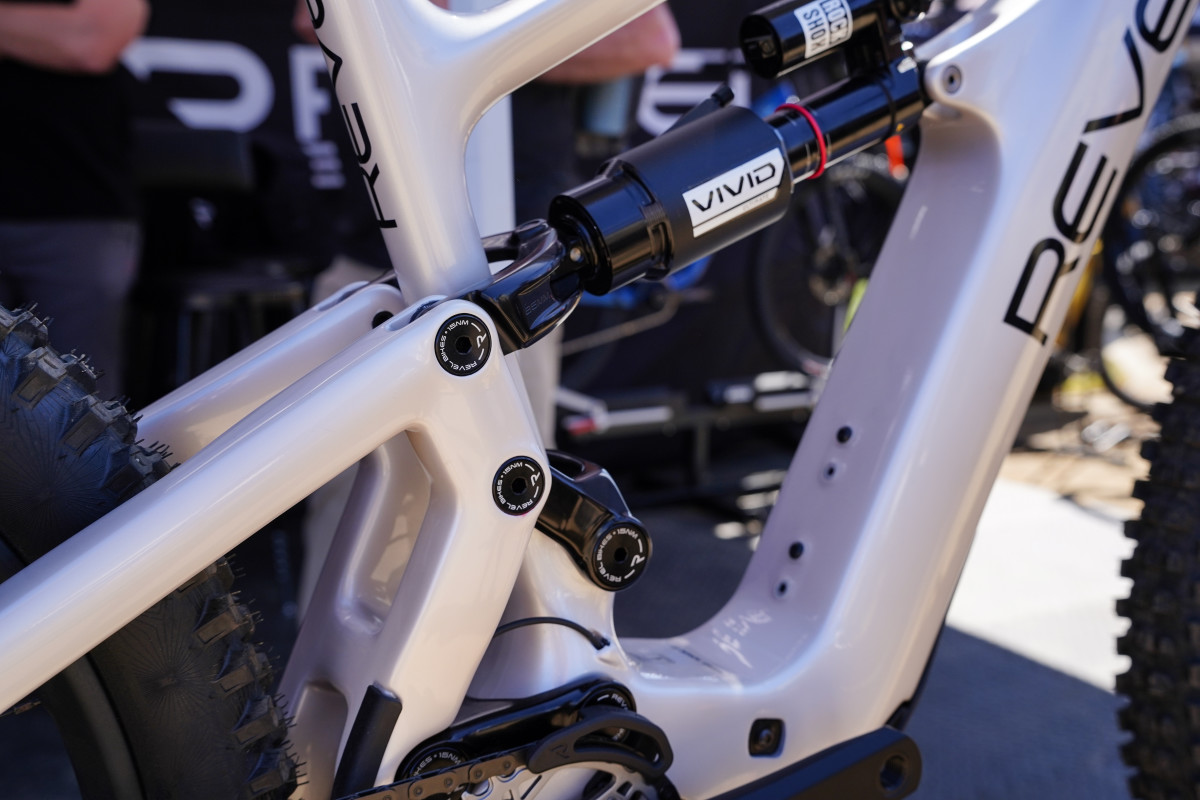
Cons
While it took me a while to arrive at any real drawbacks, there are a few worth noting.
It’s well known that the Bosch SX drive unit has some rattling action. As someone who isn’t exactly a meticulous mechanic, the noise didn’t bother me much once I got used to it, but it’s certainly noticeable when you first hop on the bike.
Beyond that, my only other real complaint is the tire spec. I’m a big fan of the Continental Kryptotal range, but on an e-bike, I’d prefer to see a downhill casing option. As spec’d, the tires are solid, but they’re the only thing keeping this bike from feeling fully rally-ready out of the box, especially in more gravity-oriented terrain.
Lastly, in full transparency, I did run into an issue with my Vivid Air during testing. The Hydraulic Bottom Out adjustment on my shock separated from the unit on the third turn of adjustment after getting it out of the box. I won’t go too far into the weeds here, but we determined it was almost certainly a manufacturer’s assembly defect, especially since I had already noticed the HBO dial sitting slightly askew straight out of the box.
Final Thoughts
The ReRun clearly prioritizes handling and suspension performance over outright range and torque, and for that reason, I keep reaching for it in the garage. While you might give up a bit of ground to a gluttonous full-power rider on long fire road drags, the ReRun is ideal if you care most about how the bike rides on the way down and just want a helping hand on the way up. If you don’t want another motorized anchor blasting through the trails, Revel has built an e-bike that can seriously boogie.
Photo: Beny Huckaby