
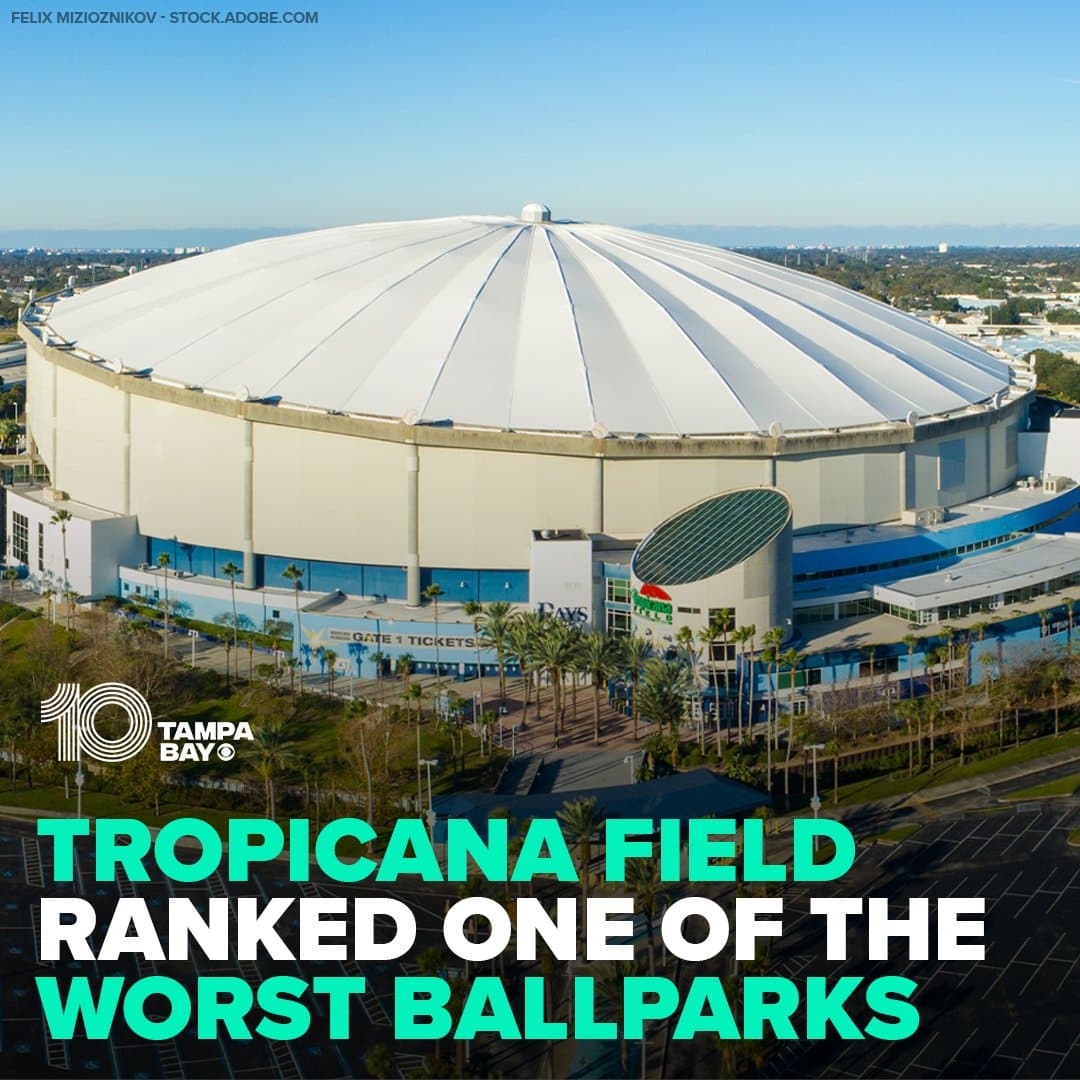
A member of the St. Petersburg Chamber of Commerce wants everyone to know something. The newest proposal by the Rays is “good” for the area. How? Well, according to the author, building this ballpark would “attract businesses and provide high-quality jobs”. Beyond that, did you know that the current ballpark brought a “positive atmosphere” to downtown Tampa Bay? Then he claims that the Rays are handing over $700 million of their own money into the project “so (the) public risk is capped”.
First, what a terrible set of so-called facts to give as your support. Positive vibe? Doesn’t the current ballpark almost always rank dead last in virtually every fan poll? Haven’t the Rays been near last in attendance most seasons since coming to Tampa? Yes, lately the team has been good. But for the many years before that? Additionally, important financial details are being left out when discussing this deal.
The developers and team are being given an expensive piece of property for just under $160 million, when the actual fair market is closer to $550 million. What about property taxes? Oh, there are none being paid by the team, so the city loses out on over $400 million there. There are some wondering if taxpayers could be paying close to $2.4 billion once interest and everything else is calculated.
Where is the public cost capped?
Second, let’s keep in mind who is talking. The St. Petersburg Chamber of Commerce (SPCC) has yet to not support any of the previous ballpark ideas given by the Rays. Remember the idiotic split-season idea with Montreal? The TBCC supported it. In fact, the Tampa Bay Times described SPCC as that group who “has been in the Rays’ corner on stadium arguments for years, even endorsing a split-city proposal that would have seen the Rays play half their home games in Montreal”.
In 2007-2008, the Rays wanted a public vote on a new ballpark in downtown St. Petersburg. This deal had the team paying for just $150 million of the projected $450 million cost. Virtually everyone from the public to politicians rejected this deal (and it was eventually cancelled).
But guess who supported it?
“The St. Petersburg Chamber of Commerce Thursday issued a report largely supporting the Rays’ $450M downtown waterfront ballpark plan, a day after the Rays suspended their push for a November referendum on the plan and restarted their stadium search with a group of community leaders” — St. Petersburg Times, 6/27/08
In 2018, the Rays tried to push approval for a new ballpark in Ybor City. They released pictures and drawings showing how beautiful the ballpark could be. The lack of response from the Rays to the question of funding halted any further developments. As Sports Illustrated stated in a story about the ballpark, “Nobody knows who’s going to pay for it“.
Back to the recent proposal. There are so many questions left unanswered in this deal. The politicians involved in voting on this deal seem to be unaware of crucial details. After the team came to the city council and asked for “swift approval of a financing plan” for the ballpark, several council members wanted answers to questions before they would agree to the approval. As I am sure you could guess, “many of those details remain unknown or undecided”. How is that possible? Not to worry, though, as the team told these same leaders that if they didn’t do what they said on the timeline that they needed, then “this entire endeavor becomes impossible”. Oh well.

Even some leaders in St. Petersburg appear irritated and perplexed by the contents of the ballpark package for the city. The Rays continue to applaud themselves for their comprehensive community benefits package.
The Rays are lucky that the package barely passed the city council’s approval. Apparently, the team added language very late that gave developers “more flexibility in opting out of creating affordable housing units” and required a 10% participation from minority-owned businesses, instead of the previous language stating it was 30%. When the Community Benefits Advisory Council met to agree to the package, they had several changes that they wanted to put in place. The problem? Any revisions by the council are “nonbinding”.
Just like what most good neighbors do once they are moving into a new area, the team also had a warning/threat to give to the council: If any changes cause the team to pay more, the team will retaliate and get it back.
“Caper also noted that Rays/Hines officials have previously stated that a significant financial increase in any one aspect would have repercussions. ‘Maybe that is a certain aspect of the development doesn’t get built, or they ask to renegotiate that land price‘ Caper said. ‘There would be something else that inevitably they would bring to the table to offset that increase in the affordable housing expense.’” — St. Pete Catalyst, 02/07/24
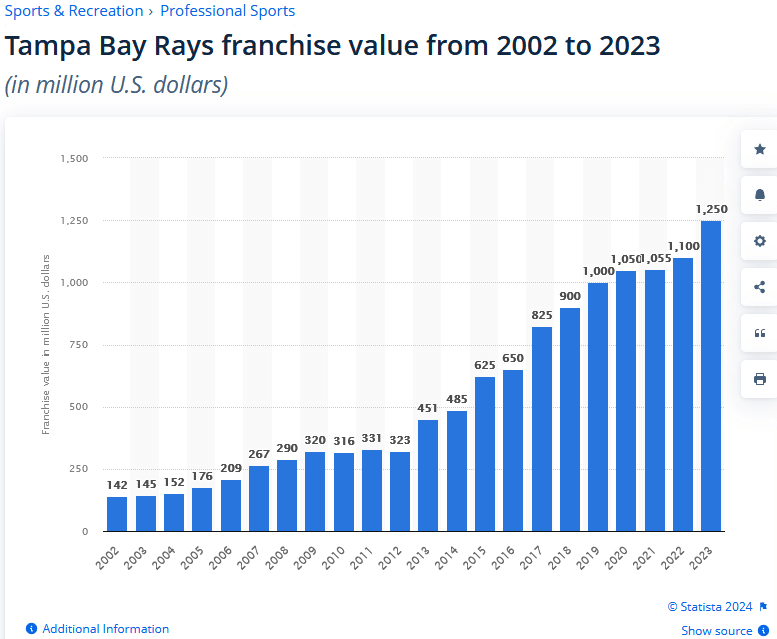
The public will not have access to the complete agreement until after the city and team sign the deal. Global Sports Matter wrote a good article noting just how sneaky sports owners can be as of late:
“Nobody is actually asking taxpayers what they want. The Bills deal, for example, was deliberately timed to drop at the last possible moment in the legislative session…The Maryland subsidy package was likewise approved amid a flurry of final-weekend legislative moves, with little public notice. With few legislative hearings on the bills, there were scant opportunities for members of the public to express their opinions.” — Global Sports Matter, 06/28/22
This is why the Rays want to push this deal as fast as possible. It is why all sports owner force cities and states to move as fast as they can. They don’t want the public to study the deals. This is why, on average with stadium deals, the public ends up paying “40% more than the stated public cost“…and it is rising yearly.