
Regular cycling is good for you
The health benefits of cycling are well-documented. A 2019 systematic review of 21 studies and combined 1 million individuals shows that regular cycling is associated with a 25% reduction in the risk of cardiovascular disease, one of the leading causes of death worldwide. And if you use cycling as your main mode of commuting, the benefits are even more striking. Research from BMJ Public Health showed that cyclist commuters had a 47% lower risk of all-cause mortality compared to non-active commuters. In other words, people who bike to work are nearly half as likely to die prematurely from any cause.
But you don’t need to be a dedicated commuter to reap the rewards. Almost any regular physical activity can add years to your life. A meta-analysis in the British Journal of Sports Medicine found that regular exercise increases life expectancy by 0,4 to 6,9 years, depending on the intensity and consistency.
The surprising power of a four-kilometre day
You might think that only long, hard rides make a difference, but science says otherwise. A 2025 study found that just 4 km of daily bike commuting can boost fitness and cut emissions. Participants who cycled this short distance regularly showed a 31% higher VO2 max, more favourable body composition, and improved blood flow in their femoral arteries. All of that from a ride that takes most people less than 15 minutes. You can read more about this study in our previous article.
Just 4 km of Bike Commuting Boosts Fitness and Cuts Emissions
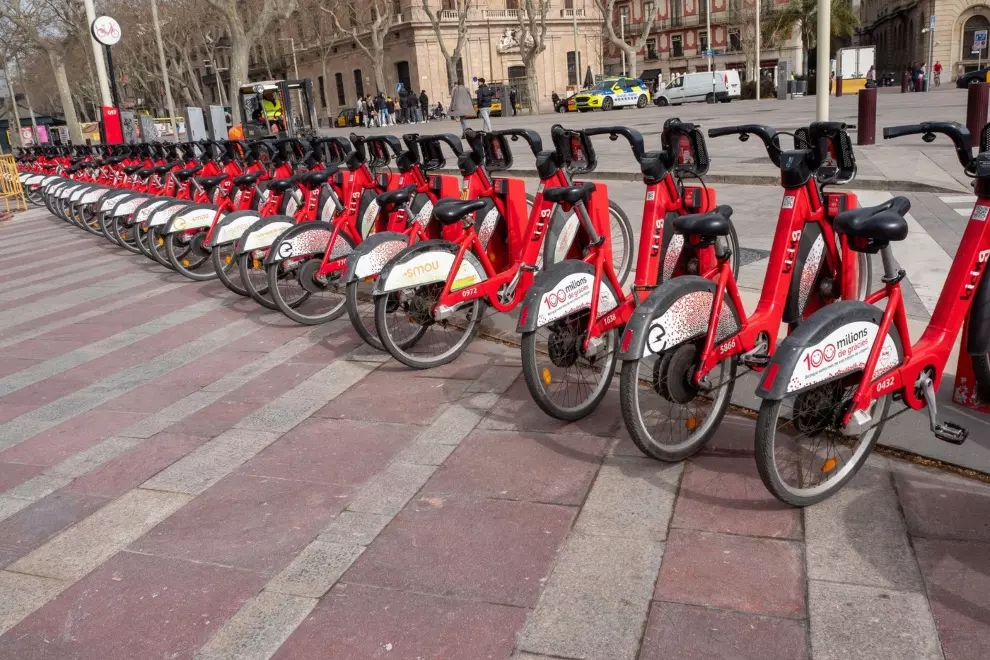
For me, this is the real magic of shared bikes. On days when I skip my usual training, a quick ride to the dentist, train station, or the movies still gives me that built-in movement. It’s not about replacing my road or mountain bike rides. It’s about adding easy, low-effort activity to my daily routine.
The recommended weekly dose of exercise, made easy
Health authorities recommend at least 150 minutes of moderate physical activity per week, a goal that can feel daunting if you don’t enjoy traditional exercise. Shared bikes make this possible.
For someone who doesn’t enjoy sports or structured workouts, swapping a bus or tram ride for a shared bike is an effortless way to stay active. There’s no need to sign up for a class, pay a gym membership, or even own a bike. Just grab a bike, ride, and let the minutes add up. Over a week, those short trips can get you close to that 150-minute goal.
The psychological effect of low-commitment exercise
As a road cyclist and mountain biker, I’m often treating rides as training sessions, focusing on developing my fitness, handling technique, or new skills. But shared bikes have taught me the value of movement without pressure. There’s no power meter to watch, no training plan to follow, no skill to work on, except navigating the city efficiently. It’s just riding for the joy of it, for the convenience, with no expectation. I find that sometimes it puts me in a great mood despite only taking 10-15 minutes.
This low-commitment approach to cycling is powerful. It’s a win for your heart, your mood, and for the city as well. The next article will be about what makes bike sharing work in a city.