
Updated March 17, 2026 09:10AM
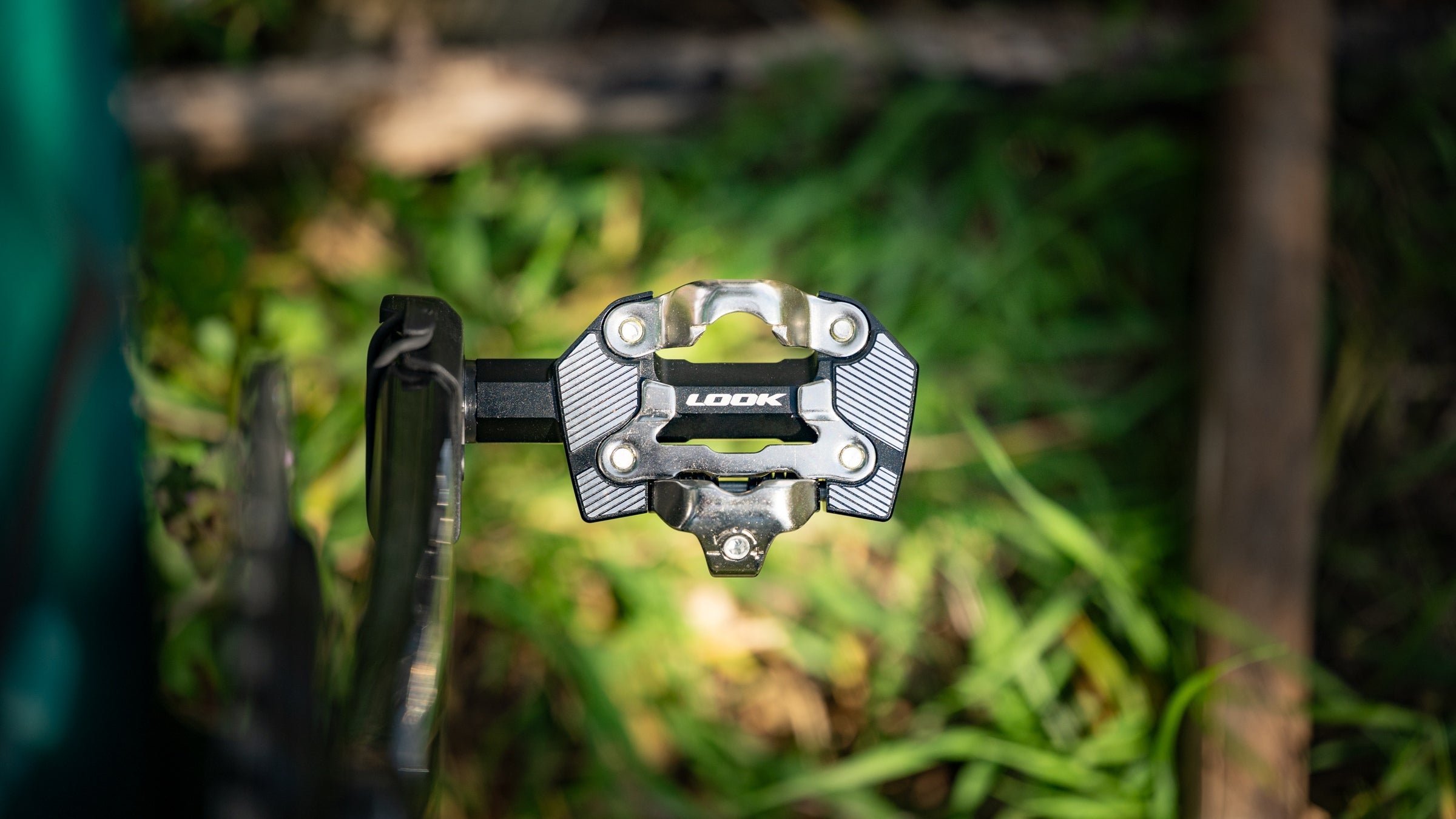
Look Cycle has revamped its gravel pedal line-up with three new pedals that introduce another one-sided off-road pedal to the gravel market.
The new one-sided pedal, called the X-One-G, is the second gravel-specific pedal that has hit the market over the past year that uses a traditional SPD two-bolt cleat, but with only one side of hardware. The other one-sided gravel pedal is the Wolf Tooth DEL pedal from the CTL-ALT-DEL pedal line.
While there are differences between the two pedals, with Look entering the one-sided gravel landscape, we can argue a trend is forming. All of a sudden, instead of having to choose between mountain bike inspired pedals and shoes, or road inspired footwear, there is a specific path you can also choose.
The Look X-One-G is light weight and provides a stable base
The Look X-One-G arrives to join the Look pedal line up with the X-Track, a more conventional dual-sided SPD, and the X-Venture, a bikepacking pedal that has a flat pedal and a SPD cleat orientation on either side.
The X-One-G is the marquee addition of the three with its one-sided design and wide platform to provide increased connectivity compared to traditional mountain bike SPD pedals. Functionally, this also dramatically cuts down on weight and allows for a refined aesthetic.
“The X-One-G combines the efficiency of a road pedal with the control and release of an MTB platform, making it perfect for the demands of gravel racing,” Russell Finsterwald, a gravel privateer racing for Look, said in the press release. “The one-sided SPD gives me the light, road-pedal feel I want, with the easy release of an MTB pedal. The platform is noticeably stiff and supportive, which is something I’ve been craving in a true gravel-specific pedal.”
Beyond that feeling of connectivity, the easy release, and the lighter weight, Look claims the simplified design provides excellent mud clearance because there is extra room for dirt to easily push through the bottom of the pedal.
On the flip side, it is more difficult to clip in with only one-sided pedals, part of the draw of SPD pedals is quick re-entry that comes with two entry points, but for gravel the idea is you clip out less than on a mountain bike or in a cyclocross situation where there is more on/off required.
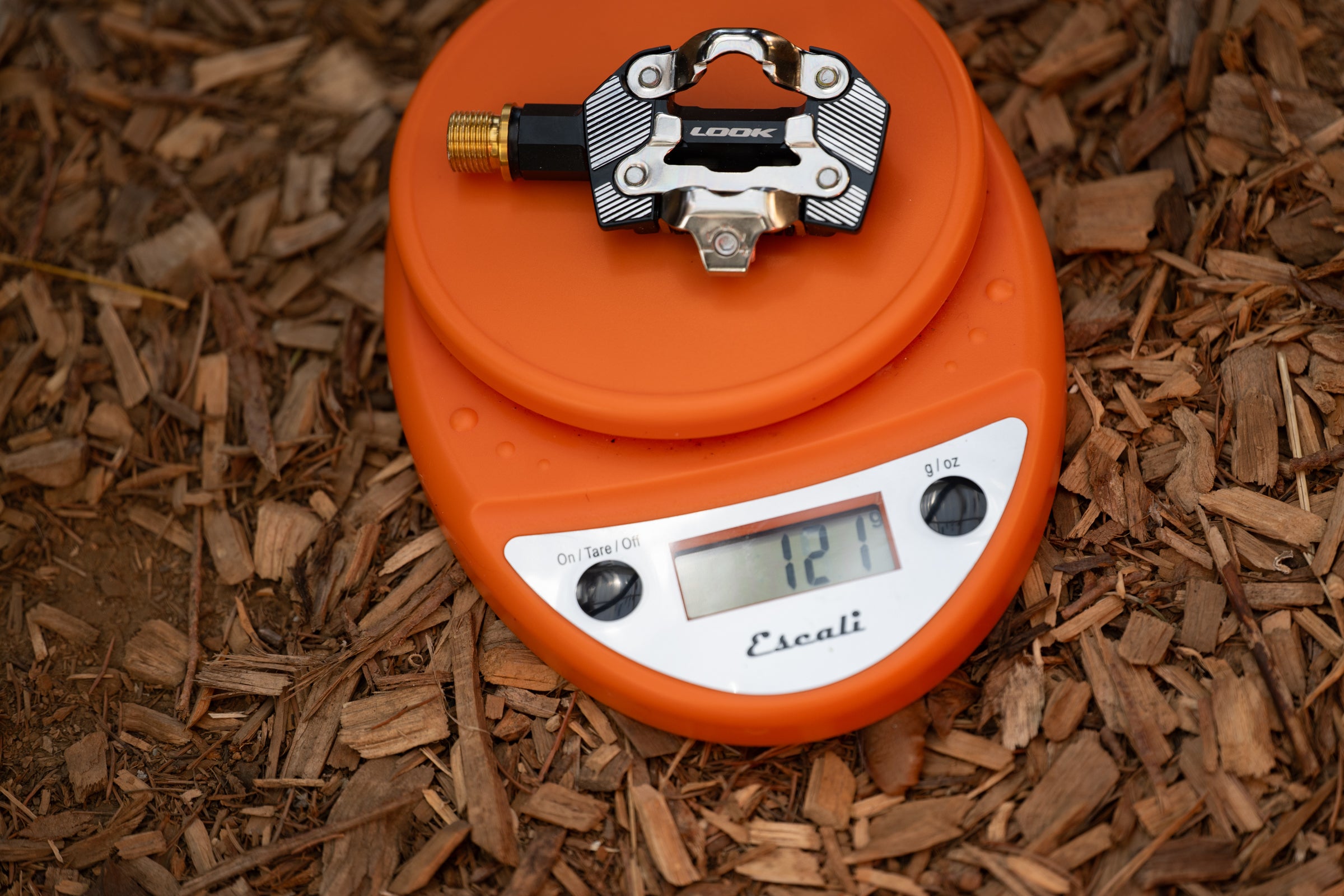
Overall, the X-One-G comes in a titanium version and a more robust X-One-G Max. The X-One-G with its titanium spindle is the lightest option at 120g per pedal and costs €299.00/£275/$365 USD, while the X-One-G Max uses an aluminum body and chromoly axle, weighing in at 145g and is more affordable at €179.00/£165/$225 USD.
How does it compare to the other one-sided gravel pedal?
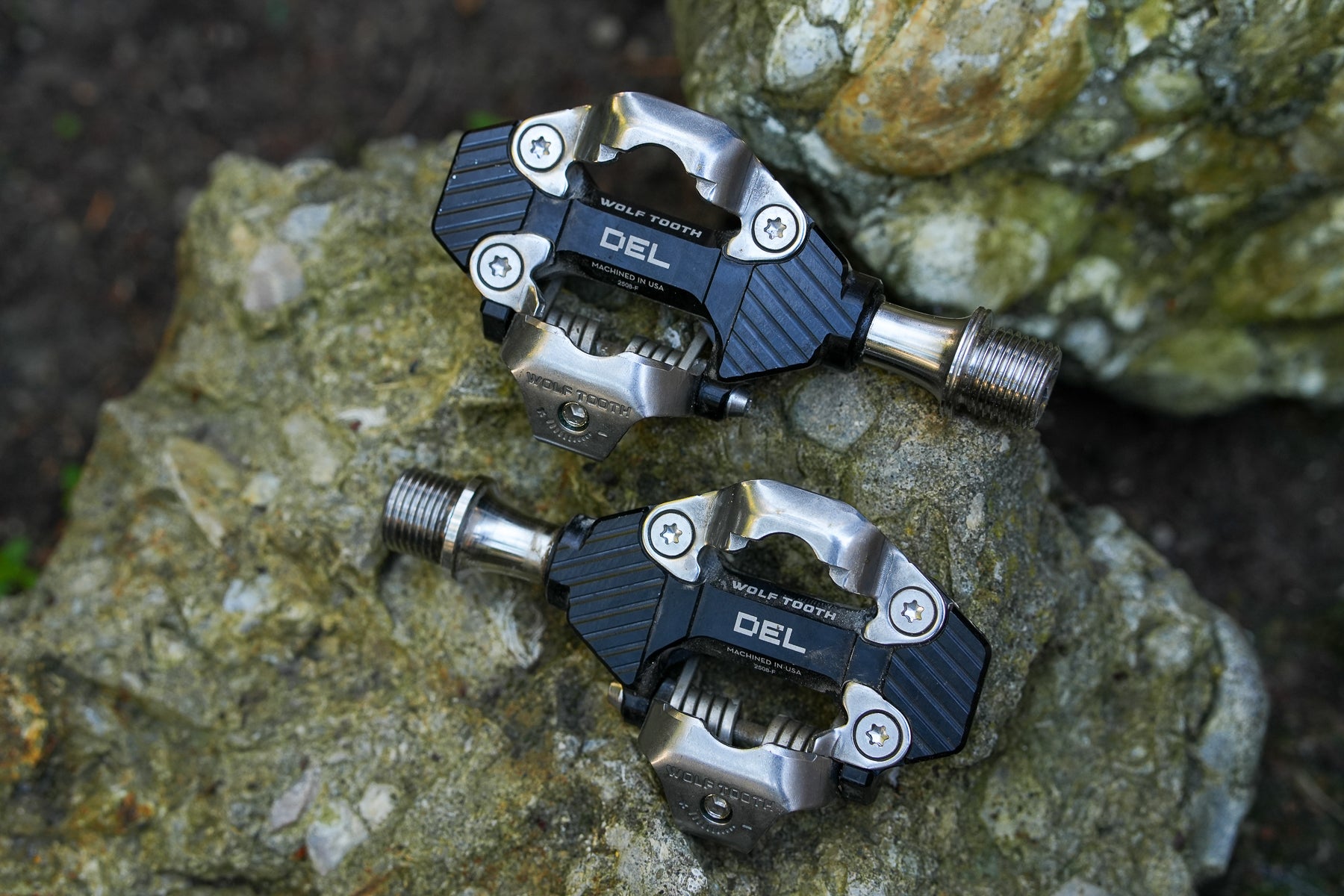
The Look one-sided pedal is the second of its kind to arrive on the market after US-based component manufacturer Wolf Tooth released its one-sided SPD DEL pedal in October. From a performance side, they both are going after the same goals: mountain bike platforms with a road riding type feel.
Like the X-One-G, the DEL is much lighter than the conventional two-sided systems. In fact, the DEL is even lighter, with each pedal weighing in just over 100g. They also provide a broader platform, with the DEL forming a diamond-like shape compared to the Look’s slanted design. They also both prioritize serviceability, with easy to access bolts and easy to source and exchange parts.
The key differences are the additional benefits that the DEL offers.
Wolf Tooth managed to pack a lot into the new pedal package — that is also present in its new CTL and ALT two-sided pedal options — including three color options and an easily adjustable Q-factor. The pedal spindle lengths are highly adjustable, with tools most cyclists would have in a standard tool kit, and provides a spindle length range of between 51-59mm.
We covered the DEL and ALT pedals in depth this past October, and we are still riding them now. Nonetheless, with Look entering the space it will be nice to see how the two similar offerings compare as we look at single-sided SPD gravel pedals as a trend and not just a one-off product.
Is this the future of gravel pedals?
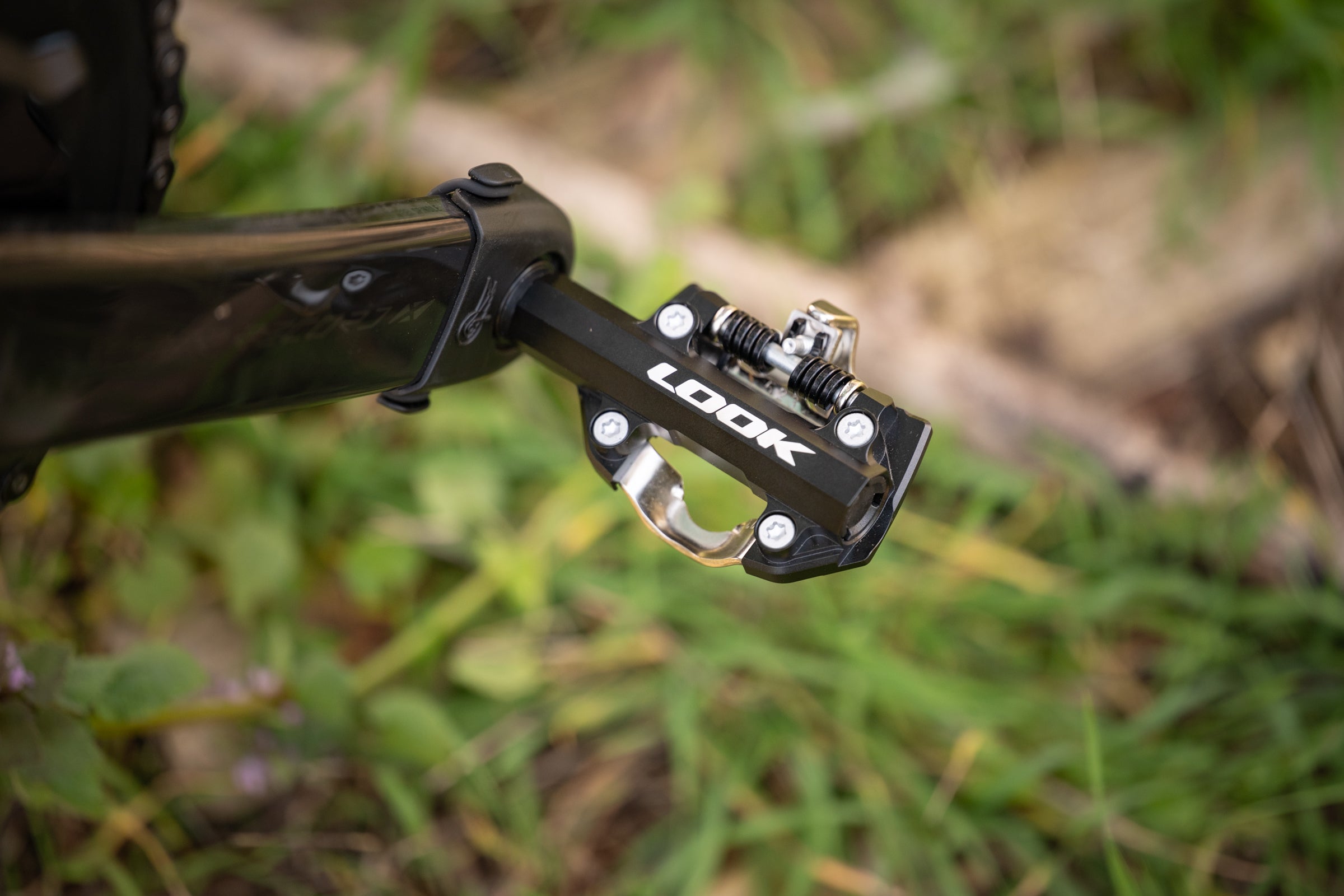
Quick answer: yes, this feels like the tides are changing and the gains are hard to ignore.
There is a reason why road pedals and shoes are still popular among gravel racers. The road pedal platform is bigger, stiffer, and provides improved connection at the most particular point in a rider’s kinetic chain.
Nevertheless, with most road pedal systems if you have to step off the bike and into mud or other grit, when you try to clip back in your pedals are suddenly less effective. Two bolt mountain bike pedals are designed to clear mud and dirt out of the pedal system at the expense of some connectivity between the pedal and the shoe.
One-sided, big pedal platforms with SPD cleats are essentially having your cake and eating it, too.
That being said, the two-sided pedal isn’t going anywhere soon. It is too important for mountain bike functionality and is a better option for an entry level cyclist. These gravel pedals aren’t redesigning the two-bolt SPD pedal and it seems unlikely that they will in the future.
These two new gravel pedals, however, do seem to be unlocking a niche within a niche that should stick around because it does offer undeniable upside to the right kind of rider.
Have your SPD cleats and your road feel, too.