
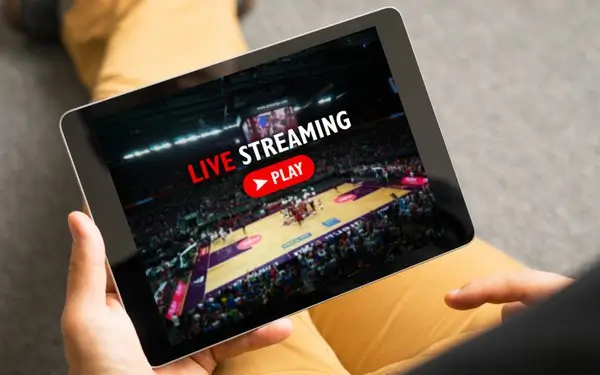
5G Era: How Sports Streaming Sites Have Changed the Way Fans Watch Games From the Living Room TV to a Stadium in Your Hand
Not long ago, watching sports was mostly a shared living-room ritual. On match day, families and friends gathered around the TV, ordered food, and stayed glued to the screen while commentators guided the experience. That was the standard way fans connected with live games for years.
Today, that culture looks very different. Thanks to faster mobile networks and the widespread adoption of 5G, sports fans no longer need to be tied to a television set. They can watch matches on the subway, during a lunch break, at a café, or from bed with a level of speed and clarity that once seemed impossible. As a result, sports streaming sites and OTT platforms have become a central part of modern fan culture.
This shift is not simply about convenience. The arrival of 5G has changed the overall sports viewing experience by reducing delays, improving mobile streaming quality, and enabling more interactive features. From real-time data overlays to multi-angle viewing and short-form highlight clips, the way audiences consume sports has entered a new era. Below are six major ways 5G and sports streaming platforms have transformed the culture of watching live sports.
1. Ultra-Low Latency Has Made Live Sports Feel Truly Live
One of the biggest improvements brought by 5G is dramatically lower latency. In the past, online sports streams often lagged behind traditional TV broadcasts by one or two minutes. That delay created frustrating moments for viewers, especially when they heard cheers from nearby homes or saw social media reactions before the key moment appeared on their own screen.
With 5G, that delay has been reduced to nearly real time. This matters because sports are built on timing, tension, and emotional immediacy. A last-minute goal, a game-winning shot, or a strikeout in a crucial inning has much more impact when fans experience it at the same moment as everyone else.
For sports streaming sites, this has been a major turning point. Faster delivery means viewers can stay immersed in the action without feeling like they are watching from behind the moment. In many cases, mobile streaming now feels much closer to live broadcast quality than ever before.
2. Multi-View Streaming Has Turned Viewers into Active Participants
Traditional sports broadcasting has always been limited by editorial control. Fans watched the camera angle chosen by the production team and had little say in how the game was presented. While that model worked well for years, it also meant viewers often missed player-specific movement, tactical details, or off-ball action they wanted to follow.
The 5G era has helped popularize multi-view streaming. Many platforms now allow users to choose from several live camera feeds or monitor more than one angle at the same time. This creates a more personalized viewing experience that better matches the preferences of individual fans.
For example, baseball viewers may want to focus on the pitcher-batter matchup, dugout reactions, or defensive positioning. Football fans may prefer tactical wide-angle views, player-focused tracking cameras, or alternate commentary feeds. This level of control changes the viewer’s role completely. Instead of passively receiving the broadcast, fans now shape their own version of the game.
3. Real-Time Data Visualization Has Added a New Layer of Depth
Modern sports viewing is no longer just about seeing the game. It is also about understanding it more deeply. Thanks to 5G and more advanced streaming interfaces, sports fans now have access to real-time statistics, visualized performance data, and AI-assisted analysis while watching live.
On-screen graphics can now show player speed, movement distance, possession trends, shot maps, passing accuracy, or win probability in real time. In baseball, viewers may see hitter hot zones and pitch-type tendencies before each at-bat. In football, expected goals, passing networks, and momentum charts can help explain the flow of the match as it unfolds.
This makes sports streaming sites more than just viewing platforms. They are becoming information-rich environments where fans can combine emotion with insight. For many users, this added layer of analysis makes the viewing experience more engaging and far more educational than traditional broadcasting alone.
4. The Second-Screen Habit Has Become Part of Everyday Fandom
Another major cultural shift in the 5G era is the rise of second-screen viewing. Many fans now watch the main game on one device while using another to check stats, join live chats, scroll through social media reactions, or follow real-time commentary.
This behavior has become especially common among younger audiences and highly engaged fan communities. Watching sports is no longer a single-screen activity. It is a connected experience where viewers consume the match, respond to it, and discuss it at the same time.
Sports streaming platforms have adapted by adding live chat features, community tools, instant replay access, and team-specific engagement options. Even when someone is physically watching alone, they are often participating in a much larger shared conversation. In that sense, 5G has helped transform sports viewing into a more social and interactive digital experience.
5. Highlights and Short-Form Clips Have Changed How Younger Audiences Consume Sports
Not every fan has the time or habit of watching a full 90-minute football match or a three-hour baseball game. This is one reason short-form sports content has become so important. In the 5G era, key moments can be clipped, processed, and delivered almost immediately, allowing fans to stay updated without committing to the full broadcast.
This trend is especially strong among Gen Z viewers, who are more likely to consume sports through highlight videos, quick recaps, vertical clips, and social media-friendly formats. A dramatic goal, controversial call, or standout individual play can now travel across platforms within minutes.
Sports streaming sites and digital media services increasingly use AI tools to identify the most exciting moments and package them into short highlight content. This allows audiences to follow the emotional arc of a match in a condensed format. While full-game viewing still matters, short-form content has become an important gateway for attracting new fans and keeping casual viewers engaged.
6. VR and Virtual Sports Spaces Are Shaping the Future of Viewing
5G is also laying the foundation for the next stage of sports entertainment. Virtual reality and immersive digital environments are giving fans a preview of how live sports may be experienced in the future.
With VR technology, viewers can watch a game as though they are sitting inside the stadium, surrounded by 360-degree visuals and spatial sound. Instead of simply watching the event on a flat screen, they experience it from within a simulated live environment. This creates a much stronger sense of presence and emotional involvement.
Beyond VR, virtual fan spaces and metaverse-style experiences are beginning to appear as experimental extensions of live sports. Fans may one day gather in digital stadiums as avatars, interact with each other in real time, and enjoy premium viewing experiences from anywhere in the world. Although this ecosystem is still evolving, 5G is the infrastructure making these possibilities more realistic.
Why Sports Streaming Sites Matter More Than Ever in the 5G Age
The growth of 5G has not only improved connection speed. It has redefined what sports fans expect from live coverage. Viewers now want more than a stable stream. They expect immediacy, flexibility, personalization, data access, and community interaction all in one place.
That is why sports streaming sites have become increasingly important. They are no longer simple alternatives to television. They are platforms that support how modern fans actually live, move, and consume content. Whether someone wants to watch a full match live, follow multiple camera angles, track player data, or catch short highlight clips on mobile, the experience now revolves around accessibility and choice.
For sports fans, this means greater freedom. For platforms, it means higher expectations. And for the overall culture of sports fandom, it marks a clear move away from passive viewing and toward a more connected, customized, and participatory model.
Conclusion
The 5G era has fundamentally changed the way people watch sports. What used to be a fixed, television-centered activity has become a mobile, interactive, and data-rich digital experience. Sports streaming sites have played a major role in that transformation by helping fans watch live games with less delay, more flexibility, and deeper engagement than ever before.
As technology continues to evolve, sports viewing will keep changing along with it. Still, the heart of the experience remains the same. Fans continue to chase the emotion of the unexpected moment, the shared tension of live competition, and the thrill of being part of something bigger than themselves. The difference now is that 5G and modern streaming technology make that experience faster, closer, and far more immersive than ever before.