
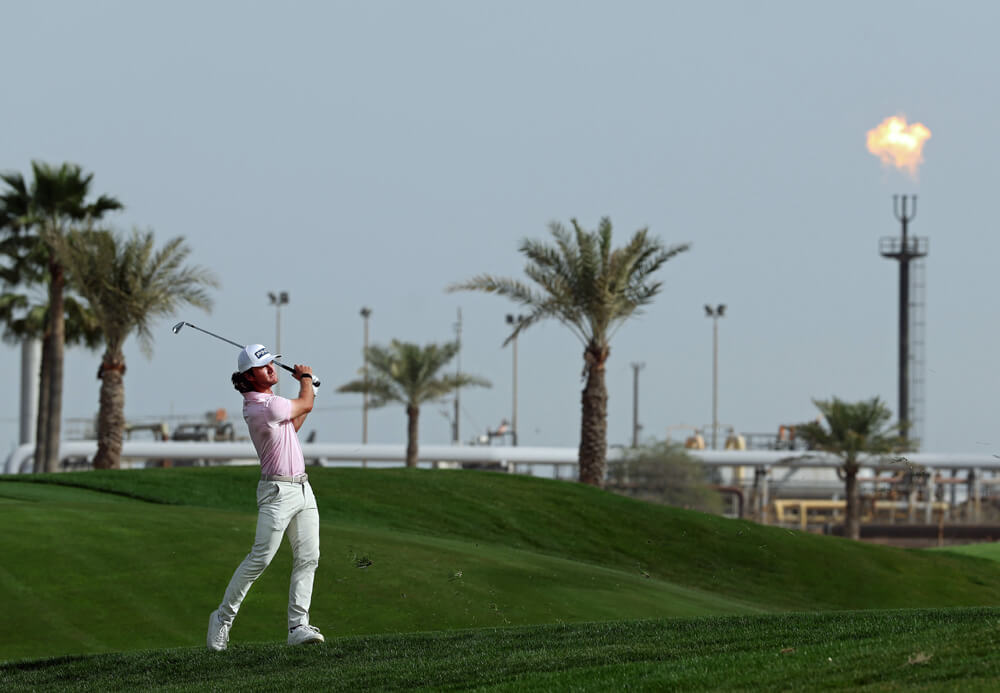
The United States’ and Israel’s conflict in Iran, which has resulted in a virtual closing of the Strait of Hormuz, has caused drastic increases in energy costs for businesses and consumers. The game and business of golf do not get a hall pass from this conflict and its consequences.
The Strait of Hormuz is one of the world’s most important routes for the shipping of oil and liquified natural gas. Estimates are that as much as 20 percent of worldwide oil demand is serviced through this important waterway. Oil prices are estimated to be at their highest level since 2022 due to this disruption.
What does this mean for the golf business as the season prepares to launch in northern climates?
Any analysis must begin with the golf consumer. This comes against the backdrop of significant declines in stock markets and rising mortgage interest rates since the start of the conflict. Much of what figures to play out will depend on the duration of the conflict and strait disruption.
If it is a short-term conflict – a matter of weeks, followed by a return to prices as they were before – one would not expect golf-consumer behavior to change all that much. Should the strait disruption last longer, consumer behavior might change. Filling the tank with much more expensive gas and increased grocery prices attributable to rising manufacturing and shipping costs could cause consumers to rethink discretionary spending. Golf equipment falls into that category, as does recreational play and golf travel.
One hopeful factor is the time of year that this is taking place. It is March, and the heart of the golf season is still in the distance. As one senior golf equipment executive told me, if this were taking place in May or June, it could be a more serious problem.
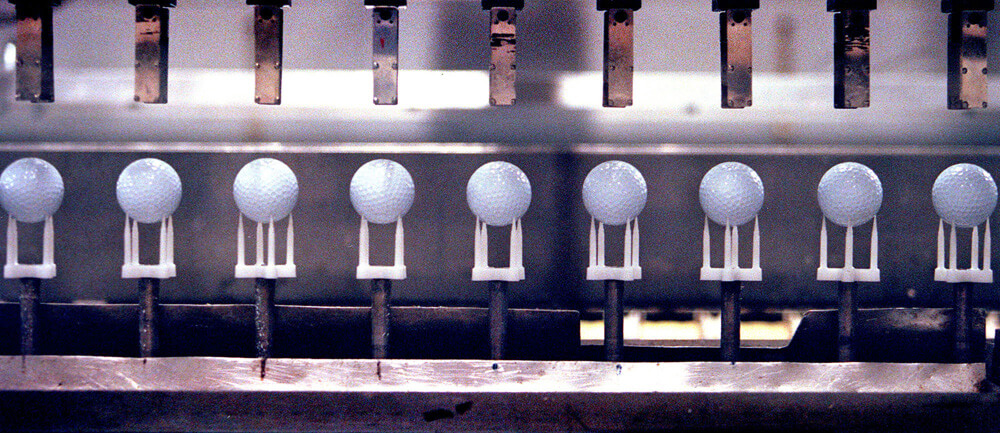
No segment of golf is more exposed to rising oil prices than golf ball manufacturing. Golf ball covers are frequently made from synthetic materials like urethane or ionomer (such as Surlyn), which are derivatives of crude oil and natural gas. When oil prices rise, the cost of these synthetic compounds increases, driving up the expense of producing the ball’s core, mantle, and cover.
The golf ball production process is energy-intensive, requiring significant heat and electricity to mold and process the polymers used in modern balls. Higher energy prices increase these operational overheads.
Most of the leading golf ball makers raised their prices slightly in 2026, and so oil price mitigation likely won’t include raising prices, at least in the near term. Manufacturers such Titleist, Callaway, Bridgestone, and TaylorMade will need to rely upon operating efficiencies to deal with these unforeseen costs.
Many golf club components, such as clubheads, shafts, and grips, are made in Asia. The strait disruption impacts Asia more than any other part of the world, since nations in that continent are heavily dependent on crude oil deliveries via that route. This will likely result in increased manufacturing costs for components, and U.S.-based club makers will have to account for that and increased shipping costs to American ports.
A critical cost issue at the moment is the significant increase in the price of tungsten, a key raw material in the manufacture of irons. Geopolitical issues between China and Taiwan are a significant factor in this situation, but tungsten is a war metal. Rising military demand has driven prices up by as much as 557 percent, according to oilprice.com. All club makers face this issue, some more than others.
For apparel manufacturers, petroleum is a key ingredient in polyester. Factories that manufacture apparel can be expected to pass the increased costs onto the marketer. Shipping costs of finished goods figure to rise and be passed along as well.
Think about the golf course where the game is played. Most course maintenance equipment runs on gas. It’s unlikely that any golf course in the world budgeted for conflict-based oil price increases. This will put considerable pressure on golf course budgets in 2026; the greens may not be mowed with the same frequency, and the rough might grow a bit higher to save on costs.
It’s not inexpensive to manufacture that maintenance equipment, and many components are sourced from Asia. The price of mowers and tractors could rise such that purchases by golf courses could be deferred. This is not optimal for companies like Toro, John Deere, and Jacobsen.
Golf courses also have significant exposure to rising fertilizer costs. The strait disruption has halted exports from the Persian Gulf, limiting supply and driving costs up significantly.
All these golf course energy cost issues could easily result in increased green fees if the strait disruption persists for an extended period.
Hopefully, the conflict in the Middle East will come to a quick end, for the sake of humanity. But at the moment, there is much uncertainty about what the near future holds for those in the golf ecosystem, and few concrete answers.
© 2026 Global Golf Post LLC