
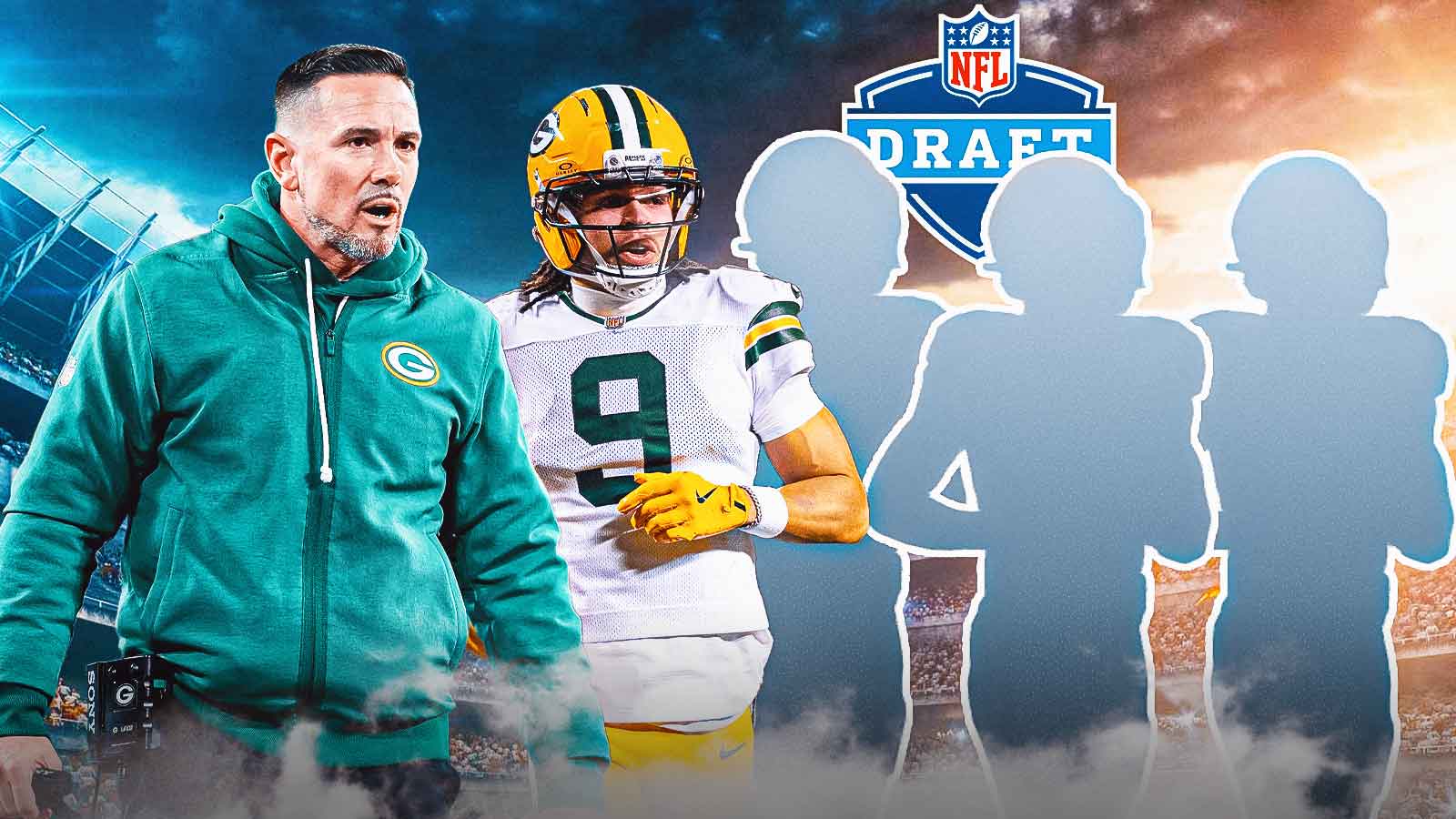
The Green Bay Packers are dealing with a finishing problem. For this team, the inability to close games when it matters most has become a defining flaw. The margin between playoff appearances and postseason success is razor-thin, and Green Bay has been living on the wrong side of it. That’s why the 2026 NFL Draft feels different. This is really about sharpening the edges of a roster that already knows how to compete but hasn’t quite learned how to finish. In that pursuit, the Packers must look beyond the obvious. Those overlooked prospects with specific, translatable traits could be the difference between another “what if” and a breakthrough.
2025 slipped away
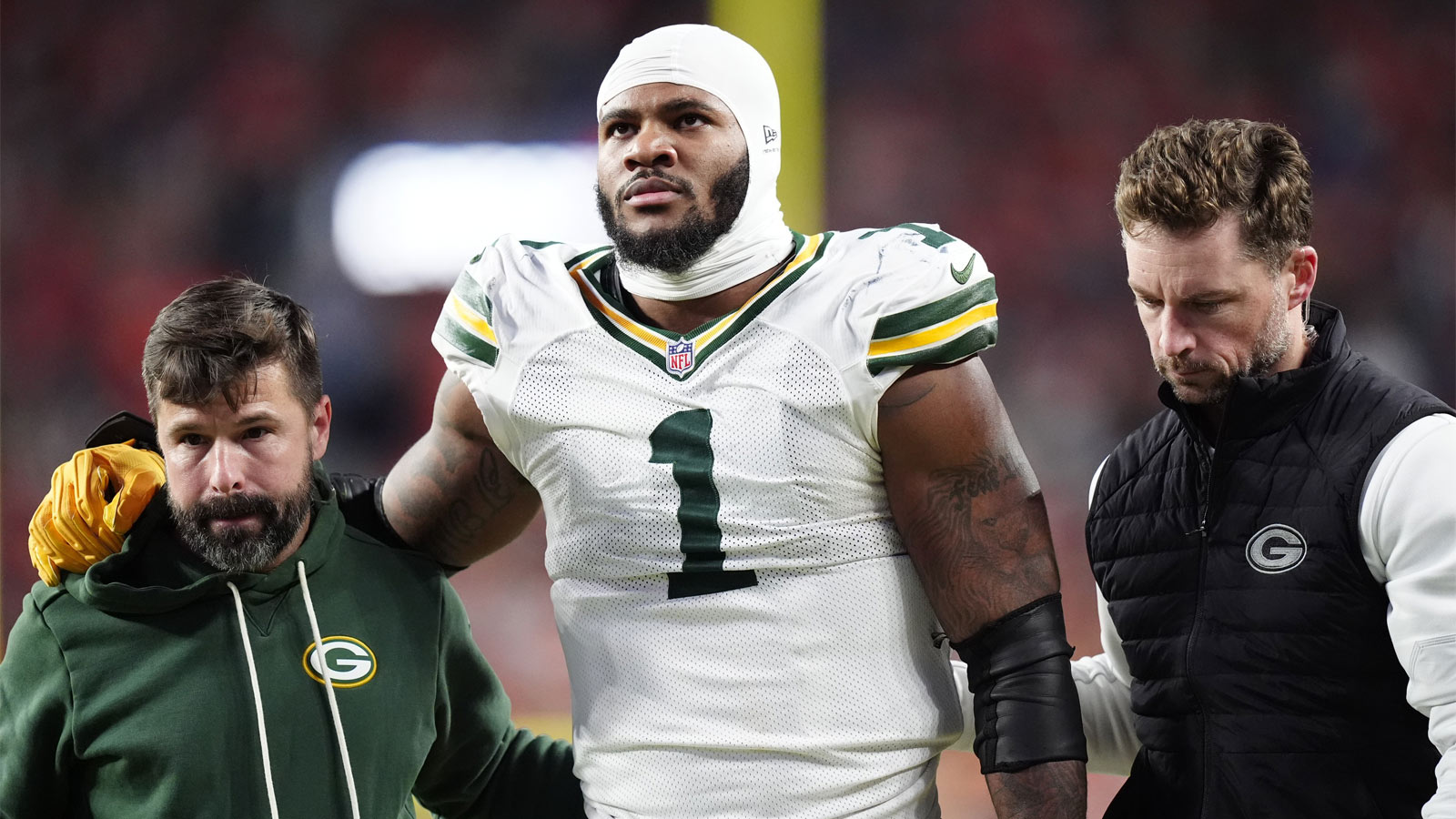
The 2025 NFL season was a year of profound highs and agonizing lows for the Green Bay faithful. It ended in a way that left a bitter taste in the mouths of everyone from the Fox River to Lake Michigan. The team finished with a 9-7-1 record. This campaign was defined by a scorching 5-1-1 start that saw the Packers looking like the class of the NFC. That was before injuries began to erode their foundation. The mid-season loss of tight end Tucker Kraft to a torn ACL was a massive blow. That said, nothing compared to the Week 15 disaster when defensive superstar Micah Parsons went down with a season-ending knee injury. Consequently, the Packers suffered a late-season collapse, sliding into the playoffs as the number seven seed for the third consecutive year. Another tragedy occurred in the Wild Card round, fell against their bitter rivals, the Chicago Bears, 31-27. These highlighted a desperate need for more depth and reliable playmakers who can finish games when the lights are brightest.
Reshaping the roster
The 2026 free agency period has already been marked by a departure from the Packers’ traditionally conservative approach to roster building. The headline move was undoubtedly the signing of defensive tackle Javon Hargrave. With that, the team is prioritizing interior pressure to aid a secondary that struggled for consistency. However, the gains came with significant costs. The team said goodbye to cornerstone edge rusher Rashan Gary in a shocking trade to Dallas. They also watched veteran stalwarts like Elgton Jenkins and Romeo Doubs sign massive deals elsewhere.
The addition of cornerback Benjamin St-Juste and the reclamation project of wide receiver Skyy Moore provide some much-needed athleticism. However, the departures of Kingsley Enagbare and Rasheed Walker have created glaring vacancies in the rotation. With over $23 million in remaining cap space, the front office is clearly positioning itself to be aggressive. Yet, the roster remains a work in progress that requires a masterclass in talent evaluation during the upcoming draft.
RB Robert Henry Jr, Texas-San Antonio
The Packers’ offense under Matt LaFleur thrives on rhythm, timing, and spacing. When games tightened in 2025, though, it often lacked that one player who could create something out of nothing. Robert Henry Jr offers exactly that.
The UTSA running back is a study in controlled explosiveness. Averaging an eye-popping 6.9 yards per carry last season, Henry consistently turned modest blocking into significant gains. His vision is sharp, and his ability to accelerate through narrow creases makes him a natural fit in a zone-blocking scheme.
What truly elevates Henry is his versatility. He’s comfortable catching passes out of the backfield. Henry can also exploit mismatches against linebackers. For Packers QB Jordan Love, that kind of safety valve is invaluable, especially in high-pressure situations.
CB Avery Smith, Toledo
Green Bay’s defensive struggles down the stretch weren’t just about pass rush but moreso about coverage consistency. The secondary, at times, looked disjointed. They just could not hold up long enough for pressure to arrive. Avery Smith offers a potential solution.
The Toledo cornerback may not come from a traditional powerhouse. However, his game is built on fundamentals and confidence. He plays with length and shows the recovery speed needed to stay in phase with receivers. His instincts in man coverage stand out. That allows him to anticipate routes and contest passes with timing.
Smith’s physicality aligns well with Jeff Hafley’s defensive philosophy. He’s not afraid to challenge receivers and force quarterbacks into tighter windows. For a secondary in need of depth and competition, Smith represents a low-risk, high-reward addition.
EDGE Malachi Lawrence, UCF
With Gary gone and Parsons’ availability uncertain, the Packers face a critical question: who generates pressure off the edge? Malachi Lawrence could be the answer hiding in plain sight.
The UCF pass rusher brings the kind of explosiveness that immediately translates. His first step is quick, and his ability to disrupt timing makes him a constant threat. What truly stands out, though, is his motor. Lawrence doesn’t quit on plays, consistently chasing down quarterbacks and finishing in the backfield.
Turning potential into postseason success
The Packers are closer than they appear. The foundation is there, the system is established, and the talent is evident. That said, the difference between competing and winning often lies in the details. This means the players who fill specific roles and elevate the collective performance of the roster.
Robert Henry Jr, Avery Smith, and Malachi Lawrence will not dominate headlines. However, they represent explosiveness, stability, and disruption. That’s exactly what Green Bay needs.
If the Packers are going to turn their promise into postseason success, it won’t just be about who they draft. Moreover, it will be about how well they identify value where others don’t.
The Green Bay Packers are dealing with a finishing problem. For this team, the inability to close games when it matters most has become a defining flaw. The margin between playoff appearances and postseason success is razor-thin, and Green Bay has been living on the wrong side of it. That’s why the 2026 NFL Draft feels different.