
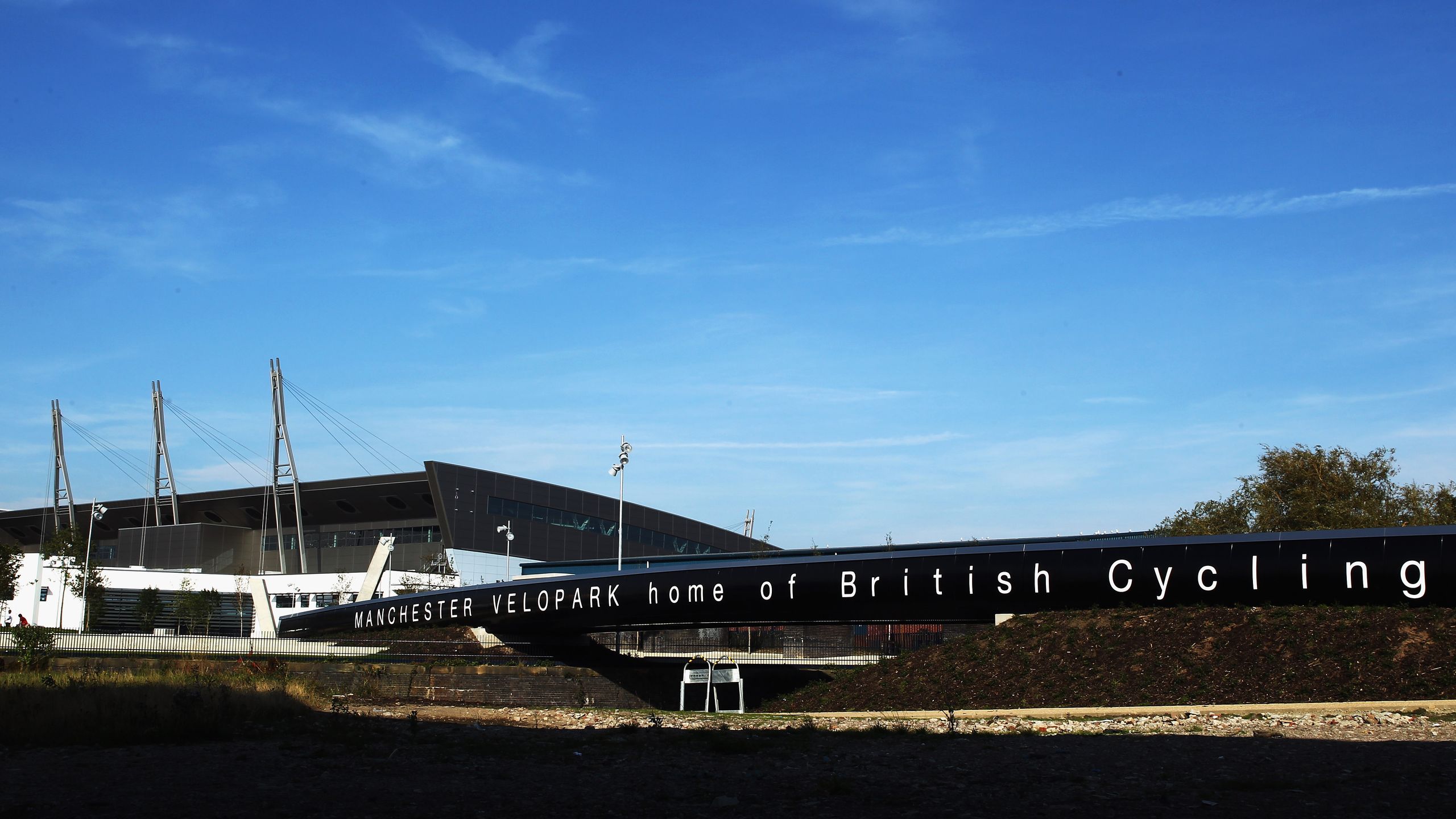
Manchester, epicentre of the industrial revolution and a place that has long vied with Birmingham for the status of England’s second city, this week rolled out a grand plan that the people behind it predict will position the northern metropolis as the country’s premium cycling city.
Once infamous for its dark satanic mills, the original ‘Dirty Old Town’ has more recently been seen as the heartbeat of the UK’s ever-evolving music scene, and, since the mid-90s, Manchester has also been the home of British Cycling. The National Cycling Centre opened on the banks of the Ashton Canal in 1994, providing the UK with its first Olympic-standard indoor cycling track and setting in motion a new revolution that many credit with super-charging Britain’s soaring successes in the sport since 2002.
The city was ultimately unsuccessful in its bid to host the 2000 Summer Olympic Games – losing out to Sydney, Australia – but the Cycling Centre saw indoor action during the 2002 Commonwealth Games, staged the Revolution series and has hosted the UCI Track Cycling World Championships more often than anywhere else in the world (three times, in 1996, 2000 and 2008), with 15 track cycling world records being set in the velodrome.
Article continues below
Track Cycling World Cup action at The National Cycling Centre in Manchester
(Image credit: Getty Images)
In 2011 the world class Cycling Centre was expanded, with the addition of the BMX arena, with amateur and elite tracks, and it is now complemented by outdoor tracks and facilities for mountain bikers and gravel riders, who roll around Clayton Vale MTB Trails and Skillszone.
Two years ago, Manchester was designated as European Capital of Cycling 2024, and it’s this rich legacy that the architects of the Manchester City of Cycling Implementation Plan 2026–2031 are intending to build upon, as they seek to position Greater Manchester right up alongside better-known biking destinations such as Copenhagen and Amsterdam.
Although Manchester is home to the Great Britian Cycling Team (GBCT), rather than just concentrating on improving facilities for elite and professional riders, the ambitious 5-year plan will concentrate on improving conditions and infrastructure for the everyday cyclists, and getting more people of all ages out on the bikes. The objectives include doubling cycling as a share of mode of travel by 2028, and widening access to bike riding for people in underrepresented communities, plus those with disabilities and long-term health conditions.
Because, as Will Kirkpatrick from British Cycling told us: “There’s a lot more to cycling than just the world stage.” There are myriad excellent health and environmental outcomes for local communities and society as a whole.
Of course you can draw links between greater participation in cycling, and the creation and discovery of the champions of tomorrow – people like Bury-born rider Simon Yates – who in turn encourage/inspires more people to get out and start riding. Next year Manchester, along with various other British cities, will feature as part of the Tour de France and Tour de France Femmes Grand Départs, and the city is still hopeful of hosting the Olympics.

Tour of Britain Women 2024, Stage 4, sent riders on a 99.2km stage around Manchester
(Image credit: Getty Images)
The plan, announced at the National Cycling Centre, was created by Manchester City Council, in partnership with Manchester Active, Transport for Greater Manchester (TfGM), British Cycling, Cycling UK and Marketing Manchester.
“We are proud to be a supporting partner of Manchester City of Cycling Implementation Plan, as Manchester pursues its mission to be a city where cycling is safe, inclusive, accessible, and enjoyable for all,” said Caroline Julian, Brand and Engagement Director of British Cycling.
“Real progress is already being made to remove barriers to cycling in the city, whether it’s improving infrastructure or working with organisations to ensure more people can access a bike. To have a bold and ambitious plan in place only means more people in Manchester can experience the positive physical, mental and social benefits that cycling can bring.
“The implementation plan complements British Cycling’s own purpose – to bring the joy of cycling to everyone – and by working together with Manchester City Council, and our partners and communities across the city, we intend to achieve significant impact.”