
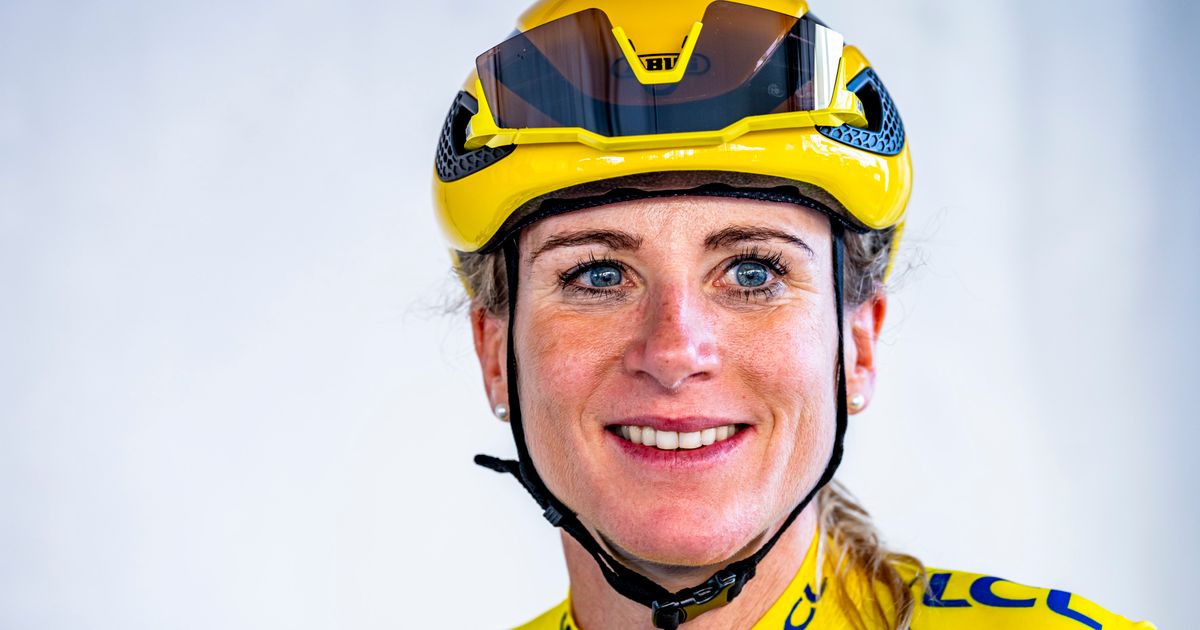
It wasn’t until 2011 that she could genuinely entertain the idea of making a living on the bike, although it required strict budgeting. “I earned 800 euros a month from cycling, paid 200 euros in rent, and decided to ride full-time. I lived quite cheaply as a student back then, but it meant I could follow my dream. At that time, only five or six riders got a decent salary.”
Despite her personal step up to a professional salary, the wider sport remained behind. Between 2012 and the aftermath of the 2016 Olympic Games, the women’s peloton suffered through a period of stagnation, mostly due to a lack of media visibility.
“Not many riders had a real salary, and we weren’t on TV yet. That was the most important thing, because nobody wanted to broadcast our race. We really felt that they weren’t interested in women’s cycling.”
When live television coverage finally became a regular fixture, it acted as a catalyst for growth. However, the early broadcasting slots were far from glamorous. “We still had to cycle at 9 o’clock in the morning, truly insane times, but we were on TV”. Still, the exposure changed everything, paving the way for the introduction of a minimum wage for WorldTour riders, which in turn deepened the talent Vn
Van Vleuten won the World Championships in 2019 and 2022
Equal prize money and the Grand Tour debate
Today, the financial reality for top-tier women’s cycling is very different. When Van Vleuten won the Tour of Flanders in 2021, her prize money was just 1,365 euros. Now, the prize purse has been equalized with the men’s race, awarding the winner roughly 20,000 euros.
The racing calendar has also expanded dramatically, highlighted by the introduction of the Tour de France Femmes. With several WorldTour races now spanning five or more stages, the definition of a women’s “Grand Tour” is being actively debated. Van Vleuten hopes to see the sport’s biggest stage races truly distinguish themselves by length.
“I would like to see the Grand Tours genuinely be long,” the former World Champion explained. “We have other races that are a week long, so let’s differentiate the Vuelta from those, which now also has seven stages.”
However, the 43-year-old legend was also cautious, noting that simply adding days to a race doesn’t automatically guarantee a better product for the fans. “Would it be more exciting if the Tour were two weeks now? I don’t know. We should only extend it if it really becomes more interesting, or perhaps if we get a different winner after two weeks instead of ten days.”