

In their final mountain missive from Colombia, Cass and Emma trace their ride to El Cocuy National Natural Park. They roll along dirt roads with colourful Lada Nivas, strike up chats with poncho-clad Boyacenses, and race milk lorries through the folds of the Andes. Ultimately, they choose to follow their hearts rather than the map, heading off route for a few last nights in páramo country. Read all about it here…
This final post follows on from our last Colombian diary, which culminated with a pause in Belén to caffeinate at the Alpe d’Huez cafe, as frequented by Nairo Quintana, and replace Emma’s brakes, after she’d descended more than a thousand metres on a front stopper and the soles of her shoes alone…
From little Belén, a town we’d quickly warmed to, the Oh Boyacá bikepacking route strikes east towards El Cocuy National Park. Unfortunately, this stretch of the mountains is increasingly pocked with coal mining operations, and the trucks that ply the road between them leave little space for passing cicloviajeros. Previous bikepackers had recommended we skip this paved section altogether, so in Socha, we considered jumping onto a passing bus, or at least asking if there was room for our bikes in its trunk.

Into the bus we piled the bikes, like a tasty titanium and steel sandwich. Unbeknownst to us, they’d all come out considerably dustier…
In the event, there was space for three portly touring bikes in the belly of the one that pulled up in the square. For a while now, we’d heard stories about a German lady travelling solo, and it was Socha that we finally caught up with her. As it happens, Susanna had the same idea as we did, and together we de-wheeled our steeds, loading in her Surly Bridge Club and our twin Joneses on top of each other, resting them on a soft bed of panniers. We ended up staying in the same hotel as Susanna in Cheva that night, joined by a trio of fun and kooky young motoviajeros coming from the opposite direction, so it was an unexpectedly social day.


Cheva, where we enviously eyed an impressive collection of ponchos.
Cheva was also the gateway to El Cocuy National Park, the inspiration behind this whole adventure to begin with. Typical of Colombia, our first proper vista would be earned via a long, unhurried climb that ambled its way ever upwards towards the páramo once again. Emma and I began riding at noon, figuring it would time us well for an afternoon arrival and a high-elevation campout, which, at over 4,100 metres, would be our highest so far. Cresting the pass at the same time as Susanna, we found a grassy nook that fit us all, surrounded by—but not touching—a grove of frailejón, happy to have both Susanna and these succulents as our neighbours. Not that age always means much, but it was inspiring to share an evening with her, travelling solo and in her late sixties.
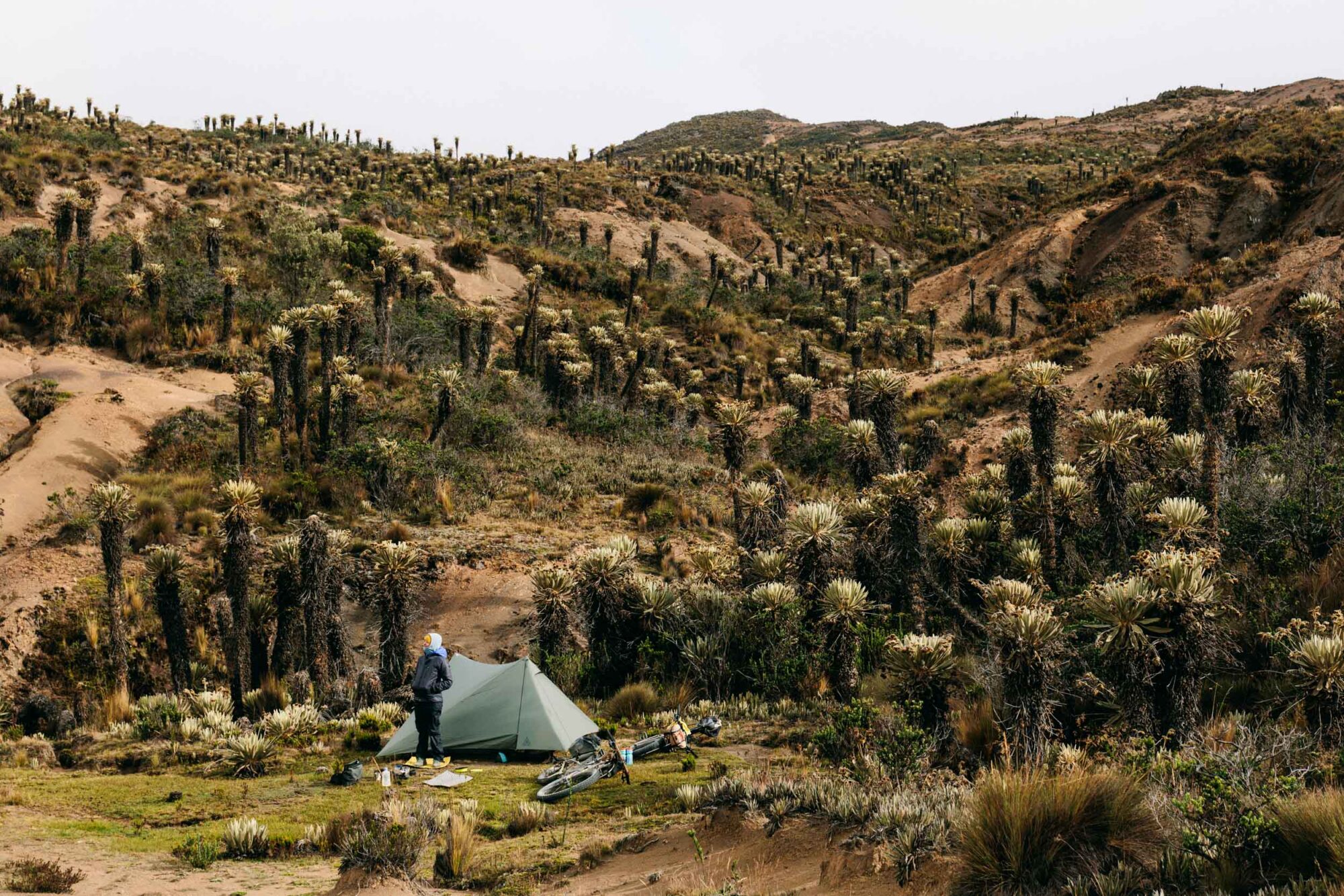
Sharing a campout with Susanna and the Succulents. Now there’s a name for a band!
At sunrise, we exited our tents into the cold, biting mountain air and gazed into the distant highlands from just a few strides away. There it was, the distinct, squared-off rock mass called Pulpita del Diablo (Devil’s Pulpit) and nearby, the snow-covered, conical Pan de Azúcar (Sugar Loaf). Rising above them all stood Ritacubo Blanco, named in the U’wa language and the highest peak in the Sierra Oriental. Susanna was already packed up to get an early start before we’d had our second cup of coffee. Alone, Emma and I pottered amongst the plants, watching these clever and busy sentinels forming beads of water on their leaves in the moist air, sending it earthwards. We filled our bottles from a nearby stream to show our appreciation, and swigged it straight down.

Finally, El Cocuy National Park and the views we’d long been waiting for.
Before us, clouds hurried across the road as if they were in a rush to get to work, which they kind of were, given this frenzy of water production. One moment, lush and rugged Andean mountain vistas appeared, and the next, it was a blank, diffused canvas of whiteness in which we lost all sense of time and place. Looping our way back down towards the valley floor, we punched our way out of the mist and into treeline once more, hitting rural rush hour. Poncho-clad farmers chatted astride their beaten-up motorbikes. Some were customised with woolen seat covers, and others looked like they came straight out of a mundo post apocalíptico. Metal milk cans, along with crates of eggs, were positioned strategically around every corner, awaiting collection. Given how enthusiastically they were scooped up by the farm truck that seemed hellbent on racing us, I do wonder how many eggs were cracked that morning.
El Cocuy charmed us with the complementary colours of its town decor, as well as that of its rainwear.
Down in the crook of the valley, the actual town of El Cocuy was far neater and more preserved than I expected, and quieter too. Every wall within its narrow streets was a perfect white. Only a particular shade of emerald green is allowed for the trim around doors, window frames, and balconies, too. This colour scheme was introduced in 1985, a gesture of peace (white) and hope (green) that aimed to transcend political rivalries, for which the region has long been known. It was like being on set for a Colombian Wes Anderson film, especially given all the poncho-wearing farm folk swaggering around. We pedalled around town, restocking on supplies and filling our bellies on comida corriente, at a restaurant that was so crammed with locals that we had to squeeze our way through, a table set up for us in the corridor.


The While Out Riding x El Cocuy waterproof collection will be dropping soon.
From town, Oh Boyacá forms an additional loop, zig-zagging back up towards the most eastern edge of the route—not far, as the condor flies, from the Venezuelan border. In doing so, it skirts the fringes of El Cocuy National Park, which, unfortunately, is closed to cyclists. “Que sufricicia!” said the horseman we stopped to chat to. We layered up again, and rain started to fall once more. “What a drama!”
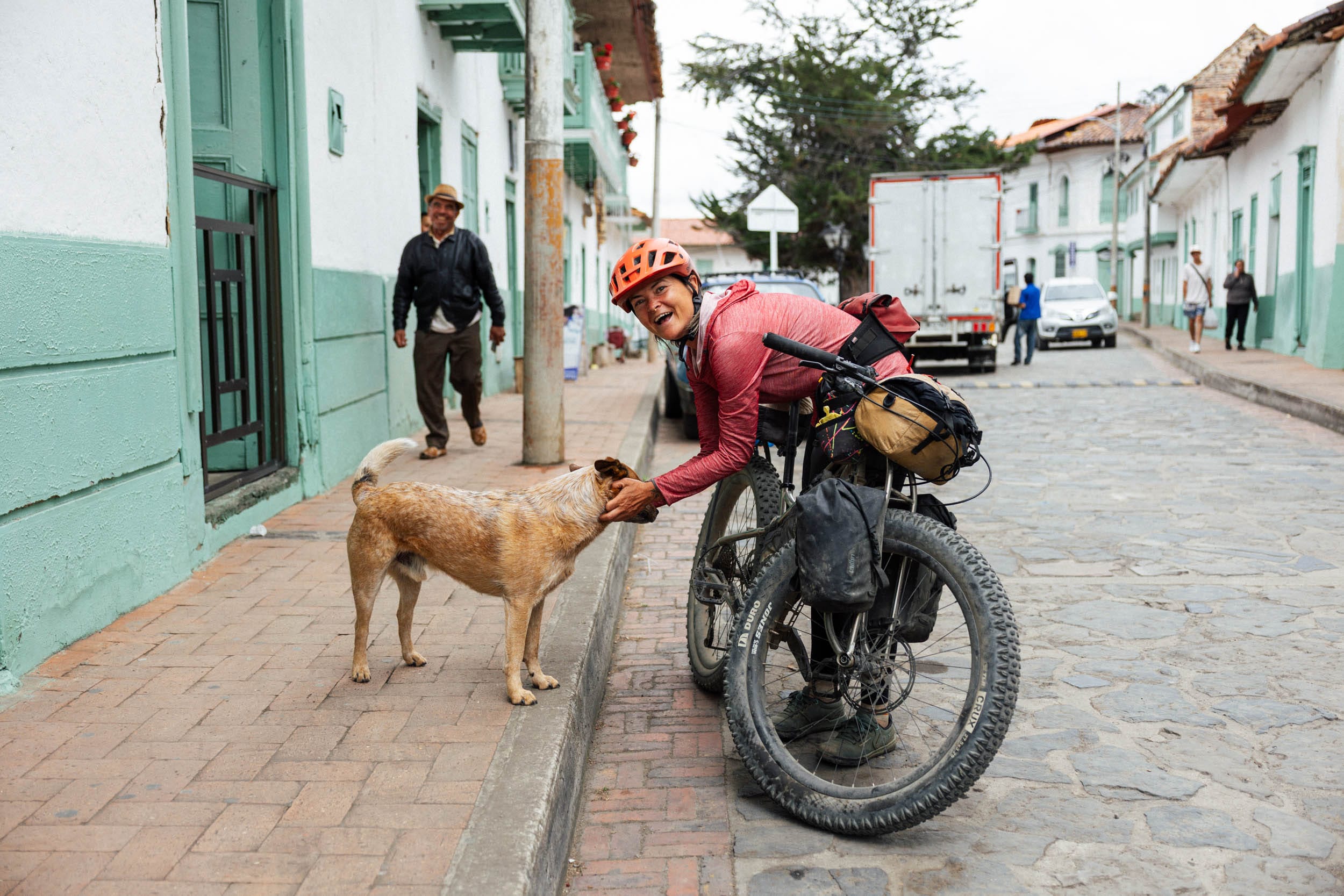
After camping in the drizzle beside a small roadside church, the following morning, we detoured to the closest point of the park that we could. First, we breakfasted at the two-hundred-year-old Hacienda La Esperanza on the freshest and tastiest arepas thus far, made before our very eyes by Rita, its caretaker, whilst we cooed over her especially friendly dog. Then, we went for a hike into the only area of the national park permitted without a guide, slip-sliding our way alongside Quebrada Cóncavo to the Virgencita Güicanera. There, a fungi-loving Emma spotted some devil’s fingers, which completely made her day. This funny little fungus really does reek, and apparently, in Colombia, it’s known as a witch’s fart!


Hacienda La Esperanza boasted the cutest dog we’d cuddled so far and the freshest arepas in Colombia.
As we continued to loop around the edge of Cocuy National Park, big mountain vistas expanded further across the sky, and glacier close-ups came into view. Perhaps we now have a reason to return again, albeit with hiking shoes and a backpack. As much as El Cocuy, the town, makes for perfect bike-against-wall shots, it was Güicán de la Sierra, our next town, that we warmed to most, which was more happening and popping. There was also an amazing coffee shop, its beans grown just down the valley, luring the two of us with the promise of a strong Americano for Emma and an equally strong Wi-Fi signal for me. As we’d noticed throughout Colombia, we felt a sense of interest in our journey and an understanding of the effort required to pedal up and over these mountains, and, again, a phrase we’d often heard: “Los felicito,” which translates to “I congratulate you.” This time, it was said by a man selling boots from his backpack, after he squeezed our bike tyres with raised eyebrows and enquired as to where we were headed next.
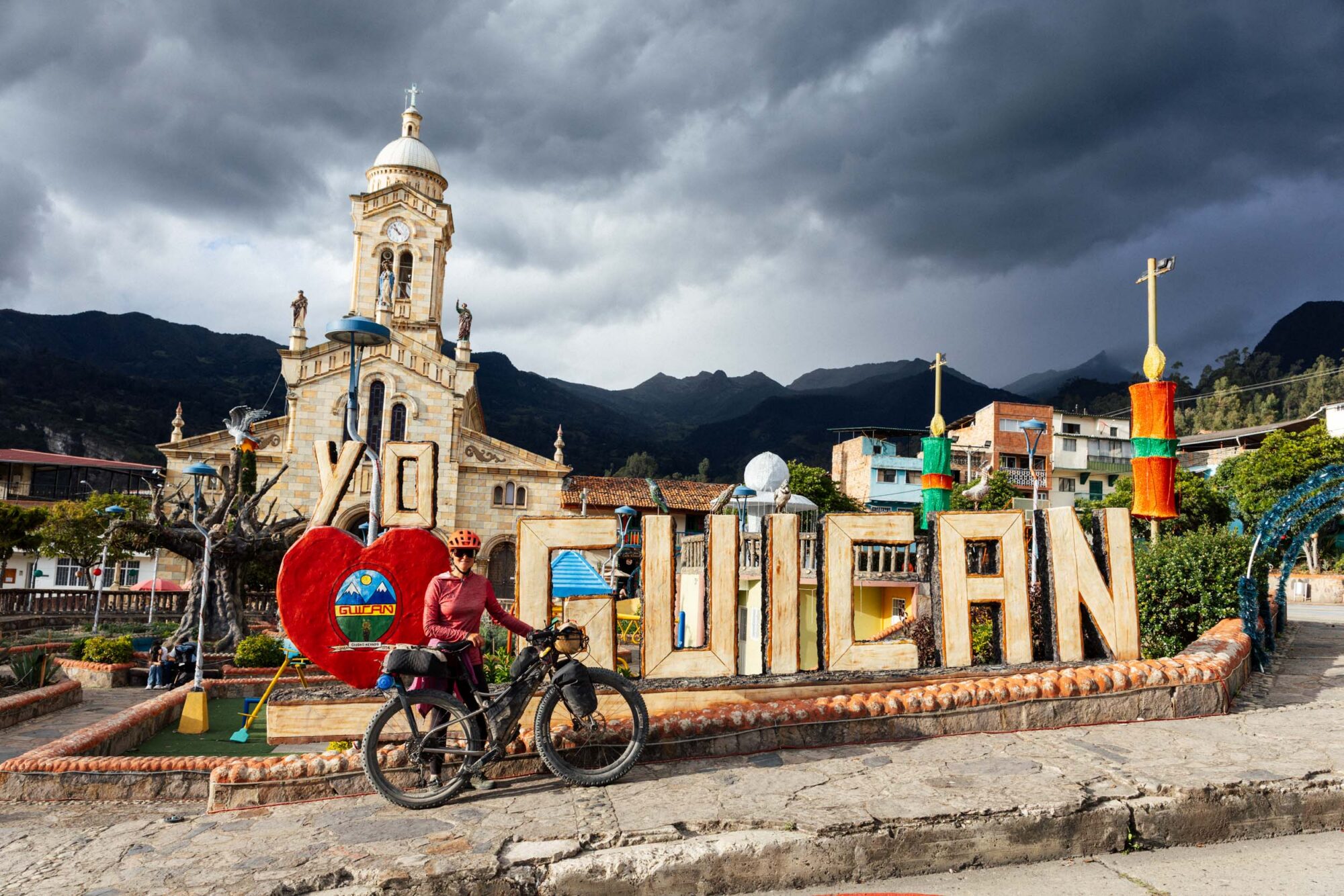
Big smiles, a cacophony of activity, and party vibes in Güicán de la Sierra.
In fact, we’d planned to keep going that day. However, sometimes it’s best to recognise when you’re onto a good thing and not to race on, even if the itinerary you’ve sketched out tells you you’re supposed to be somewhere else. We chose instead to strike up conversations in the square, catch the sunset across the surrounding, stormy peaks, and pitch our tent in the garden of a hostel, chatting to its owner in her cute pink pyjamas the next day. We’d have dallied longer still in Güicán, because the town was readying itself for a big weekend festival that promised to be quite the party, but we’d become ever more aware that our days in Colombia were finally coming to a close, so onwards we reluctantly rode.
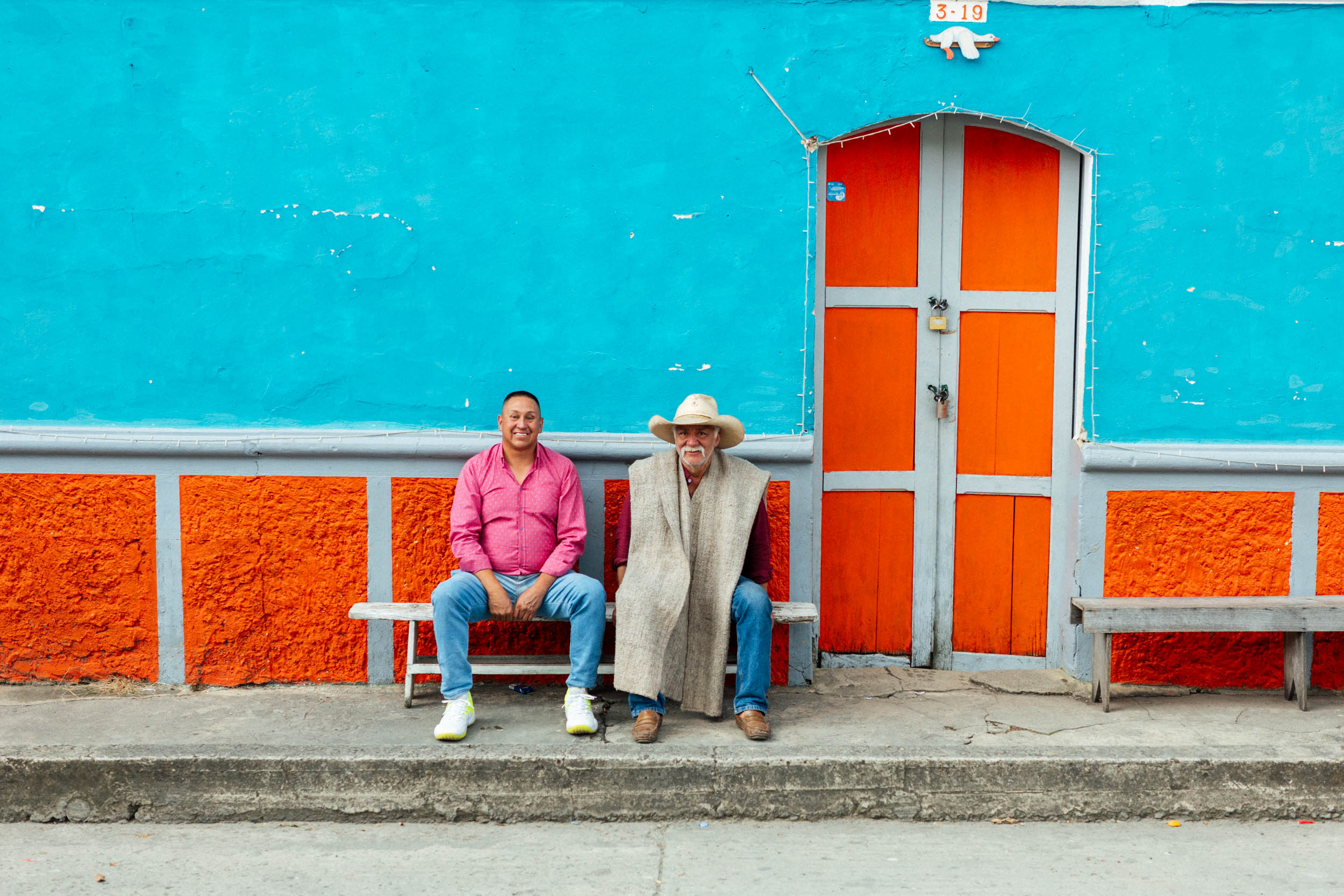
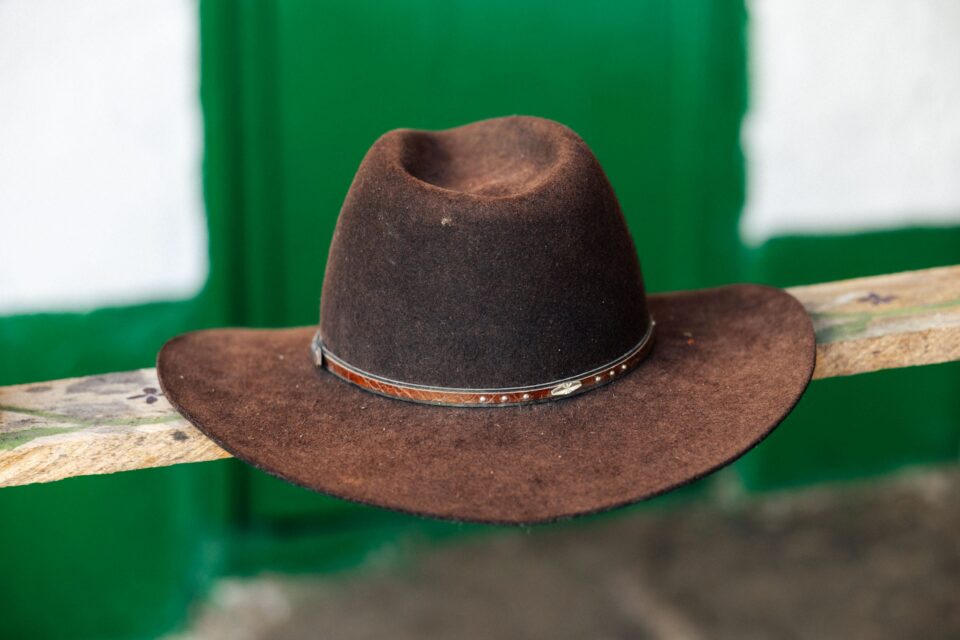
Benches galore for people watching, and some great hats too.
The official Oh Boyacá! bikepacking route terminates in the neighbouring department of Santander, at the beautiful and colonial town of Barichara. I’d ridden through in 2011 and was excited to share its picture-perfect setting with Emma. But as soon as we began to leave the mountains, we both started to miss the páramo with a yearning that made us question the very direction in which we were riding. The communities we were leaving felt tight-knit and connected to the land, and we’d been quietly content with these keepers of the mountains.

Try as we might, we just couldn’t leave the mountains just yet…
And so, after deep-diving into Ride with GPS—satellite layer zoomed in to 100%—we decided to make an about-turn, scouring the map for other unpaved options. I love trusting myself to other people’s routes, knowing the time and effort I put into the ones I create myself, and Oh Boyacá had been everything we’d hoped for. But it’s also worth remembering that these lines aren’t fixed and are only suggestions. Venturing beyond the dotted line on your navigation device can deepen one’s understanding of a land and tailor a trip to particular interests. So, instead of following the valley out, we decided we’d veer west from Onzaga and work our way back up into the range we’d just crossed, but via a different dirt road. Not only would this allow us a few more nights to linger in the páramo, but it would also have a logistical upside. Our new destination, Paipa, meant a much shorter bus ride to Bogotá, as a fast and wide highway runs all the way to the capital, compared to the slow going, winding mountain road that we’d have to take from San Gil, the established terminus of Oh Boyacá.

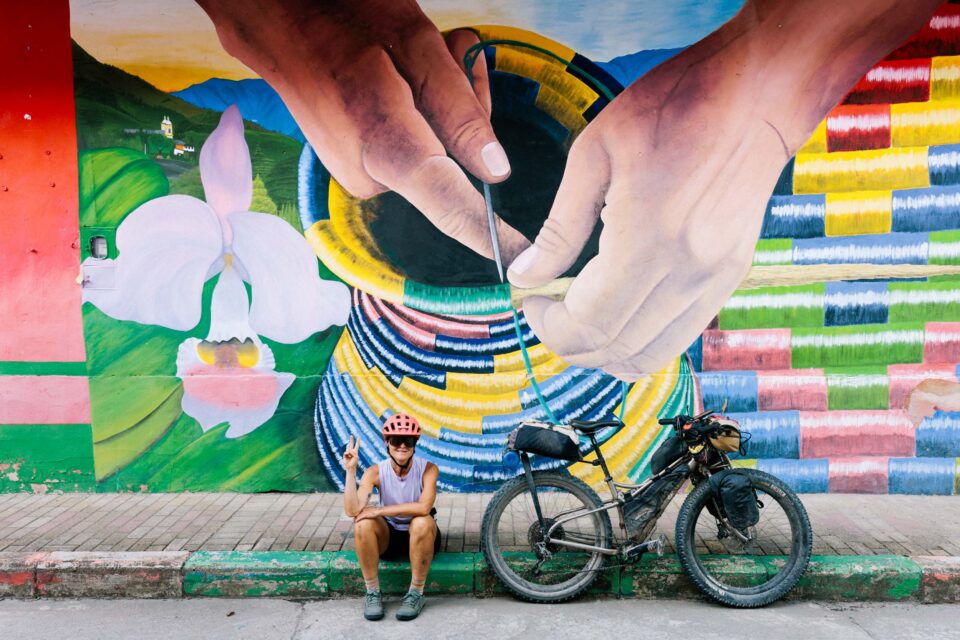
Guacamayas, where we pored over satellite imagery and decided to follow our hearts and not the dotted line.
With renewed enthusiasm and a delight in delaying the inevitable, we pedaled over to Guacamayas, a town known for its colourful murals of parrots and traditional basket-making. And from there, we began an off-route fling into the Cañón del Chicamocha, over in Santander. A complete change in topography and ecosystems, this detour had been recommended to us by both bikepackers Theresa and Josch and a beekeeping family we met in San Mateo, another little mountain town along the Oh Boyacá route.
Kipping the night on a school stoop taught us the names of all the Colombian states.
Duly, we freewheeled our lowest point of the trip yet, more tropical with each moment we descended—mangoes, citrus fruit, and banana trees were soon lining the road, tempting us to reach out and pick them. Down we looped towards a river valley at just 1,200 metres, ever wider and more hazy, where regiments of tall columnar cacti sprouted out of the steep and arid hillsides. In some ways, it was very much reminiscent of Oaxaca, Mexico, where we live. For instance, we passed the tallest thicket of euphorbias we’d ever seen, inspiration for the potential future of one of our house plants, a euphorbia that’s almost two metres high, tended by Emma since it was a mere seedling.
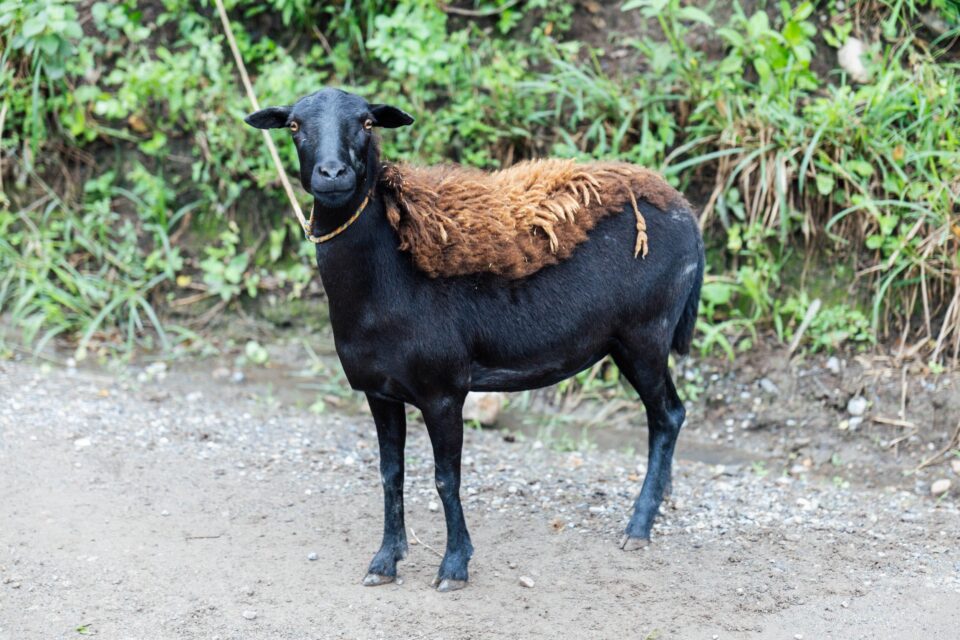

The mullet is the official haircut of Colombia, and even the animals have wonderful hairdos.
After our morning’s descent, the climb back out was so overbearingly hot that even tempering our bodies with ice cream offered little respite. Thankfully, the mountain mist cooled again as we closed in on Covarachia. It was a Friday, and our arrival was timed with the build-up to a street party. Tired and hungry, we hurried through the damp air, dodging and weaving between groups of already-drunken men who gamely waved us over. As it happens, the small hotel we found there was positioned slap bang between two raucous bars. Luckily, I remembered to ask for a room at the back of the premises, where we hunkered down for the rest of our evening, cooking up cheesy pasta with our camping stove on the floor and politely ignoring the pounding music.


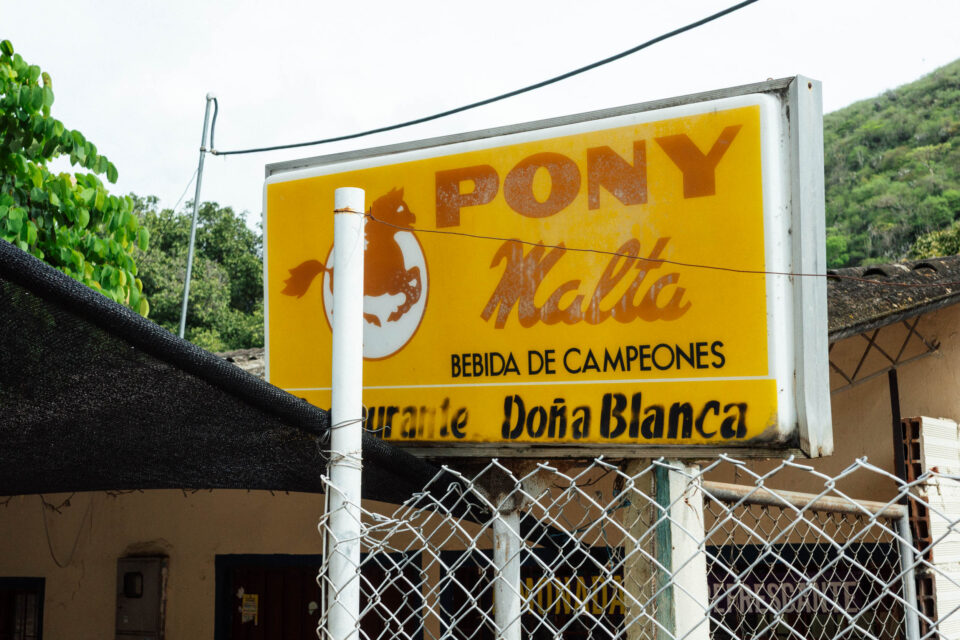

Roadside guavas, ice cream laced with bocadillo, towering cacti, and torrential downpours. This country has it all.
From Covarachia, muddy mountain roads in torrential rain guided us westwards once more, between tinto breaks—aka coffee shots—to warm up as best we could, and in an unexpected change from the old Daihatsus we’d been seeing, suddenly it was all Lada Nivas trundling around the hills. Apparently, parts are cheap and easy to source from Russia, plus the vehicles are straightforward to work on. Of course, they sported a typically colourful array of paint jobs too.

One minute it’s all cute little Japanese 4WDs and the next, we’d entered Lada Niva World.
In turn, dirt tracks connected us to Onzaga, a delightful colonial-style settlement on the Oh Boyacá route. But as we’d now decided, instead of following it to Burichara, it was here that we left Santander and began the climb back into Boyacá, returning to the high-altitude grasslands we’d been missing so very much. This felt like the right decision immediately, especially as the sun was out, the grade was gentle, and the road was empty of traffic. We stopped only to demolish a whole papaya that Emma had frivolously loaded into her pannier in a moment of utter disregard for weight.


In Onzaga, we met another Emma! This Emma was from Belgium, and she was just beginning the Oh Boyacá route southwards.
The paramó that we reached, however, wasn’t quite how we’d envisaged. The frailejónes population had been invaded by plantations of hardy potatoes, so we pushed on and camped instead in an elementary school’s playground. And from there, we briefly followed a paved highway, breaking our almost uninterrupted run of dirt roads thus far.


Back in Boyacá, frailejón were thin on the ground, but the traffic was four-legged and the late afternoon light was glorious.
Still, doing so afforded a completely different side to Colombia yet again. After all, junk miles can have their own appeal, especially when they’re following a downward trajectory, and the truck stop village of La Capilla, where we breakfasted on eggs and arepas, turned out to be a lively hangout. To the sound of revving trucks as big as houses, we chatted to a local chain gang and bought a man from Venezuela some food after hearing he was hitchhiking his way home after seven years away. He stood beside so little luggage that it looked like he was on a weekend away.


One minute we were in Santander, and the next, we were back in our beloved Boyacá, riding junk miles, eating arepas, and hanging out with a local chain gang.
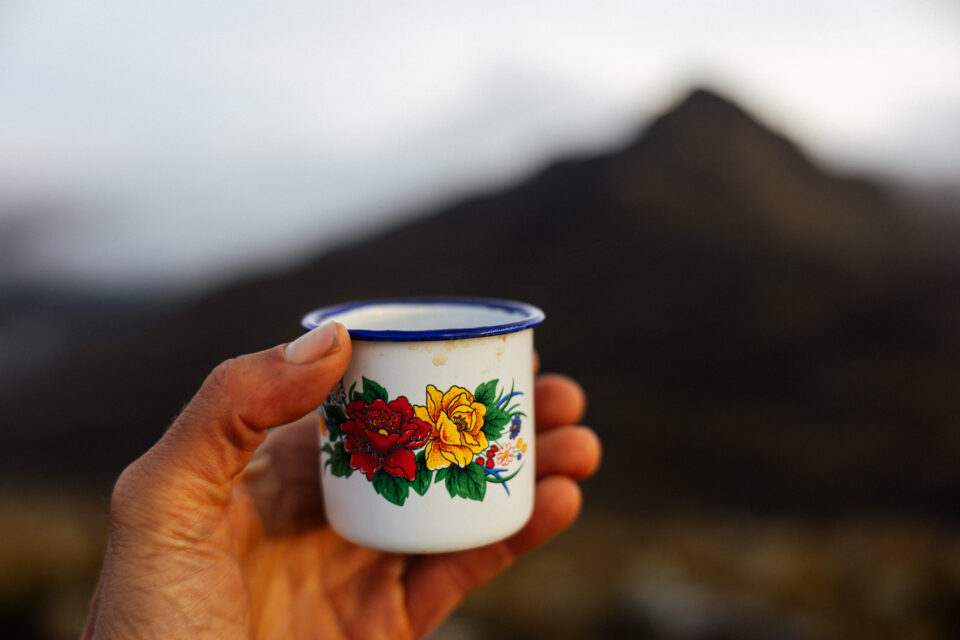
Rerouting and finishing our ride in a completely different department did mean repeating one section of road we’d followed on our way here, albeit in the opposite direction. But that section of high elevation terrain was also one of our very favourites of the trip, and we’d even earmarked potential future camping zones at the time, ensuring that our two last nights were spent bathing in quiet, uninterrupted páramo. For our first spot, the sky was clearer than it had been all month, and our chosen clearing, just a short distance from three glassy mountain lakes, was almost jet black in the late afternoon light. There was a cluster of frailejón too, a little set back, as waiting for a signal to come over and whisper us goodnight stories. The following morning, we sat in a patch of grass catching the early sunshine, coffees in hand, looking back upon a widescreen panorama of the Sierra de Cocuy mountains. It was our crispest view so far, and we congratulated ourselves on our decision to return to the páramo.
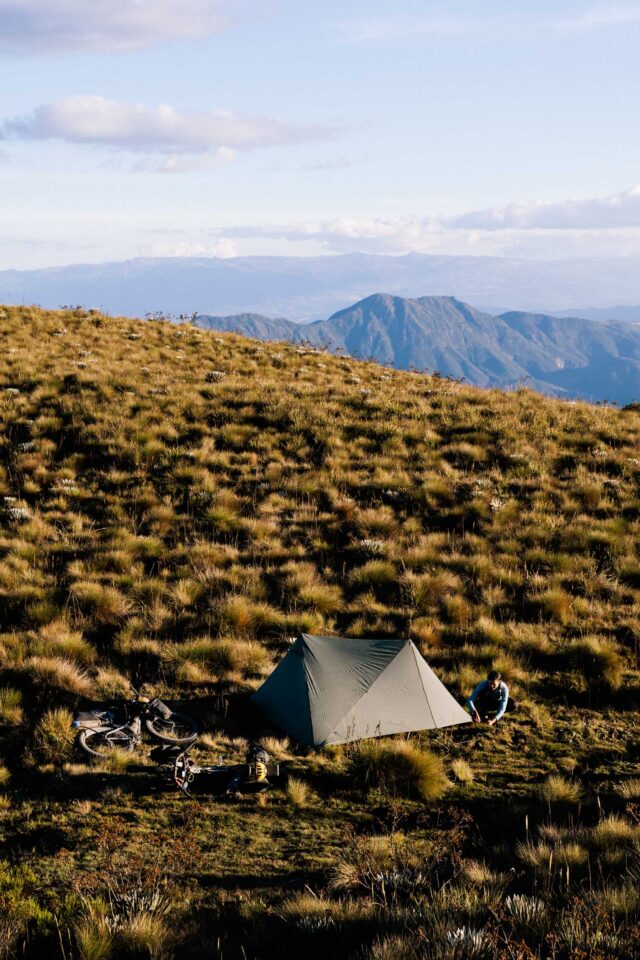


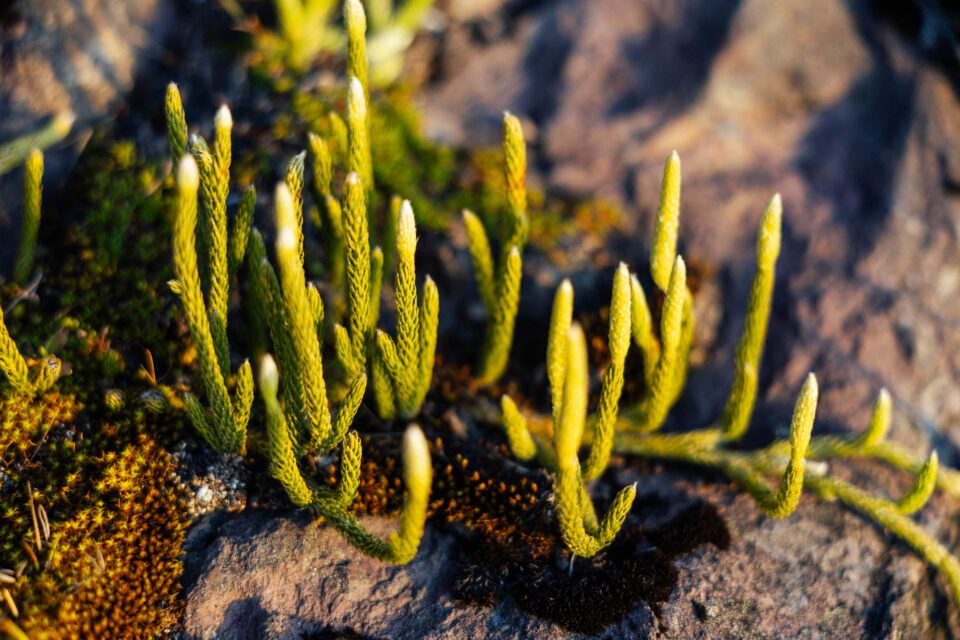


No regrets about the decision to turn around and spend a last few nights with our friends, the frailejón.
The forecast for our last full day in the saddle was decidedly mixed, and we eyed a storm that thankfully never quite materialised. The climb was also especially steep, but because we were now counting down our very last few hundred meters from a 35,000 total tally for the month, as tired and slow as we undoubtedly were, we felt unstoppable! Snacks were running low by the end of the day, so we were especially grateful to meet a young trail-running couple out in the páramo with their dogs. They offered us cubes of bocadillos wrapped in bijao leaves, which we gobbled down as we set up our tent in the damp air.

So long, and thanks for all the bocadillo, Colombia!
And our last camping spot was what we called Quintessential Páramo, a perch along a ridgeline that came complete with atmospheric fingers of mist that poked and curled around our tent. Dark clouds to one side and bright sunshine to the other vied for my camera’s attention. It was also well populated by our frailejón friends, both tall elders overseeing healthy groves of younglings numbering in the hundreds, and tiny frailejón babies barely poking out of the ground. A handful of them were flowering, wet petals at the end of long and protruding antennae, adding pops of yellow to otherwise muted colours.
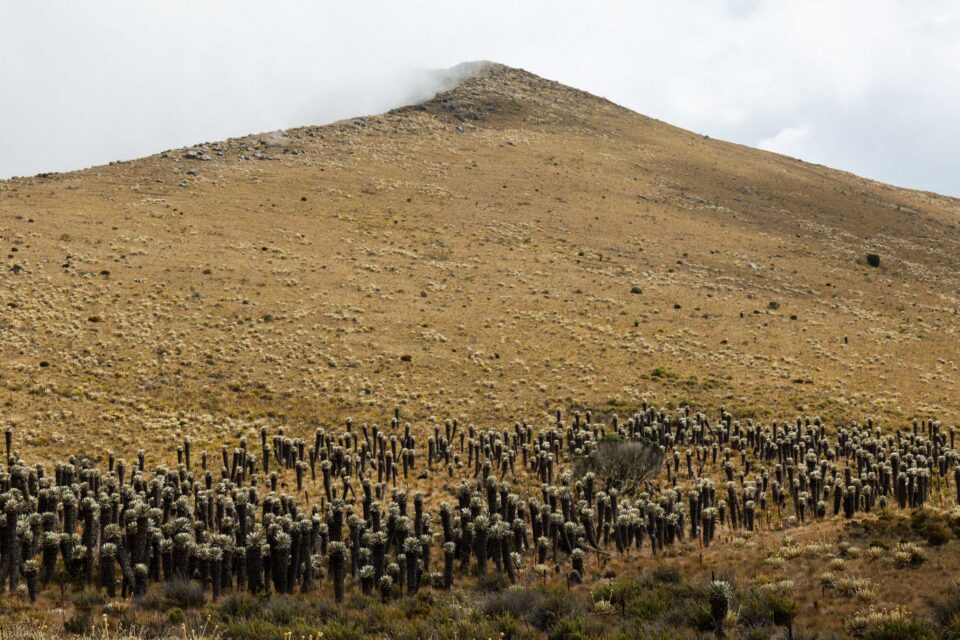


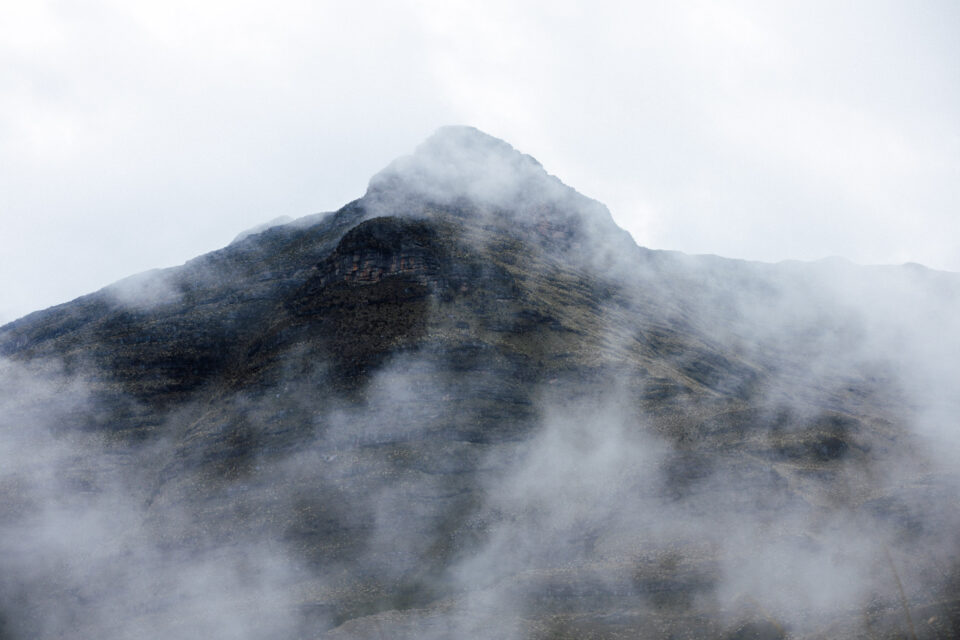
Quintessential Páramo. There couldn’t have been a finer last night for our Colombian bike tour.
Sometimes it rained, and sometimes the sun shone. Indeed, it couldn’t have been a more fitting farewell to the páramo, and as we packed up for the last time, I felt rather emotional. The trip we’d spent so long preparing for was all but over, and I looked proudly upon our bicycles, these pedal-powered machines that run on sweet bocadillo and frailejón water, and thought of all the places that they had taken us.
In the morning, we stopped at Buenos Aires, just as we’d done a week before, and again ordered arepas and two sweet tintos infused with panela. Serendipitously, a radio was on, and wafting over the mist, I listened to cycling race results reported in the news. From here, all that lay ahead was a 1,000-metre descent, along which we’d pass weekend roadies pitting themselves against this very climb.


Can you tell we’re a little sad to hit pavement and leave the páramo?
Thank you, Colombia. You’ve really been the most remarkable of cycling destinations. You’ve served as a timely reminder of everything I love most about bicycle touring and the sheer joy of propelling myself on my own steam. Your mountains have challenged and uplifted us in equal measure. You’ve packed the richest of experiences into the most affordable parcels of time, treated us to unique and personal interactions that have renewed my trust in the world, and taught us life lessons on each and every ride. I just hope it’s not another 15 years before I’m able to return.
Oh Boyaca With a Twist
Here’s our Oh Boyacá route, including adjustments to Coverachia, the Chicamocha River Canyon, and Paipa, to maximize off-road riding, enjoy some bonus páramo time, and afford an easier, shorter bus ride to Bogotá. We’ve added notes within the comment field of the original route, too.
Photography, Note Taking, and Painting
As a counterpoint to the physical activity of cycling, I love to try to capture elements of what I see through a lens. On this tour, I packed a Canon R6 with a 28-70mm f/2.8 for action shots, and, for the first time, a tiny Ricoh GR IIIx for quick people snaps and more candid, ad hoc moments. Whilst the latter isn’t known for its durability—and it lacks a viewfinder, which I find a real challenge in bright sunlight—it’s completely unassuming in the hand, making it incredibly enjoyable to use in more public situations. I kept both these cameras safe and sound in a Rockgeist Big Dumpling, nested within a lightly padded camera insert. The Dumpling is a fantastic pack that’s quick to access and keeps everything bone dry, which is a must given Colombia’s temperamental weather.
I also enjoy keeping notes on how each day unfolds, scribbling them down in a booklet. If there’s a photo I considered taking but didn’t for some reason, finding words is a great alternative. I always jot down fleeting thoughts as I ride because cycling is when I feel the most creative and contemplative—perhaps it’s the blood rushing around my body and fuelling my brain, or just because I’m in my happy place. Robust Moleskines are my favourite diaries, but in the interests of keeping things light and slimline, I carried a Mordecai notebook too, which slip easily into the back of a hip pack. I’m generally too tired at the end of the day to write anything intelligible, so I save it for breakfast the next day while I sip on a morning brew. It’s a fun process running through the preceding day’s stats with Emma and trying to pull out its most memorable moments. I also jot down more banal events, like the meals we ate, as these can serve as a floodgate for more visceral memories too. The only trouble is, I can’t always read my own handwriting back, so on longer trips I carry a laptop, too, to turn these scribblings into a legible form. Analog note-taking, then a keyboard for making sense of it all, is my MO.
Emma carried her watercolour set, which you can read about here. Painting is a completely different way of appreciating the natural world, and I wish I had her skills for observation and her patience!

Because as much as we love them, bike tours aren’t just about bikes…
Our Steeds
In case it’s not obvious by now, we were aboard our Jones Spaceframes—Emma on her SWB and me on my LWB. Emma ran a three-inch Nobby Nic at the back and a Duro Crux up front, and I ran two Duros. You don’t need such large volume tyres for Colombia, but we were delighted with our choices nonetheless, as the routes we followed—the Mini Chingaza ride, the Paramós Conexión, and Oh Boyáca—offer quite the mixed bag of terrain, particularly with our adjustments. Luggage was mostly our tried-and-tested Tailfin gear, using 3D-printed “truss struts” to attach panniers to the forks. Given the weather, we were glad to have waterproof bags.

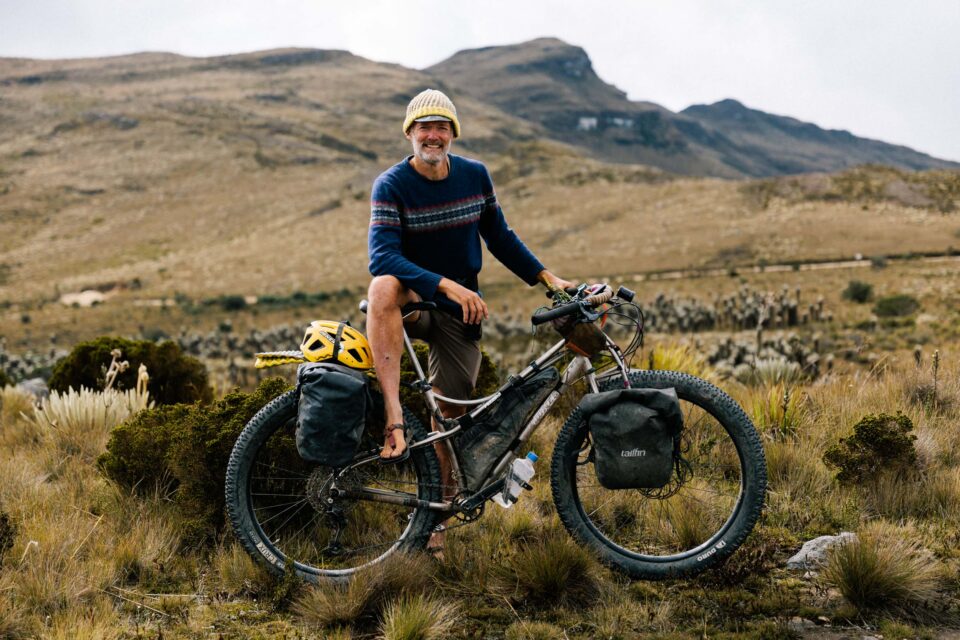
His and hers. Yep, it’s a bit embarrassing. Sometimes, I actually pick up the wrong bike.
Oh Colombia!
If you’ve followed along with these ride reports, then thank you! I hesitate to put Colombia on too much of a touring pedestal and encourage everyone to fly across the world to go ride their bicycles—especially when there’s likely a whole host of wonderful locales closer to hand… But if you are treating yourself to the big trip, I can’t recommend Colombia more highly. The network of dirt roads, the expanse of páramo, the warmth of its people, the variety of its food, its fabulous bike culture, and the country’s heady mix of mountain terrain really set the bar, in my mind at least. It’s hard not to leave Colombia feeling incredibly positive about life. Enjoy!
Further Reading
Make sure to dig into these related articles for more info…
Please keep the conversation civil, constructive, and inclusive, or your comment will be removed.