
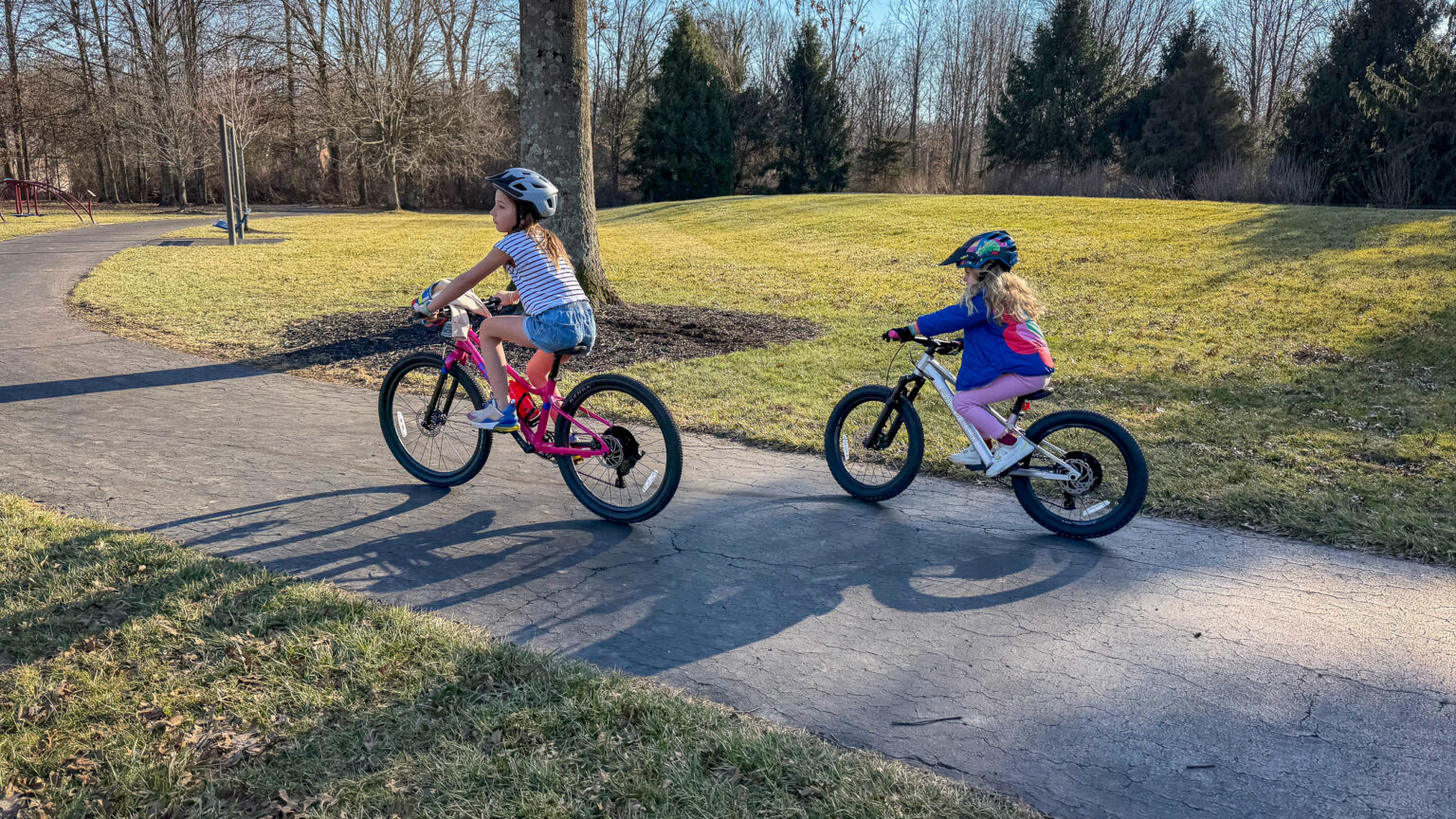
A good kid’s bike makes a big difference when it comes to getting new riders on bikes. A great kid’s bike can make the difference between riding when they are told to, and them wanting to ride every day. For decades, the refrain has always been, “get a kid’s bike from a bike shop – they’re better made, lighter, and expertly assembled.”
That’s still true when comparing to kid’s bikes from a big box store, but now there are potentially even better options thanks to the advent of direct-to-consumer sales. Prevelo has been quietly doing their thing since 2016 – the result of a father wanting to build better bikes for his two sons and their friends. Now 10 years later, the brand is putting out incredible kid’s bikes that certainly are making the bigger brands take notice.
Prevelo Alpha Four
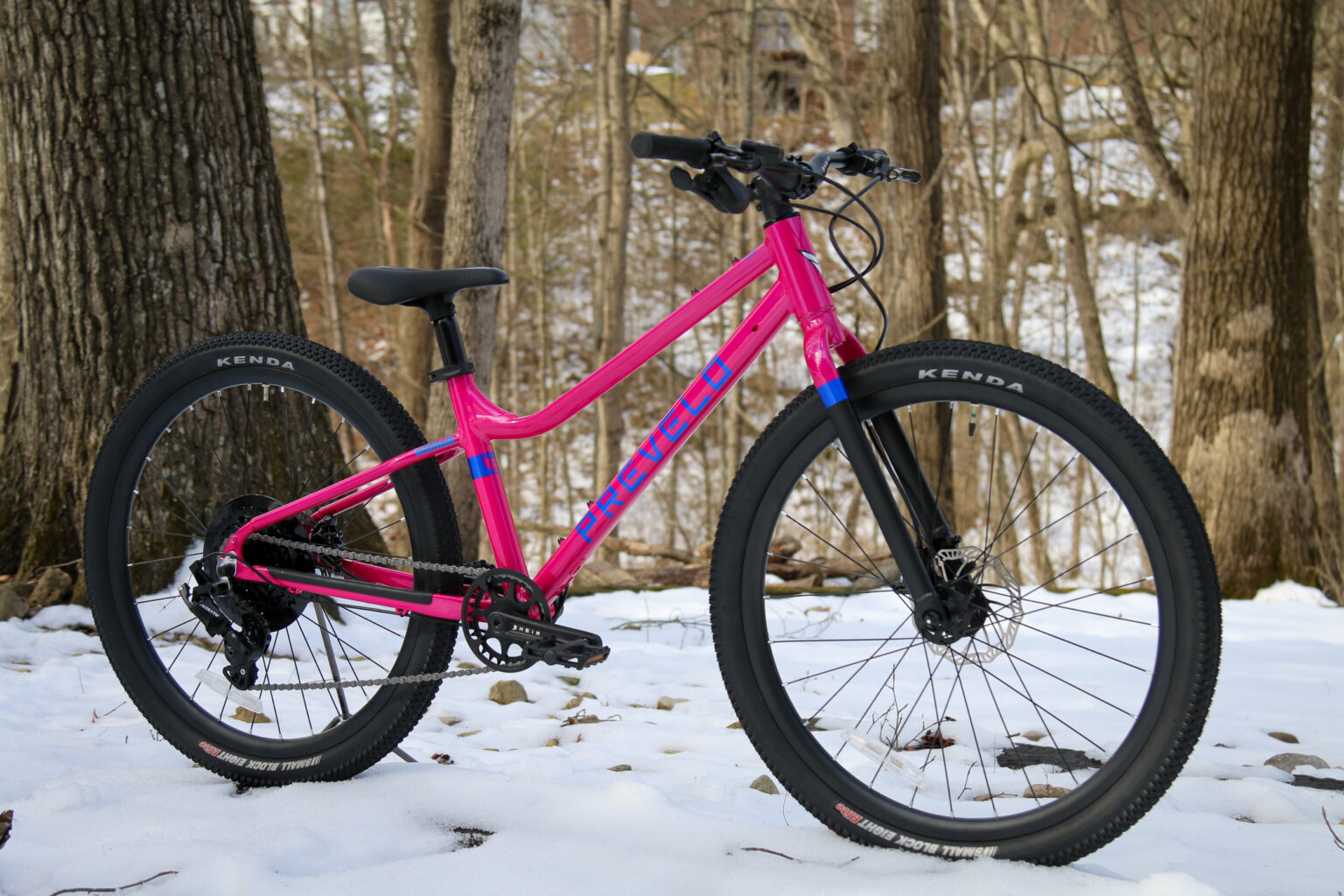
The Alpha MkIII is the latest line in the Prevelo family to be updated. Available from a 12″ balance bike to a 26″ big kid bike, the Alpha Series is the all-purpose kid’s bike, with the 24″ designed for riders ages 7 to 11. It’s not a hybrid, not a mountain bike, just something in between that is as comfortable on pavement as it is off. The build includes a light weight aluminum frame with a rigid aluminum fork, 1×8 Microshift Acolyte drivetrain, and 28h tubeless compatible wheels with 24 x 1.95″ tires.
Because of that, it’s quite light with a 24″ Alpha Four coming in at just 19lbs 15oz. More than just being light, the frame is designed around the ideal geometry for kids with narrow q-factor (140mm), low center of gravity, shorter reach, lower standover, and confidence-inspiring head tube and seat tube angles.
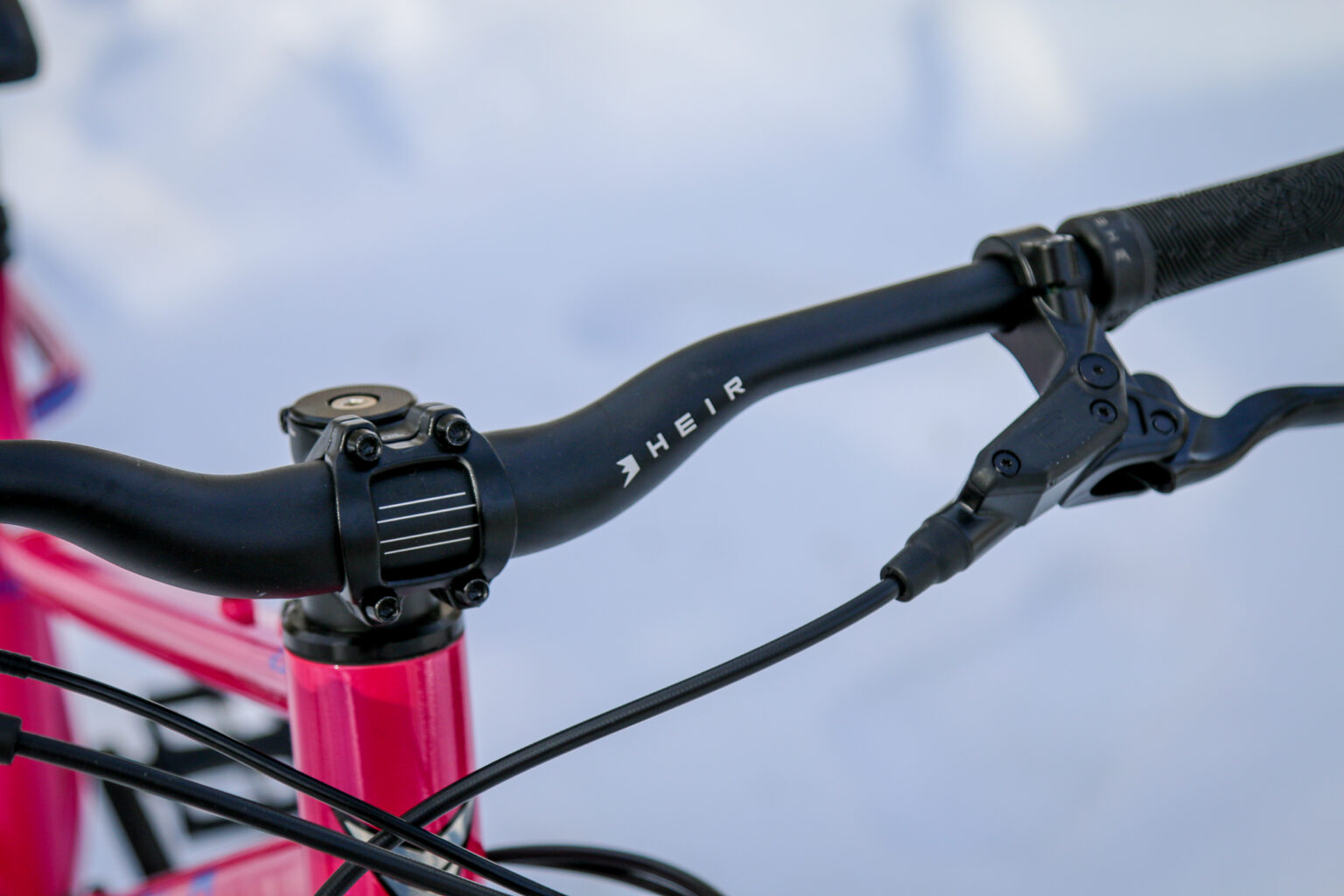
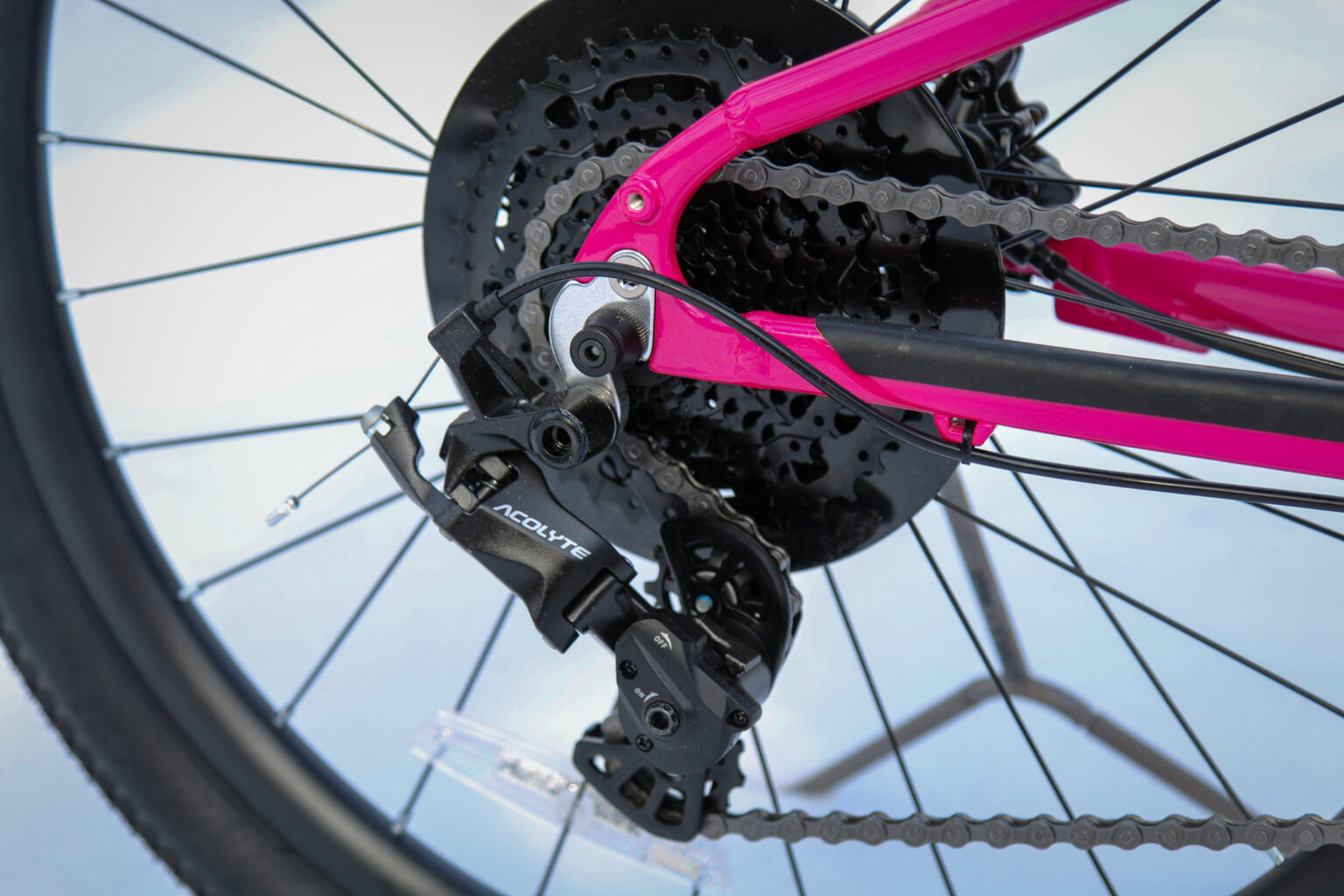
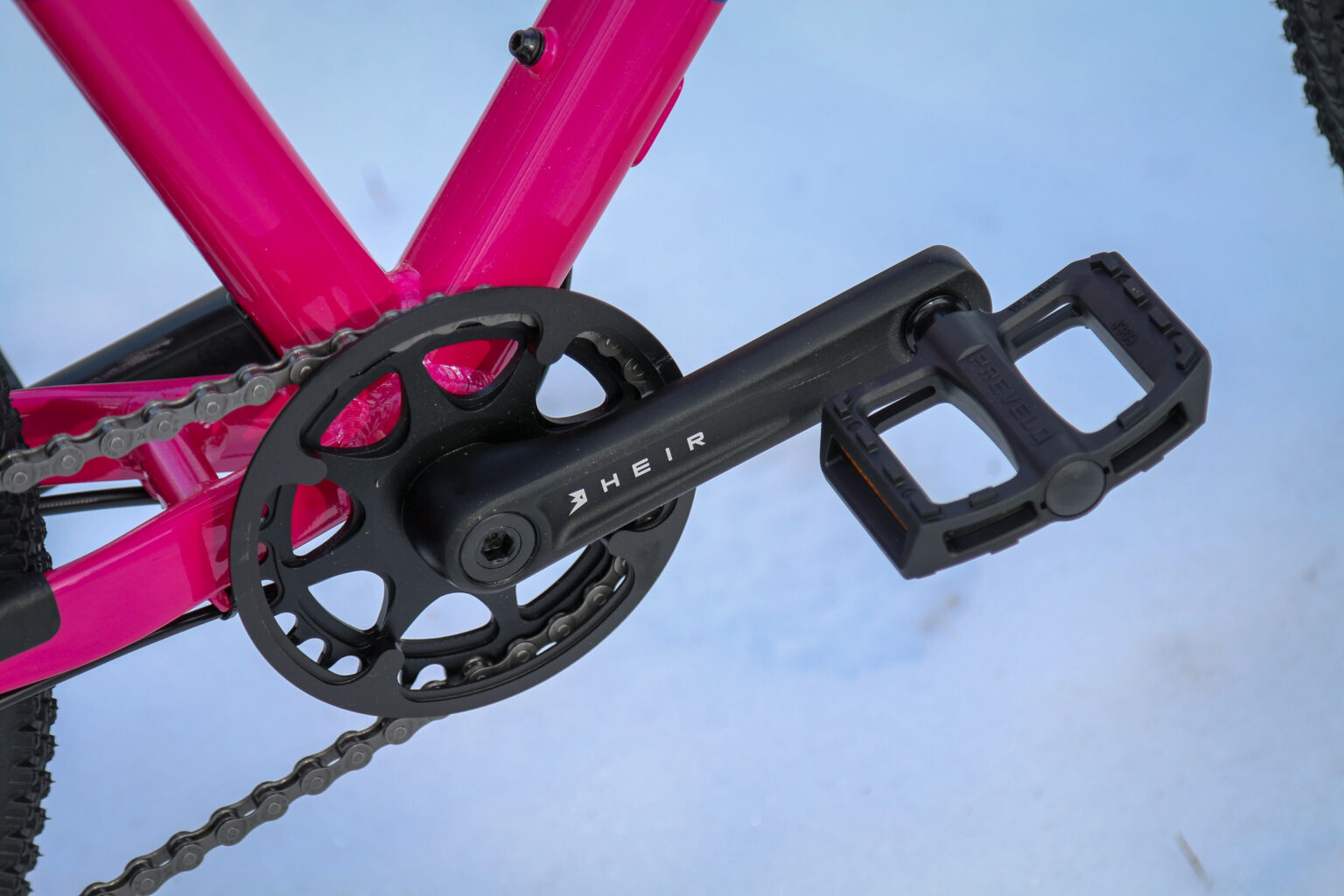
The build kit is one of the highlights with kid-specific components that are light weight, durable, and appropriately sized. Upgrades for the MkIII over the MkII include Promax hydraulic disc brakes, the clutched Microshift rear derailleur for the 1×8 Acolyte drivetrain, tubeless compatible double wall rims, and ‘Rider Supply Pod’ mounts on the top tube.
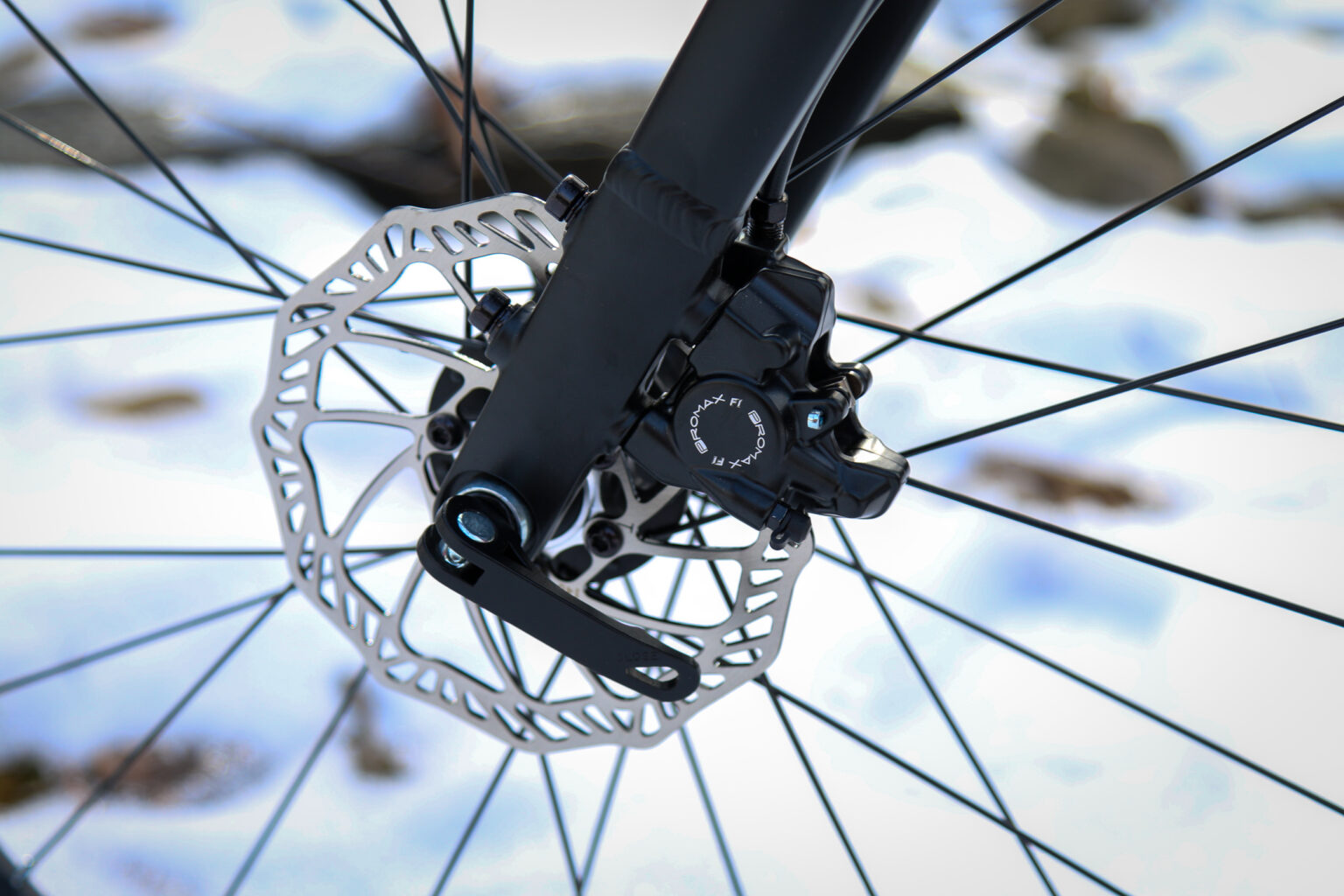
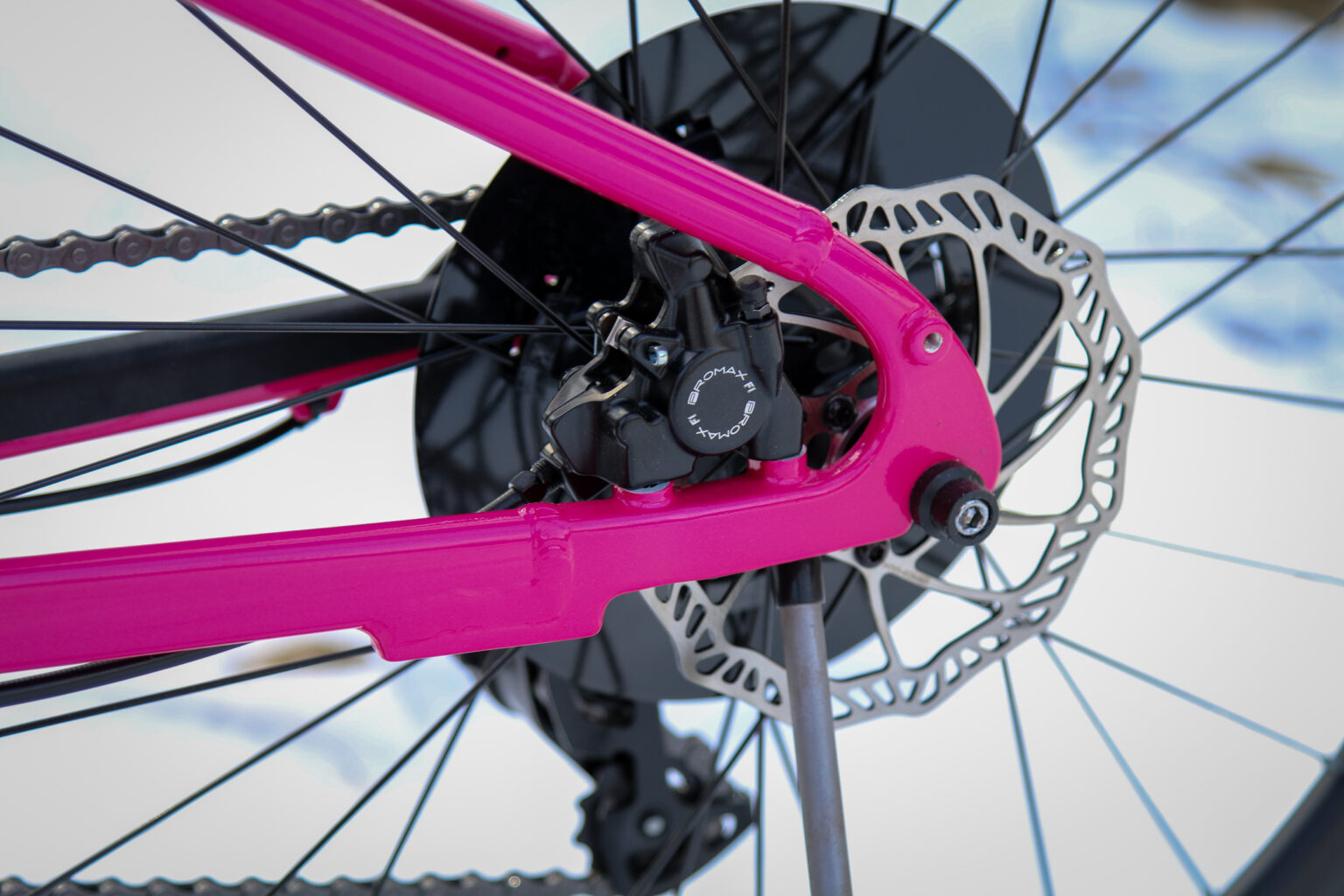
Flat mount brake calipers are used which allows the rear to be tucked into the rear triangle where it’s better protected from impacts.
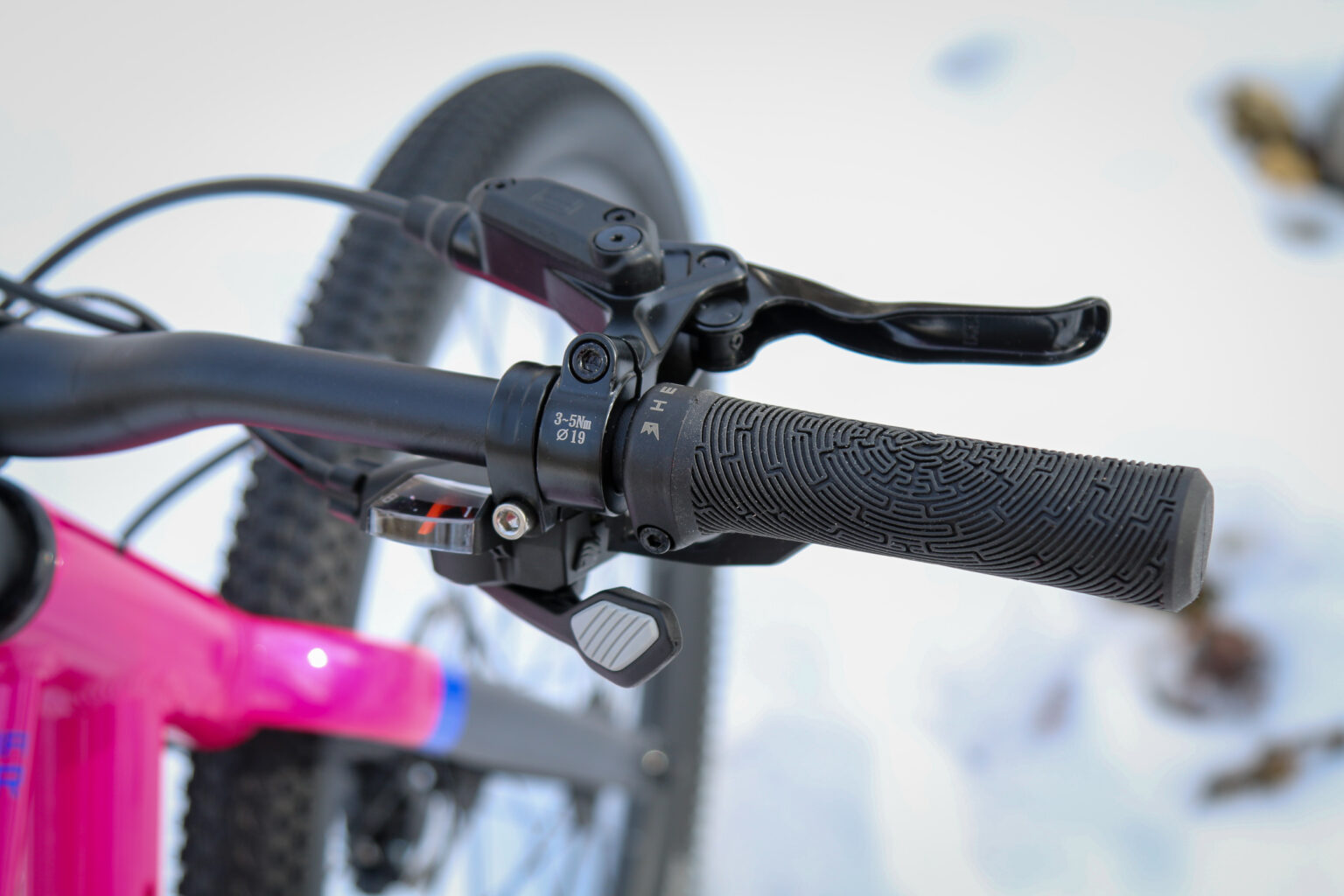
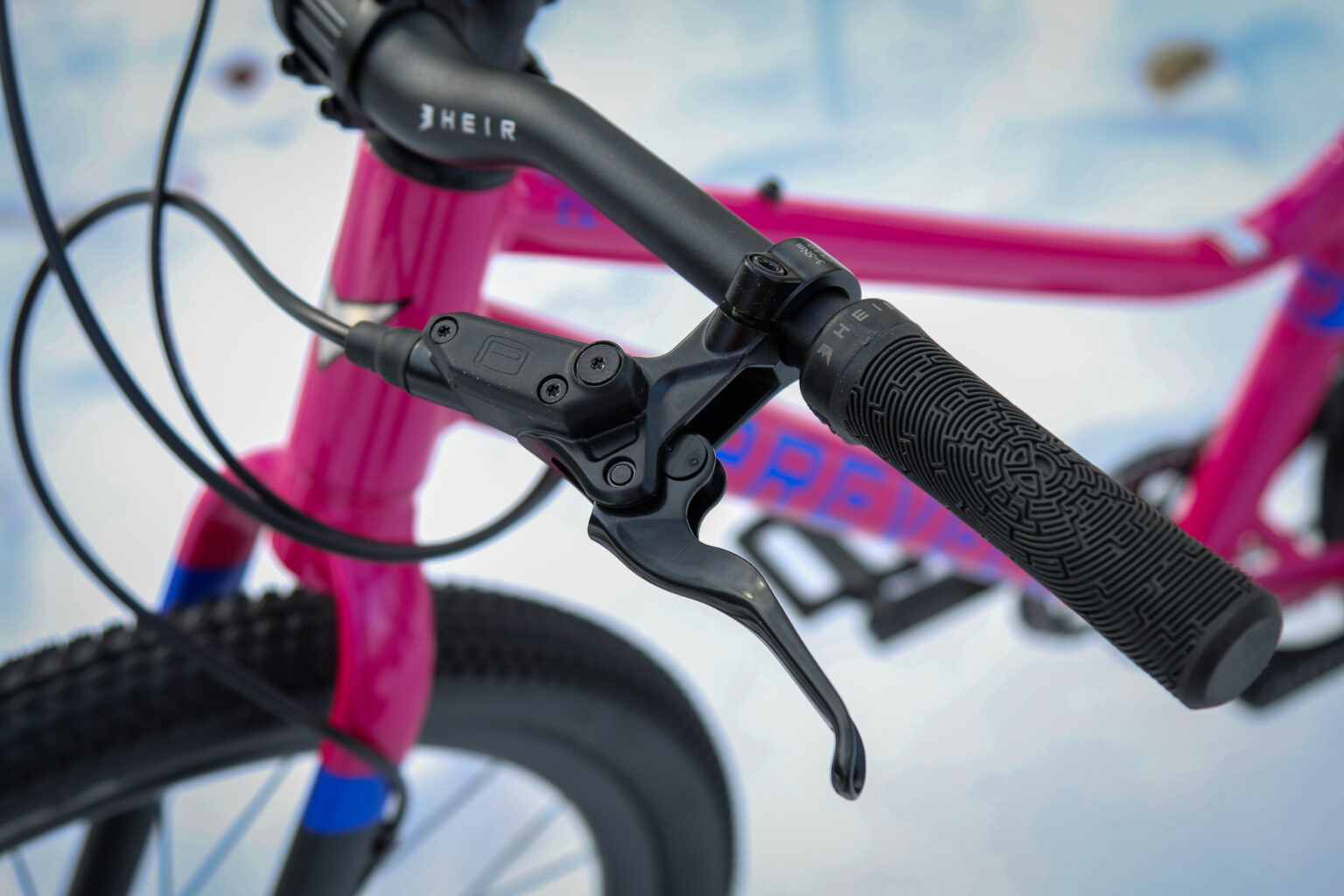
Like all of the Prevelo bikes, the Alpha Four includes ergonomically sized handlebars and controls. The bike accommodates riders with inseams from 23 to 28 inches, with saddle height adjustable from 26.1 to 31.5 inches, and generally ages from 7-11.

The bike ships partially assembled and includes a 5-year limited warranty. Overall, the assembly was pretty easy and could be done by most competent bike mechanics. However, if you’re not comfortable with that prospect, professional assembly service is available for an additional $169.
The $799 Alpha Four MkIII comes in three color options: Speed Silver, Braap Blue, and Party Pink, with shipping throughout the contiguous United States for $39.
Prevelo Zulu Three
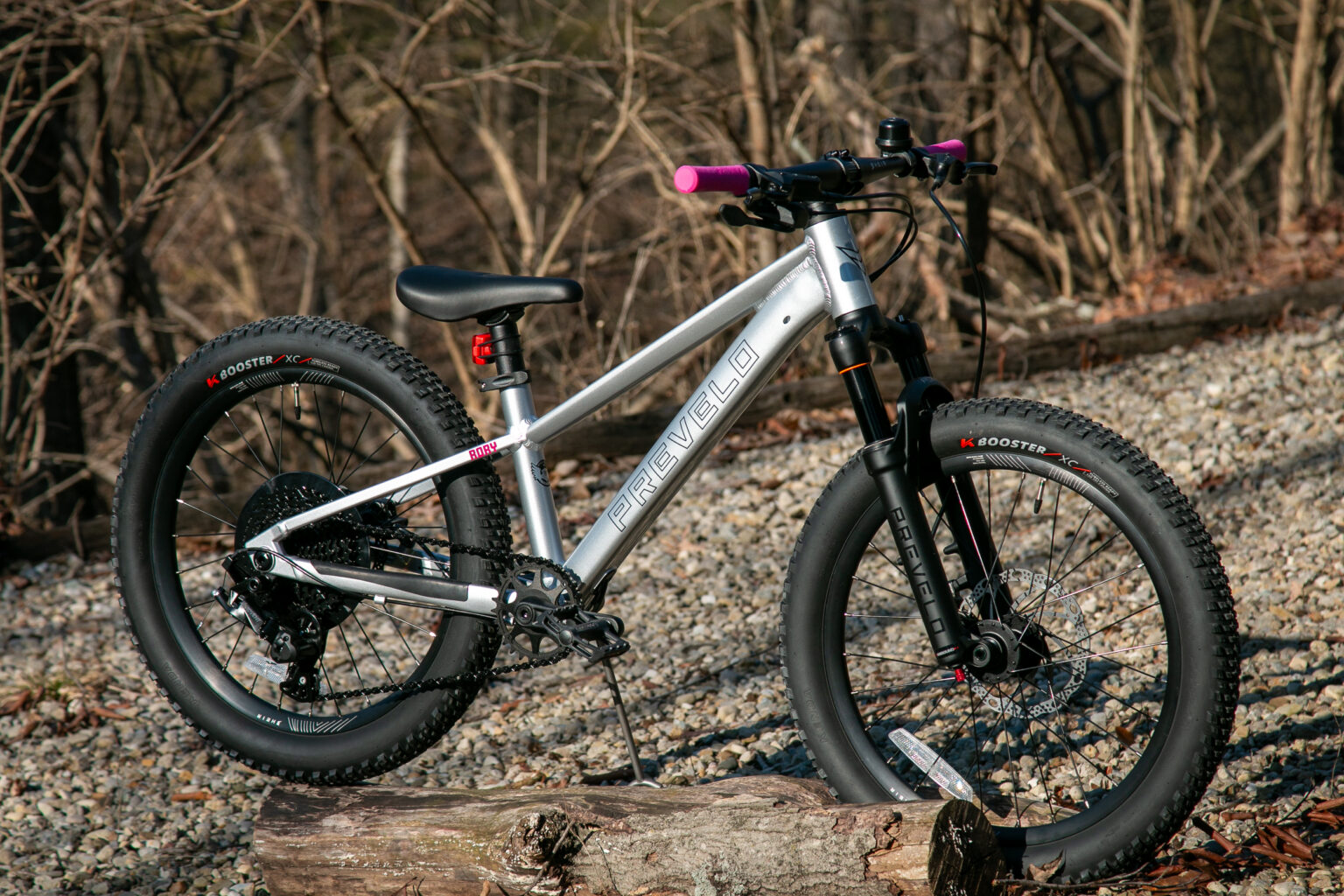
Where the Alpha Four is a perfect all-purpose kids’ bike, the Zulu on the other hand is unquestionably a mountain bike. Honestly, the Zulu is better than my first mountain bike I got as a pre-teen. Still in the MkII generation, the Zulu Three is a mountain bike designed specifically for children ages 5½ to 9 years with inseams ranging from 20 to 26 inches. The 20-inch wheel bike weighs 21 pounds 10 oz, with pedals and a bell, making it heavier than the Alpha series, but that makes sense given the spec.
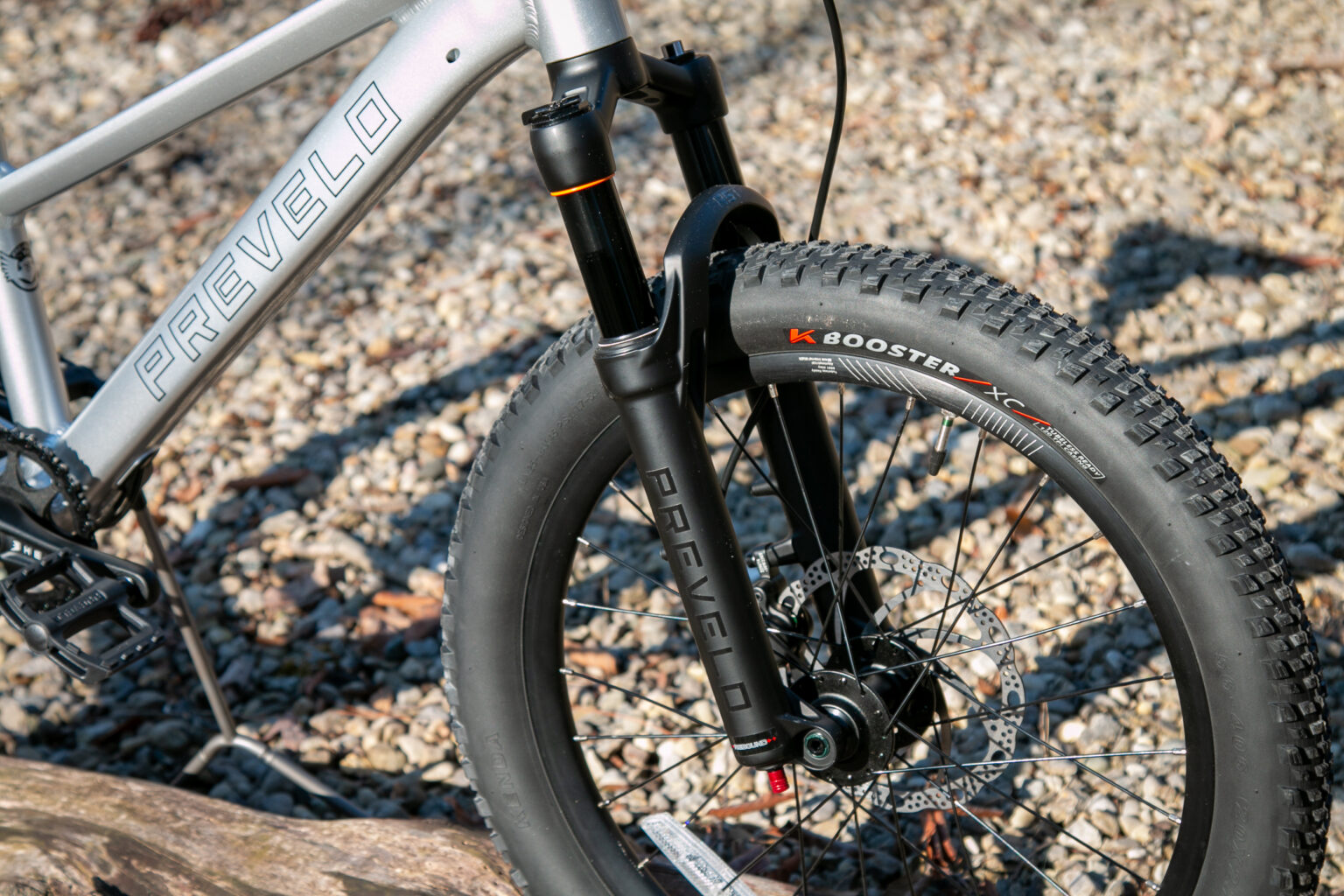
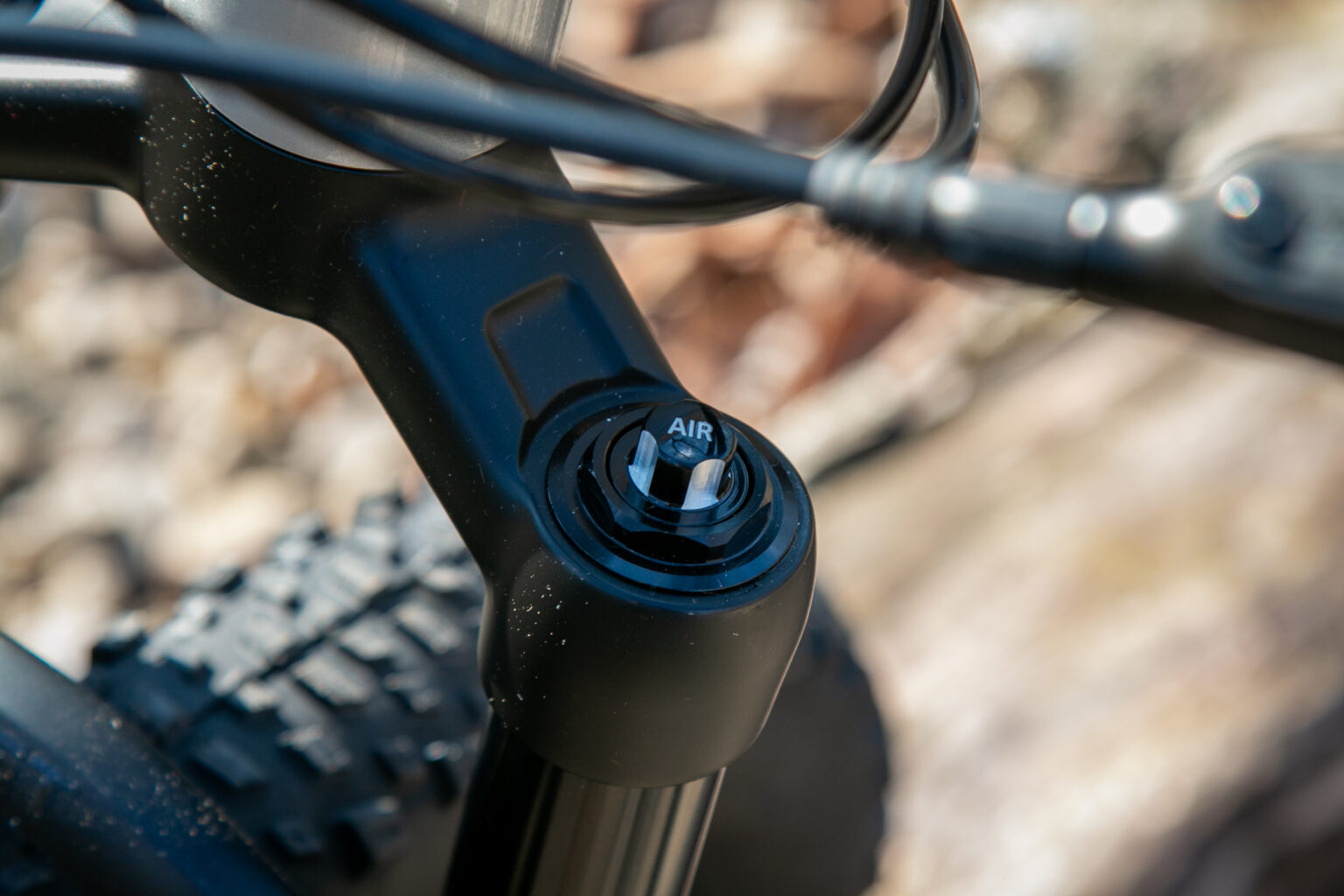
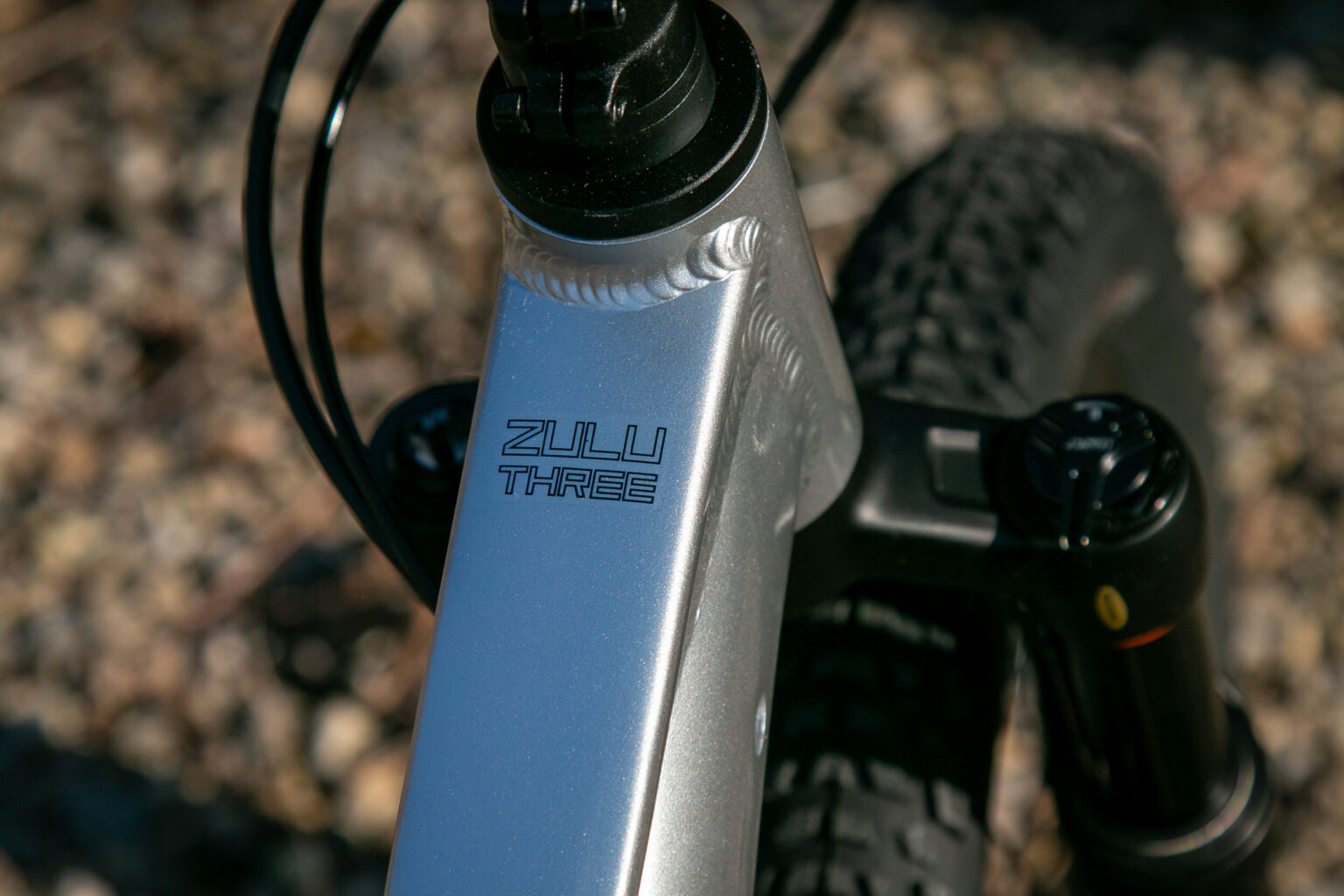
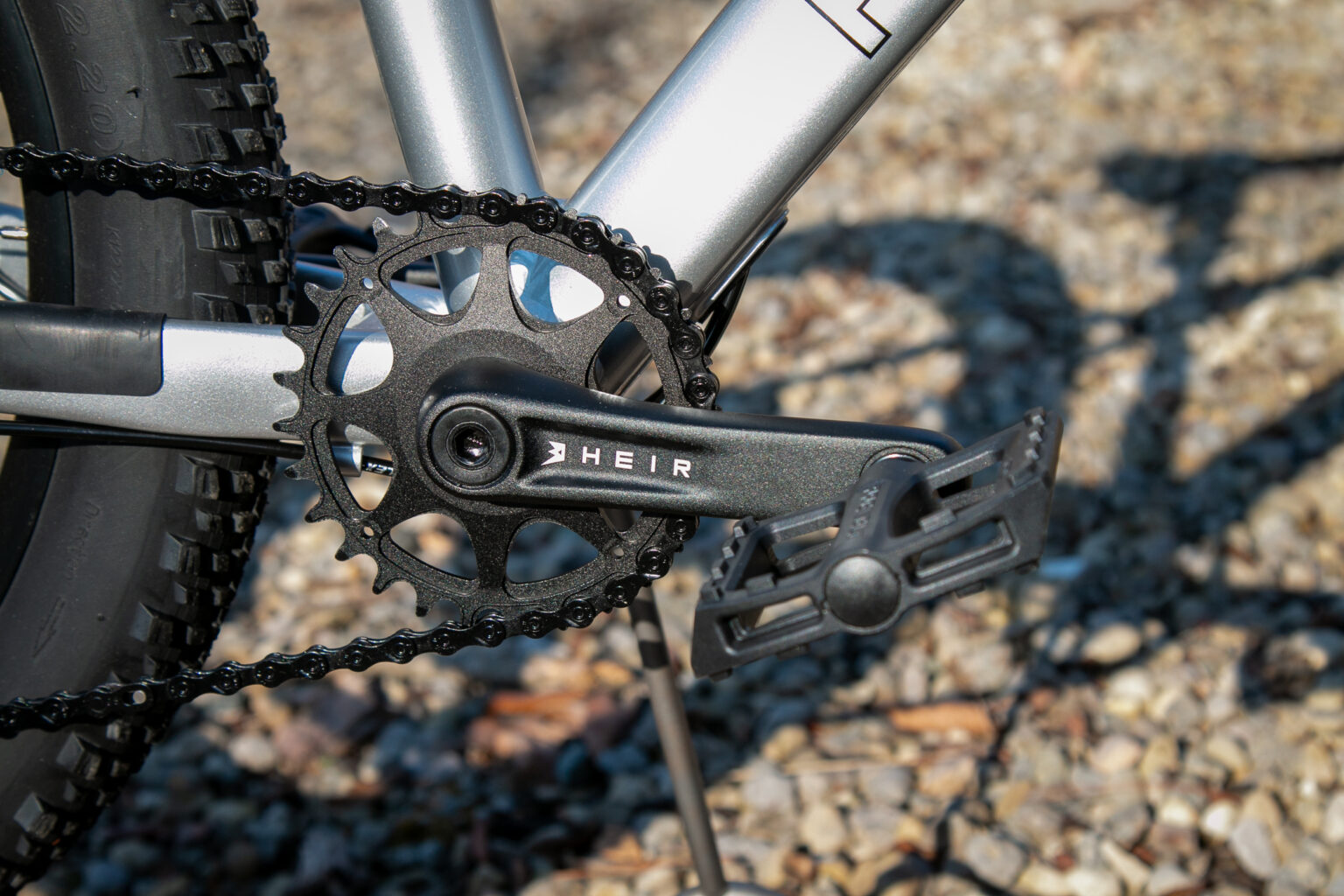
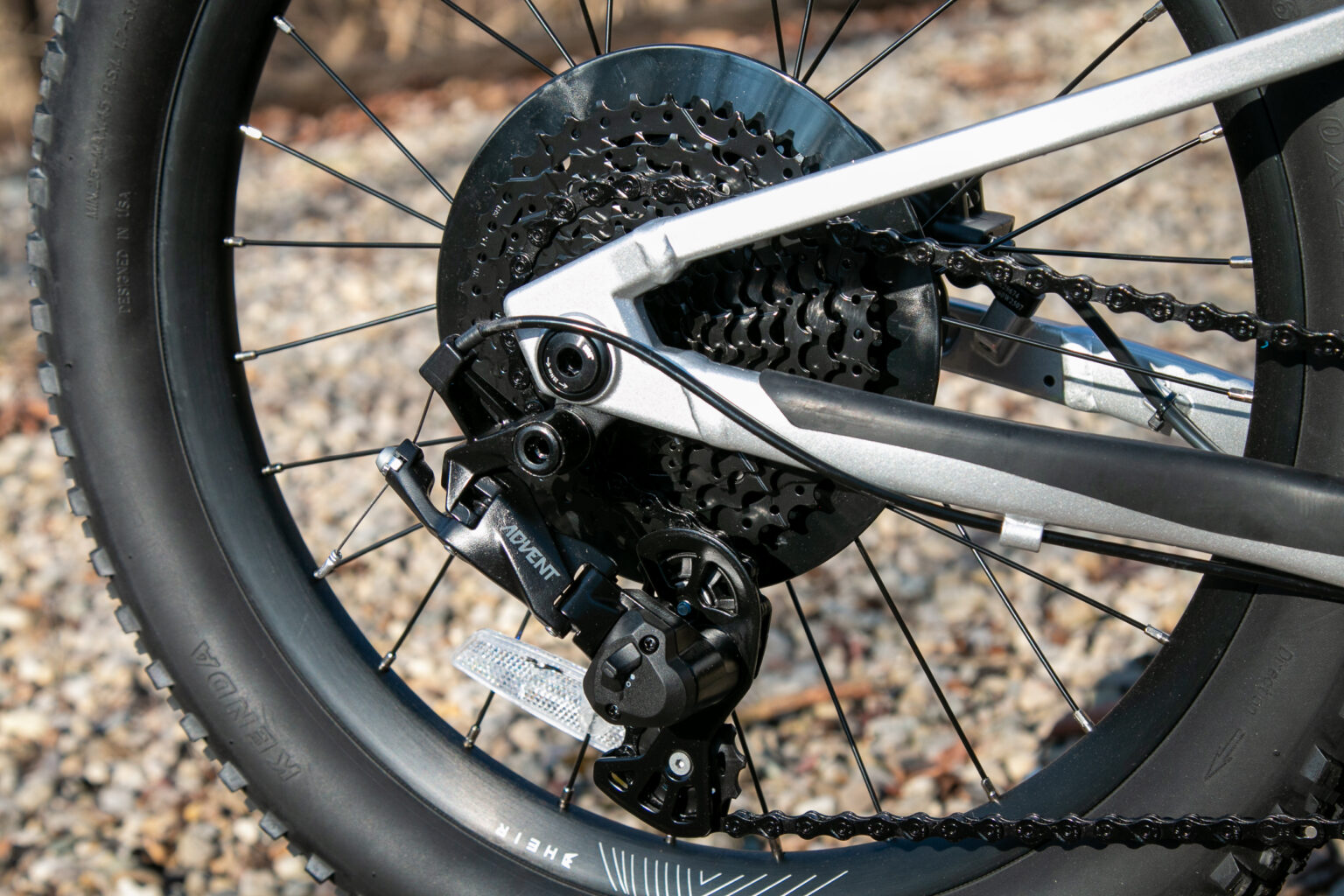
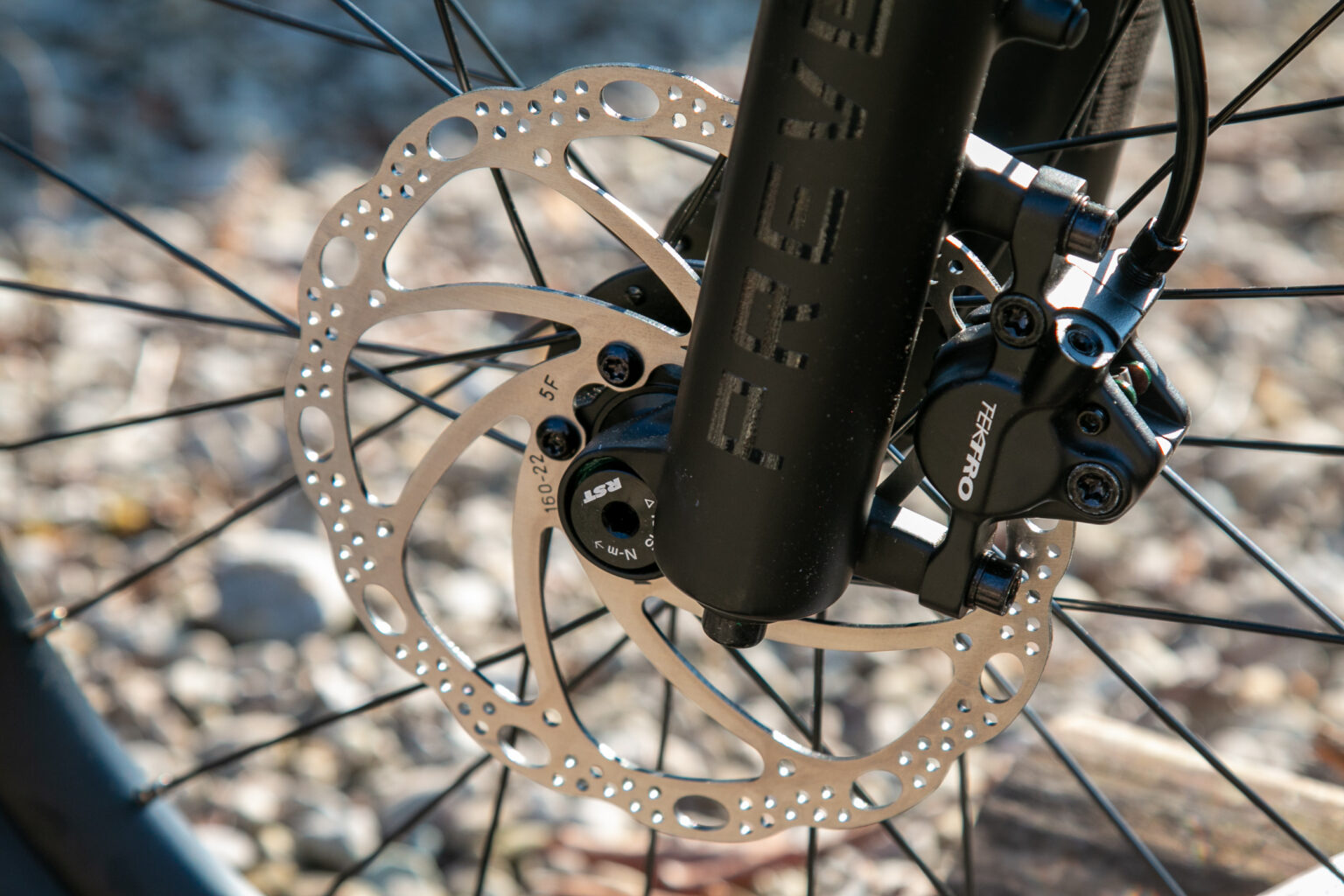
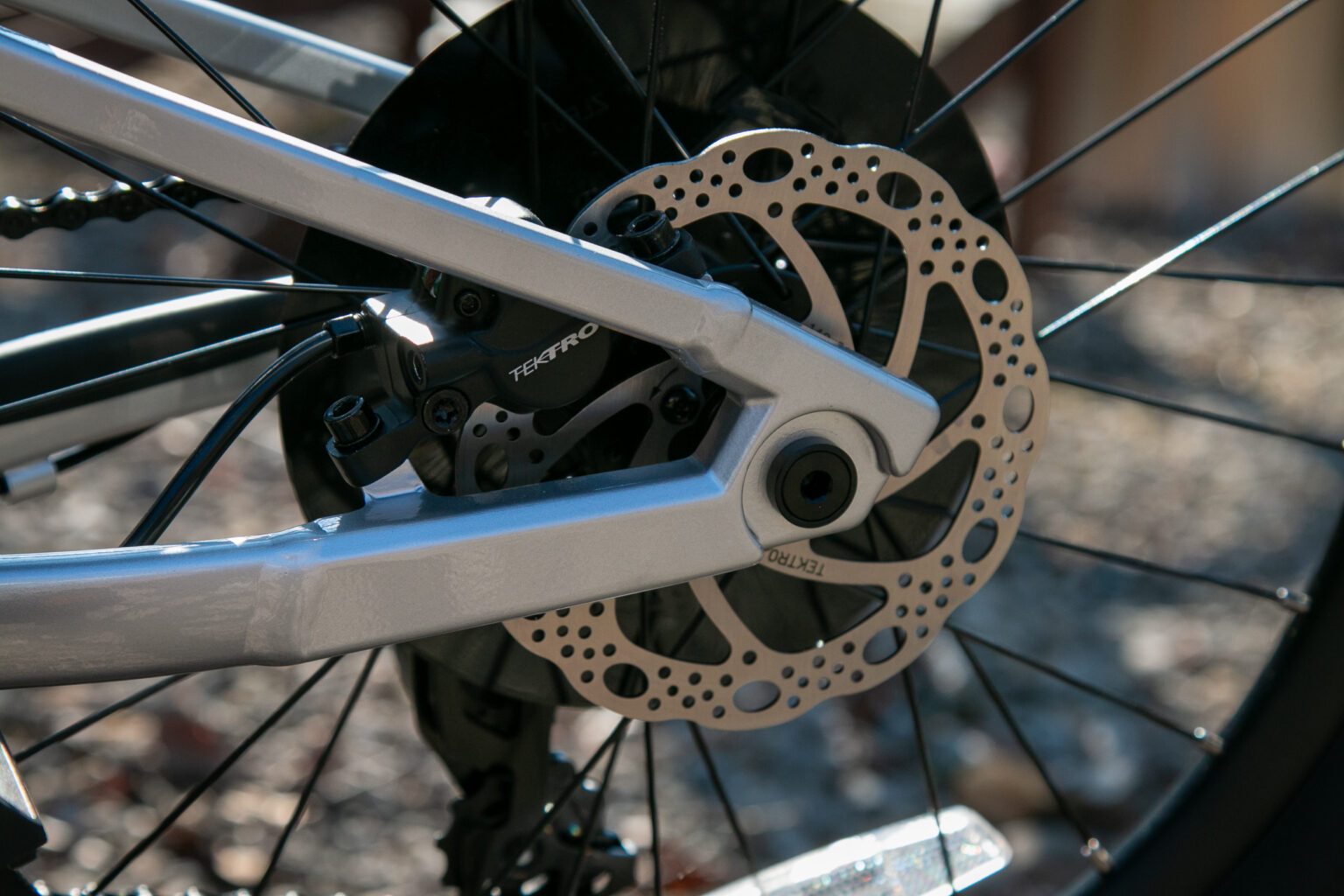
Most notably, the bike includes an RST First 20 AIR fork with 80mm of travel that actually works for light weight riders. You’ll also find Tektro J285 hydraulic disc brakes, and a 1 x 9-speed drivetrain with a Microshift Advent Super Short derailleur and an 11-38t cassette & 28t chainring. The frame uses triple-butted 6061 aluminum construction with internal cable routing and even offers a UDH-compatible dropout design.
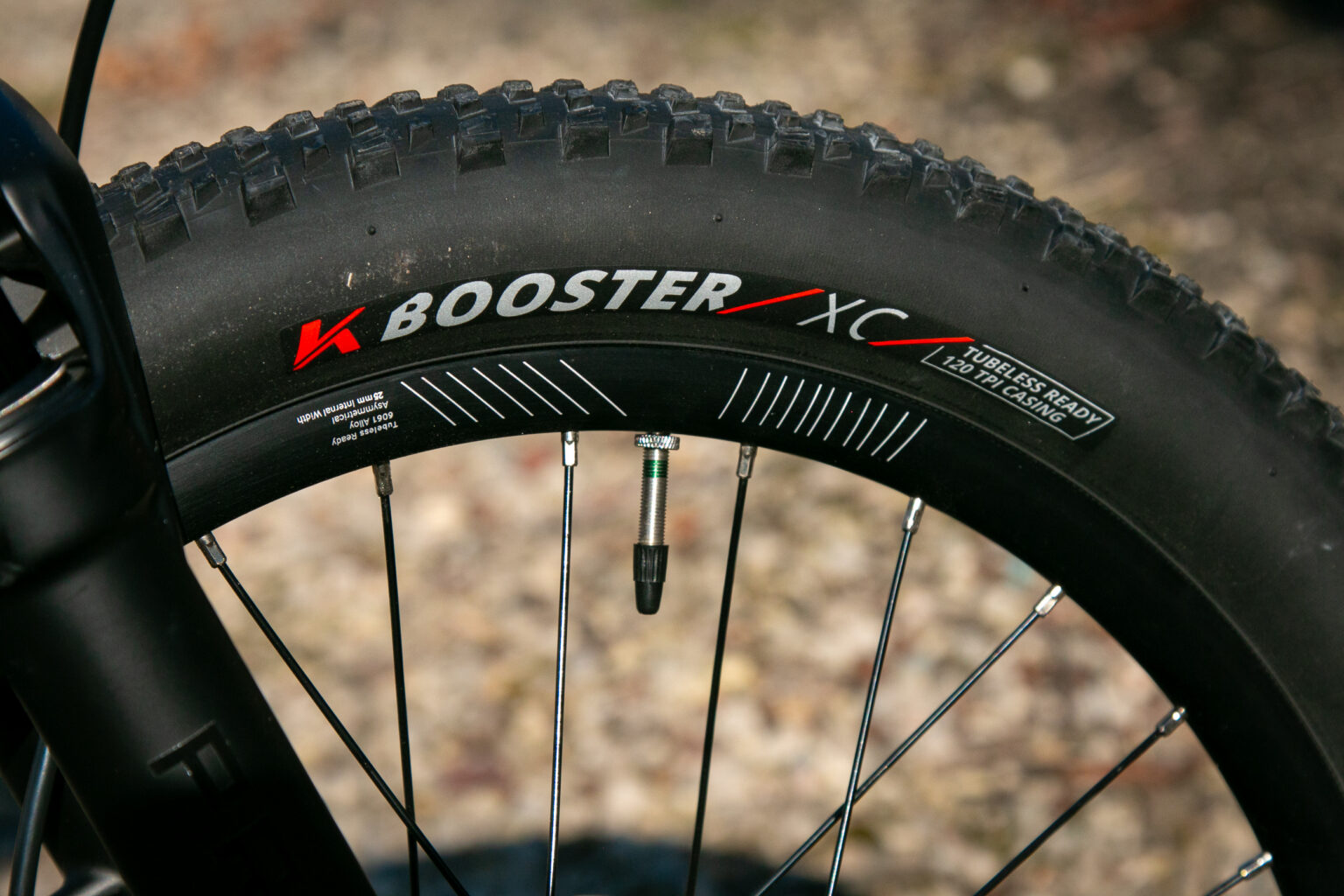
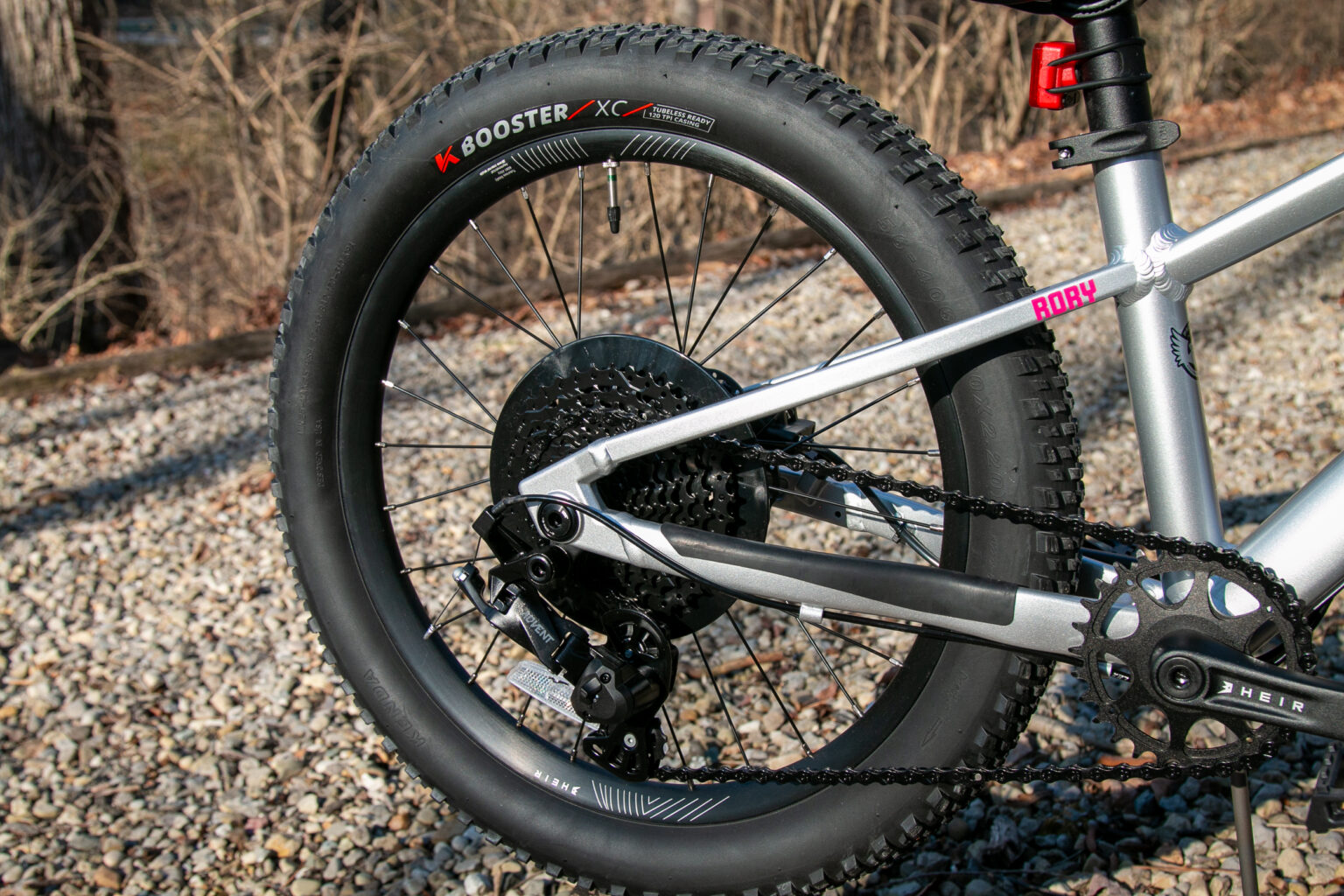
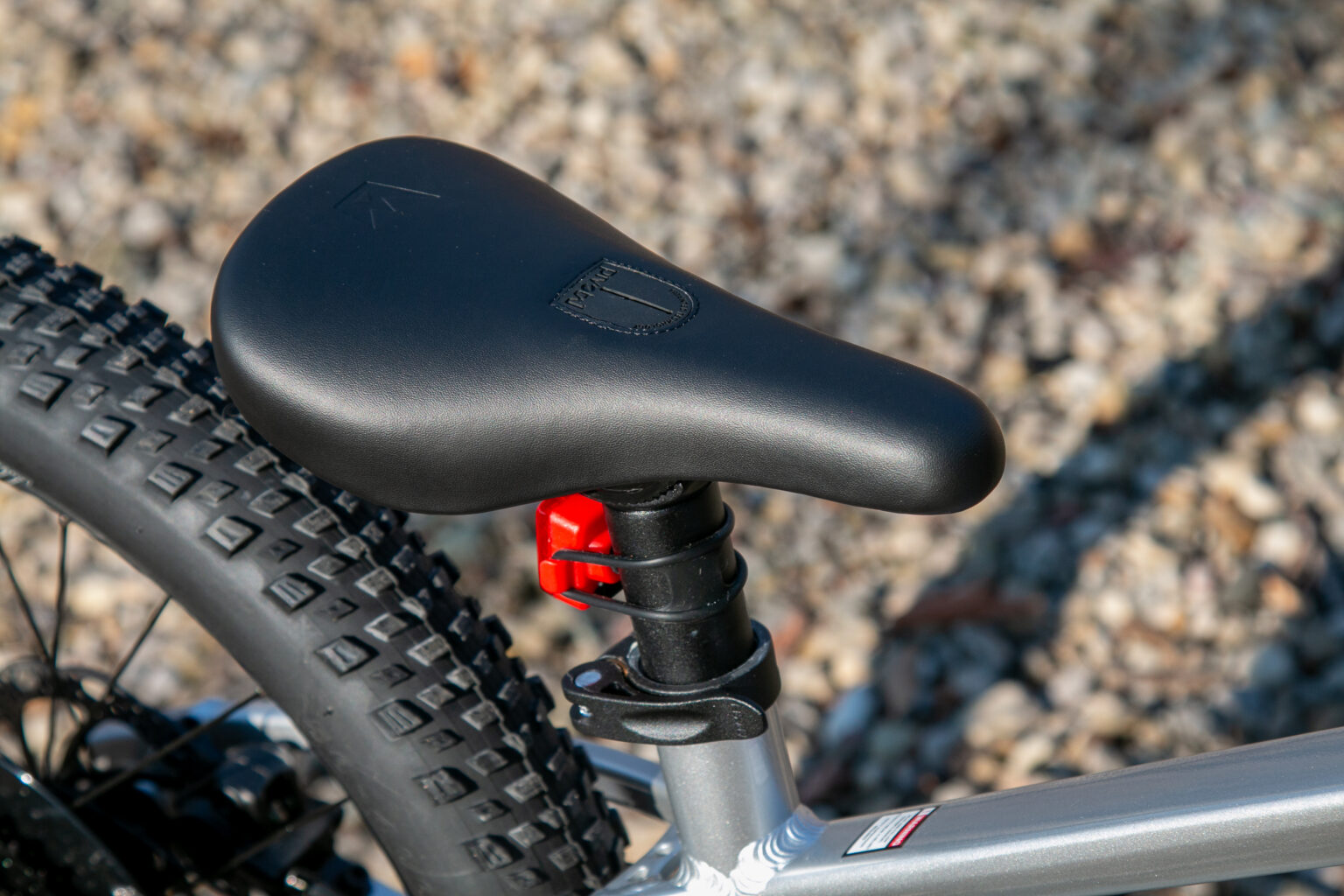
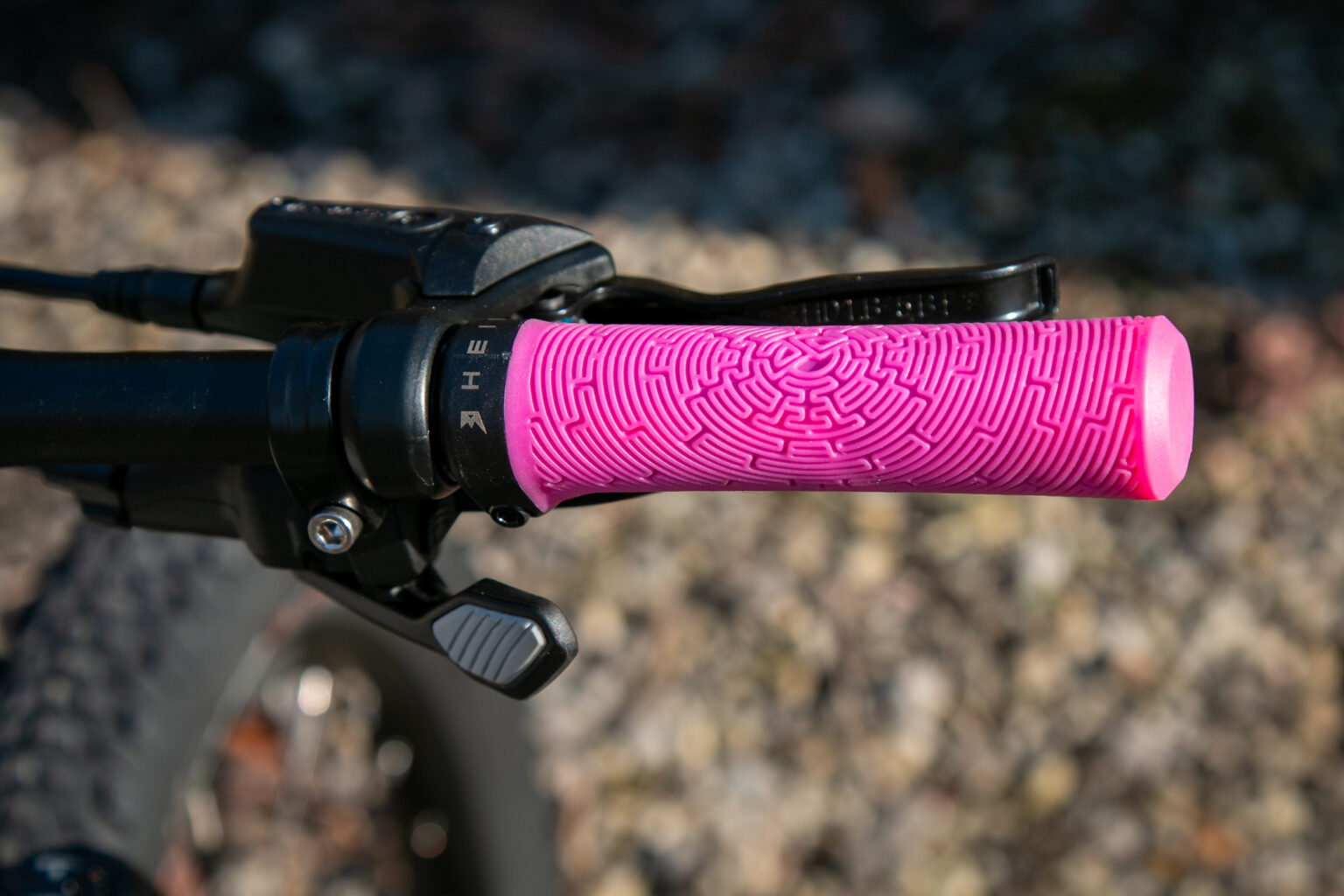
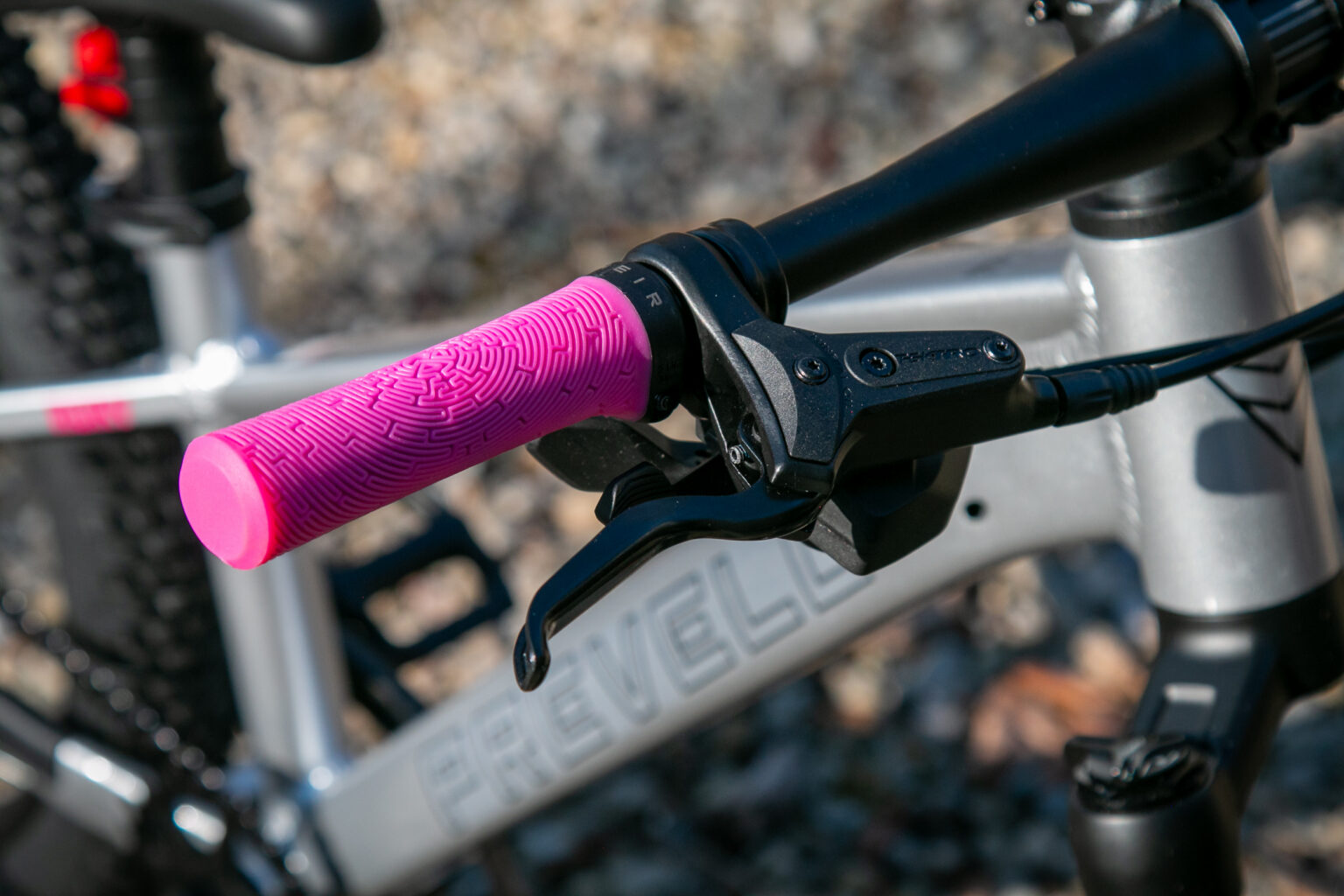
Component specifications include their house-brand HEIR tubeless-ready wheels with Kenda Booster Pro 20×2.2 tires, custom-length 110mm cranks designed for smaller riders, and a Pivotal saddle system that reduces seat height by 30mm compared to standard setups (and allows for saddle angle adjustment). The handlebar measures 19mm in grip diameter to accommodate smaller hands, paired with short-reach brake levers and thin lock-on grips (which can be upgraded to different colors – black is standard).
While many of the bike’s measurements are specific to kids, some like the 66º HTA and 74º seat tube angle are straight out of the geometry charts of adult mountain bikes. It’s clear that a lot of thought went into make the Zulu series as capable as possible, while maintaining the focus on it being a kid’s bike first.
The $1,299 Zulu Three MkII ships within the contiguous United States for $39 and includes a 30-day return policy, five-year limited warranty, and optional professional assembly service for $189. The Zulu Three is also available in three color options (silver, blue, and pink) and can be set up tubeless to reduce weight by approximately 200 grams.
Actual Weights
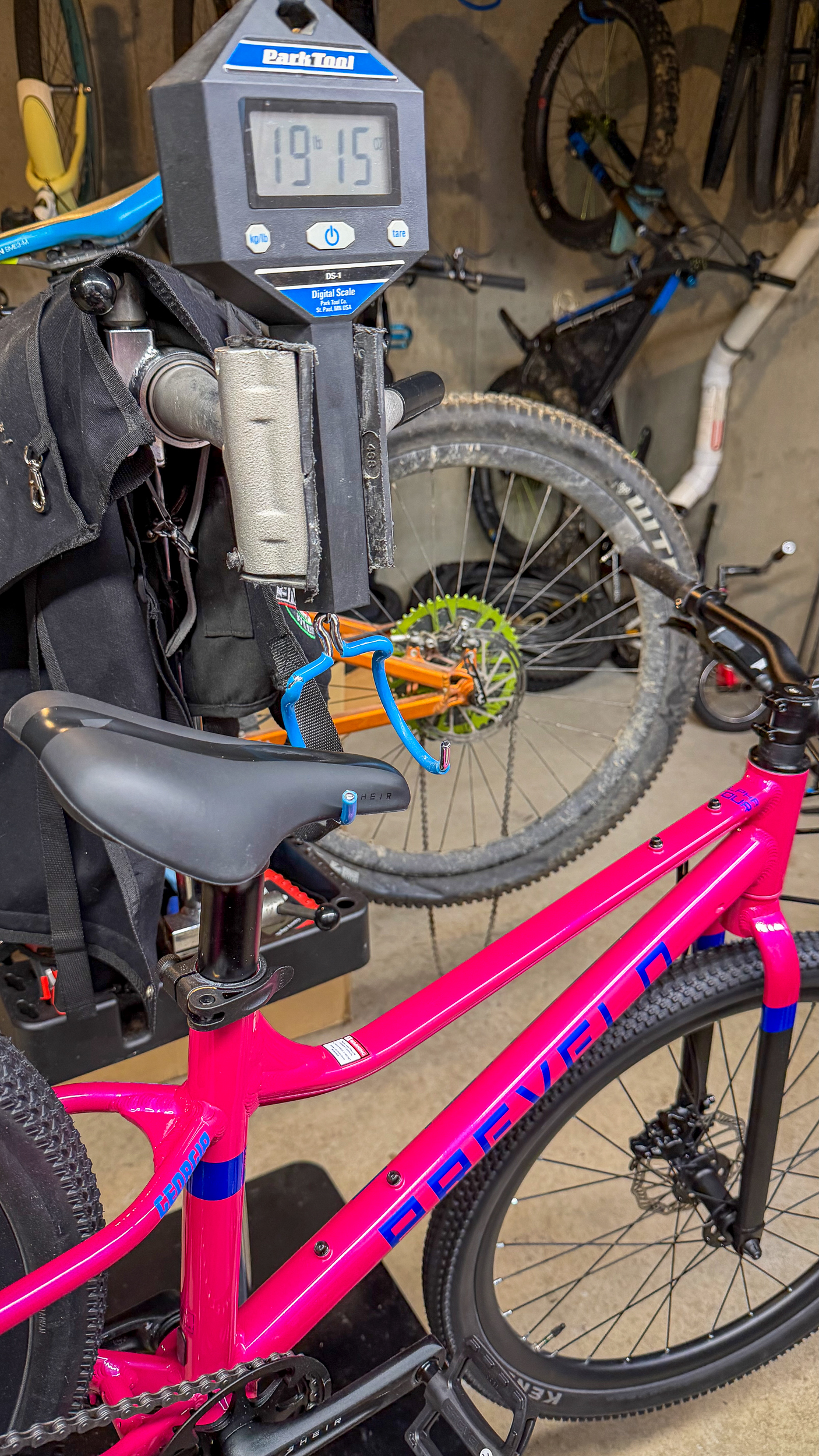
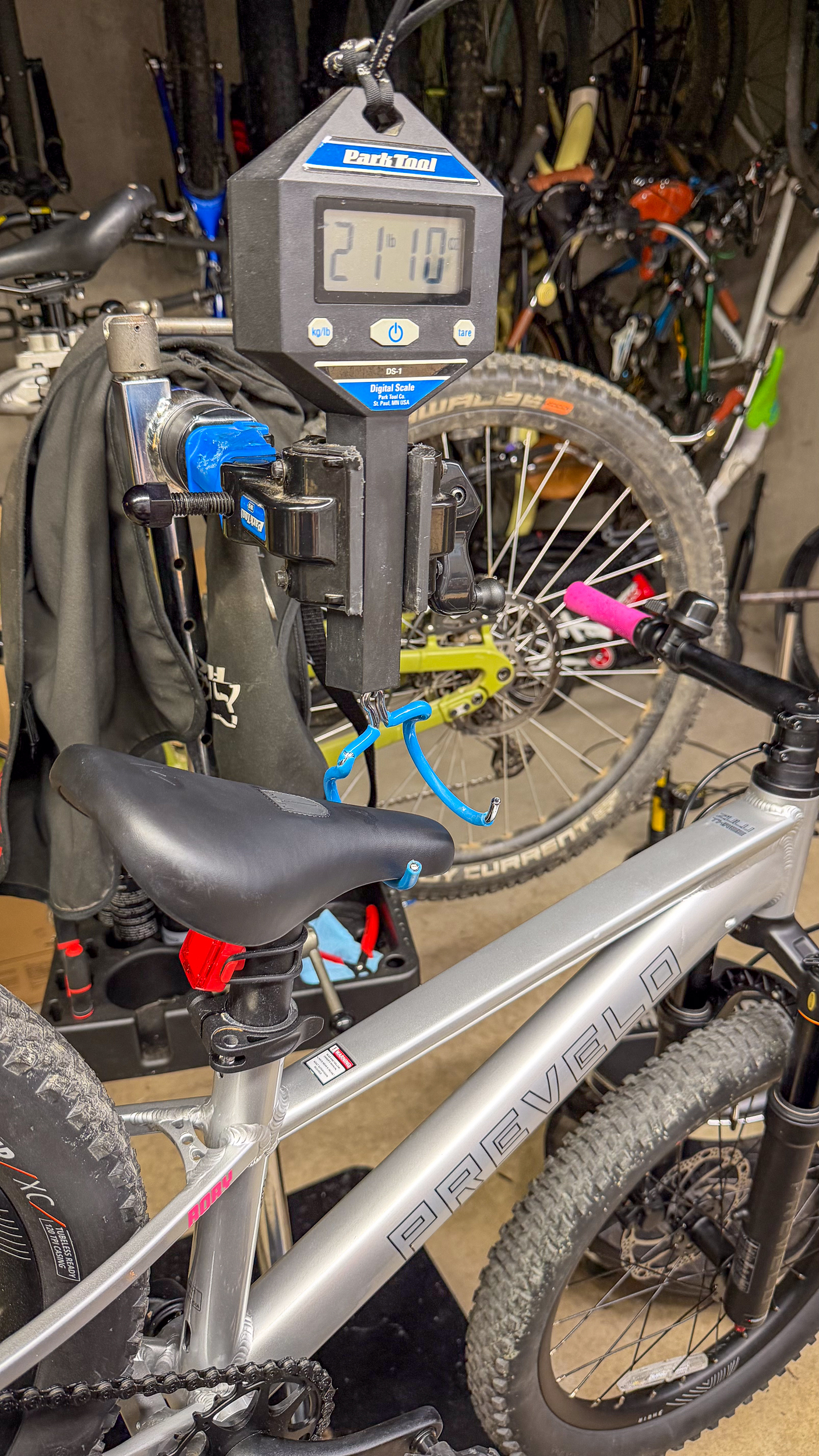
Weighed with pedals, the two bikes come in slightly over claimed weights (claimed is without pedals). The 24″ Alpha Four is lighter at 19 lbs 15 oz (9.04kg), while the 20″ Zulu Three is 21 lbs 10 oz (9.81kg). Both are significantly lighter than the average kid’s bike.
Customization Options set Prevelo Apart
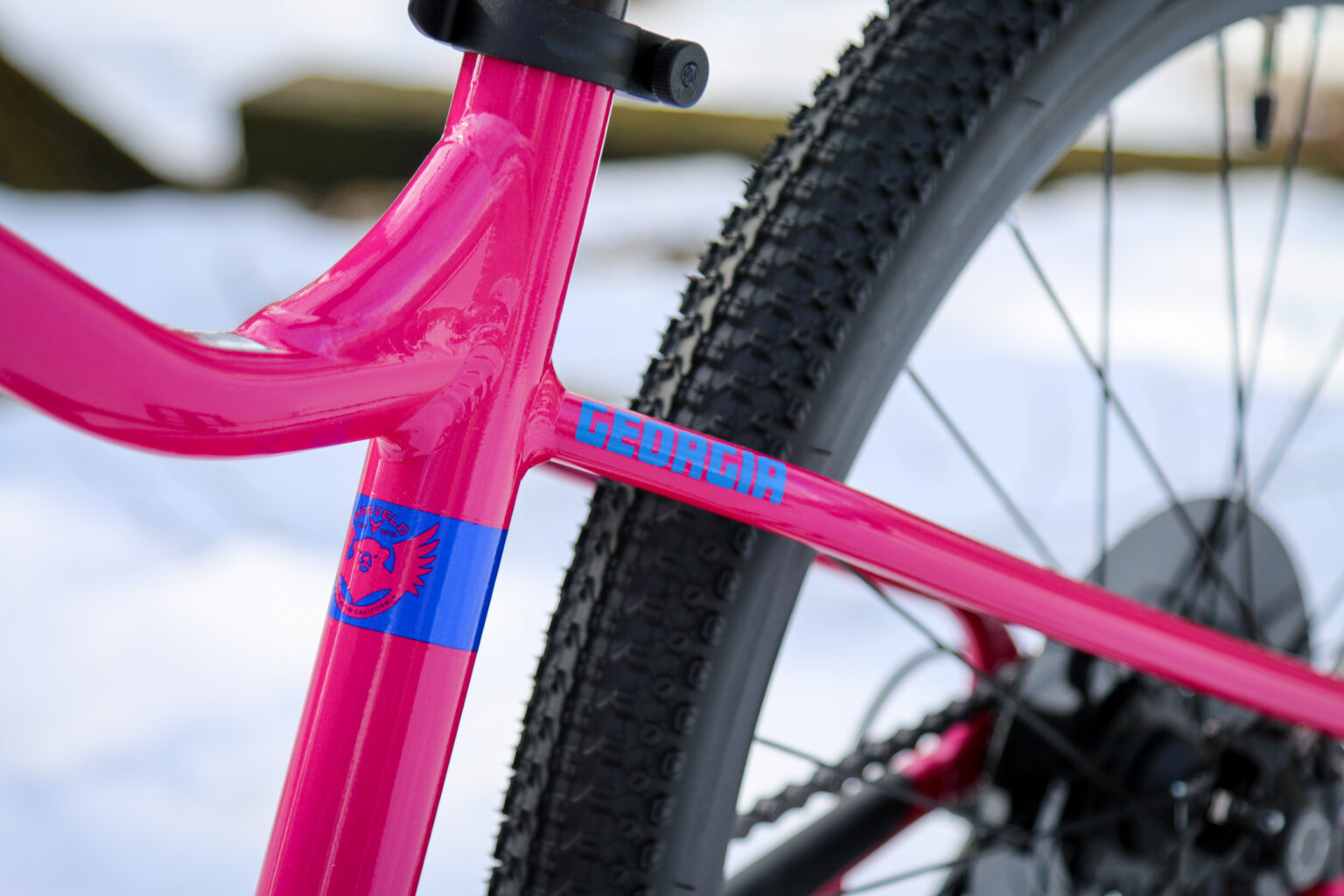
For most kid’s bikes, what you see is what you get. Sure, any good bike shop would be glad to swap out parts or add customization to your kid’s new bike, but it will be more logistically complicated, and probably more expensive in the long run.
Prevelo on the other hand, offers a bunch of customization options before the bike leaves their warehouse. Everything from different color grips, to Rider Name Lettering, to adding accessories (like a kickstand on some models) or component upgrades.
One of the things that struck me about this option was the impact it could have on hand-me-downs. These bikes aren’t cheap, and kids grow fast. So the ability to hand a bike down from one generation to the next or the ability to more easily sell it when your kids are done with it is a big bonus.
Say you have one child who wants pink, and the next will want blue – just buy the silver frame and get the pink grip upgrade. You can also add the Rider Name Lettering in pink. Then when it’s time to hand down the bike, just swap the grips and lettering to blue, and the next child will feel like the bike is especially for them even though it’s a hand-me-down.
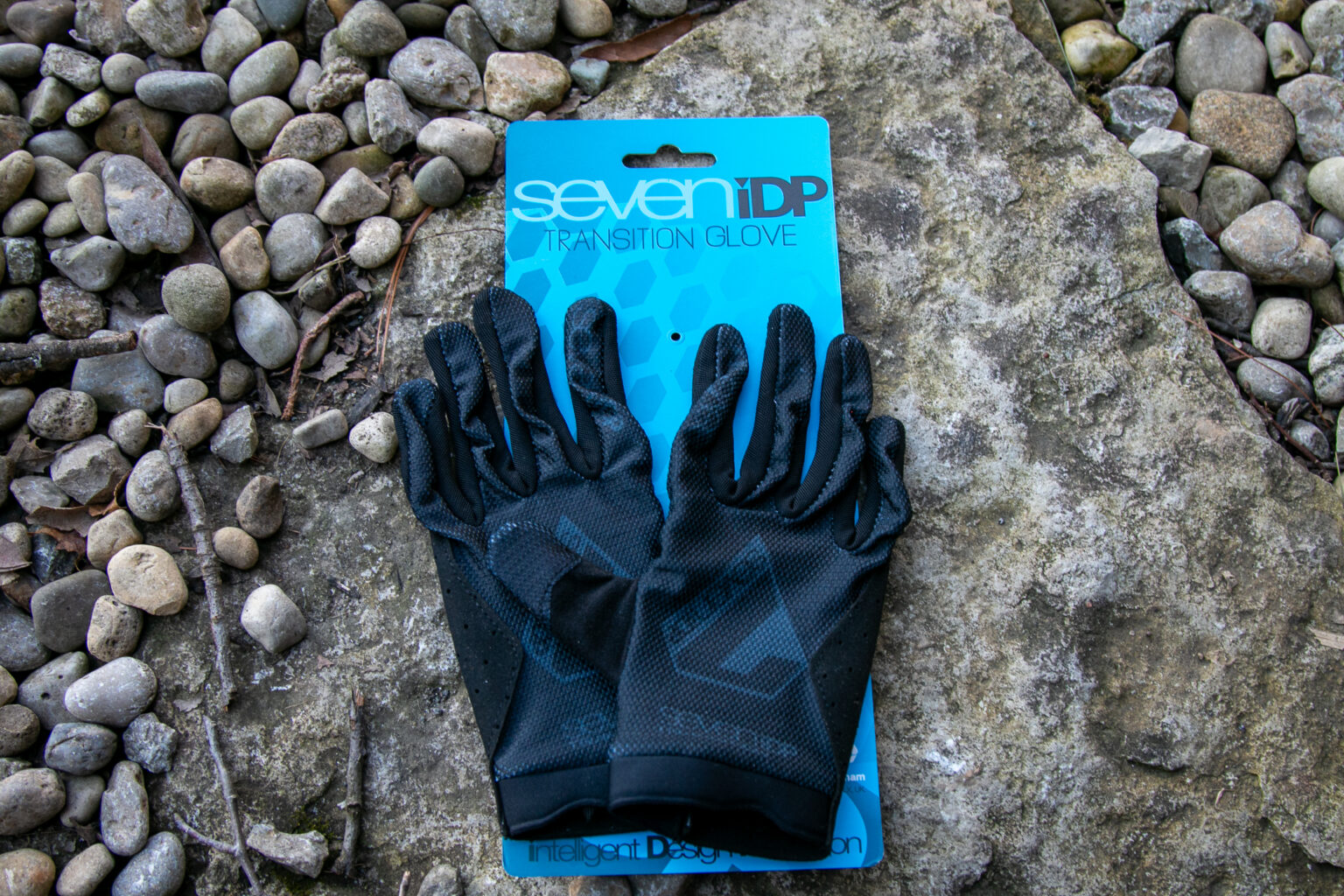
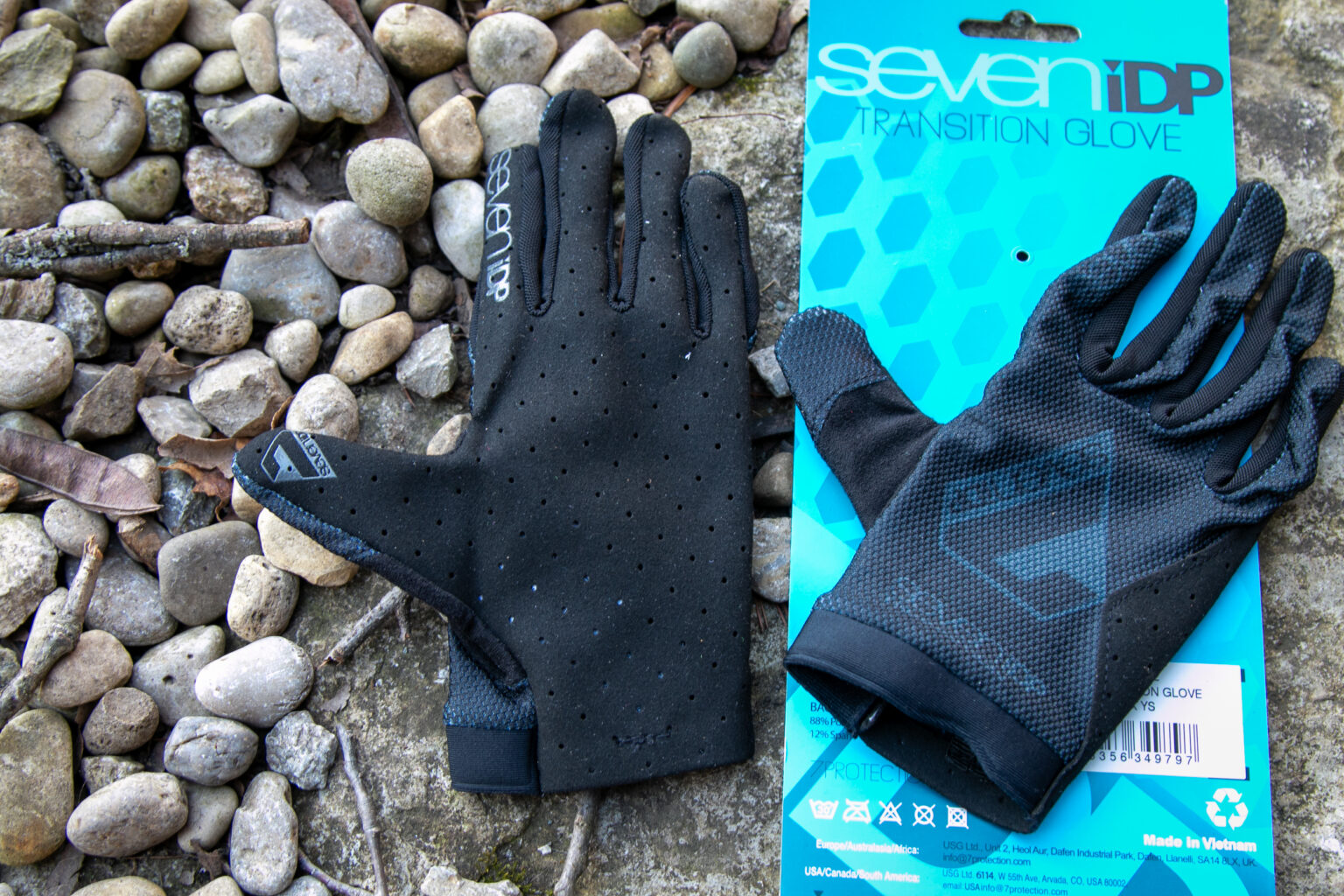
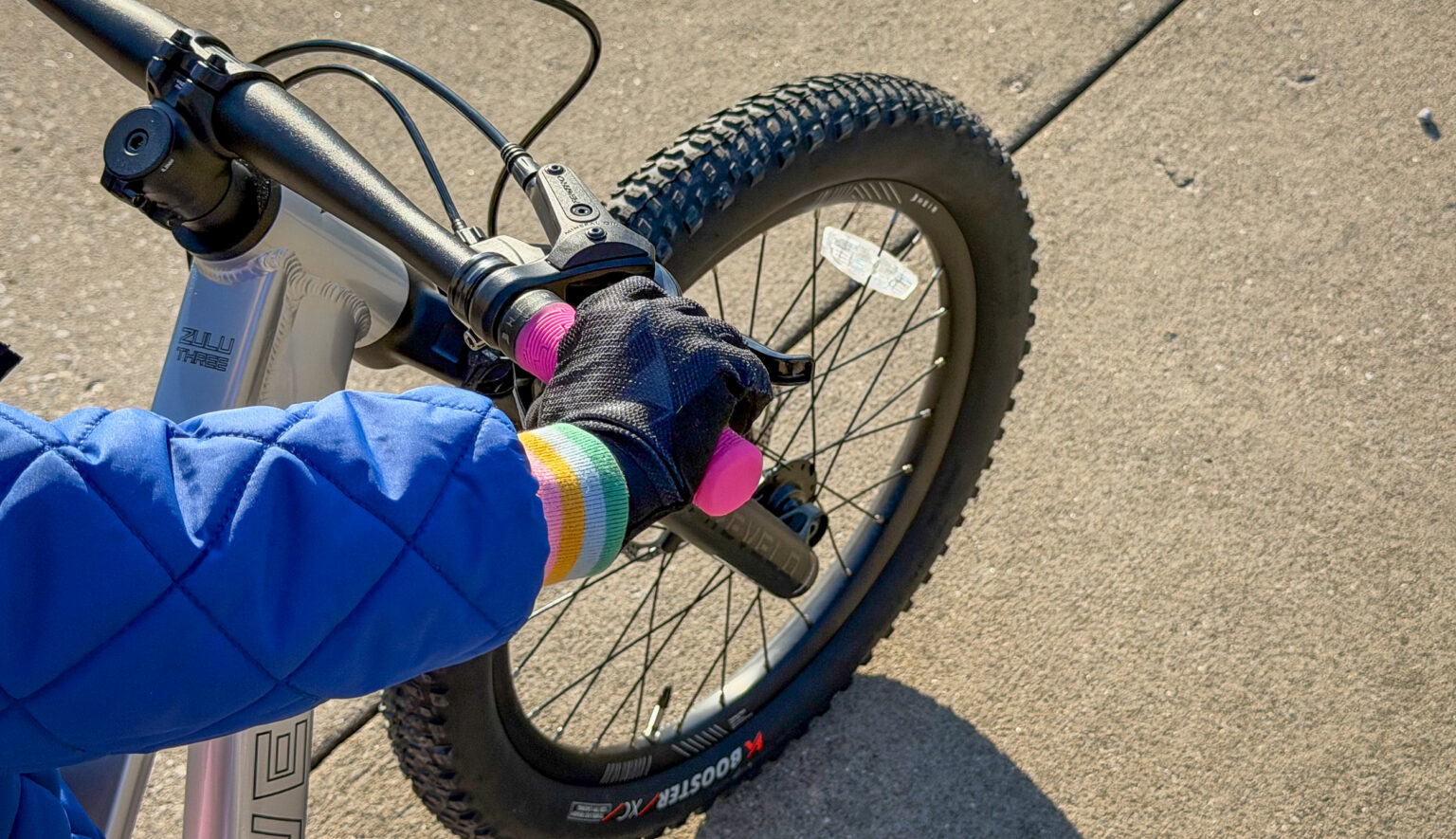
Add ons include things like hard-to-find kid’s MTB gloves from 7iDP. The gloves run $22, and come in youth S-L sizing.
Trade-Up Club Makes Growing Up Easier to Do
These add-ons also include the Prevelo Trade-up Club, because as we mentioned, great kids bikes are expensive! This is a one-time lifetime membership that costs $69 which will give you 40% back on the original purchase price of the bike when you trade it in for a larger size. This will make the most sense financially if you’re starting with a Prevelo early and plan to size up a few times (which you should).
Of course, you could probably make more than 40% of the original purchase price by selling it as long as it’s in good shape, but this takes the hassle out of the upgrade process and prevents you from having to deal with Facebook Marketplace. Make sure to check out the website for the fine print though.
Prevelo Alpha Four & Zulu Three Review
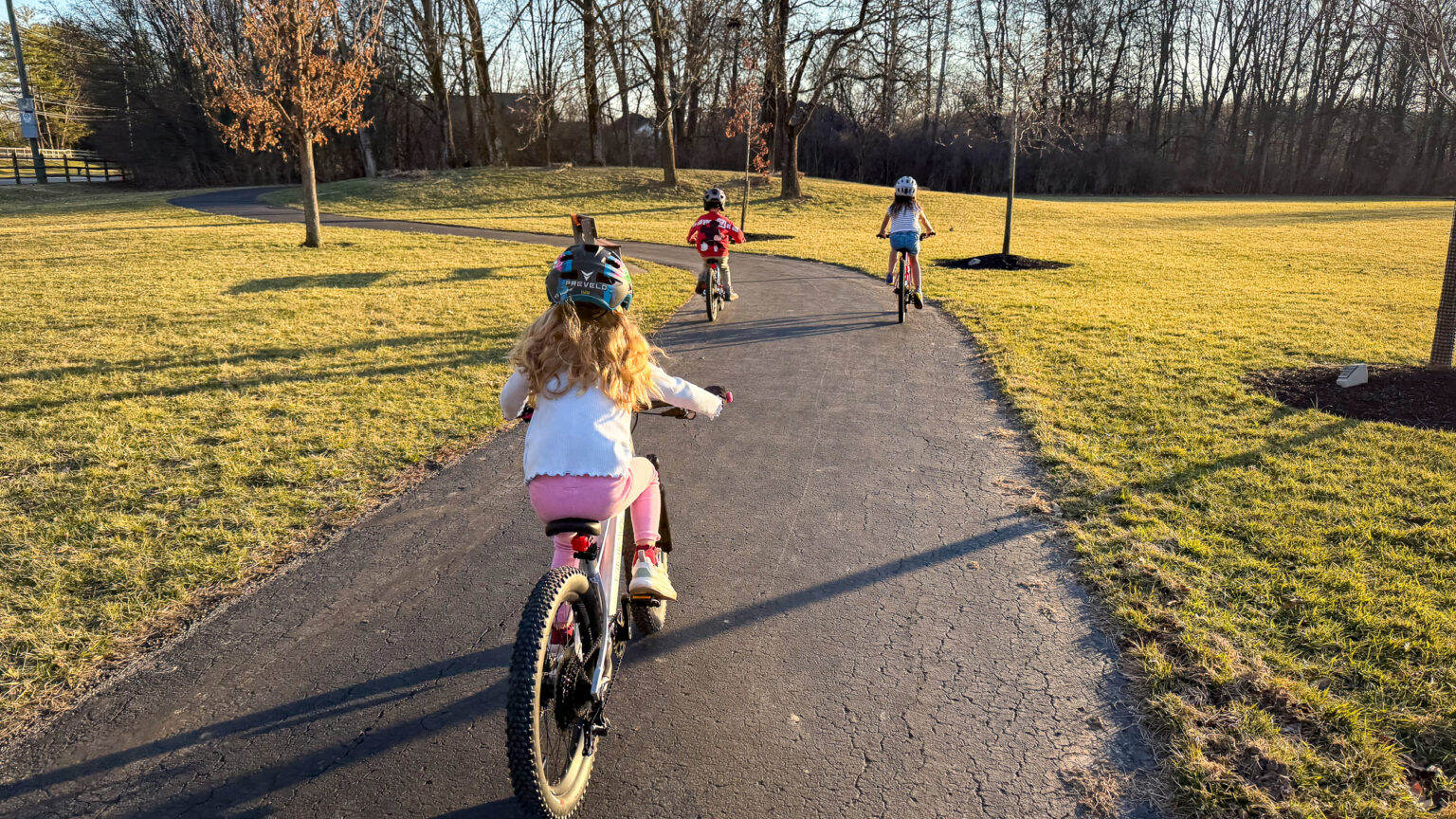
After seeing these bikes at Sea Otter last year, I had been hoping to get one in for review. At this point, we’ve had a few different high end kid’s bikes to check out, and my niece has a Prevelo of her own that she loves, but I hadn’t had a chance to experience them in person (or my daughter for that matter).
So when Prevelo offered the chance to check out a bike, we jumped at the chance. My daughter is starting to get into trail riding so the Zulu Three was the bike I had my eye one. Prevelo also wanted us to check out the new Alpha Series, so we lined up an Alpha Four for a close friend.
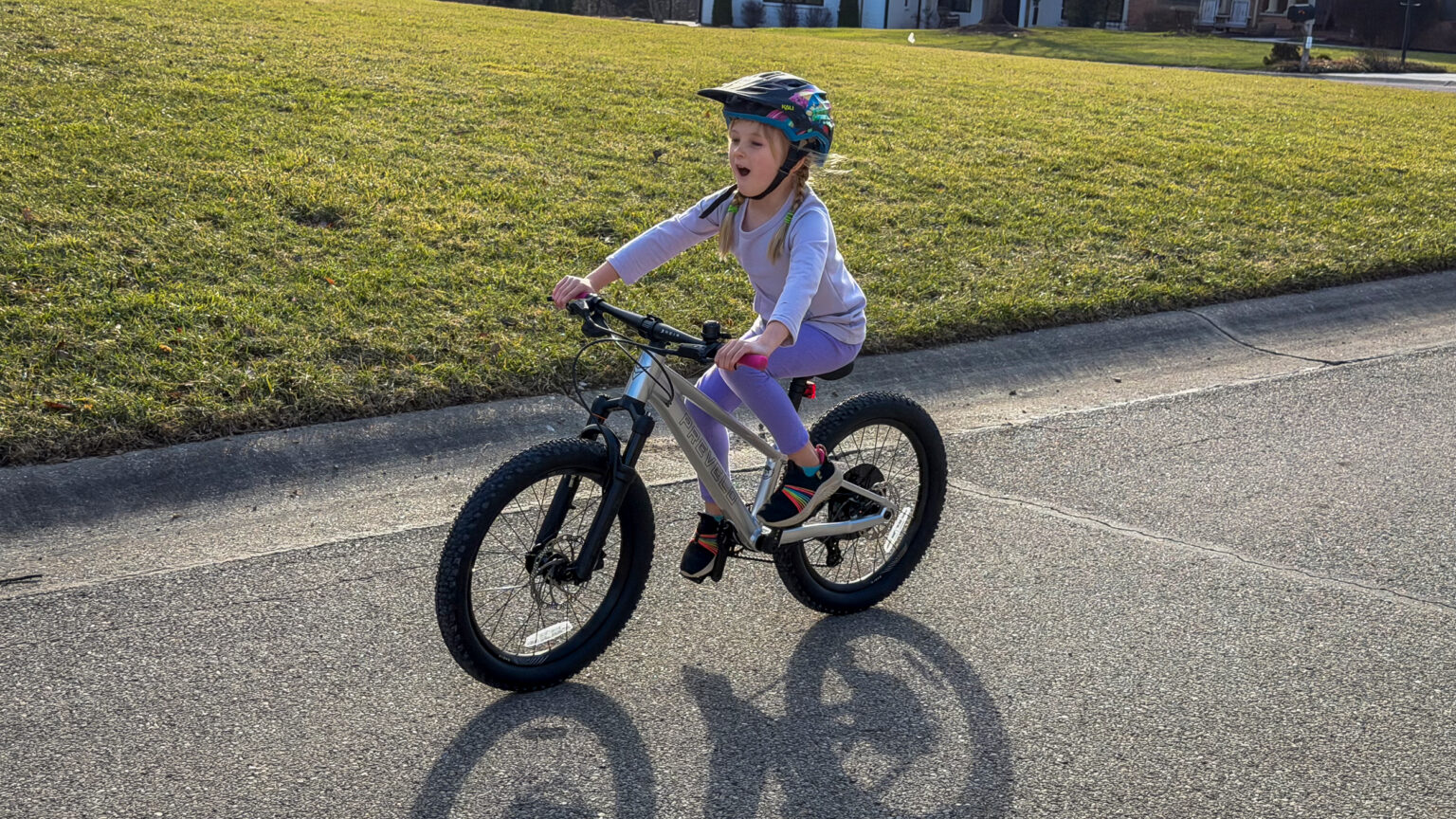
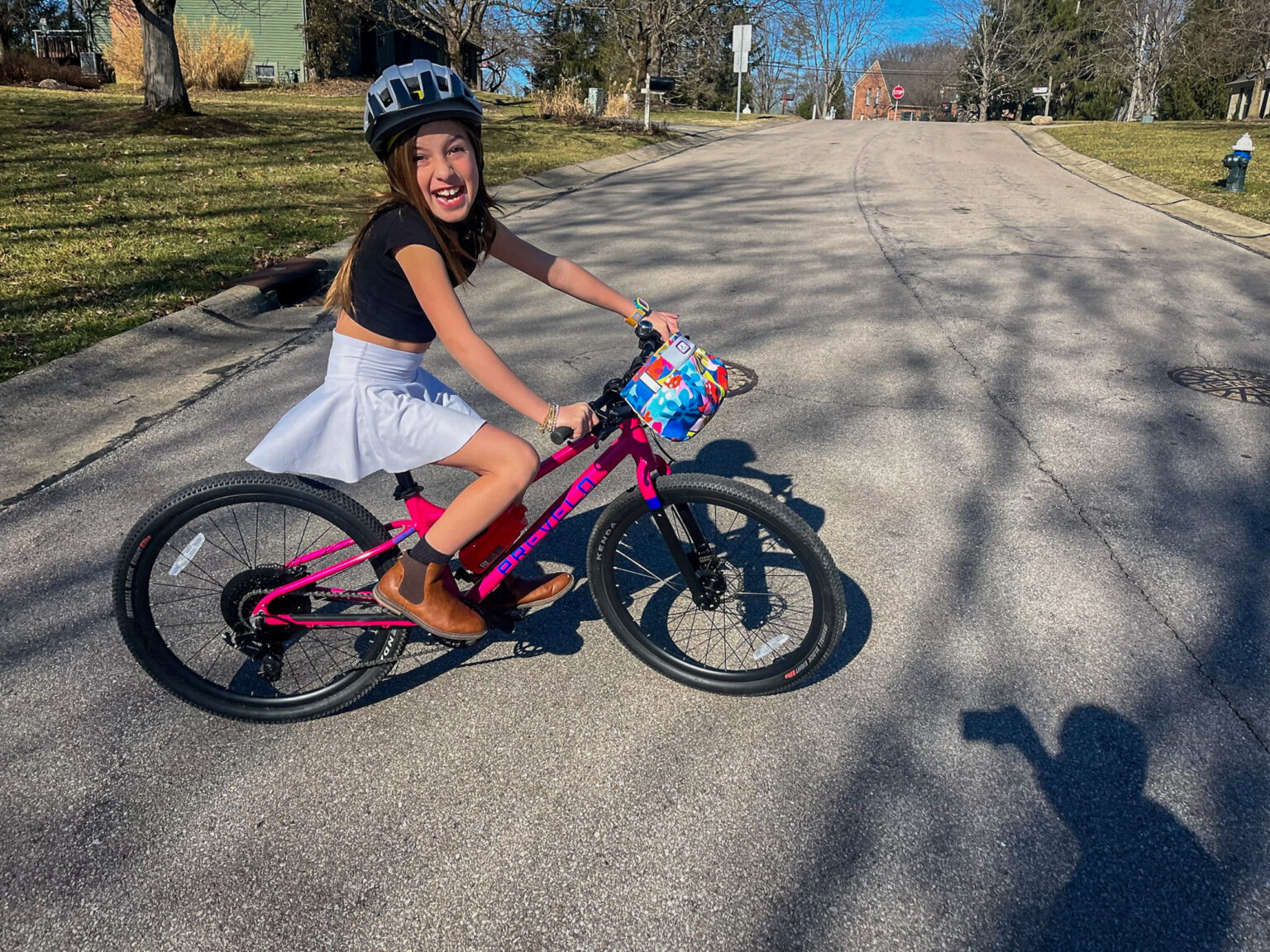
One of the things that sticks out the most with the Prevelos is how quickly kids take to them. With a few turns of an Allen wrench to dial in the brake lever fit, and a flick of a quick release lever to set saddle height, they’re off and riding. And smiling. Big time.

While our friend’s daughter had been a bit timid on her previous bike, it didn’t take long for her to be ripping laps on a dirt pump track on the Alpha Four. This is not only speaks well of the Alpha, but of the Prevelo Trade-Up Club. Georgia is tall enough that she could probably just fit on a 26″ bike. If you’re a parent trying to get the most years out of your kid’s bike, then it would be tempting to get the bigger bike and let them grow into it. But bigger bikes generally feel less confidence inspiring for kids, so they’re better off on the smaller bike for building their riding skills. The Trade-Up Club makes it more affordable to keep them in the right size bike so that they’re having the most fun.
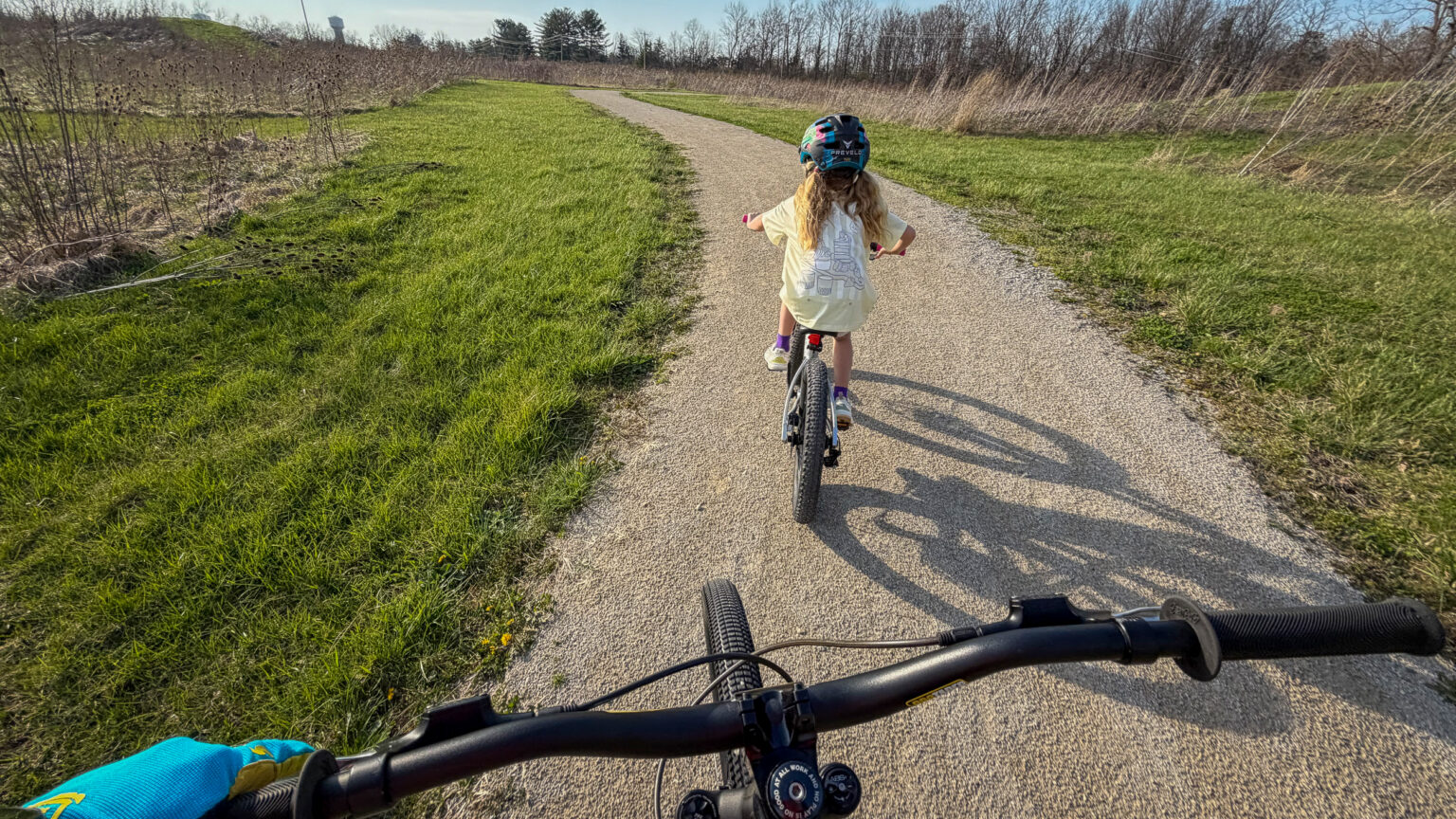
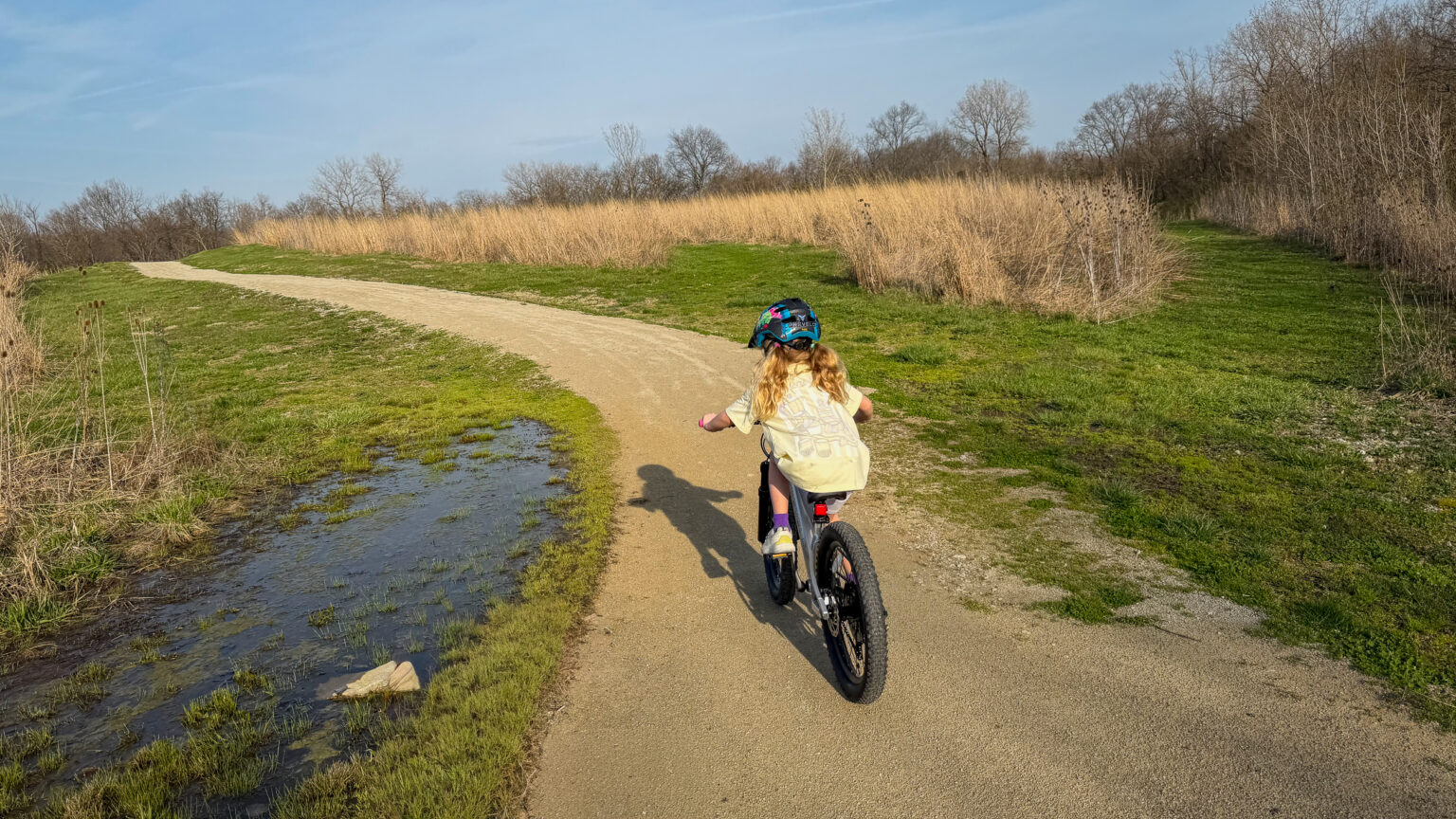

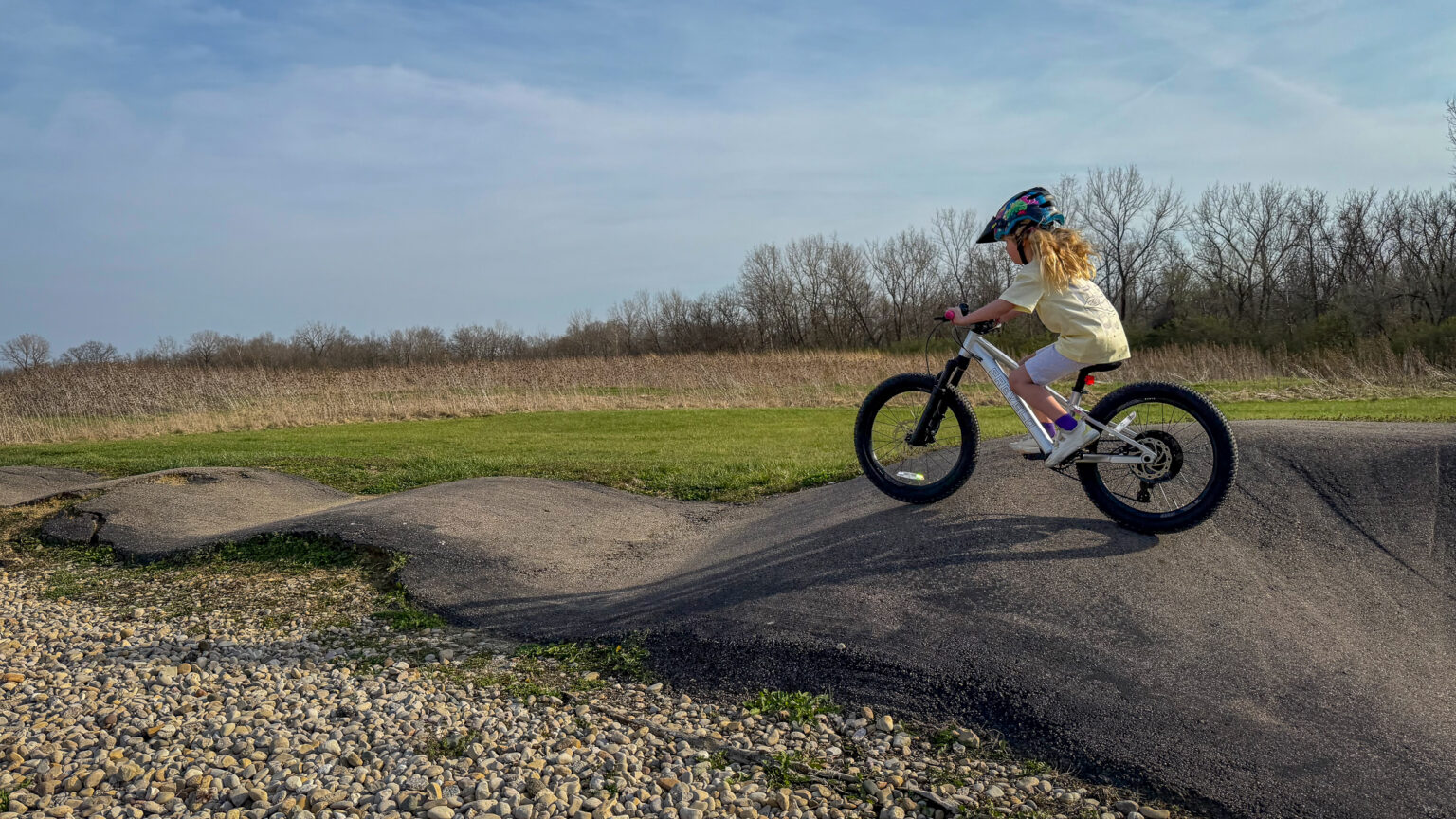
The Zulu Three was just as addictive as the Alpha Four. It wasn’t long before any kid who hopped on was smiling ear to ear screaming that they loved mountain bikes. If that’s not worth the price of admission here, I’m not sure what is.
But as good as the Zulu Three is, the Alpha Four is the better choice for most riders. Don’t get me wrong, the Zulu Three is an incredibly capable mountain bike and as good or better than many entry-level adult mountain bikes. But what the Alpha Series offers at $500 less is hard to beat.
Both bikes are fitted with impressive hydraulic disc brakes. Do kids need hydraulic disc brakes? Probably not, but disc brakes do mean that wheels knocked out of true won’t cause the brakes to rub. And if you’re going to put disc brakes on a kid’s bike, the effortless lever pull of hydraulic is definitely superior to the harder lever pull of mechanical. After plenty of abuse, both bikes are still rolling quietly without any major damage to the rotors.

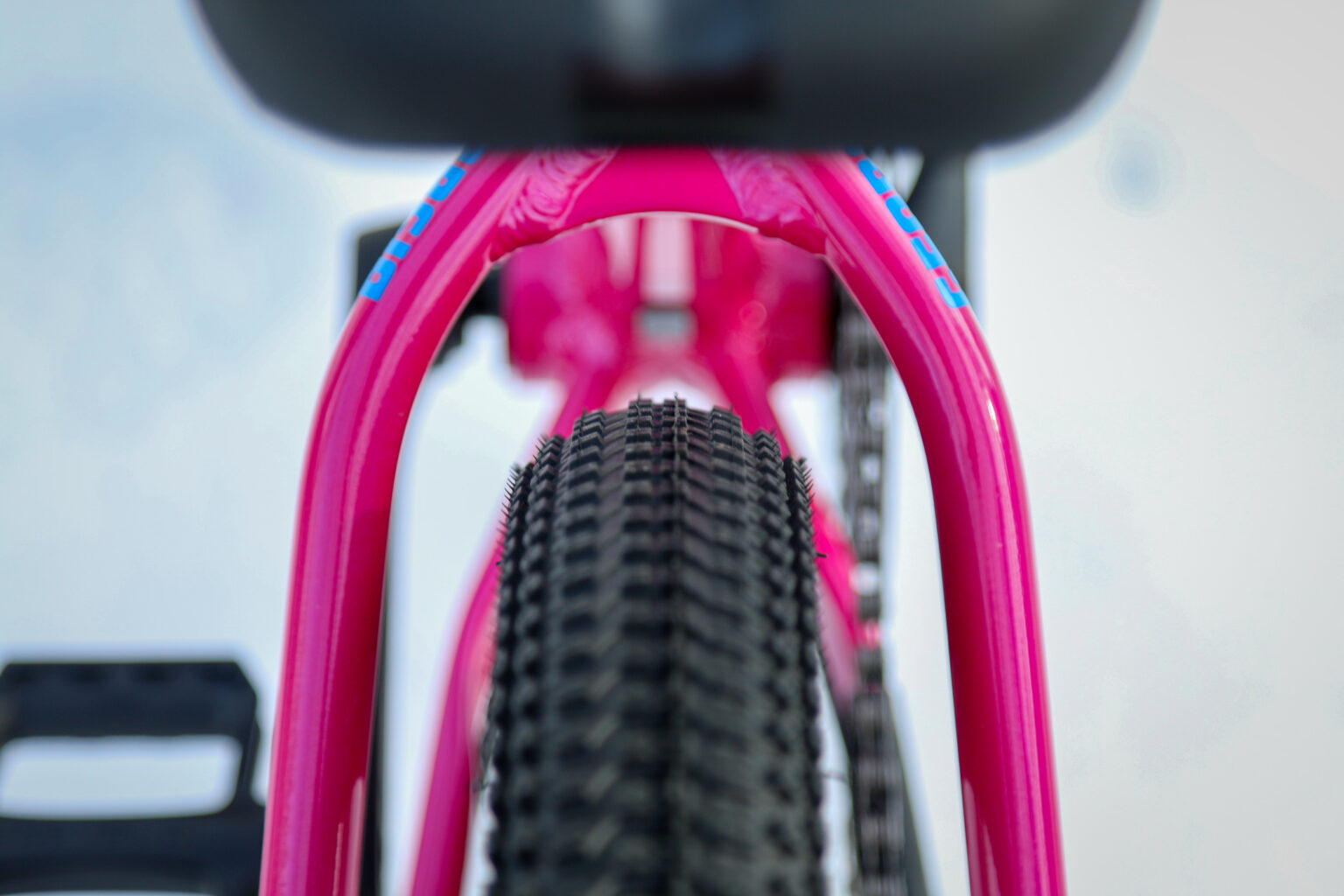
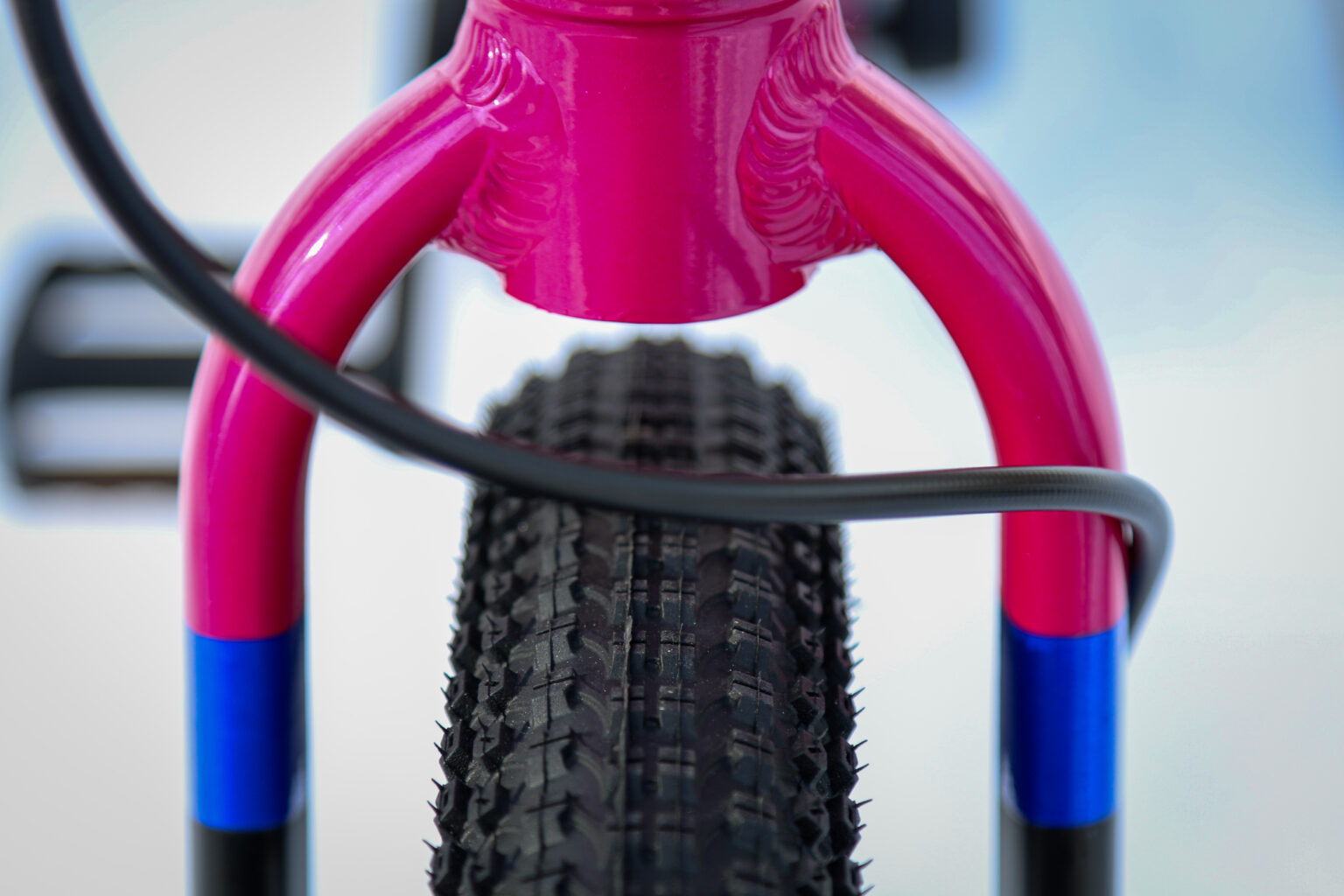
Other than the suspension fork, the biggest difference between the two bikes is probably the wider tires and rims. The Alpha comes with 1.95″ wide tires while the Zulu includes the maximum 2.2″. The Alpha frame and fork will fit up to 2.2″ tires though, so if you wanted the increased traction and stability of the larger tires, you could fit them.
With knobby tires and comfortable all-purpose geometry, the Alpha Four won’t hold your kid back if they want to ride dirt or gravel trails, pump tracks, etc. Yes, the suspension fork on the Zulu actually works and is the better choice if you’re looking for a dedicated trail bike, but otherwise the Alpha is better for rides around the neighborhood, the bike trail, and almost everywhere in between.

To me, a lot of this just comes down to the age of the child. With the Zulu Three being a 20″ wheeled bike, my six year old daughter is just figuring out trail riding. By the time she’s really ripping, she’ll probably be ready for the 24″ size. As much as I want her to have a mountain bike at six, if I was going to buy one bike for her at this age, it would be the Alpha Three mostly due to the cost (and I’d probably put larger tires on it). The Zulu Three is ridiculously good – probably too good for what most six year olds are going to do with it.
Of course, that all depends on the kid – if you are aspiring to have a kid who is an absolute ripper on a mountain bike (and don’t mind dropping $1,300+ on a bike they’ll ride for a year or two), it doesn’t get much better than the Zulu series as a starting point.
With that said, I can’t wait to get out and ride some actual MTB trails with my daughter this summer. It’s been super wet lately, so we’ve been confined to pump tracks, exposed dirt and gravel trails, and bike parks for now.
Regardless of what Prevelo bike you’re talking about though, they all leave you feeling like most bike shop bikes are falling behind. Brands like Trek, Specialized, & Orbea have caught up, releasing incredible kid’s bikes of their own, but it seems like they’ve been forced to react to the bikes that Prevelo and other premium kid’s bike manufacturers have been putting out for awhile.
Bottom line, if you want your kid to enjoy riding a bike, you can’t go wrong with a Prevelo, especially the new Alpha MkIII series.
The post Prevelo Alpha & Zulu Kid’s Bike Review: Small Bikes Making the Big Brands Play Catch Up appeared first on Bikerumor.