
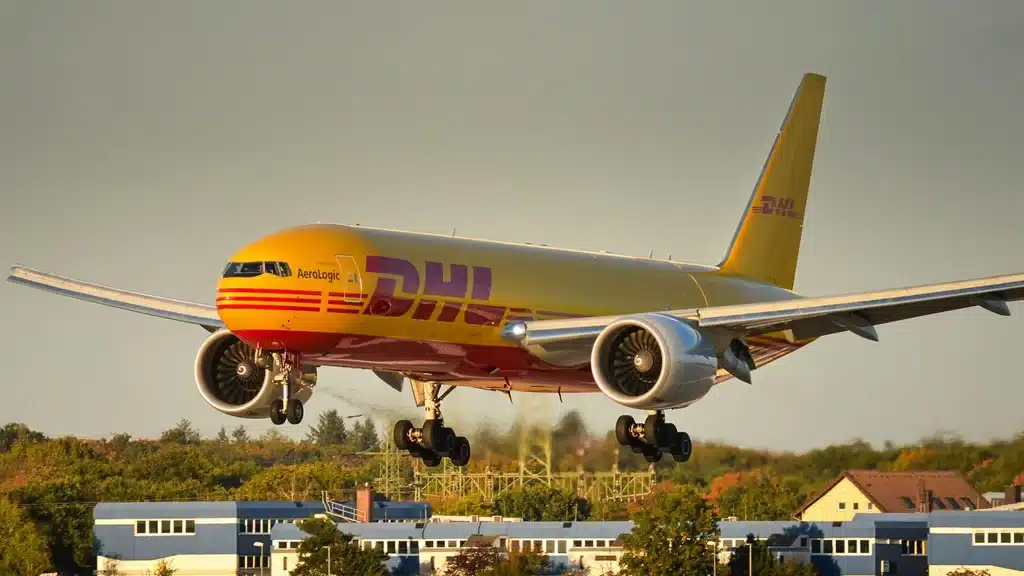
How sustainability is reshaping F1 partnerships is just one of the topics in this week’s Sustainable Motorsport Roundup. I also have news of a green rally in Canada, the drivers of the NASCAR EV prototype and more!
Sustainable Motorsport News
F1 Net Zero 2030: How ESG Is Reshaping Partnerships
Environmental, Social, and Governance practices in Formula 1 have come a long way, and that includes sponsorship. It’s more than a requirement these days – it’s an opportunity to gain a competitive edge. Brands making sustainability a key part of their collaboration are some of the most successful ones in the sport.
For sponsors, this creates something that didn’t exist five years ago: A credible, data-backed sustainability platform to build a commercial narrative around. The question is not whether sustainability matters in F1 partnerships. It does. The question is whether brands are using it strategically or treating it as paperwork.
Racing United explains the change.
Carless Classic Fuels Appointed Sole Fuel Supplier to HRDC
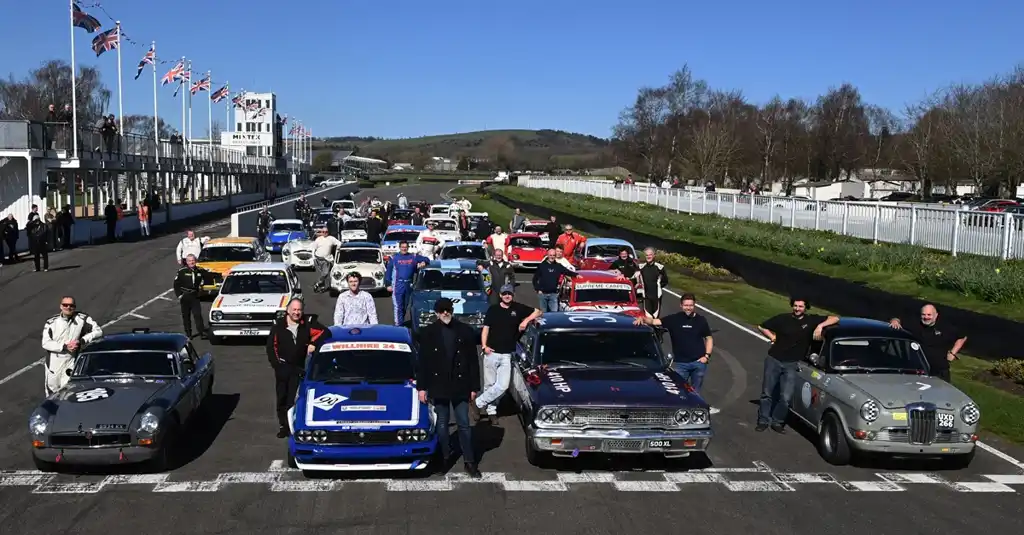
The Historic Racing Drivers Club (HRDC) is introducing a unified fuel strategy for the 2026 to 2028 seasons, appointing Carless Classic Fuels as its exclusive supplier across all events. Together with refuelling partner Vital Equipment, the collaboration aims to deliver consistent quality, enhanced safety, and clear standards in historic motorsport.
The agreement covers all HRDC events, with trackside refuelling provided by Vital Equipment UK. The arrangement aims to give competitors consistent fuel quality and a professional, compliant and safe service across race weekends.
The HRDC is one of the UK’s leading organisers of historic motorsport and runs a wide range of classic categories, where fuel specification is a key consideration. The partnership with Carless Classic Fuels secures consistent, ethanol‑free and heritage‑compatible fuels for all participating vehicles.
Rallying’s 65% Emissions Cut—Without Losing the Roar
A compelling case for cutting emissions in motorsport—without sacrificing performance. In this post, Michał Grzela explores how advanced sustainable fuels could reduce GHG emissions in Norwegian rallying by up to 65%, what’s already possible today, and what’s still holding adoption back.
Read the full post for the data, insights, and practical outlook here.
Trois-Rivieres to Host the Greenp3r Rallycross of Canada Entirely Powered By 100% Renewable Energy on August 22 and 23
Trois-Rivières will host the GreenP3R Rallycross of Canada on August 22-23, 2026, marking the return of international rallycross to the area.
The event, part of the RallyXAmericas series, will feature exhilarating electric vehicles, showcasing renowned drivers like Tanner Foust and Oliver Eriksson. Emphasizing sustainability, all vehicles will operate on 100% renewable energy, including electricity and non-petroleum synthetic fuels.
Demonstrations, including a hydrogen-powered racing mini-series for schools, aim to engage younger generations in sustainable technology. The GP3Vert program will further enhance the event’s environmental focus while providing an innovative mobile broadcast experience.
Historic Manufacturer Lola Launches Motorsport World First

Last week I mentioned the new Lola T70S and how they were using a new, patent-pending manufacturing process termed the Lola Natural Composite System (LNCS). In addition to this, they implemented a low-emissions process for the production of magnesium parts.
“Despite having a full FIA Historic Technical Passport, and being identical in construction to the Lola T70 Mk3B, the T70S boasts a carbon footprint nearly 50% lower than previous iterations of the 60’s sports racing car. Impressively, this has been achieved while staying within all the FIA’s requirements for historic racecars.”
As for performance, the iconic Lola T70 has been rebuilt and modernised, while still featuring a monstrous 5.0-litre small-block Chevrolet V8 running on sustainable fuel. It is capable of 0–60 mph in 2.5 seconds and produces 530 bhp. Its top speed is 203 mph.
Enovation Consulting Achieves The FIA Three-Star Environmental Accreditation
Enovation Consulting, the global sports sustainability agency led by former F1 engineer Dr. Cristiana Pace, was awarded with the FIA Three-Star Environmental Accreditation, the highest level of environmental and sustainability certification from the Fédération Internationale de l’Automobile (FIA).
Dr. Cristiana Pace, Founder & CEO of Enovation Consulting: “Receiving the FIA Three-Star Environmental Accreditation is a significant milestone for us. At Enovation Consulting, we apply the same sustainability practices to our own operations that we advise on. Having started in motorsport, we have seen how collaboration across circuits, teams, championships, and the wider supply chain is essential to making measurable progress toward net zero by 2030. I would like to thank our team, whose dedication and shared values make these results possible.”
Envision Racing and Envision Energy India to Plant Over 500,000 Mangroves in the Indian Sundarbans Region
Envision Energy and Envision Racing, in partnership with EARTHDAY.ORG, have launched a new CSR initiative as part of their Sustainable Chain programme, combining fan engagement with meaningful climate action. The initiative will support nutrition, sanitation, and education for 18,000 women and 10,000 families.
The partnership forms part of the team’s Sustainable Chain programme, a Race Against Climate Change™ initiative, which pairs fan engagement with climate action. Fans are encouraged to make a pledge to reduce their carbon emissions which enables the team to commit to ground-breaking restoration projects.
Full details can be found here.
Sustainable Motorsport Tech
Drivers of the NASCAR EV Prototypes
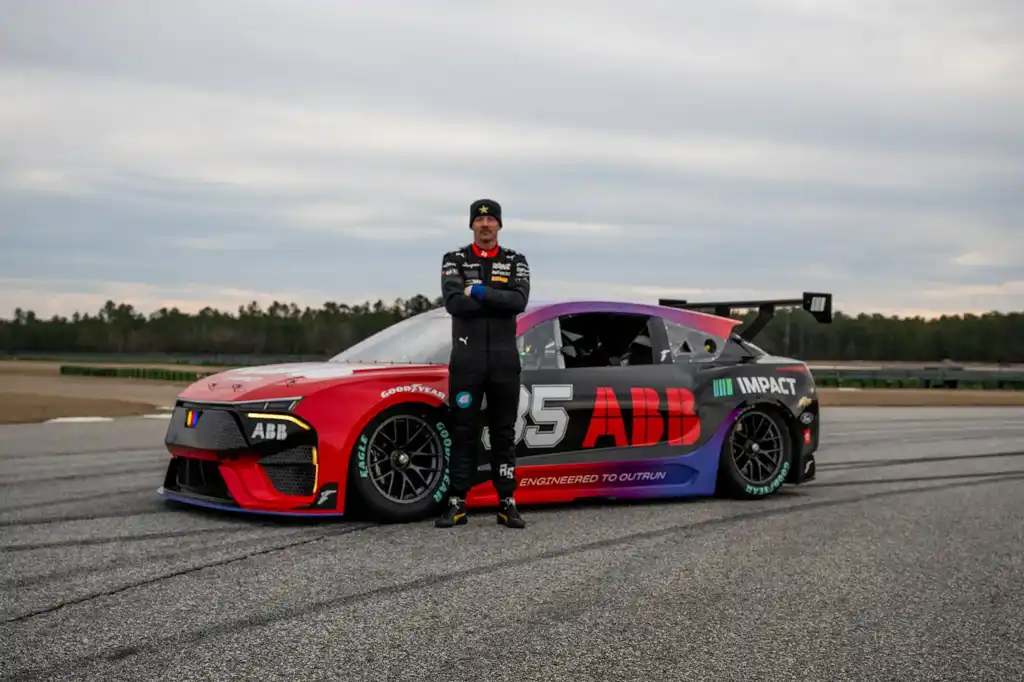
An elite group of drivers has been behind the wheel of the NASCAR EV prototypes. These select racers are critical to research and development and are pioneers of electric speed. Accelerate looks at who they are.
Forza Hydrogen Racing Update for March
Forza Hydrogen Racing has issued their March 2026 progress report with updates on the Chassis Department, Fuel Cell & Powertrain Department, Simulation & Control Department and Embedded Department. You can read their update here.
Series News
Are Sustainably-Powered V8s F1’s Future?
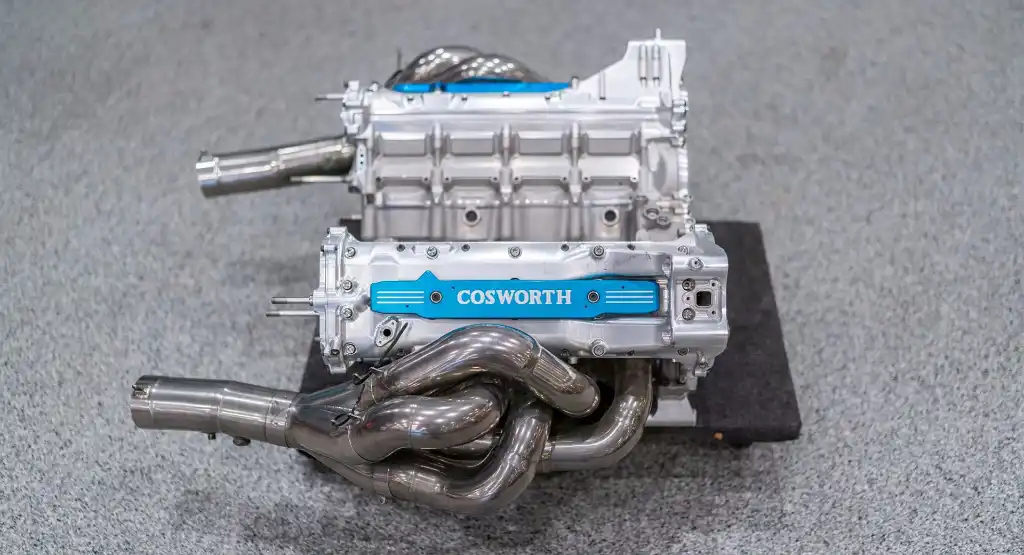
With crisis meetings between F1 teams and the FIA happening this week, speculation is increasing that the long-term solution to the current state of F1 racing is a return to V8 engines powered by sustainable fuel. Here are two articles that discuss the prospects.
Three Solutions for the Formula E Gen4 Japanese Calendar Issue
Formula E has ambitious expansion plans with up to 19 races for the debut of the Gen4 era but one country that they are having issues locking down. Japan has presented some obstacles to scheduling a race in the country and The Race looks at three potential solutions to the Japanese problem.
Why Opel’s Formula E Entry is Not a DS Rebrand
Opel is entering Formula E on its own accord, and the move to the all-electric championship aligns perfectly with the brand’s aspirations. While some have viewed Opel’s entry as just another strategic shift by Stellantis, which swapped Maserati for Citroen as part of a major branding exercise this season, this change goes far beyond that. Motorsport.com explains.
Getting to the Track Sustainably
MG Semi-Solid-State Batteries Promise Performance And Safety Upgrade
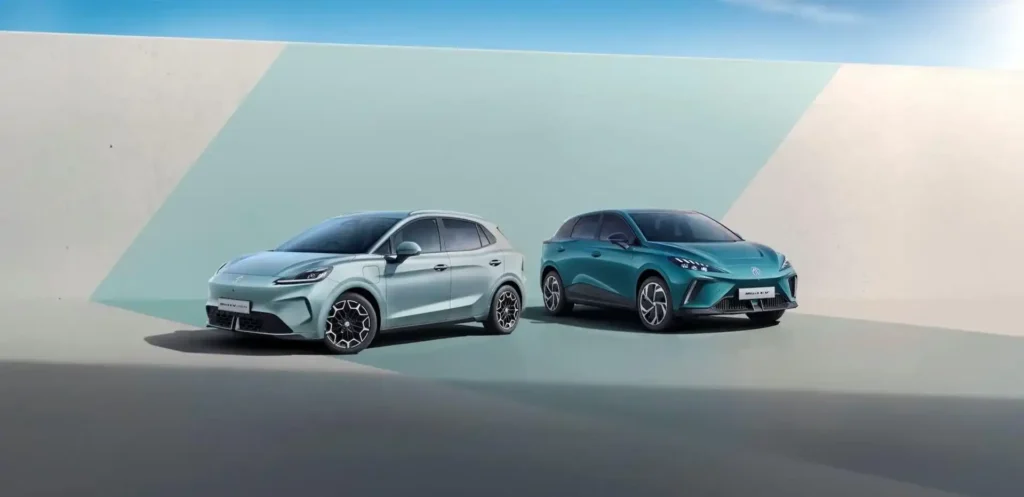
Solid-state batteries have been the holy grail of EVs for years, without ever getting any closer to launch. Now, finally, the first production electric car is set to arrive this year. The MG4 EV Urban will hit the European market in 2026, although its battery isn’t all-solid state, only semi. What’s all the fuss about? At the company’s first European Tech Day, MG’s Global Chief Battery Scientist, Dr Li Zheng, explains to Forbes why semi-solid-state batteries provide another step forward for EVs.