
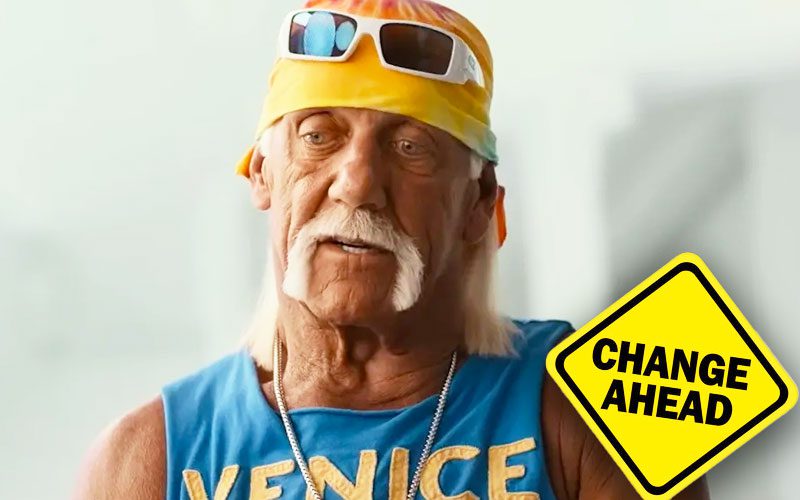
Hulk Hogan’s Netflix docuseries was already set to be a deep dive into his life—but a major real-life turn changed how the story ends.
Director Bryan Storkel has now revealed that Hogan’s death didn’t just impact the project emotionally—it forced a shift in how the entire story was framed. Speaking to TMZ on April 20, 2026, Storkel explained that what started as a retrospective documentary became something far more reflective once Hogan passed away.
The team had already completed the majority of filming before Hogan’s health declined, but his passing added an entirely new dimension to the footage they had already captured. Storkel admitted the loss affected him more than he expected, especially given his role as a filmmaker trying to stay focused while finishing the project.
“It hit hard—like, unexpected—and then just emotionally too. I was pretty wrecked, and I’m also trying to keep filming, and I’m like, ‘Wait, how am I—I’m just the documentary filmmaker here. I shouldn’t even be having these strong of feelings.’”
With Hogan gone, the documentary’s ending had to be reworked. Instead of simply closing out his career chronologically, the team added new material reflecting what happened after his death—extending the runtime and reshaping the final chapter
“It changed the ending for sure. Obviously, we have an extra 15 minutes of things that happened post-death. We were still telling the same story, but a lot of the things he had said suddenly had more weight.”
Looking back at footage, Storkel pointed to one specific moment that stood out after Hogan’s passing—something that didn’t feel significant at the time but now feels impossible to ignore. There were also off-camera moments that hit differently after the fact. Storkel recalled a conversation that now feels almost eerie in retrospect.
“When I looked back at footage—he’s in his gym, working out—and he starts saying, ‘I feel myself winding down. I just don’t know when the winding is going to stop.’ And in one interview, we got done for the day, and he got up and said, ‘Man, I’m just glad we’re doing this now. If we were doing this a year or two from now, I don’t know if we’d be doing it.’”
At the time, none of it raised alarms. Hogan appeared healthy, active, and fully engaged in telling his story. But after revisiting the footage, Storkel couldn’t ignore how reflective Hogan had been throughout the process.
“There was no feeling that anything would happen to him. But when I watched that footage again, it was so much more powerful. You start to think—did he know this was the last time he was telling his story? Not saying he knew anything about his physical condition—but the way he was reflective, the depth he went into—it just felt like he kind of knew this was the telling of his story, and he was trying to get it all in before it was too late.”
The docuseries, which drops April 22 on Netflix, was always meant to cover Hogan’s full life—from Terry Bollea’s early years to his wrestling legacy. But now, it carries something more—a final chapter shaped in real time, after the cameras had already stopped rolling.
With the ending now reframed through that lens, the project doesn’t just document Hogan’s life—it captures the weight of his final words in a way no one expected when filming began.
Do you think this kind of real-life ending makes the documentary more powerful, or does it change how Hogan’s story should have been told? Drop your thoughts below.
Please credit Ringside News if you use the above transcript in your publication.