
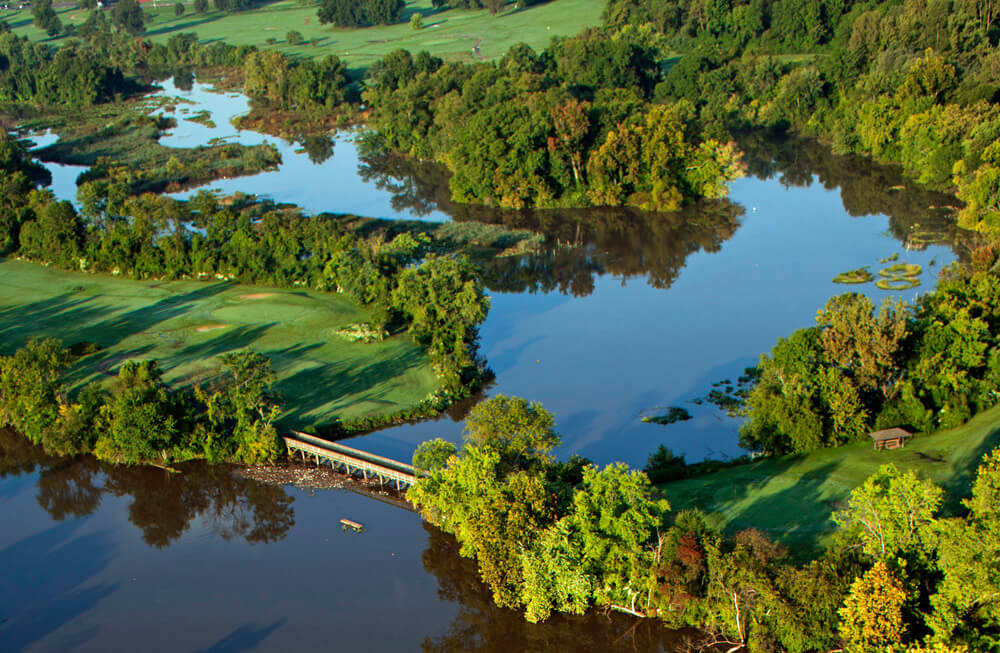
As a former golf industry executive, I have had the good fortune to play at some of the world’s most iconic courses, including Pebble Beach, Oakmont and St. Andrews. Yet, here I am at Langston Golf Course, my adopted home in Washington, D.C.
Langston is a special place. It embodies the core values of the game while being a place of welcoming and inclusivity that makes it a valued part of the D.C. community.
For the past several years, it has been exciting to see and experience the work that the National Links Trust has been doing to improve all of the D.C. courses – East Potomac, Rock Creek and Langston. The NLT’s plans for the future of each of these courses will ensure them as places for the next generations of golfers, many of whom will participate in golf only at public courses like these.
Now that President Trump has turned his attention to public golf in D.C., the fate of these important courses hangs in the balance. Why? Because the plans President Trump is said to be pursuing following his administration’s termination of the NLT’s 50-year lease to operate the courses – most notably, as the speculation suggests, a rebranding and transformation of East Potomac into a more expensive layout that could host a PGA Tour event or a Ryder Cup – reflect his complete lack of understanding of municipal golf and, unfortunately, his worldview of life and golf as for the few rather than the many.
However, it is not too late for the president to change course (so to speak) and make something positive happen here.
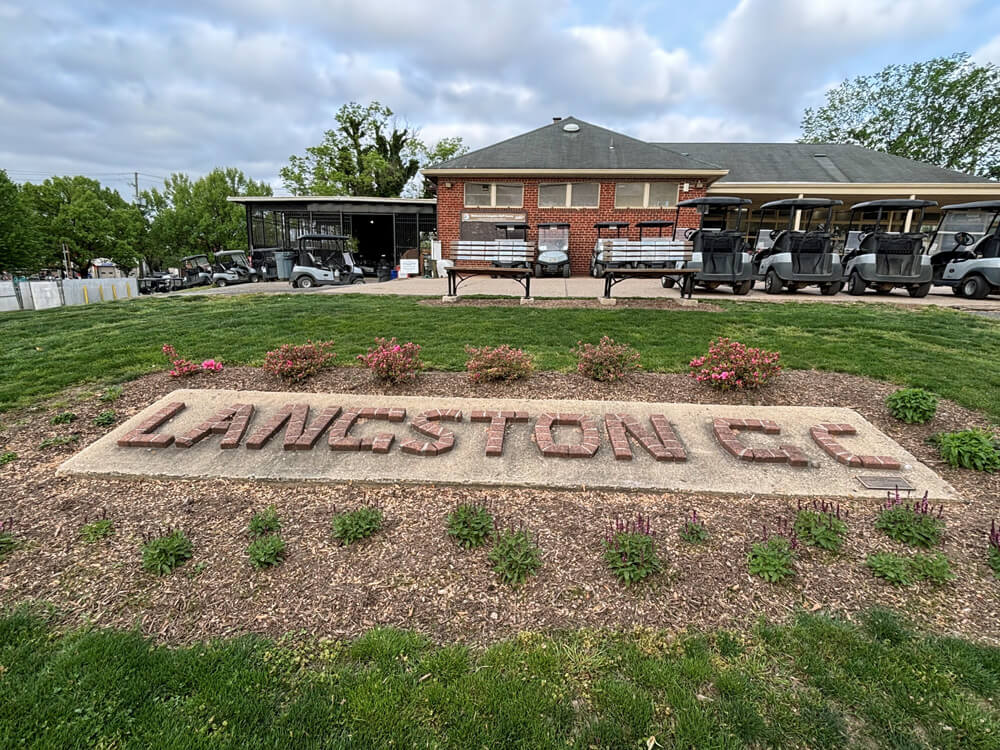
Today, I play my golf at Langston, a course designed and built in 1939 by and for Black people when they were not permitted to play anywhere else. It is open to the public and all kinds of people play there. However, what I can say is that you can count on one hand, perhaps two, the golf courses in America where a white, bald, 65-year-old man is the minority as I am at Langston.
Yet, absolutely everyone I have met and now call friends from Langston has provided me with new and valuable insights about life. My conversations with my Langston friends are different than any I have had in all my years playing golf. I have learned about what the Black community refers to as “fellowship” – caring for each other and also supporting the next generation. Given the sensitivity associated with criticizing President Trump and his administration, I will not name my friends, but they know who they are.

Having been in D.C. for almost four years now and playing regularly at Langston, I have also had an opportunity to befriend a number of the young people who are now growing as people and seeing opportunities in life for themselves because of the Jack Vardaman Workforce Development Program held each summer. This program provides these teens – both young men and women – with paying jobs in various roles at the course such as caddying, which creates a pathway to earn a college scholarship via the Western Golf Association Evans Scholars Foundation. They also gain exposure to the business and etiquette of golf and receive education on various life skills. It is foundational in their path to college.
My wife, Kathy, and I have taught classes as part of the program, including financial literacy, introduction to public markets and interviewing skills. Even though our life experience is quite different from these teenagers, they make us feel welcome. In turn, we try to share a bit of both the good decisions we have made in our lives as well as the ones we would do differently. The discussions we have and the questions they ask show how special these young people are. Each time I play at Langston and see any of these kids, I am heartened to know that they will go out into the world and do great things.
With its decision to terminate the NLT’s lease, the Trump administration put the workforce development program in jeopardy. Do you think Trump or U.S. Department of the Interior secretary Doug Burgum gave any thought to this? If so, did they care, even a bit? The answers are self-evident. Fortunately, the NLT announced recently that the program will return in 2026 after new partner facilities stepped up to host its internship component. But unfortunately, as the NLT continues to manage the courses on a holdover basis while seeking to open a dialogue with the Department of the Interior in hopes of restoring its long-term stewardship, it faces uncertainty that has caused staffing shortages and thus curtailed services.
Despite all of his involvement in golf, President Trump continues to be rejected by many within golf’s inner circle. I am not in the habit of offering ideas for how this president can do something good, but here goes. If he genuinely wants to make a difference in the world of golf, supporting improvement of D.C.’s public golf courses would be a productive step.
Here’s what I suggest:
— Consistent with golf’s primary ethics of honesty and integrity, the president should honor the original agreement between the Department of the Interior and the NLT and reinstate the NLT’s lease.
— President Trump should meet with the NLT leadership to understand the comprehensive, inspiring plans they have to improve all three courses and keep them affordable.
— The NLT is always in fundraising mode, so the president should ask how much is needed to fully execute these plans on an expedited basis.
— With that knowledge, he could then state that he will personally donate the millions of dollars that are required (it will be a small number relative to how his wealth has grown in the months he has been president this term). If he does not want to fund this himself, he could invite friends and supporters such Tiger Woods, Jack Nicklaus, Bryson DeChambeau, Jay Monahan, Seth Waugh and Tom Fazio, to name a few, to contribute to a project that would benefit common golfers.
— The president would then promise to help smooth the regulatory requirements for the proposed course improvements, ensuring the changes to the golf courses are positive for all residents.
— He would immediately instruct the Department of the Interior to remove the debris from destruction of the East Wing of the White House from the grounds at East Potomac, ensuring there are no hazardous materials or residue left behind.
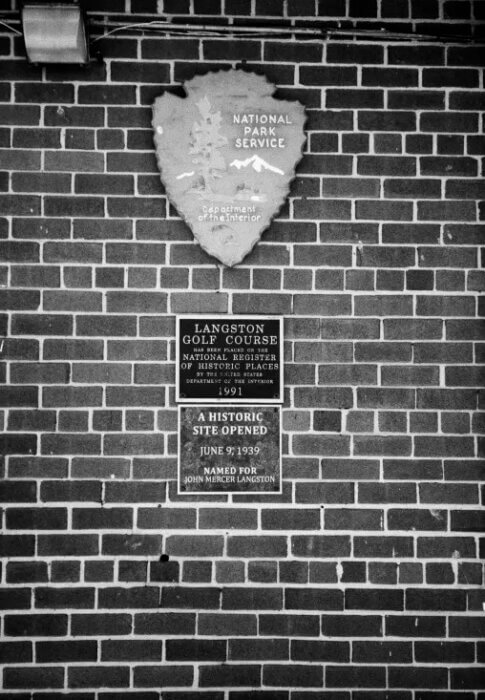
— Finally, he would say that he does not need or want to have his name on these courses. They should remain known exactly as they are today, in honor of their important history and reflecting golf’s respect for its past.
I offer these suggestions primarily in support of public golf in D.C. and all the people who play at these courses and might not play anywhere else. Yet, as the expression win-win goes, it would also enable President Trump to do something selfless for the game he professes to love. It would enable him to embody the values that golf teaches, even if it is just in this one area of his life and presidency. These suggestions have the potential to create some genuinely positive feelings about him. Even the golf establishment would notice.
This would be a different path for the president to pursue, but I’d love to see that happen. Yes, for me personally as I so enjoy being part of the Langston community. More importantly, I hope this comes to be for the people who have such a rich history with these courses, all the people who get to play affordable, inclusive golf in the District and for the young people just now discovering the game.
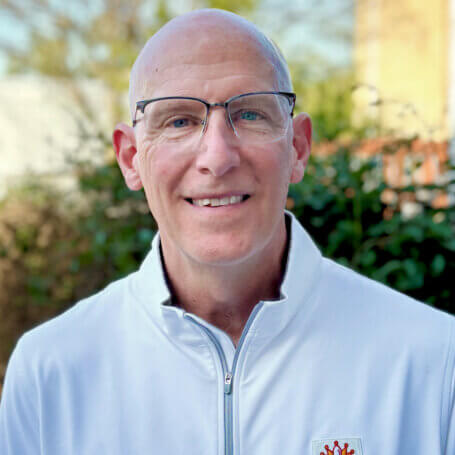
Eddie Binder lives in Washington, D.C., and operates his own management consulting firm, Apex Growth Strategies LLC. Formerly, he was executive vice president of marketing for Spalding Sports, which marketed the Ben Hogan, Strata, Top-Flite and Etonic golf brands.
© 2026 Global Golf Post LLC