BIKE Magazine aims to feature only the best products and services. If you buy something via one of our links, we may earn a commission.
Canyon has been doing the direct-to-consumer thing pretty successfully, and the latest member in the Spectral family is positioned as one of the more affordable full-suspension mountain bikes on the market without making too many compromises in components. After a year trying to get a feel for this bike, I’ve discovered a few things you might want to consider if you’re shopping for a new mountain bike. Could this be one of the best budget MTBs on the market, or is your money better spent elsewhere? Let’s find out.
Deven McCoy
On paper, the bike is impressive, taking the geometry of the Canyon Spectral CF and making it attainable for the average rider or beginner. It’s impressively lightweight, comes built with some great components, and is a breeze to assemble, but does this affordable trail bike meet the demands of “modern” trail bikes?
I’ve been riding the Canyon Spectral AL 6 off and on for almost a year now, and I keep coming back to it as a bit of an enigmatic creature in the world of very capable bikes with similar travel numbers. I’ve struggled to put into words how I feel about the Spectral AL 6, but after all the time and miles I’ve put on it, from bike parks to flowy single track, I think I finally have my opinion formed.
Details
Canyon Bicycles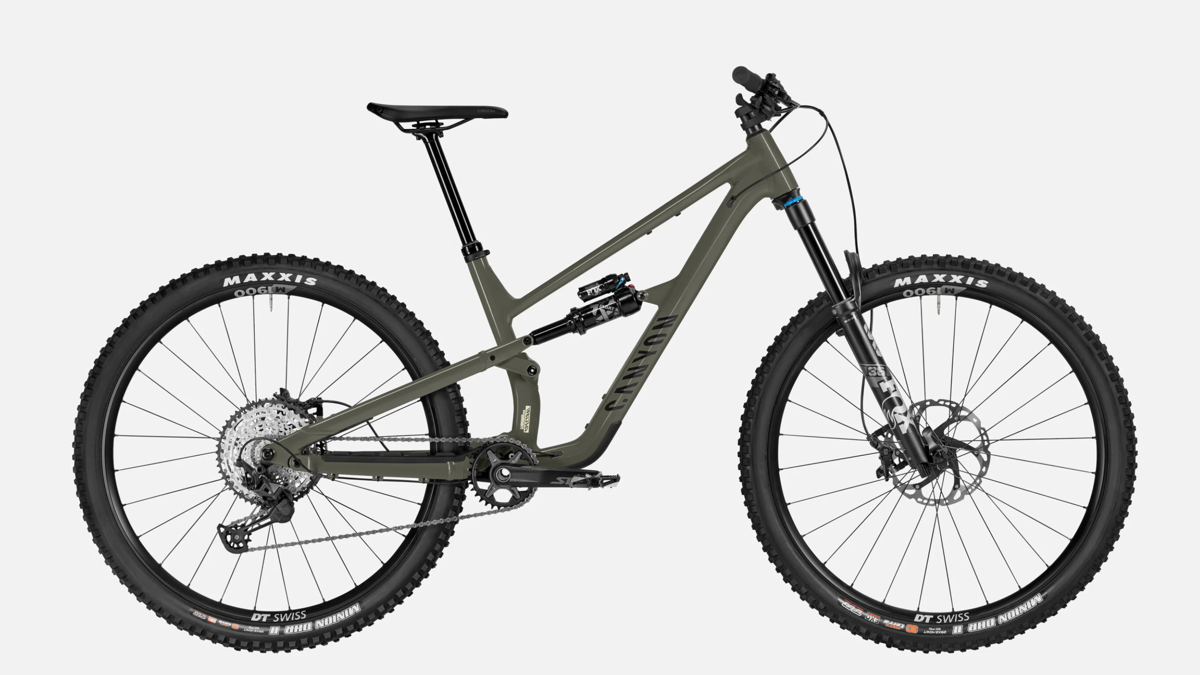
Size tested: XL
Suspension: 140mm rear / 150mm front
Headtube angle: 64 degrees
Seattube angle: 76.4 degrees
Chainstay length: 437mm
Bottombracket: BSA
Weight: 35lbs
Build Kit
From a value perspective, the Canyon Spectral AL 6 hits the nail on the head, and there’s not really anything I can fault the build for. The wheels, suspension, drivetrain, and brakes all align with the $3,099 MSRP. The mechanical Shimano 12-speed SLX derailleur and shifter, Shimano SLX M7120 brakes, and FOX Float X Performance shock with a 36 Performance fork have all been without major issues, and the DT Swiss M1900 wheelset is a welcome pick on a bike like this, and I wouldn’t suggest going with carbon wheels here – more on that later.
Deven McCoy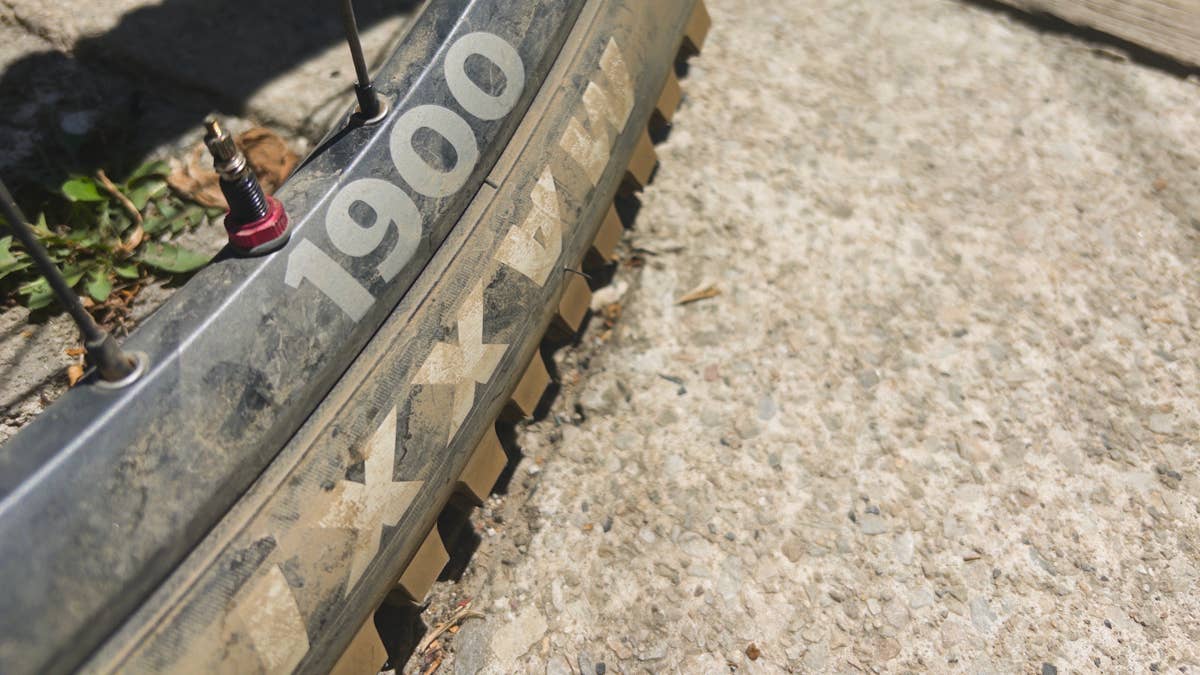
View the 2 images of this gallery on the
original article
Coming in at about 35lbs, the Spectral AL 6 is noticeably lighter than even some carbon bikes on the market, and considering it comes with such a dialed component package and the same vibe as the Canyon Spectral CF, it’s an impressive offering.
I cannot fault any aspect of the build, and it’s rare to see a bike at this price point come out of the box not needing any real upgrades. There’s always the tires and contact points, but on a trail bike, trail casing tires and decent alloy bars are more than adequate. It has been interesting going back to the SLX M7120 brakes after so much time on the newest generation of Shimano XT and XTR brakes, and I keep forgetting how “on-off” these brakes feel, which always catches me off guard on the first lap.
Deven McCoy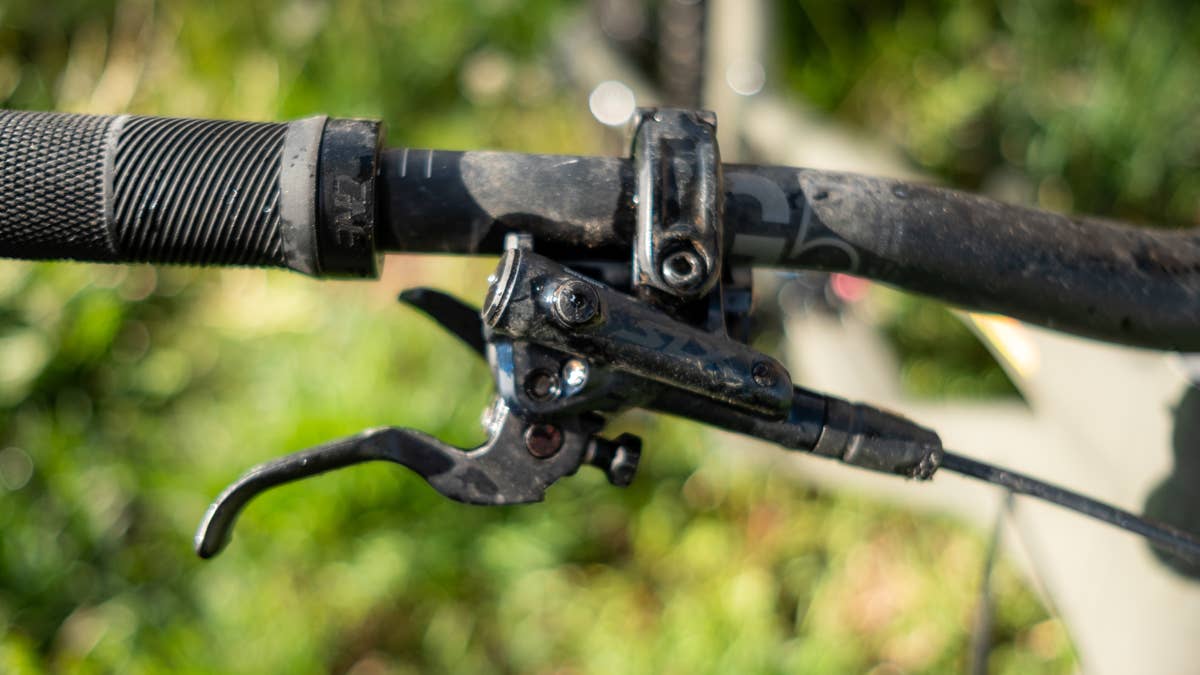
View the 2 images of this gallery on the
original article
The stock setup handled tons of unforgiving bike park laps over the summer without flinching. I even ended up overforking it by 10mm for some extra rowdy laps in the park, which was nice for lift-assisted riding, but the slacker 63-degree head tube angle was not as delightful when I needed to pedal uphill. Aside from the fork, I have also been testing several wheels and other components on the Spectral AL 6. I recently installed a Shimano Deore 12-speed Di2 kit and swapped wheels to some Roval Traverse HD wheels.
Deven McCoy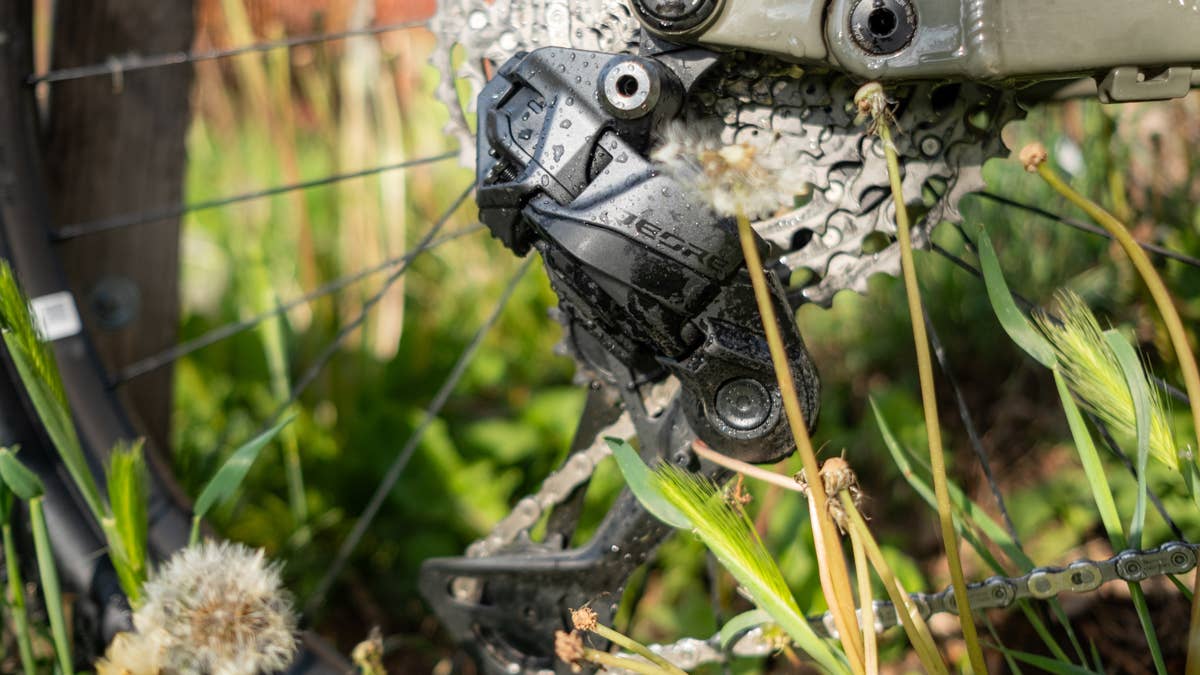
Deven McCoy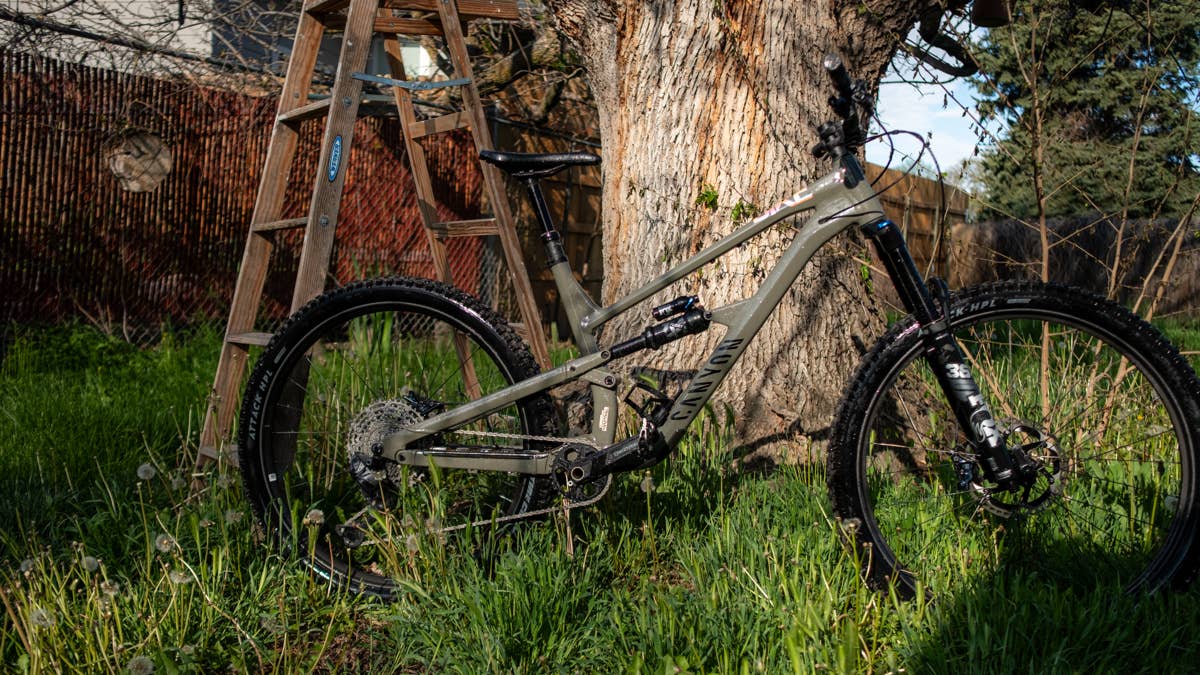
While upgrading to carbon wheels is generally seen as an improvement, I would say the Spectral AL 6 does better with alloy wheels, or at least alloy in the rear. I say this because the rear end is not stiff. There is a lot of flex and noticeable twist under load, especially when cornering hard or pinging through tech, and the carbon wheels definitely highlight just how much the rear of the bike wants to move around. This was pretty surprising considering how short the rear center is, but since the suspension is also really supple, the extra flex actually adds to that soft feeling, making for some pretty unique and poppy characteristics.
Geometry
That leads me to the geometry portion of this review, and it’s the first big thing to consider if you’re looking at one of these bikes. Before I received the bike, I requested the XL. I’m 6’2”, and that’s what I normally ride. Most XL frames will have a reach somewhere in the 500mm range, and since I hadn’t seen the geometry chart, I assumed that would be the case. I was so wrong, but that’s on me.
Canyon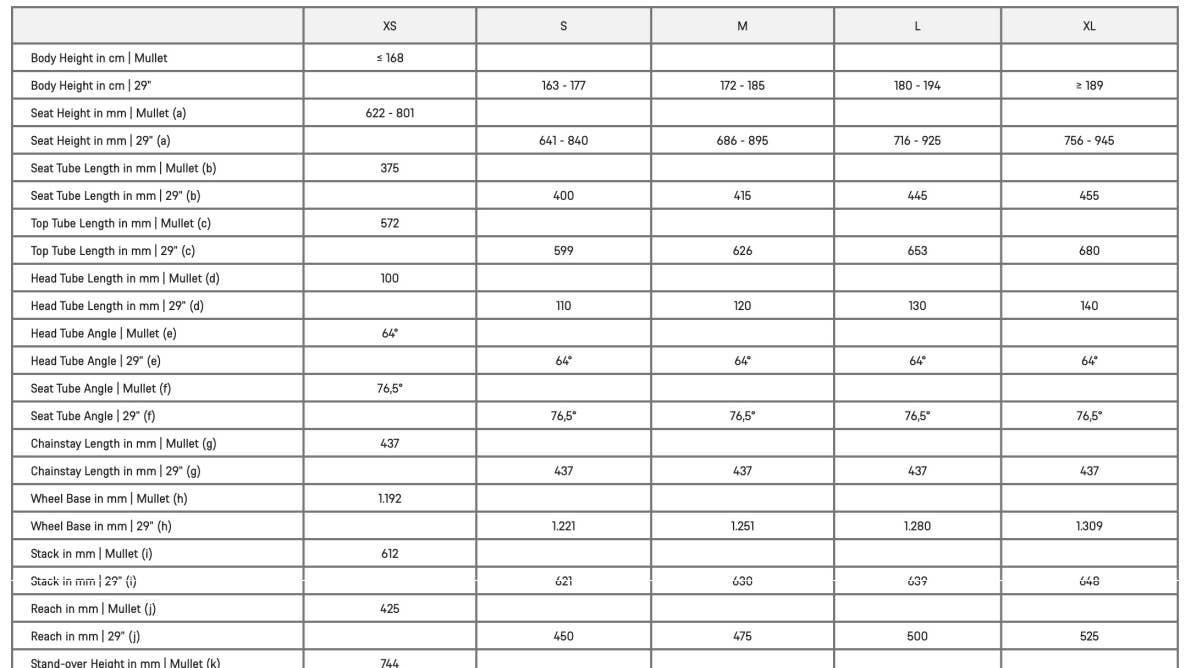
The reach on the size XL is a whopping 525mm, and with a rear center of 437mm, it feels quite unbalanced, albeit pretty damn playful and loose, which ended up being loads of fun in the bike park. The short rear end and super long front end result in a bike that feels way more rearward-biased, and since the rear center does not change across sizes, I have been wishing I had gone for a medium or a large frame.
Deven McCoy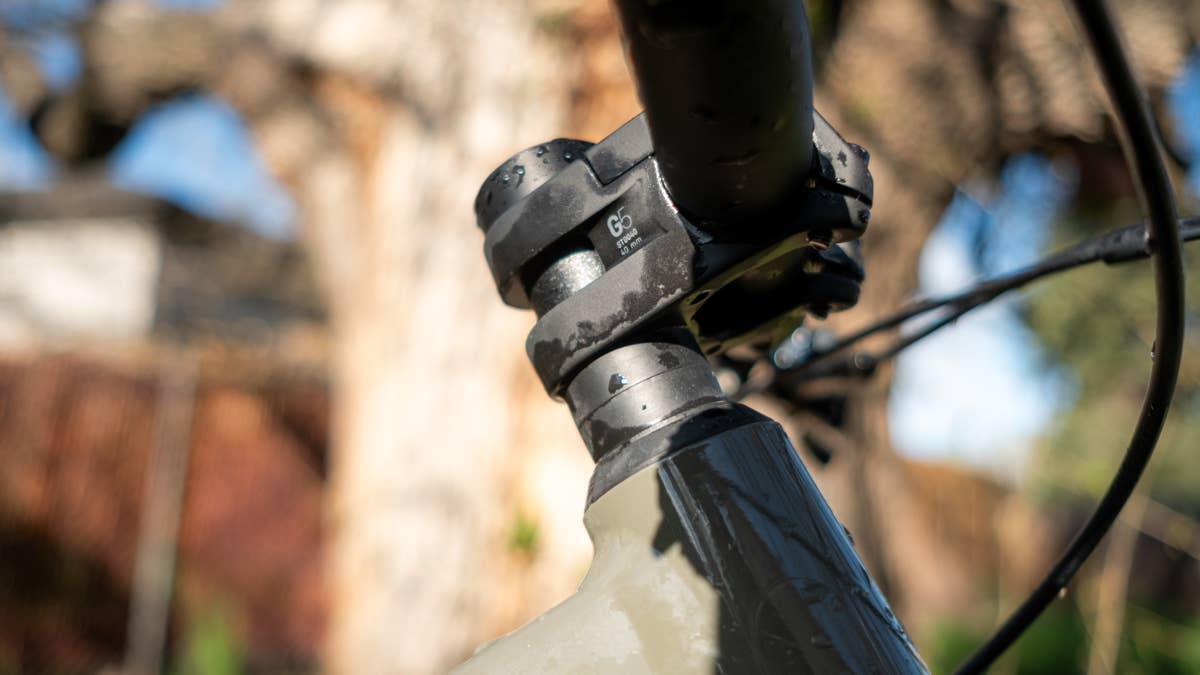
The geometry isn’t terrible, and the font-rear-center ratios are just a bit off, if you ask me. The seat tube angle is 76.5 degrees, the head tube angle is 64 degrees, and it rides as such. It’s right in the sweet spot for a 140mm rear / 150mm front trail bike. There’s nothing that really stands out about the geo, aside from the obvious.
Deven McCoy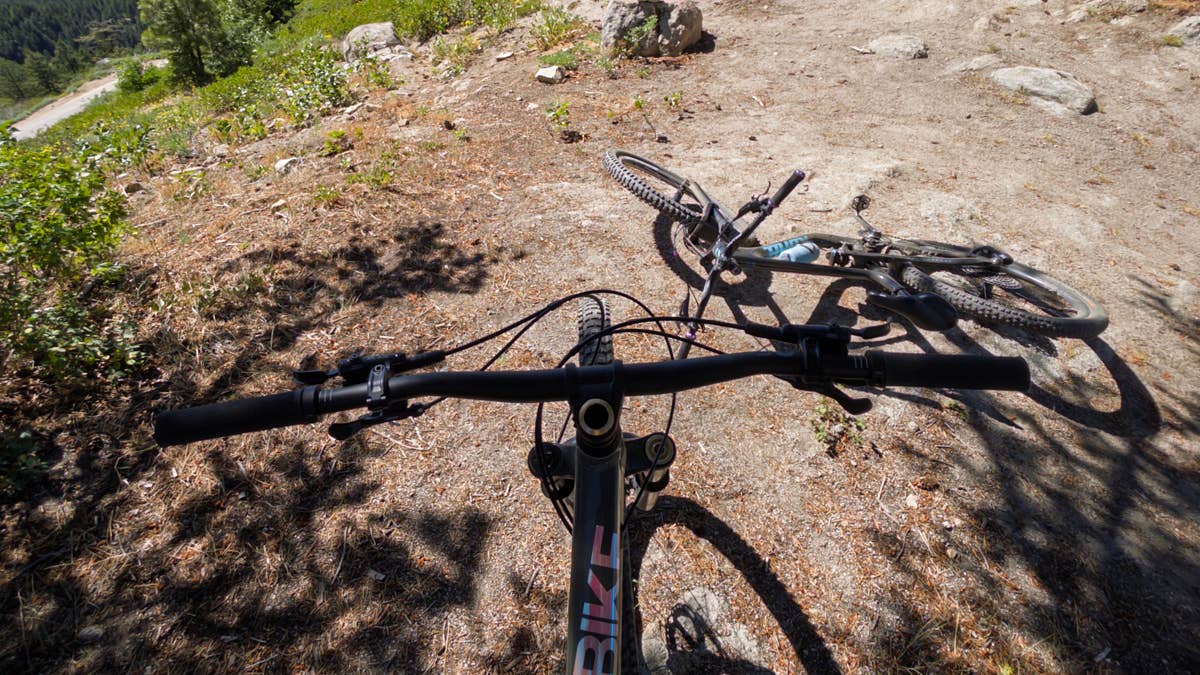
View the 2 images of this gallery on the
original article
It’s not all bad, though. That long front and short rear means that the Spectral AL 6 likes – or LOVES – being on the bike wheel. It’s really, really playful on jumps, side-hits, and all the little manual-able rollers. The bike wants to be in the air or on one wheel, and it makes pulling for an extra-long triple or pumping rollers feel pretty natural. Despite having a longer reach, the bike doesn’t feel like a boat.
Deven McCoy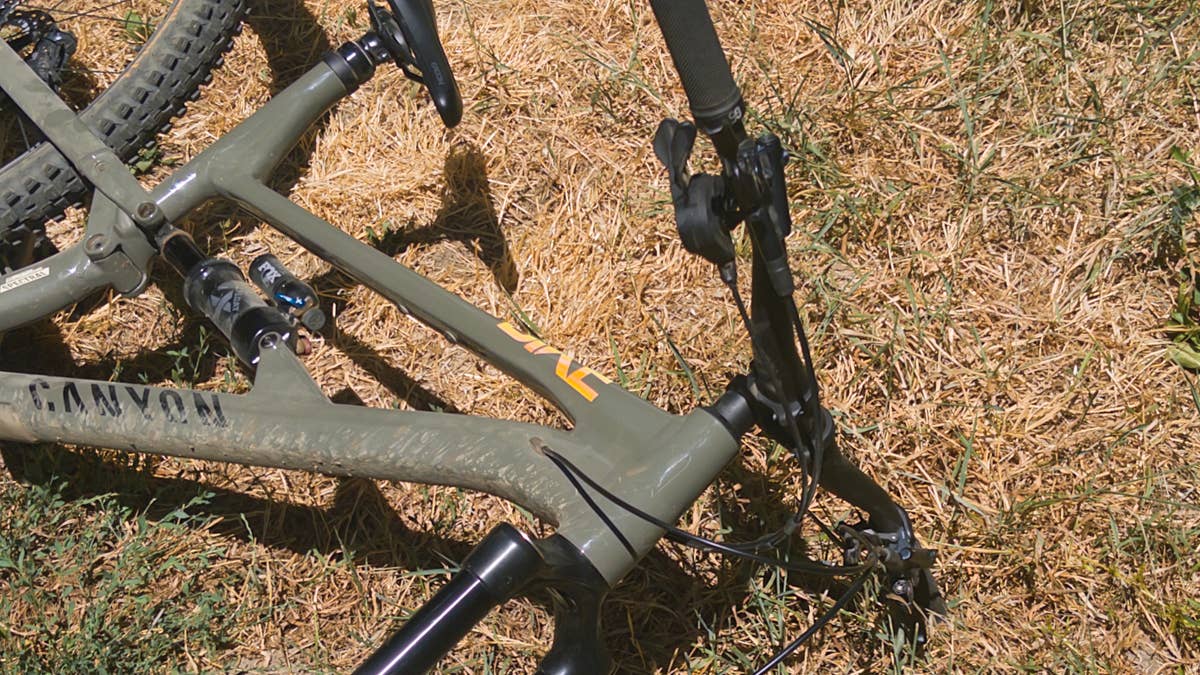
Suspension and Ride Feel
The geometry aside, the suspension is quite active, which is a great thing for the pure descenders, but again, another penalty on the ascents. On most trail bikes, I never find the need to reach for the climb switch, but on the Spectral AL 6, I never forget to flip the climb switch on the shock as soon as the trail is even slightly uphill or flat. The 76.5 seat tube angle and short rear center, paired with very supple suspension kinematics, mean that you’re gonna be bobbing a ton under pedaling. This does calm down a bit in the higher gears thanks to the antisquat, but it’s not enough to eliminate the need for the climb switch.
Deven McCoy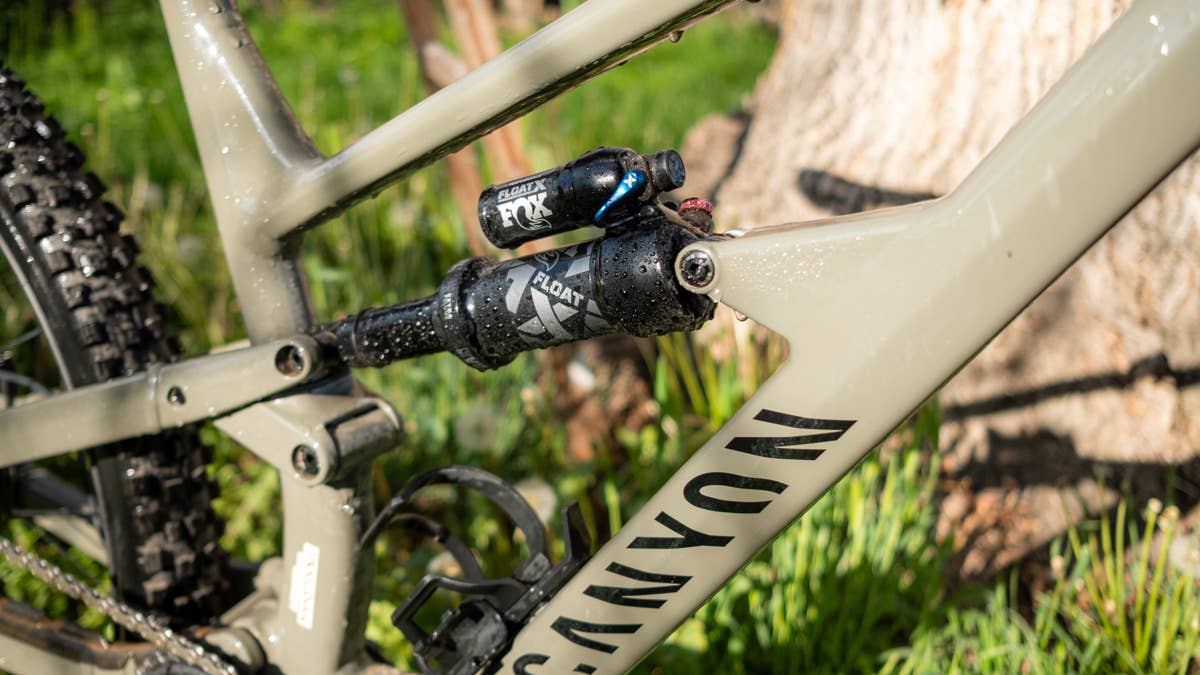
Active suspension is a blessing and a curse depending on what terrain you ride, and while it was a penalty on the climbs, it makes for a pretty forgiving ride when you don’t need to be pedaling all the time, but it can be kind of tricky to get the front end to match the feeling of the rear, which furthers the feeling of imbalance. I ended up riding the shock at a higher pressure than I normally would, and the fork a little softer than normal, and maxed out with volume spacers to compensate.
Where the suspension really comes back to bite is on the flowier and flatter trails. With all that pedal bob, the bike feels like it wallows a bit in its travel, which makes it a little difficult to keep the speed and flow up. It would be nice to have a bit more compression tuning on the shock, but increasing air pressure seemed to balance things out enough to make the bike pedal better on flowier trails.
Final Thoughts
Overall, I expected to run into more component issues, and considering how hard I’ve pushed the Spectral AL 6, I’m happy to report that nothing has stood out as a problem area. It is an alloy bike, and they’re not known for being quiet. There are rattles, knocks, and some minor creaks, but it’s smooth sailing. Linkages feel smooth, and the alignment is still bang-on, even after a few huge ones in the bike park last year that sent me to the ER. The bike was unfazed.
Deven McCoy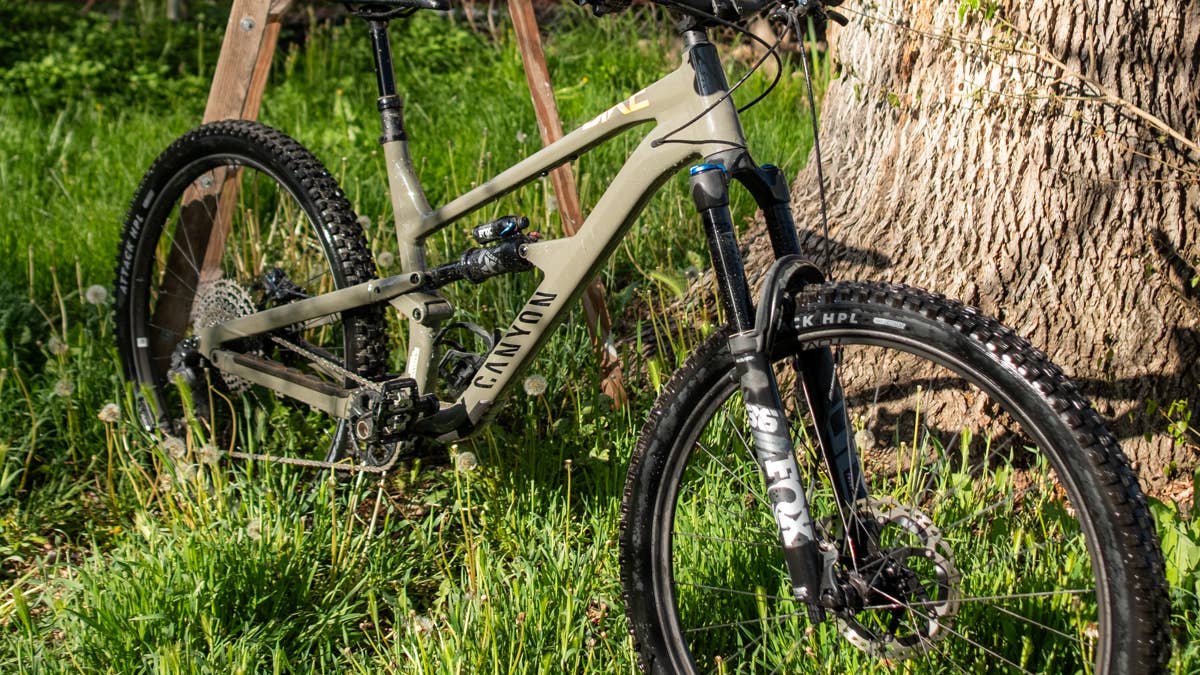
The Canyon Spectral AL 6 is undeniably affordable, and what you get for just over $3K is impressive. It would be a great option for someone looking for a trail bike that doesn’t require any out-of-the-box upgrades or extensive maintenance. It’s utilitarian and does a lot of things pretty well, but if you’re looking for a trail bike that is eager to climb back up the hill, the Spectral AL 6 isn’t that bike. But if you’re looking for a bike that wants to jump, drift, and jib, the Spectral AL 6 is that bike.
Likes & Dislikes
The most noticeable aspect of this bike is how the geometry feels almost dated at this point, despite it being relatively new. The rear center is too short, and the reach numbers are too long across the size range, in my opinion. It would have been great to see the next tier up on the shock, so we have a little more LSC control over the very active suspension design, but the Float X Performance makes it easy enough to add that dial.
Deven McCoy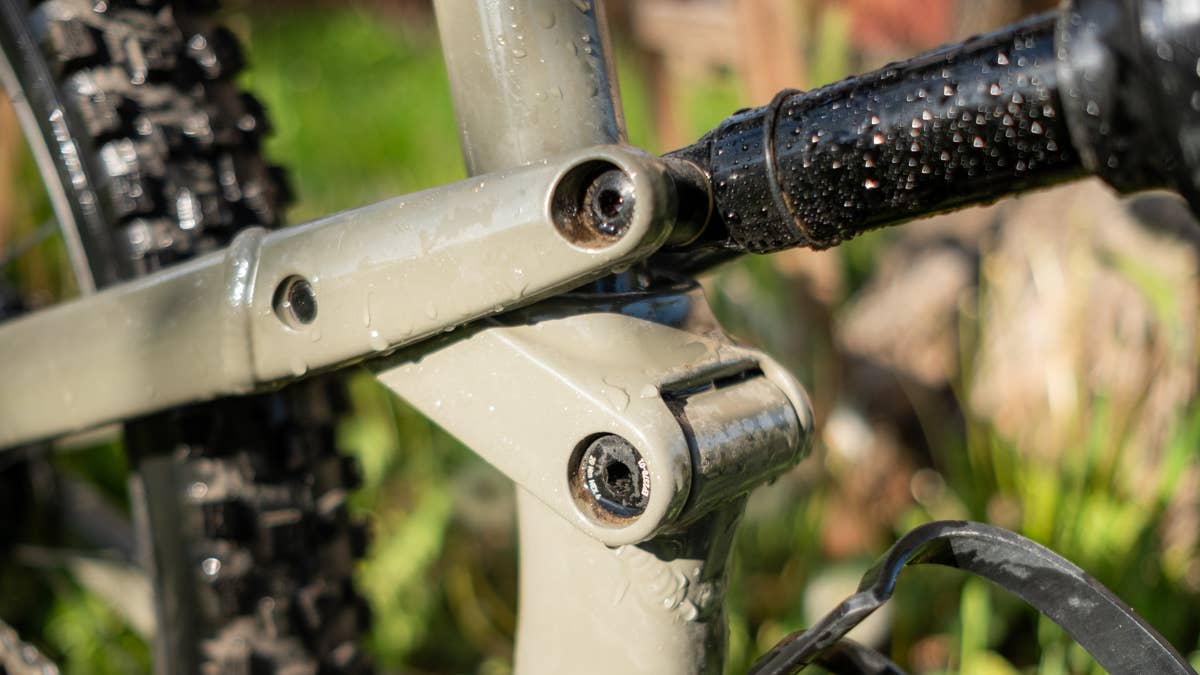
View the 2 images of this gallery on the
original article
I also found that the lower shock hardware was slightly too long, which caused a loose fit of the bolt and a small knock that drove me bonkers on the first few rides, but that’s also an easy fix if you’re mechanically inclined.
I also didn’t love breaking my collarbone, but I don’t blame the bike.
Deven McCoy