
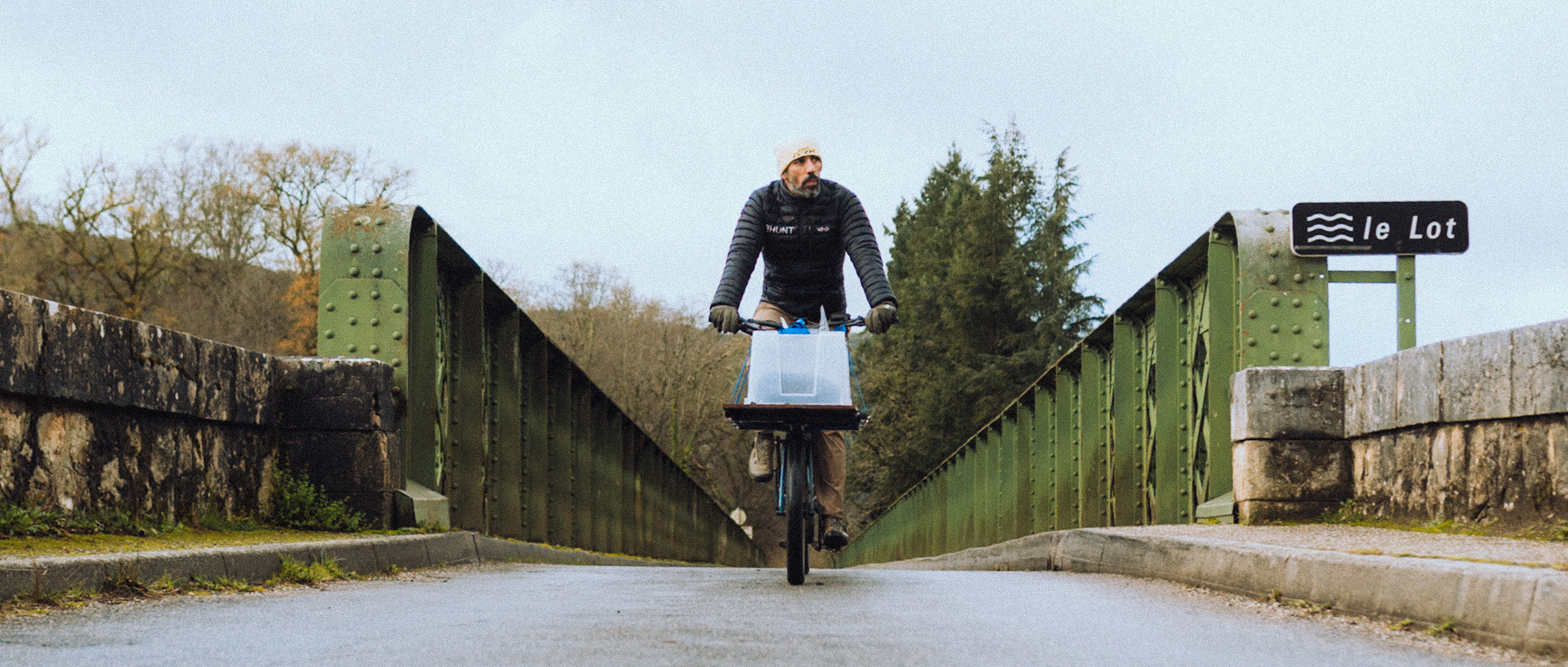
Sofiane Sehili was recently in Girona for a ride & chat hosted by Velodrom Odeon, and his story was so captivating we decided to follow up on our first article about him with a piece focused on his beginnings and the Eurasian crossing that made it to all the headlines due to its truncated end.
In 2010, Sofiane was backpacking through Southeast Asia, moving the way most people do when they first arrive there—buses, trains, taxis. It worked, in a practical sense. But something about it felt incomplete. “It was fine,” he says. “The people were friendly, the food was good, but it didn’t feel like an adventure.” The shift came when he bought a cheap bike in Laos, almost on impulse. What followed was less a revelation than a quiet realignment of how he experienced movement itself. “I bought a bike for a hundred dollars, and it was a life-changing moment.”
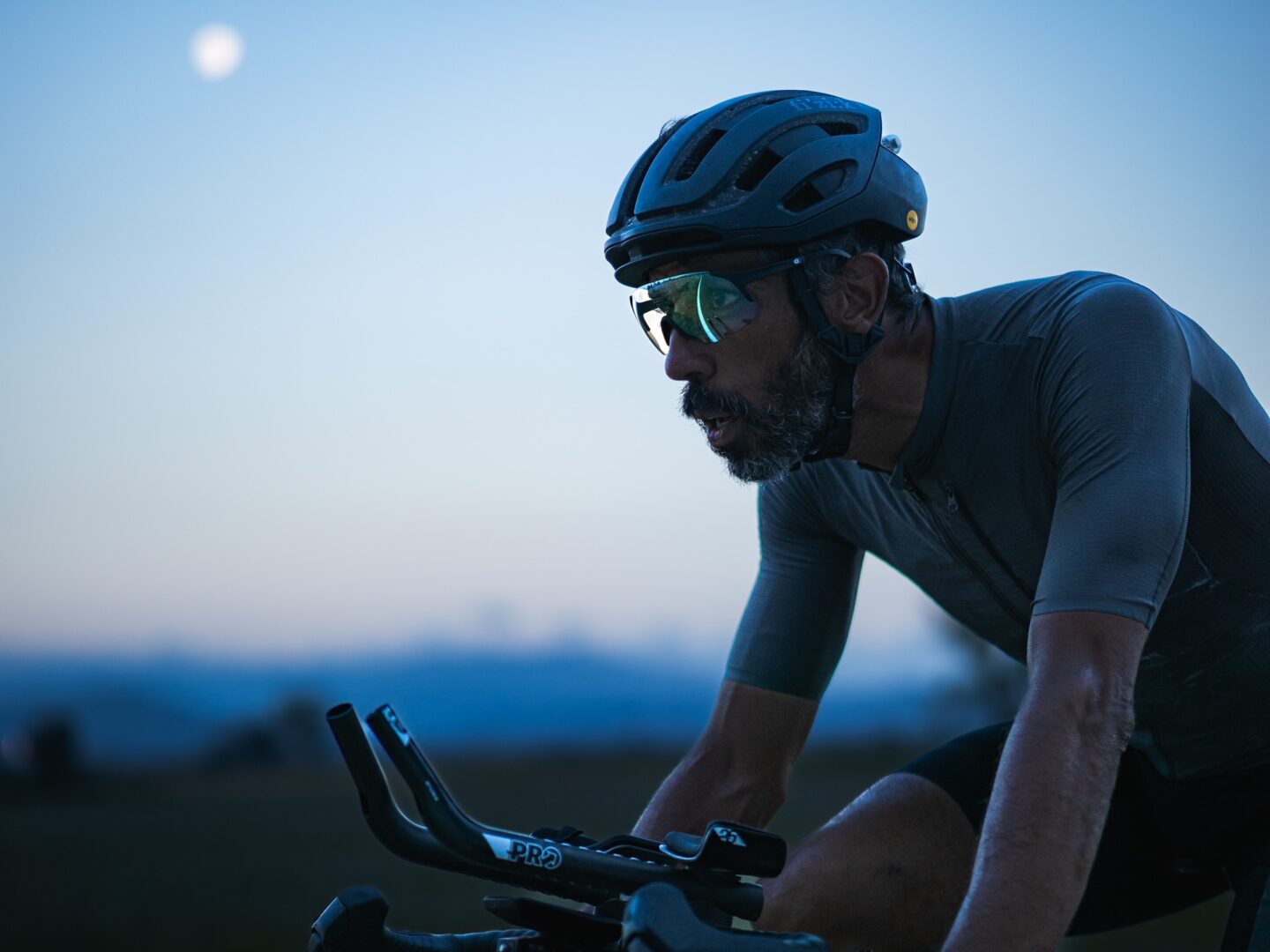
Before that, cycling was not really meaningful to him. He rode to work, enjoyed the sensation of it, but it remained contained within the routines of an office job. The bike was freedom, but only in short, predictable doses. In Laos, that changed. Distance became something you could inhabit rather than measure, and the appeal of remote places, of being outside all day, navigating unfamiliar environments under your own power, settled in quickly and permanently.
Joining the first wave of ultracycling
The transition into ultracycling came later, and not as a natural progression but as a kind of challenge to his own understanding of what was possible. While riding the Great Divide route on his own, he first heard about the Tour Divide, and the scale of it seemed almost absurd. Riders covering 200 to 300 kilometers per day, day after day, across that terrain. “This is totally insane. I don’t even know how it is humanly possible,”—he thought. The idea stayed with him, less as inspiration than as a question that needed answering.
At the time, he was working as a bike messenger in Paris, already spending long hours on the bike, building a base without formal structure. He suspected he might be good at this, though he had no clear way of proving it yet. “I had the desire to be really good at something,” he says. “And I figured maybe that was the thing.”
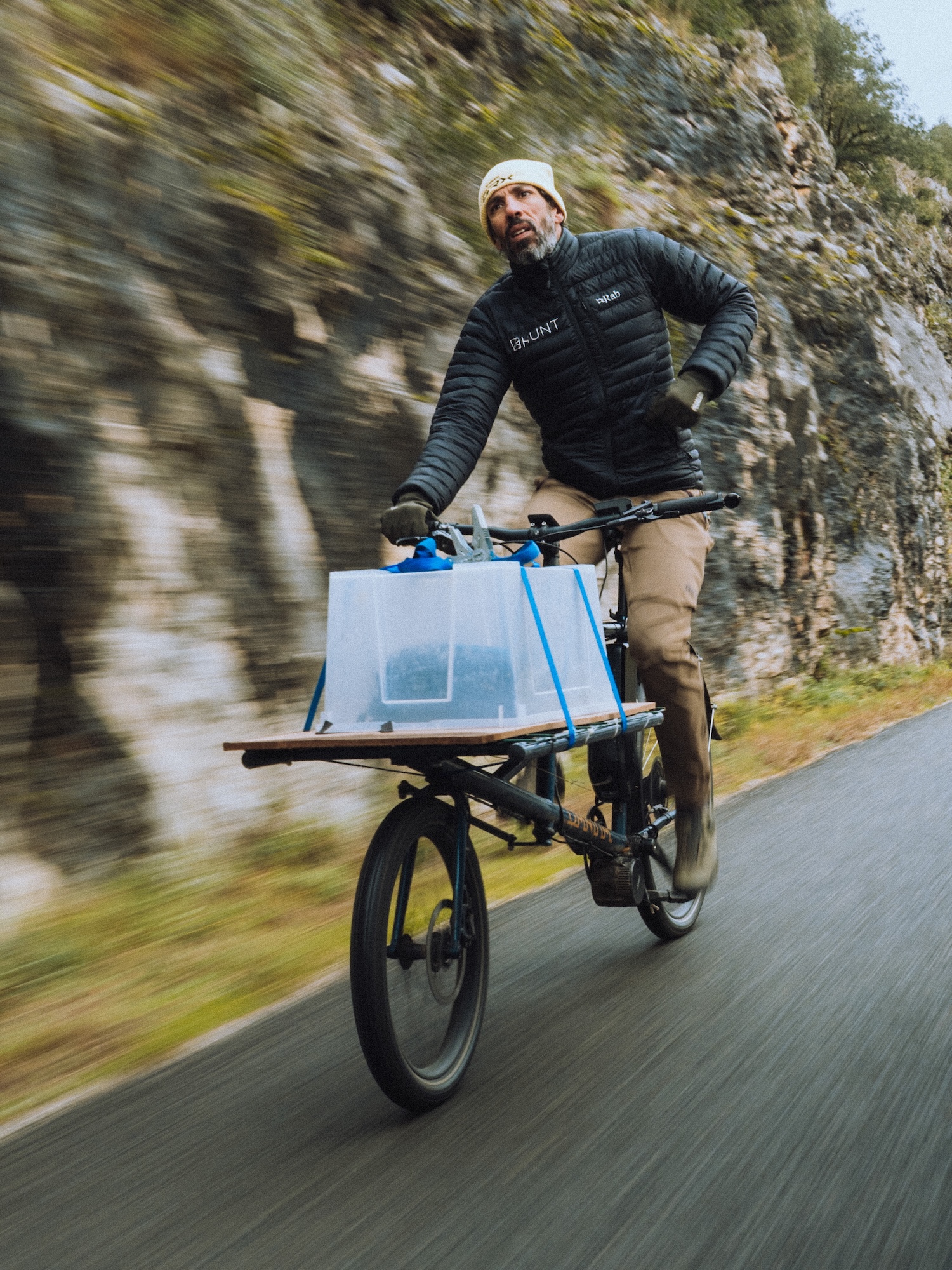
From there, things accelerated. Racing led to results, results to sponsorship, and eventually to a life built entirely around riding.
The simplicity of that trajectory hides the reality of it, of course. Ultracycling is not just about time on the bike, but about how that time is used, how effort is distributed, and increasingly, how well a rider manages the cumulative effects of fatigue.
Sofiane’s approach reflects that evolution. Where the discipline once leaned heavily on sleep deprivation as a primary tactic, he has moved toward something more measured, shaped by experience rather than ideology.
He is direct about the mistake many riders make early on. “Riding through the night when you don’t know what it takes is a big error. If you are not experienced, the next day you’re going to be so miserable that all the time you gained, you lose it.” The lesson is not just about sleep, but about sustainability. His current approach—skipping the first night, then aiming for around four hours of sleep the following days—speaks to a broader shift within the sport. Riders are no longer simply trying to endure more suffering than their competitors, but to manage it better, to avoid the kind of collapse that costs more time than it saves.
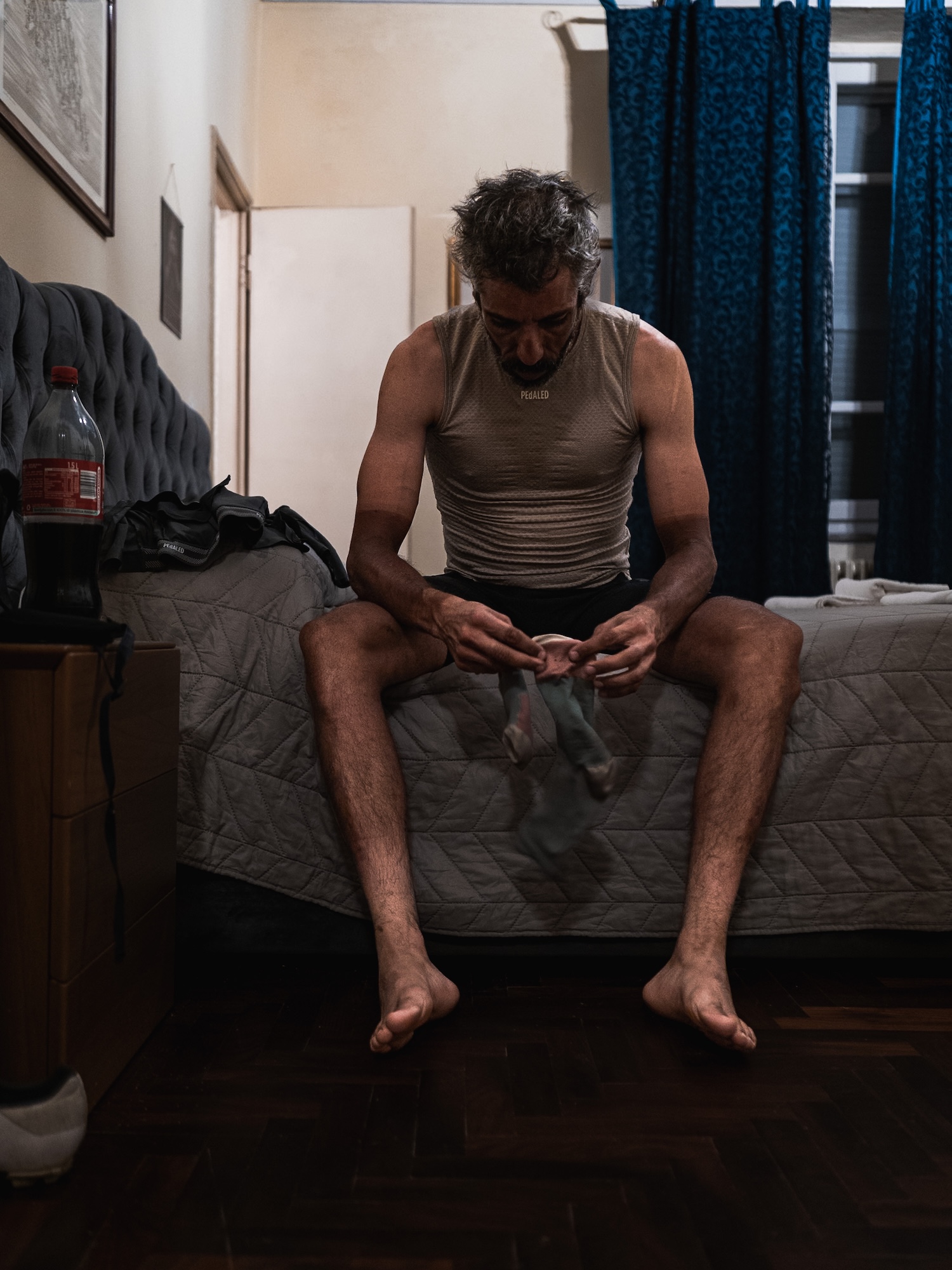
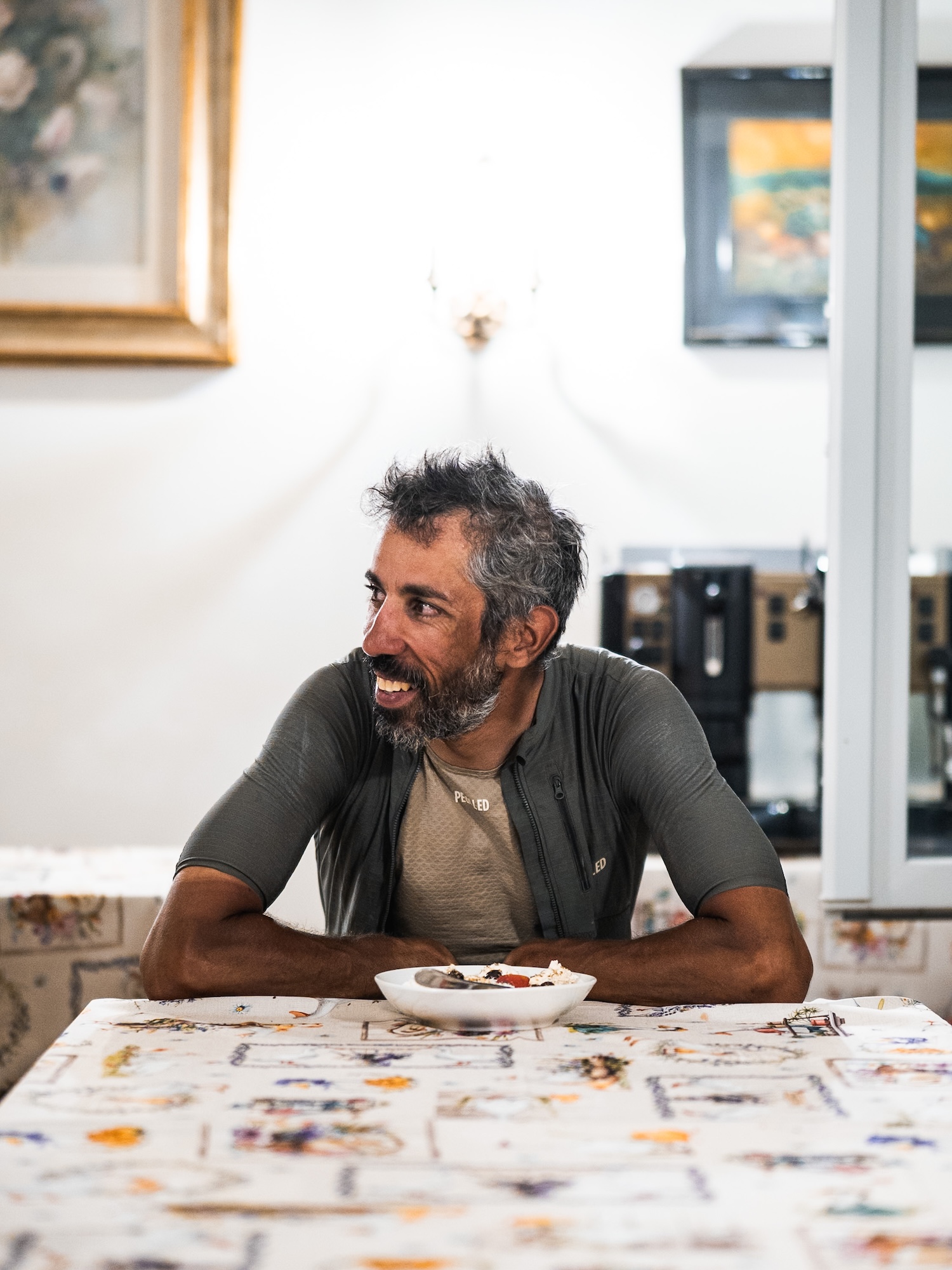
This balance between control and improvisation runs through everything he does. Sehili is open about his aversion to planning, describing himself as “the worst person ever for planning,” someone who prefers to figure things out as they unfold. It works, most of the time. But ultracycling at the scale he operates on inevitably exposes the limits of that approach, particularly when the variables extend beyond weather and terrain into the less predictable domain of borders, visas, and geopolitics.
Riding from Portugal to Russia in a record attempt
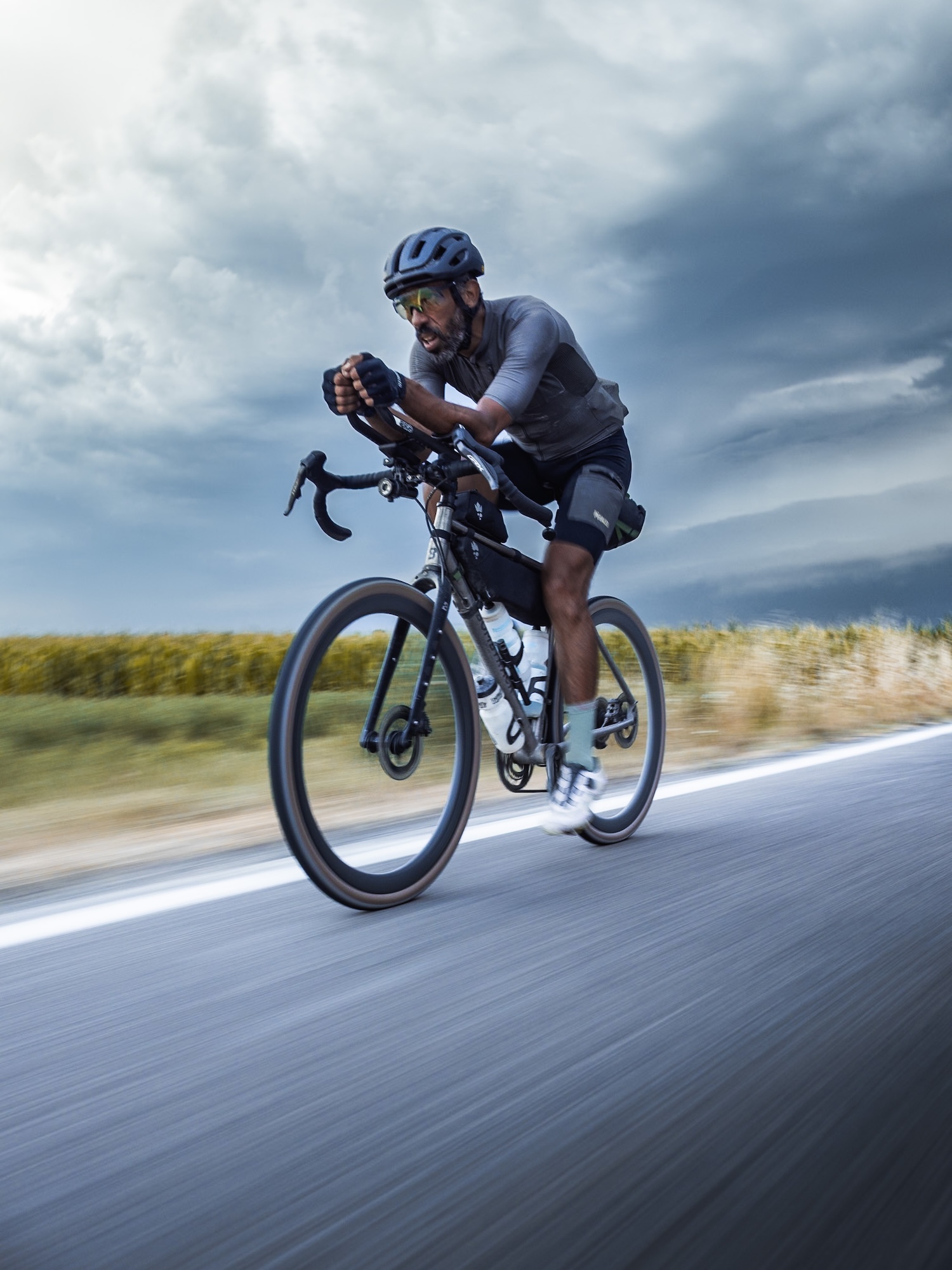
The Eurasian crossing was always going to test those limits. The idea itself was straightforward: ride from Cabo da Roca to Vladivostok as fast as possible, following the loose framework established by Jonas Deichmann’s previous record. Sehili had already covered comparable distances in the past, riding from Paris to Taiwan for the sake of it, and he approached this attempt with a certain confidence. “He didn’t ride much faster than I did, so I figured I could take on this record any day,” he expressed confidently.
For a significant portion of the ride, that assessment held true. He moved efficiently across Europe and into Asia, maintaining a pace that kept him well within record time. The problems began not with his legs, but at the borders. One crossing closed for repairs, another inaccessible due to shifting regulations, forcing detours that accumulated into lost time. “For the first half, everything was going really well,” he says. “For the second half, it was just troubles, troubles, troubles.” These were not obstacles that could be solved by riding harder. They required waiting, rerouting, negotiating systems that operate independently of any athlete’s schedule.
By the time he reached the final border between China and Russia, the margin for error had all but disappeared. He was first redirected to another crossing point, only to be turned back again because of the type of visa he held. The situation was technically simple: he could cross, but only by train. For the purposes of a Guinness World Record attempt, that distinction was decisive. A short train transfer would invalidate the entire ride.
He arrived there on day sixty-three. The record stood at just over sixty-four days.
“At that moment I only had one day left, and it was impossible to cross legally by bike” – Sofiane Sehili, ultracyclist
A bike journey that became an international matter
What followed is difficult to separate from the accumulated pressure of the preceding weeks. After nearly eighteen thousand kilometers in a single direction, the idea of stopping or turning around had effectively disappeared. “My brain was wired in a way that it wasn’t possible either to stop or to go back.” In that context, the decision to continue, even illegally, becomes less surprising, though no less consequential.
He left the official crossing and entered the forest, carrying his bike through dense terrain for several hours, navigating without any real path. Eventually, he reached a railway line, an indication that he had crossed into Russian territory. It was at that point, removed from the momentum of the decision itself, that the situation clarified. “I realized I had made a huge mistake,” he says. The logic that had carried him into the forest no longer held.
He surrendered to the authorities later that day, expecting, or perhaps hoping, that the situation might be resolved quickly. Instead, it escalated. Interrogation followed, then a night in jail, and within days he was formally placed under arrest. What had been an attempt to maintain the integrity of a record became, according to Russian authorities, a criminal offense.
The following weeks unfolded in a way that contrasts sharply with the total freedom of ultracycling. Movement was replaced by confinement, decision-making by waiting. He describes the experience in stages, beginning with the initial shock of incarceration, followed by a period dominated by uncertainty. A document outlining his charges was presented to him in Russian, incomprehensible at first, and only later translated. It was then that he understood the potential consequences. “There is a possibility that I will spend two years of my life in a Russian prison,” he recalls thinking. That realization reframed everything.
Over time, the situation stabilized. Communication with the French embassy, legal support, and a clearer understanding of the process gradually reduced the uncertainty. After roughly fifty days in detention, he was released. The record attempt was over, but the experience had already moved beyond the framework of sport.
Will he try it again?
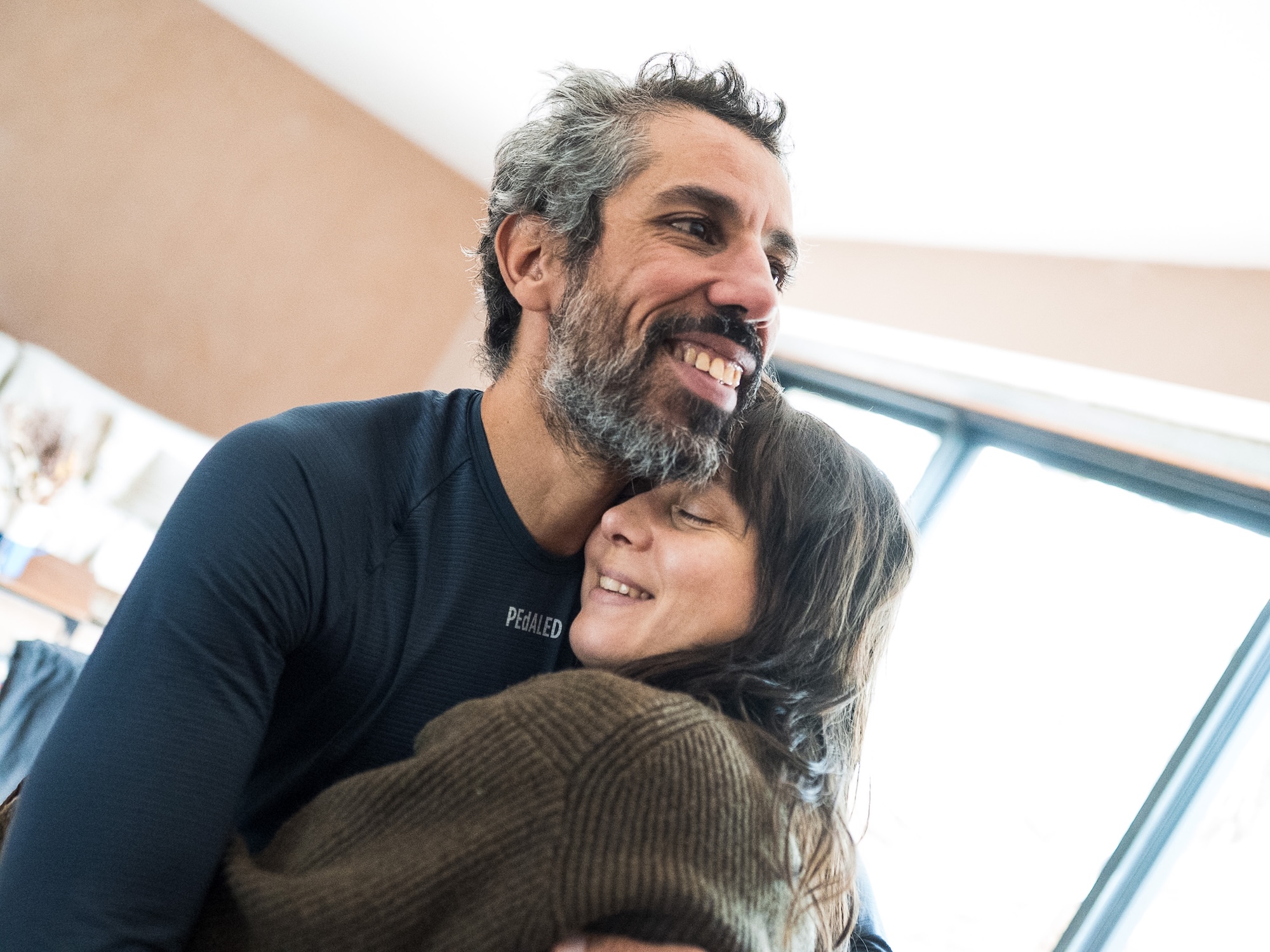
Back in France, the immediate priorities were simple and human. “I just wanted to be free,” he says. “I just wanted to go home and kiss my girlfriend.” The record, which had dominated his thinking for weeks, receded almost instantly in the face of that reality.
And yet, it did not disappear entirely. He is now writing a book about the experience, something he had no intention of doing while he was still inside. Distance, it seems, has altered his perspective. What felt overwhelming in the moment now appears as material, something that can be examined, shaped, and shared. The narrative is no longer about setting a record, but about coming close and failing, and about everything that happened in the space between those two points.
Whether he will attempt the crossing again remains unresolved. The question is not purely physical, nor even logistical, but psychological. “It’s going to be a matter of whether I still feel the burn of that failure or if I’ve made peace with it,” he says. For now, both possibilities remain open.