

To celebrate the first-ever Local Bike Shop Week Awards, we chat with the finalists to find out more about their bike shops.
The Local Bike Shop Week Awards are part of the newly launched Local Bike Shop Week, managed by the ACT.
Starting as Local Bike Shop Day back in 2018 (originally launched by Daniel Jones with support from the ACT), this year sees the ACT expand the event to a week, celebrating from 3-9 May 2026.
We chat with Andy Liversidge, business development manager of JE James Cycles, to find out more about their shop.
Every shop has a unique origin story. Tell us a bit about yours. How did it all begin, and how have things evolved over time?
JE James Cycles has been part of South Yorkshire and Derbyshire cycling for over 60 years. What started as a small local bike shop has gradually grown into a multi-store business with a very strong online presence across the UK.
The industry has changed massively over that time, especially with the growth of electric bikes and online retail, we’ve had to evolve with it. The core of the business has stayed the same. We still focus on honest advice, excellent service, and helping people find the right bike and kit for how they actually ride.
Is there a specific story or a particular customer interaction from the past year that perfectly captures why you do what you do?
One moment that stands out recently was a customer who came in looking for an electric mountain bike after years away from cycling. He had been a regular of the stores, but many years ago. He was unsure whether he’d even stick with his new bike but wanted to try, and came to us for help. After spending time talking through the options, what local riding was out there, and what would actually suit him, he left with a bike that genuinely matched what he needed rather than simply what looked impressive on paper or a computer screen.
Oplus_16908288
A few months later, he came back into the shop covered in mud after riding in the Peak just to tell us he’d completely rediscovered his love for two wheels on his new bike. He’d gone from barely riding at all, to getting out multiple times a week and was already planning cycling trips with friends again. That’s the part of the job that matters most to us. Bikes can genuinely change people’s lifestyles, confidence, and routines, and being part of that process will never get old.
A bike shop is just as much about the people behind the counter and in the workshop. Who makes up your team, and what do they do?
Across our store network, our team is made up of experienced sales staff, Cytech-qualified mechanics, and people who ride bikes themselves, whether that’s road, gravel, MTB, commuting or e-bikes. Our shop floor focus is on understanding what the customer actually needs rather than just selling a product.
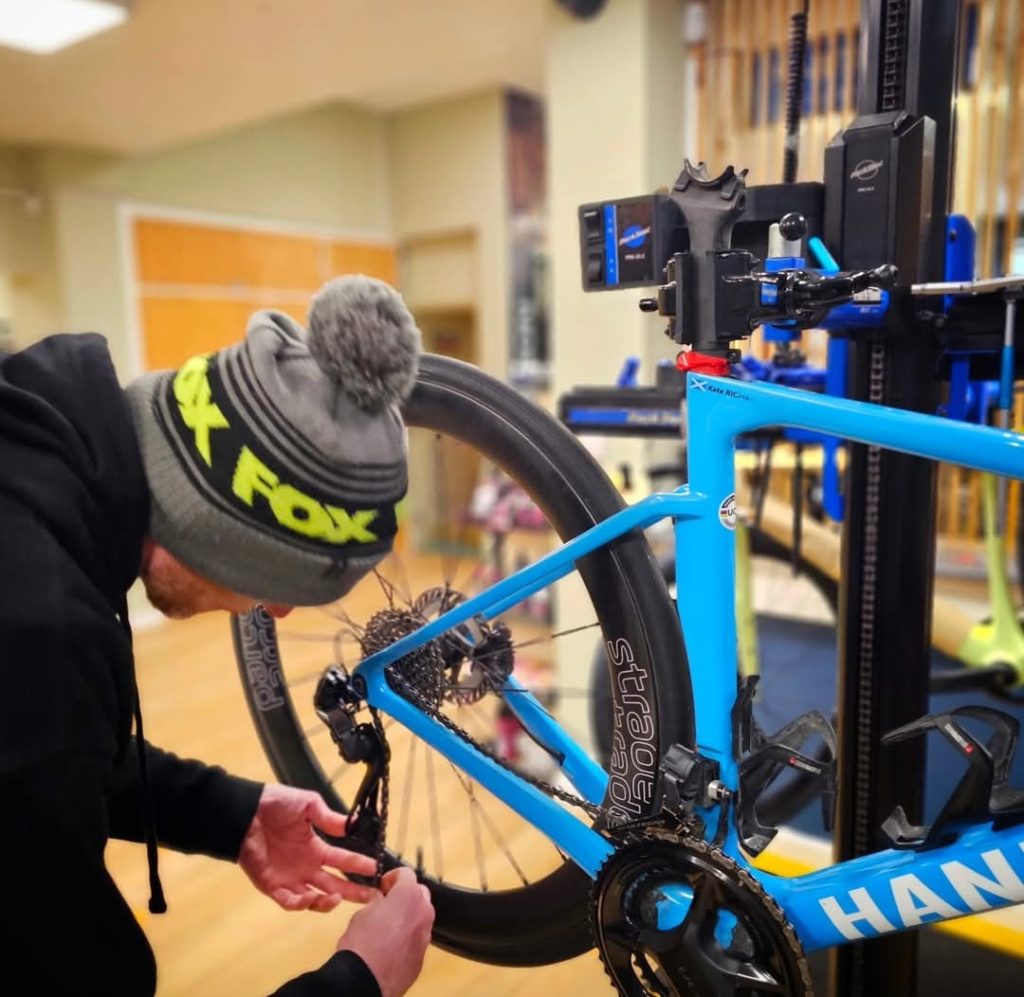
In the workshop, our mechanics are a huge part of the business too, building, servicing, and supporting bikes long after the sale. Each member of the team contributes in their own way to make us what we are today.
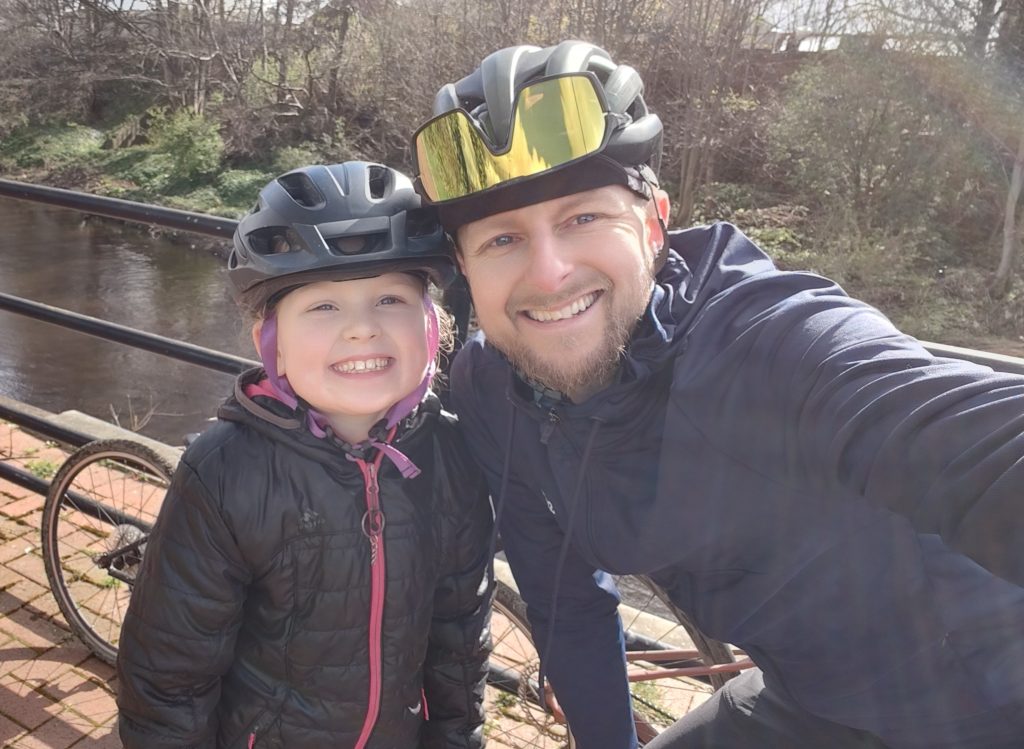
Andy Liversedge and his daughter
If someone walks into your shop for the first time, what is the one thing they’ll experience with you that they won’t find anywhere else?
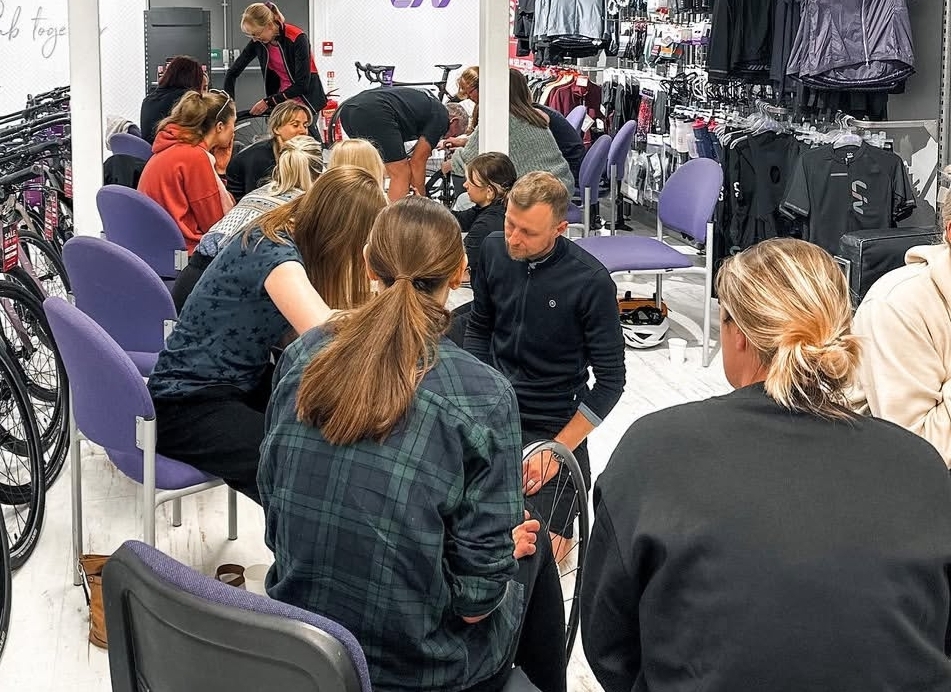
One thing we’ve really focused on is the handover experience when someone collects a new bike. We’ve created a dedicated “New Bike Day” area in the stores, where customers can properly go through the bike with a member of staff rather than being rushed out the door. We’ll thoroughly cover setup, sizing, key features, and basic maintenance so they leave feeling confident and excited to ride. It makes the whole experience feel more personal and memorable, and it is a great opportunity for the customer to feel relaxed and ask all the questions they need to and make the most of their purchase.
The cycling industry has seen its fair share of shifts in recent years. What are the biggest challenges you face right now, and how are you adapting to meet them?
Our focus has been on improving areas where independent bike shops can still really stand out. Customer experience, workshop support, and making the buying process easier to understand both online and in-store, that has been key.
There’s also more choice than ever now, especially with electric bikes, so helping customers make sense of all the options has become a big part of our role.
In your opinion, how can the wider industry best support bike shops? What role do shops like yours play in the cycling ecosystem?
Independent bike shops are often the front line of the cycling industry. We’re the people customers come to for advice, bike fits, servicing, warranty support, event recommendations and confidence-building, especially for newer riders. A good bike shop helps turn a one-time purchase into a long-term involvement in cycling.
Stronger industry support for retailers could come in several forms. Better supply chain consistency and communication would help shops plan stock and customer expectations more effectively. Healthier margins would allow retailers to invest in staff, workshops and customer experience rather than competing purely on price.
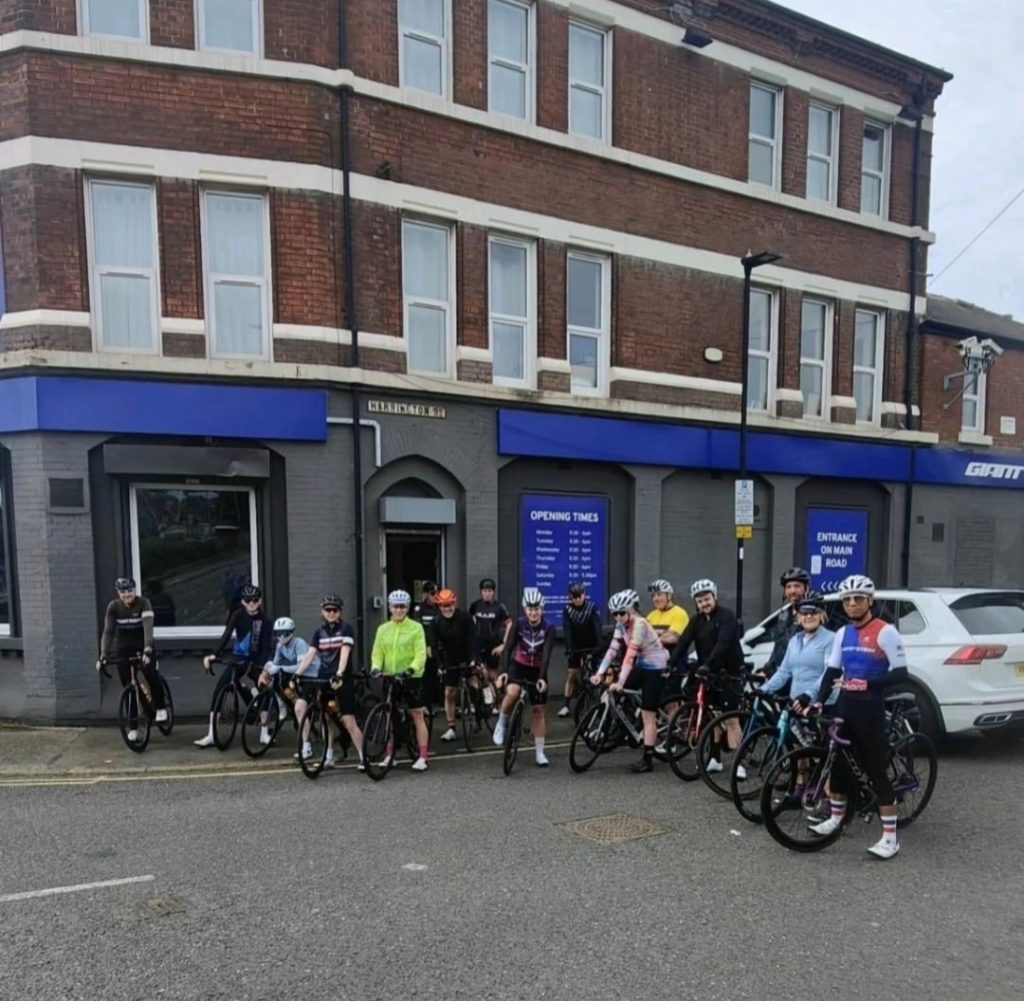
Greater collaboration between brands and retailers on marketing, demo events and product education would also help shops create stronger local cycling communities. There’s also a growing need for support around training and technical development. Modern bikes, particularly e-bikes, are becoming increasingly advanced, and independent retailers invest heavily in tooling, workshop facilities and staff training to support customers properly.
Continued manufacturer investment in retailer education and aftersales support is essential for maintaining customer confidence in the industry as a whole. Ultimately, healthy bike shops create healthy cyclists. Shops introduce people to the sport, keep bikes safe and running, support local riding communities and provide the human connection that online retail alone cannot replicate.
What are you most excited about for the future of your shop? Are there any new projects or trends you’re leaning into?
We’re focused on continuing to improve the customer experience both online and in-store. Electric bikes are a big area of growth and are bringing a wider range of people into cycling, which is exciting to see. Alongside that, we’re investing more into how we present the business, from store layout and handover experience through to digital content and online buying tools. The aim is to make cycling feel more accessible and enjoyable from the very first interaction.