
What’s in a name? A custom steel touring bike made by Mulle Cycles in Santander, Spain, provides the groundwork for a collaborative project between several Spanish artisans. Israel Cabañas Oria tells the tale of La Morra…
“What are you going to name it?”
Personifying objects is quite common in our society. Making something a little more like someone is common when there is a human-object relationship in an emotional environment, whether through suffering, love, adventure, or uncertainty, and we therefore need to place our trust in that object. Giving it a name means strengthening the relationship, a deeper consideration for an element that neither feels nor suffers, but makes us feel more deeply. I suppose we learn this from an early age when we bring dolls, stuffed animals, and other toys to life.
One might say, “The bike performed so well,” when the bike has only responded to physical and environmental demands, either because it was perfectly adjusted, because the rider knew how to avoid any threatening and potentially harmful elements, or both, and not because of any intentional behavior on the part of the object itself.
Many of us have been struck by love at first sight, that instant attraction through a shop window; a feeling of yearning that is resolved by handing over a wad of cash to the owner of a bike shop. A love for something impersonal, mass-produced, whose past we know nothing about. This is the beginning of what will be its own story.
This peculiar reflection came to me after meeting a bicycle mechanic who was in the process of opening his own workshop in Santander, northern Spain. Tomi is a mechanic with extensive experience and a craftsman who builds steel frames. I had the chance to see and touch his latest creations: “Tudanca” and “Nandi”: names that hold a lot of personal information, as if they were tailor-made suits. Tomi is a tailor who not only takes measurements but goes even further to personalize his work.
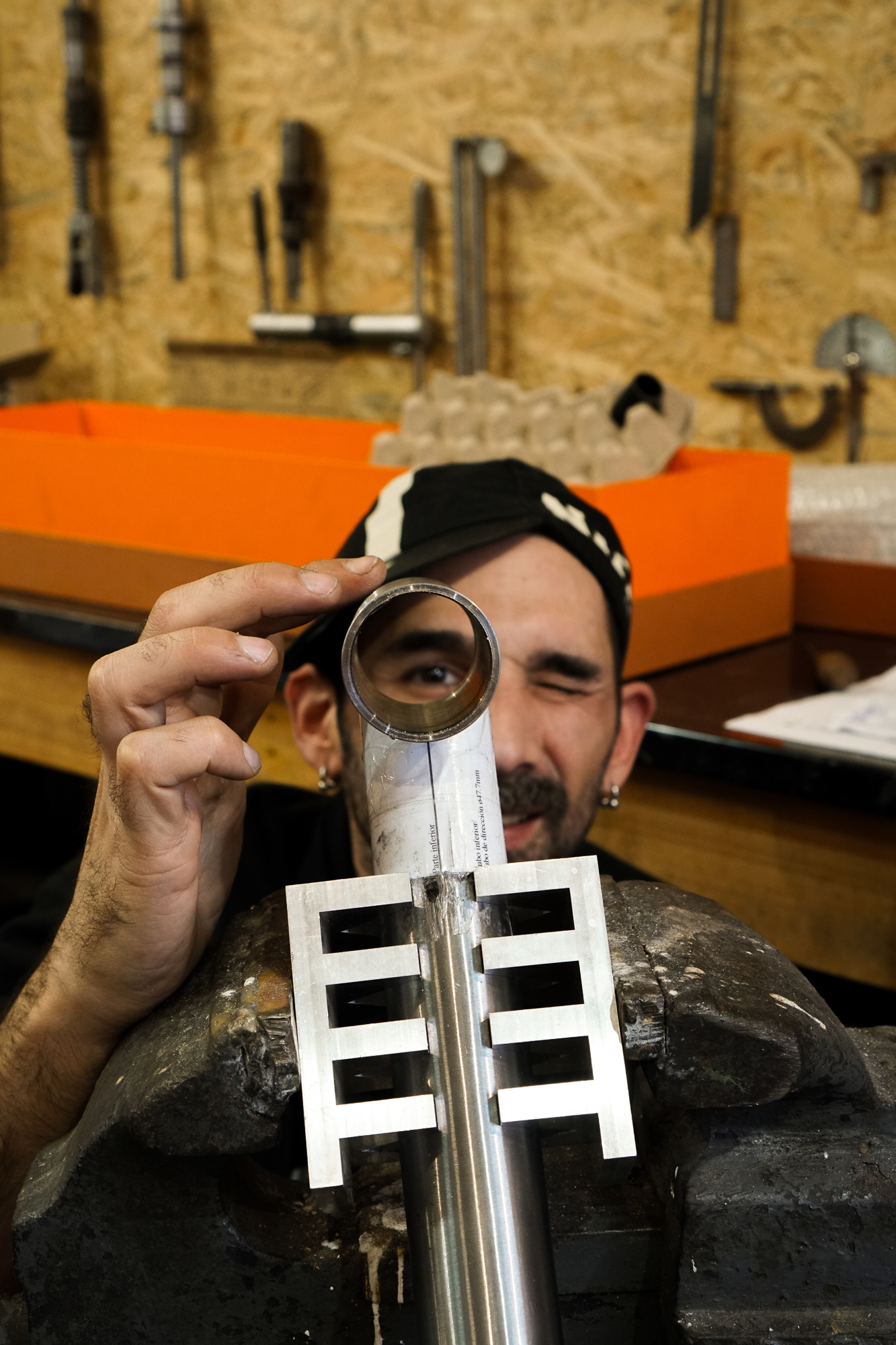
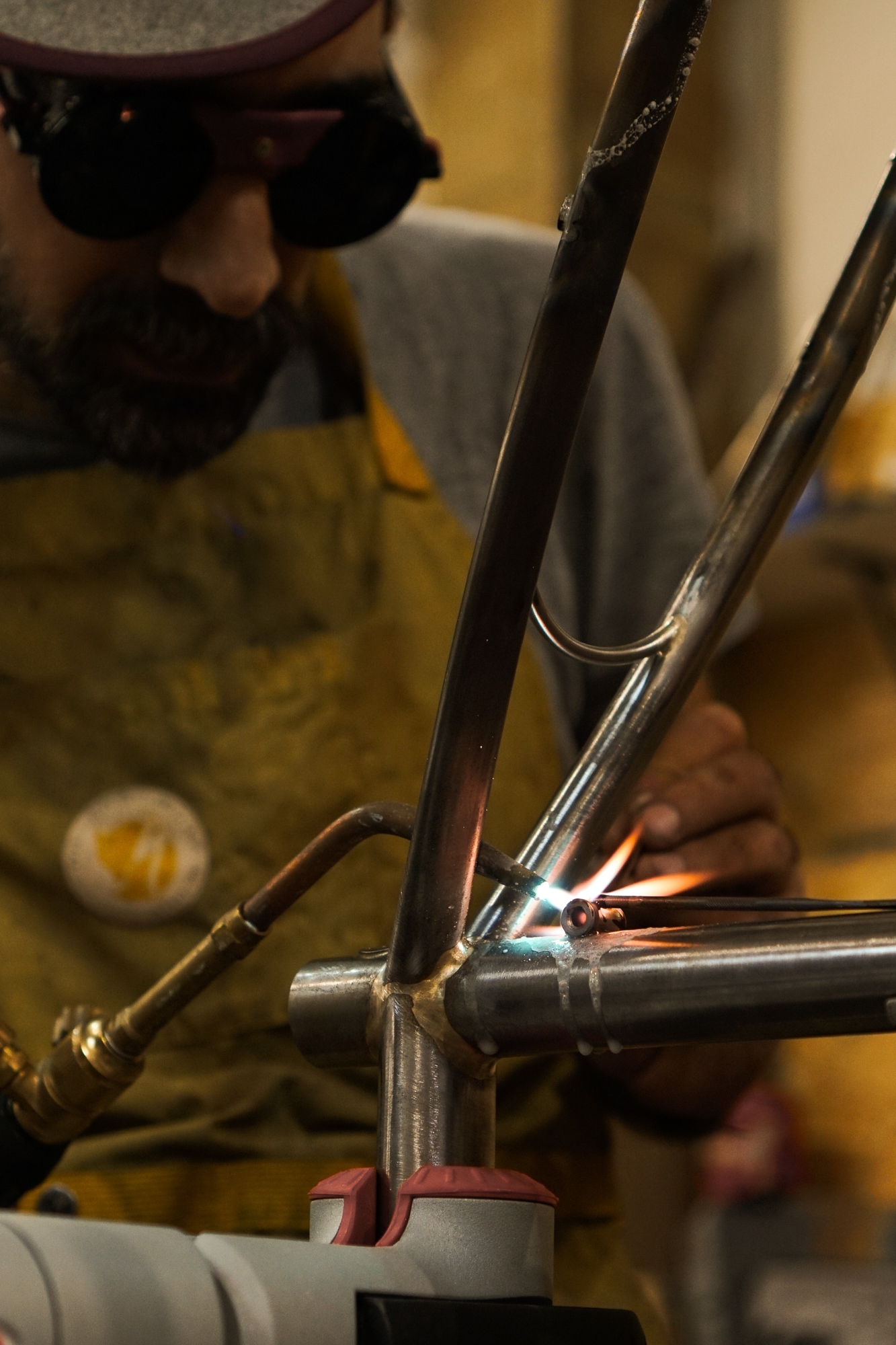
It didn’t take me long to ask Tomi if he had anything else on his plate besides everything involved in opening a workshop, nor did it take long to receive a response to my request to build a touring bike. It all started slowly, at a very leisurely pace that allowed each decision to be carefully considered. His first question, one that was difficult to answer in the moment: “What will its name be?”
La Morra de Lechugales (2,444 m) is the highest peak in the eastern massif of Picos de Europa; a high-altitude wart on a chaotic limestone mantle infested with passages, channels, chasms, and peaks that hold great stories of adventure, mountaineering, and exploitation and give character to what is possibly the most important national park on the Cantabrian Mountain Range.
“La Morra” – these few letters felt comfortable in the box where we had to write a name to head our project, Tomi´s requirement, but… Why La Morra?
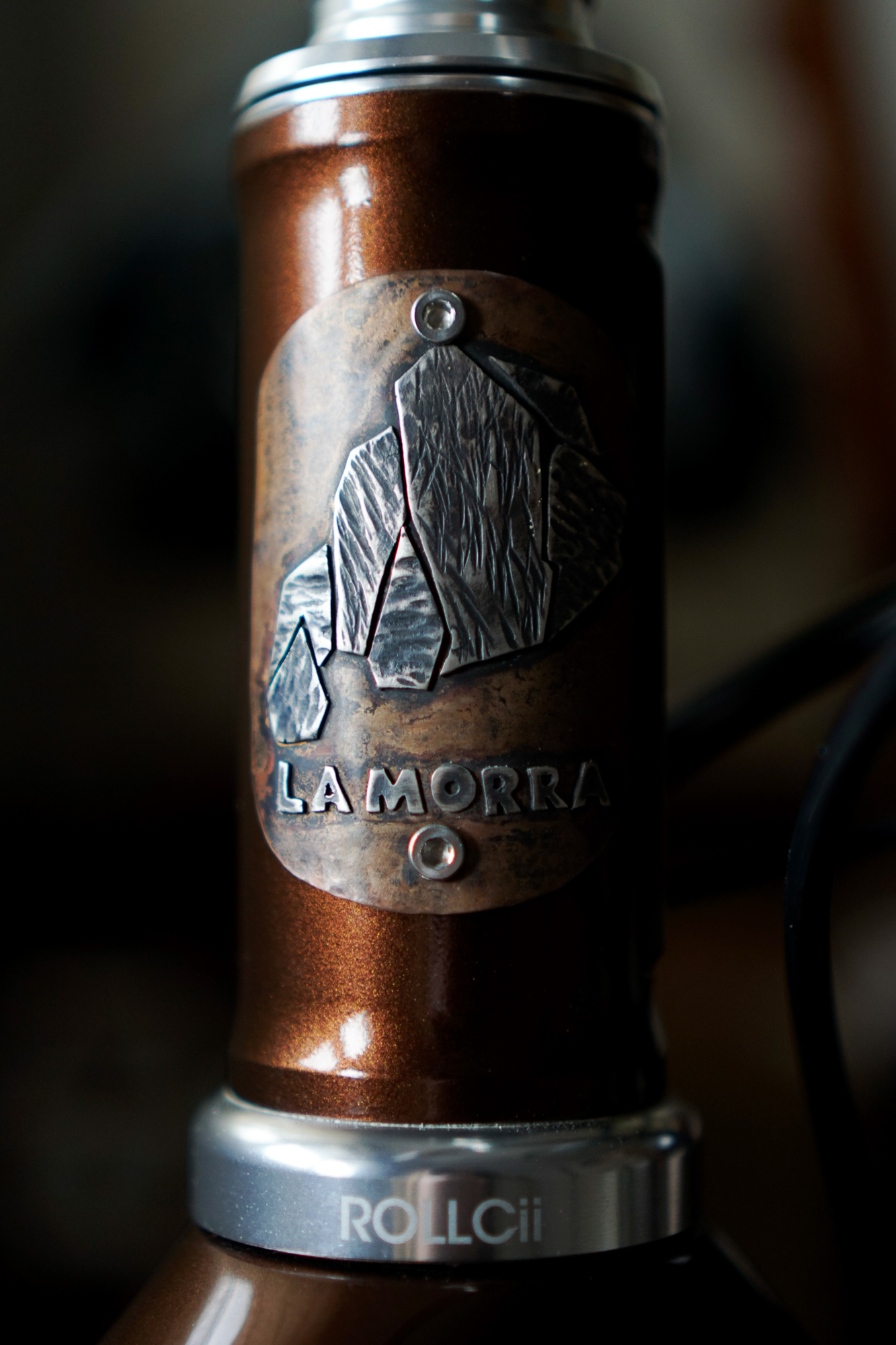
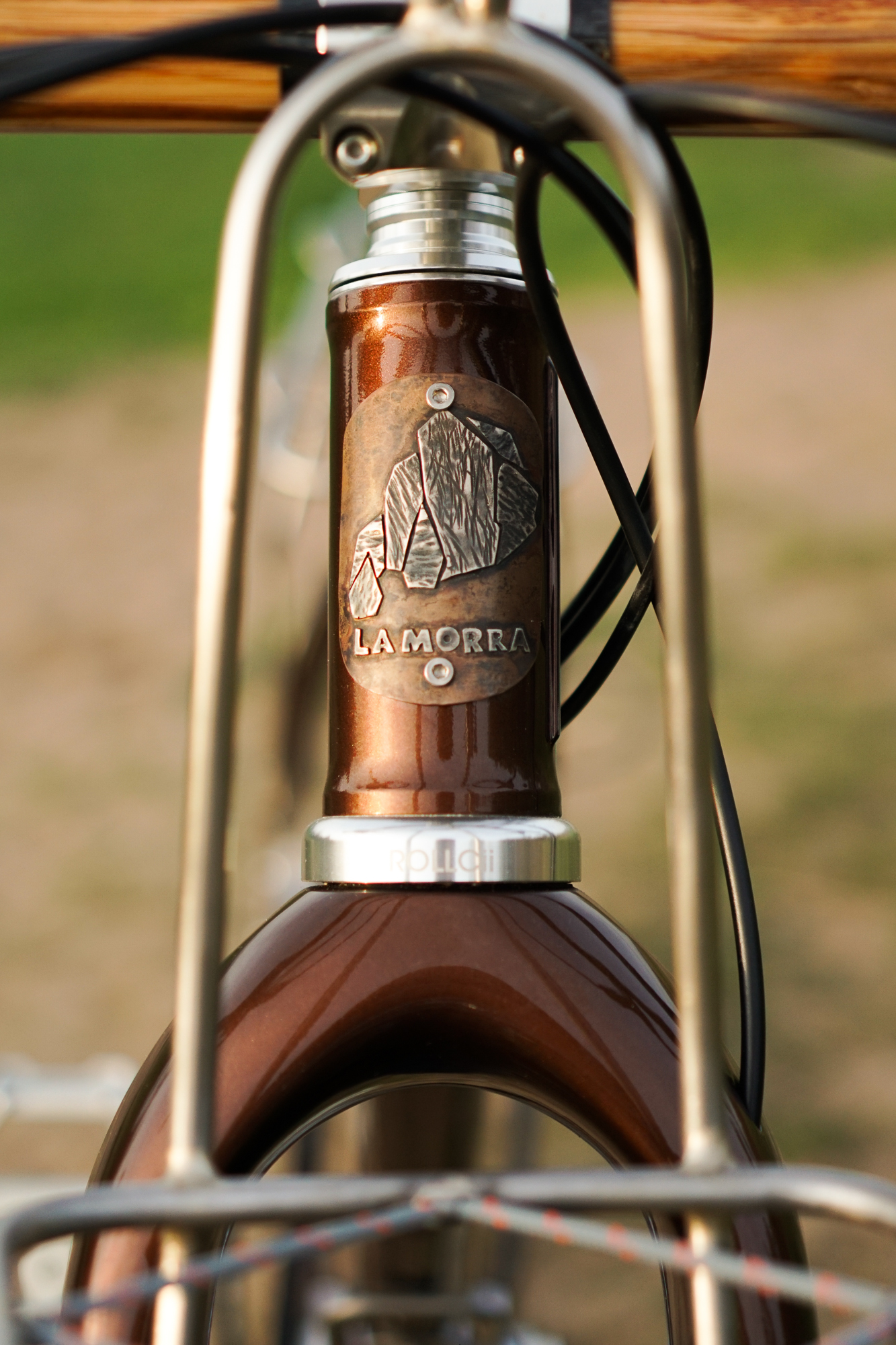
There were a number of premises when it came to building this bicycle, such as robustness, longevity, and local character, which fit perfectly with what this mountain in northern Spain represents. The design stage is the most ambiguous in terms of predicting times; it is the stage of thinking, comparing, and outlining concepts based on oneself. Ultimately, we are going to create something for someone, and it has to be adapted as much as possible to their characteristics. And yes, I am talking about time, even though in this case it has not been a determining factor. Giving yourself time to think, working without pressure… a pace that is not very friendly to the times we live in.
I can’t claim to have everything figured out. I have ideas, and sometimes I even know exactly what doesn’t work for my ideal bike, but what I do know is that in a process involving several people, their involvement is welcome. I envision a less authoritarian process, a participatory convergence of different points of view focused on the same goal. This means that the people involved are not simply executing “orders,” but rather taking an active role that will undoubtedly leave its mark on the very origins of the history of La Morra. Enriching, in my opinion.
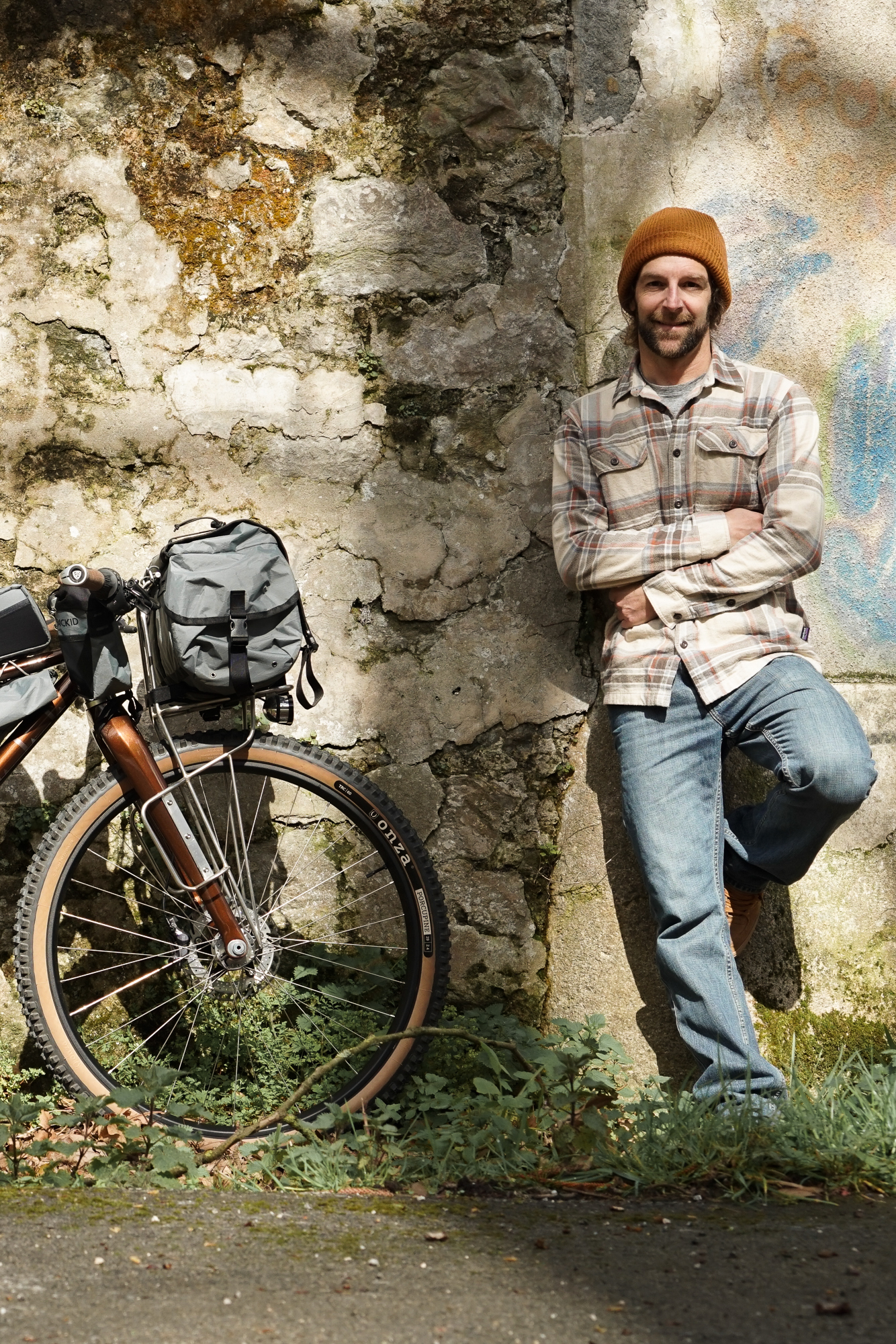
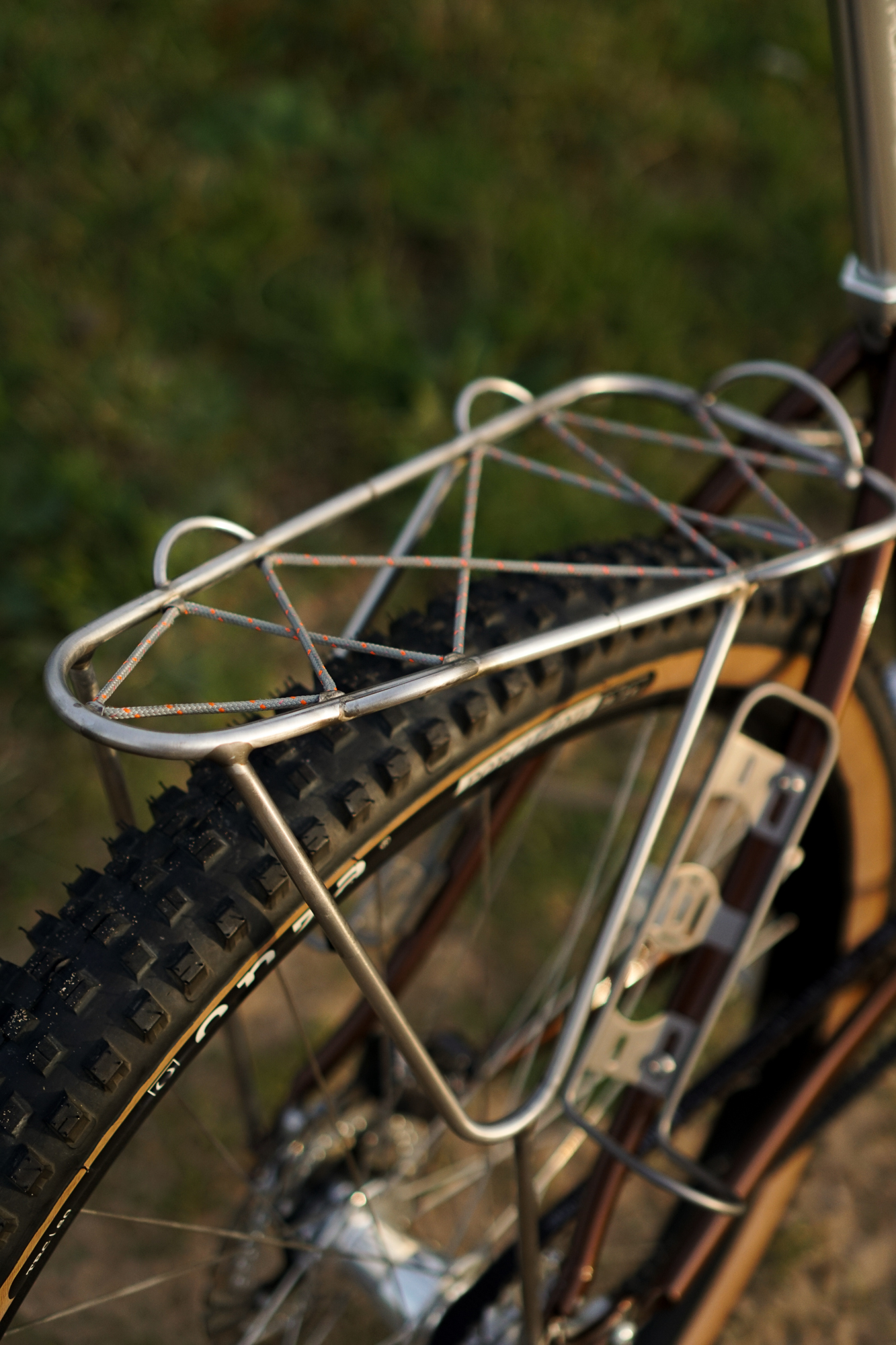
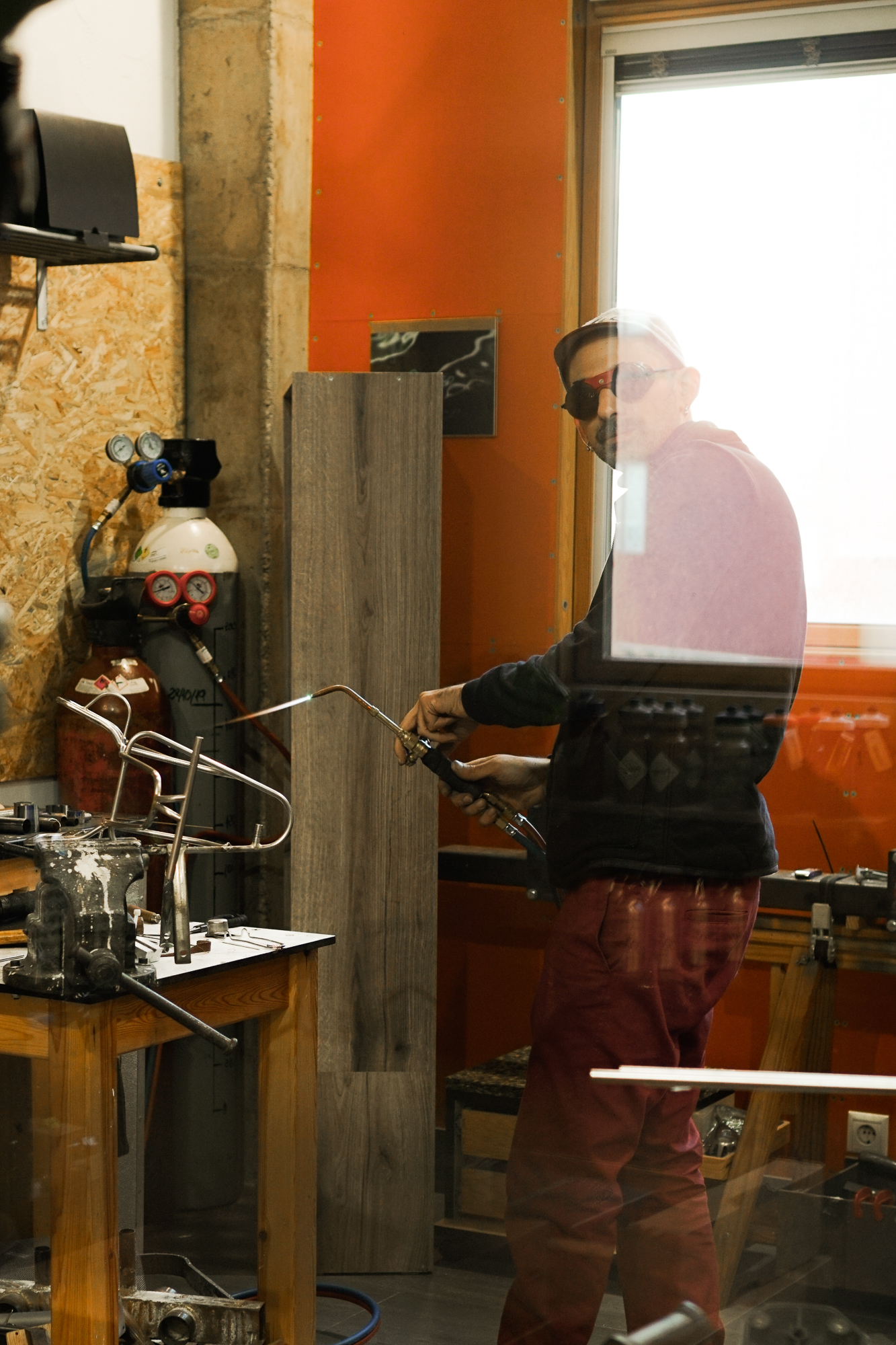
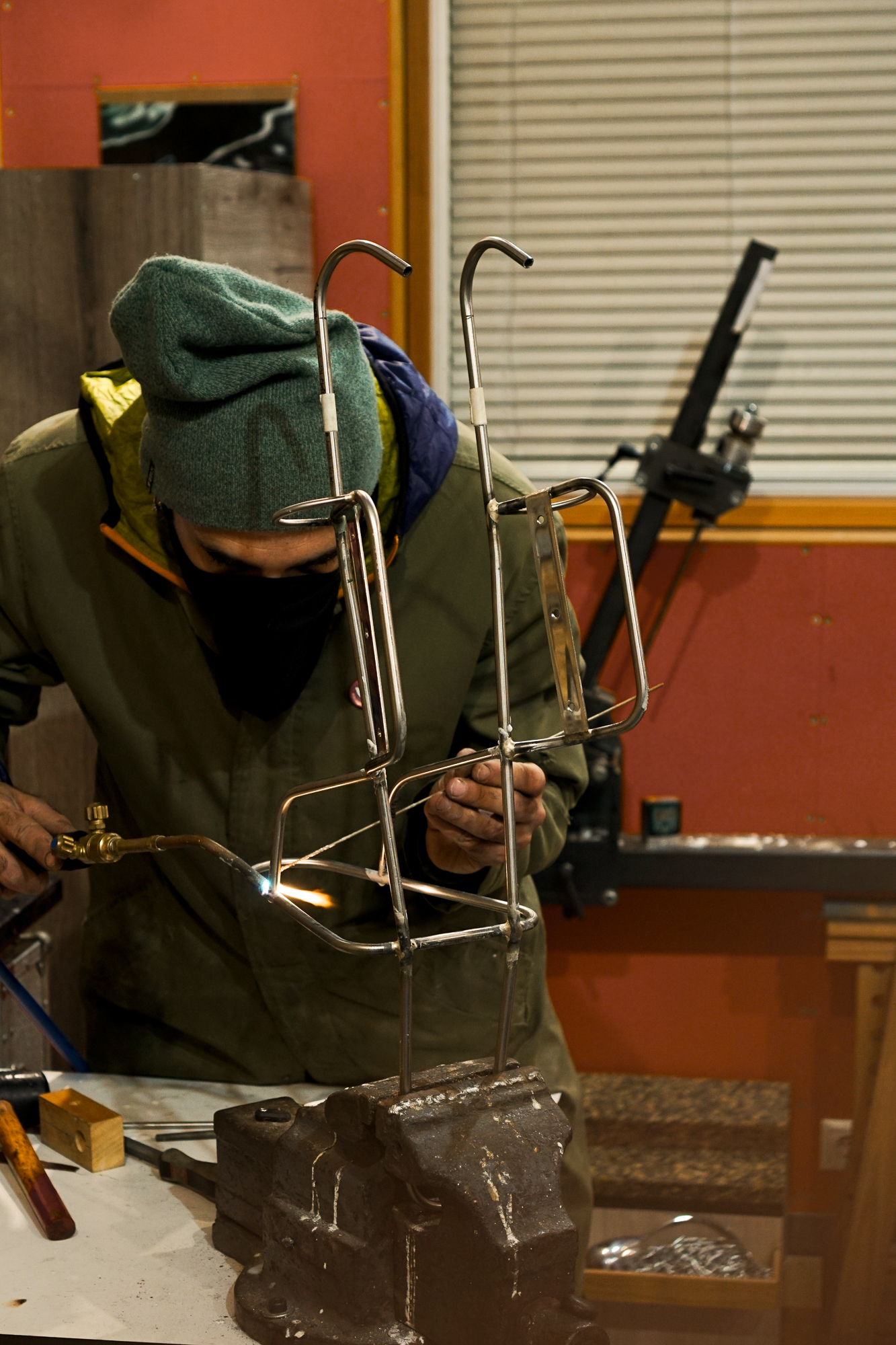
Hours spent assessing, reevaluating, cutting, planning, and welding in the back room of La Pindia tienda-taller, located in a neighborhood on the outskirts of downtown Santander. Day after day, Tomi, who runs the business, delves into the process and flexibly positions himself in the different phases… a continuous dance between stages or moments of no return and other moments when it is possible to go back without altering the dynamics of what came before; a versatile protocol in which logic and experience are more valuable than numbers.
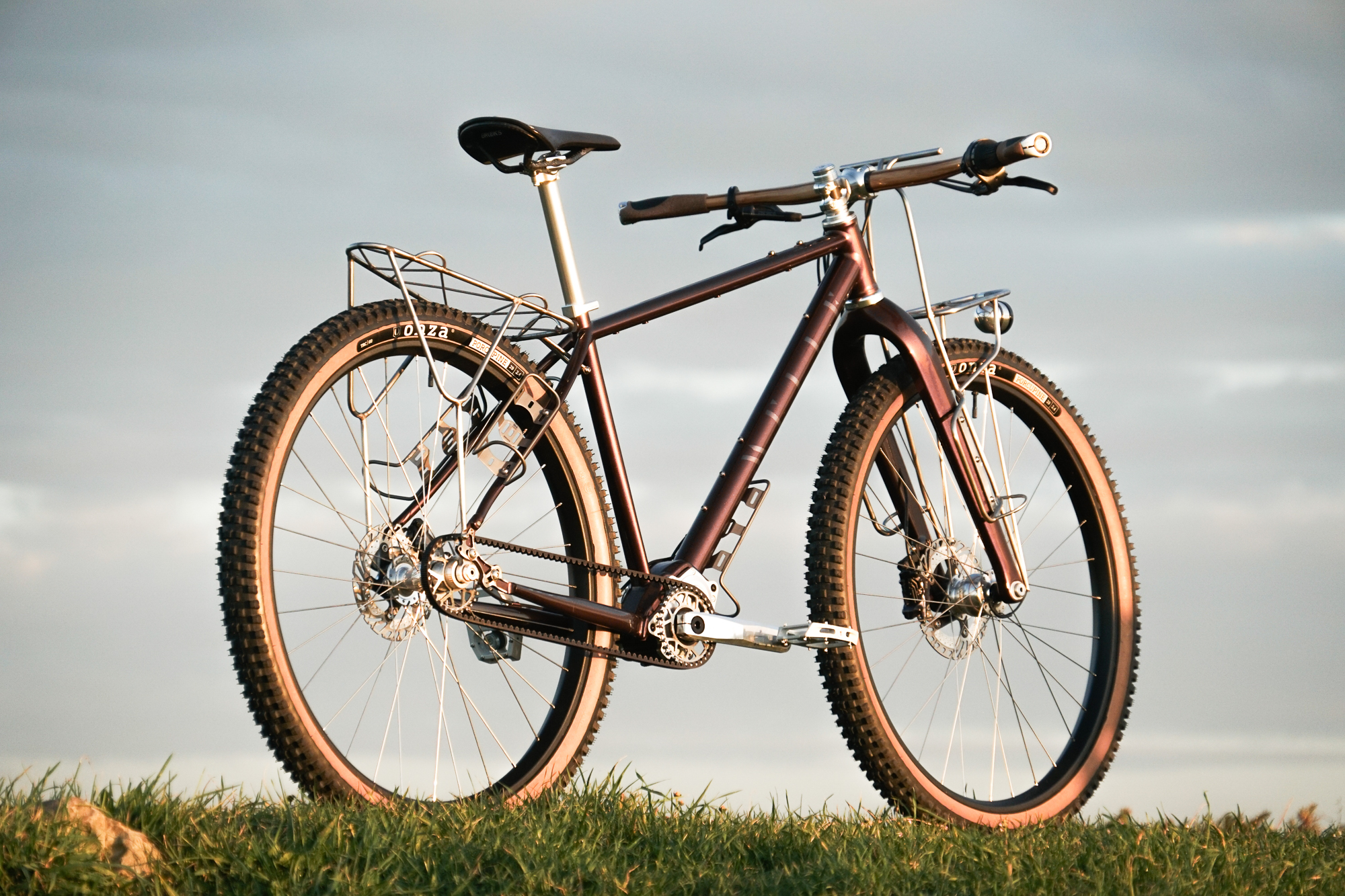
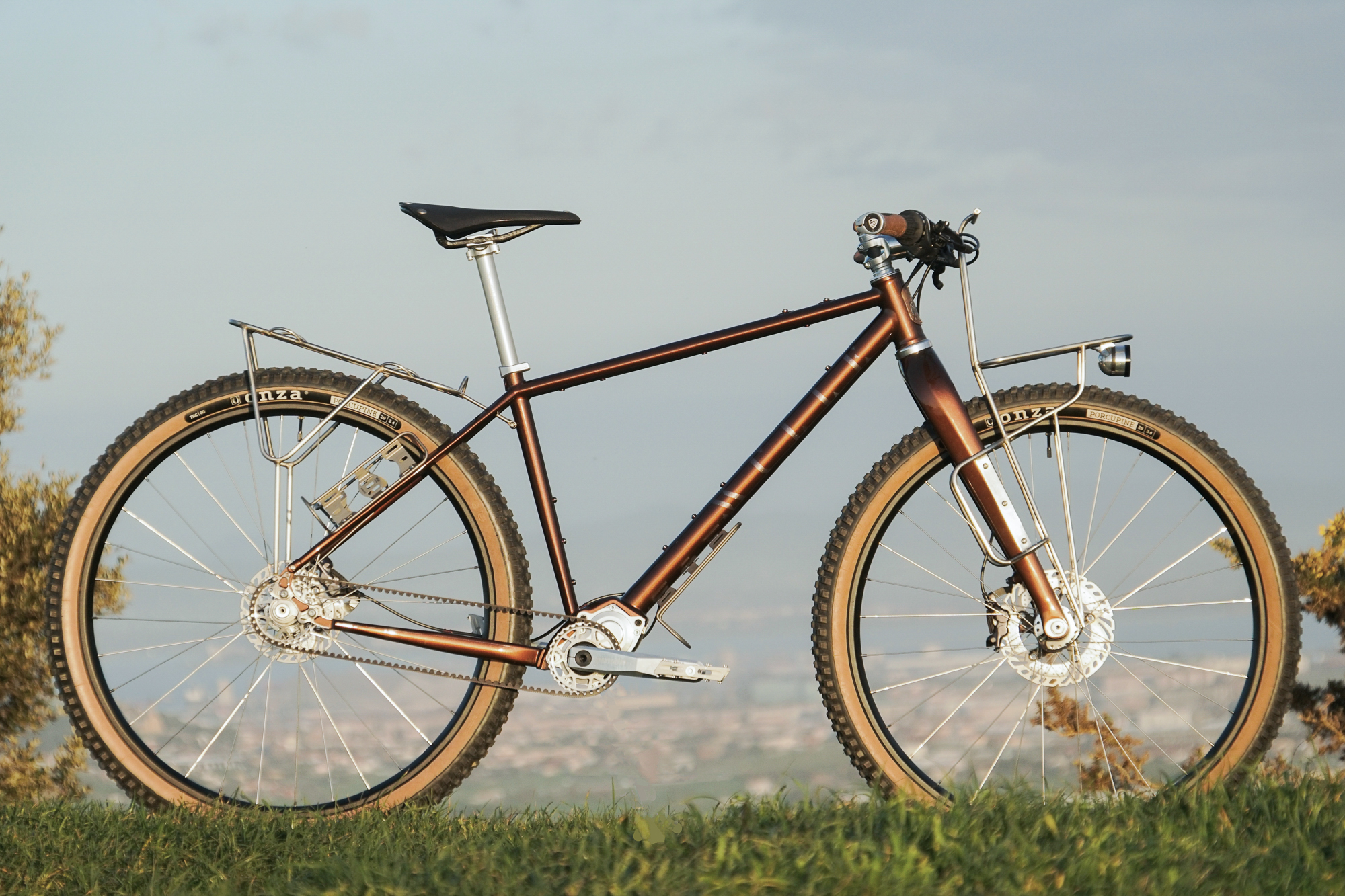
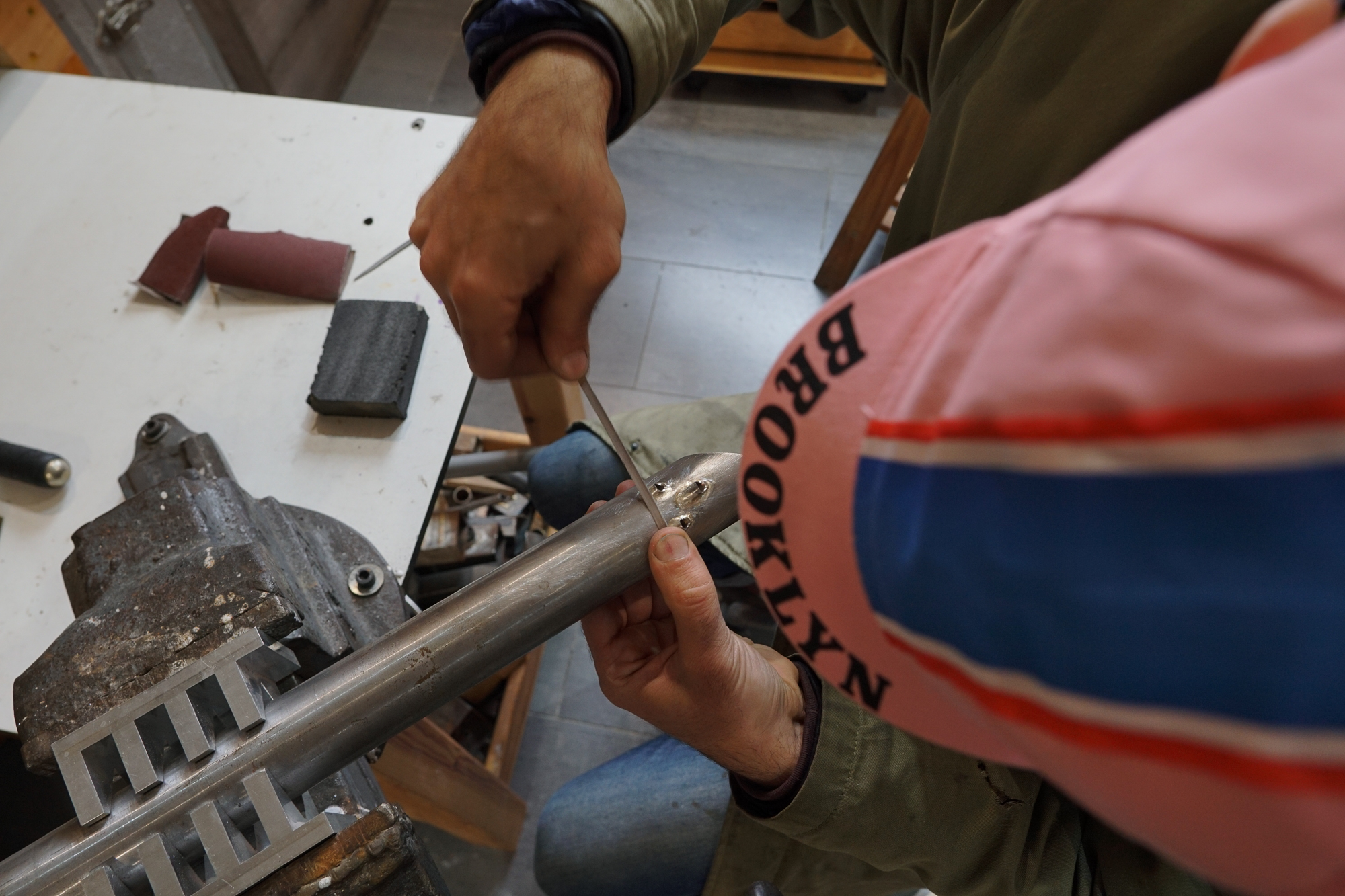
Each cut in the tubes is mind-blowing, each bite of the file brings the steel pieces closer to perfection, welding points to join them forever and form a meaningful piece, a marriage without ritual… just technique. It is fascinating to see how each link makes two pieces form one, and later, a third and fourth join that unit with no possibility of divorce. Pure craftsmanship; no molds or pre-set patterns.
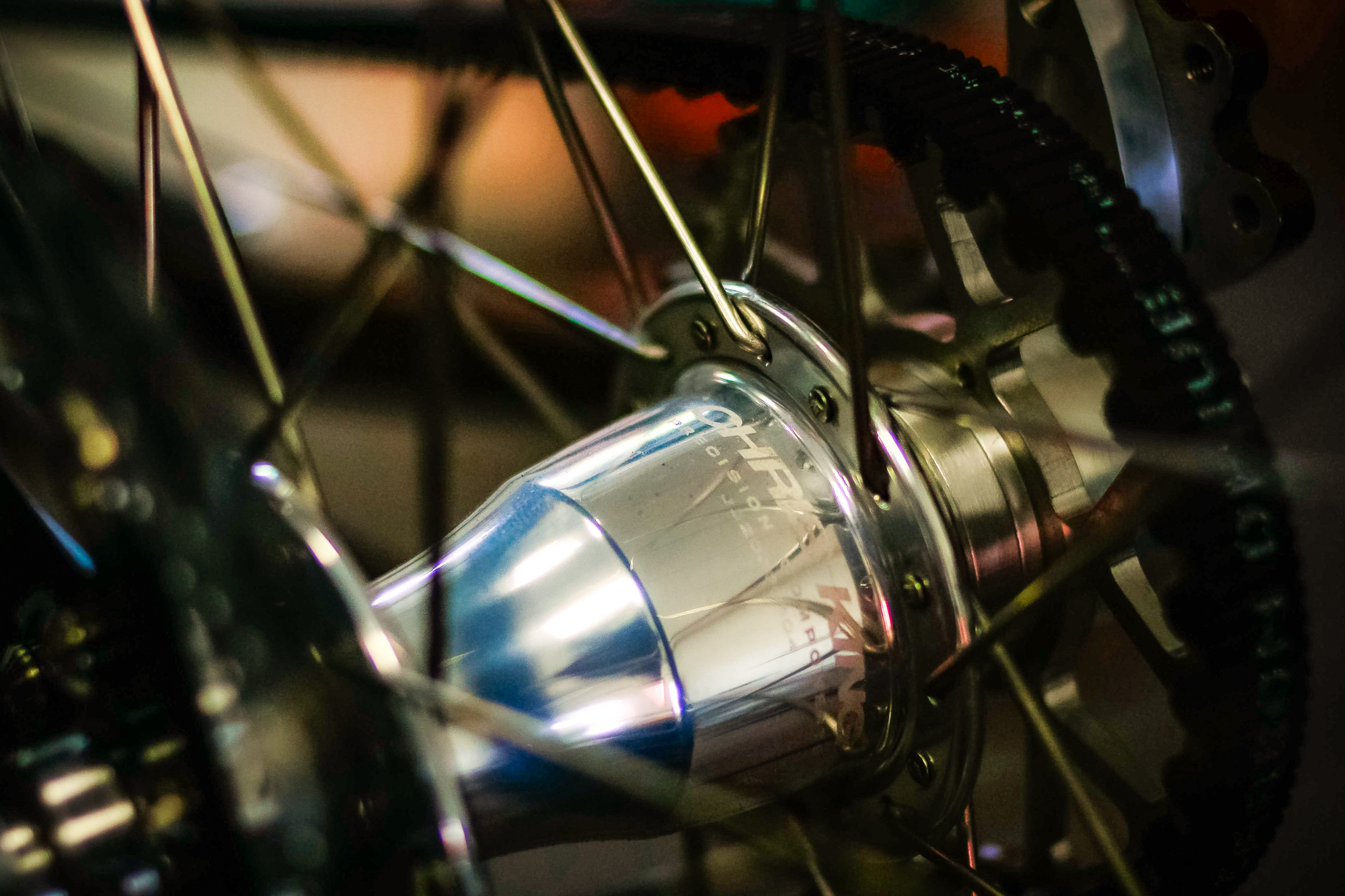
La Morra takes Tomi out of his comfort zone in terms of what a standard bicycle pattern is. A different geometry required by an unconventional transmission system. A new challenge that drives him to dive into the project with gusto, motivating him to do something that is not his sole occupation, that does not sustain his livelihood, but rather a personal project, a growth and learning experience injected into a modest firm such as Mulle Cycles.
When we spoke to Manu from Ciclos Helike, it was no coincidence. A steel framebuilder and professional mechanic in Elche, Manu was most helpful due to his experience of having built something similar. He became the target of certain questions and doubts. He was also tasked with assembling some good wheels for the project, a task that could hardly be questioned.
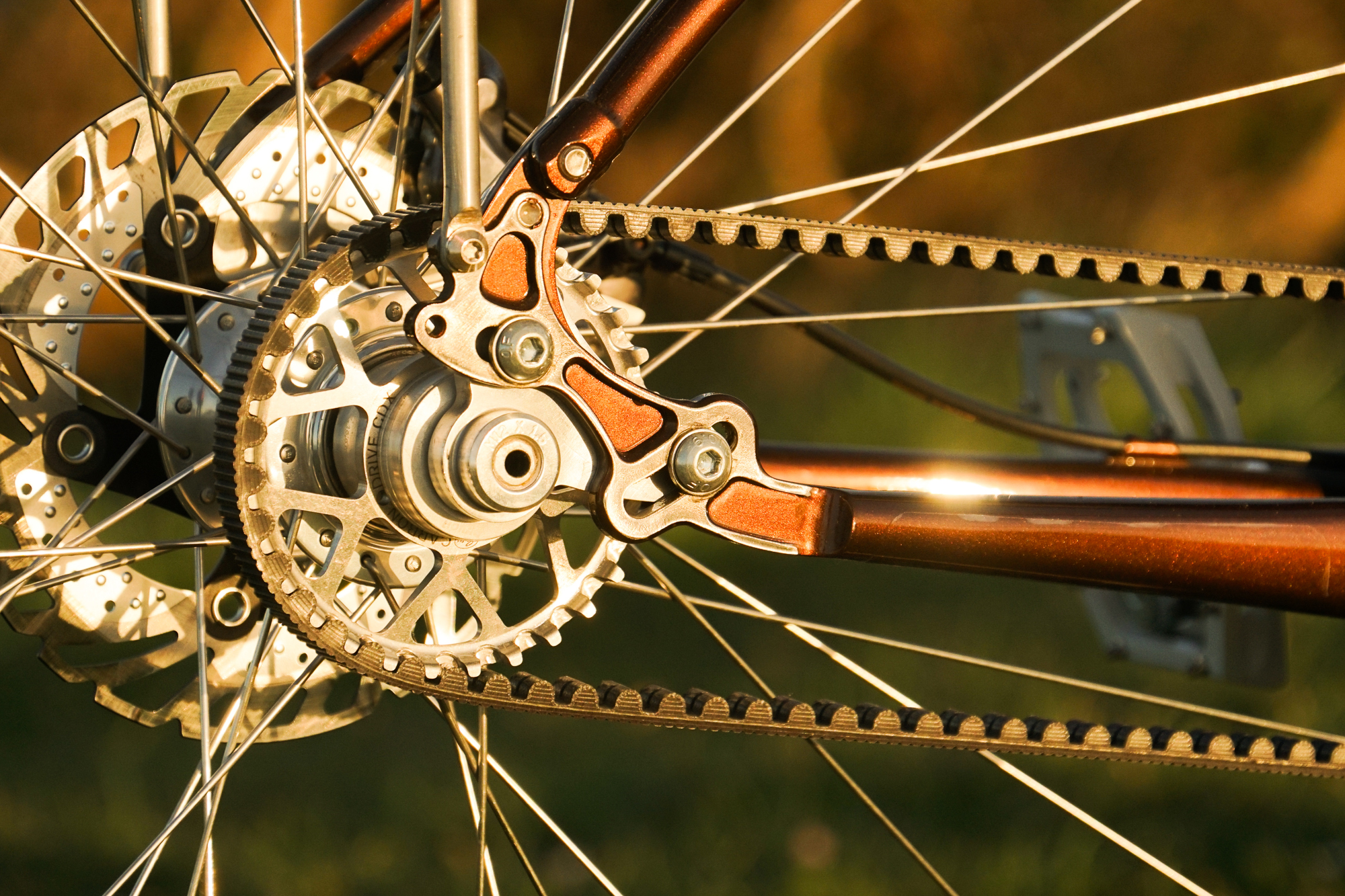
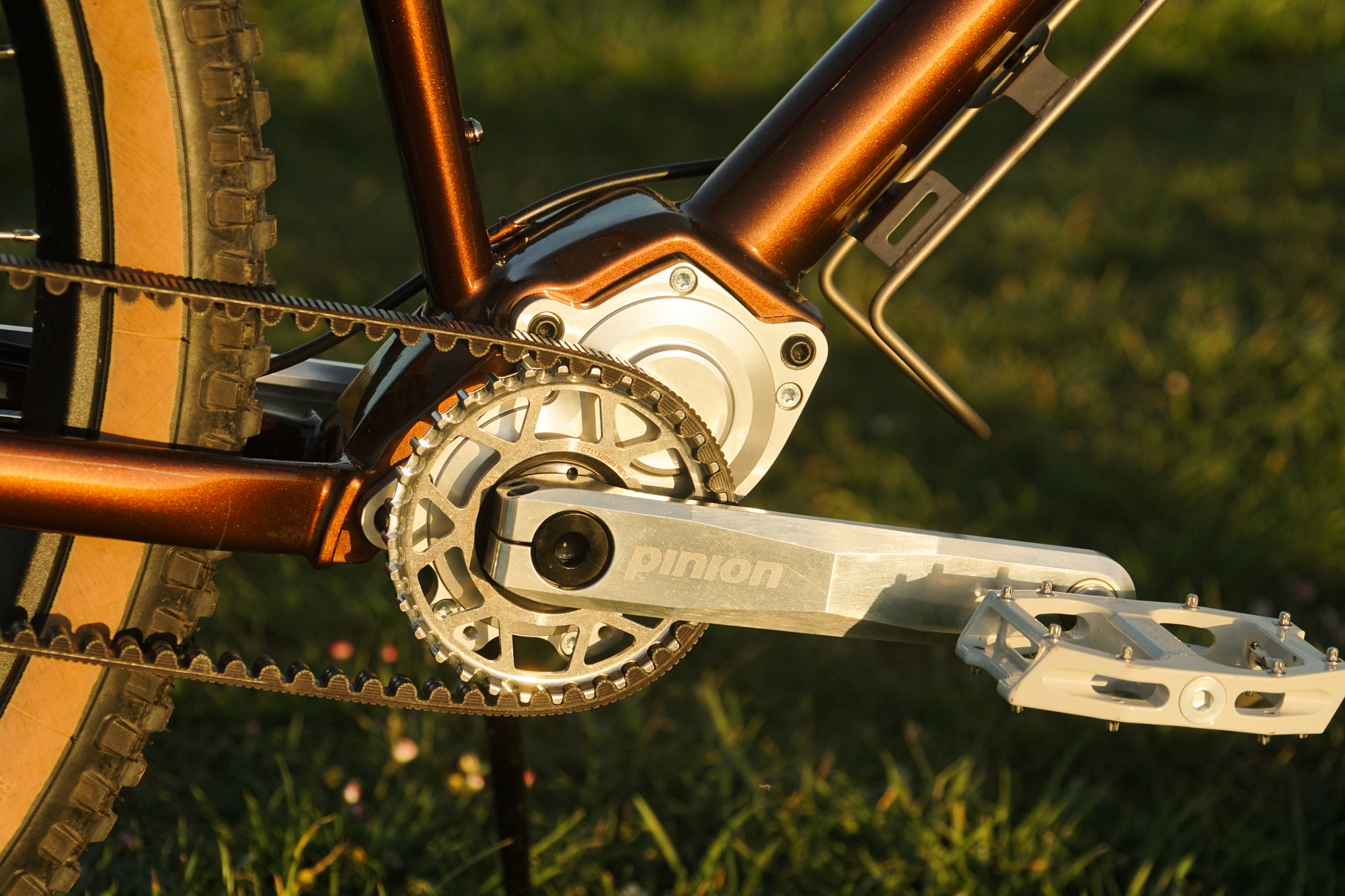
Meanwhile, we had the pleasure of having Sara, Tomi’s friend and artisan jeweler, dedicate some time from her busy schedule to craft a unique piece that would identify the bike on the head tube, a task she carried out with exquisite taste and which would be enough to write an entire article about.
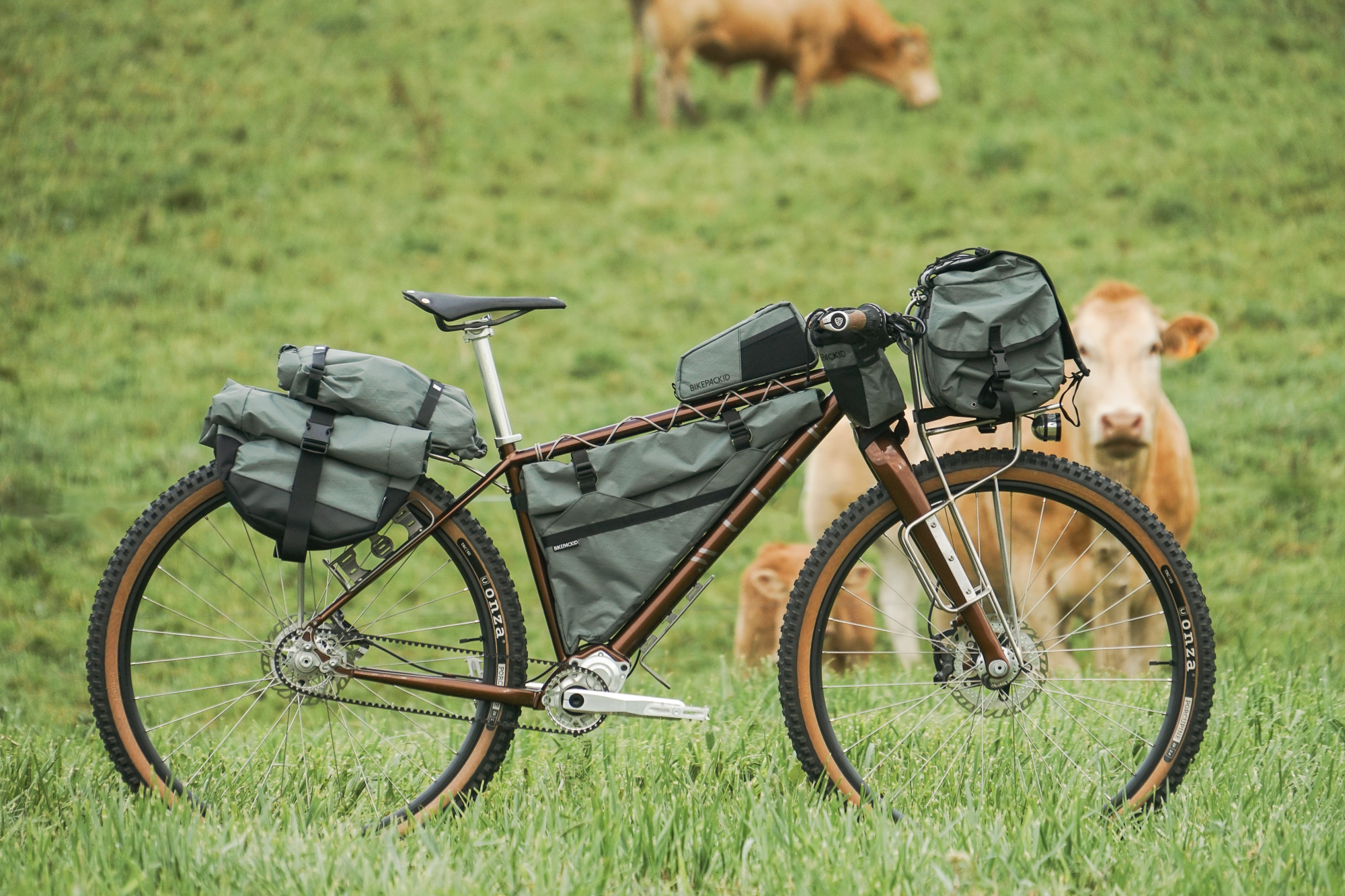
Once the bike frame was finished, we contacted Adri to give him the exact measurements and put his wisdom and experience as an independent tailor to work. Dressing up a bike and filling every corner with functional storage spaces is something he is more than familiar with, although on this occasion it was necessary to adapt and modify some of the patterns for these high-quality Bikepackid bags.
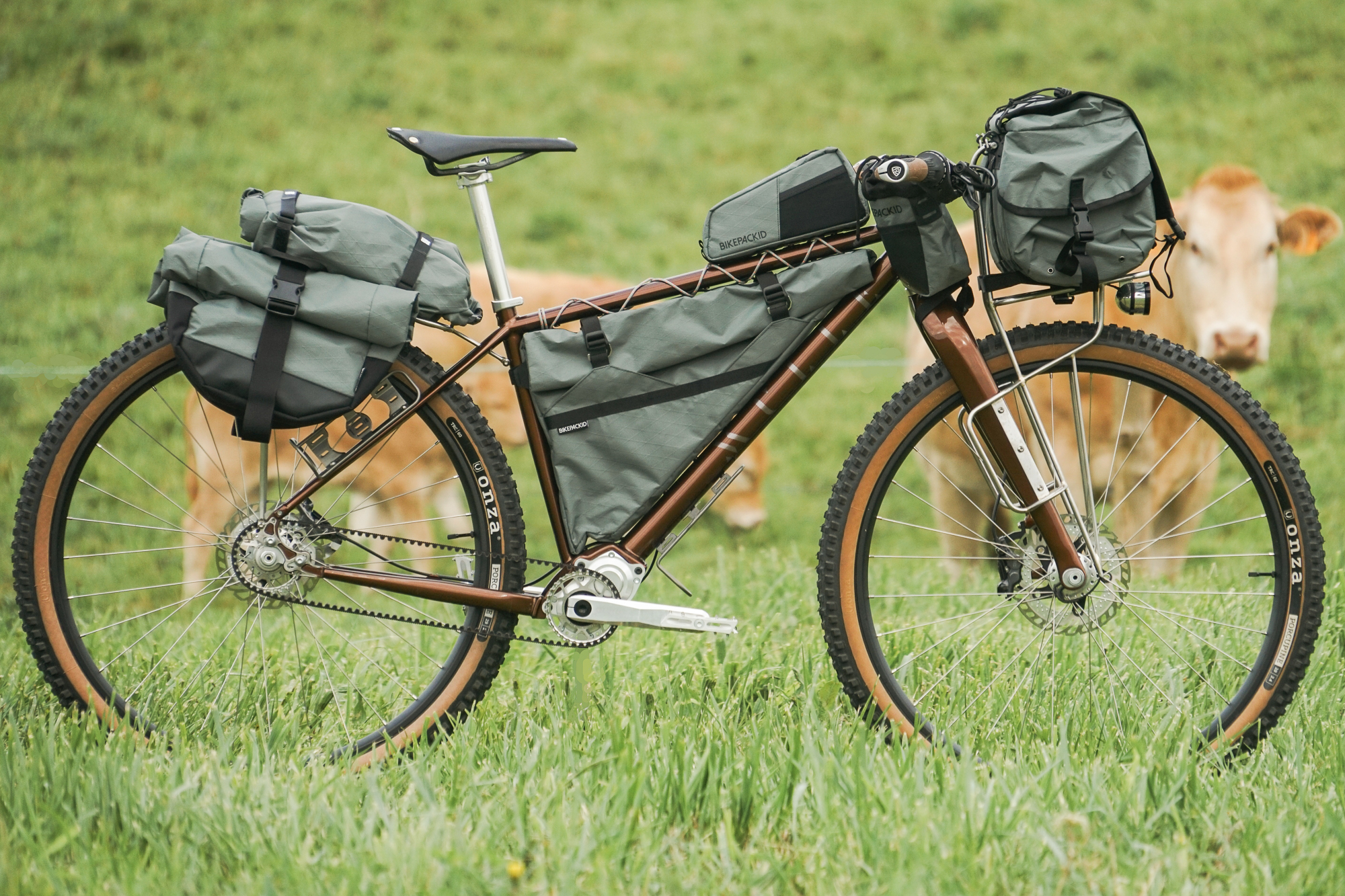
Nothing like choosing the paint color pushed us to the limit, so after so many back-and-forths between simple and extravagant ideas, we had to opt for elegance as we understood it at the time. Manu, a professional painter from the south of the peninsula, strongly supported the design strategy and positioned one of the most visible features of a bike where our satisfaction lies.
A year and a half has passed since I answered that question, and a couple of weeks since La Morra project ended. Time has given way to other projects where, if I have any doubts, I will ask my bike. Maybe La Morra knows.