
There has been a long-standing resentment toward Nintendo in the Super Smash Bros. esports community. Nintendo has not only refused to fund an esports circuit but has also actively shut down streams and tournaments for various strict reasons.
The Smash community, especially Melee, hates Nintendo. But is it Nintendo’s absence from the Smash scene that has actually kept it thriving for decades?
- As the esports industry crumbles, the FGC has become a refreshingly real escape to what esports used to be
- NAVI victorious, Donk dominates, Poland on the map: the Cologne Major won’t be boring after all
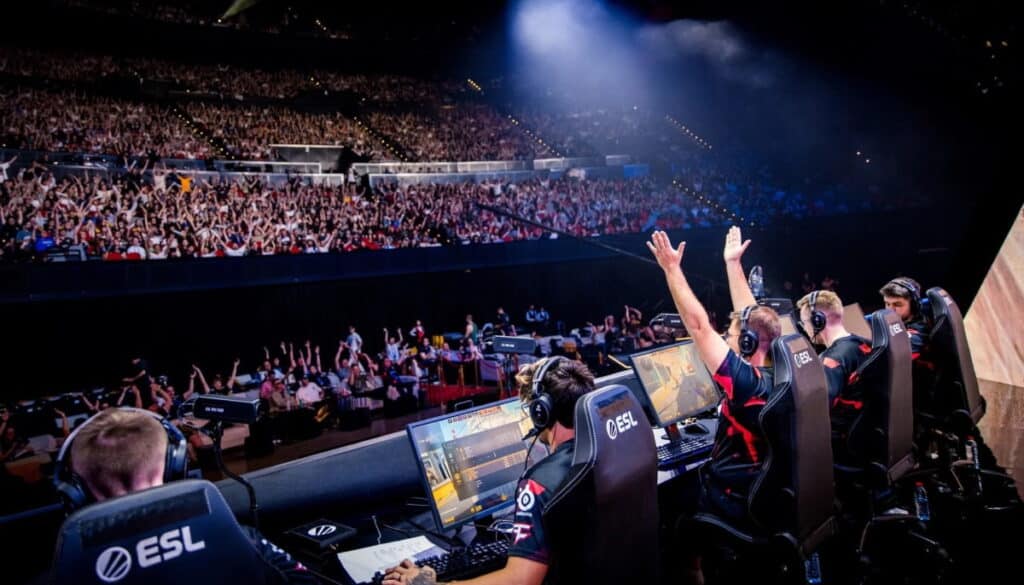
In a recent interview with Thunderpick, Counter-Strike Co-Creator, Minh “Gooseman” Le, commended Valve for the decades-old shooter maintaining its popularity all this time.
“If Counter-Strike was run by an AAA company like EA or Activision, there’s no way it would have lasted this long,” he noted.
Gooseman explained that Valve has never been in it for the money. Well, not entirely. It never tried to extract the most money possible in the least amount of time, he said. Instead, the continued development of Counter-Strike has been steady. The fact that the game has barely changed over the past 25 years is now the reason why Gooseman believes its remained a successful esport title.
This does make sense. Think of other shooters and how their esports scenes are losing hype and growing stale. A big one to note is Call of Duty. Activision releases a new Call of Duty title every year, causing the esports scene to rapidly scramble to learn new weapons, gameplay, and more. This yearly cycle has been destroying competitive integrity and cohesiveness, with Activision focused more on making money off a new title than on the game’s longevity.
“You’ve mastered those skills over your lifetime, and you’ve mastered the skills of using the controller and everything else, but not really the rules of the game, because the rules of the game are changing every year or even each season for that matter,” former Call of Duty Multiplayer Creative Director Greg Reisdorf said.
It Won’t Be the AAA Titles That Survive
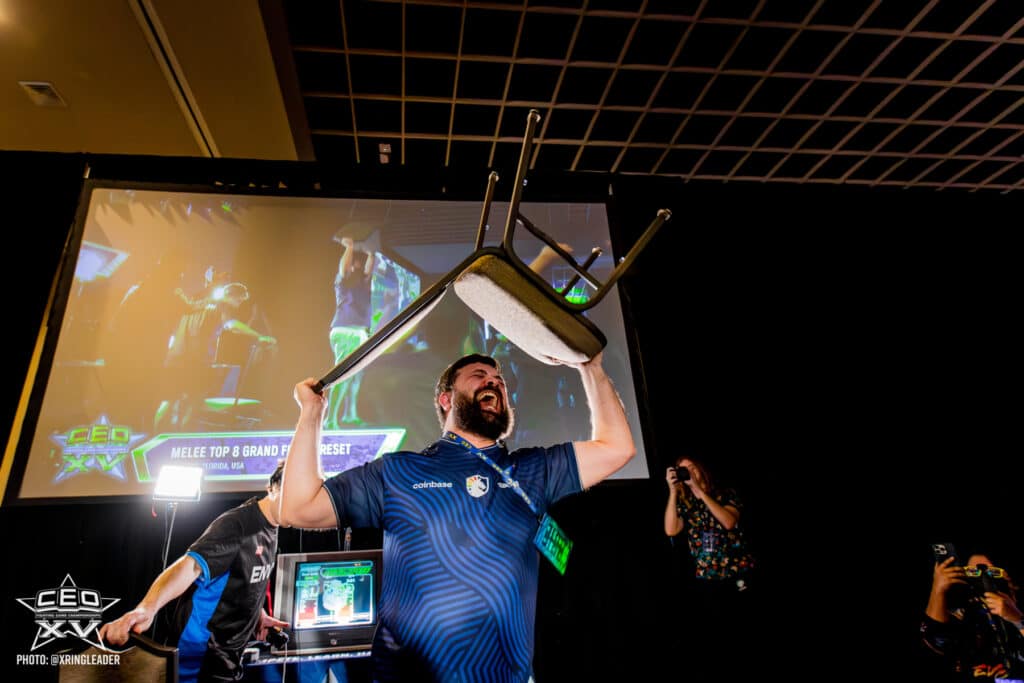
Think of all the games that succeed in esports: League of Legends, Dota 2, Counter-Strike, Super Smash Bros… What keeps these scenes alive for years? Consistency. These are games that barely change, if at all. League of Legends gets new champions, but the map and gameplay never change. Super Smash Bros. Melee hasn’t been updated since 2002.
With these games remaining so similar for so many years, pros are forced to really master the ins and outs to be above the rest of the competition. The techniques, the strategies… In Counter-Strike, top players are discovering new movement exploits to outmaneuver opponents. They’re finding new spots to throw Molotovs. In Super Smash Bros, players are discovering new tech and frame-perfect mechanics.
This is what separates the pros from the casuals. This is what makes it exciting to watch. With Call of Duty essentially wiping out progress every year, the rivalries, storylines, techniques, skills… It’s always out the window. The tension and passion is often lost.
Some AAA companies, like Riot, have better luck keeping titles alive than Activision. You know, League of Legends and all. But even Riot has missed the mark plenty of times. 2XKO has no staying power, especially compared to a grassroots scene like Super Smash Bros. Riot tried too hard to hype it up, to make it feel mainstream rather than a niche fighting game title. It doesn’t have that edge to it anymore.
The more gritty, real, and passionate a scene seems, the better luck it has surviving in esports. We’re sick of the over-the-top sponsorship material, the content creator showcases, the dramatic broadcasts… Games that build up completely unnatural hype don’t have the staying power of games like Counter-Strike and Smash. You can probably think of plenty of Counter-Strike stand-outs, rivalries, and storylines. Can you name even one Call of Duty pro?
I wouldn’t say AAA companies are completely to blame for esports’ downfall. But it’s that desperation to make money, to be bigger than they are, that will eventually cause esports to collapse.
The titles that remain will be the ones that never needed the glitz, glamor, and dramatics to begin with.
The post Are AAA companies to blame for esports’ continued demise? appeared first on Esports Insider.