
Updated May 24, 2026 02:16AM
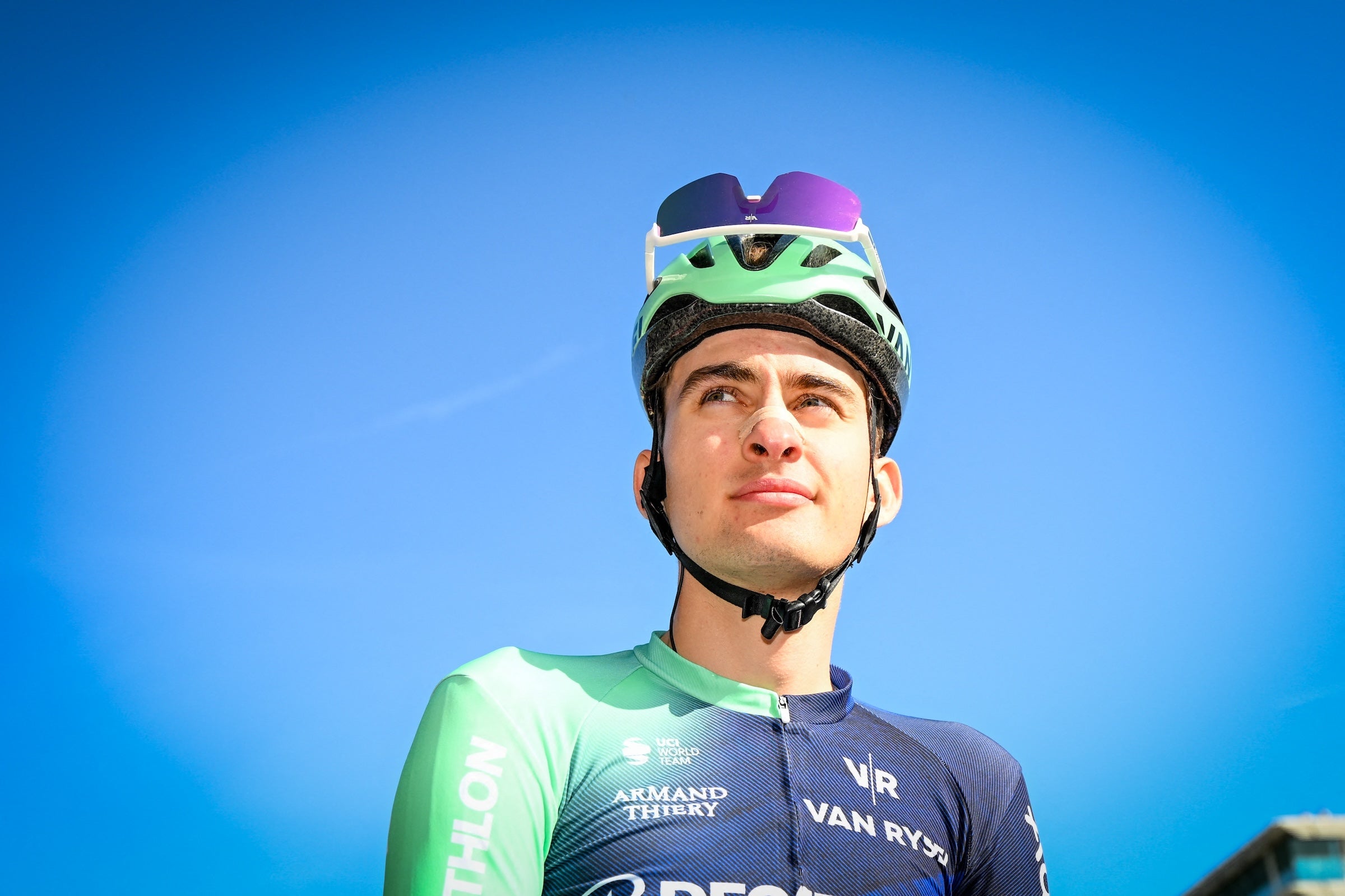
Paul Seixas may be just 19 years of age but he’s already underlined his formidable talent.
He was the only rider able to stay with Tadej Pogačar when the world champion lit up La Redoute in Liège-Bastogne-Liège. Pogačar dropped his usual atomic attack but this time he didn’t blow everyone off his wheel; rather, a prodigious French teenager was able to stay with him and, once over the summit, even trade pulls with him.
It was an oh la la moment, but also confirmation of what most already knew: this kid is the real thing.
So real, in fact, that his Decathlon CMA CGA team has taken the huge and risky move of selecting him for this year’s Tour de France.
Never mind that five-time French Tour legend Bernard Hinault advised caution about riding such a big race so soon. Never mind the danger of burnout.
The team weighted everything up, considering risk versus reward and came to one conclusion: he is ready.
So what are the reasons behind that and, crucially, just why is such a young rider so good?
Velo talked to Decathlon’s Head of High Performance Stephen Barrett to get the lowdown on their high hope.
So, who is Paul Seixas?
‘He still has a big margin for improvement’
“We’ve known about him in the team now for the last few years,” said Barrett, an Irishman who has coached the team’s riders for many years.
“He was with our U19 team, he was with our Conti team, and he moved up the WorldTour last year. He’s an exceptional talent, but he’s also an exceptional bike rider, and also a really just good guy who wants to learn, who wants to progress, who asks questions. He is eager to just absorb as much as he can.
“We knew last year he took big steps every month, and what he has shown this year… He comes from a cyclocross background, so he doesn’t have a huge amount of training volume, and that’s now where we see he’s making big steps.”
Some young riders have already been living like professionals from an early age, going to huge lengths to try to make the breakthrough.
Seixas’ ability isn’t as a result of that, but rather comes despite a lack of very specific work early on. That’s very much a plus as it means he had serious room for improvement, something that is becoming increasingly clear from his rapid rate of progress.
“He’s starting to train more like a WorldTour rider,” says Barrett. “He’s increasing volume, he’s increasing intensity. He’s with us here now in Sierra Nevada for the preparation for the Tour de France.
“What he showed in Strade Bianche was impressive. What he did in Pays Basque was impressive, what he did in Liège was very, very impressive. And he still has a big margin for improvement. We’ll see where that brings him in the in the next few weeks, months, and years.”
‘He’s extremely durable’
Junior world TT champion in 2024, Seixas moved up to Decathlon’s WorldTour team the following year and settled right in. He took a number of second places in respected races, then wowed—at 18—with eighth overall in the Critérium du Dauphiné.
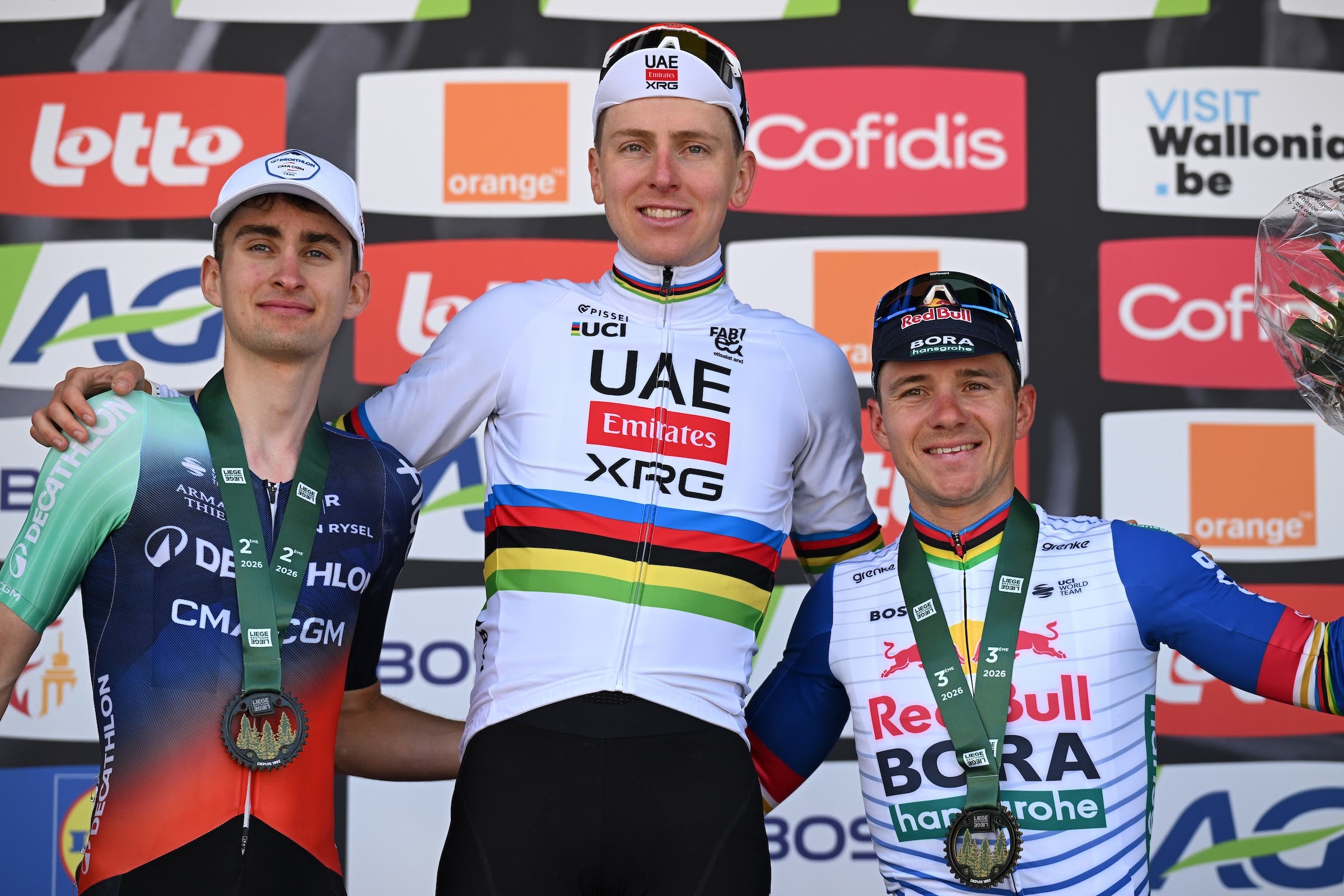
Seixas went on to win two stages plus the overall in the Tour de l’Avenir and, to close out the season on a very encouraging note, finished on the podium with Tadej Pogačar and Remco Evenepoel at the European road championships.
That’s very illuminating company.
This year has built further on that. Second overall in the Volta ao Algarve was followed by a fine ride against Pogačar in Strade Bianche, where he finished just one minute back. Even more impressive was the Itzulia Basque Country, where he won three stages and took the overall, beating last year’s Tour de France podium finisher Florian Lipowitz by 2’30.
“He’s just super talented. He’s genetically a gifted athlete. He’s got a big, big VO2 Max,” says Barrett. “Already at such a young age, he’s extremely durable.
“He’s got a massive resistance to fatigue. We often see that develop with the more experience you have, and the older you get, but he has that already. We saw him in the European Championships last year, when he came third behind Poggi and Remco.
“Even in Liège, he was producing his best numbers on La Redoute, which this year was a heavy, heavy high kilojoule race.”
‘We’re taking things at a good pace’
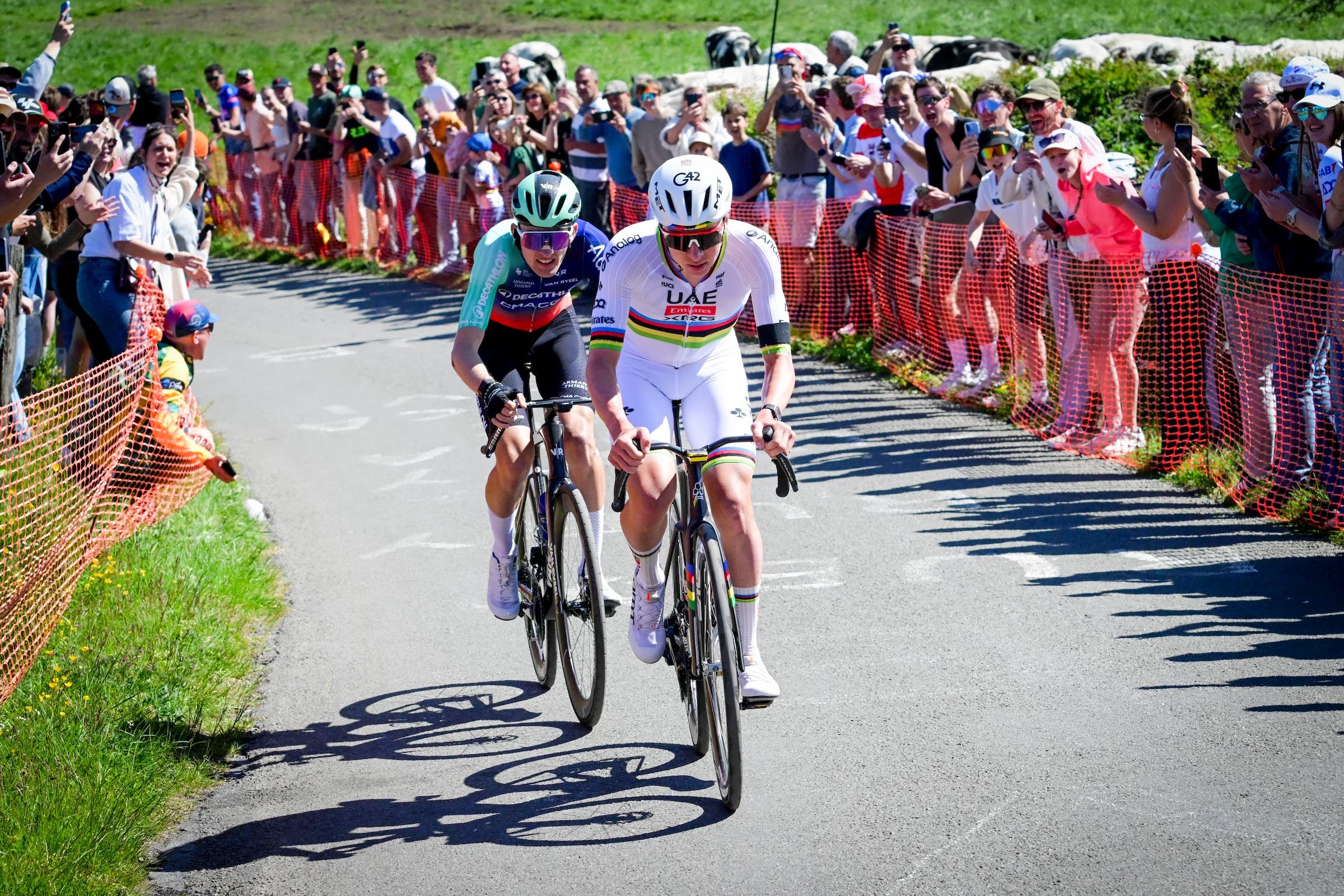
Winner at Flèche Wallonne, where he rode all of the other riders off his wheel on the Mur de Huy, Seixas ultimately finished second to Pogačar in Liège. He held onto him on La Redoute and caused Pogačar real concern as a result.
The Slovenian said after the race that he had almost fully resigned himself to a two-up sprint to the line, but finally managed to gap the French rider with a huge last-gasp acceleration on the Côte de la Roche-aux-Faucons.
Seixas finished a mere 45 seconds behind at the finish.
Few riders have caused Pogačar to doubt himself, but this talented 19 year old kid has managed to do so.
“He’s the whole package,” said Barrett. “He can descend, he can time trial, he can climb. So it’s exciting working with him and seeing him see him develop and improve in the team.
“It’s exciting for everybody to see where he can go. So we’re taking things at a at a good pace. We don’t go too fast, we don’t go too slow. He’s capable of doing a lot of work, so we give him the work to do.
“We’re not too cautious, but at the same time we’re ensuring he makes steps in the best and the most effective way.”
To Tour or not to Tour?
That latter point is, of course, something people will debate. There have been countless young talents in cycling who have been feted as future Tour winners but who have ultimately never delivered on the hype.
Belgian has had more than a fair share of those, with countless rides deemed the next Eddy Merckx. And so too France, with the pressure of finally delivering France’s first Tour win since Hinault back in 1985 snuffling out more than one hopeful.
In that light putting a 19 year old into the Tour could expose them to massive physical and psychological pressure.
That’s even more so the case for a French rider on a French team, and particularly when they have never done a grand tour before.
“Of course, it was a big discussion point within the team,” Barrett confirmed, “if it was the right thing to do, or not. If you’re good enough, you’re old enough.
“I think originally we thought that he might do a different Grand Tour, he might do a Vuelta. But when you see his progression, I think it would be remiss of us not expose him to this type of race.
“We know he’s physically capable of doing it, we know what he can do, it is only going to make him better. But the decision didn’t come lightly. It was discussed a lot between a lot of different people.
“It can only be good for him. If it goes well, we can progress. Either way, he will learn something about himself and about what he needs to do to improve as well.”
All part of the learning curve and, as French fans will hope, all part of the journey to eventually pummel the likes of Pogačar and to soar to the top of the sport.