

One thing that has always stood out and impressed me about Shimano is that its lower-tier components perform nearly on par with those at the top-of-the-line. I’ve found this to be particularly true of its mechanical off-road drivetrains, with Deore and SLX (RIP) usually shifting as crisply and consistently as XT and XTR.
Sure, there’s a slight weight penalty, less bling factor, and a few other minor differences, but otherwise, the shifting performance has always been roughly equivalent in my experience. So, when Shimano finally brought the latest Di2 off-road drivetrains to market last year, I hoped the same would be true for its fancy wireless shifting. When given the opportunity to try out the new Shimano Deore Di2 Upgrade Kit, I jumped right on it to find out.
I got the Deore Di2 Upgrade kit back in early January and promptly installed it on my personal trail bike. I’ve been riding with it on and off ever since, switching frequently between other test bikes, some of which have been equipped with the higher-end XT and XTR Di2 drivetrains. I’ve learned that it works almost identically to its more expensive siblings, and you don’t need to spend more for wireless.
What’s the Difference?
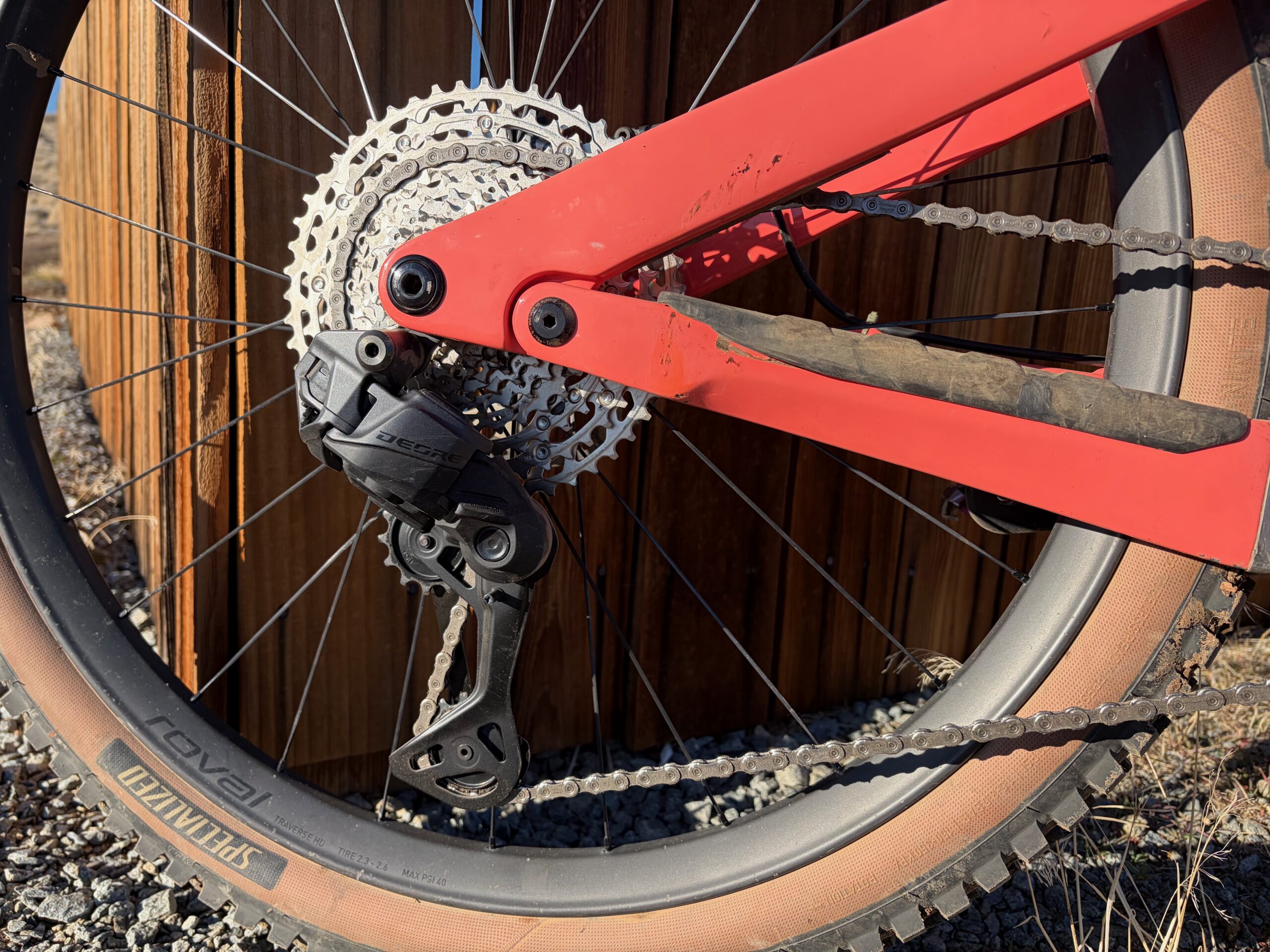
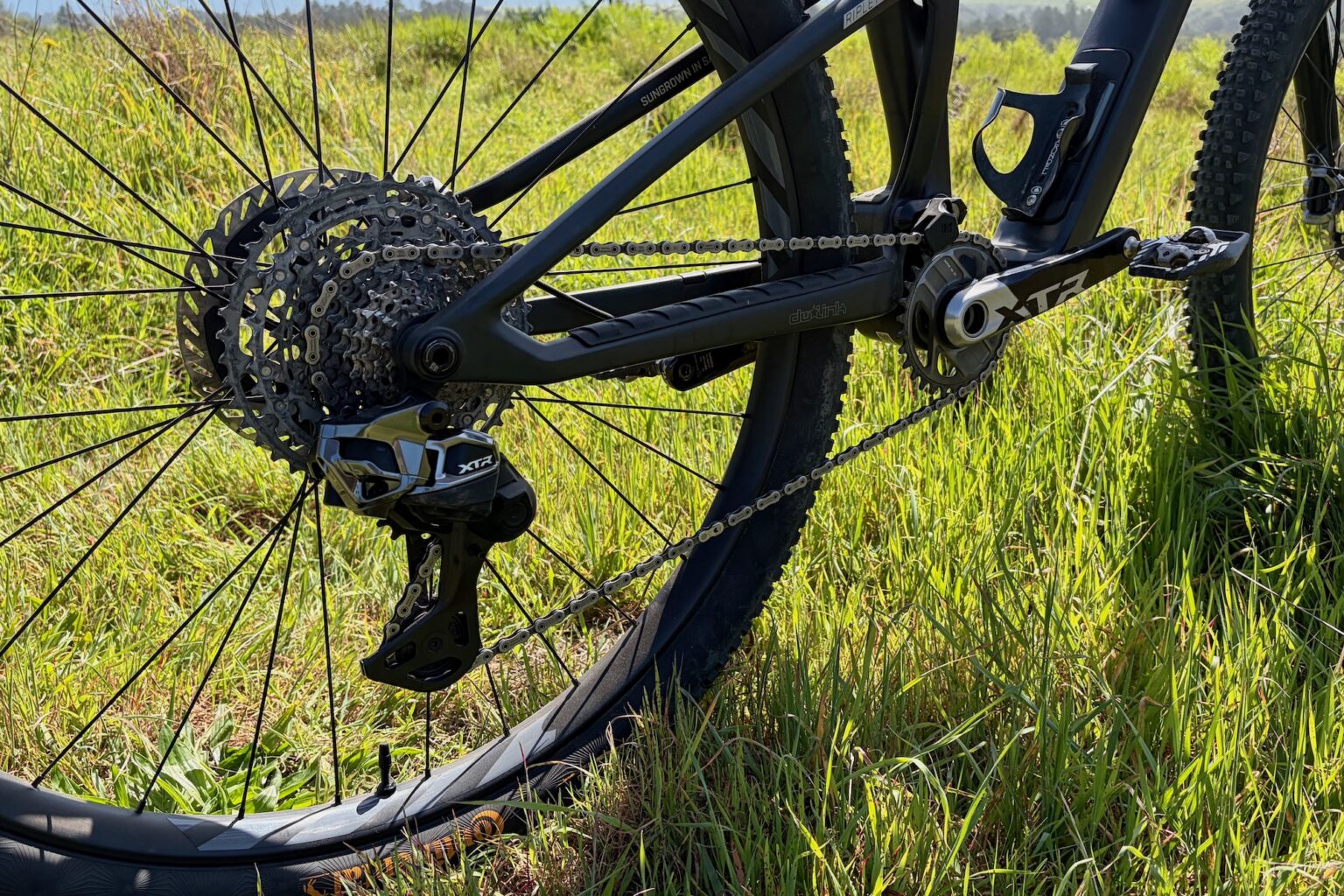
With performance and weight gaps narrowing between its groupsets, Shimano recently decided to simplify and put SLX out to pasture. Now, at the higher end of the off-road lineup, the hierarchy is XTR, XT, and Deore. Among the new Di2 components, there are many similarities, including the general form factor and the same dual-spring, clutchless mechanism in the derailleur. They also use the same batteries, chargers, and electronics, and the derailleurs and shifters are all cross-compatible.

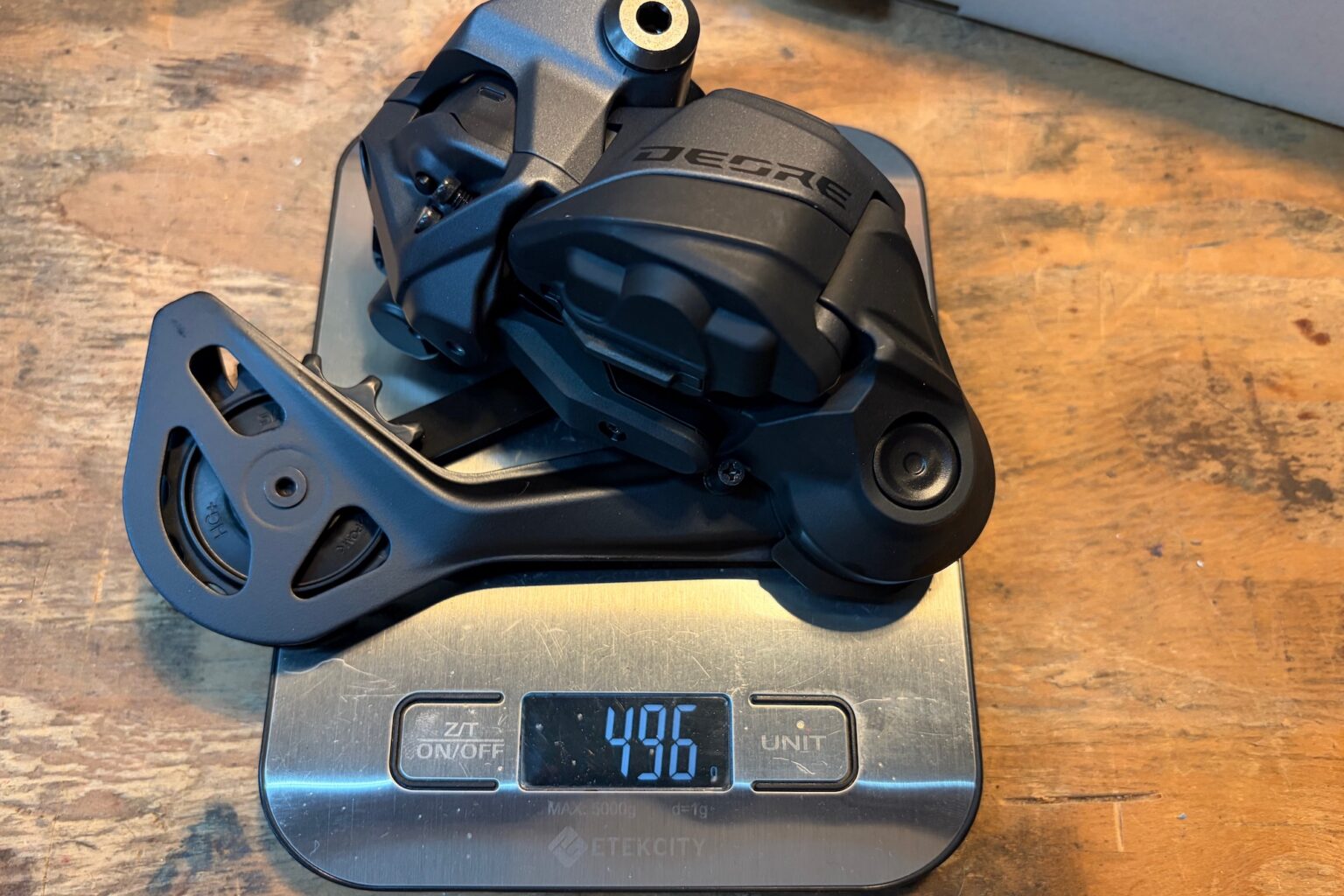
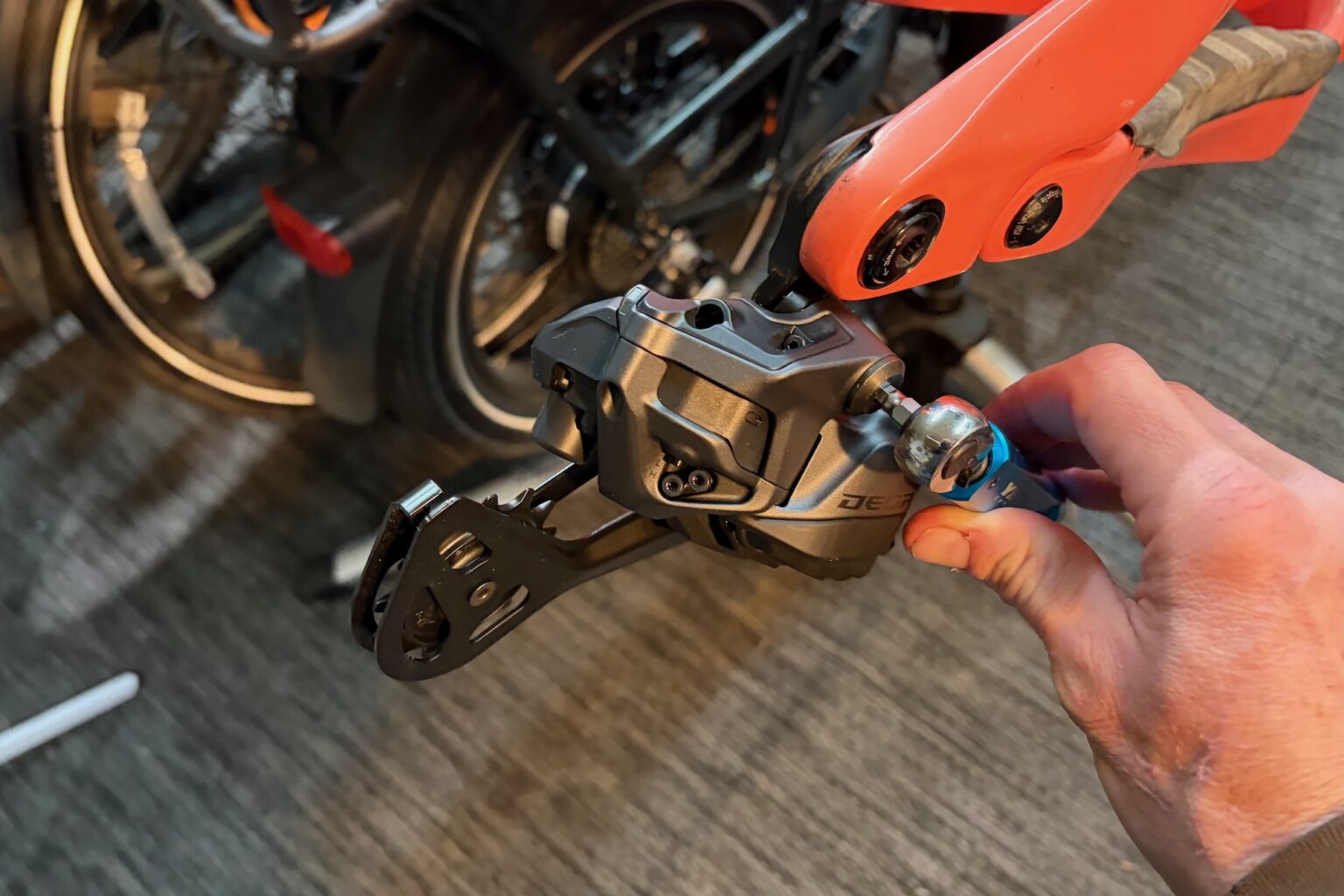
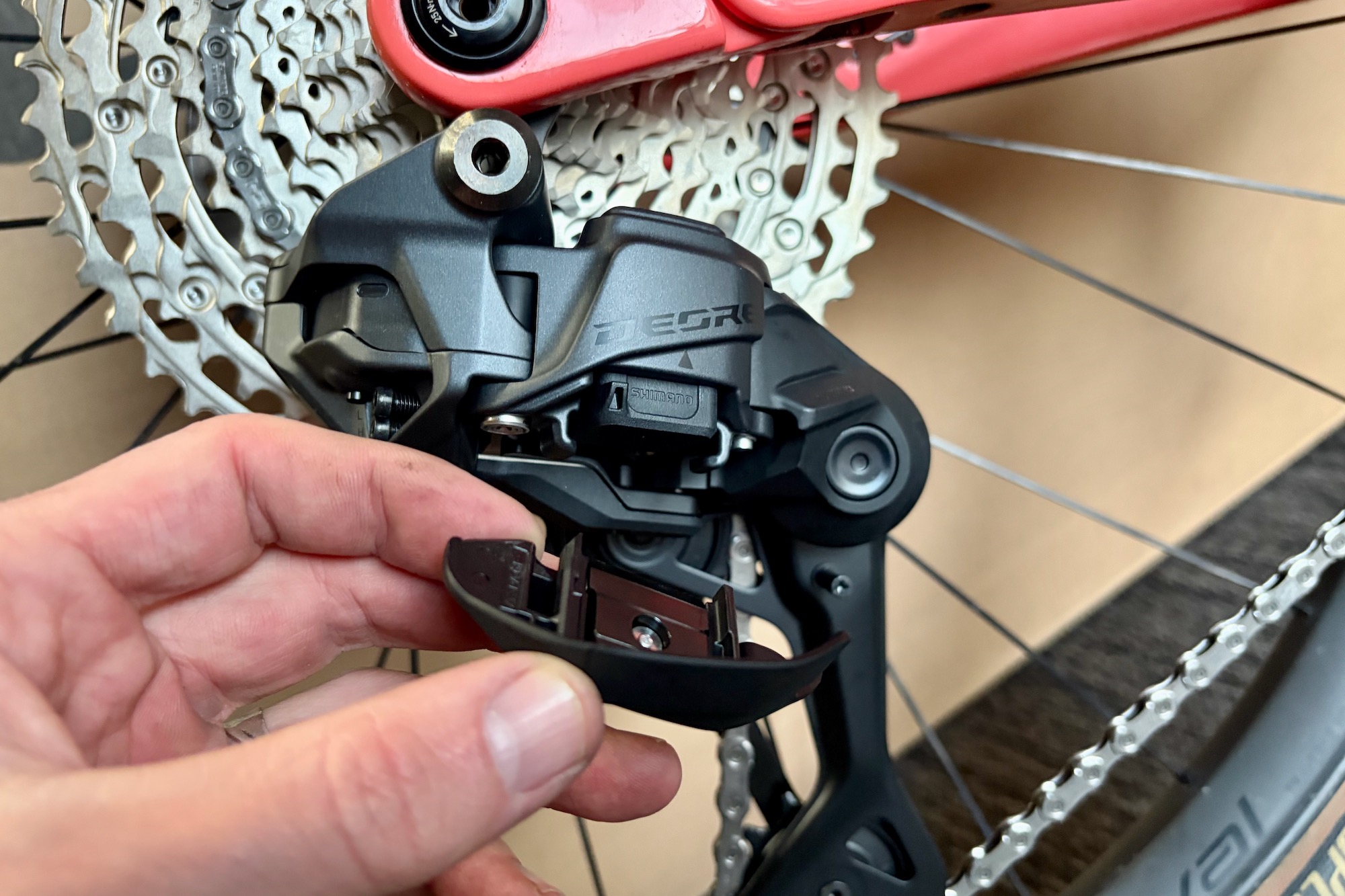
Beyond the more exciting, shinier finishes on XT and XTR, there are several other notable differences. For the derailleurs, weight is one of the biggest, with the steel cage on Deore adding some heft compared to the aluminum and carbon cages on the XT and XTR, respectively (check out the weight comparison below for more details). Additionally, both XT and XTR are offered in long (SGS) and short (GS) cage configurations, while Deore is only offered with a long cage.
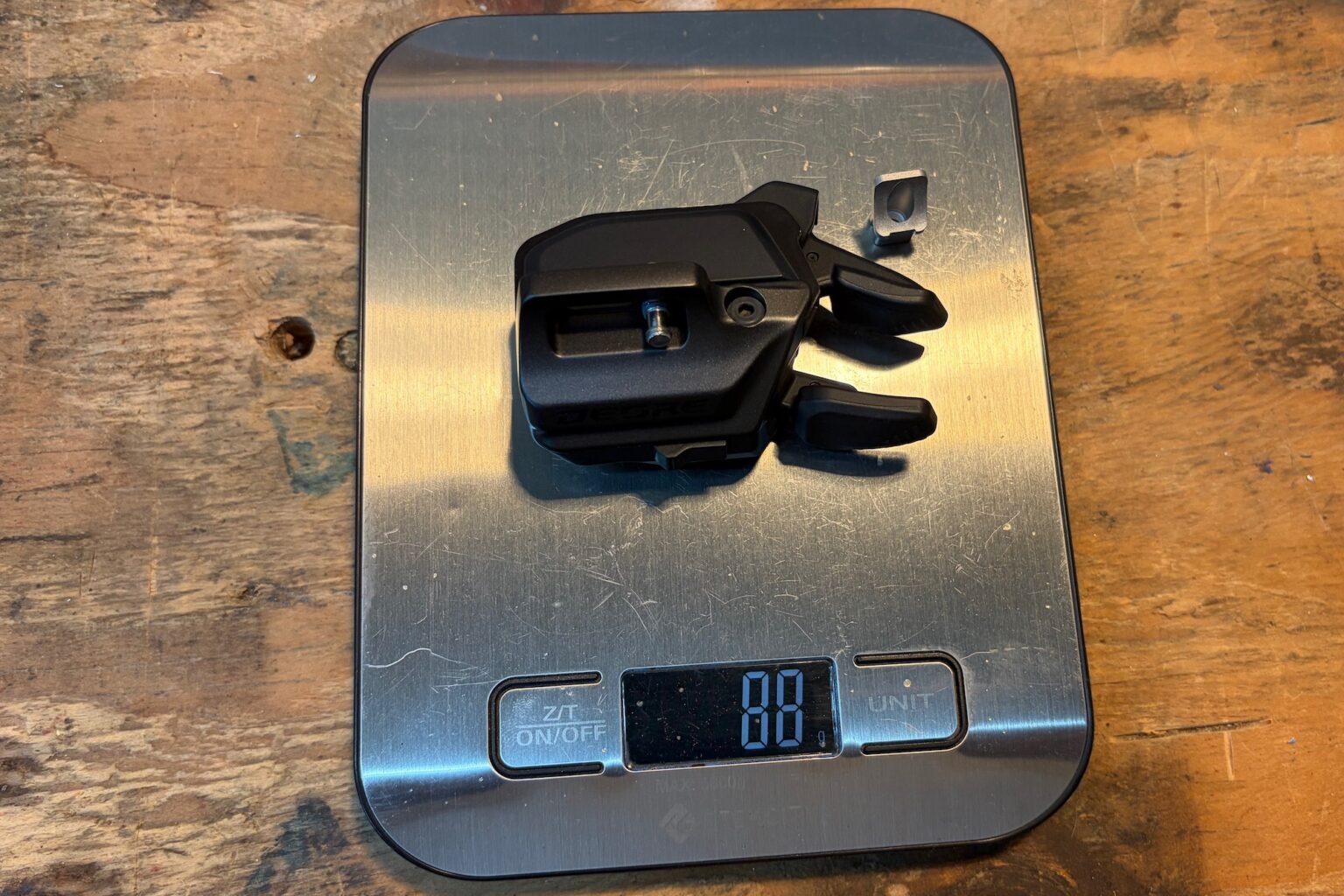
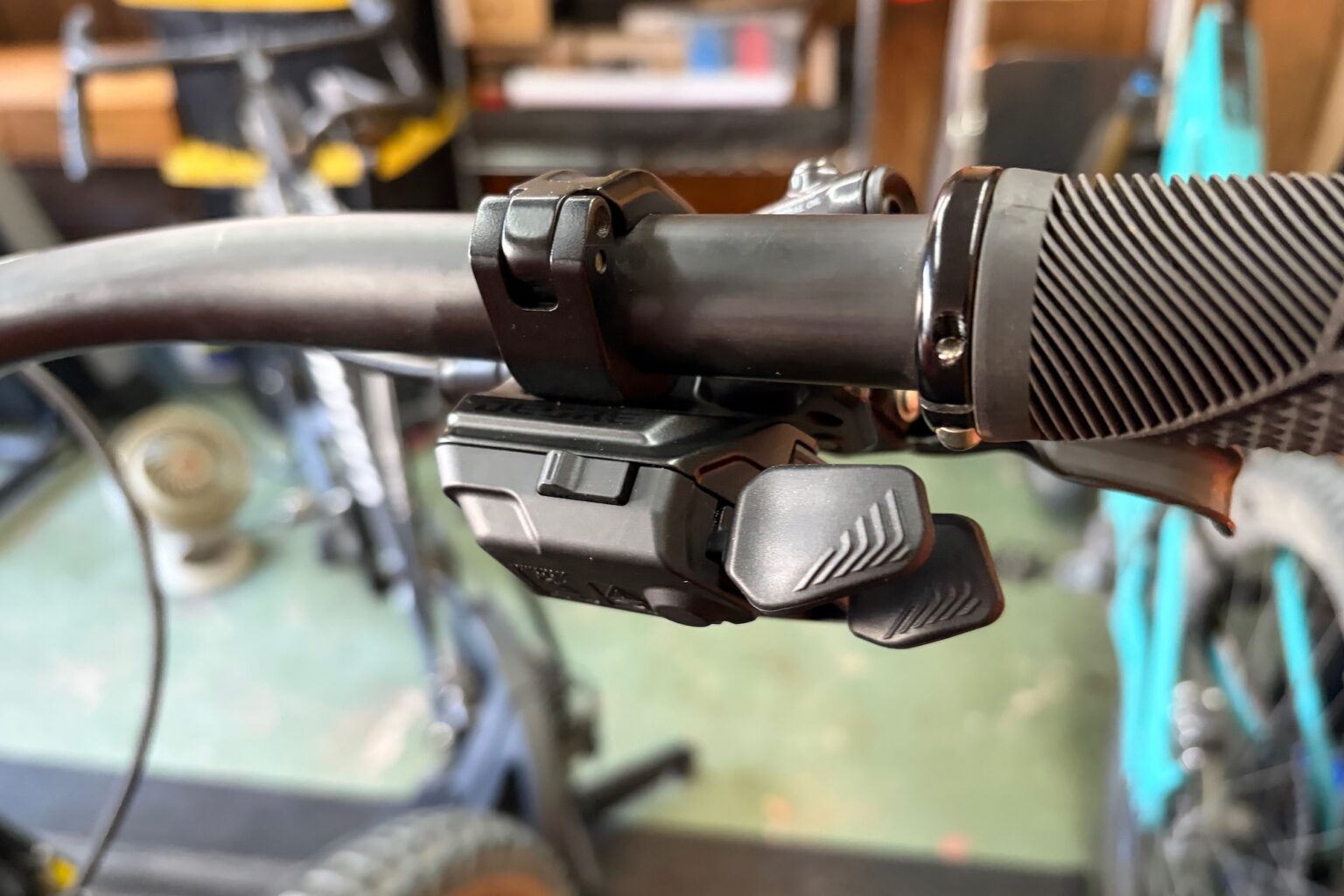
The XT and XTR shifters also offer more features than Deore. Deore’s shift paddles are fixed in position, while the others offer 4-way adjustment via ball joints to optimize their positions. Deore is also single-click only (or hold for multi-shift), while XT and XTR feature double-click to shift one or two gears at a time. With fewer features and hardware, the Deore shifter actually weighs less than its more expensive counterparts.
Obviously, price is also a factor. The Deore Upgrade Kit retails for $675, and can often be found on sale for less. The XT Di2 Upgrade Kit will set you back $860, while the XTR Di2 Upgrade Kit goes for $985. Check out the weight and price breakdown below. Note that the battery is the same for all models and weighs 24 grams — the weights listed below include the battery because the derailleur does not function without it.
Deore Di2 Upgrade Kit: $675
- Derailleur: ($435) 520 grams (w/ battery)
- Shifter: ($140) 88 grams (I-Spec)
- Total weight: 608 grams (w/ battery)
XT Di2 Upgrade Kit: $860
- Derailleur: ($570) 468 grams (GS w/ battery)
- Shifter: ($190) 96 grams (I-Spec)
- Total weight: 564 grams (GS w/ battery)
XTR Di2 Upgrade Kit: $985
- Derailleur: ($665) 415 grams (SGS w/ battery)
- Shifter: ($220) 97 grams (I-Spec)
- Total weight: 512 grams (SGS w/ battery)
What’s in the Box?

If you already have a Shimano 12-speed mechanical drivetrain, the Deore Di2 Upgrade Kit comes with everything you need to convert to wireless. It includes the Deore M6250 Di2 derailleur, wireless shifter, battery, battery charger, USB-C charging cable, and a 12-speed quick-link. When purchasing, you can choose between a universal 22.2mm bar clamp or an I-Spec EV mount.
Of course, buying the upgrade kit assumes your chain, chainring, and cassette are in good condition. If those components are heavily worn and in need of replacement, the full Deore Di2 Drivetrain includes everything in the upgrade kit, plus Deore cranks, chainring, chain, and cassette, for $945. Alternatively, you can mix and match to get the compatible cassette, chainring, and chain of your choosing.
Installation

Installing the Deore Di2 Upgrade Kit is pretty darn easy if you have some mechanical know-how. You need to remove the existing parts, including the chain, derailleur, shifter, and cable/housing. This is all pretty straightforward, assuming you have the right tools, and it’s kinda liberating to remove a cable from your bike and not replace it with another one. Shimano even includes a new quick-link, so you can easily reconnect your chain after breaking the old link when removing your old drivetrain components.
There are plenty of instructional videos online to help guide you through the setup process. It’s similar to installing a mechanical derailleur in that it doesn’t connect directly to the UDH dropout, but to a derailleur hanger, UDH or otherwise. After that, you simply need to follow the instructions to pair the shifter and derailleur and adjust/trim the derailleur for clean shifts across the whole cassette.

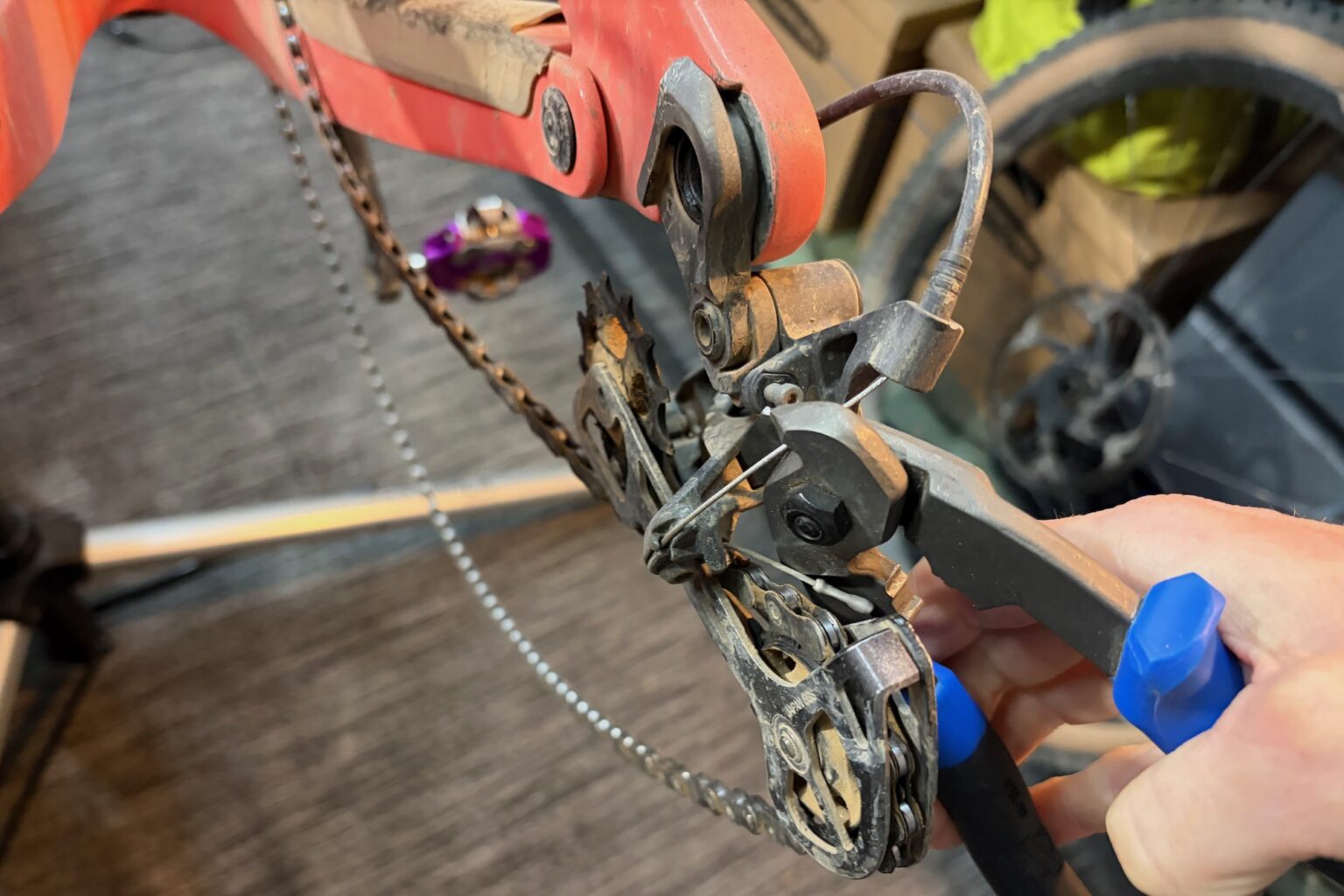
I pulled my battered but still-perfectly-functional 4-year-old mechanical XT setup off my bike and installed the Deore Di2 derailleur and shifter. At the same time, I replaced my worn chainring with a fresh one, installed a new Deore cassette (which was quickly replaced with a barely used SLX cassette), and put on a fresh chain. The Deore Di2 install process took me about 45 minutes, plus another 20-30 for the chainring and cassette. If you have prior Di2 experience, I assume it’s much quicker than that.
Shifting Performance
At this point, I’ve tried all of the new Shimano Di2 groups. The Norco Sight VLT TQ that I rode for several months was spec’d with XT Di2, and I got to try XTR Di2 on the Ibis Riley SL that I rode for a day a few months ago. Of course, I’ve been riding with the Deore Di2 on my personal bike for several months now as well.
After using all three of Shimano’s latest wireless drivetrain setups, I can honestly say that the shift performance of Deore seems nearly identical to that of its more expensive counterparts. The actuation speed is quick, the motor noise is minimal, and the shifts are precise and smooth. After smacking it on numerous trailside obstacles, I’ve also been impressed that the Automatic Impact Recovery feature works as advertised.
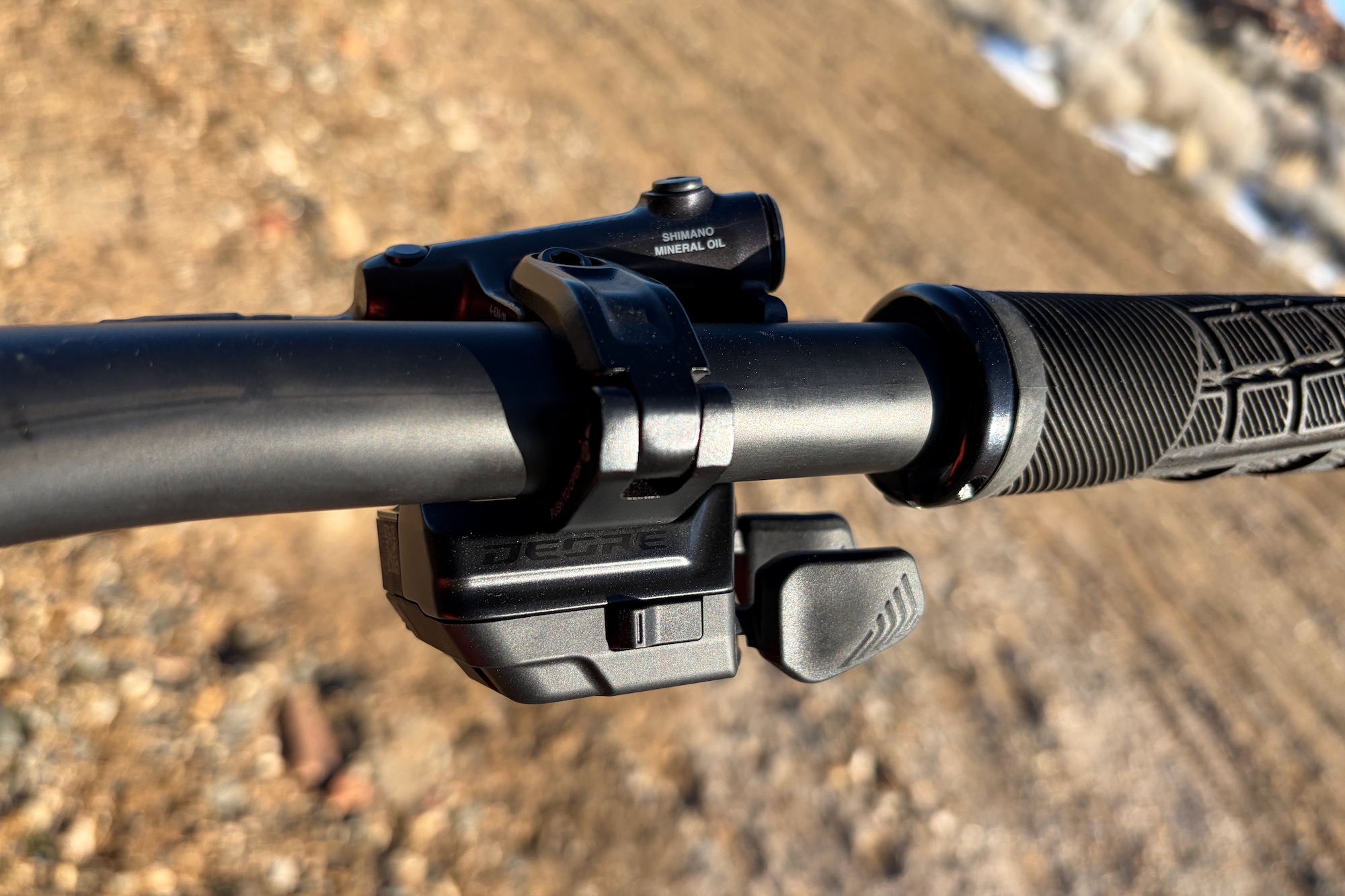
I’ve never been a big fan of SRAM’s AXS Pod shifters, and I strongly prefer the more familiar ergonomics of Shimano’s wireless shifters. I find them to be much easier and intuitive to reach with the thumb, and I never need to move my thumb quite as far, either. I don’t mind the lack of paddle adjustment on the Deore shifter, and the single-click, hold-to-multi-shift system works perfectly fine for me.
The battery life of all the Di2 drivetrains I’ve used has been impressive. I can typically go for 8-10 rides without issue before charging the battery out of caution, more than anything.
Shimano Di2 vs. SRAM AXS Transmission
Compared to SRAM, I believe the actuation speed and consistency of Shimano shifting is slightly better overall. I appreciate the slightly quieter motor noise of Di2, too. As mentioned above, I prefer the ergonomics of the shifters, as well. That said, I’ve found the dual-spring, clutchless mechanism of the Di2 derailleurs to allow a little bit more chain noise than SRAM’s latest clutched Transmission derailleurs. Not enough that it’s bothersome, but enough that it’s comparatively noticeable.
One of the biggest things SRAM has going for it is its ecosystem of AXS components. The ability to pair your derailleur, dropper, flight attendant, and power meter together, connect them through the app, and control them through the same pods is quite impressive, and not something you can do with Shimano.
Shimano Deore Di2: My Takeaway
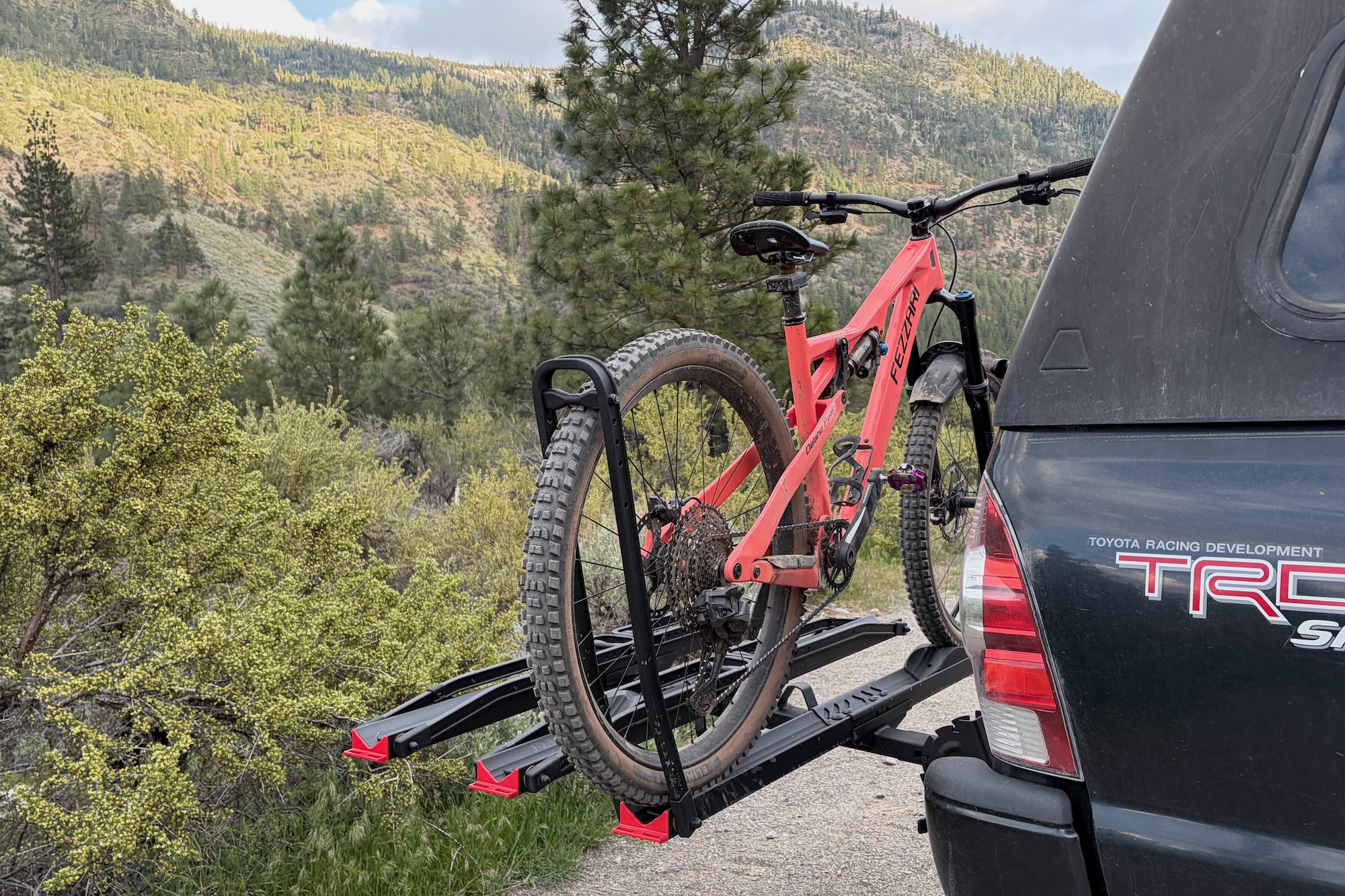
Shimano’s ability to trickle down technology and performance to its more affordable components has always impressed me, and that continues with Deore Di2. The most affordable wireless mountain bike drivetrain in the lineup works almost exactly the same as XT and XTR, with just a slight weight penalty, a couple fewer features on the shifter, and no shiny silver.
If you’ve got a bike with a 12-speed Shimano mechanical drivetrain and you’re interested in going wireless, the Deore Di2 Upgrade Kit is the most affordable way to do it. Assuming you don’t need/want a short-cage version, can live with non-adjustable shift paddles and single-shift, and are willing to accept 44 grams for $185 (vs. XT) or 96 grams for $310 (vs. XTR), Deore Di2 works just as well in my experience. I wholeheartedly recommend it to anyone; you don’t need to spend more — unless you want to.
And, if you’re interested in saving some weight, you’ve got options. One of the easiest is pairing it with a higher-tier cassette, as you can easily shave 150 grams by going with an XT cassette over Deore. Likewise, your cranks, chainring, and chain are other places you can save weight if that’s a concern.