
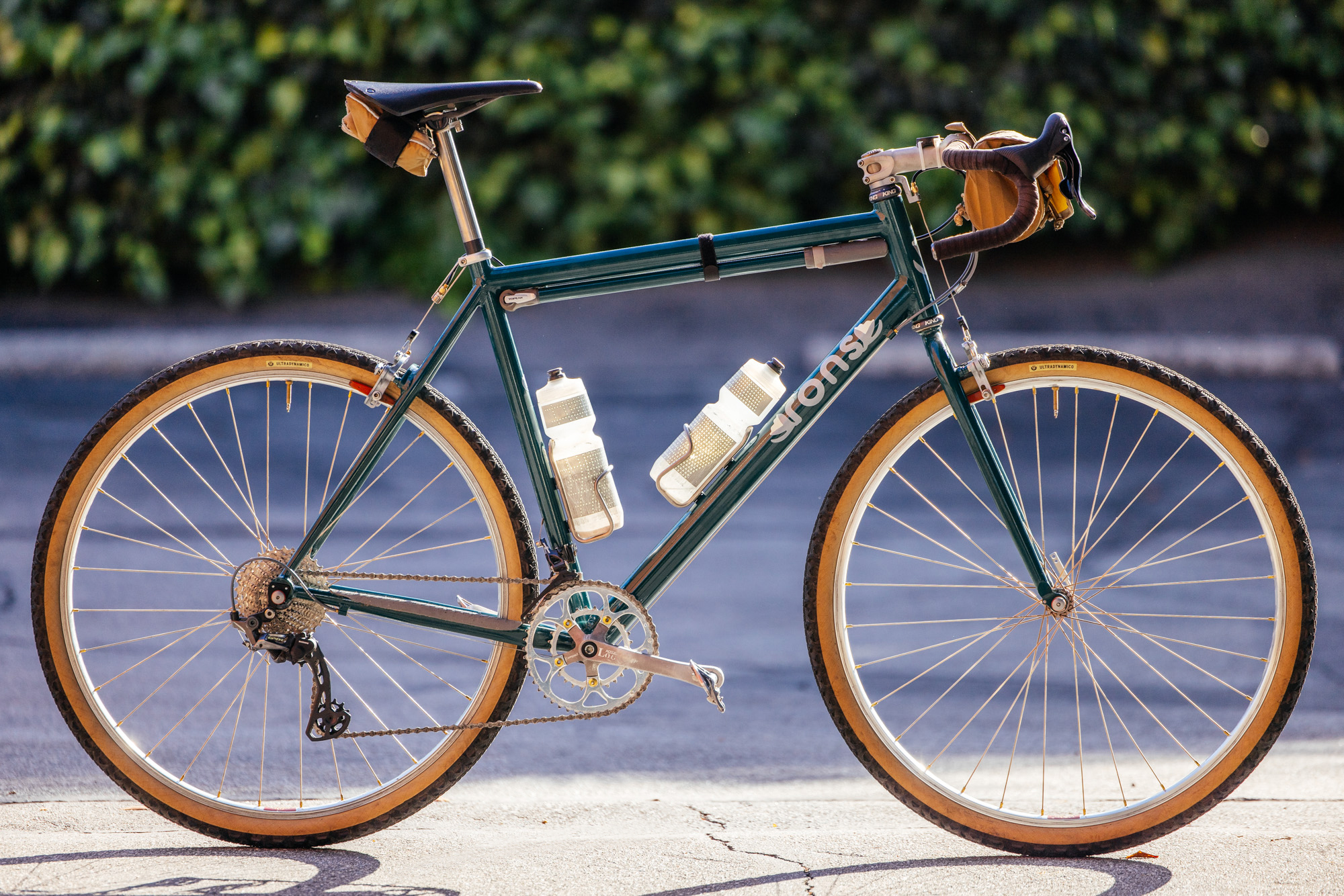
Shaped by Austin’s BMX scene, Portland’s commuter culture, and Belgian road racing, Patrick Newell has helped show the world that fast can look good, too. In today’s conversation with one half of the legendary Ultradynamico team, Mitchell Connell interviews Pat as they talk through the influences behind that style, from rider-owned BMX brands and European race bikes to chunky tires and skinny forks. Along the way, we cover a lot of ground and learn a few of Pat’s hard no’s when he’s building a new bike.
Since its earliest days, The Radavist has been a home for beautiful bicycles. John Watson has documented thousands of them. But there’s a difference between building a beautiful bike and helping define what a beautiful bike looks like. Pat from Ultradynamico belongs in that smaller category.
BMX Kids and Belgian Racers
Mitchell: I wanted to start by talking about your history with bikes. Your builds are such a clear expression of your history with cycling. It’s this kind of singular spot, where it’s a lot of steel frames, very aesthetic forward, but also very race-focused. Can you walk me through how that aesthetic came to be?
Pat: Haha, thanks. So I grew up in Austin, which is kind of a mecca for BMX. I can always remember in the early days, my friends had skateboards and BMX bikes, and I just kind of gravitated towards bikes more than skateboards.
I was this weird kid who rode his BMX bike to school. I just loved riding, loved traveling to ride new spots. This was like ’95, ’96, and that generation of BMX still bleeds into what I like today. Plus, there was this whole generation of rider-owned brands that were coming into that space that also had a huge impact on me.
I can see that in your stuff for sure.
Those years were such a heavy influence on me aesthetically because there’s this rigidity in BMX, but also a real sort of anything goes mentality.
That makes a lot of sense to me. All of your bikes fit within a sort of archetype in the same way that BMX bikes all look like BMX bikes. Your bikes all have a really classic silhouette. So then what happened?
I got a job as a messenger, and I was riding track bikes every day, and I somehow weirdly transitioned from track bikes straight into road.
When did you start riding road bikes proper?
Probably like 2003 or 2004? It was a funny trajectory. I was just having fun on track bikes, and then I got invited to do a century, and I was like, well, I’ll just do it on my track bike. So, I rode my first century in cargo shorts, a T-shirt, and a ProTech BMX helmet.
I had so much fun riding fast. I had never really ridden in the countryside. That’s when I experienced pacelining and being in a fast group. It was super, super fun. The next year, I got a road bike and started going really fast, and that’s when I met Ronnie (Romance). I was still in basically in a cutoff t-shirt and Dickies, but on an old steel road bike that I got from the Yellow Bike Project that was probably two sizes too small.
Everyone’s first road bike is two sizes too small.
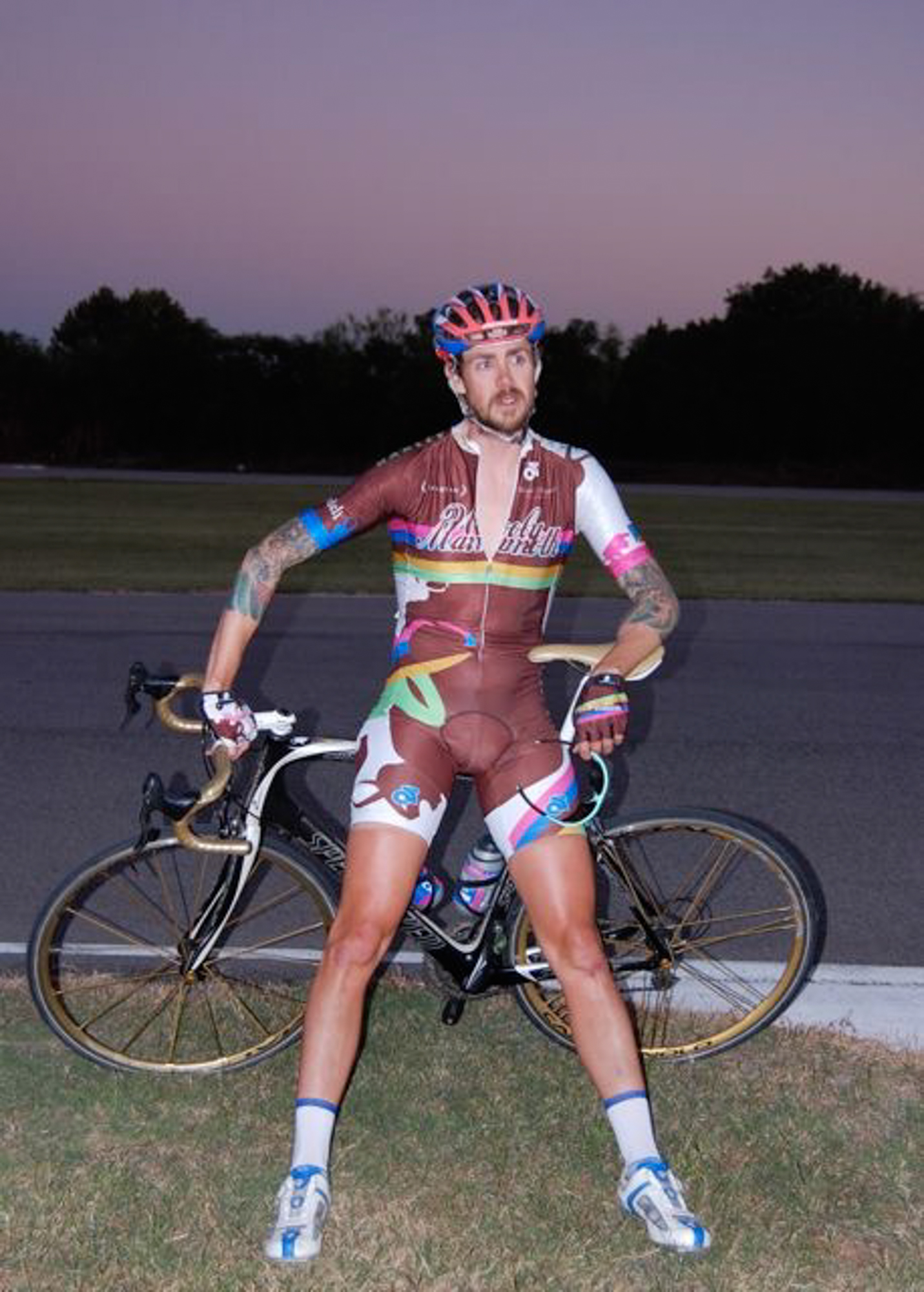
Especially if you come from BMX. I was just used to cramming my body onto a little thing for so many years. And I was also really stubborn at the time about aesthetics and style. I quickly became obsessed with European road racing and started following the sport early on, even though I had no money and was a bike messenger. I still reference that period a lot, especially the Belgian racers like Philippe Gilbert or Tom Boonen. I love that style. Once I was into road bikes, it was so great to be living in Austin. You could just show up to three training rides a week, and you didn’t have to invite people. You knew everyone was going to be there, but on the other hand, it was also very elitist, and there was a real Lance Armstrong thing going on. He would show up to rides sometimes, but for us, we were like, absolutely not. We wanted nothing but Euro.
I think you came out ahead there.
Yeah, thanks, haha. That’s kind of why we started the (Woolly Mammoth) team. It was a joke. A complete joke. It was just a small group of friends that rode together every day. It was some weird messengers and a couple of masters racers. Just people who loved riding.
Portland, Fenders, Commuters, and Good Dirt
So then you moved to Portland?
Yeah, that was in 2010.
How did the city of Portland change the way you thought about bikes?
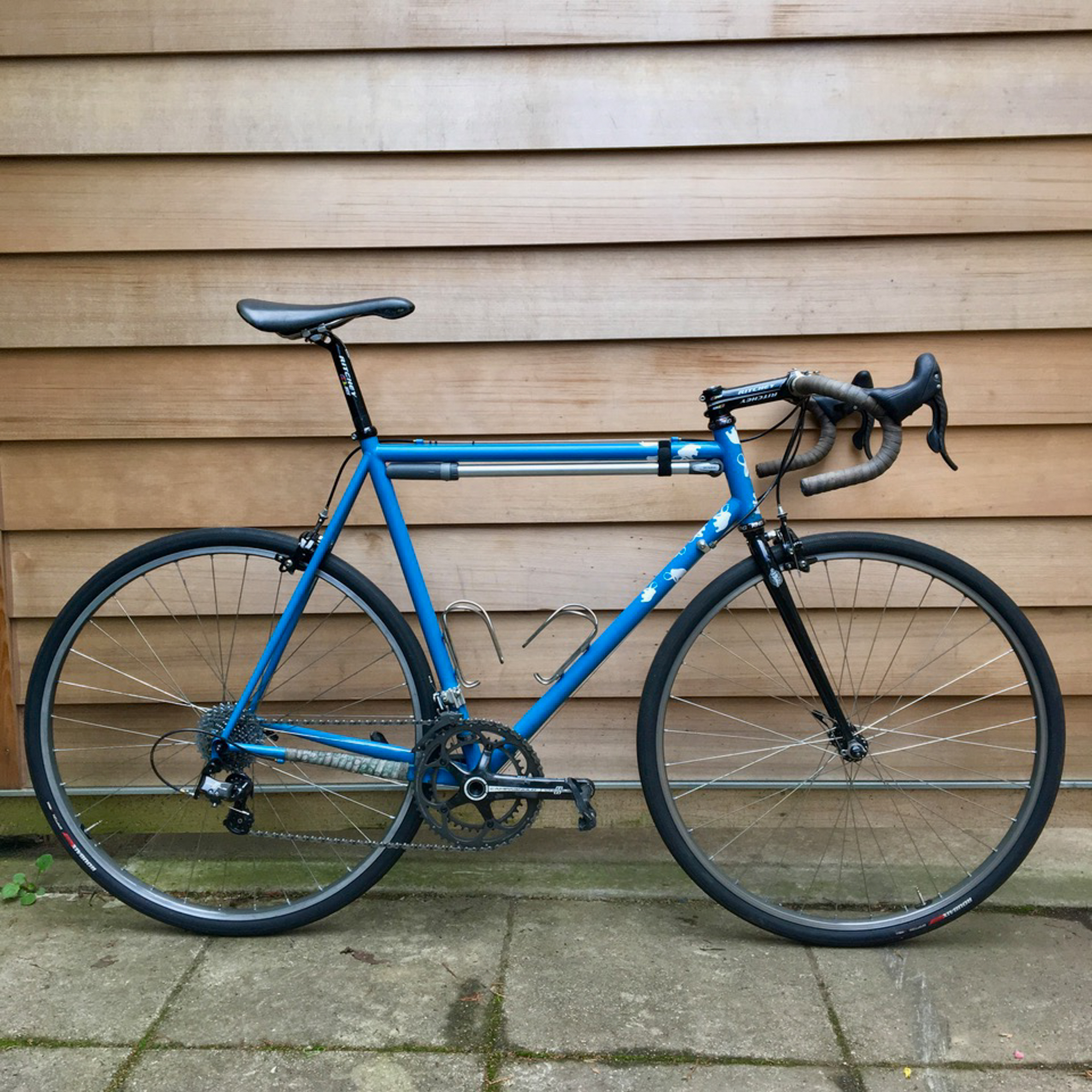
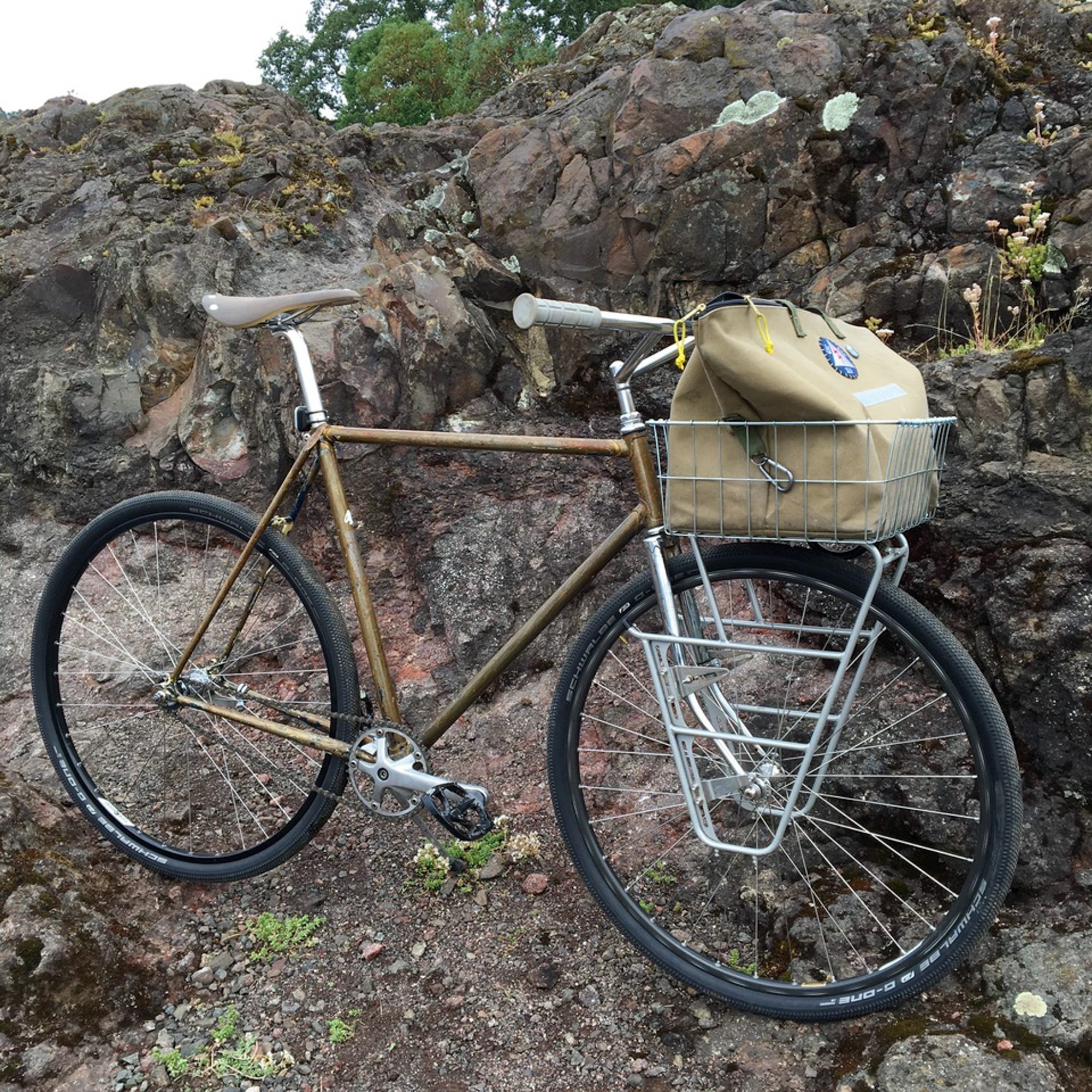
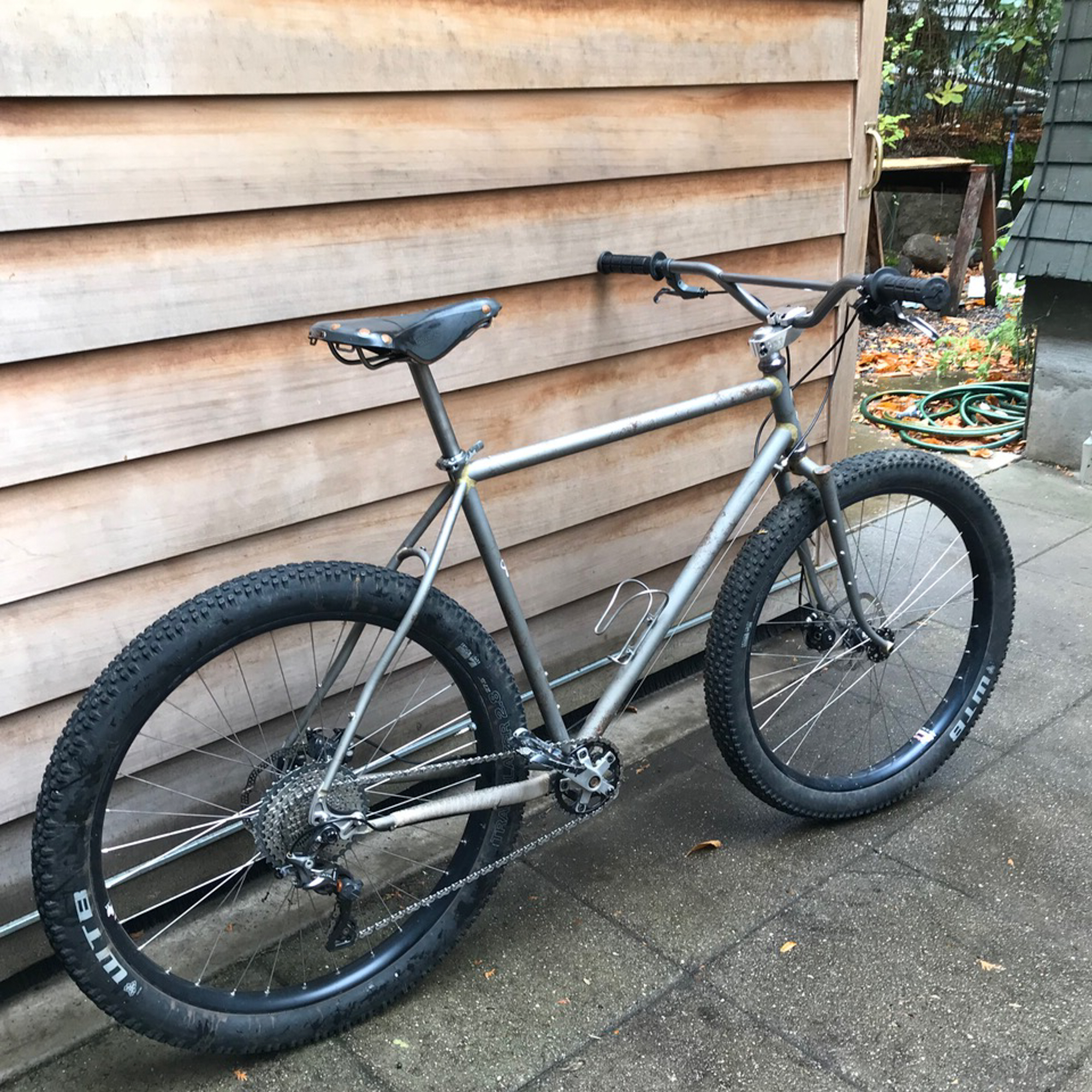
Well, when I moved to Portland, I just took my Surly Pacer. But when I got here, I was sort of blown away at the commuter culture and all the different types of commuter bikes with bigger tires. I was already really obsessed with tires at that point. I remember being like, Why can I only squeeze 32s onto this Surly Pacer?
I can’t imagine riding your home trails on 32s.
Yeah, there’s so much more access to dirt roads and wilderness within riding distance of town in Portland. It just opened up so many possibilities for longer off-road rides.
Is that around when you built your Open?
A Company Credit Card and a Beautiful Fork
First comes a bike tour with Ronnie. We toured down the West Coast, and Ronnie had stuffed 650b wheels on his (Surly) Crosscheck, and I had basically kind of been watching him on that trip, and how much more enjoyable all the dirt was with the fatter tires.
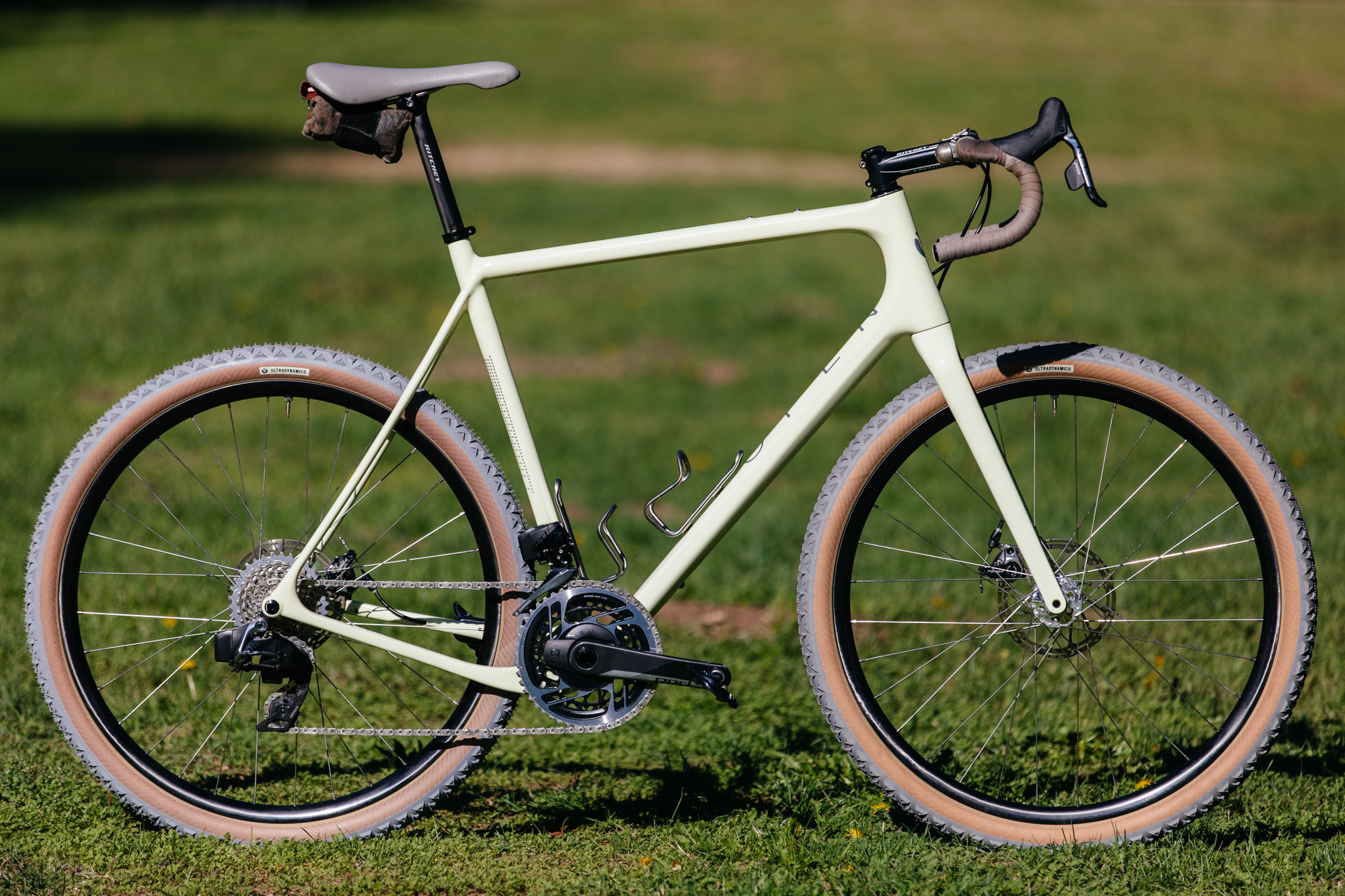
Then I saw some blog post (on the Open UP) and saw that they designed the bike around two different wheelsets, and I just thought that was so cool and ahead of its time. Plus, the other thing that still resonates deeply with me about that bike is the shape of the fork. There are a few things to me on builds that just are so critical, and a beautiful, beautiful fork is way up there. And a decent crankset.
Couldn’t agree more there.
I can’t stand how bad most modern bikes look after two seasons. They immediately look outdated and really terrible. With the Open UP, I was like, ” That bike will still look beautiful in 10 years.” And it rides so great. The geometry of that bike is so good. It’s such a fun bike to ride. It’s very racy off-road, and you can bomb steep singletrack on it too. Super fun bike.
Round Bars and No Compromises
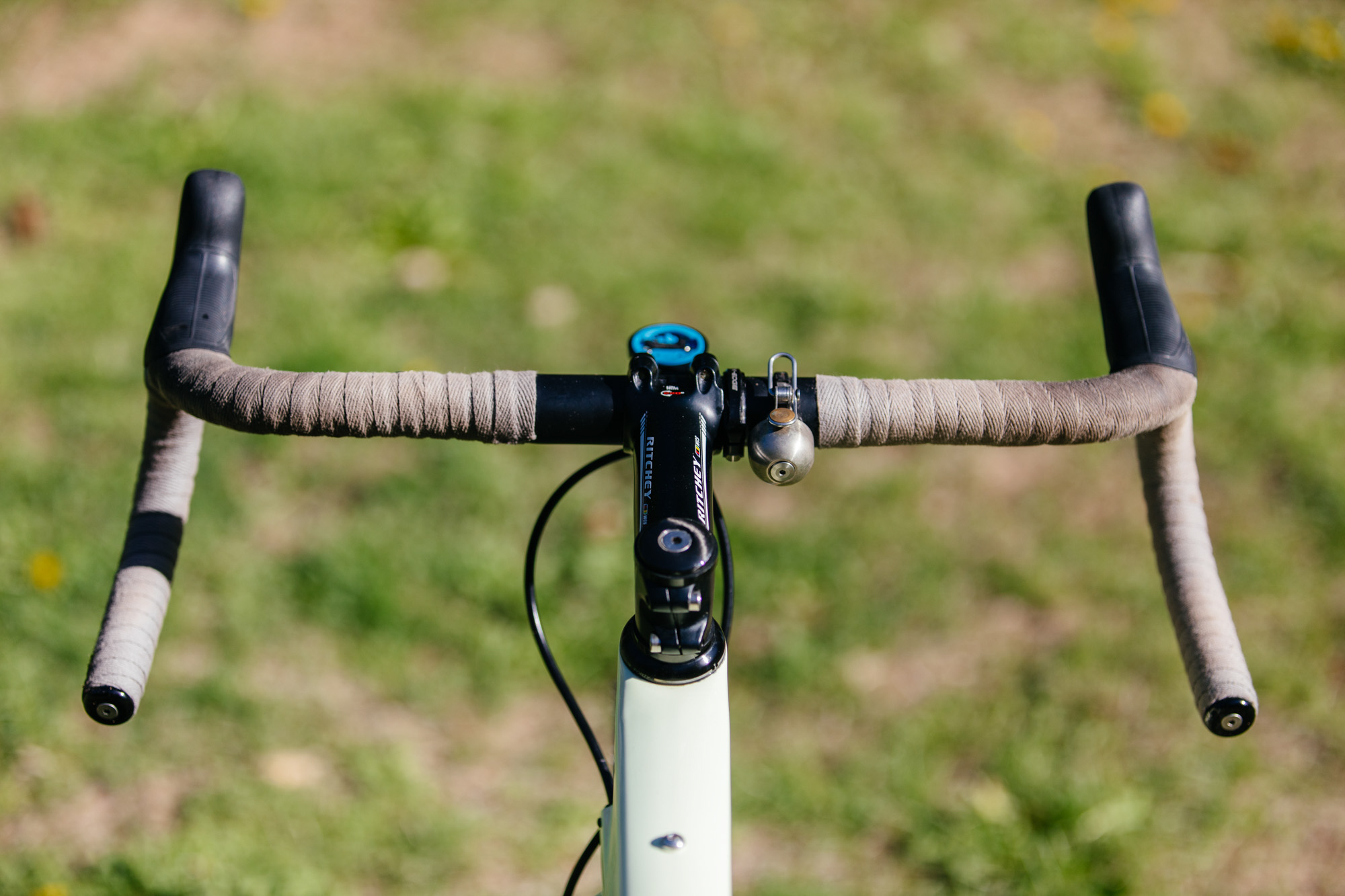
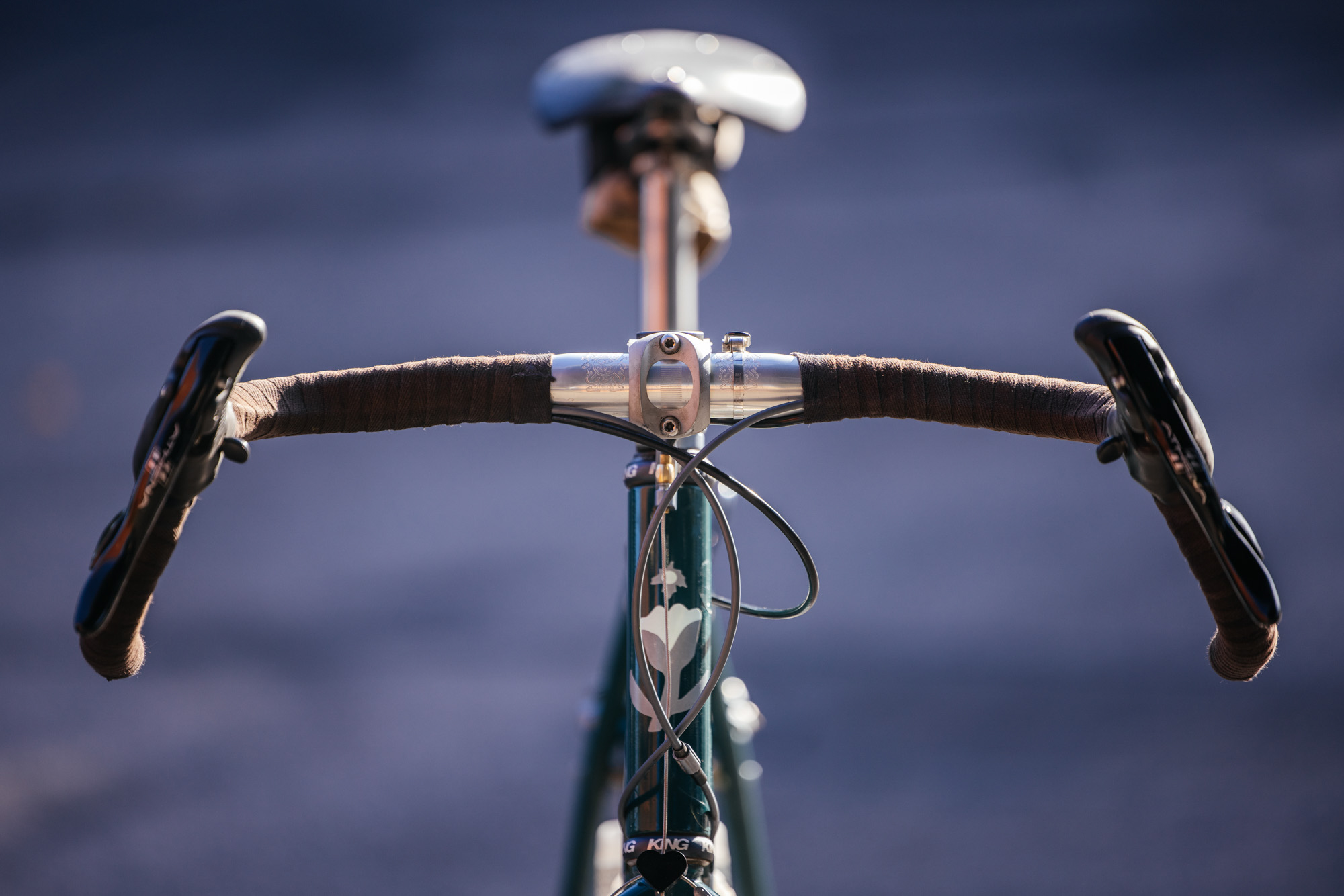
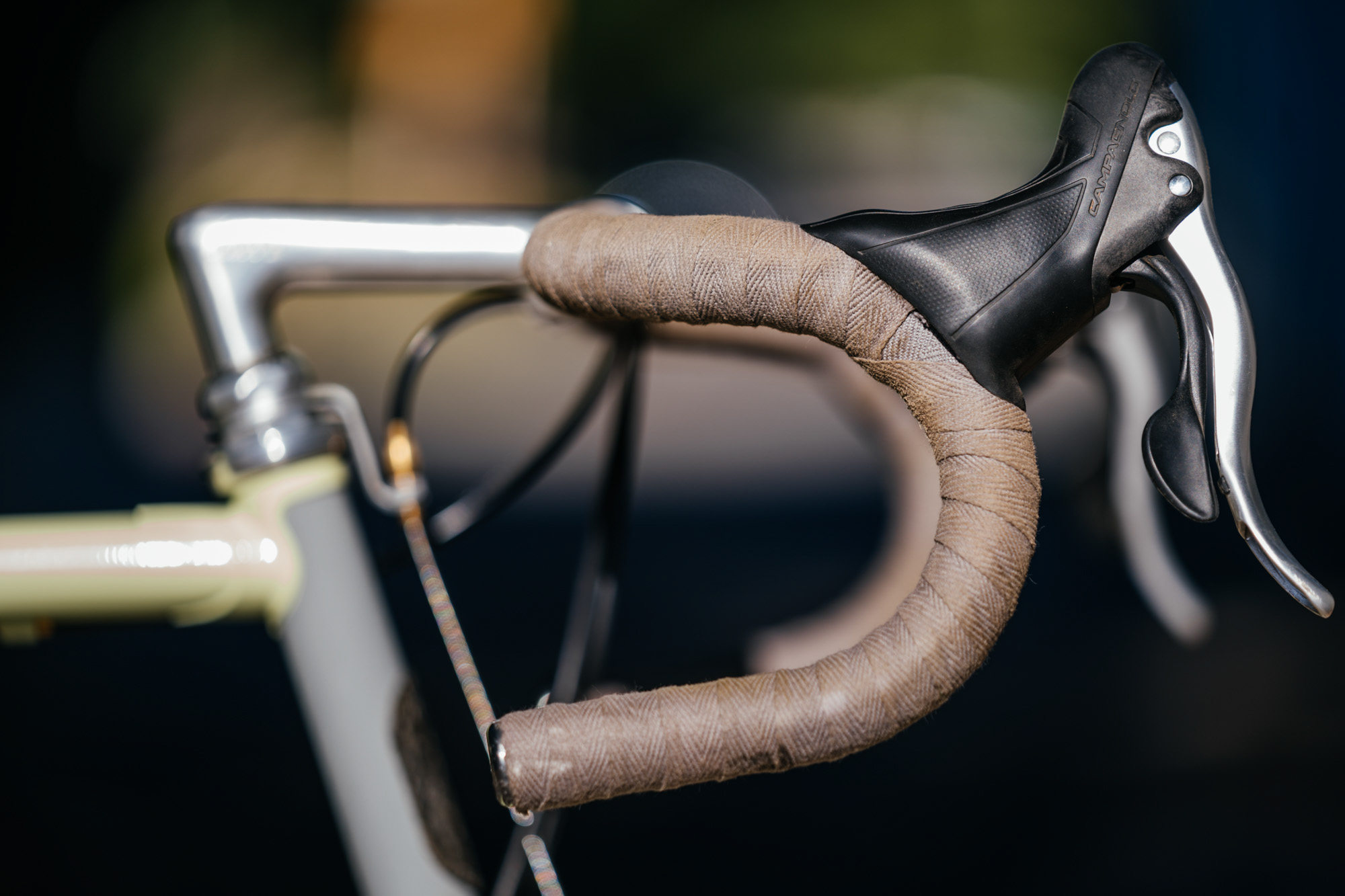
On that bike, my eye really gravitates towards the visually light front end, and I think that’s a trademark of all your builds. A longer stem, round handlebars, and cloth tape. Tell me how that came to be.
I’ve always really liked a thin bar. When I was a messenger, I remember slicing a tube in half and using it as bar tape for a long time. My hands were filthy at the end of the day. But I guess I liked that durability. I remember trying some of the early Ritchey aero bars in like 2008 or something. I just couldn’t do it.
Your bikes have been a big inspiration for me. I run a lot of cloth tape now.
Haha, thanks. For me, really, it all comes back to pro cycling in like 2005 through 2012. You saw a lot of the classics riders, especially the Belgians, with traditional round handlebars. Around that time, there were starting to be a lot of carbon bikes, and they double wrapped the bars, but the Belgian dudes were still running traditional round bars, and I just loved that.
To me, it’s the contrast that looks so good. Big tires contrasted against the thin handlebars and the thin fork.
Yeah, I agree.
What about the paint?
So the Open was the first big purchase I made outside of the molds for Ultradynamico. I bought the Open and had it painted by our friends at Black Magic Paint in Portland, and took it down to Grinduro. I think John shot the photos there. Then Open reached out and was like, “We love that paint scheme,” and they did a release of 100 or 150 bikes with the same paint, which was really awesome of them.
Ohhhhhhhh, that’s crazy. I didn’t know that’s how that happened.
Yeah, and then later, Matt from Crust, who is a good friend at that point. He’s always been really supportive, and we owe a lot to him. He’s such a no-bullshit human being, and he’s super loyal. So yeah, he reached out and was like, I love the Open. I want to do a riff on it for the next run of Romnceurs. And that happened right after that. So I was like, I want one of those frames.
Charlie Cunningham, René Herse, and Tom Ritchey
I remember talking with Ronnie (Romance) and Matt (from Crust Bikes) on a trip. This was right as we were starting Ultradynamico, and we were talking about who really inspires us. I think Ronnie’s is clearly Charlie Cunningham, and Grant Petersen’s ethos permeates his stuff a lot.
Matt talked a lot about René Herse and classic French randonneur bikes. And he’s really very knowledgeable about that stuff. For me, it was always Tom Ritchey. His racing background, his aesthetic, his frames, and how he built his product line.
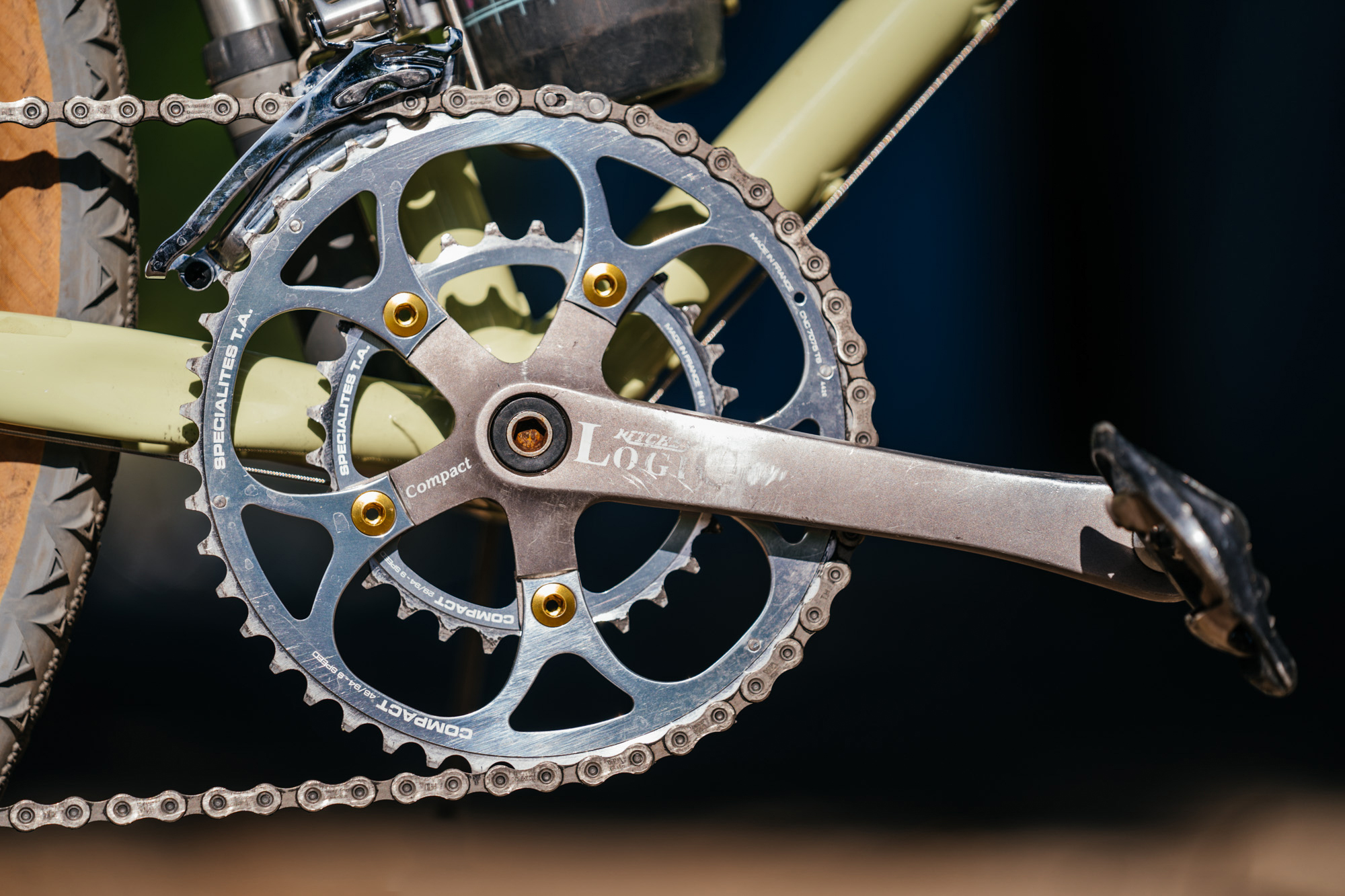
That brings me to the crankset on your Romanceur. I think that might be the most beautiful crankset ever produced. Tell me about it.
That’s a Sugino-made Ritchey Logic 94 BCD crankset. It’s a triple that I typically run as a compact double. I run it with the absolutely narrowest bottom bracket I can manage. I think it’s a 103 or something.
That brings me to your most recent build on the Internet. Can we talk a little bit about your AluMax?
When a $15,000 Bike Misses
When I was at MADE last year, it felt like one of the themes was the $15,000 all-road bike. There’s beautiful work happening from brands like Number 22 and Mosaic, but a lot of those bikes don’t really get my juices flowing. When I saw your bike, Ronnie’s bike, and Sal’s Chapman together, I felt like I understood what those bikes were in conversation with: the history of this cycling community we’re all part of. They all hit really hard.
Thanks.
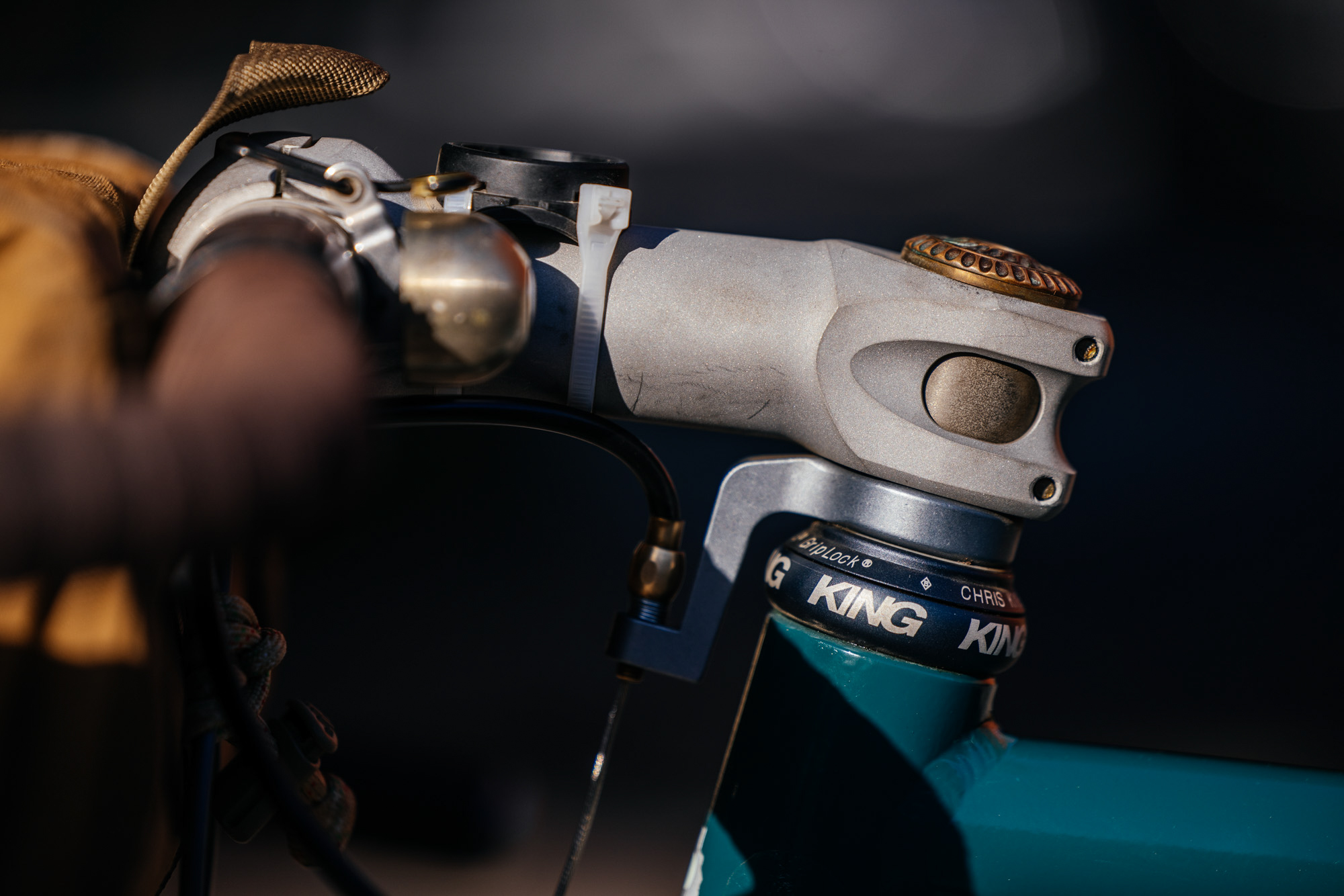
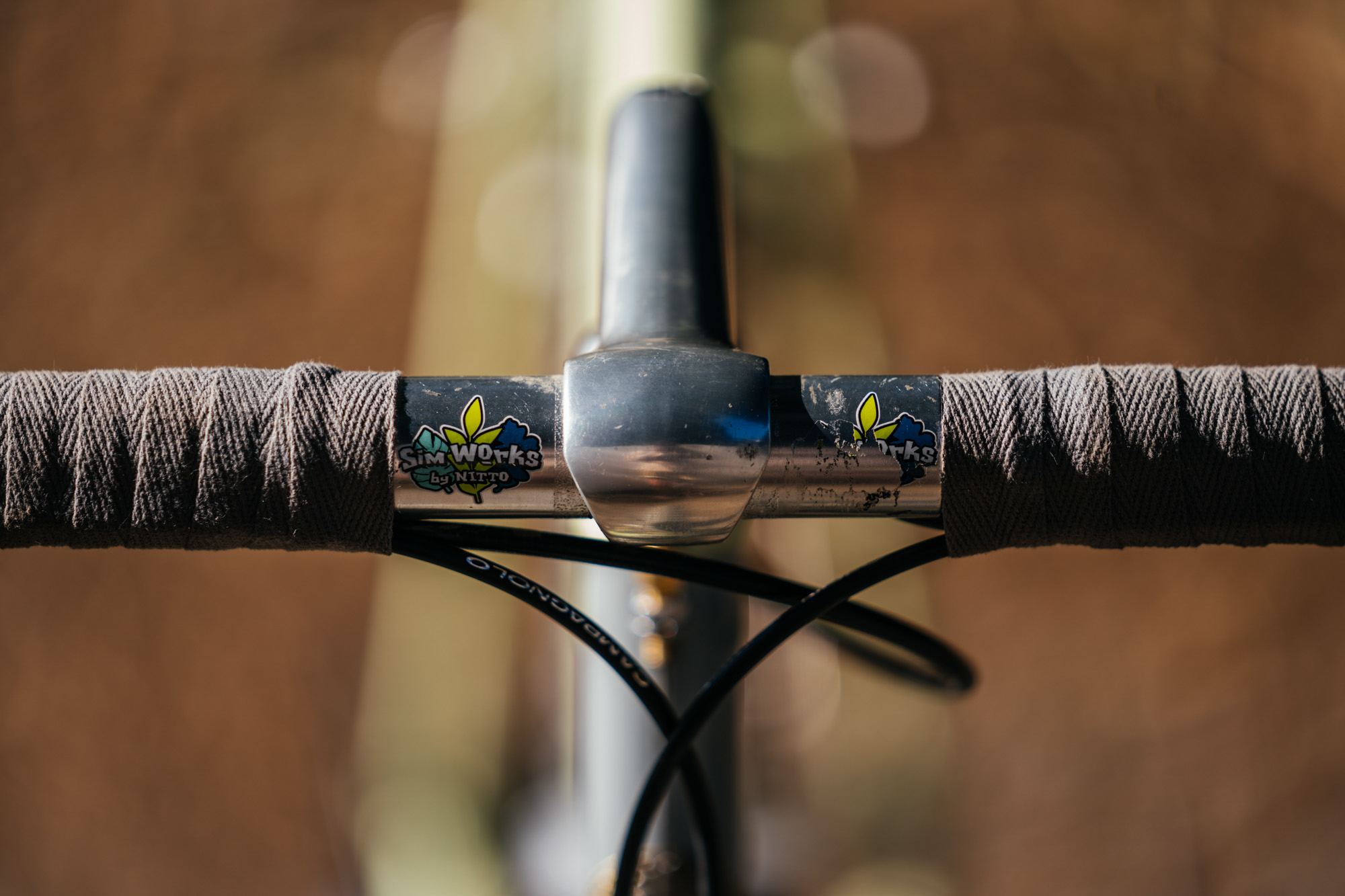
First, can we talk about the sandblasted stem? It really stands out to me as a highlight.
Well, I have a friend who I met when I was 17. He’s a BMX rider too. Actually, Ronnie and I weirdly dragged him into road racing too, but he’s a machinist by trade. So I sent him a stem and was like, hey, can you just sandblast this for me? I was just curious what it would look like, and I was like, oh it looks so good. I just always kind of don’t like super shiny parts.
I get that.
And those Thompson stems, I think they’re really beautiful. And the size of those stems matches the kind of sizing of the tubes on the AluMax. I just didn’t want a polished stem, and I think it really worked out.
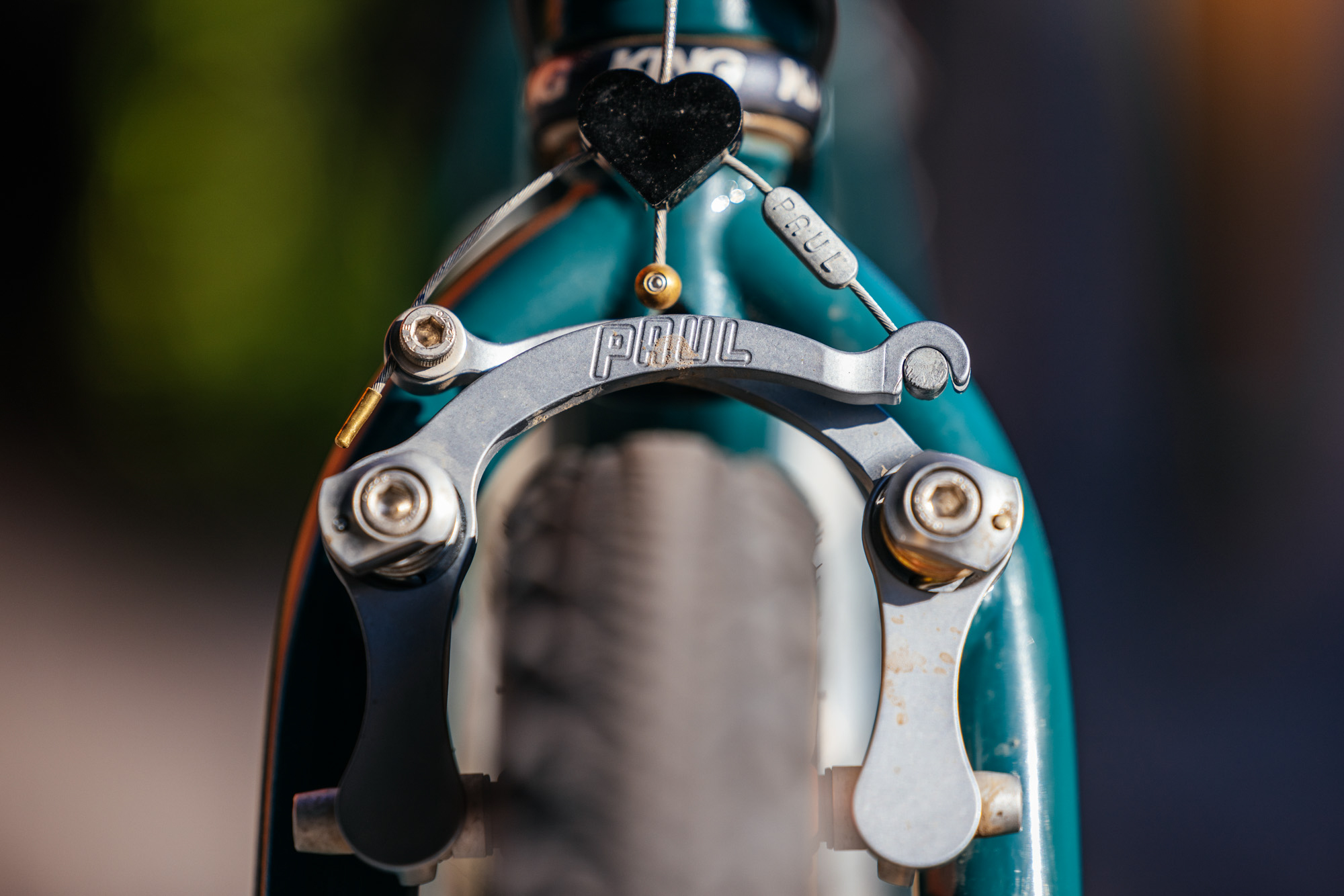
Can you talk about the merits of the direct-mount Paul Racers?
Yeah, man, I mean, they just really, really work. Plus, I think they’re really beautiful, the way they wrap around the tire. Obviously, Ronnie (Romance) and Frank (The Welder) designed the chainstay bridge to wrap around the tire and to match the brakes really well. I think aesthetically, they’re perfect for that bike.
A long time ago, I was watching this documentary on English gardens, and this amazing gardener said the trick to a great cottage garden is that when you find something you really like, you repeat it. I think that consistency through repetition is part of what makes something beautiful, and I see that in so many of your bikes. The stem matches the diameter of the tubes. The brake matches the curve of the tire and chainstay bridge. It’s about being visually consistent. Almost like: just do less.
I definitely have themes that I’ve stuck to over the years, but also tinkering with stuff is what makes bikes fun.
(Strongly Held) Opinions
That brings me to my advice column section of this discussion. Do you feel like you have a cardinal sin of bike building?
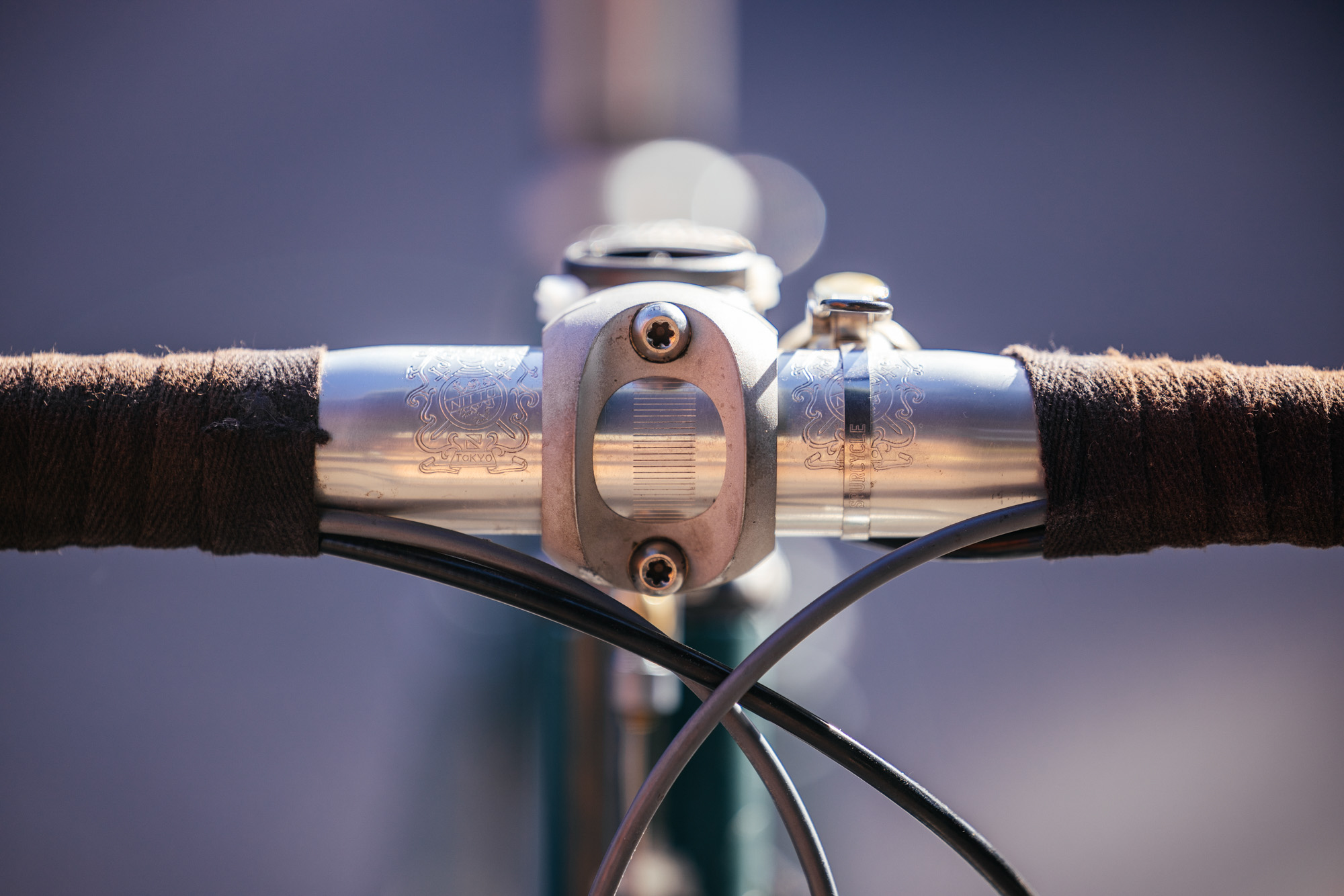
Ronnie always laughs at me about this, but for me, it’s aero handlebars. I will always use traditional round-bend bars. They’re getting harder to find, unfortunately.
Are you talking 26.0?
I’ll run 31.8, just not ergo bars.
Would you put Oury grips on your drops?
Whatever people want to do is cool. But for me, it’s a no.
Even recently, I would’ve said most modern cranksets. Absolutely never a modern crankset. But these days, I’m just starting to be like, some of them are okay.
That’s how I feel about the really long Rivendell chainstays. I used to hate it. Thought they looked horrible, but after seeing them for years, I’m like, that’s just what a Riv looks like now. I kind of like it.
Yeah, I’m less fond of that. But I still appreciate Grant.
You know what I will say? Hollowtech cranksets. I don’t like the hole through there. I’m not a big fan of those.
Sometimes I feel like everyone, for their first build, wants to do everything. They want four colors of housing and shitty mail-order red tires, and I want to be like, make one move and stick with it. I think you do a really good job with that. You do a lot of silver with a little bit of brass, and everything else is bike-shaped and well curated.
Thanks. I would say for me, one big thing was probably in like 2008 or 2009. We were discovering all this anodized gold stuff. The KMC gold chain. There were parts that Ronnie and I were purchasing through like mail-order sites years ago; we still have some of them floating around. And I remember discovering Blue Lug way back, and being really inspired by a lot of the builds coming out of Japan for sure.
It all comes back to Blue Lug eventually.
Yeah, I mean, I think as I’ve gotten older, I’ve definitely tried to be a little more open-minded about stuff, but I think still maintaining a few hard nos is important.