
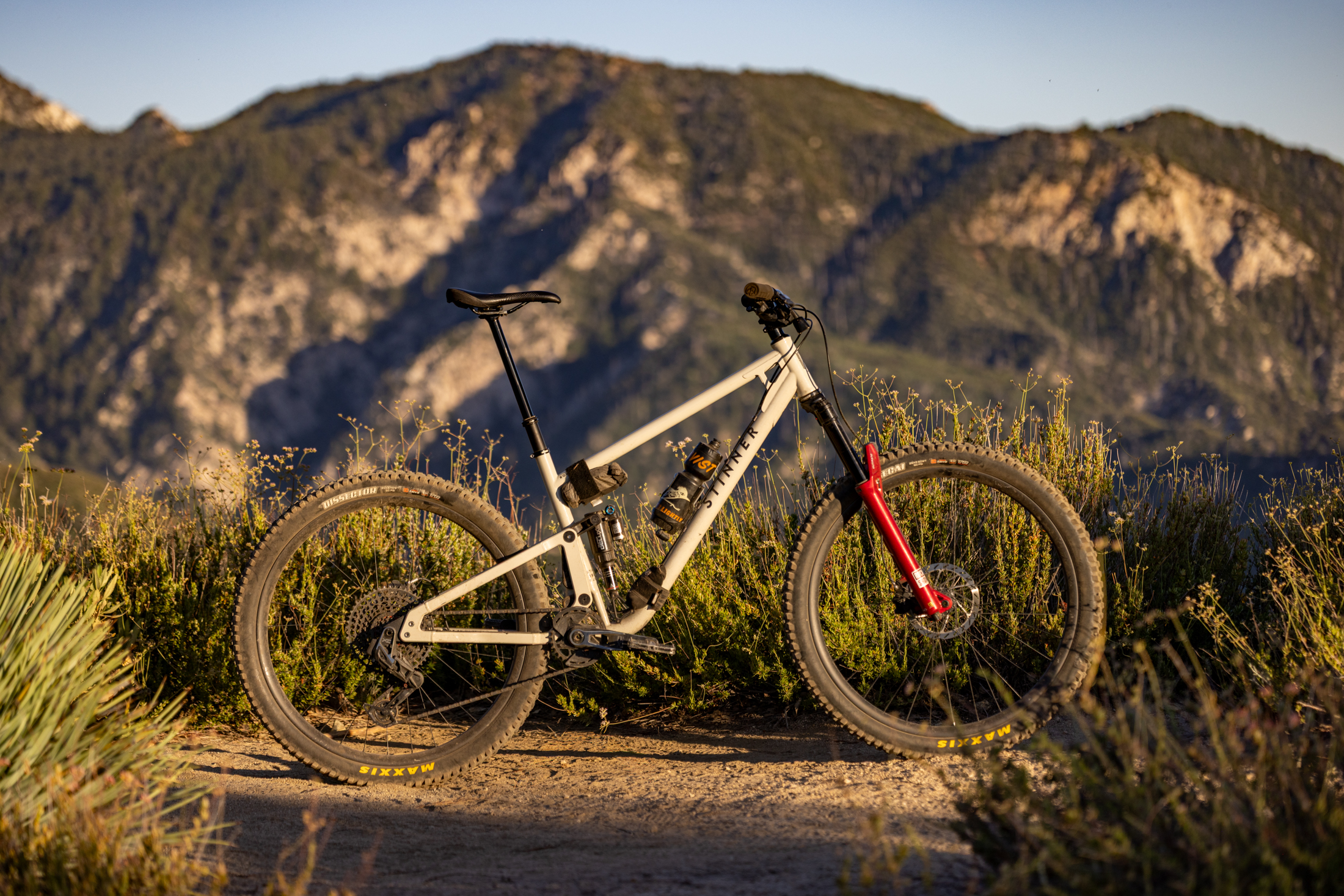
Come for the US-made steel, stay for the advanced kinematics. The Stinner Romero MT isn’t just a work of art. It offers more rear-wheel traction than any bike Travis has ever ridden.
I grew up lusting after brands like Turner, Intense, and Klein. American metal mountain bikes defined luxury back in the ‘90s and early aughts. But their reign was handily overthrown in the carbon coup d’etat, and I admit I was complicit. I’ve bought multiple carbon bikes, and sung the praises of countless more. So, I have no right to complain, but I do miss the days when you bought a US-made mountain bike not only for its vibes, but also for its performance. The Stinner Romero ignited my hope that those days could return.
Stinner Romero MT Quick Hits
- 29-inch wheels
- Mixed-wheel option available
- 140 mm rear travel, 150mm front
- 130 or 135mm rear travel available via changes in shock stroke length
- 3VO dual-short-link suspension design
- Steel front triangle, aluminum rear
- Six sizes from XS to XXL
- Manufactured in Santa Barbara, California
- 36.3 lbs (XL without pedals, with carbon wheel upgrade)
- $6,200 starting price for complete bike
- $2,999 for frame without rear shock
- $4,100 starting price for frame, shock, and fork
- $8,950 as tested
- Shipping late July 2026, pre-orders open now
The Romero family currently includes a 160 rear / 170 front Romero LT (Long Travel) and the 140 / 150 Romero MT (Medium Travel) I’m reviewing here. These frames don’t register as handmade and homegrown in the same way Rock Lobsters or Breadwinners do. Not necessarily because of the rear suspension, but because of the kind of rear suspension. The Romero’s 3VO linkage has me thinking more of Santa Cruz than Starling. And still, it’s nothing like either of those bikes.
Photos: Jamis Bicycles
3VO Linkage
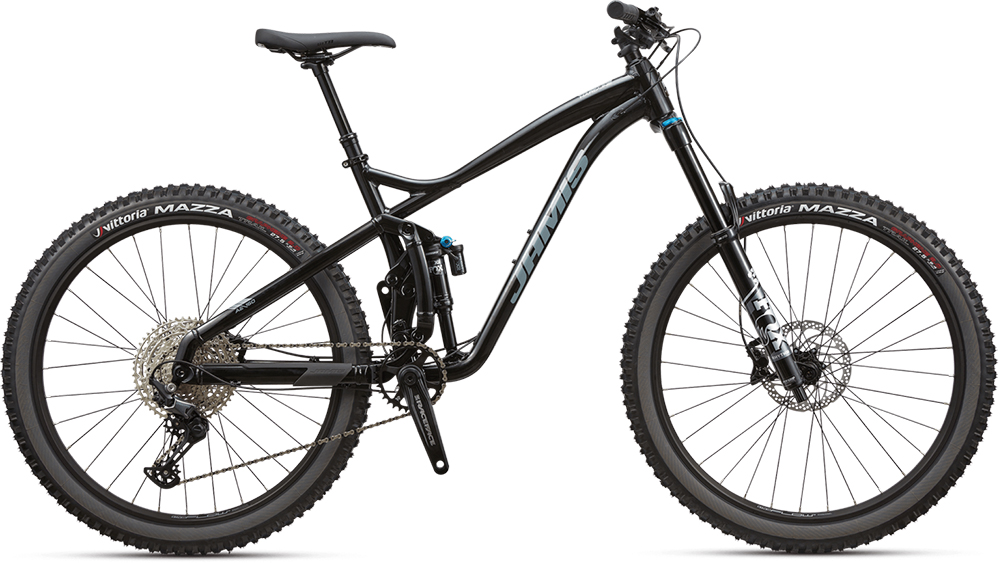
The 3VO was first adopted by Jamis Bicycles for use on their 2018 Hardline and Portal models. But they haven’t introduced a follow-up since the 2020 Portal C, and the fate of Jamis’s 3VO lineup is uncertain. Thankfully, 3VO’s legacy might endure. Its designer, Chris Currie, founded Ministry Cycles to market complete 3VO rear triangles to small framebuilders. That saves them the trouble of designing and manufacturing something on their own.
At the time of publishing this, Ministry rear triangles are out of stock with no advertised arrival date. Lately, Currie has been focusing on research, riding, and beating the ever-living shit out of cancer. But it’s a really cool business model. Even though a third-party linkage would serve a niche within a niche within a niche, I’m surprised there aren’t more players in that game. Seems like more small builders would experiment with full suspension if they could buy a rear triangle the same way they’d buy a fork or a wheelset. Correct me in the comments if I’m wrong, but Ventana is the only other brand I know of that’s ever sold a plug-and-play rear triangle. And 3VO is a much fancier mousetrap.
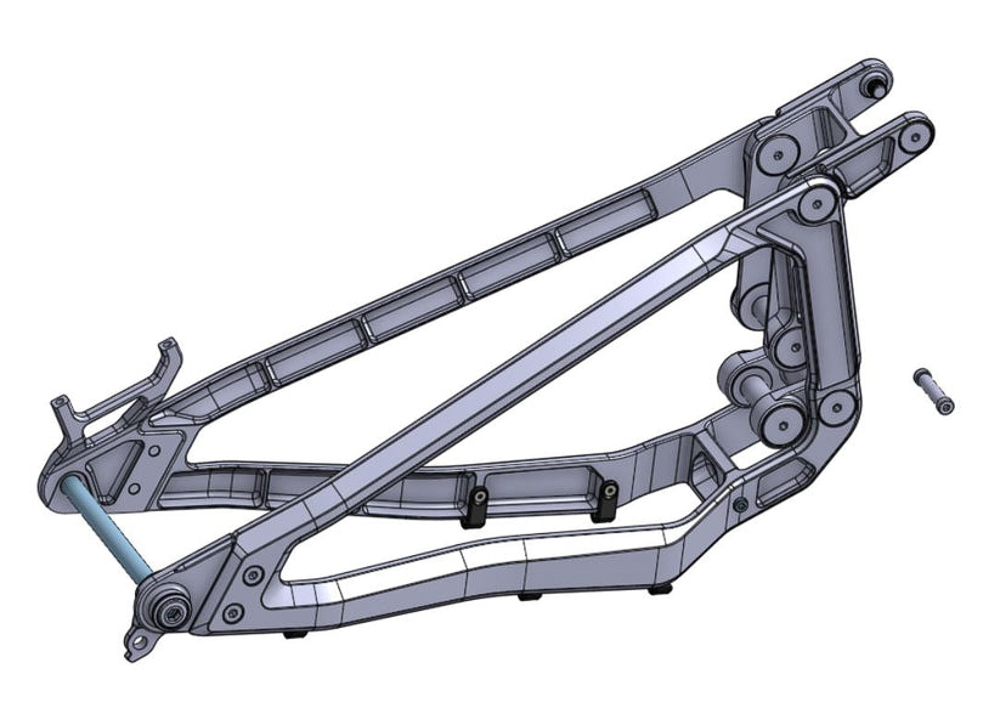
Image: Ministry Cycles
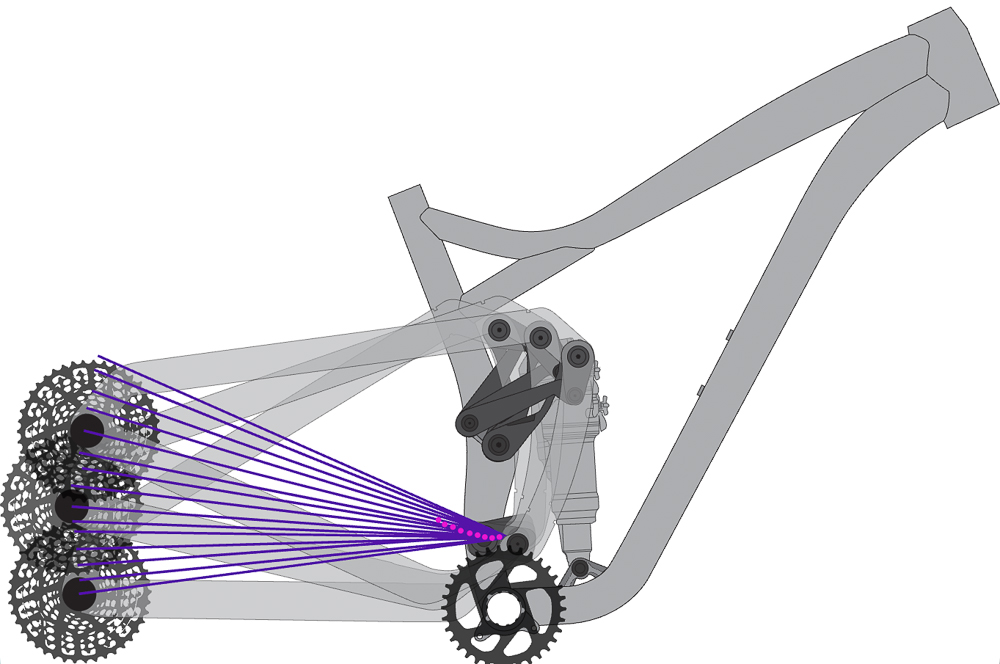
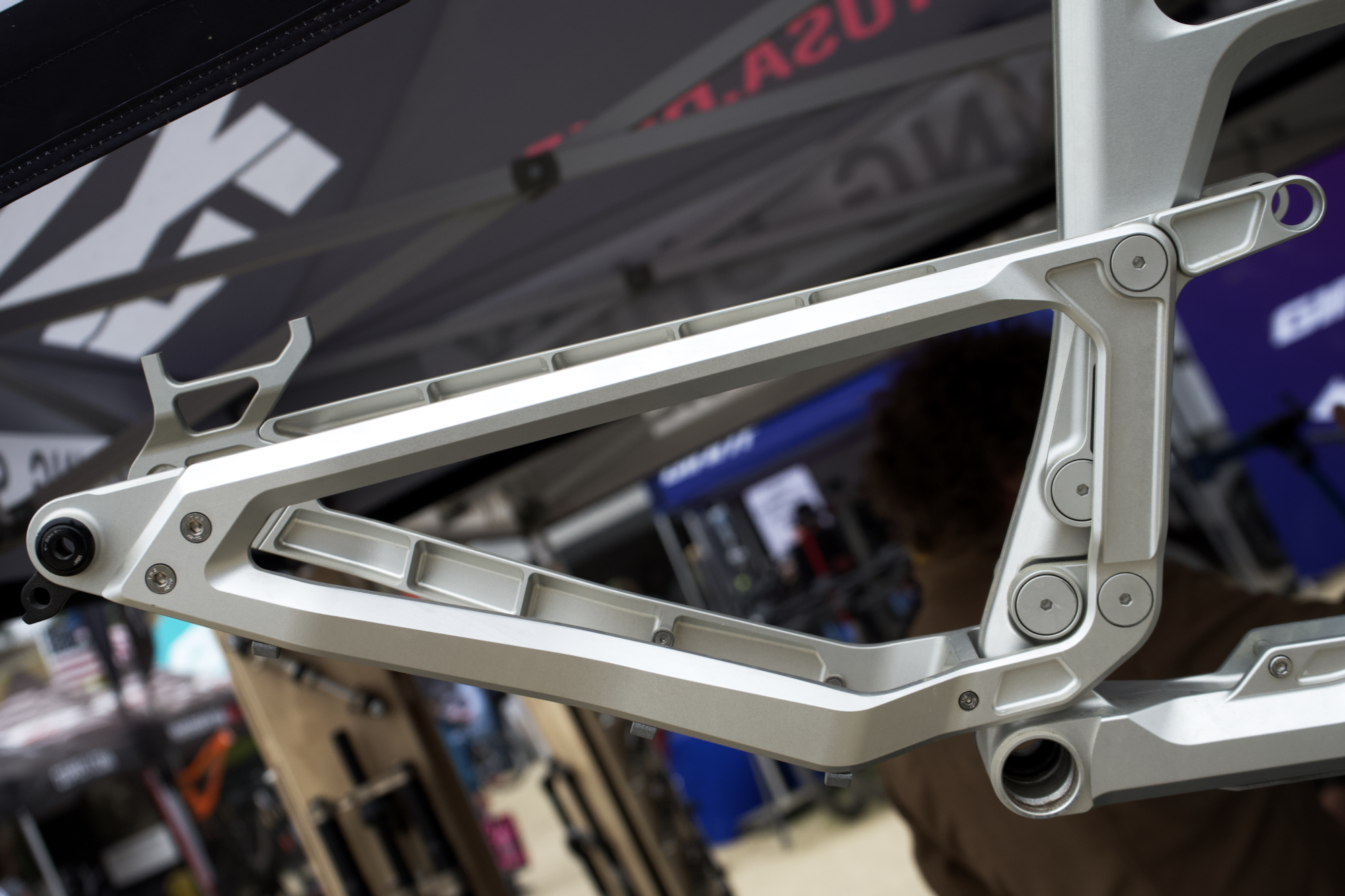
It’s technically a dual-short-link design a-la DW-link, but it’s very much its own thing. The anti-squat remains relatively high until late in its travel, but it’s also pretty progressive. That means it remains relatively sensitive until late in its travel. And the axle path arcs gently rearward for the first few centimeters, which adds to that initial sensitivity. If this unique combination works as intended, it’ll offer supple small and mid-sized bump performance with strong bottom-out resistance and a firm pedaling platform.
Photos: John Watson
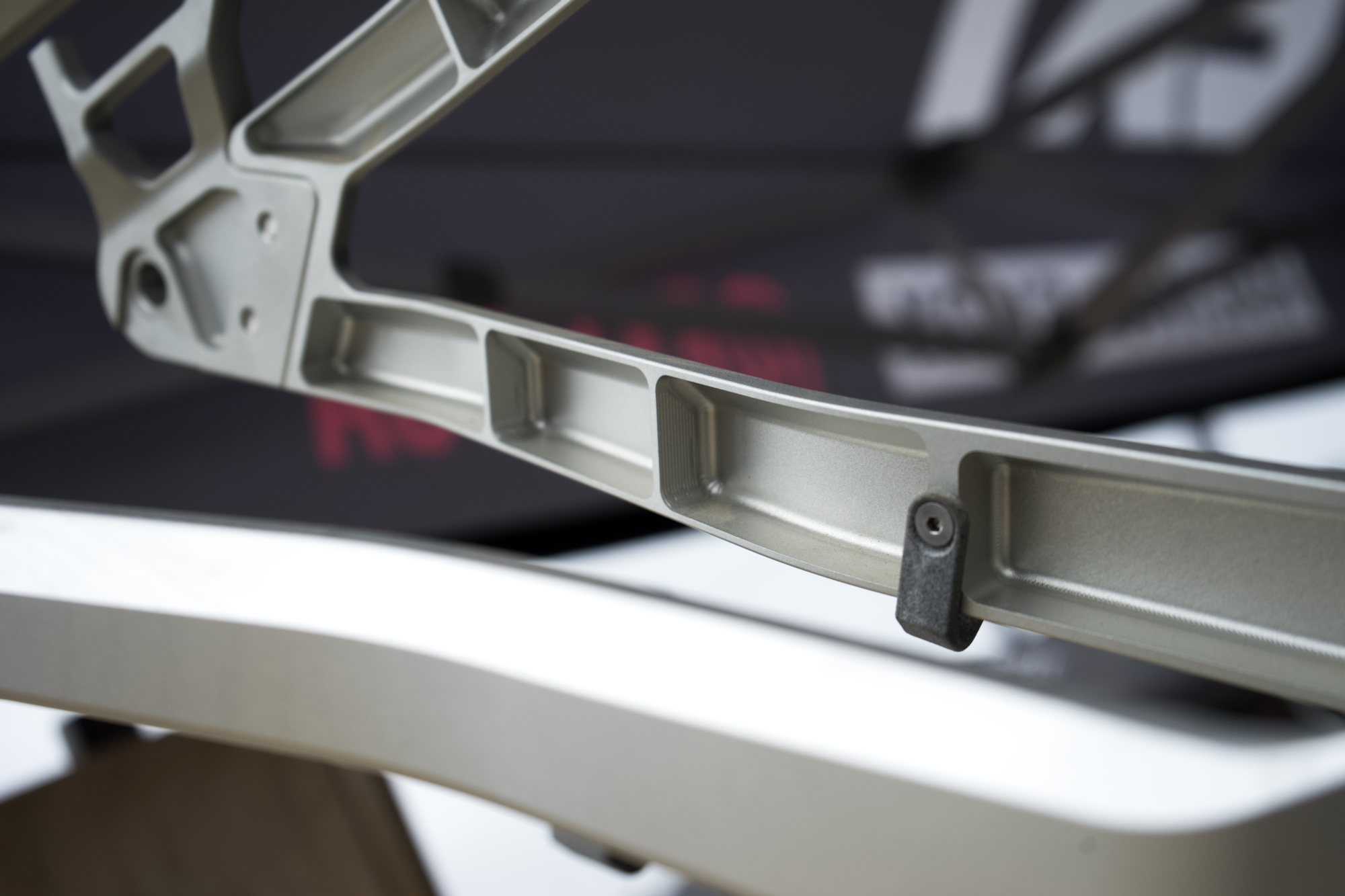
And the construction itself is equally fancy. Currie is a connoisseur of CNC machining. If you follow him on Instagram, you may have also seen his experiments with a matching CNC’d front triangle, which has since evolved into CNC’d lugs for carbon tubes. Ministry’s artful rear triangles are intended to complement the artful one-off front triangles they’re destined for.
But as it turned out, the Stinner Romero was destined for something a little different. Not only would all that machining add time and cost to production, but it simply doesn’t align with the Romeros’ objectives. Currie’s original design is slim and light. There are razor-thin clearances to save bulk, and intentional asymmetry to save weight. The Romero needed something stiffer, stouter, and simpler.

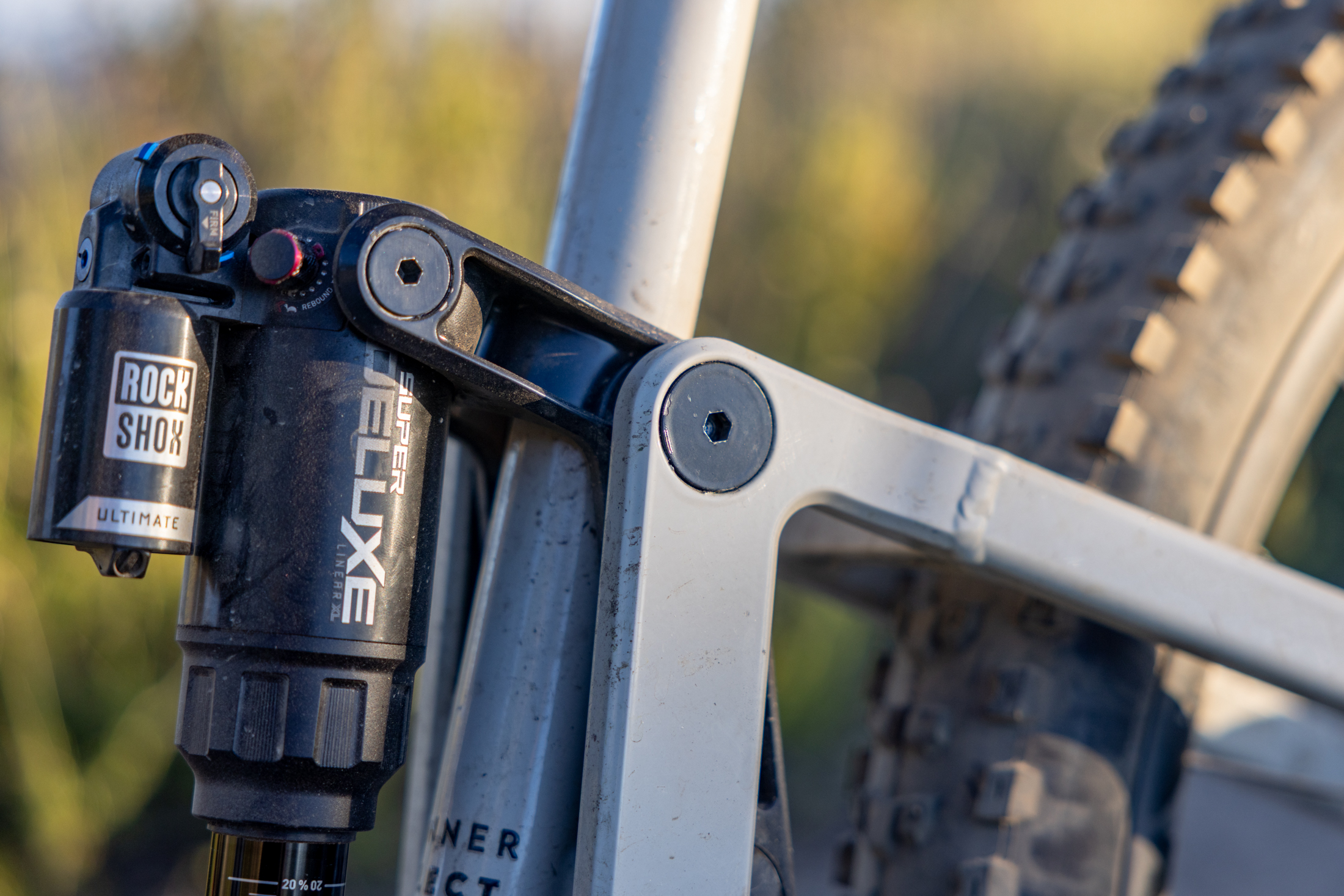
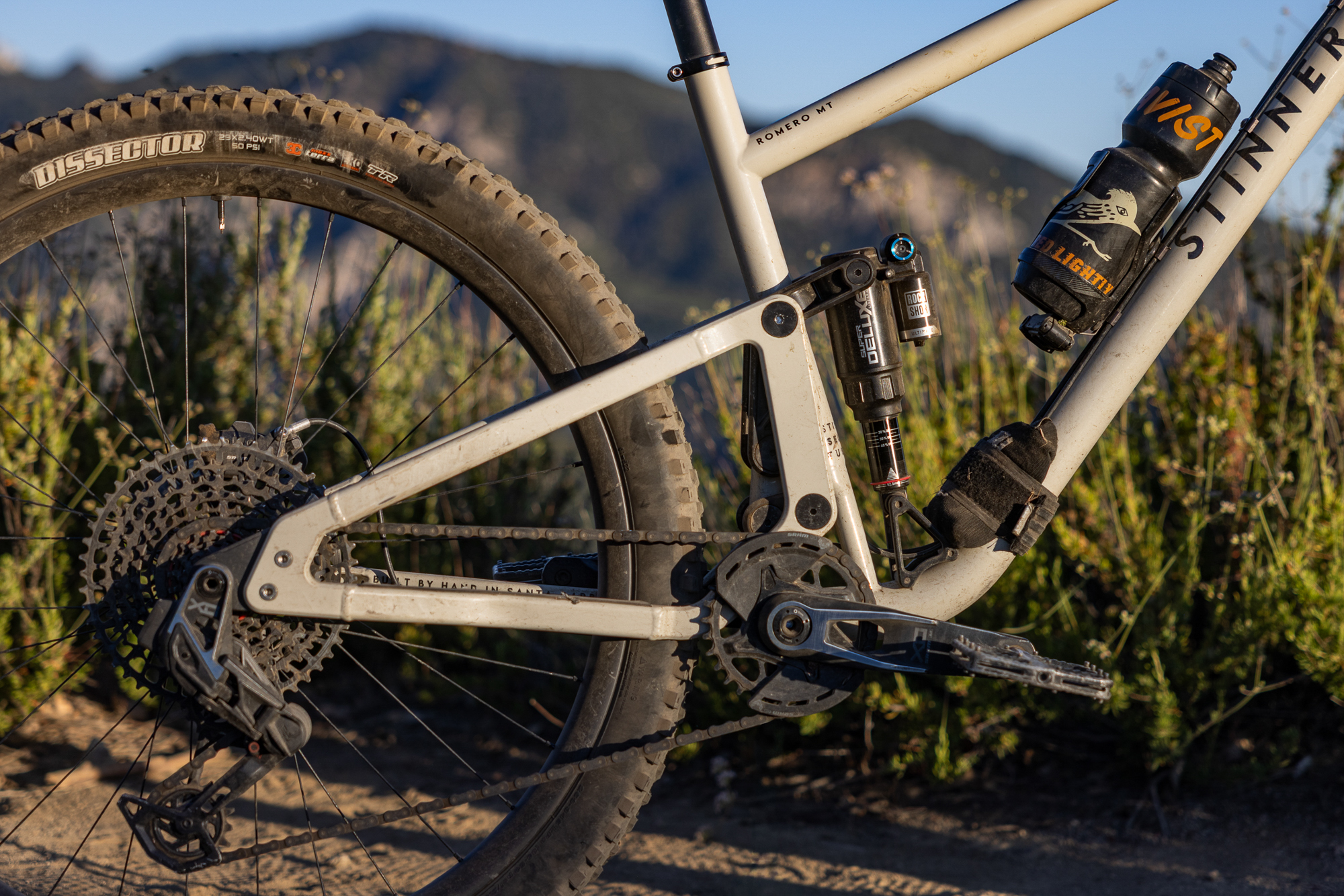
So, Stinner repackaged Currie’s design, while keeping its kinematics intact. They made the bearings bigger and more uniform. They eliminated finicky captured pivot spacers by extending the races on the bearings themselves. And they held it all together with good ol’ tubular aluminum. The rear triangle is 6061 T6, which requires a pretty intense heat-treating process. Stinner welds them up themselves, then hires a legacy southern California alloy frame factory to cure them. The Romero’s steel front triangle, of course, was made completely in-house.
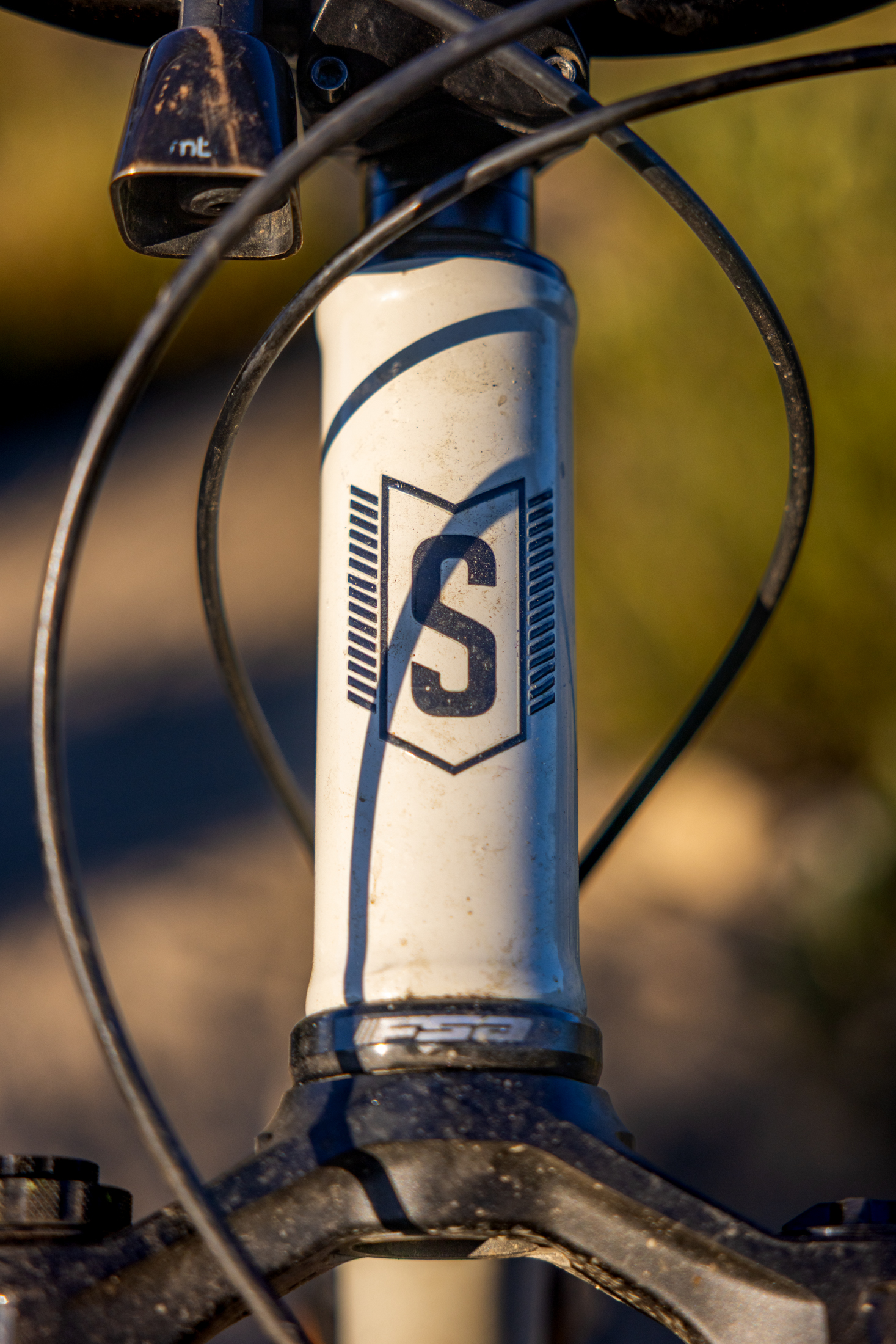
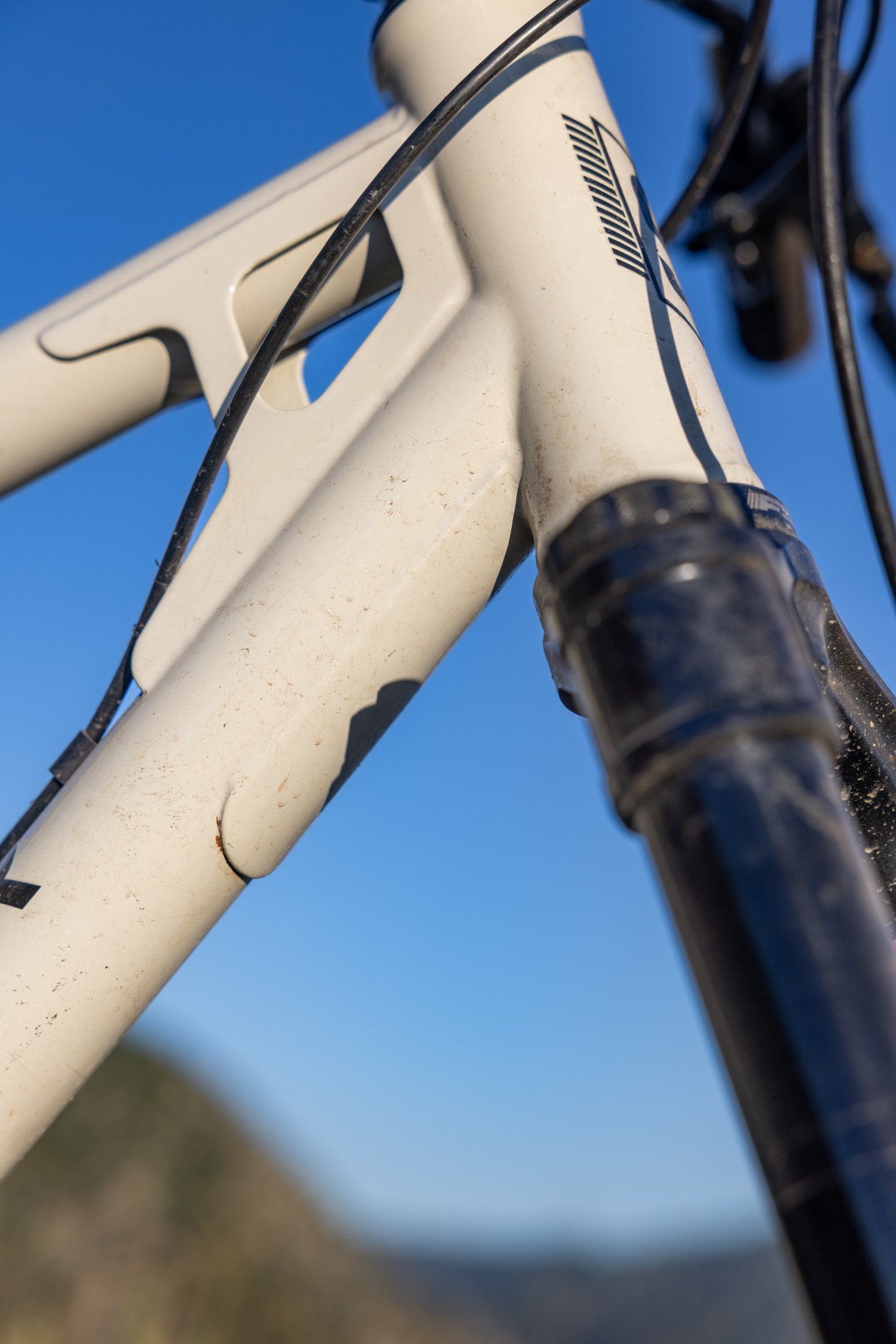
Maybe I’ve just gotten used to it over the past few weeks, but this frame somehow doesn’t scream “I’m a steel full suspension bike! Check out my round tubes and tiny welds!” It just looks like a modern mountain bike that happens to leave you wondering what brand it might be. You’ll find all the stuff you’d expect, like deep seatpost insertion, room for a full-sized bottle in every frame size, and an accessory mount under the top tube. Speaking of which, my test bike was an early production sample, so I had to strap on my accessories.
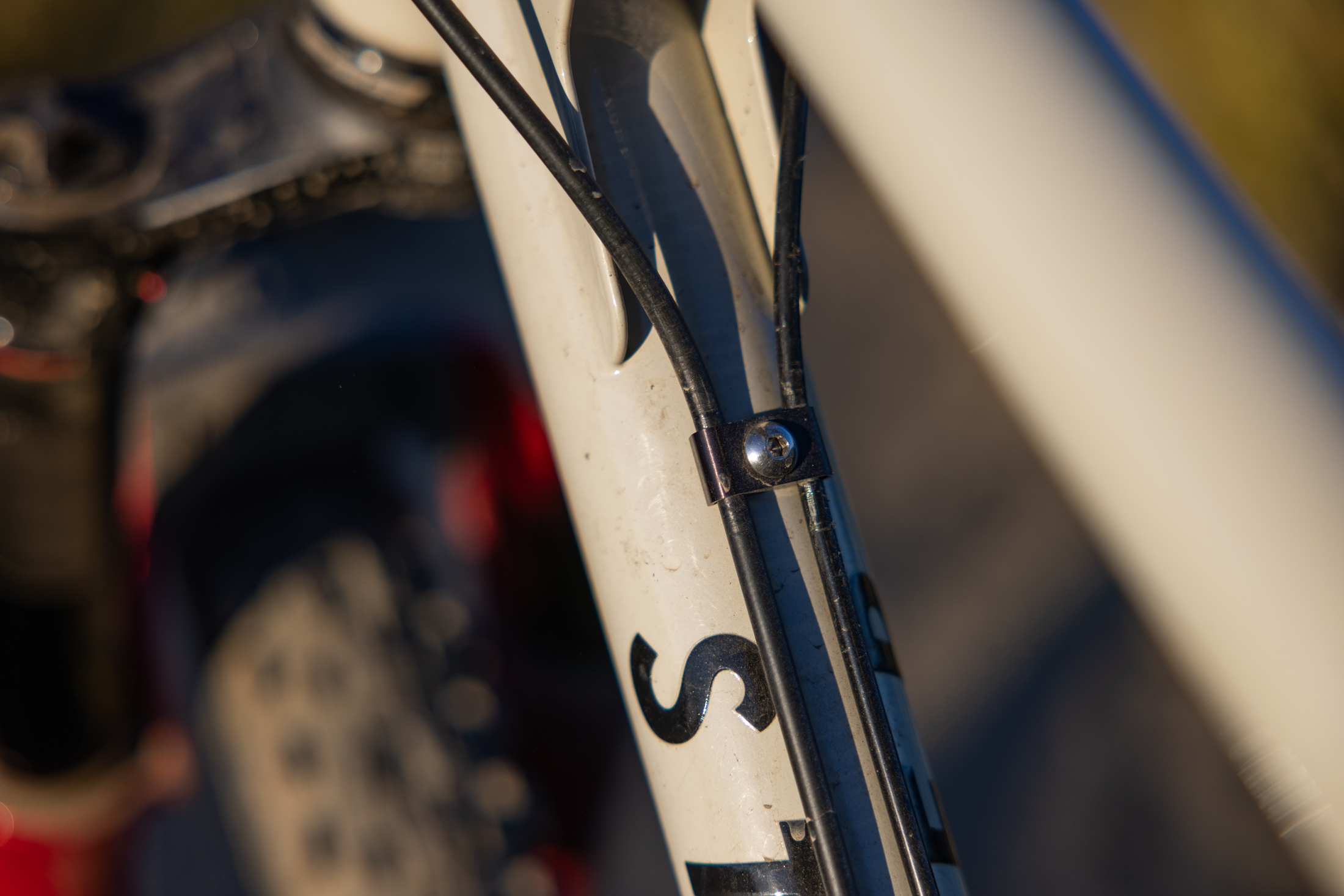
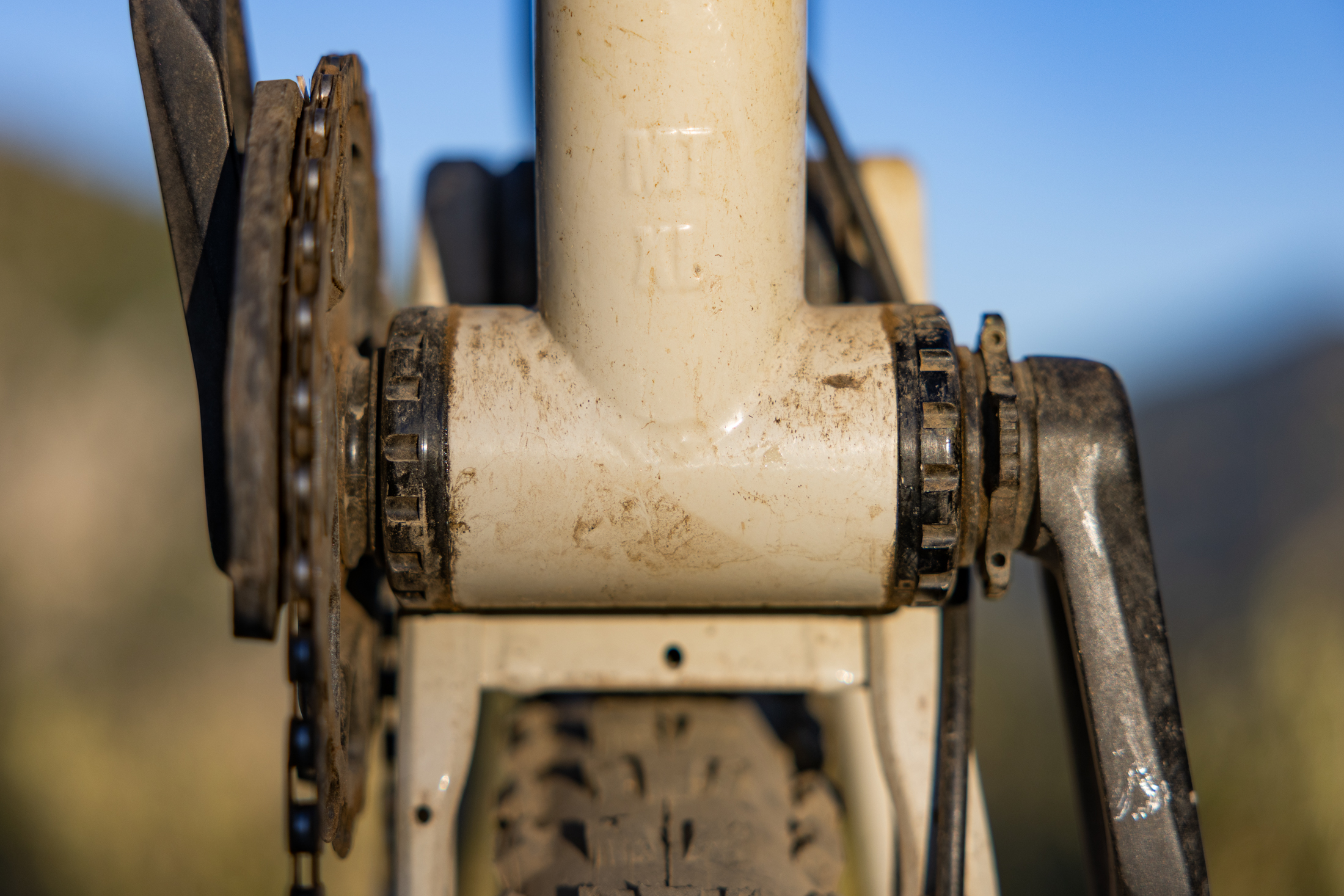
From a distance, the only obviously steel-coded feature might be the external cable routing. From close up, it’s definitely the T47 bottom bracket. And it’s pretty neat. Standard 73mm BSA bottom bracket shells were conceived for square-taper spindles. A lot’s changed since then. I like that Stinner used a bottom-bracket shell designed in this century. And you can get an external T47 bottom bracket anywhere, from White Industries to Ali Express. Stinner’s complete bikes use SRAM.
Spec and Value
If you want to choose the bottom bracket yourself (along with everything else), you can start with a bare frame without a rear shock for $3,000. Rear shocks available aftermarket tend to cost $500 to $700. Or you can get a Romero MT “frameset,” which includes frame, shock, and fork. That’ll cost $4,100 for Marzocchi, $4,900 for RockShox Ultimate, and $5,000 for Fox Factory.
I can’t provide apples-to-apples comparisons for US-made steel / aluminum full-suspension framesets, but I can provide context: An alloy Specialized Stumpjumper frame with a non-Factory Fox Genie shock and Factory Fox 36 Grip X2 fork would go for $3,400. A carbon Pivot Switchblade frame with a Factory Fox Float X shock and Factory 36 Grip X2 fork would go for $5,900. Point is, the Romero MT price may be in the stratosphere, but it’s not in the exosphere.
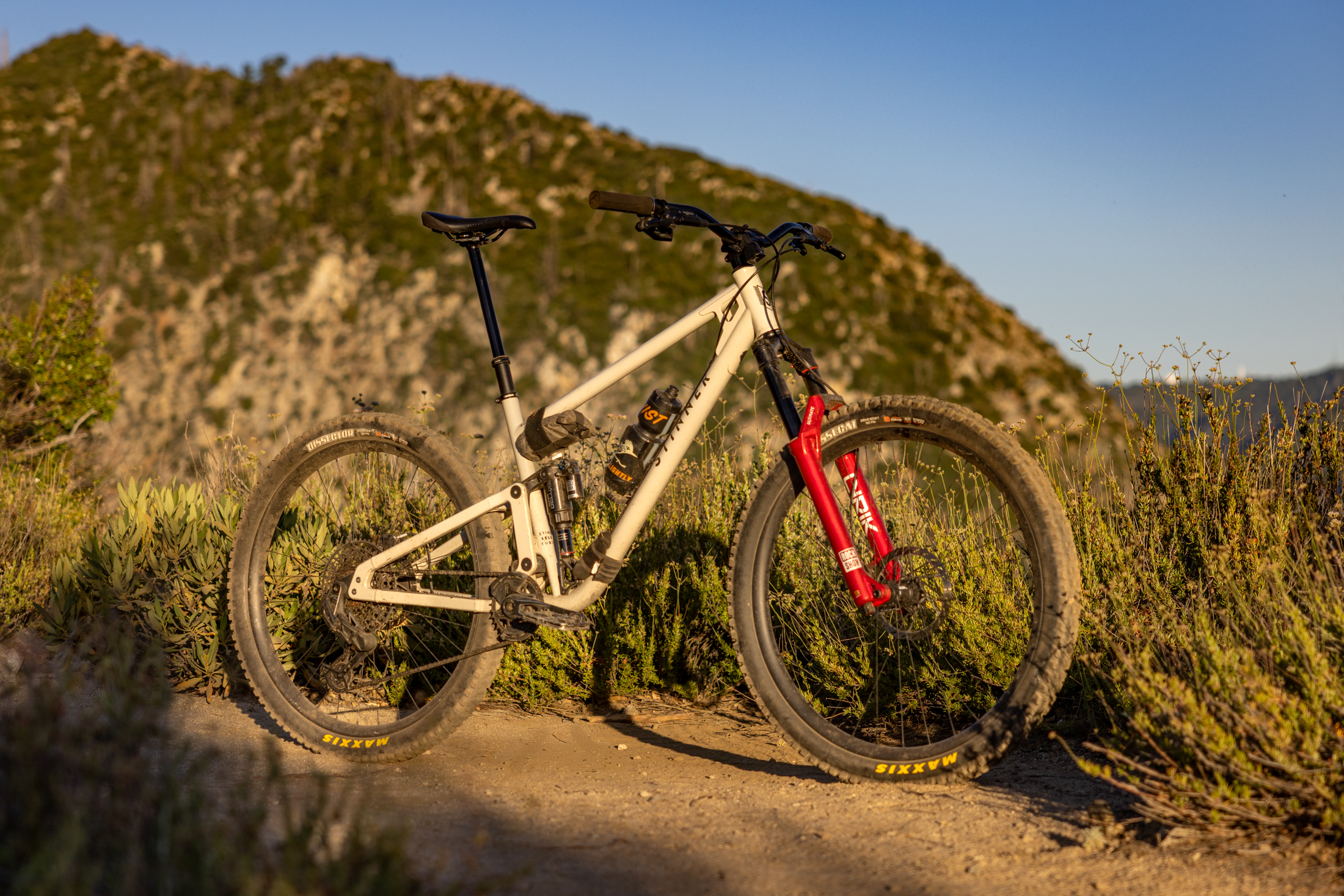
Complete-bike prices are just as hard to contextualize. An Eagle 90 build with RockShox Ultimate suspension goes for $6,900, while an XO AXS Transmission version goes for $8,200. These numbers are not unprecedented, but the Romero itself kinda is. It combines the tech of a big brand with the intimacy of a small one. There’s the cutting-edge linkage with painstakingly optimized pivot hardware.
And of course there’s the domestic production using materials that don’t leave a trail of non-recycleable trimmings. There’s also little stuff that most brands don’t bother with. Like the modular dropouts, modular lower-shock mount, or the six unique frame sizes.
Geometry
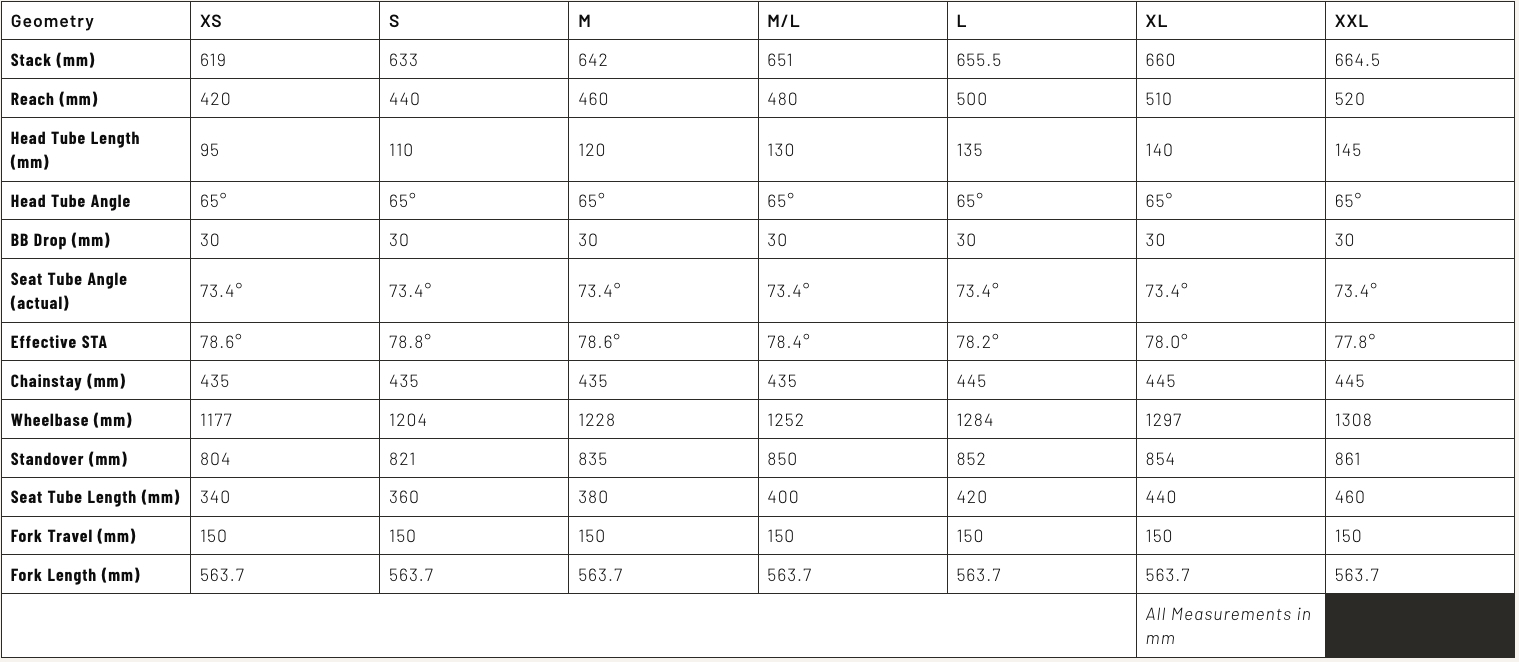
Reach numbers span from 420mm for an XS, up to 520mm for an XXL, with a M/L dropped somewhere in the middle … kinda. There’s a 20mm gap between most of the sizes, but just 10mm gaps between L, XL, and XXL. Maybe we tall folks have more granular choices because founder Aaron Stinner knows 510mm is his sweet spot. No complaints here. It’s mine, too.
XS through M/L frames ship with 435mm chainstays, with L through XXLs running 445. But the change is made via those modular dropouts, so you can choose long or short regardless of your frame size. Aside from that, there aren’t any question marks on the geo spreadsheet. Seat tube angles hover at an above-average 78°, and the 65° head angle is probably a safe bet for this travel category. A little too safe, for some, but there are no flip chips to slacken it, or to lower the slightly higher-than-average 30mm bottom-bracket drop. You do have the option of running various stroke-length shocks, which won’t change the resting geometry but will change the rear travel between 140mm, 135mm, or 130mm. I tried each one, so let’s get into it.
Stinner Romero MT Ride Impressions: Climbing
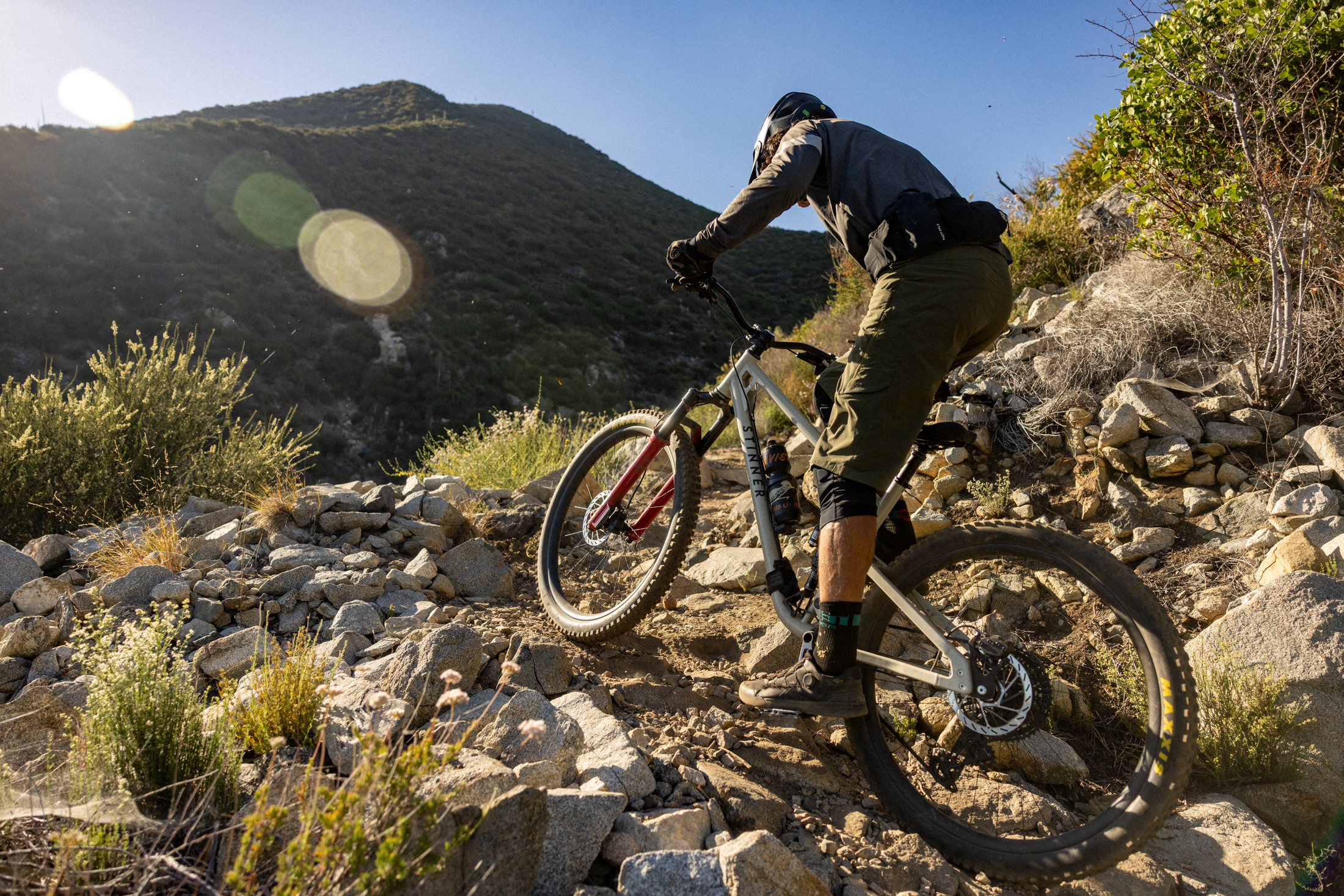
Sometimes it takes me a while to identify what kind of climber a bike is trying to be. I have to put it in every possible situation before one stands out as especially optimal or sub-optimal. But the Romero made its priorities clear the moment I finalized my sag settings. This bike is a very supple, very active climber. So much so that it had me questioning those sag settings. The initial float was so soft that I kept thinking I might need more pressure. But repeated resets and check-ins on the travel-indicator O-ring told me I was staying plenty high in the travel. I also can’t recall a single surprise pedal strike, though that may be thanks to that conservative bottom-bracket height.
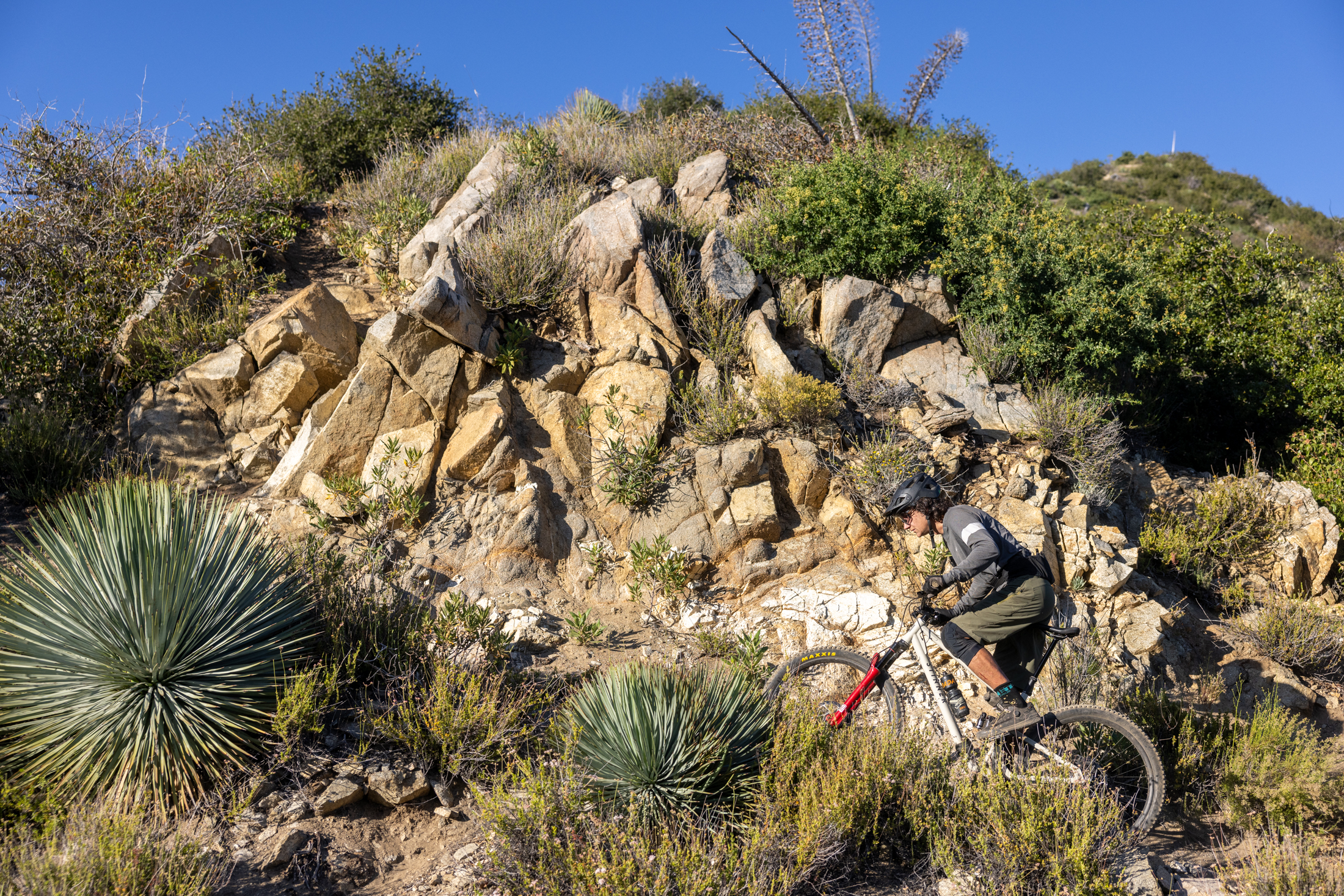
The steep seat angle also helped to keep me elevated. My body weight never pierced too deeply past the suspension’s soft outer layer. And 3VO’s claimed high anti-squat values also probably had something to do with it. Cranking on the Romero MT was never mushy or soggy or any other creepily moist descriptor. But it was a little bouncy. No matter how smooth my pedal strokes, the shock was always in motion. That calmed down a little when I dialed up the low-speed compression damping, but I’d have compromised the downhill behavior had I tried to totally eliminate it.
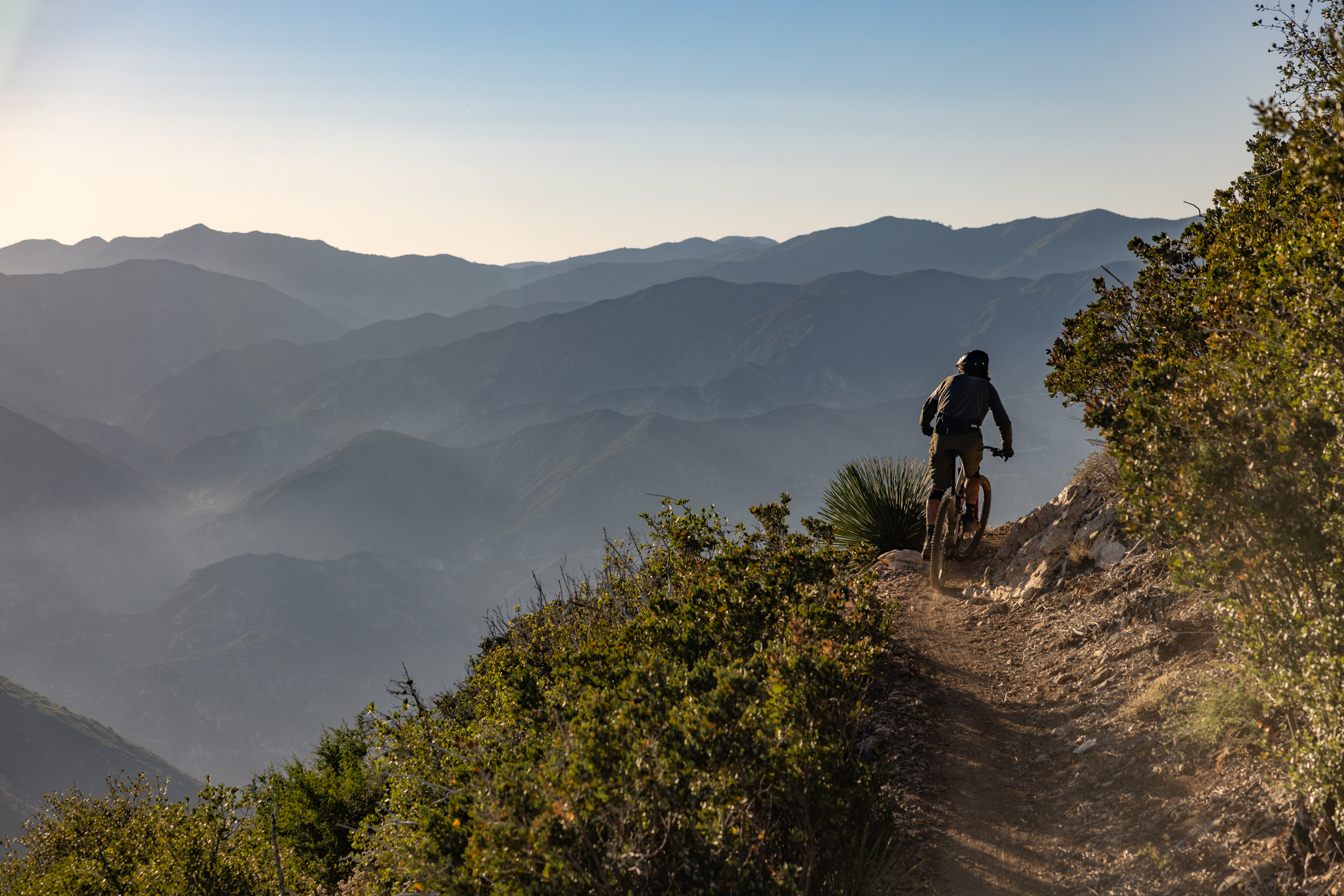
To be fair, the bounce was subtle. It seemed just to be a reaction to my thighs cycling up and down. Sure, the shock is absorbing some energy that might otherwise transfer uninterrupted into the rear wheel. But it wasn’t much energy. It was also only noticeable on smooth sections. For long fire-road or pavement climbs, I tend to use a lockout anyway. And for brief glassy stretches along bumpy, techy singletrack, it’s not costing enough efficiency to matter. Then, when that bumpy tech returns, the Romero MT really shines.
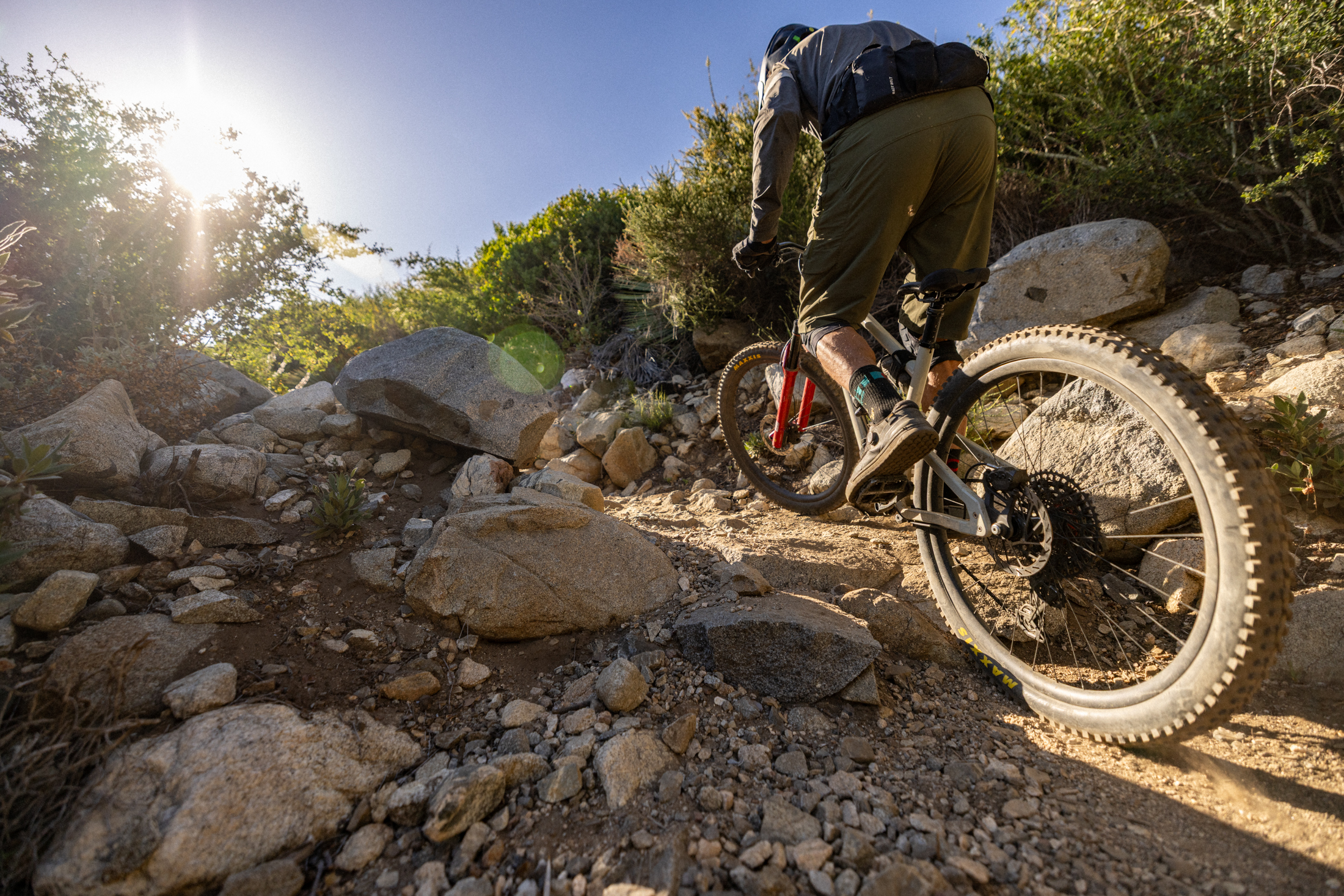
This bike has dethroned the Revel Rascal as my benchmark for rough-terrain climbing performance. It stayed just as high in its travel as it did on smooth sections, but the rear wheel tracked over rough sections as if it knew ahead of time exactly how much or how little to move. That automatic adaptability may be what stood out the most. With the same settings, it behaved just as optimally over a field of baseball-sized protrusions as it did up intense shelfy widowmakers. Through the small stuff, it provided comfort and traction that spared far more energy than a bit of bouncing might waste. Through the big stuff, it refused to give up momentum and kept me from failing sections I sometimes wouldn’t even bother trying.
And throughout it all, the Romero never exhibited the lethargy I often sense on 140 mm trail bikes. This category tends to be difficult to judge. It’s clearly fair to expect a 130mm bike to feel quick, and it’s clearly unfair to expect the same from a 150 mm bike. The rules aren’t so simple in between. I can safely say that, because I rarely sank past its mid-travel, the Romero’s pep was usually comparable to that of a slightly shorter-travel bike. But that got interesting when I started trying different shocks.
Stroke-Length Intermission
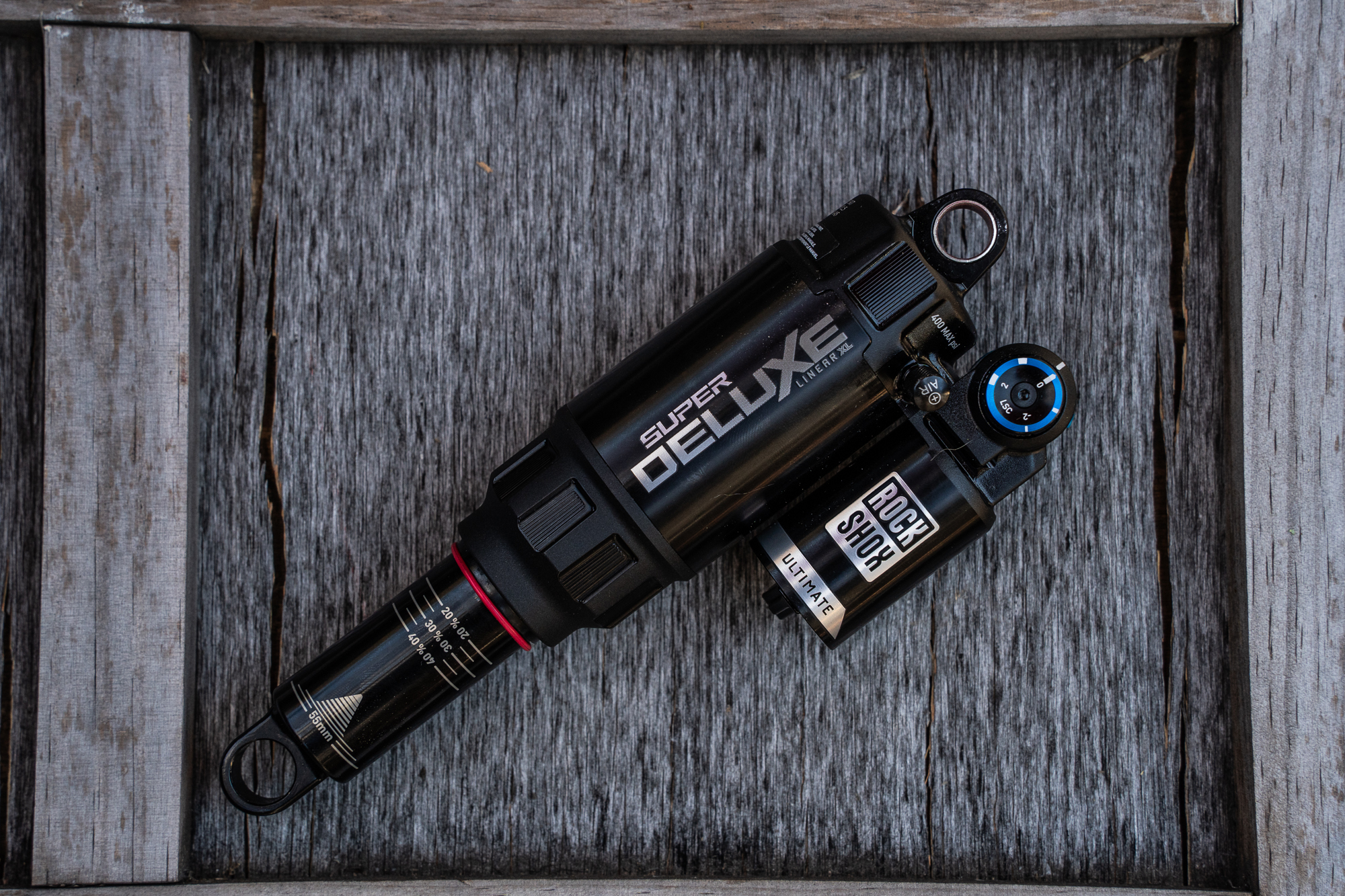
You can buy your Romero with a 50-, 52.5-, or 55 mm-stroke shock for about 130, 135, or 140 mm, respectively, but the default setup is 55 mm. You can also choose between a Marzocchi Bomber Air, a Fox Float X, or a RockShox Super Deluxe shock. You’ll notice all of our photos of the Romero feature a Super Deluxe, but I spent most of my test period on a Fox Float X that Stinner shipped me with the bike. If you picture yourself wanting to experiment with multiple rear-travel lengths, I’d recommend either the Marzocchi or Fox because they offer easy ways to reduce stroke length. And I’ve got another reason to recommend them over the Super Deluxe, which means it’s time to talk descending.
Stinner Romero Mt Ride Impressions: Descending
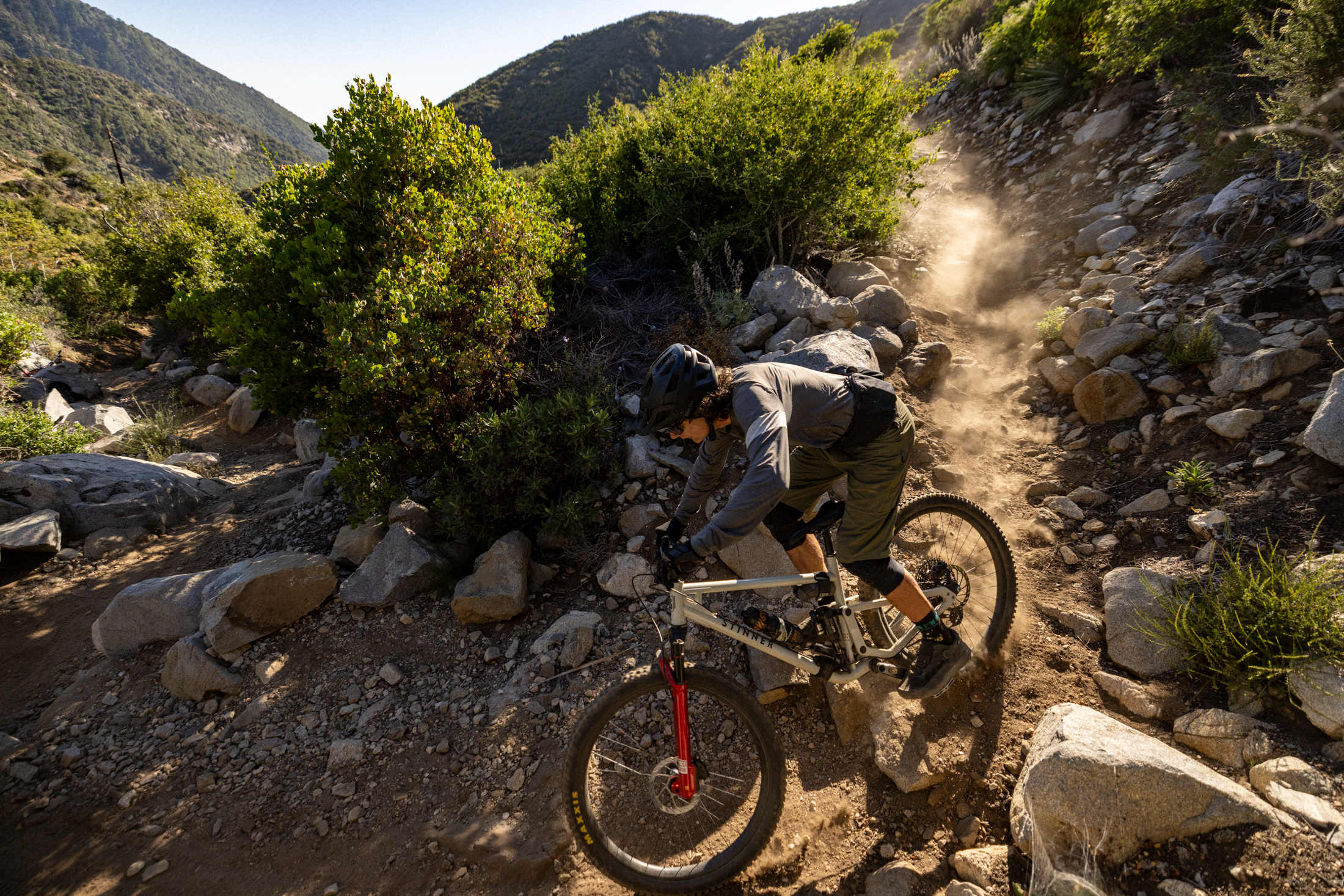
On the downhill, that sensitive early stroke was even more free to work its magic. It’s an interesting contrast having just come off the Raaw Jibb LT. That bike wasn’t all that into sensitivity. It was into bashing through rocks at full speed. The Romero has a far gentler touch, at least in the early stroke.
That means it very much feels like a long-travel trail bike. It’s not here to punish you, nor is it here for folks who like to punish themselves. There is that bottom-out resistance always there to catch you, which I’ll get to later. But it’s also perfectly happy moving at a normal person’s normal trail speed.
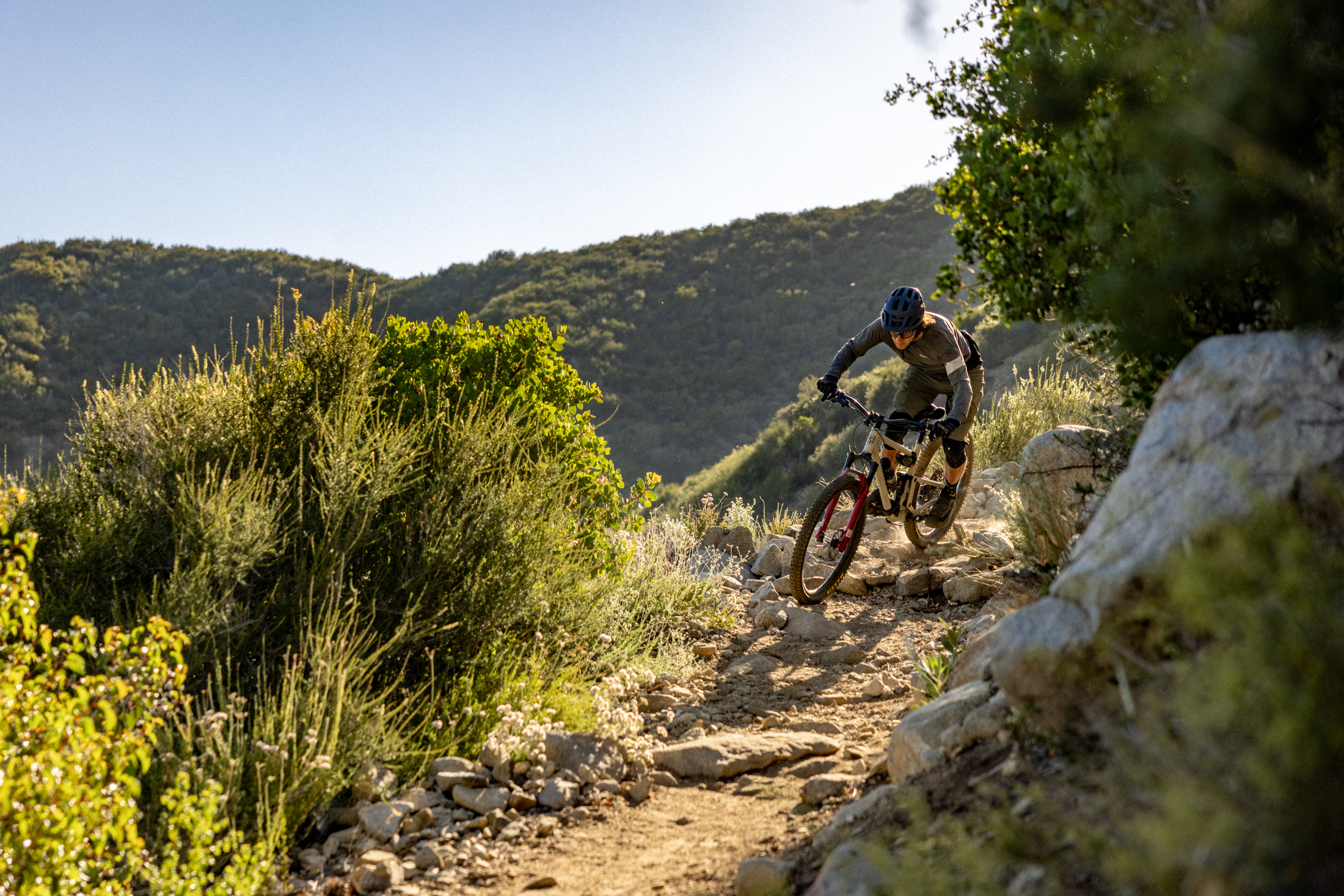
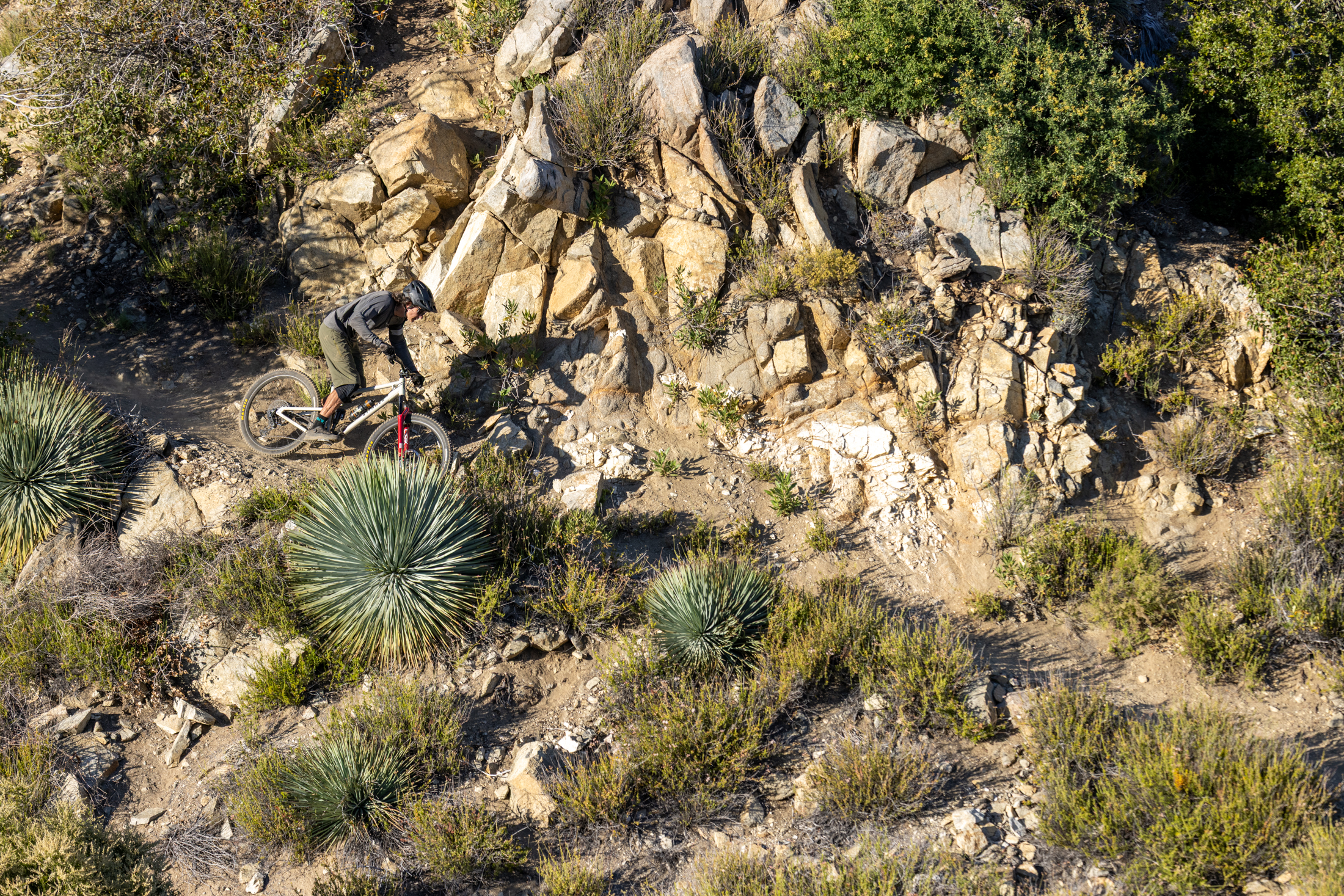
That lends the Romero consistently good traction. The rear tire likes to stick to the ground, which does mean it takes a little more effort to flick the rear end around. The early stroke’s priority of suppleness over support made it clear this bike wasn’t made for tapdancing. Those “flicks” had to be bigger moves at bigger moments, but I adjusted to that pretty quickly.
Anyway, that’s fine because it did an excellent job of recovering from the chaos. On the other end of those big moves, the Romero did an excellent job at staying composed. 3VO seems to do work pretty well while braking. Every suspension platform claims to, but I rarely notice it. I noticed it on the Romero.
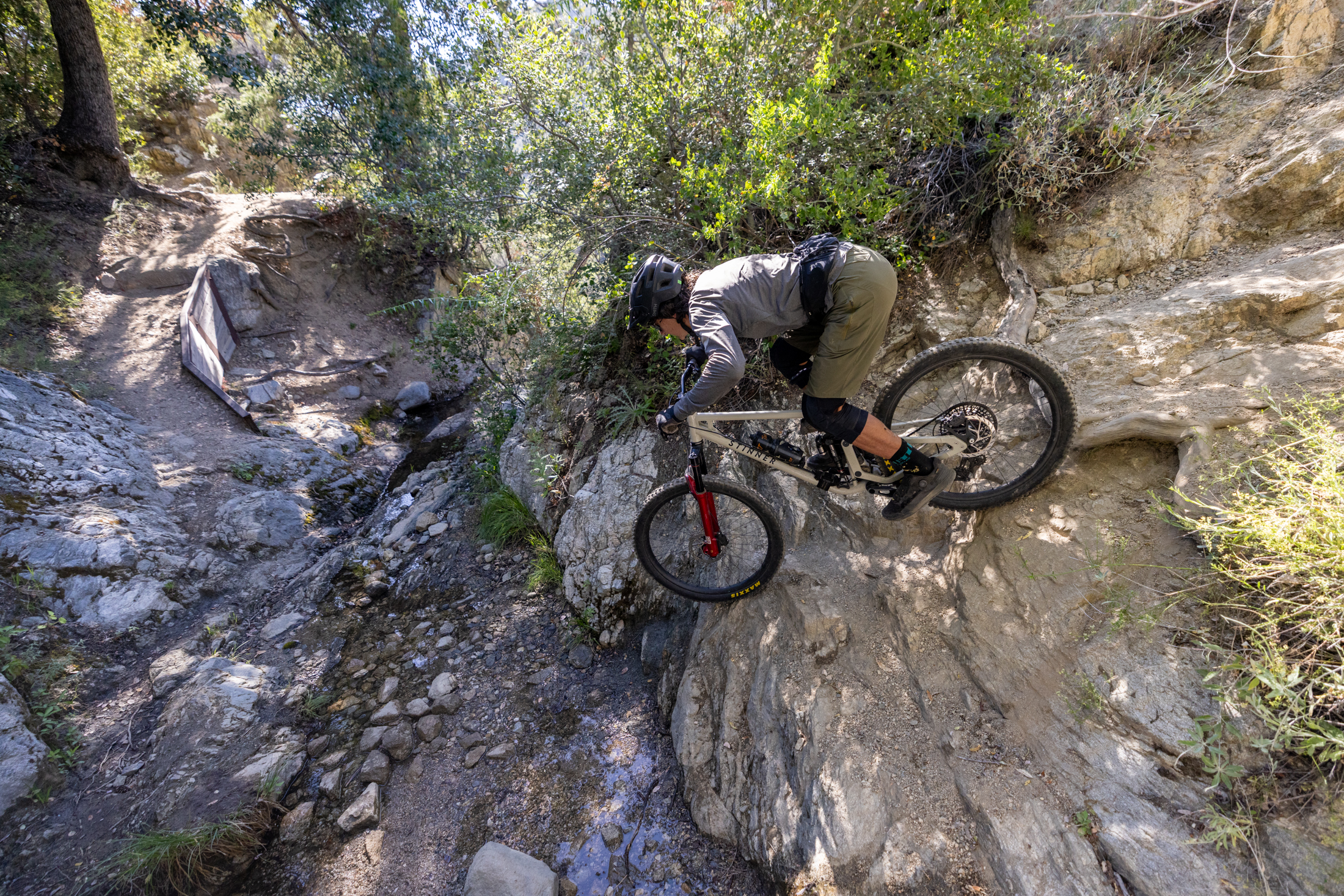
The other thing I noticed was its bottom-out resistance. This is the flipside of all that initial sensitivity. 3VO’s steep progressive curve kinda gives it a split personality. It behaves very differently in the early stroke and late stroke. The early stroke is remarkably sensitive, and the late stroke is remarkably firm. That has its downsides. It can potentially limit your freedom for tuning in the mid-stroke behavior.
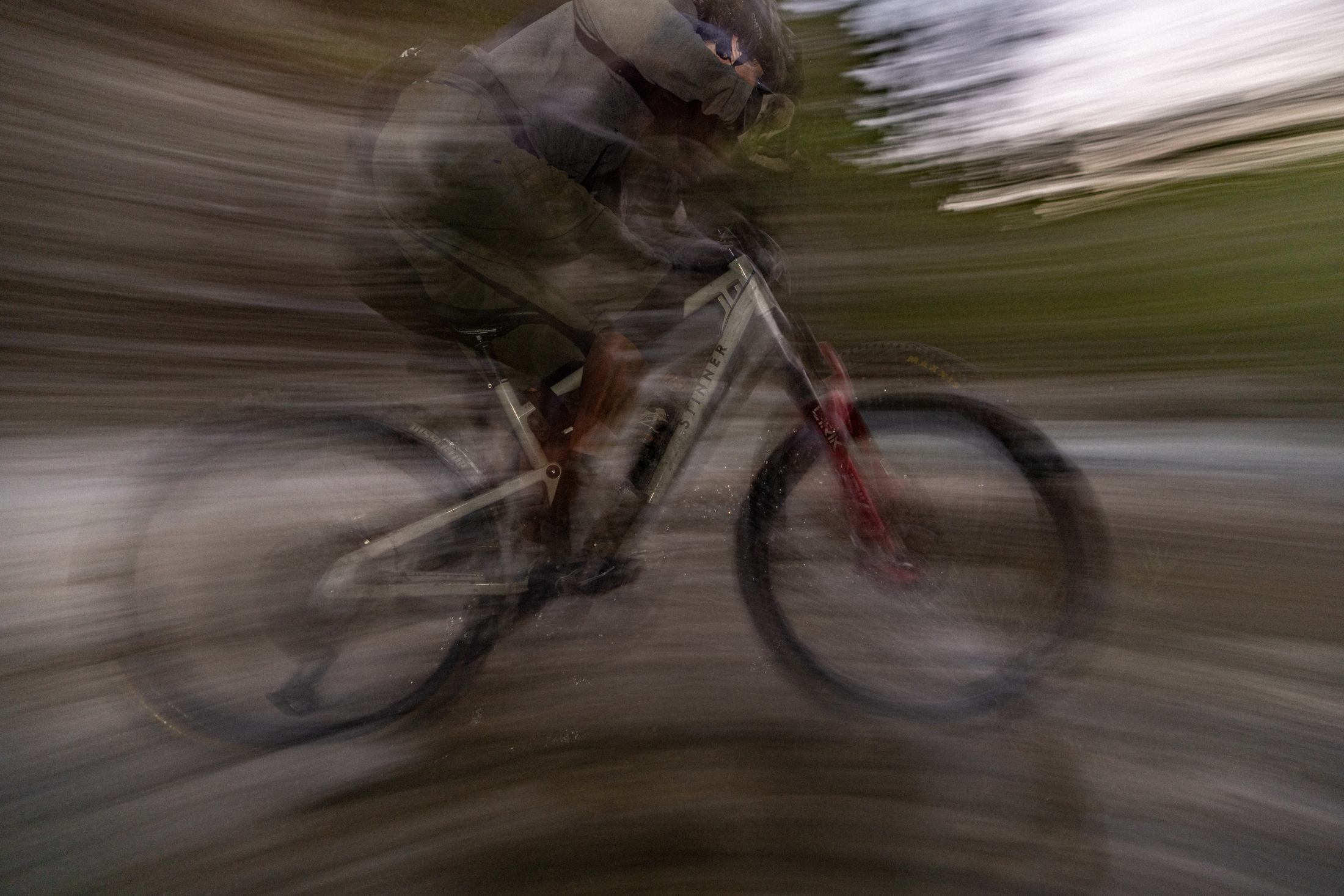
You probably wouldn’t want to set up the Romero soft for deeper bump sensitivity because it’ll make that light-feeling early stroke feel a little too light. On the flipside, setting it up firmer for more support might make the late stroke too difficult to access. And out of the box, did find it very difficult to access. The RockShox Super Deluxe features their Hydraulic Bottom-Out mechanism. I liked what that feature did for the less progressive leverage curve on my Esker Howdy, but it’s overkill on the Romero. Despite a few pretty critical errors on my setup ride, I never managed to max out the travel-indicator O-ring.
That’s why I switched to the Fox shock, running only a 0.1 cubic-inch volume spacer. It maintained the small-bump sensitivity I described above, but still allowed me to set it slightly firmer without always leaving the last drop of travel on the table. Harder-hitting, gravity-focused riders who value support over small-bump sensitivity might even want to further flatten the curve with a higher-volume air shock like a RockShox Vivid or Fox Float X2, or maybe even a coil. But a traditional shock will combine supreme traction with a get-out-of-jail-free card.
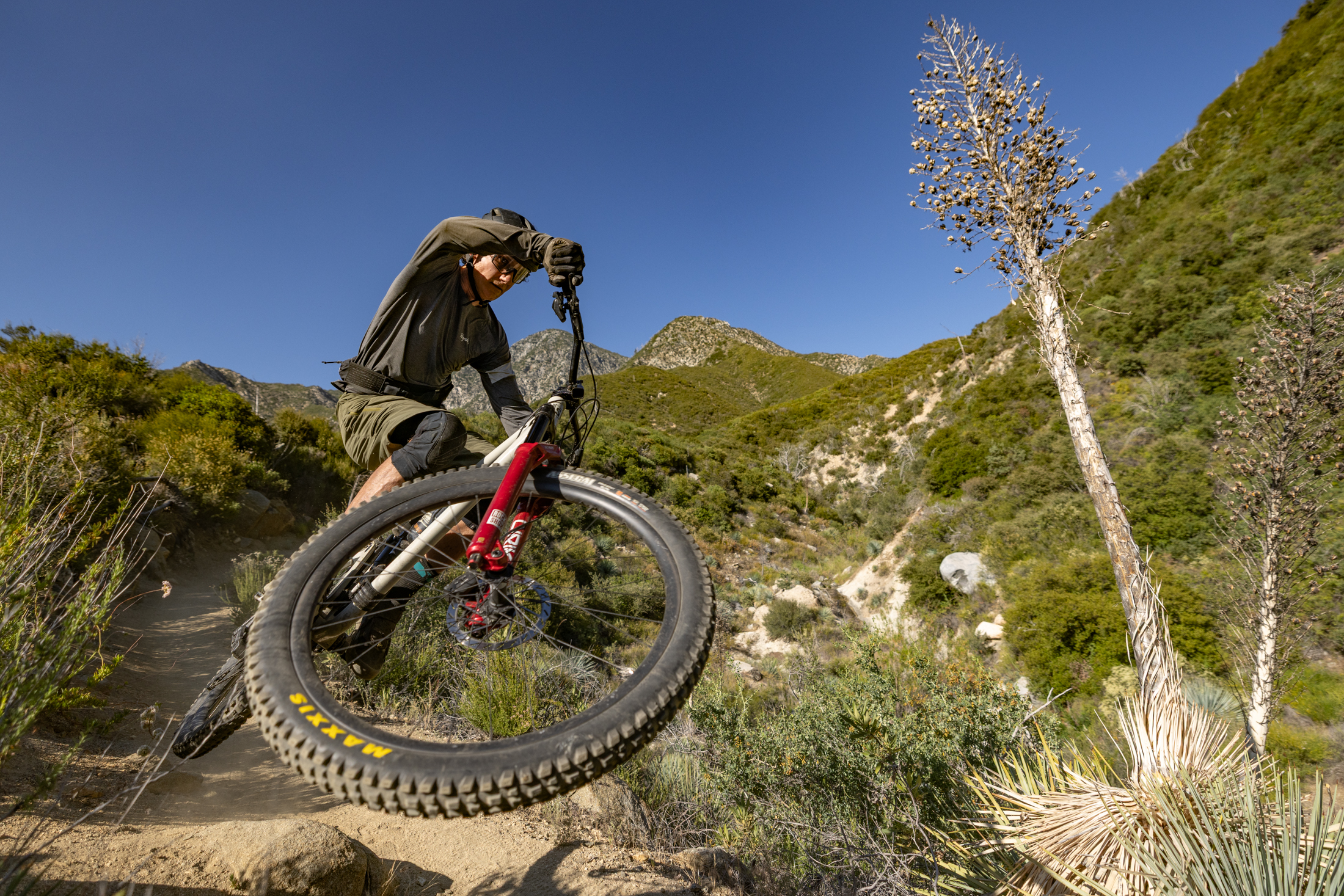
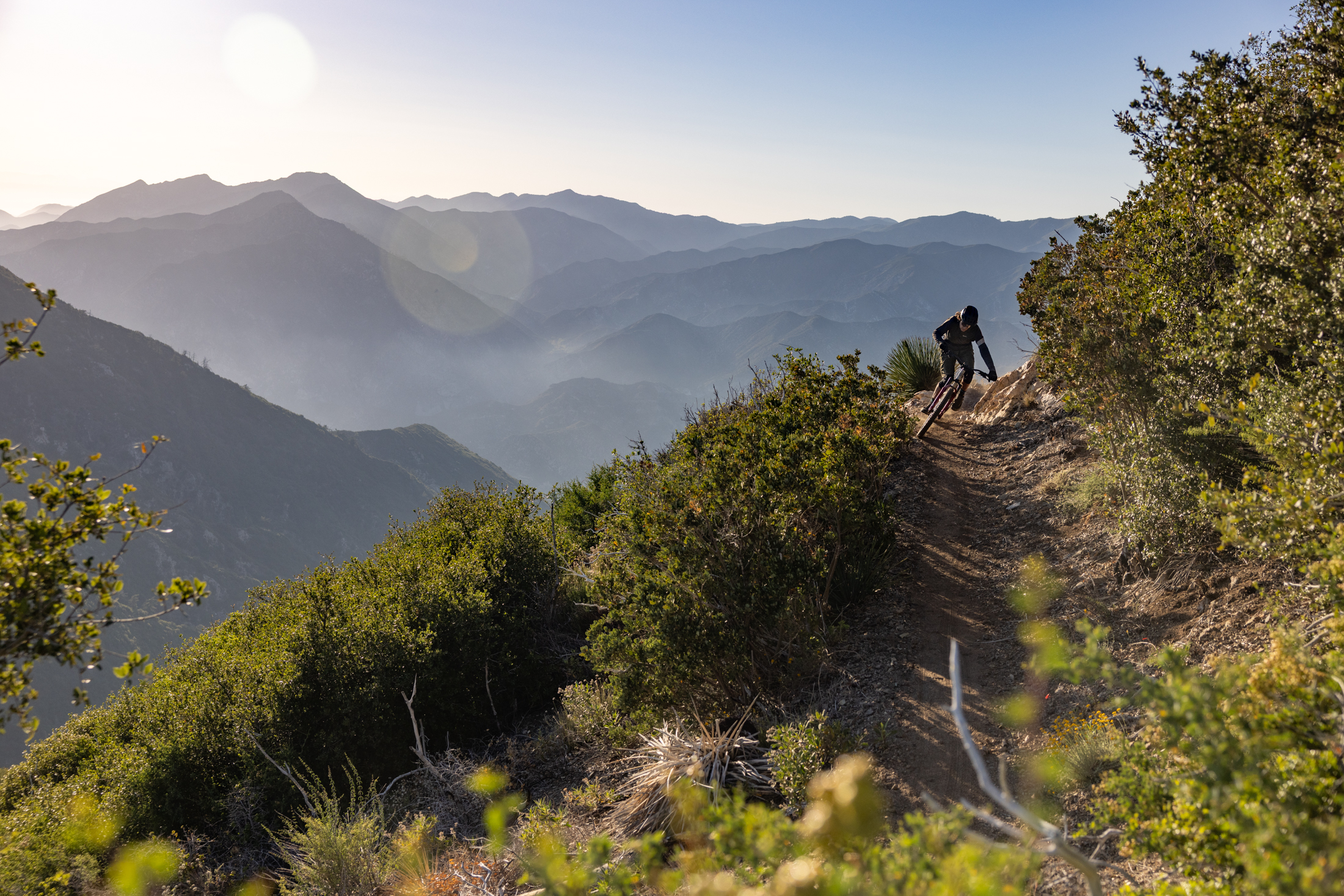
Of course, there’s like a whole bike surrounding that suspension. Despite sharing most of its hardware with the properly enduro Romero LT, this Romero MT is surprisingly nimble. It’s easy to get the front wheel off the ground, and it doesn’t require unfamiliar body positions to maintain front-wheel traction. And I didn’t have to max out the headset spacers to achieve a reasonable stack height, though I did run my personal 50mm bars. I wouldn’t have minded a lower bottom-bracket, but I’m kinda grasping at straws there.
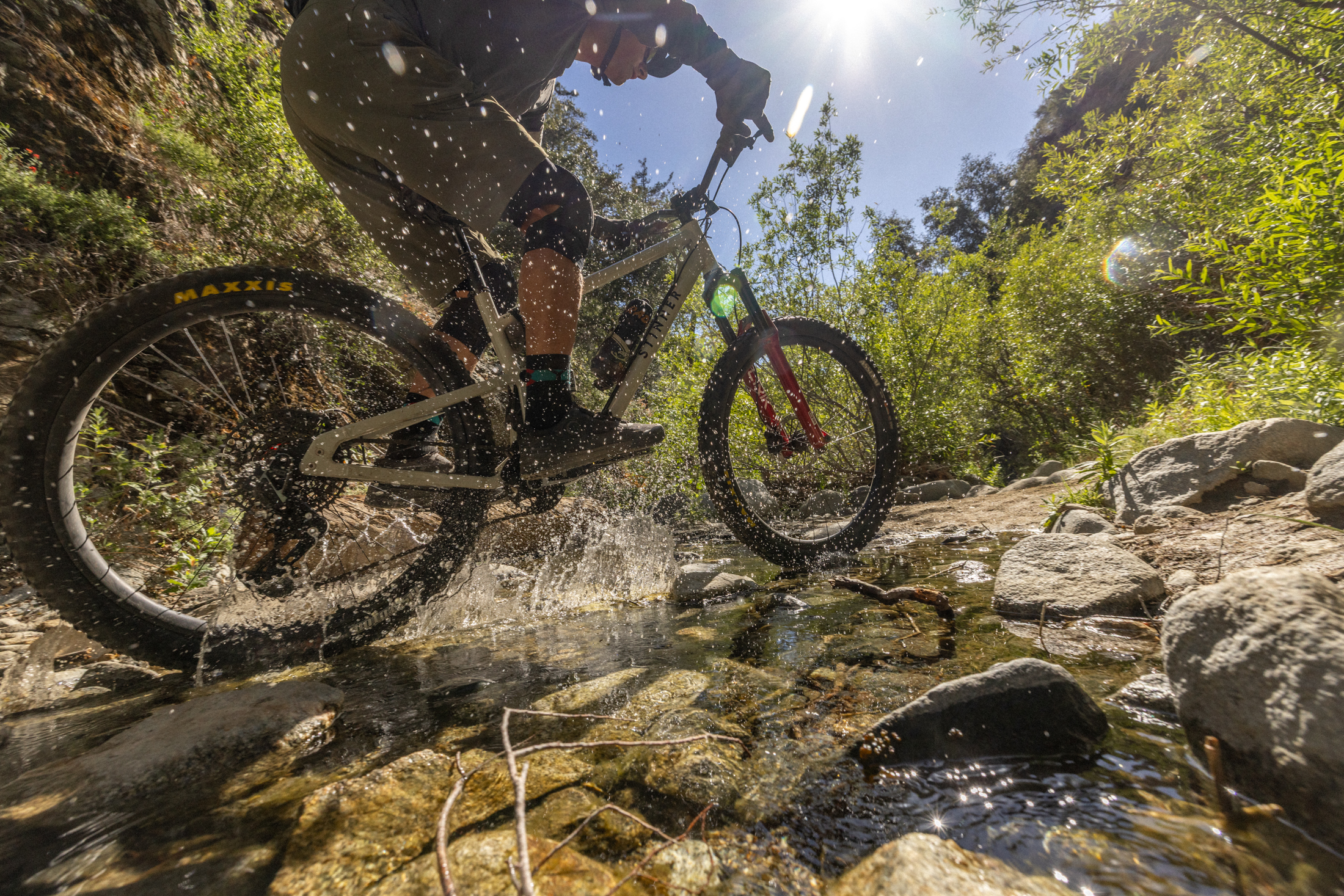
And lest I forget, it’s made of steel. Or rather, half of it is. But I couldn’t tell. Depending on your thoughts on metals, that could be a good thing or a bad thing. I perceived no more and no less lateral flex than any other bike in the Romero’s weight class. And unsurprisingly, that weight is above average. I only perceived that when I was carrying it. On the trail, it’s not an unwieldy battle-axe. It’s a modern, high-tech machine that’s nuanced and sophisticated in all the right ways. And it’s also got great vibes.
TL;DR
The Stinner Romero’s 3VO suspension combines robust bottom-out resistance with a supremely sensitive early stroke. It may be a little too sensitive for twitchy riders who value consistent firmness over consistent traction, though careful shock setup will help them split the difference. Once the suspension is dialed in, it delivers all the versatility you’d expect from a 140mm bike, as well as the best technical-terrain climbing performance I’ve ever experienced. It’s also made of metal in the US. That comes at a premium, but that’s just one of many features that make this small-brand bike worthy of big-stage attention.
Pros:
- Unmatched traction and momentum on rough climbs
- Unique combination of small-bump sensitivity and bottom-out resistance.
- Meaningful customization options
- Spot-on geometry for the 140mm category
- Six frame sizes
- Steel, but no big deal
Cons:
- Steep progressivity mandates a more “businesslike,” ground-hugging early stroke
- Not cheap
- Not light, not that it matters
See more at Stinner