
Summary
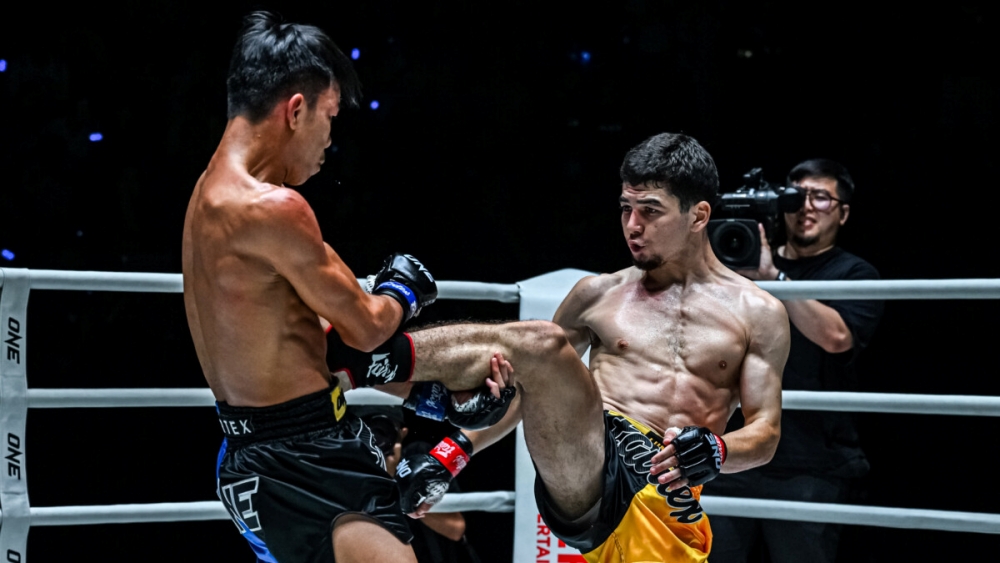
The teep , Muay Thai‘s push kick, is often introduced to beginners as a distance control tool, but its true value is revealed when you learn to chain it into combinations. Used in isolation, the teep manages range and disrupts rhythm. Used as part of a sequence, it becomes a setup weapon that manipulates your opponent’s reactions and creates openings across the entire body. This article breaks down five practical teep combinations you can drill and apply immediately: the teep to cross, teep to roundhouse kick, feint teep to switch kick, teep to step-in elbow, and lead teep to body kick. Each combination is explained with the mechanics, the tactical reasoning behind why it works, and the timing cues that make it land cleanly. You will also find tips for building effective teep combinations in general, covering balance, target variation, feinting, and the importance of drilling slowly before adding speed. As Muay Thai World Champion and Evolve MMA instructor Chaowalit Jocky Gym puts it, “The teep on its own is a good weapon. The teep as the first move in a sequence is a great weapon. When your opponent starts reacting to your teep, that reaction becomes the opening — and a smart fighter always has a combination ready for that moment.” Study these combinations, drill them with intention, and your teep will become far more than just a range-finder.
Key Takeaways
- The teep is most dangerous when your opponent has already learned to respect it. Once an opponent starts reacting to your teep, stepping back, lowering their guard, or flinching. Those reactions become predictable openings that well-drilled combinations can exploit consistently.
- Each combination in this guide targets a different defensive reaction. The teep to cross exploits a retreating opponent; the teep to roundhouse exploits lost balance; the feint teep to switch kick exploits a guard that drops in anticipation. Understanding why each combination works helps you choose the right one in the moment.
- The feint teep is as powerful as the real teep, often more so. Once your opponent genuinely believes you are going to complete the kick, the feint gives you all the benefit of the teep’s disruption without the commitment of actually throwing it, leaving you in a better position to follow up.
- Balance and recovery connect every combination. None of the sequences in this article work if your foot does not return to the stance quickly after the teep. Every follow-up strike, the cross, the roundhouse, the elbow, depends on being grounded and balanced before you launch it.
- Drilling slowly before adding speed is not optional; it is the method. Teep combinations involve transitions between ranges, stances, and weapons that are only smooth under pressure if they have been built into muscle memory at slow speed first. Rushing to full speed too early produces sloppy, disconnected combinations that fall apart in sparring.
- Varying your targets and tempo is what makes teep combinations unpredictable. Throwing the same combination at the same speed to the same target gives opponents a pattern to read. Mixing teeps to the body, thigh, and lead arm — and changing the rhythm between combinations — keeps your offense genuinely difficult to defend.
1) Teep To Cross
A simple but highly effective combination, the teep to cross teaches you how to transition smoothly from long range to mid-range striking.
Start with a front teep to your opponent’s midsection. As they step back or attempt to close the distance, use the recoil from your kick to plant your foot and immediately throw a cross down the middle.
This works especially well when you’ve established your teep early in the fight, often resulting in your opponents expecting another kick which will often lower their guard, leaving their chin open for your cross
2) Teep To Roundhouse Kick
Few combinations showcase Muay Thai’s fluid power like this one. The teep sets your opponent’s balance off-center, making the follow-up kick land with full force.
Throw a firm teep to the midsection or hip to make your opponent lean back or stumble. As soon as your foot lands, rotate your hips and unleash a roundhouse kick to the ribs or legs. You could also consider taking a step forward and before throwing the round
The trick is in the timing — don’t rush. Let the teep do its job first before following through with controlled power.
3) Feint Teep To Switch Kick
Feinting the teep is a great way to manipulate reactions. Once your opponent starts reading your teep, turning it into a setup makes your offense unpredictable.
Begin as if you’re about to throw a front teep, but instead plant your lead foot lightly and immediately switch stance to fire a powerful kick from the opposite leg.
The feint draws the opponent’s attention downward or backward, creating the perfect window for your kick to land cleanly.
4) Teep To Step-In Elbow
This combination blends range and aggression, ideal for catching opponents who like to rush in.
Throw a teep to the stomach to stop forward pressure. As your opponent moves back or blocks, step forward with your foot and follow up with a tight elbow strike.
It’s an advanced combo that requires timing, but when executed correctly, it turns a defensive motion into a close-range counterattack. Once, you are more familiar with the movement, you can even add in a back elbow.
5) Lead Teep To Body Kick
This combination is perfect for fighters who rely on rhythm and range control.
Use a quick lead teep to measure distance or probe your opponent’s guard. Once you feel their reaction — whether they block or parry — retract and throw a body kick to the opposite side.
It’s a fluid motion that confuses the opponent’s defense, especially when done with consistent rhythm and tempo changes.
Tips For Building Effective Teep Combinations
- Work On Balance And Recovery: Your teep is only as good as your ability to return to stance quickly.
- Vary Your Targets: Mix teeps to the body, thigh, and even the lead arm to keep your opponent guessing.
- Use Feints And Tempo Changes: The teep’s strength lies in unpredictability. Change rhythm to break patterns.
- Drill Slowly First: Precision matters more than power. Build coordination, then add speed.
Frequently Asked Questions About Teep Combinations In Muay Thai
Q: What Is The Main Purpose Of The Teep In Muay Thai?
A: The teep controls distance, interrupts attacks, and creates space for counterstrikes. It can be used defensively to stop forward pressure or offensively to set up combinations. In the context of combination work specifically, its greatest value is in the reactions it forces — an opponent who steps back, drops their guard, or flinches in response to a teep is an opponent who has momentarily given you a predictable opening to work with.
Q: How Can I Improve My Balance When Using The Teep?
A: Practice slow, controlled teeps with focus on posture and recovery. Keep your supporting foot flat, your core engaged, and always return to stance before following up with another strike. Recording yourself during drilling is a useful way to identify balance issues that are difficult to feel in the moment — a dropped shoulder, a leaning torso, or a slow recovery will all show clearly on film and give you specific points to address.
Q: Can The Teep Be Used For Knockouts?
A: While rare, a powerful teep to the body or solar plexus can end a fight if it lands cleanly on a vulnerable target. However, it’s most effective as a setup for other strikes rather than a direct knockout tool. The combinations in this article reflect that reality — the teep’s job is almost always to create the conditions for the strike that follows, not to finish the fight on its own.
Q: Which Leg Should I Use For The Teep?
A: Both legs can be used, and each serves a different purpose. The lead teep is faster and ideal for disrupting rhythm, probing the opponent’s guard, and setting up the combinations in this article that rely on speed and surprise. The rear teep carries more power and works well for pushing back aggressive opponents or creating significant distance when you are being pressured. In combination work, the lead teep is generally more useful as an opening move because of its speed advantage.
Q: How Often Should I Practice Teep Combinations?
A: Incorporate deep drills into every session. Repetition builds timing and balance. Start with basic setups, then add movement, feints, and partner drills as you progress. Each of the five combinations in this article should be drilled as a single fluid unit — not as two separate techniques connected by a pause — which means the transition between the teep and the follow-up needs to be practised as deliberately as the individual strikes themselves.
Q: How do I Know Which Follow-Up To Use After a teep?
A: The follow-up is determined by your opponent’s reaction to the teep, not by a predetermined plan. If they step straight back, the cross down the middle becomes available. If they lose their balance or lean sideways, the roundhouse kick to the ribs is the natural follow-up. If they lower their guard in anticipation of another teep, the high kick, or the feint into a switch kick creates the opening. This is why drilling the combinations in this article against a partner who gives you real reactions is more useful than drilling them on a bag — you need to train your eyes to read the reaction and your body to respond to it automatically.
Q: What Is The Best Way To Make Teep Combinations Harder To Defend?
A: The two most effective tools are target variation and tempo change. If every teep goes to the same spot at the same speed, opponents will quickly develop a single defensive response that shuts down your entire combination game. Varying your teep targets — body, thigh, lead arm, feint — forces opponents to defend multiple possibilities simultaneously, which is significantly harder. Changing your tempo between combinations — sometimes slow and deliberate, sometimes fast and explosive — prevents opponents from timing your sequences and preparing their defence before your combination arrives.
Final Thoughts
Teep combinations are where the teep graduates from a single technique into a system. Each of the five sequences in this article represents a different way of reading an opponent’s reaction and converting it into an offensive opportunity — and that is the core skill that separates fighters who use the teep well from fighters who use it brilliantly.
The path to making these combinations work in live sparring is straightforward but demands patience: drill each sequence slowly until the transition is seamless, bring it into controlled partner work until the timing feels natural, and then test it in sparring against opponents who are not cooperating. Each stage will expose something the previous one did not — a balance issue, a timing gap, a telegraphed setup, and each of those discoveries is an instruction on what to work on next.
The teep is already one of Muay Thai’s most effective weapons. Chain it into combinations with the intelligence and timing these sequences demand, and it becomes the foundation of an offensive game that is genuinely difficult to solve.
You may also like:
How To Use Teep Feints In Muay Thai To Create Openings