
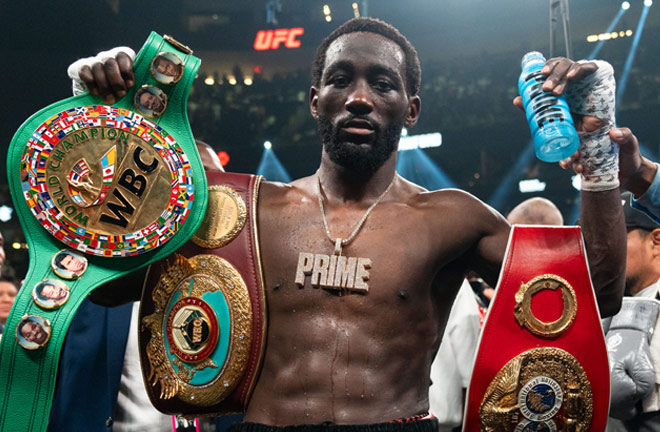
Terence Crawford was stripped of his WBC super middleweight title in a shock move on Tuesday.
Crawford won the WBC, WBA, WBO and IBF belts in September when he dethroned Canelo Alvarez to become the undisputed champion.
However, Crawford is no longer in possession of all four titles after the WBC decided to strip him at their convention in Bangkok this week.
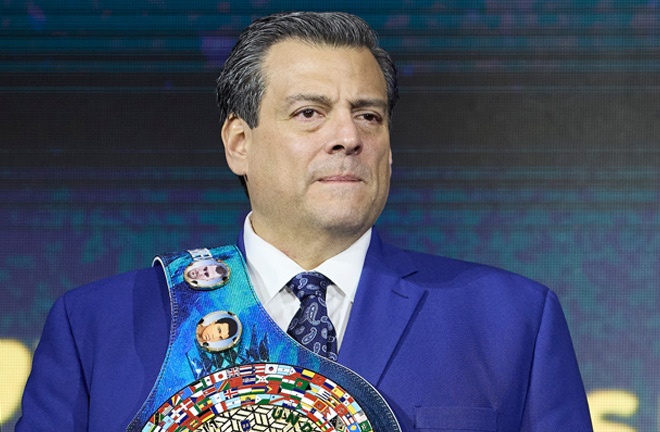
WBC President Mauricio Sulaiman explained that the Omaha man had failed to pay his sanctioning fees after the bout.
The WBC have acted swiftly to replace Crawford as their champion, ordering Hamzah Sheeraz to face Christian Mbilli for the vacant title.
But what are sanctioning fees and what do they mean for the purses of fighters?
What are sanctioning fees?
Sanctioning fees are effectively taxes which boxers must pay to the governing bodies for allowing them to fight for their belts and are taken out of their fight purses.
The more belts fighters compete for, the more they are required to pay in sanctioning fees.
For instance, when Josh Taylor won the undisputed super lightweight championship in 2021, the Scot reportedly had to pay 11% in fees to the governing bodies.
Sanctioning bodies are often criticised for the number of belts they have and some suspect there are ulterior motives behind the making of some belts to simply earn more from sanctioning fees.
Hamzah Sheeraz will face Christian Mbilli for the vacant WBC super-middleweight belt, after Terence Crawford was stripped of the title
pic.twitter.com/hheuzKqlov
— DAZN Boxing (@DAZNBoxing) December 3, 2025

How much does each governing body charge?
Each organisation generally charges 3% in major world title fights, although sanctioning fees can vary depending on which belt is being contested.
In Crawford’s case, Sulaiman insists the WBC were only looking to take 0.6% of his purse in sanctioning fees.
Where does the money go?
Sanctioning fees go towards the operational costs of the governing body as well as charitable causes.
Sulaiman says 75% of Crawford’s sanctioning fee was going to be allocated to the Jose Sulaiman’s Boxers Fund, which provides financial assistance to boxers struggling after their careers have ended.
What do fighters think of sanctioning fees?
Several high-profile fighters have expressed their discontent at paying sanctioning fees and have questioned where the money is actually going.
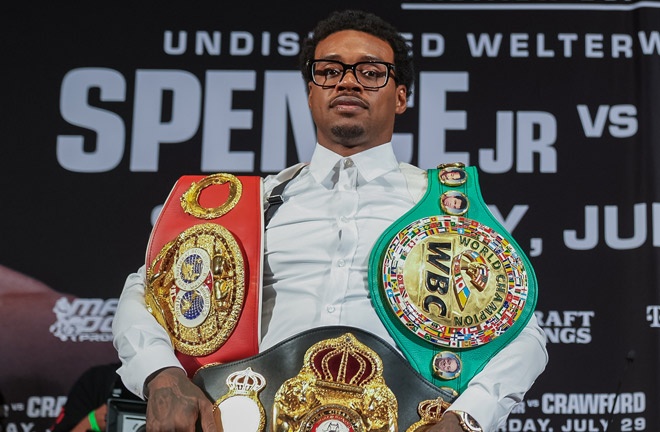
Former welterweight champion, Errol Spence Jr questioned the governing bodies prior to his defeat to Crawford in 2023.
“We give three percent to these organisations,” Spence said.
“I mean, we gotta know where this money going to.
“ I mean, a lotta times they getting – man, you got Canelo and Joshua and all these guys, you know, making $50 million dollars [per fight] and these belts getting three percent of that.
“Where’s it going to? How is it helping the fighters out? What are they doing with it?”
Which other fighters have been stripped for not paying sanctioning fees?
In 2015, after his showdown with Manny Pacquiao, which turned out to be the highest-grossing fight in boxing history, Floyd Mayweather Jr was stripped of his WBO welterweight title after he missed the deadline to pay his sanctioning fee.
Also that year, Miguel Cotto was stripped of his WBC belt before his clash with Canelo Alvarez, reportedly because he was unwilling to pay his sanctioning fee.
The post Terence Crawford STRIPPED of WBC belt: How sanctioning fees work appeared first on ProBoxing-Fans.com.