
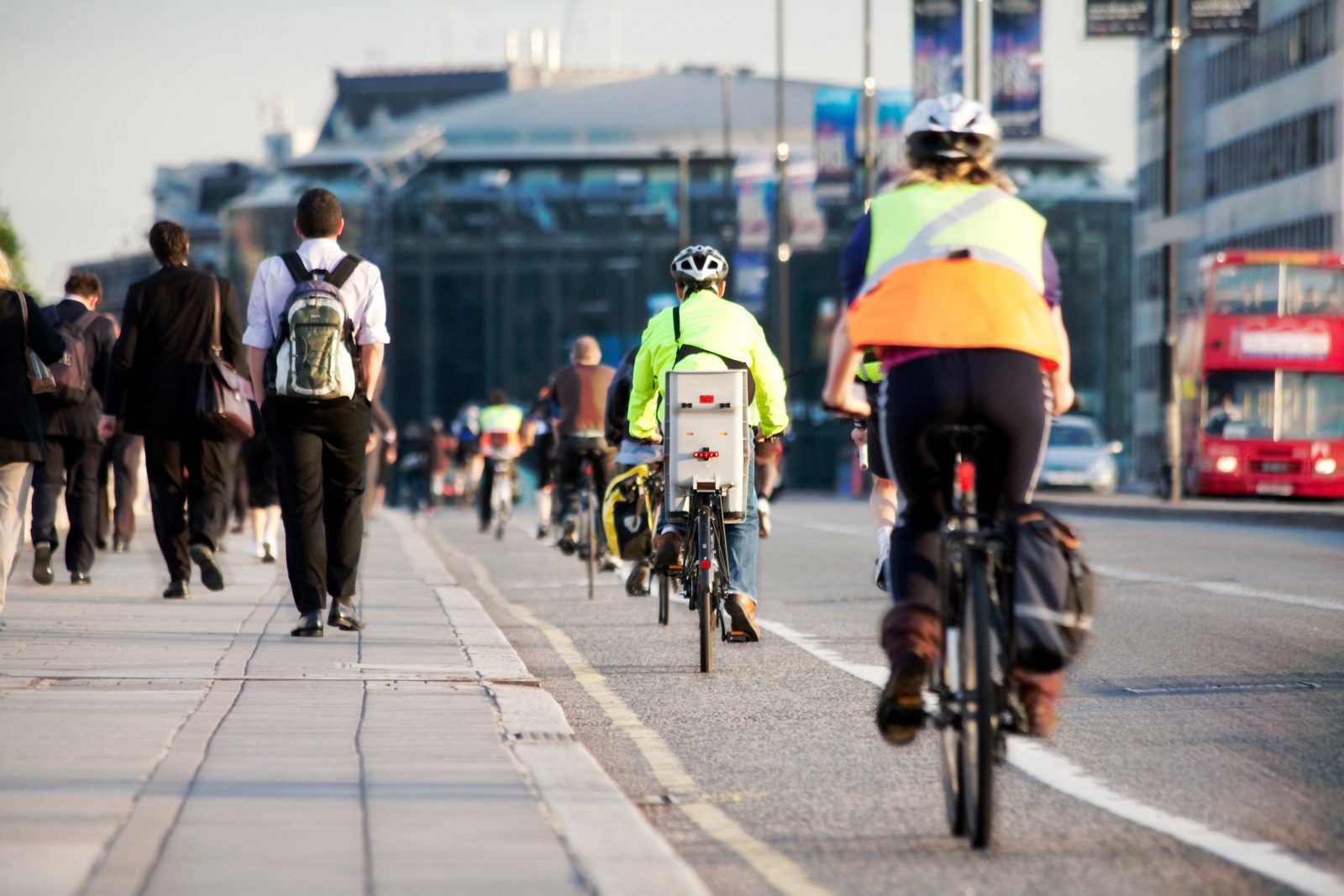
Driving a four-wheeled car and riding a two-wheeled machine are obviously different experiences… or so it seems. Despite the way cyclists are often talked about, many people who ride bikes also own cars—we just try to use them less. For full disclosure, I own a car and have for years. I like driving. It’s…you know, helpful, for long distances? But, for full disclosure, I also like riding a bike. Mind blown?
If you’ve spent any time following Bike Lane Drama, you’ve seen the familiar refrains: Cyclists don’t pay taxes. (They do.) They need licences. (For what? They have ’em.)
They don’t live in the real world. They’re entitled. Or something.
Sure, not everyone can haul groceries on a cargo bike or ride across town to drop off the kids. Life, weather, distance, and time all matter. But when you do get behind the wheel, having spent time on a bike changes how you drive. Doesn’t matter if you’re an elite racer or a casual commuter. Cycling teaches you lessons about awareness, traction, and risk that stick with you. Here’s what carries over.
And before you @me, none of this is excusing crappy things that happen on the road. It’s simply a way to look at things from a cyclist/driver perspective, fam.
1. Situational awareness is legit survival
Cyclists ride assuming they’re invisible. That mindset builds habits fast:
Constant scanning of cross streets, driveways, parked cars, and mirrors
Reading body language. That means wheel angle, head movement, a flicker of brake lights often matter more than signals
Anticipating problems early, instead of reacting at the last second
Behind the wheel, the lesson is simple: drive like things might go wrong before they do. Look past the car in front of you. Notice pedestrians, cyclists, debris, and possible escape routes. Basically assume the worst of everyone. You can get smoked at any time. Be over-cautious.
2. Speed is contextual, not absolute
On a bike, speed is visceral.
Descents teach respect for momentum
Wind, road texture, and visibility matter more than posted limits
You slow instinctively when mistakes would be costly
In a car, the speed limit isn’t permission—it’s a ceiling. Fog, rain, traffic complexity, and narrow roads all demand less speed, even if the road looks open.
Yes, yes, I know there are outliers on this. And all of this. But for the most part, people riding bikes don’t want to get smoked riding to work. Cool?
3. Traction is finite (and easy to waste)
Cyclists learn traction the hard way:
No braking while cornering on slick surfaces
Painted lines, metal plates, leaves, gravel, and oil are hazards
Smooth inputs keep rubber connected to the ground
Car tires don’t have infinite grip either. Sudden braking, steering, or throttle—especially combined—break traction quickly. Smooth isn’t just safer; it’s more predictable.
4. Lines matter more than power
Cyclists think about:
Entry speed
Looking through the corner
Choosing lines that avoid hazards and preserve grip
Good cornering in a car isn’t about acceleration. It’s about setup. Brake before the turn, place the car early, and unwind the wheel smoothly. Racing lines apply to safety, too.
5. Mistakes compound quickly
On a bike:
One small error snowballs
There’s little margin to “fix it later”
Overconfidence gets punished fast
Most car crashes aren’t one big mistake—they’re a chain. Small, rushed decisions stack until there’s no room left to recover.
6. Surface quality is always changing
Cyclists feel every transition:
Fresh asphalt vs. polished pavement
Wet leaves, sand, ice, tar snakes
Intersections and bridges that behave differently
Drivers benefit from the same awareness. Bridges freeze first. Intersections collect oil. Rural roads hide gravel. Adjust inputs when the surface changes.
7. Visibility and predictability matter
Cyclists learn to:
Ride where they can be seen, not just where they “should” be
Signal early and clearly
Hold a consistent line instead of weaving
Predictability is kindness in a car. Signal early, maintain steady speed, and avoid last-second lane changes. Being technically right doesn’t prevent collisions—being obvious does.
8. The cost of a crash or collision changes behaviour
A fall on a bike usually means:
Injury
Long recovery
Lost confidence
Cars insulate us from consequence. Cycling strips that illusion away. Physics always wins, and respecting risk doesn’t make you timid—it makes you smart.
9. Patience is a skill
On a bike:
You can’t bully traffic
You wait for clean gaps
You accept delays instead of forcing outcomes
Aggression in a car rarely saves meaningful time. Patience lowers stress, saves fuel, and reduces mistakes.
10. Empathy comes automatically
Once you ride:
You understand how loud, fast, and intimidating cars feel
You notice how close passes really are
You see how small actions affect vulnerable road users
Cycling turns abstract “traffic” into people. That perspective changes how you pass, how you approach intersections, and how much space you give.
Riding a bike offers plenty of benefits—fresh air, exercise, and fewer trips to the gas pump—but it also reshapes how you move through the world. When you do get behind the wheel, those lessons linger. Cycling doesn’t just make you more aware on the road. It makes you more deliberate.