
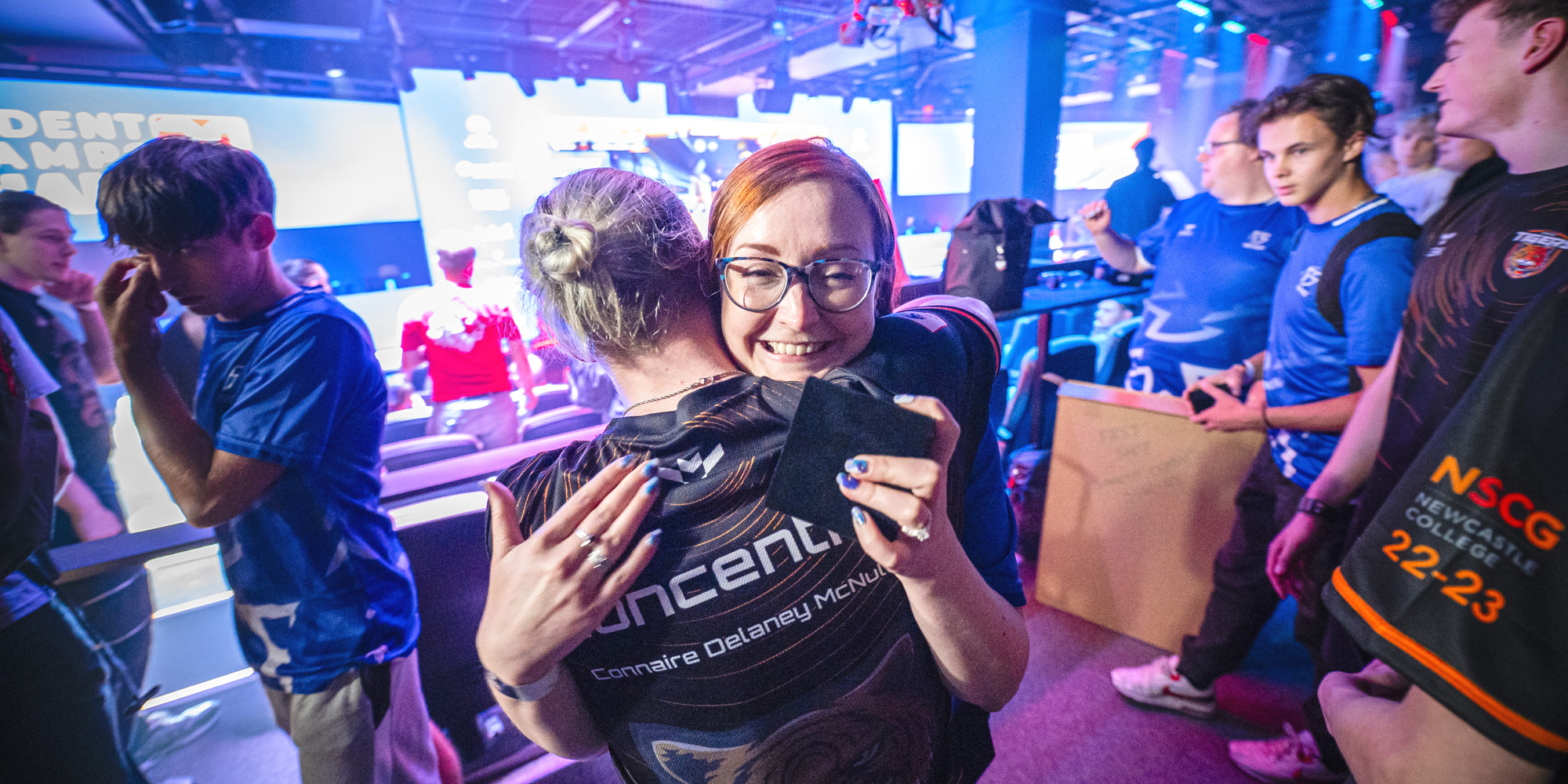
As Esports Lecturer and Head Coach of the Esports Academy at South Gloucestershire and Stroud College, Gil Hamilton shares an insight into her experiences running the programme. She walks through everything from setting up and overcoming challenges to supporting players through training, competition and growth.
It’s 4PM on a Wednesday, and the atmosphere in the classroom is electric.
Headsets are on, strategies are being finalised, and the hum of focused communication fills the air. The room becomes a hub of collaboration, with teammates exchanging encouragement as anticipation builds. It can only mean one thing: it’s fixture day for the British Esports Student Champs.
Launched in 2016 to bring structure and opportunity to amateur esports in education, the British Esports Student Champs has grown into one of the UK’s leading student-focused competitive gaming tournaments, with over 200 schools and colleges taking part nationwide.
Introducing the SGS FirstShot Esports Academy
At SGS College, the FirstShot Esports Academy exists to promote and nurture talent, giving young players a platform to develop vital skills and gain experience in grassroots esports. I take a holistic approach to player development, supporting both those aspiring to go pro and those just wanting to give it a go.
The programme aims to provide players with the knowledge and skills to improve their in-game performance, whilst educating them on the importance of social, psychological and lifestyle factors.
Our players follow a comprehensive schedule that includes micro and macro skills training, team building, performance analysis, fitness workshops and psychological skills development. Competing in the Student Champs is central to the programme, helping learners build their brand, grow their reputation, and find their place in grassroots esports.
The Esports Academy sits within the Sports department at SGS. We treat esports as sport, and this framing has helped us build a structured, professional environment for team development and daily operations.
Planning & Recruitment: Starting the Year Strong
Planning begins as early as possible. I start by building my annual coaching framework, mapping out activities aligned to our core development focuses and the competitive calendar. This ensures our players receive structured, purposeful training that supports both gameplay and wider personal growth.
Coordinating the programme requires careful alignment with curriculum delivery and lecture timetables. We schedule lessons so our esports lab can transform into a competitive arena by mid-afternoon on fixture days, giving players a vital window to set up, warm up, and mentally prepare for their matches.
Each year brings fresh talent across a range of titles, and we welcome players of all levels. Recruitment begins with try-outs, promoted across all campuses, via sign-up forms that capture in-game rank, experience, and preferred role. This information, combined with observations during try-outs, helps me shape team formations and build player performance profiles, which support individualised development throughout the season. Try-outs also reveal natural leaders, and I assign them as coaches, captains, and strategic in-game leaders.
Training & Scrims: From Practice to Performance
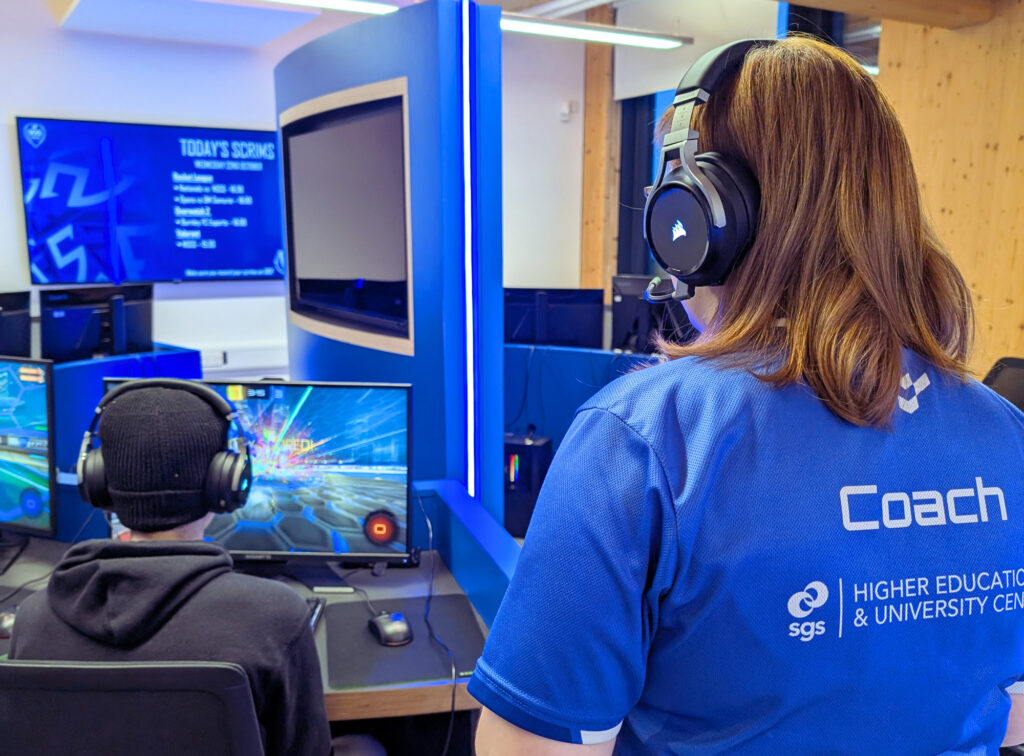
Our teams benefit from weekly training sessions focused on development and practice ahead of fixtures. Each team follows a tailored training plan aligned to their goals and priorities, which they take ownership of, and refine collaboratively. Monday evenings are our designated slot, though knowing when other Student Champs teams are active helps with scheduling scrims
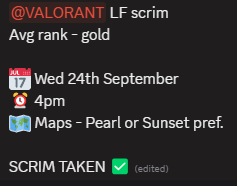
Scrims are one of the most effective ways to support team development. They enable players to test strategies in match-like conditions, which proves more valuable than casual or ranked games, where opponents are less organised or consistent. Scrims are arranged via the Student Champs Discord, by posting ‘LFS’ (looking for scrim) messages. It’s important to find teams of similar ability or rank as this makes for a more productive practice.
Emma “Listo” Liston of Alva Alliance lays out clear guidelines for scrim etiquette, establishing the standards for communication and coordination. LFS messages should include the date, time, average team rank, and relevant game-specific details. When I was starting out, I learned a lot from her and Nikki Livingstone – their article on Scrim Ettiquette in Valorant is a great resource.
I champion a growth mindset by reminding players that scrims are for practice and progress, not winning. This shift takes time, especially for those new to competitive play, and it’s not uncommon for players to feel deflated where the scoreboard shows a loss.
Over time, players come to understand that every challenge is part of the process, and this valuable practice helps them improve.
Getting Game Ready: Pre-Match Preparation
Wednesdays bring a flurry of excitement as teams anticipate match-day. I kick off the day with a group message to build the hype, and by midday each player checks in to confirm their readiness with a thumbs-up emoji. This lets me swiftly handle any absences and arrange substitutes, ensuring everything is in place before we check in on the Student Champs Hub.
Earlier in the week, I will contact our opponents through the Hub to confirm match times and exchange key information. I also review their roster to assess ranks and roles, helping our teams prepare. A clear list of expected players is essential to verify that the correct participants are present.
Our Academy channels post upcoming fixtures weekly and promote them to the wider college and community through our Sports Academies pages and social media, building awareness and anticipation.
Match Day Mindset: Setting Up for Success
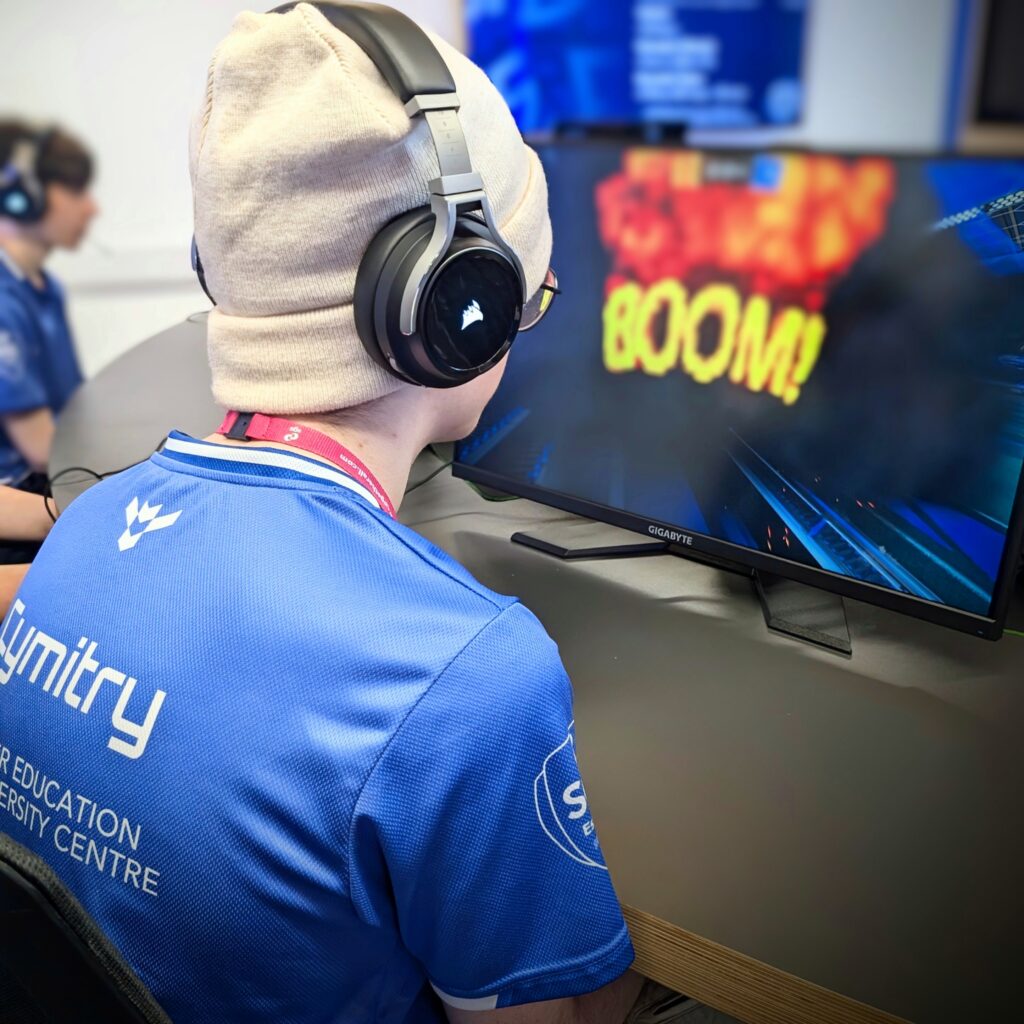
The pre-game build-up begins the moment our players enter the esports lab. Each team follows a familiar rhythm: plugging in their peripherals, syncing settings, and settling into a competitive mindset. Players log into their student Discord accounts to check comms and ensure everything runs smoothly. Players also put away their phones to minimise distractions – and help everyone stay in the zone.
Warm-up is vital. Each game has its own routine, tailored to the individual; from wrist stretches and aim trainers to game modes like ‘Deathmatch’, aerial drills, or short scrims to sharpen team communication and coordination. Our teams manage this independently, with support from me as Head Coach.
To help set the right tone and mindset before fixtures, I work with each team to develop bespoke pre-game interventions. For example, for players battling pre-game anxiety, we incorporate breathing exercises or positive self-talk. Others need to increase focus or concentration and have personal rituals such as reviewing ‘strats’ or practicing line-ups.
Team-based interventions also play a role, whether it’s a fun custom game mode to boost team morale or a shared upbeat playlist to get energised. The overall atmosphere is one of positivity and purpose, with coaches and captains helping to keep the energy high.
Building the Line-Up: Rosters, Roles and Responsibilities
Each team must lock in a set roster for Student Champs. The standard roster includes a starting line-up and two dedicated substitutes, but teams may need some flexibility.
Players establish in-game roles ahead of fixture days, during training, based on experience and skillsets. However, line-ups may vary depending on map selection or rehearsed strategies and can sometimes change mid-series based on how rounds unfold. I encourage teams to discuss these decisions collaboratively, with guidance and oversight from coaches to ensure clarity and cohesion.
Last-minute changes are sometimes necessary because of player absences. I set clear expectations: students must attend lessons that day to be eligible to play. Players need to be physically present to compete, except in rare cases of remote play, which requires prior agreement and communication with Student Champs staff. Managing teams in person is far more effective, and morale is stronger when everyone is together. That said, flexibility and accessibility is important, for example, if a student faces transport issues beyond their control.
Calling the Shots: Developing Team Comms
Communication is key to a successful esports team. From day one, players are held to high standards when it comes to comms – both in and out of game.
On fixture days, I set the tone with key announcements before set-up begins. As players settle in, I check in via Discord to deliver final comms and ensure everyone is ready and focused. Once matches start, coaches step back and stay muted, following tournament protocol and leaving players to take full control.
Each team has a designated IGL (in-game leader) who coordinates strategy and makes tactical calls. IGLs are selected at the start of the season, considering experience, leadership, and team input. I work with each IGL to best help them fulfil their role; the IGL has responsibility for calling the shots, not dictating the plays or micro-managing the team.
During gameplay, I observe while teams rely on their training to determine performance. I step in only when a coach’s timeout is permitted, and I feel it would help to offer targeted insight to refocus the team and lift morale, helping players reset and reconnect with their strategy.
Managing Match Day: Supervision and Support
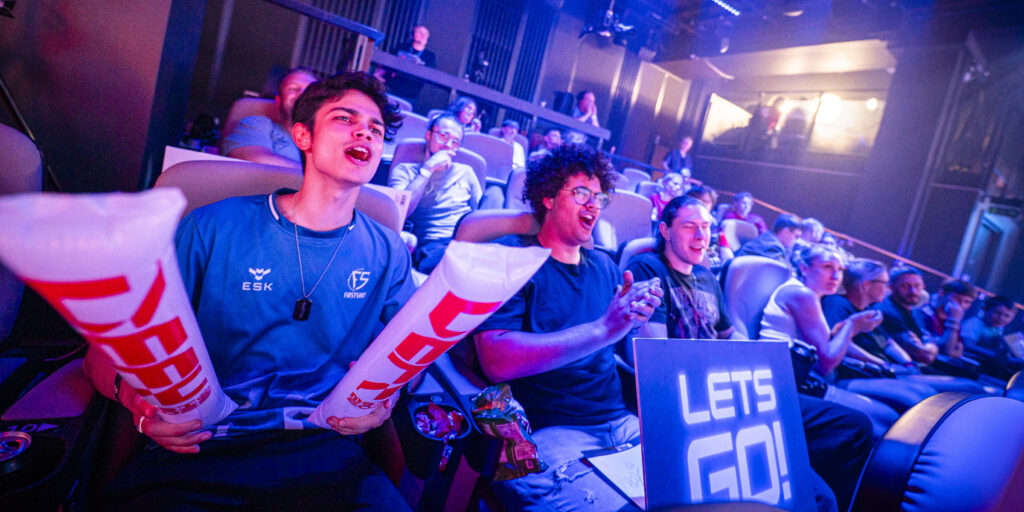
On fixture days, I oversee multiple teams competing simultaneously, which requires careful supervision and coordination. I can’t be everywhere at once, so reliable student leads and staff support is invaluable. I’m fortunate to have enthusiastic and generous colleagues who volunteer their time, especially during key fixtures and events.
Getting each fixture underway is often the biggest challenge. If needed, I negotiate brief delays with opponents, orchestrating staggered starts to help each team settle, resolve last-minute issues, and ensure they enter the match with the right mindset.
Once games are underway, my role shifts to observation and support. Typically, I join one team’s lobby, while student leads observe others. To support all teams, I stay present in the room for matches I’m not directly observing to watch reactions, listen to comms, and monitor progress.
We record all scrims and fixtures for performance review using OBS. If I’m observing in-game, I capture multiple perspectives, staying tuned into team comms via their Discord channel. Otherwise, each team assigns a player to capture the gameplay.
Post-Game Debrief: Reflect, Review, Refocus
Our timetable includes a dedicated hour after fixtures to allow space to decompress. Win or lose, I encourage players to take a break — by stepping outside for fresh air or simply walking away from the PC. This time helps players reset after the emotional highs and lows of competition.
Of course, players naturally reflect with their teammates, yet I avoid full reviews too soon after fixtures. Emotions can run high, and the match outcome can cloud judgement when analysing performance. Instead, we focus on team-building and light-hearted activities to help players reconnect and unwind.
At the end of sessions, we expect players to pack up their own equipment and leave their PC stations ready for the next user. We also complete what I refer to as an ‘eco round’ where learners clear rubbish and switch off the lights and LEDs. It’s a small but meaningful routine that reinforces shared responsibility and respect for the space, ensuring the lab remains a professional and welcoming environment for all.
Formal reflection happens during our weekly VOD review session. Teams regularly pause their recorded gameplay to discuss what went well and what they could improve. Coaches facilitate, but players lead the analysis — a more effective approach than simply being told what they need to do, as it enhances engagement and develops key skills like critical thinking, communication, and self-awareness.
VOD review is one of the most valuable components of the Academy programme, as this is a key differentiator between casual gamers and competitive players. We closely monitor and reinforce the importance of attendance. I’ve trialled giving teams more autonomy over how and when they complete reviews, and this has proven successful. Teams use their insights to shape their next training session, updating their weekly plans accordingly with support from coaches.
Running the Lab: Technical & Logistical Management
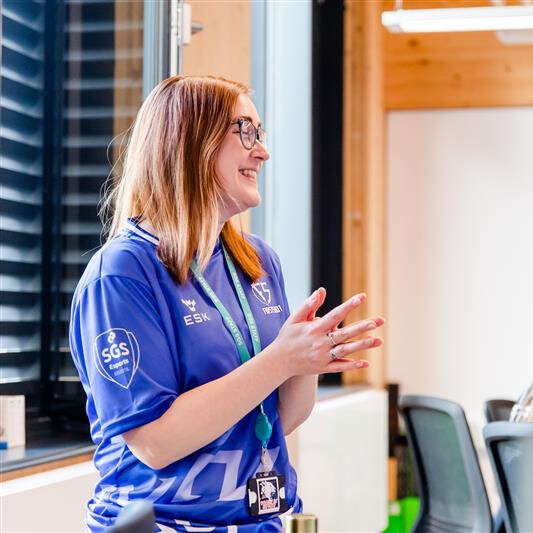
Our Gaming Hub is home to 24 high-performance gaming PCs, purpose-built for competitive play and streaming. Staff with gaming expertise worked with senior leadership to create the most optimal setup.
Setting up the lab also required close collaboration with the IT and infrastructure teams to create a network capable of meeting esports demands. Accessing games and servers required a tailored approach, and these adjustments were essential to ensure smooth operations and reliable access for our players.
Discord is an essential platform in esports – for in-game comms and connecting with the wider Student Champs community. Although enabling access initially raised safeguarding concerns, we developed a strategy to protect users: students create dedicated college accounts; we host all communications on a monitored server; and all users adhere to a Code of Conduct. We also provide training on best practice – promoting responsible use of Discord both inside and outside college, as a social and professional platform.
We are very fortunate to have a responsive and forward-thinking IT team who support game updates and technical troubleshooting. Large patches can delay fixtures, so we keep an eye on publisher feeds to stay informed. Some colleges use formal games management systems to streamline this, something we’re considering as we grow.
Setting Standards: Behaviour and Expectations
As one of several Sports Academy programmes at SGS College, our Esports Academy carries a strong reputation. On joining, players sign a Code of Conduct outlining expectations of behaviour, attendance, and links to their core qualification. Representing the college means upholding professionalism and positive conduct — values that prepare students for the realities of the competitive world.
Many students enter the academy with little experience playing in competitive environments and may carry habits from casual play. Recognising and rewarding positive behaviour is important. I’ve found that celebrating fair play leads to a reduction in negative behaviour.
To support this, I set clear boundaries around in-game communication. People may interpret toxicity differently; for example, typing “GGWP” at the end of the game is good sporting behaviour, but a mid-game “GG” may be considered poor etiquette. Therefore, we keep in-game chat minimal and purposeful to avoid misinterpretation. Engaging with the opposition can lead to tilt and diminished performance, so I teach my players to focus on their own team dynamic and let their gameplay speak for itself.
When toxic behaviour occurs, I address it immediately. I open a dialogue with the individual to gauge their understanding of the implications. We have a zero-tolerance policy for bullying, and the same is true of toxic behaviour in game. I implement a strike system, and repeated issues can lead to removal from the team. This approach helps learners become more mindful of their own conduct and recognise poor behaviour in others. In such cases, they must report to me, and I forward captured evidence to Student Champs staff. I avoid personal judgement and report every incident to uphold the integrity of both the academy and wider community.
Supporting Physical Wellbeing in Esports
At SGS, physical wellbeing is a key part of our coaching philosophy. I integrate fitness bootcamps into our annual plans to promote healthy activity and enhance performance.
We deliver these sessions in collaboration with other departments, and they offer valuable cross-curricular opportunities. For example, our esports players act as clients for sports coaching students, who design and deliver bespoke training sessions that support both assessment and real-world experience.
Through engaging with these sessions, players begin to see themselves not just as gamers, but as athletes – accountable for their wellbeing, preparation, and performance. Beyond the physical benefits, these bootcamps also serve as excellent team-building exercises, promoting team cohesion.
Establishing Our Esports Identity
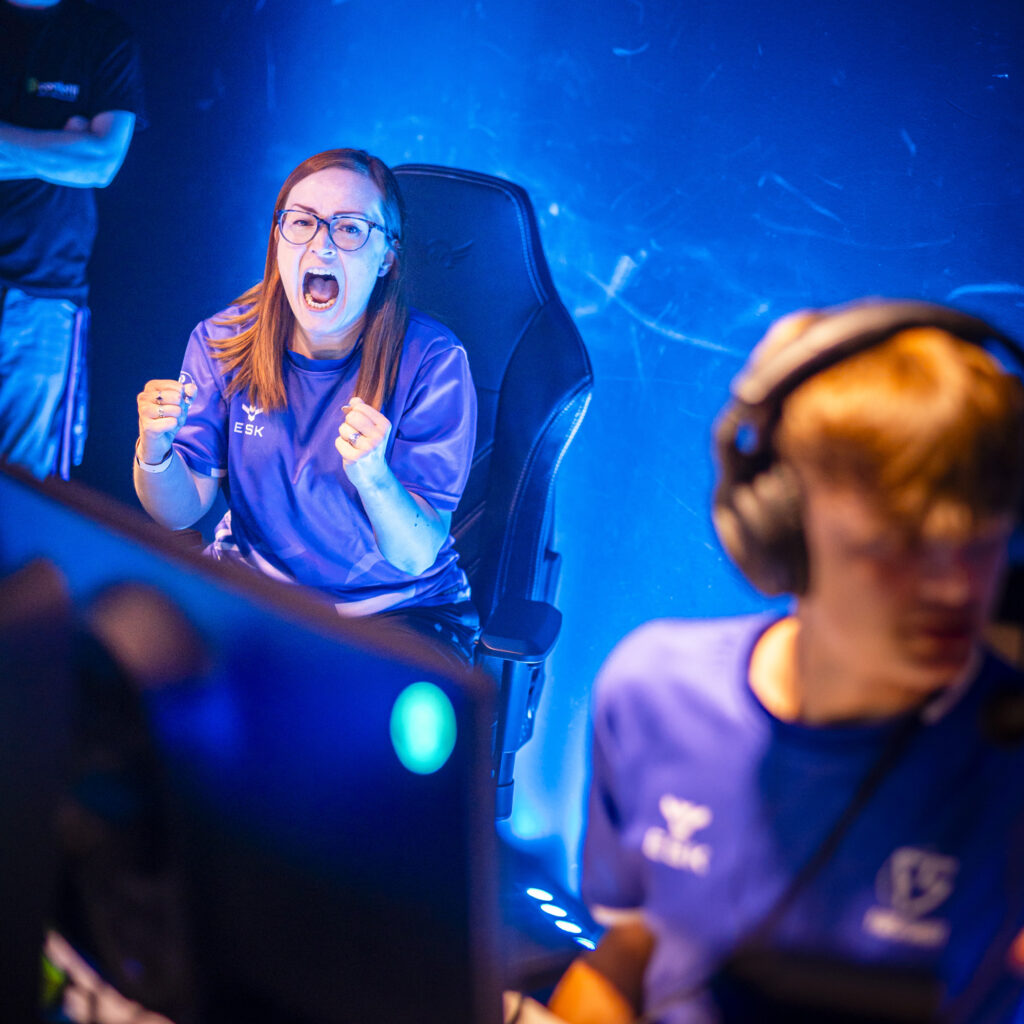
Our recognisable FirstShot brand helps set the academy apart, giving players something meaningful to represent and aspire to. Creating a distinct name, logo and visual identity was an important step in shaping our brand. Our esports jersey and our college shop added further visibility and pride.
The esports lab reflects our brand, with blue LED lighting to match our colours, framed jerseys and logo decals on the windows. Pride of place as you enter is our trophy cabinet, showcasing past awards and celebrating achievements. These visual elements reinforce the prestige of the programme and create a space that learners are proud to be part of.
Community engagement is also central to our brand. I build positive relationships with other college teams through regular scrim partnerships, social media interaction, and, where possible, shared trips and experiences. The Student Champs network is full of inspiring institutions doing wonderful things, and our learners value the chance to connect with peers from other centres.
Showcasing Esports Across the College
Our FirstShot brand is now a recognisable presence across campus, helping to elevate the visibility of the Esports Academy and promote a sense of pride among our players. I make a consistent effort to celebrate every success, big or small, through internal comms and weekly newsletters. With each department immersed in its own brilliant work, maintaining this visibility takes effort; however, the payoff is that staff and students alike get to see the amazing things our players achieve.
A recent highlight was our Rocket League team reaching the regional final of the Nationals tournament. To mark the occasion, I organised a college-wide watch party, complete with banners and refreshments. Just as our home sports fixtures draw a crowd, my aim was to give esports the same platform. The event was a tremendous success, bringing together staff and students from across the college to celebrate.
Our annual Sports Awards Presentation recognises the achievements across all academies, including esports. I select award categories to recognise individuals who have exemplified our core values: exceptional skill, unwavering teamwork and growth through dedication. It’s a powerful moment for players to be recognised and celebrated by the wider college community.
Social media is another key tool for promoting our teams. With college approval, we launched dedicated FirstShot accounts on Instagram, FirstShot on X and FirstShot on LinkedIn. Maintaining these accounts requires consistency and creativity, which can be challenging alongside teaching commitments. We manage this by turning it into a work experience opportunity, with students responsible for creating content such as roster announcements, fixture results, and highlight reels.
A strong online presence builds recognition and gives players a sense of belonging to something real. Over time, this visibility has helped us connect with industry brands and sponsors. It’s not something that happens overnight, but the result of years of consistent effort.
We’re proud of every small milestone; every new follower, every shared post, is worth celebrating!
About the author & SGS College

- Name: Gil Hamilton
- Role: Head Esports Coach & Esports Lecturer
- School/College Name: SGS College
- Team Name: SGS FirstShot
- Game Titles Played: Rocket League, VALORANT, Overwatch 2, Apex Legends, Marvel Rivals, EA FC
- Number of Players/Teams Active: We typically have 3-4 main title teams plus another 3-4 teams for seasonal cup games. Overall, we have on average 30 players enrolled in our Esports Academy programme each year, competing in the Student Champs.
A huge thank you to Gil Hamilton and South Gloucestershire and Stroud College for this guest article. Check back on the British Esports website for more from Gil soon, with their top five tips for new schools or colleges wanting to get started with the British Esports Student Champs