By Jack Lynch
Trek has always been an item of desire for me.
Like so many, it was a brash Texan who thrust the US brand into my consciousness in the early 2000s. I marvelled at US Postal’s Trek bikes and how Lance would do the most outrageous things with his.
He’d ride across a field to avoid crashing into a competitor, he’d attack a select group after it looked as though his pedal was broken, he’d fit a down tube shifter on his front derailleur during climbing TTs to save that bit of extra weight. (You could add more unsavoury things here, but that’s just spoilt…)
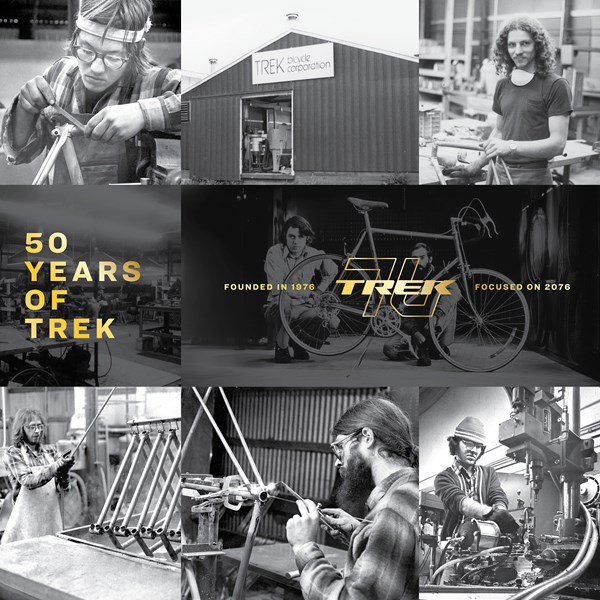
It’s hard to believe that the US Postal days were just two decades into the now-50-year-old company. It had a achieved a lot by these relatively early days.
Treks were everywhere in the early 2000s and one of my greatest personal influences was obsessed with them. He had about a dozen, purchased from Rapido Cycles in Essendon, Victoria. Every now and then I’d get to ride one of his candy red Trek 1200, which he let me and some other juniors borrow as an upgrade to our bikes, which I now realise were almost identical: aluminium frames, Shimano Tiagra groupset, box section alloy rims and toe clips.
Regardless, riding a Trek just felt special.
A decade or so later and I was working at a shop which sold Treks, along with other brands. We were selling Treks bikes five to one, so eventually we became a Trek-only shop – a prelude to what was to come with Trek-only stores.
There are now 36 Trek stores across Australia, plus many other independent shops which sell the brand. Trek shops are known for their inclusivity, knowledge and general good nature to customers. They believe they offer the best bike hospitality, to get more people riding more often.
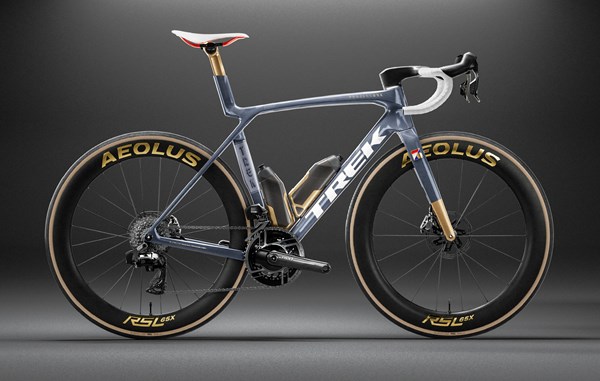
While working at The Freedom Machine in Prahran, Melbourne, I bought up big. Project One road bikes, multiple mountain bikes, a crit bike, a wet weather bike, and just about every new shoe or helmet released by Bontrager. I was living my Trek dream.
As a mechanic, I worked on thousands of these bikes and saw the best of them, as -well as areas of improvement (all of which have been kinked out by now!).
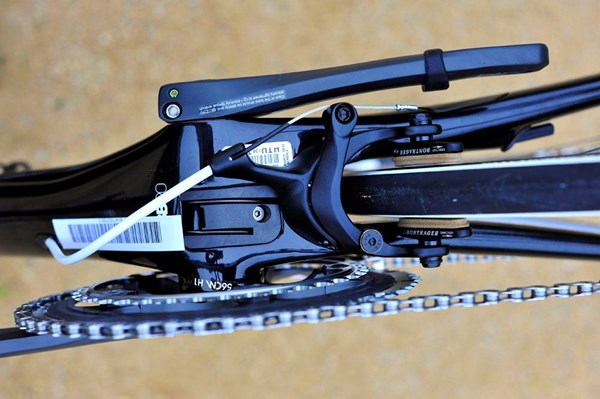
Trek’s a trailblazing company. Along with a handful of other brands, it sets the scene for what consumers expect. Occasionally it pushes a little too far (EG – the under bottom bracket brakes on the Madone circa 2013) or does things too well (the Domane’s IsoSpeed came before we realised 23mm tyres were neither fun nor fast) but they’re always pushing what can be mass produced and marketed.
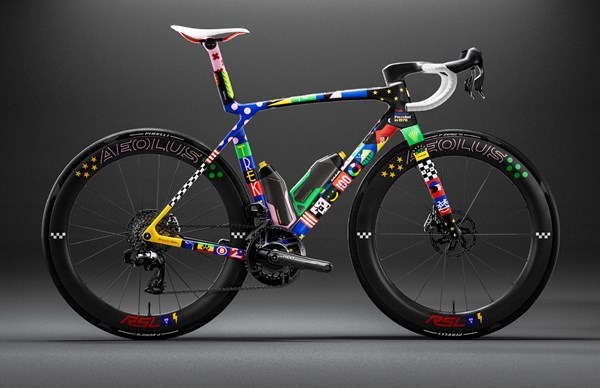
I love the brand’s commitment to its customers. The 30-day “no questions asked” return policy is best in class, and it’s Project One custom bike service has mastered what other brands could only dream of.
It’s committed to sustainability, with most of its metal bikes being made from low emissions aluminium, which saves about half the amount of the emissions expended per frame. Across all the commuters, mountain and gravel bikes using aluminium, it’s a lot of emissions saved. Add to this the goal to use 100 per cent renewable electricity by 2030, and you have a bike brand walking the talk.
The brand’s vibe is one of quiet achievement. Yes, it’s American, but I don’t feel a sense of US superiority or arrogance. I feel a brand which has long-led segments across cycling, and has data to show why – in many instances, Trek is simply the best at what it does. It cares about its community, and it cares about making bikes sustainable and inclusive.
Celebrating 50 years in 2026, Trek has overseen so many revolutions in our sport. As with any major organisation, there will always be those with grievances with certain parties over five decades of operations. There will be fans of other brands which will find ways to disparage Trek and knock what it does.
For me, even from a distance, Trek feels like family. The people, the bikes, the attitude.
Happy birthday Trek – looking forward to the next 50!